 When I educate medical health professionals about the complex links between emotional functioning and physical health, many express a fear that their patients will respond to a referral to therapy by saying, “So, are you saying this is all in my head?†I will try to provide a useful, realistic answer to this potentially thorny question.
Body, Mind, or Bodymind?
Modern neuroscience has helped us begin to see that the separation of body and mind is more a matter of grammatical convenience than scientific truth. Our nervous system, the network of cells that helps our brains connect with the rest of our organs, links our emotional processing center to every structure of our physical being. This has led some to use the term “bodymind†in recognition of the idea we gain nothing by continuing to arbitrarily separate mental life and physical life when they are so clearly interwoven (e.g., Keleman, 1989). When we think about ourselves as bodyminds, it begins to make sense that many physical symptoms are exacerbated or caused by emotional processes.
[fat_widget_right]
How Emotions Become Physical Symptoms
Much developmental theory and research has helped demonstrate that experiences in our development, especially with our caregivers, shape our relationship to our emotions (e.g., Felitti, et al., 1998). We tend to treat our emotions similarly to how they were treated by others (Frederickson, 2013). As a result, those of us who had parents who responded to our emotions with anxiety, misattunement, or even punishment may develop anxiety about our own emotions. Many people experience anxiety when emotions are triggered by relationships and events in their day-to-day lives.
Maybe someday, rather than feeling afraid of the notion some aspect of their physical problems is “in their head,†people will feel hopeful about the possibility their symptoms might finally be explained and treated with psychotherapy.
Anxiety can manifest physically in the body in many ways. It can cause our skeletal muscles to tense, leading to pain and cramps. It can cause tension in the smooth muscles of the bowels, vascular system, urogenital system, and bronchi, leading to a variety of symptoms such as irritable bowel, hypertension, sudden urge to urinate or defecate, and difficulty breathing. Anxiety at very high levels can even cause changes in the flow of blood and oxygen to the brain, leading to difficulties thinking and perceiving the world, such as dizziness or blurry vision (Frederickson, 2013).
I point all this out to illustrate that anxiety triggered by the emotionally evocative events of our daily lives can produce a huge variety of physical symptoms. These symptoms can easily be, and often are, diagnosed and treated as if they are purely somatic, without considering the possibility emotional factors might be a major contributor. This can result in failed treatments and frustrated patients. See my other articles for more detailed information on the links between emotions and physical symptoms.
So, Is It All in Your Head?
The fact that emotional factors are contributing to your symptoms does not mean your symptoms are fake, as the notion of “all in your head†seems to suggest. Emotional factors create very real physical symptoms that are often mistaken for symptoms that have a purely medical origin. A recent study even showed that the brain of a person in emotional pain, when observed under fMRI, has a similar appearance to the brain of a person in physical pain (Kross, et al., 2011).
When we treat emotion-driven symptoms as if they are purely physical, and deny the component that is “in the head,†health care costs go up, symptoms persist or worsen, and frustration grows. Alternatively, evidence is beginning to show we can save time and health care costs by treating medically unexplained physical symptoms with psychotherapy (Abbass, et al., 2010).
Despite this evidence, it seems many medical practitioners fear their patients will be hurt by a referral to psychotherapy. There is some truth to this: many health care consumers are upset by the possibility their physical symptoms may have an emotional engine, and sometimes they exhaust all other diagnostic and treatment options before pursuing counseling. I hope the information presented here and in my other posts on somatization will help patients and practitioners to reap the benefits of a clearer understanding of the bodymind and the links between emotions and physical symptoms. Maybe someday, rather than feeling afraid of the notion some aspect of their physical problems is “in their head,†people will feel hopeful about the possibility their symptoms might finally be explained and treated with psychotherapy.
References:
- Abbass, A., Campbell, S., Hann, G., Lenzer, I., Tarzwell, R., & Maxwell, D. (2010). Cost savings of treatment of medically unexplained symptoms using intensive short-term dynamic psychotherapy by a hospital emergency department. Journal of the Academy of Medical Psychology, 1, 34-43.
- Felitti, V., Anda, R., Nordenberg, D., Williamson, D., Spitz, A., Edwards, V., Koss, M., & Marks, J. (1998). Relationship of childhood abuse and household dysfunction to many of the leading causes of death in adults. The adverse childhood experiences (ACE) study. American Journal of Preventive Medicine, 14, 245-258.
- Frederickson, J. (2013). Co-creating change: Effective dynamic therapy techniques. Kansas City, MO: Seven Leaves.
- Keleman, S. (1989). Your body speaks its mind. Berkeley, CA: Center Press.
- Kross, E., Berman, M.G., Mischel, W., Smith, E.E., & Wager, T.D. (2011). Social rejection shares somatosensory representations with physical pain. Proceedings of the National Academy of the Sciences of the United States of America, 108, 6270-6275.
 Every system of the body is vulnerable to physical illness. This is common sense. But did you know every system of the body is vulnerable to emotional discord as well? The nervous system, an elaborate network of cells that facilitates communication between our brains and the rest of our bodies, directly links our physical selves to our emotional life. Voluntary muscles, involuntary muscles, and our five senses can all be influenced by the emotional responses of our bodies, so we can manifest a nearly infinite variety of physical responses to stress. While these reactions can sometimes be adaptive and helpful signals (e.g., preparing for flight when in danger), they can also cause distress, leading to visits to doctors.
When our physical symptoms are caused by an injury, bacteria, or an allergen, for instance, medical treatments can work. A visit to primary care, emergency care, or a specialist will likely yield desired results, at least eventually. However, when our physical ailment is caused or worsened by emotional factors, the potential of traditional medicine is limited. At best, a placebo effect may create some relief; at worst, the frustration caused by failed medical treatments can lead our emotion-driven symptoms to worsen.
[fat_widget_right]
In this article, I will identify and elaborate upon four empirically supported ideas that may be useful to all of us. No one is immune to the physical reactions caused by emotional stress, so we are all equally vulnerable to developing medically unexplained physical symptoms when emotions overwhelm our coping capacities. If we can more readily identify them and seek appropriate treatments, we may be able to significantly reduce the burden on ourselves (and our health care system) that these symptoms can cause.
1. Emotional Factors Can Contribute to or Cause a Range of Physical Conditions
Emotional centers in the brain link with many important structures of the body, including our large voluntary muscles (anything you can flex) and our involuntary muscles, such as the gastrointestinal system (Janig, 2003). As you will read below, anxiety can trigger activation in any of these muscles, triggering a huge variety of physical symptoms that can be misdiagnosed as having a purely medical origin.
- Voluntary muscles: When anxiety is channeled into the voluntary muscles of our musculoskeletal system and causes involuntary tensing, a large variety of conditions can result, including fibromyalgia, TMJ, sciatica, tension headache, hyperventilation, muscular pain, tingling hands and feet, choking sensation, cramps, and tremors.
- Involuntary muscles: When anxiety is channeled into the smooth muscles that line the gut, veins, capillaries, arteries, bronchi, and urogenital system, conditions such as hypertension, IBS (stomach acid, spasms, diarrhea, nausea), migraine, ulcerative colitis, reactive airways, bladder spasm, abdominal pain, or sudden urge to urinate or defecate can be caused or worsened.
- Thinking/perception/sensation: High levels of anxiety can disrupt our abilities to think and perceive the world. Symptoms such as dizziness, blurry or tunnel vision, sensations of physical weakness, itching, fainting, tinnitus, and difficulty thinking or speaking can all be caused by dysregulated anxiety.
Any of the symptoms described here, and many more, can be triggered by anxiety-provoking emotional experiences, and may be most effectively diagnosed and treated by the methods discussed below.
2. Emotional Factors Contribute to a Large Percentage of Costly Emergency Visits
Medically unexplained physical symptoms can have a sudden onset and can be terrifying to the person experiencing them, which can lead to visits to emergency services and referrals to specialists. It is important for all health care consumers and practitioners to be aware of the high rate of patients who present with medically unexplained symptoms—and the significant efficacy of a short course of psychotherapy for treating these symptoms.
One unpublished study cited by Abbass, et al. (2010) found that 16% of emergency department (ED) referrals leave the hospital without a medical explanation for their presenting symptoms. This included 75.8% of people who presented with chest pain. Other common health concerns that left the ED without a medical diagnosis include headaches and abdominal pain. Regarding visits to specialists, Abbass (2004) reported on studies that found:
Eighty-four percent of 567 common internal medicine complaints—such as chest pain, dizziness or weakness—yielded no new diagnosis and cost a great deal to investigate. A recent British study found that one quarter of all new specialty referrals studied resulted in no diagnosis. This included almost one-fifth of surgical referrals and over one-third of some medical specialty referrals (p. 6).
According to this data, between 10% and 20% of ED visits and between 20% and 84% of specialist referrals yield no medical explanation, and it seems the most common medically unexplained symptoms can be linked with the bodily manifestations of anxiety described above. Fortunately, advances in mental health assessment and treatment are helping to change these worrisome statistics.
3. Emotional Contributors to Physical Symptoms Can Be Diagnosed Quickly
In his article about “emotion-focused interviewing†to diagnose somatization (the term for the process by which emotional factors affect physical health), psychiatrist and researcher Allan Abbass (2005) provides examples of brief conversations between doctor and patient that help reveal a clear link between emotional upsets and increases in symptoms. This interviewing technique, which has become an important part of my practice, is based on principles and techniques from a model of brief psychodynamic psychotherapy called intensive short-term dynamic psychotherapy, or ISTDP (Davanloo, 2000).
Clinicians who learn ISTDP are trained to monitor a variety of verbal and bodily signals so they can detect an increase or decrease in the physical symptoms as thoughts and feelings are explored during an interview. According to Abbass (2005):
An increase in symptoms with emotional focus suggests that emotions aggravate or directly cause the problems. A decrease in symptoms during the test also suggests a linkage to emotions. Disappearance of the symptoms by bringing emotional experiences to awareness is the best direct evidence that somatization of these emotions was causing the patients symptoms (p. 235).
Abbass suggests this diagnostic process can be accomplished in as little as 15 minutes of conversation. Considering the financial and time costs of the procedures that are often used to diagnose medically unexplained physical symptoms (e.g., fMRI), Abbass makes a compelling case for the utility and efficacy of an emotion-focused interview based on ISTDP that can help establish whether emotional factors are playing a role in physical symptoms.
4. Psychological Treatments Show Cost-Effectiveness
Seeing a psychotherapist to rule out emotional factors earlier in the diagnostic process can save money and heartache, which is especially important because the emotional upset associated with failed medical procedures and treatments can cause symptoms to worsen.
Seeing a psychotherapist to rule out emotional factors earlier in the diagnostic process can save money and heartache, which is especially important because the emotional upset associated with failed medical procedures and treatments can cause symptoms to worsen.
Abbass (2003) calculated an average health care cost reduction of $1,573 per patient by one year after a course of ISTDP. Only two of the seven studies reviewed for cost-effectiveness by Abbass (2003) were specific to medically unexplained physical symptoms (irritable bowel syndrome and chronic functional dyspepsia); however, even those who were being treated specifically for psychological concerns experienced a large reduction in their overall health care cost burden. This is strong evidence for the cost-effectiveness of ISTDP in reducing health care costs for folks with medically unexplained physical symptoms and general mental health concerns.
Another finding that supports this line of research is that the use of ISTDP therapists in the ED described above led to a 69% reduction in ED visits by those who had a very brief course of psychotherapy (3.2 sessions on average). Those who did not have the therapeutic consultation had anywhere from a 15% reduction to a 43% increase in ED use over the course of the next year (Abbass, et al., 2009). Average health care cost savings among the treated group was $910 in the follow-up year (Abbass, et al., 2010). This is strong evidence for the potential advantages of a medical system that takes emotional factors into account, both for those suffering and for the health care system overall.
Looking at the Data and Looking Forward
Thanks to the work of Davanloo, Abbass, and others, we have helpful tools for understanding the ways emotions impact the body and create medically unexplained symptoms. We know medically unexplained symptoms burden the people who experience them and the medical system with lost time, lost resources, dashed hopes, and continued suffering. Finally, we have tools and methods for diagnosing and treating somatization of emotions that have shown efficacy and cost-effectiveness. To me, as Abbass (2004) has argued, these data make the case for the importance of heightened awareness of this information among health care consumers and practitioners.
It is my hope that with greater awareness of the ways emotions can impact health, doctors and patients alike will be more open to referrals to emotion-focused assessment services like the one described by Abbass (2005) and to therapies, such as ISTDP, that have demonstrated efficacy in treating medically unexplained symptoms. However, until this becomes part of standard medical practice, we can advocate for ourselves by asking questions about whether our symptoms could possibly be linked to stress, anxiety, or other issues, and by seeking out appropriate assessments and treatments.
While we should not flip radically in the opposite direction and assume all our physical woes are psychosomatic, we may save ourselves from needless expenditures of time, money, and hope by having an emotion-focused interview early in the diagnostic process to establish whether emotional factors are contributing to our medically unexplained physical issues.
References:
- Abbass, A. (2003). The cost-effectiveness of short-term dynamic psychotherapy. Expert Review of Pharmacoeconomics Outcomes Research, 3, 535-539.
- Abbass, A. (2004). The case for specialty-specific core curriculum on emotions and health. Royal College Outlook, 1, 5-7.
- Abbass, A. (2005). Somatization: Diagnosing it sooner through emotion-focused interviewing. The Journal of Family Practice, 54, 215-224.
- Abbass, A., Campbell, S., Magee, K., & Tarzwell, R. (2009). Intensive short-term dynamic psychotherapy to reduce rates of emergency department visits for patients with medically unexplained physical symptoms: Preliminary evidence from a pre-post intervention study. Canadian Journal of Emergency Medicine, 11, 1-6.
- Abbass, A., Campbell, S., Hann, G., Lenzer, I., Tarzwell, R., & Maxwell, D. (2010). Cost savings of treatment of medically unexplained symptoms using intensive short-term dynamic psychotherapy by a hospital emergency department. Journal of the Academy of Medical Psychology, 1, 34-43.
- Davanloo, H. (2000). Intensive short-term dynamic psychotherapy: Selected papers of Habib Davanloo, MD. Chichester: Wiley.
- Janig, W. (2003). The autonomic nervous system and its coordination by the brain. In Davidson, R. J., Scherer, K. R., & Goldsmith, H. H. (Eds.), Handbook of affective sciences (pp. 135-187). Oxford: Oxford University Press.
 What does wellness look like to you? When you envision someone who is “well†and “healthy,†what comes to mind? What factors do you think influence wellness?
The Substance Abuse and Mental Health Services Administration (SAMHSA) has identified eight dimensions of wellness to focus on to optimize health. The eight dimensions include: emotional, spiritual, intellectual, physical, environmental, financial, occupational, and social. Wellness can be compromised by lack of support, trauma, unhelpful thinking styles, chronic illness/disability, and substance use. The eight dimensions are described below and are accompanied by examples and ideas for improving each area.
1. Emotional
SAMHSA identifies emotional wellness as an ability to cope effectively with life and build satisfying relationships with others. People with healthy emotional wellness feel confident, in control of their feelings and behaviors, and are able to handle life challenges. Working through life challenges can build resiliency as we learn that setbacks can be overcome. Emotional health can be maintained or improved by engaging in regular leisure and recreational activities. Do activities that involve each of your senses: smell, taste, touch, sight, and sound. Listen to music, eat your favorite food, light your favorite candle, play with your pet, and watch your favorite movie or the sunset.
[fat_widget_right]
2. Spiritual
Spiritual wellness is related to your values and beliefs that help you find meaning and purpose in your life. Spiritual wellness may come from activities such as volunteering, self-reflection, meditation, prayer, or spending time in nature. Signs of strong spiritual health include having clear values, a sense of self-confidence, and a feeling of inner peace. To improve your spiritual health, it can help to create a quiet space for solitude and contemplation or a place of curiosity and playfulness. Maintaining a playful, curious attitude can help you find experiences that offer hope, purpose, and meaning.
3. Intellectual
Intellectual wellness is when you recognize your unique talents to be creative and you seek out ways to use your knowledge and skills. When you foster your intellectual wellness, you participate in activities that cultivate mental growth. Reading, doing challenging puzzles such as crosswords or Sudoku, debating issues with others who have opposing viewpoints, learning a new language or musical instrument, trying a new hobby, or teaching and tutoring others are all ways to maintain or improve your intellectual wellness. When you challenge yourself to learn a new skill, you are building your intellectual health. People who pay attention to their intellectual wellness often find that they have better concentration, improved memory, and better critical thinking skills.
4. Physical
Physical wellness is affected by physical activity, healthy nutrition, and adequate sleep. There are many examples of physical activity that range in levels of intensity from light to vigorous. Maintaining your physical health can include yoga, bike riding, jumping rope, engaging in sports, running, walking, jogging, skiing, dancing, tennis, and gardening. Many people use smoking as a coping tool. Unfortunately, this method of coping can lead to a number of physical health problems, including heart disease and cancer, and can increase one’s chances of premature death. SAMHSA states that smoking-related illnesses are related to half of all deaths for people diagnosed with a behavioral health condition.
Environmental wellness is related to the surroundings you occupy. This dimension of health connects your overall well-being to the health of your environment. Your environment, both your social and natural surroundings, can greatly impact how you feel.
5. Environmental
Environmental wellness is related to the surroundings you occupy. This dimension of health connects your overall well-being to the health of your environment. Your environment, both your social and natural surroundings, can greatly impact how you feel. It can be hard to feel good if you are surrounded by clutter and disorganization, or if you feel unsafe in your environment. Pollution, violence, garbage buildup, and water conservation are some of the factors affecting environmental wellness. Ways to manage environmental wellness include creating neighborhood watches, recycling, planting a personal or community garden, purchasing products with minimal packaging, avoiding littering, and conserving energy and water by turning off lights and water when not in use.
6. Financial
Financial wellness is a feeling of satisfaction about your financial situation. Finances are a common stressor for people, so being able to minimize worry about this aspect of your life can enhance your overall wellness. Options for managing financial wellness include having a household budget, starting a savings account and adding to it every month even if it is just a small amount, saving some of your income in an emergency account, cutting back or limiting unnecessary expenses, avoiding credit card debt, donating to a meaningful charity, shopping at thrift stores, utilizing the library for free books and DVDs, and cooking your own meals instead of dining out. Try tracking your spending for a month to see where your money is going and set goals based on what you find.
7. Occupational
Occupational wellness is a sense of satisfaction with your choice of work. Occupational wellness involves balancing work and leisure time, building relationships with coworkers, and managing workplace stress. An occupational wellness goal might include finding work that is meaningful and financially rewarding. Finding work that fits with your values, interests, and skills can help maintain occupational wellness. Consider your office culture and determine how supported you feel; if you discover you feel a lack of support, seek out support from others close to you and be sure to engage in recreational activities that can help balance out work stress.
8. Social
Social wellness is a sense of connectedness and belonging. The social dimension of health involves creating and maintaining a healthy support network. Building a healthy social dimension might involve asking a colleague or acquaintance out for lunch, joining a club or organization, setting healthy boundaries, using good communication skills that are assertive rather than passive or aggressive, being genuine and authentic with others, and treating others in a respectful way.
What dimensions do you feel are your strongest? What areas would you like to work on? If you have areas you would like to improve, seeking out support can be helpful, whether it’s from a friend, family member, or counselor. What would life be like if you optimized all eight dimensions? Setting goals for yourself in each area can help you feel more fulfilled and optimize your health.
Reference:
Substance Abuse and Mental Health Services Administration (SAMHSA). (2016, April 28). The Eight Dimensions of Wellness. Retrieved from http://www.samhsa.gov/wellness-initiative/eight-dimensions-wellness
 Jake, who has been seeing me for therapy for some time, is sliding further into depression. He is struggling to get up in the morning, complete daily living tasks, and concentrate at work. Jake needs to take some mental health days off to stabilize his mood, but he’s unsure how his employer will handle his request.
Also working with me in therapy is Sarah, a person with a chronic illness who is unemployed but wants to work part-time to contribute to her family. She experiences unexpected pain and fatigue that can be debilitating, sometimes confining her to bed all day. Sarah isn’t sure if she should tell her potential employer in the interview about her condition, fearing she will not be hired.
Does either of these situations resonate with you due to a mental or physical diagnosis? Are you afraid to tell your employer about your condition out of fear you will be treated unfairly? If so, you are not alone. Many people with chronic conditions face this dilemma.
[fat_widget_right]
Should You Tell Your Employer?
How do you decide whether to tell your employer about your diagnosis? Certainly, there are risks to disclosing; you leave yourself vulnerable to those around you and risk being treated differently or unfairly. But there are dangers to not telling, too. If you don’t disclose your condition’s symptoms to your employer, you run the risk of being seen as incompetent or lazy at your job, which could lead to negative consequences. And if you don’t disclose important information, you may not be protected legally in the event of discrimination.
What are your rights, you ask? The Americans with Disabilities Act (ADA) protects you from any potential consequences and requires employers to make reasonable accommodations for anyone with a condition it defines as a “disability.â€
Certainly, there are risks to disclosing; you leave yourself vulnerable to those around you and risk being treated differently or unfairly. But there are dangers to not telling, too.
The term “disability” is defined by the U.S. Department of Labor as:
- A physical or mental impairment that substantially limits one or more major life activities
- A record of a physical or mental impairment that substantially limits one or more major life activities, or
- Being regarded as having a physical or mental impairment that substantially limits one or more major life activities
Likewise, a mental health disability is “a mental impairment that substantially limits a major life activity.†Some common mental health conditions include depression, bipolar, posttraumatic stress (PTSD), obsessive compulsion (OCD), panic, and schizophrenia.
Common challenges include:
- Maintaining regular attendance
- Dealing with the change of starting a new job
- Nervousness about interacting with others
- Understanding how to manage time
- Organizing information
- Handling stress and emotions
- Maintaining focus
Ultimately, disclosing your disability to your employer is a personal decision. It might be helpful for you to find support in making this decision. Your choice to tell can change depending upon the situation and the need for an accommodation. If you decide to tell your employer about your condition, do so in a way that feels good for you; share as much as you think is necessary with those who need to know.
Note: To protect confidentiality, names in the preceding article were changed by the author.
References:
- Tugend, A. (2014, November 14). Deciding whether to disclose mental disorders to the boss. The New York Times. Retrieved from https://www.nytimes.com/2014/11/15/your-money/disclosing-mental-disorders-at-work.html
- United States Department of Labor. (2016). Entering the World of Work: What Youth with Mental Health Needs Should Know About Accommodations. Retrieved from http://www.dol.gov/odep/pubs/fact/transitioning.htm
 The nature vs. nurture debate is well over a century old, yet that question still makes many scientists and psychologists wonder today. Which impacts people more: environment or genetics? Recent scientific discoveries suggest the two may impact each other in different ways.
Biologists originally believed the DNA passed down to offspring remained unaltered, regardless of environment. Scientists are now learning this may not be the case. According to epigenetics, your environment can modify your genes as well as those of your future children and grandchildren.
Epigenetics is the study of heritable changes in an organism that are caused by modification of how genes are expressed rather than altering the genes themselves. If you think of life as a movie: the DNA sequence is the script and epigenetics is the director, choosing which scenes to cut and which to play out. Here’s how it works:
Chemical tags called methyl groups serve as placeholders and attach to the DNA in each cell in order to select only the genes necessary for that specific cell’s proteins. Methyl groups attach to the genes but remain separate from the DNA’s double helix, signaling to the body which genes to use and which to ignore completely. This means that depending on environmental exposures, your gene expression can be altered in a way that affects your behavior, personality, and resiliency to stress and disease.
Here are five ways that your environment (or the environment of your ancestors) can modify your genes:
1. Parental Attentiveness May Alter Offspring’s Genetic Stress Response Â
Whether your grandparents had a negative childhood or a nurturing one could affect your personality. Their experiences alter the epigenetic expression of genes in your brain, meaning you could inherit their anxiety or their resilience.
[fat_widget_right]Studies on rats have revealed how this process works. For one study, researchers Moshe Szyf and Michael Meaney selected mother rats who were either highly attentive or highly inattentive. Once the offspring reached adulthood, the researchers examined their stress responses.
The rats born to inattentive mothers were found to have highly methylated genes regulating glucocorticoid receptors, which serve to regulate stress hormones. In the rats with highly attentive mothers, these genes were rarely methylated. The methylation of these genes in the rats born to inattentive mothers prevented the normal amount of glucocorticoid receptors from being transcribed in the hippocampus—a structure in the limbic system of the brain that is critical for memory acquisition and stress response. As a result of the high methylation, these rats grew up with highly nervous temperaments.
To prove these findings resulted from the mother’s behavior and not her genes, two more studies were conducted. First, the researchers took rats born to attentive mothers and gave them to inattentive ones and vice versa. The rats born to attentive mothers and raised by inattentive ones still grew up to have low levels of glucocorticoid receptors in the hippocampus, leading to anxious temperaments. The rats born to inattentive mothers and raised by attentive ones ended up with high levels of glucocorticoid receptors and calm temperaments.
The last experiment sought to prove the epigenetic changes were a result of the mother’s behavior and not simply co-occurring. For this phase of the experiment, researchers took another litter of rats raised by inattentive mothers and gave them trichostatin A, a drug that removes methyl groups. The brains of these rats showed no epigenetic changes. The rats had normal temperaments without any behavioral deficits usually seen in the offspring of inattentive mothers.
Similar studies have been conducted on human brains. In 2008, the same researchers compared the brains of people who died from suicide with the brains of people who died suddenly from other causes. They found that the brains of those who committed suicide had excess methylation in the hippocampus. Furthermore, they found that those who were abused as children showed even more methylation.
2. Trauma Can Change Gene Expression of Future Generations
According to behavioral epigenetics, the traumatic experiences of your ancestors can leave a mark on your genes, meaning you could inherit a predisposition to depression, anxiety, or other mental health issues due to the trauma or neglect your grandfather suffered as an infant.
A recent lab study at Emory University in Atlanta, Georgia regularly exposed male mice to the chemical acetophenone—which has a sweet almond-like smell—before giving them a mild foot shock. After days of repeated exposure, the mice became fearful when exposed to the smell—even when they received no electric shock. Ten days following this phase of the experiment, the mice were allowed to mate with unexposed females.
Both the children and the children’s offspring (the grandchildren of the exposed mice) were more sensitive to acetophenone than other odors and were more likely to be startled by unexpected noises during exposure to the smell. Furthermore, all three generations of mice had enlarged ‘M71 glomeruli,’ which are structures in the nose that connect with the acetophenone-sensitive neurons in the olfactory bulb. This type of genetic inheritance serves an evolutionary purpose, as it can prepare offspring for potential environmental threats.
3. Your Grandmother’s Diet Could Affect Your Health
According to epigeneticists, dietary choices can affect more than just personal health; they can alter the genes of future descendants.
If you think of life as a movie: the DNA sequence is the script and epigenetics is the director, choosing which scenes to cut and which to play out.Scientists in Cambodia have linked the early onset of type 2 diabetes in the country’s young adults to their mothers’ starvation. Those conceived and born during the Khmer Rouge regime—between 1975 and 1979—have unusually high diabetes rates. In the four years that the Khmer Rouge ruled Cambodia, as many as 2 million people died from execution, starvation, and disease. Cambodian scientists believe the exposure of the fetus to the mother’s starvation may have had an epigenetic effect, altering the mothers’ DNA in such a way that it could affect the DNA of their future offspring as well.
Other studies have yielded similar findings. A study at Duke University revealed that mouse clones implanted as embryos in different mothers had fundamental differences in weight, fur color, and risk for disease depending on what the mother was fed during pregnancy.
Another study at the University of Groningen, The Netherlands demonstrated several ways in which nutrition altered the epigenome of many different animal species, including adult humans. The research indicated that the diet of adult humans could induce changes in all cells—including sperm and egg—all of which can be passed down to offspring.
4. Your Parents’ Environment Can Genetically Predispose You to Mental Health Conditions
Neuroscientist Eric Nestler subjected male mice to 10 days of bullying from larger, more aggressive mice. By the end of the 10 days, the bullied mice were more socially withdrawn.
Nestler then tested to see if this trait would be inherited in the next generation. He bred another group of bullied mice with unaffected females and kept the bullied mice from meeting their offspring. Even though the mice had no social contact with their depressed and socially withdrawn fathers, they grew up hypersensitive to stress and with a significant predisposition to depression.
5. Your Parents’ Economic Status Can Alter Your Gene Expression
In 2011, Szyf examined the blood samples of 40 men for markers of epigenetic methylation. All of these men had at some point in their lives either been extremely poor or extremely wealthy. He examined the methylation of 20,000 genes, and he found that 6,176 of them varied significantly based on economic status.
His study also revealed that these genes were more than twice as likely to show methylation changes if the economic status occurred during early childhood rather than in adulthood. This suggests that if your parents hit a windfall or went bankrupt when you were a toddler, it is more likely to have an epigenetic effect than if you experienced a large financial change as an adult.
—
Despite countless research studies, many scientists still remain skeptical of the role of epigenetics in biological makeup because the mechanism by which it works can be mysterious. It can also be difficult to measure and control in scientific studies.
Illustrating the effect of transgenerational epigenetic inheritance in the laboratory can be challenging because most studies track outcomes, which can be impacted by a number of factors, making cause and effect difficult to pin down. To explain such a phenomenon will require a profound inquiry in reproductive biology to determine how the cells that develop into sperm and eggs carry the relevant signals and information needed to carry on a person’s epigenetic legacy.
The study of epigenetics may help shape the future of the mental health field and could offer a deeper understanding of the environmental and hereditary links to conditions such as bipolar, schizophrenia, and autism. Further research into how epigenetic changes could be reversible may also offer hope of potential cures for these conditions as well as for other health issues, including Alzheimer’s, cancer, and diabetes.
References:
- Cambodia’s brutal Khmer Rouge regime – BBC News. (2014, August 4). Retrieved from http://www.bbc.com/news/world-asia-pacific-10684399
- Diep, F. (2014, February 19). How Nutrition in One Generation Can Change the Genetics of the Next. Popular Science. Retrieved from: http://www.popsci.com/article/science/how-nutrition-one-generation-can-change-genetics-next
- Hughess, V. (2014, March 5). Epigenetics: the sins of the father. Nature: International Weekly Journal of Science. Retrieved from: http://www.nature.com/news/epigenetics-the-sins-of-the-father-1.14816
- Hurley, D. (2015, June 25). Grandma’s Experiences Leave a Mark on Your Genes. Retrieved from: http://discovermagazine.com/2013/may/13-grandmas-experiences-leave-epigenetic-mark-on-your-genes
- Wanjek, C. (2012, July 27). Your Diet Affects Your Grandchildren’s DNA, Scientists Say. Live Science. Retrieved from: http://www.livescience.com/21902-diet-epigenetics-grandchildren.html
- Weaver, I. C. G., Cervoni, N., Champagne, F. A., D’Alessio, A. C., Sharma, S., Seckl, J. R., … Meaney, M. J. (2004). Epigenetic programming by maternal behavior. Nature Neuroscience, 7(8), 847-854. 10.1038/nn1276
 Conversion therapy—a controversial and largely discredited practice that attempts to change a person’s sexual orientation—is opposed by most major medical and psychiatric organizations, including the American Academy of Pediatrics, the American Medical Association, the American Counseling Association, and the American Psychological Association. Oregon, California, Illinois, New Jersey, and the District of Columbia have banned the practice for minors, citing concerns about coercion and abuse. But proponents of conversion therapy believe people should be able to change their sexual orientation if they want to, and some see the practice as a form of religious expression.
Now, the federal government has taken a stand on the issue. The Substance Abuse and Mental Health Services Administration (SAMHSA) announced its position October 15th, arguing in favor of providing support to LGBT youth and adults. SAMHSA says a strong professional consensus points toward the perils of conversion therapy, and conversion therapy endorses outdated and incorrect notions about gender and sexuality. The move comes as advocates in many states are working to ban the practice.
Magnetic Brain Stimulation ‘Reduces Belief in God, Prejudice Toward Immigrants’
A study of 39 students suggests transcranial magnetic stimulation (TMS) in the posterial medial frontal cortex of the brain could change beliefs about God and immigrants. Students who underwent TMS expressed fewer hostile attitudes toward immigrants and were less likely to say they believed in God, angels, and heaven.
Study: Attempted Suicide Rises After Weight-Loss Surgery
Weight-loss surgery may increase the risk of suicide, according to a JAMA Surgery study. Researchers found that participants were 50% more likely to attempt suicide after the operation than before it. The researchers say they were unable to determine whether the people studied had regained weight or were dealing with other mental health issues.
Many Seniors Given Antipsychotic Meds, Despite Potential Problems
[fat_widget_right]The number of people ages 80 to 84 who receive prescriptions for antipsychotic drugs is double the rate of prescriptions among people ages 65 to 69. Antipsychotics increase the risk of a number of serious health conditions, including kidney failure and cardiovascular problems, so doctors typically reserve their use only for people with mental health issues severe enough to warrant antipsychotics. Yet more than 75% of seniors had no documented mental health condition in the year studied.
To Age Well, Change How You Feel About Aging
Research is increasingly finding that the way people feel about aging could affect how they age. People who associated negative terms, such as decline and disability, with advanced age are more likely to face health challenges later in life. Those who view aging as an opportunity for personal growth are more likely to experience good health as they age.
Hangovers Cost U.S. Employers a Staggering Amount
In 2010, hangovers cost employers $77 billion thanks to productivity impairments, according to a Centers for Disease Control and Prevention study. When paired with other consequences of excessive alcohol use, such as absenteeism, the figure increases to $90 billion. Overall, alcohol abuse costs the U.S. economy $249 billion a year—a figure that includes property damage due to drunken accidents and crime, health care expenses, alcohol-related deaths, and other factors.
Marijuana Exposure in Utero Has Lifelong Consequences
An animal study that looked at prenatal cannabis consumption in mice suggests marijuana use during pregnancy can have lasting consequences for the developing fetus. Prenatal exposure to cannabis interfered with cannabinoid receptors in the animals’ brains, leading to changes in neuron connectivity and motor function. These changes, the study suggests, can have lifelong effects.
 A seizure is a sudden and unexpected loss of control accompanied by abnormal body movements or convulsions, a loss of consciousness, or both. Though epileptic seizures are caused by sudden, rapid, and chaotic electrical discharges in the brain, not all seizures are epileptic.
Psychogenic nonepileptic seizures (PNES) are not caused by abnormal discharge of electrical brain signals, but instead are emotional in nature and usually triggered by stress or anxiety. Although these seizures are rarely discussed, they are not rare. PNES have a prevalence similar to that of multiple sclerosis.
Statistically, one in five people sent to epilepsy centers experience PNES rather than epilepsy. In fact, a team of physicians and psychologists at Johns Hopkins Hospital reported that more than one third of patients admitted to the inpatient epilepsy monitoring unit were experiencing stress-triggered seizures rather than true epileptic seizures.
Diagnosing Psychogenic Nonepileptic Seizures
Because PNES can mimic epileptic attacks, they are often misdiagnosed. At least 80% of patients experiencing PNES are treated with antiepileptic drugs for several years before a correct diagnosis is made.
[fat_widget_right]The source of this dilemma is multifaceted. Most physicians do not have access to electroencephalogram (EEG) video monitoring, and even those who do can easily misread an abnormal EEG without video if they have not been specifically trained in epileptology. A 2005 study of 46 patients published in the Neurology journal revealed that 54% of EEG readouts were misinterpreted as epilepsy.
Epileptic seizures tend to be more serious than PNES. If there is any doubt, a neurologist will usually treat the more serious condition. If medication fails to treat seizures, a patient is then referred to an epileptic center, and it is often there that the diagnosis of PNES is made.
With proper equipment and specialized knowledge, an epileptologist can easily distinguish between epilepsy and PNES. An EEG-video monitoring system monitors a patient for several hours and sometimes days until a seizure occurs, though there are techniques that can be used to trigger a seizure to speed up the monitoring process if necessary or desired. By analyzing the video of the seizure, a diagnosis of PNES can be made with 100% certainty.
Causes and Risk Factors
PNES is a somatoform illness, meaning that emotional stress creates physical illness in the body. These seizures are emotional in nature—induced by stress—and often result from traumatic experiences, some of which may have been repressed or forgotten. Such traumas may include divorce, physical or sexual abuse, death of a loved one, incest, or any other great loss or sudden upheaval in one’s life.
Individuals without developed coping skills may be more susceptible to PNES than those with a high level of resiliency to stress. A team of neuropsychologists and neurologists at Johns Hopkins University School of Medicine found that people with PNES don’t necessarily have a higher frequency of stress and/or trauma than others, but they seem to lack effective coping mechanisms to deal with stress and are thus more affected by it.
Coping with Diagnosis and Stigma
Psychosomatic illnesses like PNES are often misunderstood by family members and even by physicians and other health care professionals. A person may be reluctant to accept the diagnosis and become upset when told the seizures are psychological. Some people completely refuse to accept the diagnosis and continue to take antiepileptic drugs even as symptoms continue. This places responsibility on the physician to stop administering the drugs.
A lack of public knowledge and awareness of PNES only increases the misconceptions, misdiagnoses, and stigmatization of the illness. Somatoform illnesses like PNES are real—resulting from real stressors and traumas—and should be treated as such.
Treatment and Outcomes of PNES
Overall, PNES can be treated if properly diagnosed. The earlier the diagnosis, the better the outcome may be. About 70% of people who receive adequate treatment for PNES eventually experience a complete disappearance in seizures. The recovery time will vary from patient to patient depending on the severity of the traumas and stressors involved, as well as the person’s established coping mechanisms and resiliency to stress.
While a neurologist typically treats epileptic seizures, PNES tends to be treated by a psychologist or other mental health professional. Someone who has been newly diagnosed and has been taking antiepileptic drugs will need to work with a neurologist to gradually come off the drugs rather than stopping use abruptly.
About 70% of people who receive adequate treatment for PNES eventually experience a complete disappearance in seizures.Treatment for PNES typically involves various types of psychotherapy. Cognitive behavioral therapy (CBT) may be used to help people develop adequate coping skills to deal with life stressors. Relaxation techniques and biofeedback are also used to help manage and cope with stress.
For those whose seizures are a manifestation of past trauma, PNES is typically treated as posttraumatic stress. In this case a physical seizure may be the body’s way of expressing what the mind cannot. Some physicians have also found eye movement desensitization and reprocessing (EMDR) to be an effective treatment for PNES.
EMDR is a synthesis of many different therapeutic approaches including CBT, psychodynamic, interpersonal, body-centered, and experiential therapies. This information-processing therapy occurs in eight phases—attending to past traumas that contribute to the pathology being treated; the current situations, beliefs, and sensations that are triggering the dysfunctional emotions; and the positive experiences needed to improve mental health and well-being in the future.
The costs of being treated for misdiagnosed epilepsy are high and should not be ignored. As the incidence of misdiagnosed PNES continues, it is important for neurologists, psychiatrists, and psychologists to work in collaboration to raise public awareness, remove the stigma, and provide proper diagnosis, treatment, and support.
References:
- Benbadis, S.R. and Heriaud, L. Psychogenic (Non-Epileptic) Seizures: A Guide for Patients and Families. (n.d.). Comprehensive Epilepsy Program: Tampa General Hospital & University of South Florida College of Medicine. Retrieved from: http://hsc.usf.edu/COM/epilepsy/PNESbrochure.pdf
- Desmon, S. (2012, April 10). Symptoms that Mimic Epilepsy Linked to Stress, Poor Coping Skills: Patients with “Pseudo-Seizures” Often Misdiagnosed. Johns Hopkins Medicine. Retrieved from: http://www.hopkinsmedicine.org/news/media/releases/symptoms_that_mimic_epilepsy_linked_to_stress_poor_coping_skills
- The Truth about Psychogenic NonEpileptic Seizures. (n.d.). Epilepsy Foundation. Retrieved from: http://www.epilepsy.com/article/2014/3/truth-about-psychogenic-nonepileptic-seizures
- What is the actual EMDR session like? – EMDR International Association. (n.d.). Retrieved from http://www.emdria.org/?120
 More than a quarter of Americans experience mental health issues each year, and the World Health Organization reports that depression is the leading cause of disability worldwide. However, many Americans think mental health care is both expensive and difficult to access, according to a study jointly sponsored by the National Action Alliance for Suicide Prevention, the Anxiety and Depression Association of America, and the American Foundation for Suicide Prevention.
In a survey of 2,000 adults, most (almost 90%) said they equally valued physical and mental health. One third reported that mental health care is hard to access, and 40% said high costs are a barrier to treatment. Forty-seven percent thought they had experienced a mental health issue, but only 38% of them had received treatment.
[fat_widget_right]Among those who sought treatment, therapy was the most popular option, with 82% pursuing psychotherapy and 78% taking medication. Eighty-six percent said that they knew mental health conditions such as depression increase the risk for suicide, but only 47% knew that anxiety-related conditions could also increase one’s suicide risk.
Though federal laws mandate equal coverage for mental and physical health, a number of recent reports suggest that many insurers continue to deny mental health claims.
64% of Psychology Experiments Fail Replication Test
In May, GoodTherapy.org reported on research suggesting that the majority of psychology studies could not be reproduced by subsequent researchers. Reproducibility is a hallmark of sound science. When a study’s results cannot be recreated, this suggests that the study could have been flawed, biased, or a fluke. Now, the results of that research have been published in Science, sparking debates about a so-called crisis in psychology. The research argues that the results of only a quarter of social psychology experiments and half of cognitive psychology experiments could subsequently be reproduced.
Living Small: The Psychology of Tiny Houses
Tiny houses are trending all over social media. For young people facing an expensive housing market, more economically sized homes can be enticing. These houses encourage people to reduce their carbon footprint by living simply, offer greater mobility because they can easily be moved by a trailer, and are much more affordable than standard-size homes. Moving into a tiny home may require significant downsizing of clothing, furniture, and belongings, but the advantages may include increased control over one’s housing experience, a private alternative to keeping costs down, and the ability to personalize design to fit one’s mood.
 Health Buzz: Alcohol Education Should Begin at Age 9
Parents often delay talking to their kids about alcohol until the adolescent years, but a new survey published in the American Academy of Pediatrics suggests that these conversations should begin much earlier. The survey found that two thirds of teens had consumed alcohol by their high school graduation and that a quarter have had more than just a few sips before eighth grade. Researchers also found that children and teens drink more heavily than adults, raising concerns about alcohol poisoning and addiction. To give kids accurate and relevant information, the report recommends parents begin the alcohol conversation by the time their children are 9 years old.
Religion Rarely Part of ICU Conversation
Though three quarters of people charged with making health care decisions in an intensive care unit report that religion and spirituality are “fairly†or “very†important in their lives, less than 20% of family health care meetings involve discussion of religion or spirituality with doctors and other caregivers. Particularly when discussing end-of-life decisions, religion can be important, but it is usually the caregiver, not the doctor, who broaches the subject.
Japan’s Worst Day for Teen Suicides
September is National Suicide Prevention Month. For many Japanese parents, it may also be a time of increased concern about suicide among their teens. In Japan, more school students commit suicide on September 1 each year than on any other day. Though experts have posited various explanations—such as worries regarding bullying at school after a summer break free of emotional and physical attacks from peers—suicide remains common. Japan has one of the world’s highest suicide rates, and suicide is the leading cause of death among people aged 15 to 39. Figures from the Japanese government show that more than 18,000 adolescents under the age of 18 committed suicide between 1972 and 2013.
Oliver Sacks, Renowned Neurologist Who Wrote About His Cancer, Dies at 82
Famed author and neurologist Oliver Sacks died of cancer at his home on Sunday, August 30. Sacks wrote about unusual neurological conditions, often naming books after symptoms he saw in his clinical practice, such as The Man Who Mistook His Wife for a Hat. He was the inspiration for the doctor played by Robin Williams in the 1990 movie Awakenings, which is based on Sacks’ 1973 book of the same name.
Lack of Sleep Puts You at Higher Risk for Colds, First Experimental Study Finds
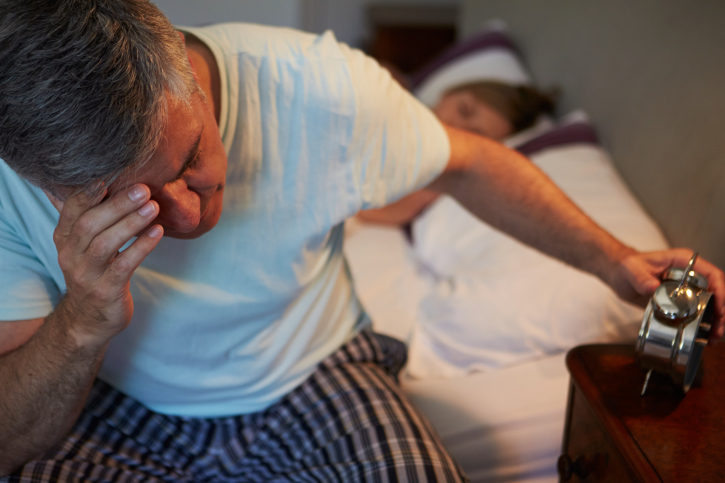 According to a study of 164 healthy people, inadequate sleep could increase the risk of developing a cold. Scientists monitored participants’ sleep patterns for a week, then quarantined them in a hotel for five days and exposed them to a cold virus. Researchers also checked the participants’ blood for an antibody that fights the common cold, then removed participants who had the antibody to make sure those participants would not bias the infection rates of the group.
At the end of the quarantine period, 45.2% of those who slept less than five hours a night exhibited at least one sign of illness—revolving around mucus production—and one other immune response. Of those who slept five to six hours, the cold rate was 30%, compared to 22.7% for those who slept six to seven hours. The rate was only 17.2% for those who got more than seven hours of sleep. At the end of the study, researchers determined that people who slept less than five hours per night were 4.5 times more likely to get sick than those who slept seven hours or more.
I am so sorry to hear about your situation, and cannot imagine the pain you and your wife must be experiencing as she fights her battle against cancer. Let’s get to the root of your questions.
[fat_widget_right]
You love each other. You can’t help being what she needs you to be—she needs you to be you, loving her, and you clearly do. Yes, you will be optimistic if you can and if that helps. Yes, you can cry in front of her after she has had sufficient time to digest the news, and you can cry together to mourn the life that you will not have together, as well as to celebrate the life you have together now and have had to this point. You are grieving. Of course you are grieving. Please allow yourself to grieve in whatever way you need to. Although you say your wife is acclimating to the news better than you are, it’s possible she’s trying to stay “strong†for you, and is grieving inside every bit as much as you are. It’s OK to grieve together. In fact, it could be very helpful. Talk to your wife about what you are feeling and see how she feels about experiencing your grief as a team.
Four years may be a pittance of the time you wished you might have, but it’s also a treasure chest of breakfasts and dinners, fights and laughs, walks and longer journeys, complaints and compliments.
You describe your wife as a fighter, and you sound like you are one, too. You will find ways to be together and do the things you love best. And in those times when grieving in front of your wife doesn’t feel like the thing to do, when you need to scream and holler and let go, it’s absolutely OK to find a private place and do so. You can walk down a busy city street and yell your heart out (I’ve done this myself), or you can hide in the woods and do the same. You can lean on a good friend or family member who will help you mourn and be angry and be thankful, and break apart and heal and hold together.
You have time still to show your love, to enjoy the everyday-ness of being together. Four years may be a pittance of the time you wished you might have, but it’s also a treasure chest of breakfasts and dinners, fights and laughs, walks and longer journeys, complaints and compliments. You will be brave and cowardly, angry and loving, and express all the emotions that humans are capable of feeling, and you will do so both together and separately. All of it is OK. All of it is normal. All of it is whatever you make of it. Please let yourself feel what you feel.
Your wife needs help, yes, but don’t forget that you do, too. You need and deserve supportive people—family, friends, perhaps even groups who will help you through this. You can’t do it alone.
Many hospitals have support groups where people meet and help one another through difficult times. Are you members of a religious or spiritual group? Would you consider working privately with a therapist or counselor—someone just for you, or someone for you both? I highly recommend the empathic support of a therapist to help guide you through the range of emotions you’re feeling right now, especially a therapist who specializes in grief, loss, and bereavement.
I hope you can feel the love and peace that I wish you both.
Take care,
Lynn
 A WebMD study of stress in parents and children suggests many parents may not notice signs of stress in their children. When parents do recognize their children’s stress, they often misattribute the stress to schoolwork challenges, even when the cause of the stress is closer to home.
Do Parents Recognize Their Children’s Stress?
WebMD’s 2015 Stress in Children Consumer Survey collected data from June 1 to July 31, surveying a total of 432 parents of children aged 5 to 13. The survey showed high levels of stress among parents, who rated their stress on a scale of 1Â to 10. Fifty-seven percent reported their stress at a 7Â or higher, and almost 1Â in 5Â parents said their stress was a 10.
Even though these parents reported high levels of stress, most did not think their kids were stressed. In fact, 60% percent of parents ranked their children’s stress at a 4 or lower.
To analyze children’s stress levels, the survey asked about behaviors associated with stress, such as arguing, crying, anxiety, and headaches. Seventy-two percent of parents reported their children had at least one symptom associated with stress during the last 12 months. Forty-four percent of children complained of headaches or stomachaches, and 38% said they experienced frequent nightmares or insomnia. Forty-three percent of parents said their children argued more than usual, and 37% reported an increase in crying or whining. These findings suggest that parents notice symptoms of stress in their children but may not attribute these symptoms to stress.
Why Are Kids So Stressed?
The array of stress-related symptoms reported by most children in the study indicate that kids often struggle with stress, even if their parents do not correctly identify their symptoms.
[fat_widget_right]When asked about the sources of their children’s stress, most parents (53%) said schoolwork and homework were key factors, and 51% said their children’s friends caused stress. Yet 60% of survey respondents reported a stressful family event—such as a divorce, job loss, or death in the family—in the last year. This suggests much of children’s stress may stem from difficulties at home.
Bullying may also play a role in children’s stress levels. Thirty-eight percent of parents reported that their children experienced bullying, with 51% of those parents placing their children’s stress levels between 8Â and 10.
The American Psychological Association’s Stress in America survey may help illuminate some causes of stress among older youth. During the school year, teens often report higher stress levels than adults, though 54% of teens say stress has little or no impact on their physical health, compared to 39% of adults.
Helping Stressed Youth
Therapy can help kids better manage their stress, and some of those coping with conditions such as anxiety or depression may also obtain benefit from medication or extensive lifestyle changes. Overload can affect a child’s overall well-being, so the American Academy of Pediatrics advises parents to intervene if they observe one or more of the following in their children:
- Frequent physical symptoms, such as stomach pain or headaches
- Fatigue, restlessness, or agitation
- A depressed or low mood, irritability, or negativity
- A loss of interest in previously enjoyed activities
- Difficulty communicating about negative feelings
- Changes in grades
- Behavior problems such as stealing, lying, or neglecting family responsibilities
- Changes in a child’s level of dependency; some stressed kids regress, becoming more dependent on their parents
References:
- American Psychological Association survey shows teen stress rivals that of adults. (2014, February 11). Retrieved from http://www.apa.org/news/press/releases/2014/02/teen-stress.aspx
- Shaw, G. (2015, August 17). WebMD survey: Parents don’t see kids’ stress signs. Retrieved from http://www.webmd.com/children/news/20150817/stress-survey
- Signs of overload. (2015, August 20). Retrieved from https://www.healthychildren.org/English/healthy-living/emotional-wellness/Pages/Signs-of-Overload.aspx
 A 28-year-old woman sits across the room from me. Recently diagnosed with bipolar, she is slowly but surely accepting her diagnosis. With a perplexed look, she asks, “But what, exactly, am I supposed to tell guys when we go out? And when should I tell them? And do I even need to tell them at all?â€
If you have a chronic illness and are in the dating world, these questions may sound familiar. Whether you have an “invisible†condition (think arthritis, HIV, diabetes) or a chronic mental health diagnosis (think bipolar, obsessive compulsion, major depression), it can be difficult to know when or how to disclose sensitive information about yourself to romantic prospects.
The realm of online dating has brought about fast and efficient ways to meet new people. Online dating can take away some anxiety and stress when meeting others, and it can open up a world of possibility. Online profiles generally allow users to disclose as much or as little as they want. Similarly, users can often make checklists of must-haves and deal-breakers. So you may put it out there that you don’t want to date someone who smokes, but do you want to tell the dating world about your battle with fibromyalgia?
[fat_widget_right]
People who have been rejected by friends and family because of their diagnosis may feel even more anxiety when it comes to sharing it with a date or potential date. It’s a quandary, no doubt! So how do you decide when to tell a prospect about your diagnosis?
Perhaps these guidelines can help you navigate the world of dating with a chronic illness:
- Inform yourself about your condition and find acceptance. First and foremost, educate yourself about your diagnosis and empower yourself in your treatment. Once you have accepted your condition (at least on most days!), your confidence and self-love will shine through to others. If you need help with this step, find a therapist who can help you move through the stages of grief when it comes to chronic illness.
- Know what you want and what you need in a partner. You are not looking for a caregiver here. You want a partner who will physically help you when needed, one who will be supportive and understanding, and one who is empathetic to your condition. Don’t settle for someone who can “put up with†you. Look for someone who will accept and love you for who you are. Remember the 80/20 rule of relationships: you get 80% of what you really want. Maybe your new date doesn’t like hiking or going to the movies, but the 80% of things you do have in common is really great.
- Share your information thoughtfully. In other words, don’t dump out your purse or pockets on your first date. Think about the important facts of your diagnosis and be able to share them in a succinct way. If your new date has questions, answer them accordingly. If not, that’s OK, too—some people need time to process or may not, in fact, have any questions. Allow the other person time to digest the information, and be open to answering questions if he or she wants to talk more about it later.
In my experience, the vast majority of people who follow these guidelines when disclosing their chronic illness are welcomed with open arms. It’s a rare occasion when a new person is turned off by this kind of disclosure, but if it happens, then he or she simply isn’t the right person for you.
Think you want to share your chronic illness with others on dating websites? There are dating sites, such as PositiveSingles.com, NoLongerLonely.com, and Prescription4Love.com, that cater to people with chronic medical and mental health conditions. The idea behind these sites is that you will be in good company and can more openly talk about your experiences with others who understand.
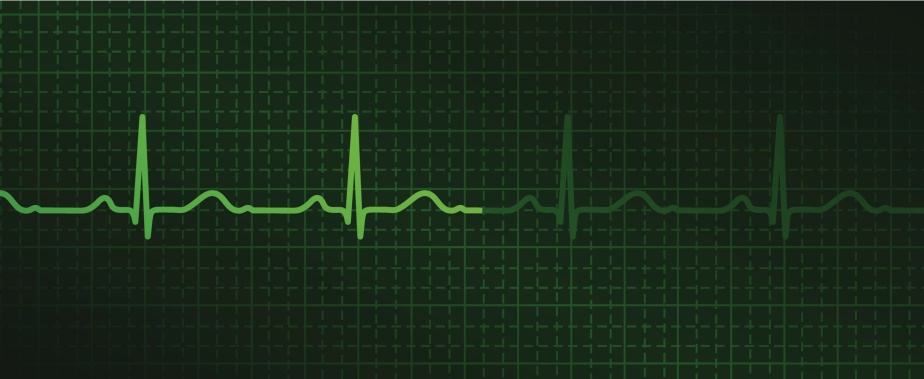 Most people want to live as long as possible, but researchers have found that your brain might, in the end, work against you. The study, published in the Proceedings of the National Academy of Sciences, suggests that brain signals may play a role in cardiac arrest near the time of death.
Changing brain activity with medication, though, may help reverse the process.
Does Your Brain Help Kill Your Heart?
You might think that the brain goes quiet at the moment of death, but the heart actually shows a burst of electrical activity. The study’s authors theorized that this might have something to do with the cardiac arrest that follows some injuries, such as asphyxiation. They tested their hypothesis with rats, with which humans share many physiological similarities. Researchers asphyxiated the rats while examining their brains and hearts. They found that the rats’ brains released more than a dozen neurochemicals around the time of brain death and cardiac arrest. They also found increased connectivity between the heart and brain.
[fat_widget_right]
This, the researchers believe, results from a cascade of events that ultimately lead to the death of the heart. The process begins as the heart rate slows. As the rats in the study lost consciousness, their brains showed highly organized activity. This may signal an attempt to revive the heart when asphyxiation begins to cause cardiac arrest. At the time of death, though, this brain activity may cause the heart to stop. When researchers used drugs to block brain signals to the heart, ventricular fibrillation—a heart rhythm disturbance that can lead to cardiac arrest—was decreased.
Every year, 400,000 Americans experience cardiac arrest, which may lead to death without immediate help. Strokes, hemorrhages, brain injuries, and epilepsy can lead to cardiac arrest similar to that associated with asphyxiation. If the researchers’ work is applicable to humans, it might be possible to save hundreds of thousands of lives.
Reference:
Near-death brain signaling accelerates demise of the heart. (2015, April 6). Retrieved from http://www.sciencedaily.com/releases/2015/04/150406152822.htm