
There is an abundance of information about how anxiety impacts our health—mentally, emotionally, and physically. Anxiety disorders affect approximately 19.1% of adults in the United States annually, making it one of the most common mental health conditions. Anxiety can cause periods of panic, feelings of fear or overwhelm, and a general sense of unease and tension. It can take over your thoughts and bleed into many areas of your life. Have you considered how anxiety destroys relationships with those closest to you?
If you are feeling a [strain on your relationship, anxiety may be playing a role. Could your anxiety (or your partner’s) be putting your relationship at risk?
Here’s how and why anxiety destroys relationships, and what you can do to stop it.
1. Anxiety breaks down trust and connection …
Anxiety causes fear or worry that can make you less aware of your true needs in a given moment. It can also make you less attuned to the needs of your partner. Research indicates that when individuals experience elevated anxiety, they are more likely to experience difficulties in their daily relationships, as anxiety can impair one’s ability to be fully present with their partner. If you’re worried about what could be happening, it’s difficult to pay attention to what is happening. When you feel overwhelmed, your partner may feel as though you aren’t present.
…so train your brain to live in the moment. If you notice a fear or concern that causes your thoughts to stray from the facts or the present moment, pause and think about what you know (as opposed to what you don’t know). Calm down before you act. You can make purposeful steps to build trust in your partner. Share openly when you’re feeling worried, and consciously reach out to your partner (physically or verbally) when you might normally withdraw or attack in fear. Mindfulness practices can increase empathy, emotional regulation, and interpersonal effectiveness, helping redistribute attention away from anxiety-driven hyperfocus.
Key Insight: Nathanael Schlect, Licensed Associate Counselor “Many people with anxiety remain deeply committed partners, even when they feel distracted or overwhelmed internally.”

Reach out to one of our therapists in Minneapolis, MN or find a therapist closer to you.
2. Anxiety crushes your true voice, creating panic or procrastination …
Someone who tends to be anxious may have trouble expressing his or her true feelings. It also may be difficult to keep reasonable boundaries by asking for the attention or space that is needed.
Since experiencing anxiety is uncomfortable, subconsciously you may try to postpone the experience of it. On the other hand, anxiety can cause you to believe that something must be talked about immediately, when in fact a short break may be beneficial.
If you don’t express what you truly feel or need, anxiety becomes stronger and anxiety destroys relationships. Plus, your emotions may eventually spiral out of control if you keep them in. You may become overwhelmed and defensive.
…so acknowledge your feelings sooner rather than later. A feeling or concern doesn’t have to be a disaster in order for it to be addressed. Approach your partner with kindness, so that you’re neither procrastinating nor panicking. Also, find time on your own to unpack some of the thoughts or fears circulating in your mind; they are draining your time and energy.
3. Anxiety causes you to behave selfishly …

Because anxiety is an overactive fear response, someone experiencing it may at times focus too much on his or her own concerns or problems.
Your worries and fears may be putting unnecessary pressure on your relationship. You may feel like you need to worry in order to protect yourself in your relationship, but it might be keeping you from being compassionate and vulnerable with your partner.
Research from the National Comorbidity Survey Replication demonstrates that marital distress is significantly associated with increased risk of anxiety disorders, particularly social anxiety disorder, generalized anxiety disorder, and PTSD, with couples where female partners are affected being particularly vulnerable. If your partner experiences anxiety, you may build up[resentment and react in selfish ways as well. The attitudes and perspectives that we have are contagious. Keeping your stress levels under control is especially hard when your partner is feeling anxious, upset, or defensive.
…so attend to your needs, not your fears. When you notice yourself becoming fearful or defensive, take a moment to consider the compassion that you have for yourself and your partner. Clearly ask for the support you need to feel loved and understood. Apologize for letting anxiety make you self-absorbed.
4. Anxiety is the opposite of acceptance …
A healthy form of worry will tell you “something isn’t right”; it comes via that quick pull at your heart or that tight feeling in your stomach. This signal helps you act, such as when you speak up for someone who is being treated poorly.
Unhealthy levels of anxiety make you feel as though an emotional “rock” is in your stomach almost all the time. Anxiety causes you to reject things that are not dangerous and avoid things that might benefit you. It also can stop you from taking healthy action to change things in your life that are hurting you because it makes you feel hopeless or stuck.

… so practice being uncomfortable. You don’t need to either ignore or obsess over an uncomfortable thought. Take constructive action if you can. Sometimes your partner just needs you to be present with his or her feelings, and sometimes you need to offer that same gift to yourself. You can show your presence to your partner with soft eyes or a soft touch, and be present for yourself with a calming breath.
5. Anxiety robs you of joy …
Experiencing joy requires a sense of safety or freedom. Anxiety makes us feel either fearful or limited. Research shows that anxiety can significantly impact emotional regulation and various aspects of life, including relationships, work-life balance, and overall life satisfaction, and can impact individuals differently. Also, a brain and body trained to stress may have a much harder time enjoying sex and intimacy. Negative thoughts and fears impact a person’s ability to be present within a relationship, potentially sucking the joy out of a moment.
… so don’t take yourself too seriously. You can use your sense of humor to overcome anxiety. Remember to laugh and play with your partner. Joy physically heals and comforts your brain in ways that are vital for a healthy relationship.
Key Insight: Nathanael Schlect, Licensed Associate Counselor “With safety, patience, and communication, couples often rediscover closeness even when anxiety remains present.”
As Anxiety Weakens, Your Relationship Strengthens
Building trust within your relationship may reduce the power of anxiety. By understanding how anxiety impacts your relationships, you can create positive change within a relationship dynamic.
Research demonstrates that cognitive behavioral couple therapy protocols result in statistically significant improvements in couples’ relationships, including reduced anxiety and depression symptoms and increased dyadic adjustment. Mindfulness-based interventions have also shown promise in enhancing social support, emotional regulation, and deeper connections with others, helping individuals develop increased presence, acceptance, and compassion in their daily lives.
A therapist who specializes in anxiety treatment can help you further understand anxiety and help you stop harming yourself and your relationship.
References:
- National Institute of Mental Health. (2024). Any anxiety disorder. U.S. Department of Health and Human Services. https://www.nimh.nih.gov/health/statistics/any-anxiety-disorder
- Whisman, M. A. (2007). Marital distress and DSM-IV psychiatric disorders in a population-based national survey. Journal of Abnormal Psychology, 116(3), 638-643.
- Kasalova, P., Prasko, J., Holubova, M., Vrbova, K., Zmeskalova, D., Slepecky, M., & Grambal, A. (2012). Anxiety disorders in intimate partners and the quality of their relationship. Neuroendocrinology Letters, 33(2), 189-196.
- Monti, F., Agostini, F., Fagandini, P., La Sala, G. B., & Blickstein, I. (2009). Depressive symptoms during late pregnancy and early parenthood following assisted reproductive technology. Fertility and Sterility, 91(3), 851-857.
- Durães, R. S. S., Khafif, T. C., Lotufo-Neto, F., & Serafim, A. P. (2020). Effectiveness of cognitive behavioral couple therapy on reducing depression and anxiety symptoms and increasing dyadic adjustment and marital social skills. The Family Journal, 28(1), 35-44.
- MacDonald, H. Z., Bradley, M., & Neville, T. (2024). Awareness as a vehicle for well-being: College students’ lived experiences participating in a mindfulness-based intervention during the COVID-19 pandemic. Journal of College Student Mental Health, 2, 1-19.
- Zheng, Q., & Yang, W. (2024). Intervention study on the impact of internet-based mindfulness meditation on depression and anxiety among university students. International Journal of Education and Humanities, 16, 224-228.
- Centers for Disease Control and Prevention. (2024). Mental health conditions & care. https://www.cdc.gov/mental-health/about-data/conditions-care.html
by Joel Schmidt, MA, Licensed Mental Health Counselor, in Tampa, FL
Overcoming Health Anxiety: Things You Should Stop Doing (and Some You Should Start)
Are you constantly worried about your health? Does even the slightest new and unusual bodily sensation or symptom have you running to the doctor, sure that it must be something serious? Are you often worried that, even though you’re being told by medical professionals that everything is okay, something undetected and undiagnosed is growing inside of you and slowly killing you? Do you find yourself checking stuff a lot — such as your heart rate or different parts of your body — looking for reassurance that nothing is wrong? Are you spending a good deal of time googling symptoms and researching medical conditions that you may or may not have? If so, you’re probably dealing with disordered health anxiety: a health-focused anxiety that can cause a good deal of distress and an endless cycle of worry.
Although it’s never a bad idea to check in with the doctor every so often (get that annual physical!) or to do health screenings as recommended, excessive checking and reassurance-seeking may be making your anxiety worse instead of providing the much-desired comfort you’re hoping to gain from some of your behaviors.
What to Stop Doing
Here are four things you should stop doing (or at least do less of) if you have health anxiety, followed by some healthier ways of coping.
1. Stop googling symptoms.
We google symptoms to seek reassurance, not realizing that this kind of reassurance-seeking is actually increasing and reinforcing our anxiety.
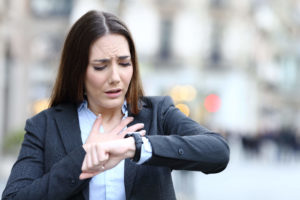
2. Stop obsessing over your fitness watch.
If you have a Fitbit, Apple watch, or any other health tracking wrist device, ditch it if you find yourself constantly checking different measures such as your heart rate, heart rate variability, or ECG results. Like googling symptoms, this sort of behavior keeps us too internally focused and increases the anxiety surrounding health — and only provides very short-term comfort and reassurance.
3. Pay attention to your other checking and reassurance-seeking behaviors and limit them also.
Common checking behaviors include checking the mirror for discoloration of the skin or eyes, looking for new moles or bumps, weighing in or measuring different parts of the body, monitoring your pulse or blood pressure, asking family members or health professionals about your symptoms, and posting questions online for opinions about the health issues you have or suspect you have. Being aware of your body and checking for anything out of the ordinary can be smart and healthy when done as the medical community recommends, but the kind of checking that often comes along with health anxiety is generally excessive and unnecessary.
4. Stop interpreting every new and unusual bodily symptom as a sign of danger.
Our bodies do weird things. Everyone experiences odd pains and sensations every once in a while. It’s normal, and they usually come and go. The average person experiences these things as well but isn’t as internally focused and doesn’t pay the same level of attention to them.
It’s not easy to stop doing these things. It will be uncomfortable, especially at first. What you’ll likely find over time, though, is that stopping these things will liberate you from the prison that health anxiety can create that prevents you from living your life fully.
What to Start Doing
It’s best to replace old habits with new ones. Here are some things you should do instead of the four behaviors above.
1. Check in with your doctor every once in a while.
Get to the doctor to rule out any true medical concerns if you’ve been avoiding this, get your annual physical, do the recommended screenings, and follow through on your doctor’s recommendations. The key here, though, is to follow what your doctor recommends and not what your anxiety dictates. Certainly seek medical help if you suspect something serious, but try to recognize when what you’re doing is just looking for short-term relief and reassurance. The comfort is fleeting and soon enough you’ll be on to the next thing.
2. Talk to a therapist.
Find a therapist that specializes in anxiety disorders – specifically one with experience working with health anxiety. A therapist can help you better understand your health anxiety and teach you some healthier coping mechanisms for dealing with it. They’ll also help you gain insight about how you got here and help you better recognize the thoughts and behaviors that are contributing to your anxiety. Overcoming health anxiety takes work, but a therapist can help you make strides.
3. Recognize that some health anxiety is normal.
As humans, we all have some worry and concern surrounding our health and well-being. When we are struggling with health anxiety, though, our threat detection system is just a little more heightened than it needs to be. This can lead to nonstop false alarms.
4. Be open to the idea of tolerating and accepting a certain amount of uncertainty.
The only thing that would likely bring your health anxiety to zero would be knowing that your risk of experiencing future health-related issues is zero — and that’s just not going to happen. As you start to accept and tolerate some risk above zero, you’ll find that you also start to shift out of anxious thinking and into the kind of life you really want to live.
5. Remember how many times you’ve been wrong about your anxious thoughts.
“What ifs†are at the core of health anxiety — or any other anxiety for that matter. “What if this headache is a tumor growing in my brain?†“What if this stomachache is a sign of something really serious?†“What if this pain in my leg is a deadly blood clot?†How many times have you found yourself having these anxious thoughts and questions? And how many times have you been wrong about those worst-case assumptions? Since you’re reading this, you’ve probably been wrong about most, if not all of them. Let that fact sink in.
6. Shift your focus outward.
One of the hallmarks of health anxiety is an overly strong internal focus. When you notice yourself scanning your body or engaging with and entertaining anxious thoughts, try to shift from an internal to a more outward focus. Find something to do. Call a friend, go for a walk, read a book, and get engaged with the world.
Overcoming Health Anxiety
Living with health anxiety can feel like a rollercoaster. Following this advice will help you get off that ride and free you up to enjoy and make the most of your life. Connect with a therapist who understands what you’re dealing with and start making progress.

by Jennifer Leff, Licensed Clinical Social Worker, in New York, NY
Co-Chair, Behind the Scenes Mental Health/Suicide Prevention Initiative Steering Committee
What’s Going On Behind the Scenes? Mental Health and the Entertainment Industry
No doubt, the pandemic has impacted most industries. However, the entertainment industry was the first to shut down and will be the last to fully re-open. Entertainment industry workers, specifically those behind the scenes, have long experienced mental health challenges and stereotypically, haven’t easily accessed services. The pandemic has only further shed a light on individuals in the entertainment industry, and with this, a strong call for mental health professionals who are equipped to provide support and tailor their clinical practices for those working behind the scenes.
The Need
According to NAMI (National Alliance on Mental Health), one in five adults will experience or has experienced a mental health struggle. In 2019, this individual represented 19.1% of U.S. adults – that is to say about 47.6 million living with a mental illness. Now, triple that number. Individuals working in the entertainment industry — actors, musicians, stage production, roadies — those in front of and behind the set/stage — are approximately three times more likely to struggle with mental health challenges. Moreover, there is a disproportionate struggle with substance misuse in this population. While Arts and Entertainment can transcend emotions and benefit our well-being, it’s somewhat ironic that production and tech workers — the ones we don’t see — are, in fact, suffering. Behind the Scenes, a nonprofit foundation that provides support to entertainment technology professionals, created the Mental Health and Suicide Prevention Initiative to support entertainment industry workers and promote mental health and psychological safety.
The Unique Pressures of Technical Workers
The rigors and unique stressors of entertainment industry work have a negative impact on well-being and mental health. Common industry threads include financial instability, irregular hours, transient work and its impact on relationships, and lack of permanency. Bullying, harassment, and intimidation can occur, and leaders often don’t know how to provide support. This can make people even more vulnerable. It’s also not uncommon for those working in the entertainment industry to lack insurance that covers behavioral health costs.
We Need Therapists Who Get It
It is vitally important to have a cadre of therapists who are familiar with the industry, cognizant of how anxiety, depression, and PTSD are triggered in these workplaces, and willing to adjust their practices to meet the needs of this population (for example, by incorporating sliding scales). Behind the Scenes is passionate about helping industry workers and their families access support and find mental health professionals who get it — and we’re excited to partner with GoodTherapy to help make those connections.
The old adage “the show must go on†is exactly that — old. The show can’t go on if a show’s production — sound, lighting, costume design, and more —  comes to a halt. We’ve seen an uptick in the entertainment industry talking about mental health and wellness; the pandemic has further fueled this discussion. If we continue this conversation and this cultural shift in the way we view mental health, the show can go on in a way that is healthy and sustainable for all.
Mental Health Trumps Reputation
If you go behind the scenes, “reputation†is ubiquitous. Industry workers don’t want to jeopardize their reputation or perceived reliability should they take time off or admit to needing support. It’s okay to not be okay, and it’s human to need help.
Let’s not wait for Suicide Prevention Week or Mental Health Month to highlight mental health or encourage permission to address mental health needs. Check in with friends and colleagues. Next time you’re watching TV, enjoying a music festival, or sitting in a theater audience, think of the rigger or the lighting tech and recognize their work and challenges. If you’re in the industry, know you’re not alone. Support is available for you.
Ready to find a therapist who gets it? Search for therapists near you, then filter your results by Industries & Communities Served > Entertainment Industry.

by Dr. Denise Renye, Licensed Clinical Psychologist and Sex Therapist, PsyD, MA, MEd, in San Francisco, CA
How to Cope with Anxiety If You Can’t Go to Therapy
I spoke with a friend of a friend recently who said he copes with anxiety solely through medication because that’s all he’s been exposed to. It got me thinking about how some people don’t know what else to try for anxiety other than pharmacological interventions because they may not have considered therapy as an option. And even many people who have considered therapy may not be able to afford it. Learning how to cope with anxiety in healthy ways can make such a difference.
This is quite the conundrum because anxiety disorders are the most common mental illness in the US, according to the Anxiety and Depression Association of America (ADAA). Anxiety affects 40 million adults in the U.S. ages 18 and older —  about 18.1% of the population. Also, anxiety disorders are highly treatable, but only 36.9% of people receive treatment.
Therapy and medication are two ways to manage treatment, but they’re not the only ways. What follows are strategies to cope with anxiety without going to therapy or taking drugs.
7 Non-Pharmacological Strategies for Anxiety
1. Exercise
You knew this one was coming, didn’t you? Anxiety is associated with energy; it’s why we have expressions like “fidgeting nervously,†or “a nervous tic.†Exercise is an outlet for that anxious energy. In addition, there are numerous studies that show exercise and regular activity are beneficial for anxiety, meaning exercise reduces it.
2. Change Your Diet
Did you know 95% of your serotonin receptors reside in your gut? It stands to reason then what you feed your gut affects your mood. That’s true and in fact, a 2016 study found healthy eating can alleviate anxiety. Is your diet high in processed foods such as frozen dinners, shelf-stable cookies, and potato chips? If so, those foods could be exacerbating your anxiety. What happens if you try eating differently?
3. Journaling
It’s not uncommon for a person to experience swirling thoughts when they’re anxious. Thinking about the future in a negative way can promote anxiety such as repeating to yourself: “I don’t look good in pictures,†“No one will come to my party,†“Everyone hates me,†or “What if I lose my job?†Writing those thoughts down, letting all your worst fears become expressed, can help release them from your brain and soothe the anxious parts of yourself. This is also helpful if you experience insomnia that may stem from anxiety.
4. Breathing
It seems so simple because we breathe all day long, but conscious breath can go a long way in alleviating anxiety. I’m a proponent of breathing into your belly, alternate nostril breathing, and circular breathing. I also have a free, guided, breathwork meditation. To start, set a timer for 30 seconds (and work up to three minutes) and see how you feel after breathing with intention and awareness. What I love about breathwork is it encourages a pause. Many of us are conditioned to fear a pause, to fear silence. With anxiety, your brain can run off without you, imagining ten steps into the future. Pausing, sitting in silence, brings your brain back to where your feet are, here, in this present moment. Noticing the present moment, being with the pause, the silence, you may notice things aren’t as terrible as they first seemed.
5. Yoga & Meditation
There are numerous kinds of yoga and meditation in the world, but nearly all of them help with anxiety. Experiment with different kinds until you found one that works for you. Yoga and meditation incorporate many of the characteristics I listed above: pausing, breathwork, and focusing the mind.
6. Spirituality
I view a spiritual practice as complementary to therapy and depth coaching because it can help provide access to the internal world. Spirituality can be defined simply as a sense of connection to something greater than yourself and can offer meaning as well as purpose in your life. Cultivating a meaningful connection with something bigger than yourself just may result in emotions such as peace, awe, and contentment. In other words, a spiritual practice — tailor-made for you — can help you cope with anxiety.
7. EFT/Tapping
Emotional Freedom Technique (EFT), also known as tapping, combines cognitive therapies with acupressure for the treatment of psychological distress. A 2016 study found EFT demonstrated a significant decrease in anxiety scores, even when accounting for the effect size of control treatment. More recently, in 2019, researchers found EFT helps physiologically, meaning not only did study participants self-report that they felt better, but their bodies also showed a decrease in resting heart rate and blood pressure and an altering of cortisol levels.
Adult Children of Alcoholics (ACA)
Sometimes it’s really hard to manage anxiety on your own and you just may need support. If money is an issue, Adult Children of Alcoholics (ACA) meetings are a great option. The meeting is open to not only children raised in alcoholic homes, but anyone raised in a dysfunctional environment. The program functions like other 12-step groups in that members share for a limited time and there’s a sponsor or fellow traveler to help a person through the steps. That means there’s a community of people to support you as you learn how to cope with anxiety. However, what’s unique about ACA is that it also addresses post-traumatic stress disorder (PTSD) and has literature devoted to nurturing an inner loving parent. Creating a strong, secure, attachment figure within yourself could help calm anxious parts of yourself, especially if the anxiety is arising from your inner child.
If you’re struggling with anxiety, you don’t have to suffer through it. Anxiety is treatable with a multitude of drugs, therapy, and any of the methods I mentioned above. If one method doesn’t work, try another. And try it for some time as it may take a while. Just know, relief is possible. Start your search for a therapist today.
References
Anderson, Elizabeth; Shivakumar, Geetha. “Effects of Exercise and Physical Activity on Anxiety.†Front Psychiatry. 2013;4:27. doi: 10.3389/fpsyt.2013.00027
Anxiety and Depression Association of America. “Facts and Statistics.†https://adaa.org/understanding-anxiety/facts-statistics, accessed November 18, 2021.
Bach, Donna; Groesbeck, Gary; Stapleton, Peta; et al. Clinical EFT (Emotional Freedom Techniques) Improves Multiple Physiological Markers of Health. J Evid Based Integr Med. 2019;24:2515690X18823691. doi:10.1177/2515690X18823691
Carpenter, Dr. Siri. “That Gut Feeling.†American Psychological Association. September 2012; 43(8): 50. https://www.apa.org/monitor/2012/09/gut-feeling
Clond, Morgan. “Emotional Freedom Techniques for Anxiety: A Systematic Review With Meta-analysis.†J Nerv Ment Dis. 2016;204(5):388-395. doi: 10.1097/NMD.0000000000000483.
Null, Gary; Pennesi, Luanne; Feldman, Martin. “Nutrition and Lifestyle Intervention on Mood and Neurological Disorders.†J Evid Based Complementary Altern Med. 2017 Jan;22(1):68-74. doi: 10.1177/2156587216637539.
Masks Off, Anxiety Up: Dealing with No-Mask Anxiety
After over a year of covering their faces, Americans across the country were told they could breathe freely earlier this year as mask mandates were lifted.Â
Unfortunately, the return to “normal†life hasn’t been smooth sailing for everyone. In fact, nearly half of Americans admit they have concerns about resuming in-person interactions, according to the American Psychological Association. Â
It appears as though the mental health issues brought about by the pandemic aren’t going away anytime soon.Â
Indeed, “no-mask anxiety†is real, and folks all over America are worried about life returning to the way it was before the pandemic.Â
What Is No-Mask Anxiety?Â
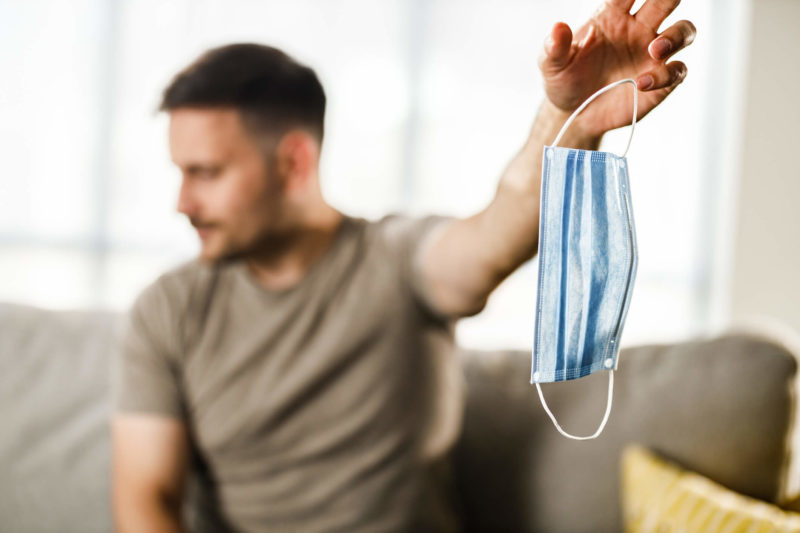
Like the name suggests, no-mask anxiety is a condition where people are scared about the prospect of taking off their masks in public. Â
Those affected by no-mask anxiety feel uneasy when they themselves don’t wear a face covering, and they can also be uncomfortable around others who are not wearing masks.Â
People of all ages can suffer from no-mask anxiety, including kids who are not yet vaccinated.Â
Worried you might be suffering from no-mask anxiety? Don’t be. Doctors say it’s completely normal — and will likely be an increasingly common diagnosis as we move further into the post-pandemic world. Â
The Why Behind No-Mask Anxiety Â
On top of general uncertainty about the future, there are a few reasons why folks might develop no-mask anxiety:Â
It’s become a habit. Â
Imagine Henry, a 45-year-old father of two. Â
For the first 44 years of his life, Henry never wore a mask. All of a sudden, in 2020, he wore a mask every day, each time he stepped out of his house. Â
Since research says it takes an average of 66 days to develop a new habit, it comes as no surprise that Henry now feels more or less “naked†without a mask on.Â
It feels like a security blanket.Â
Throughout the pandemic, masks have served as our front line of protection against the virus. While vaccinations are helping the world safely move past the pandemic, many still feel comforted by wearing a mask and were planning on wearing them for the foreseeable future.Â
Then, suddenly, the CDC updated its guidelines and said that folks who were fully vaccinated could return to pre-pandemic life. Expecting to wear a mask for some time and being told it was no longer required has been a difficult adjustment for many people.Â
“The only time I don’t have mine up is when I’m at home or driving my car,â€Â Jenny Krislov, a resident of Madison, Wisconsin, told Spectrum News 1. “It almost feels like my security blanket.â€Â Â
Krislov doesn’t only wear the mask to protect herself. She also wears it to protect her loved ones.Â
Unmasking can exacerbate social anxiety.Â
Those who have social anxiety live in fear that their peers will judge them for awkward or abnormal behavior in social settings. Simply put, people with social anxiety do everything they can to act “normal†and fit in with the crowd.Â
As the pandemic began, these individuals might have been hesitant to put their masks on in the first place out of concern they’d get weird looks. However, ever since masks were mandated and the vast majority of people complied, they were happy to mask up. Â
Now, as we transition to a post-pandemic world, social anxiety may be a bit higher than normal, according to David Moscovitch, a professor at the University of Waterloo. People who were nervous to be in public might have felt some comfort in being able to hide their faces. But in order to fit in now, they need to reveal their faces — which is causing some people to develop no-mask anxiety. Â
“Many people who didn’t struggle with social anxiety before the pandemic may find themselves feeling more anxious than usual as we emerge out of the pandemic and into a more uncertain future — especially within social situations where our social skills are rusty and the new rules for social engagement are yet to be written,†Moscovitch wrote in a recent paper.Â
Social anxiety got you shut down and isolated, hyper-vigilant and self-critical, or any other way that is blocking your path to a peaceful, full life? Don’t let anxiety define you. Reach out to a therapist near you today for help.
Resilience and Growing Through Change: How to Conquer No-Mask AnxietyÂ
If you’re impacted by no-mask anxiety, you need to remember there’s nothing to be ashamed about. None of us have ever lived through a pandemic at the scale of COVID-19 before, so we will all need to adapt to varying degrees.Â
If you’re looking to conquer your no-mask anxiety, here are a few tips to keep in mind:
1. Take your time.
Just because other people aren’t wearing masks doesn’t mean you have to take yours off, too.Â
Doctors say there’s nothing wrong with taking your time to ease back into a more open world.Â
“You can pick a safe place with safe people, and just gradually go from there,â€Â Dr. Eric Berko of MetroHealth Medical Center told Cleveland’s Fox 8 News. “Keep a mask in your pocket. It’s OK if you feel uncomfortable, just put it on. There’s no harm or shame in any of that. Gradually get yourself out there, and I think you’ll start to feel better and better.â€
2. Force yourself to be social.
As Robert Frost once wrote, the only way out is through.Â
If you find yourself saying no to social gatherings or wanting to keep your face mask on in supermarkets and retail shops, try to force yourself to do the opposite.Â
“Catch yourself when you’re choosing to avoid even when you aren’t being forced to do so by pandemic-related restrictions,â€Â Moscovitch said. “Do your very best to summon the courage to push yourself to enter those situations and confront your anxiety.â€Â
3. Find resilience.
According to Brené Brown, people who are resilient in the face of trauma tend to practice three specific acts:Â
- The Reckoning, where they admit that they’re feeling different feelingsÂ
- The Rumble, where they conduct a reality check on the narratives surrounding their strugglesÂ
- The Revolution, where they rewrite their stories and transform their mindset on a foundational levelÂ
If you’re struggling with no-mask anxiety — or any other effect of the pandemic — remember that you don’t have to wrestle the issue entirely on your own.Â
Start your search for a therapist who can guide you through your struggle and help you live a more fulfilling life today.Â

What Makes Clergy Abuse So Different?Â
Acts of sexual abuse are inexcusable. Acts of sexual abuse at the hands of priests, clergy, and other religious leaders are particularly inexcusable, not only given the many facets of their unique positions but also because of the complexity of the religious institutions that employ them. Clergy abuse causes harm in many ways, but new laws are increasing accountability for clergy members and legal options for abuse survivors.Â
The abusive acts are never the fault of survivors. It takes courage for a survivor to acknowledge that abuse occurred. For some, reading this article may be a step in your process of acknowledging what has happened to you. You are not alone.Â
This Moment in History
Clergy abuse is not a new phenomenon. Survivors, many of whom were children at the time of the sexual abuse, are now coming forward in greater numbers. This is, at least in part, due to recent changes in law allowing survivors to seek civil justice for the pain, emotional distress, and trauma suffered as a result of the abuse.Â
Clergy Abuse Is Different
Clergy members are unique in their positions. Due to the inherent nature of their esteemed positions and the belief that they are closer to God, religious leaders occupy positions of authority. They are respected and deemed trustworthy. They are also the very people who are expected to set an example of moral and ethical behavior in our communities. People often look to clergy when in need of help, guidance, or to confess their sins. Â
Betrayal of Trust
However, when members of clergy prey on their students and congregants, they are exploiting not only their trust but the trust of their families. These are the people they are supposed to be serving. Many survivors have suffered in silence, fearful that they would not be believed if they reported the abuse. Indeed, the dark irony is that the abuser may be the same person the survivor would have otherwise turned to for counseling in such a time of need. Furthermore, when the perpetrator of sexual abuse is a clergy member, the religious institution may also be responsible and liable for the abuse.Â
Criminal acts of sexual abuse have been committed by local religious leaders and their employees for decades. The most common example is the longtime and ongoing abuse, mostly of minors, by Catholic clergy members. The 2015 film “Spotlight†told the true story of the Boston Globe journalists who uncovered decades-long cover-ups at the highest levels of Boston’s religious, legal, and government establishments, touching off a wave of revelations around the world. Because the cycle of abuse had occurred for so long in secret, with little to no consequences for the abusers, several of the accused or convicted in this investigation and others like it stated that the abuse had become normalized to them. Â
The Impact of Clergy Abuse
Emotional Distress
Most, if not all, survivors will agree that the impact of sexual abuse does not stop once the physical contact has ended. Physical contact is often associated with levels of emotion, and it is well documented by organizations such as the Department of Health and Human Services that survivors feel shame, guilt, and embarrassment surrounding the abuse they suffered. These very same feelings are what predators count on to keep their abused silent.Â
If you are wrestling with the emotional distress of abuse, help is available. Click through to find a therapist near you who can help.Â
Power and Manipulation
When the abuser is a religious leader or member of the clergy, complications can arise because they often know how to elicit certain responses from people. Many priests are expected to be able to soothe and counsel people in times of emotional distress. It is reasonable to believe that if that same priest had engaged in physical or sexual abuse, he could use that specialized ability in more sinister ways, namely, to deter a survivor or their family from reporting the abuse to other leaders within the religious organization or to law enforcement.Â
An abuser will often feel he is in control of the situation and will go on with life and business unscathed, believing he will presumably be backed by his religious institution if accused. That influence can begin with something as simple as a whispered rumor among the congregation to preemptively tarnish the survivor’s reputation. From there, the abuser succeeds if the matter snowballs in his favor or if the survivor never comes forward with a claim.Â
Psychological Trauma
Psychological trauma often goes hand-in-hand with emotional abuse. But the critical difference between the two is that psychological abuse has stronger effects on a survivor’s mental capacity. While emotional abuse affects what people feel, psychological abuse affects what and how they think.Â
It’s not uncommon for psychological abuse to take place during and even after the physical act(s) of abuse. This often looks like manipulation, gaslighting, or making harmful threats. In an instant, an innocent survivor will feel that what is happening is acceptable or that no one will believe them. Although many individuals do face hurdles when coming to terms with and reporting physical and sexual abuse no matter the context, reporting the abuse can often be a way to take back their own power.Â
Mental Health Concerns
It is important for survivors of sexual abuse to seek professional help and to find healthy ways to cope with the emotional and psychological impact of their abuse. People who have experienced psychological abuse often report feelings of depression, suicidal ideation, low self-esteem, difficulty trusting others, and post-traumatic stress disorder (PTSD). PTSD has effects that can last for years. It can paralyze people’s mental states to prevent them from working, concentrating, or caring for themselves and others.Â
Trying to Cope Through Substance Abuse
The psychological impact can also lead to drug and alcohol abuse as a coping mechanism. The National Institute on Alcohol Abuse and Alcoholism has published several studies and reports detailing how alcoholism can be a consequence of child abuse. While alcohol and controlled substances may do long-term damage, they can be perceived as providing temporary solace from the torment. However, research shows that alcohol can actually complicate symptoms of anxiety, depression, and PTSD.Â
Sexual and Physical Pain
Physical abuse such as beatings, lashings, and burnings may have been supplemented by sexual acts performed or demanded by clergymen. The physical pain endured by survivors is often accompanied by and causes emotional distress and psychological trauma as well.
The Road to Healing
It is common for anyone who has been through the trauma of sexual abuse to want to feel safe and to regain control of their life. The process of healing from abuse is different for everyone, and support groups for survivors have grown in recent decades.Â
But there is a difference between healing and justice, and survivors should feel vindicated if they want one or both.Â
You Have Rights
The abuse of a child almost always occurs in private and out of public view, so proving that the church or religious organization knew or should have known (of the abuse) can be particularly challenging. Thankfully, legal reforms in California and other states have been passed to help empower survivors and their families.Â
California Law
In 2019, California Governor Gavin Newsom signed into law AB 218, which enhanced protections for survivors of crime and abuse. This law includes measures establishing an amnesty clause protecting survivors and witnesses of sexual assault.Â
For survivors of childhood sexual abuse that occurred in California, this update to the law adds extra time to seek civil justice. AB 218 raised the age limit for abuse survivors to bring legal action against their abusive clergy member or other church-affiliated abusers. This law gives survivors of childhood sexual abuse until age 40 – or five years from the discovery of the abuse – to file civil lawsuits. Before AB 218, the age limit had been 26, or within three years from the discovery of the abuse. Furthermore, AB 218 provides a three-year lookback window for claims that would have previously expired under the old law.
The Legal Process for Survivors Wanting Justice
Survivors of sexual abuse now have stronger laws on their side. If survivors want to secure civil justice, they can do so in a court of law. It can be tough to investigate claims if the reported abusive conduct took place many years ago. Still, it is important to move forward with them regardless of how much time has passed.Â
The first step in achieving justice for a survivor of sexual abuse is to speak with a plaintiffs’ lawyer who is familiar with these new laws and has had success litigating sexual abuse claims.Â
Law firms like mine represent clients of almost every age, gender, sexual identity, and race. We have collaborated with experts for years on civil and criminal matters involving clergy sexual abuse. It’s important to know that if you have suffered abuse, you have rights that you are free to exercise.
Mary Alexander is a plaintiff attorney based in San Francisco who represents victims of abuse and accidents. Visit her firm’s website here.
If you’re struggling to deal with any type of abuse, please reach out for help. There are many trauma therapists who are trained to support people in your exact situation. You don’t have to go it alone. To find a trauma therapist who can help, click through to search for a therapist near you and filter by Common Specialties>All other issues>Abuse/Abuse Survivor Issues.

By Dr. Jocelyn Markowicz, PhD, Psychologist
Attachment Hope for Couples: How to Improve Your Security Odds
You walk into the room and lock eyes with the most gorgeous human being you have ever seen. This individual locks eyes with you as well. You begin talking and realize that the chemistry between you is intense. You plan a date. You have several great dates. You fall in love and begin to talk about spending the rest of your lives together. You have the wedding. You go on the honeymoon. You begin to live your day-to-day lives together. (Perhaps not quite in that order.) But then, as you settle into shared lives, you notice that something is changing. The arguments are more frequent. The emotions are not all positive. Why does your partner leave when there is conflict? Why does your partner walk away when you need soothing? Why are they sometimes exhaustingly clingy and other times too independent? John Bowlby and Mary Ainsworth offered an answer rooted in attachment styles to these questions. Several researchers after them offered solutions. I’d like to share them with you.Â
The Evolution of a Relationship
It is important to acknowledge that it takes time for interpersonal patterns to emerge within a romantic relationship. A perception bias occurs when you first fall in love that naturally heightens your connection to your partner’s strengths and limits your awareness of their weaknesses. Thus, it is in day-to-day living that you develop more accurate perceptions of patterns that are problematic.Â
Why You Relate the Way You Do
In the 1960s, John Bowlby asserted that we learn positive and negative ways of relating based on our parent-child experiences. Our ways of relating are designed to strengthen our bond with our attachment figures (parents/caregivers) growing up. They help us survive. An attachment behavioral system gradually emerges wherein we attempt to regulate our emotions and behaviors toward an attachment figure. To do this, Bowlby (1980) asserted that the attachment system essentially asks the following fundamental question: Is the attachment figure nearby, accessible, and attentive? According to Bowlby (1980), an individual who has experienced a secure attachment is likely to view attachment figures as available, responsive, and helpful. An insecurely attached individual would view attachment figures as inaccessible, untrustworthy, and unreliable.
Different Attachment Styles
Ainsworth expanded on Bowlby’s attachment behavioral system and introduced specific attachment styles that explain our attachment behaviors. She outlined three specific attachment styles: (1) secure attachment and two insecure attachment styles: (1) anxious-resistant, and (2) avoidant (Ainsworth, 1979). In adult romantic relationships, the insecurely attached adult who is anxious-resistant would be dependent on their partner and yet reject their soothing attempts. The insecurely attached adult who is avoidant would not seek emotional or physical comfort from their partner when experiencing emotional distress.Â
Bowlby and Ainsworth helped us to understand that our way of relating to others is guided by our early attachment experiences, but do we indeed exhibit the same attachment behaviors in our adult romantic relationships?
Further Research into Attachment StylesÂ
Hazen and Shaver (1987) evaluated Bowlby’s theoretical premise that early attachment behaviors extend to adulthood and are relatively stable. They conducted research and found that adults also reported the three attachment categories that Ainsworth determined (secure, anxious-resistant, and avoidant). Their research identified that romantic relationships are attachment bonds and share similar attachment behaviors that characterize parent-child interactions. In essence, Bowlby and Ainsworth were right to suggest that we can look at our adult relationships and evaluate our partner’s attachment behaviors based on their childhood attachment experiences.Â
Are People Stuck Forever in Patterns from Childhood?Â
What happens if you partner with someone with an insecure attachment style? Can their attachment style become secure?Â
Researchers had the same questions about whether or not early attachment behaviors could be changed in adulthood. Findings across several studies did indicate that while early attachment style is relatively stable (Kim, Baek, & Park, 2021), attachment behaviors can change (Tmej, AMA et al., 2020;Â Sims, 2000;Â Rimane, Steil, Renneberg, & Rosner’s, 2020; Overall, Simpson, & Struthers, 2013;Â Gazder & Stranton, 2010; Park, Johnson, MacDonald, & Impett, 2019). Therein lies the hope for the couple. So, back to the question, what happens if you partner with an insecurely attached individual? How can you increase your secure attachment odds in your relationship?
Distress in romantic relationships is the leading cause for adults to seek psychological services (Bradbury, 1998). There are specific interventions that increase attachment security or reduce the negative impact of insecure attachment behaviors in romantic relationships. The following interventions are supported by empirical examination.
Transference-Focused Therapy
Transference-focused therapy (TFT) is a therapeutic intervention that aims to reduce impulsivity, stabilize mood, and improve interpersonal and occupational functioning. The intervention is specifically designed for individuals who struggle with borderline personality disorder. Trauma can impact the internalized representations of personality. It is not uncommon for individuals to develop maladaptive personality traits in response to trauma. Trauma impacts attachment bonds. TFT is a great choice for an individual partner in a couple dyad who may also struggle with borderline personality. A recent study found that individuals who participated in TFT moved towards securely attached with some preoccupied behaviors away from insecurely attached with preoccupied behaviors (Tmej, AMA et al., 2020)
Emotionally Focused Therapy
Emotionally focused therapy (EFT) for couples focuses on reshaping distressed couples’ structured, repetitive interactions and the emotional responses that evoke partners and foster the development of a secure emotional bond (Jonson, 1996; Jonson, 1999). The EFT model assumes that the negative emotions and interactional cycles typical of distressed couples represent a struggle for secure attachment (Bowlby, 1969). Sims (2000) randomized 26 couples in which at least one partner had been rated as insecurely attached to EFT or a waitlist control group. Couples in the EFT treatment condition increased their attachment security (and decreased attachment-related avoidance) more than the control couples.Â
Trauma-Focused Cognitive Processing Therapy
Trauma-focused cognitive processing therapy (CPT) focuses on changing the dysfunctional beliefs associated with trauma. Trauma during our early attachment years impacts our attachment functioning, thereby shaping how we related to others in romantic relationships. CPT offers hope for couples in that an insecurely attached partner, who has been the victim of trauma, can participate in this mode of treatment to improve functioning. In Rimane, Steil, Renneberg, and Rosner’s (2020) study, individuals who participated in CPT experienced reduced avoidance attachment (insecure) behaviors when assessed post-treatment.
Dyadic Regulation Processes
Dyadic regulation processing occurs in couples therapy and is designed to improve attachment-relevant dyadic interactions between them. Applying the Dyadic Regulation Processing Model, researchers evaluated how partners can buffer the impact of their partner’s anxious resistant or avoidant behaviors due to their insecure attachments. Overall, Simpson and Struthers (2013) videotaped romantic couples discussing relationship problems identified by one partner who wanted changes in the other partner. Results indicated that insecurely attached partners whose partners displayed more softening exhibited less anger and withdrawal, and their discussions were more successful. These partners buffered their insecurely attached partner’s responses by learning to be sensitive to their autonomy needs, validating their viewpoint, and acknowledging their constructive efforts and good qualities.
Partner Relationship Mindfulness
General mindfulness is defined as the awareness of what is happening in the moment. In their study, Gazder and Stranton (2010) defined relationship mindfulness (RM) as open or receptive attention to and awareness of what is taking place internally and externally in a current relationship. They found that an individual’s own daily relationship mindfulness did not buffer the effects of their own insecure attachment on same-day relationship behaviors, but their partner’s daily relationship mindfulness did. In essence, you can buffer the impact of your partner’s insecure attachment behaviors by increasing your own relationship mindfulness. Therapy is a great place to learn how to practice relationship mindfulness techniques.
Partner with Someone with a Secure Attachment Style
As outlined, various treatment interventions can move an individual and couple towards more secure attachment relating. At this point, you may be thinking that hope is only achieved within a therapeutic setting. I have good news for you. If you are a securely attached individual, you play an important role in your relationship with an insecurely attached partner. Experiencing secure behaviors within romantic relationships can reduce representations of insecure attachment style (Park, Johnson, MacDonald, & Impett, 2019). How romantic! Your secure attachment behaviors can provide a secure base for your insecurely attached partner to grow. In the context of your relationship, you and your partner will experience many life events together. In their most recent study, Fraley, Gillath, and Deboek (2020) found that life events could change attachment style presentations in adulthood, with some changes yielding an enduring pattern. Â
What Lies within Our Power?
We cannot go back to our childhood and choose caregivers that would prevent us from developing an insecure attachment style. We, therefore, cannot prevent the impact of any dysfunctional early childhood attachment experiences on who we are, interpersonally, as adults. However, there is hope. We can increase our secure attachment odds by choosing partners who are securely attached. We can participate in couples therapy interventions. We can also offer a secure attachment base for our insecurely attached partner. Attachment styles do not equate to fixed potential in your relationship – there is always room for growth.Â
If you’re ready to explore how therapy can help you and your relationship, click through to find a couples therapist near you.
References
Ainsworth, M. D. S. (1979). Attachment as related to mother-infant interaction. In Advances in the study of behavior (Vol. 9, pp. 1-51). Academic Press.
Bowlby, J. (1969). Attachment and loss: Vol. 1. Attachment. New York: Basic Books.
Bowlby, J. (1980). Loss: Sadness & depression. Attachment and Loss (vol. 3); (International psycho-analytical library no.109). London: Hogarth Press.
Bradbury, T. N. (1998). The developmental course of marital dysfunction. New York: Cambridge University Press.
Gazder, T. & Stanton, S. C.E (2020). Partners’ Relationship Mindfulness Promotes Better Daily Relationship Behaviors for Insecurely Attached Individuals. Int J Environ Res Public Health. 5;17(19):7267.
Hazen, C., & Shaver, P.R. (1987). Romantic love conceptualized as an attachment process. Journal of Personality and Social Psychology, 52, 511-524.
Johnson, S. (1996). The practice of emotionally focused marital therapy: Creating connection. New York. Brunner/Mazel.
Johnson, S. (1999). Emotionally focused couples therapy: Straight to the heart.Â
In J. Donovan (Ed.), Short term couple therapy (pp. 14-42). New York Guilford Press.
Fraley, R.C., Gillath, O. & Deboeck,P.R.(2020, August13).Do Life Events Lead to Changes in Adult Attachment Styles? A Naturalistic Longitudinal Investigation. Journal of Personality and Social Psychology.Â
Kim, S.â€H., Baek, M., & Park, S. (2021). Association of parent–child experiences with insecure attachment in adulthood: A systematic review and metaâ€analysis. Journal of Family Theory & Review.
Overall, N.C., & Simpson J. A.( 2013) Regulation processes in close relationships. In: Simpson JA, Campbell L, editors. The Oxford handbook of close relationships. New York: Oxford University Press; 2013. pp. 427–451.
Park, Y., Johnson, M. D., MacDonald, G., & Impett, E. A. (2019). Perceiving gratitude from a romantic partner predicts decreases in attachment anxiety. Developmental Psychology, 55(12), 2692–2700.
Rimane, E., Steil, R., Renneberg, B. & Rosner, R. (2020). Get secure soon: attachment in abused adolescents and young adults before and after trauma-focused cognitive processing therapy. European Child and Adolescent Psychiatry.
Sims A. Unpublished doctoral dissertation. University of Ottawa; Canada: 2000. Working models of attachment: The impact of emotionally focused marital therapy.
Tmej, A., Fischer-Kern, M., Doering, S., Hörz-Sagstetter, S., Rentrop, M., & Buchheim, A. (2021). Borderline patients before and after one year of transference-focused psychotherapy (TFP): A detailed analysis of change of attachment representations. Psychoanalytic Psychology, 38(1), 12–21.
 Things Aren’t That Bad: 5 Reasons People Give to Avoid Getting Professional Help
According to the National Alliance on Mental Illness, 1 in 5 adults experience mental illness, but not all of them seek out professional help. In fact, nearly 60% of adults with mental illness do not seek mental health help. With a seemingly endless list of consequences, not getting help for mental illness can result in increased dependency on substances, increased risk of suicide, disruptions in your everyday life, and much more. Even though it is dangerous to avoid getting professional help, many adults still do. Below are five common excuses for avoiding therapy… and reasons to push past them.Â
Common Excuses to Avoid Therapy
#1: “Things Aren’t as Bad as They Seem.”
Even if you’re dealing with a myriad of mental health-related issues, it’s very common for you to tell yourself and others that things are really not that bad. This excuse is often used when other individuals in your life point out differences in your behavior or notice you are going through a difficult time. Even though you are showing noticeable changes in your normal self, saying things are not as bad as they seem is an excuse that seeks to diminish those concerns. But this excuse suggests a “tough it out” attitude about mental health issues, which often doesn’t lead you out of those issues, but merely allows them to persist. You don’t have to suffer alone.Â
#2: “Therapy Is Too Expensive.”
A common concern and excuse for avoiding professional help is the cost of therapy. Yes, therapy can be expensive, but not always. Depending on several cost factors, insurance may make it more affordable than you realize. Some therapists offer sliding scale rates, meaning that they have room in their practice for clients who need discounted rates. There may also be affordable and accessible mental health services in your area, just waiting to be explored.Â
#3: “I Don’t Need Therapy.”
Sometimes we view professional help as a luxury or something that should only be used by people who suffer from seemingly “worse” mental health conditions than whatever we’re dealing with. The truth is, most mental health issues that adults experience are not considered severe at first, but they can become dangerous if left unattended. For example, mild depression or anxiety, left to fester, can grow into major depressive disorder. Seeking professional help can help you get your symptoms under control before they become overwhelming or dangerous.Â
It’s important to note as well that constantly living in state of stress, depression, or anxiety can actually do a lot of harm to your everyday life. You don’t have to “hit rock bottom” for your struggle to be worthy of attention and care. You matter, your quality of life matters, and pursuing your own mental health is worthy no matter how things are going.
Keep in mind the ripple effects of learning better coping mechanisms, healthier ways of interacting, a strong self-image, and direction in personal growth over time. Learning to fight better with your partner, replacing your negative self-image with a positive one, or recovering from childhood trauma are treasures that you will take into every day for the rest of your life.
#4: “I Don’t Know Where to Start.”
If you don’t know where to start in seeking professional help, there are two great places to go. If you have an insurance carrier, you should start by calling them. The number of your insurance provider can usually be found on the back of your insurance card. You can learn more about your coverage for services and receive recommendations about covered professional help in your area directly from them. The second option is to look at an online directory of therapists. Here, you can find a list of therapists in your area who are ready to help.
#5: “I’m Too Busy.”
We all know that life can get busy, and it can seem like we do not have time to spare. This can feel especially true when we’re considering something we do not really feel excited about. But making time to get professional help is worth it. With the support of a therapist, you can learn to manage your mental illness, pursue personal growth in a way that frees you to be your best self, and let go of things that just aren’t serving you. There is always time for that.Â
It Is Time to Get Professional HelpÂ
No matter your situation, if you’re struggling with your mental health, you should seek professional help. To learn more about a therapist in your area who is ready to help you, click here.

By Gary Trosclair, DMA, Licensed Clinical Social Worker
Do you really have OCD? Or is it OCPD?
OCD has become a household term we casually use to refer to anyone who needs to have things a certain way. As a casual term, it works well. It gives us a general sense of what’s being described. But if it’s used as an actual diagnosis to determine therapeutic treatment, it can cause problems. People who we might casually say have OCD may actually have a different condition, and the differences between these conditions call for a different approach to treatment. Â
OCD, Obsessive-Compulsive Disorder, may look similar at first to a different condition, OCPD, Obsessive-Compulsive Personality Disorder, which is often overlooked and even misdiagnosed by clinicians. But OCD is an anxiety disorder, while OCPD is a personality disorder.
Diagnostic Difficulties
Far fewer people have OCD than have OCPD: 1.2% of the population has OCD,[1]Â while as much as 7.9% has OCPD.[2]Â Â
About 20% of the people who have OCD also have OCPD,[3] making it difficult to distinguish between the two. And both diagnoses can be either severe or less-debilitating. Many people have some traits of Obsessive-Compulsive Personality Disorder but do not meet the full diagnostic criteria. These individuals can be very productive and fairly well-adapted socially.
Proper diagnosis should be completed by a licensed mental health professional. But following are some fundamental differences that may help you to better understand yourself in either case.
Symptoms: Specific vs. Generalized
People with OCD have specific obsessions (thoughts that are intrusive, involuntary, repetitive, irrational, and anxiety-provoking) and specific ritualistic compulsions (repetitive behaviors they can’t stop, such as checking and washing). On the other hand, the entire personality of someone with OCPD is affected by an overwhelming need to prioritize control, perfectionism, and order.
While people with OCD may try to control very particular things in order to quiet their obsessions, people with OCPD tend to be controlling universally. It’s as if the space they need to control is much larger. It’s not just the cupboards, it’s their entire world, and they can become very rigid about it.
Emotional Differences
People with OCD are more likely to feel anxious when specific things aren’t the way they want them to be. People with OCPD are more likely to feel angry if things aren’t the way they believe they should be. Â
For instance, Angie, who suffers from OCD, is concerned about how the dishes get washed because she feels anxious if they aren’t absolutely clean.
But Arthur, who suffers from OCPD, insists that the correct thing is to have the entire house in order all the time. People with OCPD may justify their efforts to control by trying to prove that their way is the right way. They feel that they are trying to do the right thing to make life better for everyone, and their efforts can be helpful. But in many cases, they may become rigid in their actions, and, contrary to their motivations, they can make things more difficult for others.
People with OCD don’t necessarily restrict their emotions. However, they do try to control their thoughts (which can range from mildly uncomfortable to very disturbing) by doing compulsive things, such as repetitive and ritualistic cleaning and checking.Â
But people with OCPD often try to control their emotions as well as their environment. They’re known for delaying gratification. They often give priority to their work, neglecting relationships and their own wellbeing. The emotions they are most aware of are anger, frustration, and resentment. They are more reluctant to be vulnerable than those with OCD, and may not even be aware of any underlying anxiety.
Angie gets anxious if the top is off the toothpaste tube because she fears germs. Arthur gets angry because it’s wrong to leave it off.
Shame or Pride about Their Condition
People with OCD don’t like their obsessions and compulsions and willingly seek help.
People with full-blown OCPD, because they try so hard to live their lives according to moral principles, are very proud of the way they live and don’t understand that they have a disorder. They tend to seek help only when forced to do so by a partner or when they become so depressed from trying to live with such demanding standards that they can’t go on that way any longer.
Motivations
People who have OCD are motivated to stay safe and to prevent catastrophes. People with OCPD are more motivated by rules and perfectionism. While they may justify their control by pointing to possible catastrophes, their underlying motivation often has more to do with wanting to avoid chastisement, blame, or failing to fulfill their responsibilities.
People with OCD are more clearly motivated to relieve their anxiety. While people with OCPD may also have underlying anxiety or a fear of being abandoned, their conscious concern is that they want to be respected rather than criticized. Â
Behavioral Differences
While people with OCD may often behave in an insecure way because of their obsessions and compulsions, people with OCPD may become domineering, trying to hide their insecurities from themselves and others. Â
People who have OCD spend much of their time in compulsive rituals such as cleaning and organizing. People with OCPD spend more time planning and working.
OCD efforts are usually maladaptive, except insofar as it helps them to maintain good hygiene. In contrast, some OCPD traits can be adaptive in a practical way, allowing them to succeed in the outer world, even if it makes them very unhappy. Because they are very conscientious, meticulous, energetic, and committed, they can make significant contributions in many fields, from art to public service to accounting. Most successful performers and athletes are compulsive to some degree.
Differences Among Compulsive Personalities
There are wide variations in the degree of unhealthiness among people with compulsive personalities, based on how controlling, perfectionistic, and rigid they are. Some, who don’t technically have OCPD but only have some compulsive traits, have very few maladaptive symptoms and can be very helpful in planning, organizing, and getting things done.
And there are wide variations in the style of compulsive personality: some are domineering, some are workaholics, some are compulsive people-pleasers, and others are so obsessive about getting things just right that they can’t get anything done.
Treatment
There is significant research to demonstrate that targeting the specific symptoms of OCD, as short-term Cognitive Behavioral Therapy (CBT) does,[4]Â can be effective for treating OCD.
There is far less research regarding the treatment of OCPD. In fact, according to psychologist and researcher Anthony Pinto, “there is no empirically validated gold standard treatment for OCPD.â€[5]
However, there is reason to believe that approaching OCPD treatment by targeting specific symptoms may not be as effective as it is for OCD because of the pervasive nature of personality disorders. OCPD may benefit from a longer course of treatment in psychodynamic or expressive therapy.[6]Â This approach can help the individual to understand the possible benefits of their inherent personality style and to understand how those same traits can turn destructive when taken to extremes. Psychodynamic therapy can help them develop a better relationship with their emotions and use their need for control and perfectionism in a healthier way.
Getting to the Root Causes of OCPD
The causes of OCPD include genetic, environmental, and dynamic factors. These dynamic factors include the strategy the individual unconsciously adopted to cope with their particular combination of inherited traits and family situation. We can refer to these dynamic factors as old tapes, triggers, complexes, schemas, or patterns that they play out unwittingly, as if they were still living in the past with their families.
Attempting to treat the systemic, unconscious, and underlying character organization of OCPD by targeting just its external manifestations may not shift the underlying causes.
For example, some compulsives cope with their anxiety by externalizing, by getting those around them to do what they think should be done so that they feel safer. Other compulsives cope by internalizing, by taking too much responsibility on themselves and becoming people-pleasers to avoid a feared abandonment.
In most cases, people with OCPD feel a great need to prove themselves, and they attempt to do so with perfection, order, and control. Â
Whatever the underlying dynamic, a therapeutic experience that gives the individual a chance to identify their specific coping strategy by seeing their old tapes play out in session with a therapist can be very effective. Does the client try to control the therapist? Does the client try to control his own emotions in session? Do they try to prove to the therapist that they are ethically good? This process often requires patiently developing awareness of emotions and the capacity to tolerate them in session, rather than reacting to them by trying to control themselves or the therapist.
The Potential Benefits of Compulsive Personality
If your basic character style is compulsive by nature, you won’t be able to change that. But you can begin to use your natural meticulousness, conscientiousness, and tendency to plan in a healthier, more conscious way that works well for you and the people around you. This can’t happen if efforts to change includes only trying to eradicate symptoms. Â
I have referred to anxiety and a need for respect as motivations for the individual with OCPD. But on an even deeper level, they are motivated by a desire to help, plan, and repair in ways that can benefit everyone. Finding that original motivation can equip the OCPD sufferer with insight and direction, which can help them to heal and to be more helpful to those around them.
Footnotes
[1] National Institute of Mental Health website. Obsessive-Compulsive Disorder. https://www.nimh.nih.gov/health/statistics/obsessive-compulsive-disorder-ocd.shtml. Retrieved 12.23.20.
[2] Burkauskas, J. F., Naomi. (2020). History and Epidemiology of OCPD. In J. E. Grant, Anthony Pinto, Samuel Chamberlain (Ed.), Obsessive-Compulsive Personality Disorder (pp. 1-16). Washington, D.C.: American Psychiatric Association Publishing.
[3] Mancebo, M. C., Jane L Eisen, Jon E. Grant, Steven A. Rasmussen (2005). Obsessive Compulsive Personality Disorder and Obsessive Compulsive Disorder: Clinical Characteristics, Diagnostic Difficulties, and Treatment. Annals of Clinical Psychiatry, 17(4), 197-204. doi:10.3109/10401230500295305
[5] Pinto, A. (2020). Psychotherapy for OCPD. In A. P. Grant JE, Samuel R. Chamberlain (Ed.), Obsessive-Compulsive Personality Disorder (pp. 143-178). Washington, D.C.: American Psychiatric Publishing.
To find a therapist in your area who can help you work through the concerns in your life, click here.

Maternal mental health was not always on the radar of things to address for many behavioral health providers in our nation. In 2020, the world view has shifted, and the mental health of mothers (and parents in general) is increasingly important to the behavioral health community. More and more providers are exploring mental health disorders in women who are pregnant, are new mothers, or are experienced mothers and how their mental health impacts that of their children. According to the World Health Organization, roughly 10% of pregnant women and 13% of women who have just given birth experience a mental disorder, primarily depression, leading to an inability to properly function and impacting the growth and development of their children. Below are some of the common types and causes of Maternal Mental Health Disorders and how managing one or more of those disorders can impact a child.
Common Types of Maternal Mental Health Disorders
1) Depression /Postpartum Depression
Depression is the most common maternal mental health issue experienced by mothers across the globe. While many mothers experience varying types of depression in their lives, the number one most experienced form is postpartum depression. Up to 80% of women will experience postpartum depression to some degree after childbirth. Symptoms of this maternal mental health disorder include weepiness, impatience, irritability, restlessness, fatigue, insomnia, sadness, intrusive thoughts, or the inability to stay focused.Â
2) Anxiety Disorder
Another common paternal and maternal mental health issue experienced by parents are anxiety disorders. This is often experienced as intense/excessive worry and fear about everyday situations. Some mothers experience this due to fear of harm coming to their children or for other reasons outside of motherhood. Regardless of the reason, increased anxiety can impact a parent’s decision-making and the ability to assess certain situations as well as other processes when raising a child.
3) Obsessive-Compulsive Disorder
Obsessive-compulsive disorder is categorized as a pattern of unwanted thoughts, fears, and obsessions that lead an individual to experience certain compulsions that interfere with daily life and are often exacerbated by increased stress levels. For a parent that is now responsible for a helpless child, the obsessive-compulsive disorder can be experienced as a result and desire to keep harm away from the child. It could lead to incessant cleanliness habits, repetitive phrasing or actions, mental compulsions, and more.
4) PTSD
Anther maternal mental health disorder that is common in the United States is Post-traumatic Stress Disorder or PTSD. PTSD can be brought on from several experiences but is most commonly experienced by mothers who went through a traumatic child-birthing process. Otherwise known as birth-trauma, this form of PTSD is often a result of fear experienced during childbirth that harm is going to come to you or your child, or the realization of those fears (high-risk births).
 The Impact of Paternal and Maternal Mental Health on Children
During the formative years of a child’s life, the mental health of a mother or parent has a huge impact on the child’s behavioral and mental health. A parent who is managing some type of paternal or maternal mental health disorder can sometimes have a decreased ability to manage, respond, and react to their child in a way that promotes stability, growth, and development. Left unaddressed, paternal/maternal mental health disorders can become dangerous, impacting the child.
Untreated paternal or maternal mental health can have several significant impacts on the emotional and behavioral health of a child, such as:
- Decreased Social Functioning
- Lowered Academic Performance
- Childhood/Adolescent Mental Health Disorders
- Increase Risk of Substance Abuse
Seeking treatment for your paternal or maternal mental health disorder(s) is essential to decreasing the risk that your child experiences any of these consequences. If you believe you are experiencing depression, anxiety, or any other form of mental health disorder, you should consult with a behavioral health provider. To learn more about a provider near you, click here to begin your search.
 Anxiety is a mental health condition, so it may seem logical to assume it primarily involves mental or emotional symptoms, not physical ones. But anxiety often also involves somatic symptoms, or symptoms felt in the body. In fact, some people may experience more physical symptoms than emotional ones.
Anyone who’s ever felt nervous can likely name many common physical symptoms, including:
- Shaking or trembling
- Flushed skin
- Increased sweating
- Nausea
- Pounding heart
But people living with chronic anxiety issues, including panic, phobias, general anxiety, or social anxiety, may experience more persistent symptoms, even when they don’t have any reason to feel nervous.
These symptoms can resemble those of serious health conditions, and some people may not recognize the nature of their distress. They may worry instead they have heart trouble, chronic migraines, or other health issues. Accordingly, these physical symptoms may not only cause immediate distress, they also often contribute to long-term confusion and stress around the true cause of symptoms.
Learning more about anxiety’s physical effects on the body can help make anxiety more recognizable to people dealing with physical symptoms.
Learning more about anxiety’s physical effects on the body can help make anxiety more recognizable to people dealing with physical symptoms.
Seven Physical Symptoms of Anxiety
Anxiety can cause plenty of physical complaints, so people living with anxiety could notice the following physical signs, in addition to mental health symptoms.
1. Anxiety and dizziness
Dizziness often arises as a symptom of anxiety. You might feel:
- Lightheaded
- Off-balance, particularly in crowded areas or open spaces
- As if you’re spinning or swaying from side to side
The relationship between anxiety and dizziness can go both ways, creating a feedback loop. People who worry about losing their balance, falling, or losing control in a public place may become anxious whenever they feel dizzy, and one symptom may worsen the other.
Research from the Academy of Neurologic Physical Therapy suggests this happens when the vestibular system, which helps regulate sensations of movement in your environment and the position of your body, interacts with the limbic system, which helps regulate emotional experiences.
These fears can lead many to cope by avoiding activities likely to cause one or both symptoms, including physical activity or experiences likely to provoke anxiety or stress. This can have a negative impact on quality of life over time.
2. Anxiety and chest pain
Chest pain is one anxiety symptom that often causes alarm, especially when pain accompanies a rapid increase in heart rate and shortness of breath. These symptoms, of course, can also suggest a heart attack, so many people who experience chest pain worry their symptoms are life-threatening. When seeking emergency medical care, they may feel frustrated and distressed when there’s no medical explanation for their pain and heart palpitations.
But according to one study of 151 patients reporting chest pain, 59 percent had symptoms of anxiety. Research from 2006 supports the finding that people who seek emergency care for chest pain often have anxiety rather than a cardiac condition. Panic attacks, in particular, may share many similarities with an oncoming heart attack.
Someone having a heart attack, however, will most likely experience a squeezing pain that may radiate toward the jaw or left arm. Women often notice pain in their upper back or shoulders.
3. Anxiety and headaches
Experts have linked anxiety to both tension headaches and migraines. Headaches can develop as a symptom of anxiety for many reasons, including the following:
- Sleep disturbances. Insomnia and other sleep issues also commonly occur with anxiety, so many people living with anxiety don’t get enough sleep. Insufficient or disrupted sleep can trigger a migraine.
- Low serotonin. Some research suggests the neurotransmitter serotonin can help regulate emotional health. Low levels of serotonin may contribute to mental health symptoms, including anxiety. A rapid drop in serotonin levels could also narrow your blood vessels, which can lead to headaches.
- General stress. Stress can contribute to anxiety, especially when you feel overwhelmed and aren’t sure how to cope. Both stress and anxiety can cause muscles to tense up repeatedly, and lingering muscle tension often leads to head pain. But stress is also known to trigger migraines.
4. Anxiety and digestive issues
Persistent gastrointestinal distress often occurs as a physical symptom of anxiety. Medical research suggests this happens because of the connection between the brain and the gut. Nerves shared by the gut and the brain can interact with each other and have a negative impact on normal bodily processes.
Most people have experienced stomach “butterflies†or nausea when nervous or worried about something. But people living with chronic anxiety might notice more serious issues, such as:
- Chronic stomach pain or cramping
- Diarrhea or vomiting
- Constipation
- Appetite changes
- Ulcers
- Worsened irritable bowel syndrome (IBS)
Worries about experiencing things like vomiting or diarrhea in public can contribute to increased anxiety and emotional distress. Long-term GI distress can even make it difficult for some people to function as they usually would, which can lead to significant negative consequences for their quality of life.
5. Anxiety and breathing difficulties
Many people experience breathing problems when feeling anxious. Breathing troubles can range from hyperventilation, or very rapid breathing, to sensations of choking or feeling unable to draw a breath.
These symptoms don’t typically persist over time. They generally happen whenever a situation becomes tense or involves some fear or nervousness. Panic attacks often involve choking sensations, and it’s not uncommon to feel as if you can’t breathe. These feelings can be very frightening, and they often worsen anxiety’s emotional symptoms.
6. Anxiety and numbness
Numbness or tingling can also occur as a physical sign of anxiety. People with anxiety tend to experience this sensation, often described as pins and needles, in the hands, arms, legs, or feet.
Experts believe it happens in response to bodily arousal. Anxiety symptoms develop when the body feels threatened. In response to this perceived threat, the body redirects its resources, like blood, away from the extremities and to the more essential organs, such as the heart.
Hyperventilation can also contribute to numbness and tingling. When you hyperventilate, you end up with an excess of oxygen in your blood. This excess of oxygen means the body doesn’t have enough carbon dioxide to maintain typical processes. As a result, blood vessels constrict, and blood doesn’t flow to areas the body considers less essential, like hands and feet. Other symptoms, including head pain, increased heart rate, and dizziness can also happen in response to this lack of carbon dioxide.
7. Anxiety and chronic pain
There’s plenty of scientific evidence supporting the connection between chronic pain and anxiety.
Results of one study from 2013 found that, among 250 people living with chronic pain, 45 percent of them also had symptoms of at least one type of anxiety. The chronic pain patients who also had anxiety tended to experience greater pain and lower quality of life than those who did not have anxiety symptoms.
People with both chronic pain and anxiety often have a lower tolerance for pain and become trapped in a distressing cycle of symptoms.
People constantly in pain may:
- Feel distressed and worried about experiencing more pain
- Avoid activities that could relieve anxiety symptoms because pain makes it difficult to move around.
- Become anxious about their ability to take care of responsibilities due to pain
Long-term chronic pain has also been linked to depression. It’s not uncommon for people living with anxiety and chronic pain to also have symptoms of depression.
Long Term Effects of Anxiety
Anxiety symptoms develop because the body mistakenly believes it’s about to face a serious threat. Physical and emotional symptoms result from bodily changes known as the “fight-or-flight†response. Once the body engages in this mode, hormones enter the bloodstream at higher levels than usual, triggering those well-known symptoms of anxiety.
So, although anxiety serves an important purpose—to prepare the body to face threats in the environment—problems can develop when anxiety sends the body into fight-or-flight mode too often or the body remains in fight-or-flight mode for a long period of time, which can happen when you have trouble coping with anxiety symptoms.
Medical research has found evidence to suggest links between long-term anxiety and the following conditions:
- Heart attack and other cardiovascular issues
- High blood pressure
- Irritable bowel syndrome (IBS)
- Chronic obstructive pulmonary disease and other respiratory issues
To sum up, people with anxiety, especially untreated anxiety, don’t only experience immediate physical and emotional symptoms of anxiety. They may also see a decline in overall health over time.
Can Therapy Help with the Physical Effects of Anxiety?
Just as therapy can help address the emotional impact of anxiety, it can also help people manage physical symptoms. Addressing anxiety causes and triggers will generally lead to improvement of all symptoms, physical or mental.
People who experience physical symptoms of anxiety will typically work with a therapist who helps them identify and address possible causes or triggers of anxiety. Specific types of therapy, including cognitive behavioral therapy (CBT) or exposure therapy, can help people learn to address anxiety in the moment and learn potential methods of reducing anxiety in daily life.
But therapists can also offer guidance on specific ways to address physical symptoms. These might include:
- Breathing exercises to cope with hyperventilation
- Coping skills and lifestyle remedies to manage pain or headaches
- Relaxation techniques to decrease muscle tension and pain
- Tips to better manage stress and help prevent various physical symptoms from developing
Because many physical signs of anxiety do resemble symptoms of serious health conditions, it’s always wise (and highly recommended) to talk to a doctor about any concerning physical symptoms, especially if you have any doubt about what’s causing the symptom.
This is particularly important with chest pain. Since chest pain occurs during heart attacks as well as panic attacks, it’s often best to talk to a medical professional even when you feel certain anxiety has caused the pain. Once they’ve ruled out a heart attack or similar issues, talking to a therapist can be a helpful next step.
Find a compassionate, skilled therapist at GoodTherapy today.
References:
- Anxiety and physical illness. (2018, May 9). Harvard Women’s Health Watch. Retrieved from https://www.health.harvard.edu/staying-healthy/anxiety_and_physical_illness
- Calm your anxious heart. (2019, October 1). Harvard Health Publishing. Retrieved from https://www.health.harvard.edu/heart-health/calm-your-anxious-heart
- Chronic pain. (2016). Anxiety and Depression Association of America. Retrieved from https://adaa.org/understanding-anxiety/related-illnesses/other-related-conditions/chronic-pain
- Chronic pain sufferers likely to have anxiety. (2013, May 8). Health Behavior News Service. Retrieved from https://www.sciencedaily.com/releases/2013/05/130508213112.htm
- Demiryoguran, N. S., Karcioglu, O., Topacoglu, H., Kiyan, S., Ozbay, D., Onur, E., Korkmaz, T., & Demir, O. F. (2006). Anxiety disorder in patients with non-specific chest pain in the emergency setting. Emergency Medicine Journal, 23(2), 99–102. doi: 10.1136/emj.2005.025163
- Goodman, K. (n.d.). How to calm an anxious stomach: The gut-brain connection. Anxiety and Depression Association of America. Retrieved from https://adaa.org/learn-from-us/from-the-experts/blog-posts/consumer/how-calm-anxious-stomach-brain-gut-connection
- Komaroff, A. L. (n.d.). The gut-brain connection. Healthbeat. Retrieved from https://www.health.harvard.edu/diseases-and-conditions/the-gut-brain-connection
- Marksberry, K. (2012, August 10). Take a deep breath. The American Institute of Stress. Retrieved from https://www.stress.org/take-a-deep-breath
- Morris, L. O. (2015). Dizziness related to anxiety and stress. Retrieved from http://neuropt.org/docs/default-source/vsig-english-pt-fact-sheets/anxiety-and-stress-dizziness4ca035a5390366a68a96ff00001fc240.pdf?sfvrsn=80a35343_0
- Peres, M., Mercante, J., Tobo, P. R., Kamei, H., & Bigal, M. E. (2017). Anxiety and depression symptoms and migraine: A symptom-based approach research. The Journal of Headache and Pain, 18(1), 37. doi: 10.1186/s10194-017-0742-1
- Rajagopalan, A., Jinu, K. V., Sailesh, K. S., Mishra, S., Reddy, U. K., & Mukkadan, J. K. (2017). Understanding the links between vestibular and limbic systems regulating emotions. Journal of Natural Science, Biology, and Medicine, 8(1), 11–15. doi: 10.4103/0976-9668.198350
- Raymond, V. (2018, February 23). Is your chest pain a heart attack or anxiety? Right as Rain by UW Medicine. Retrieved from https://rightasrain.uwmedicine.org/well/health/your-chest-pain-heart-attack-or-anxiety
- Schwarz, J., Prashad, A., & Winchester, D. E. (2015). Prevalence and implications of severe anxiety in a prospective cohort of acute chest pain patients. Critical Pathways in Cardiology, 14(1), 44–47. doi: 10.1097/HPC.0000000000000038
- Woo, A. K. (2010). Depression and anxiety in pain. British Journal of Pain, 4(1), 8–12. doi: 10.1177/204946371000400103
- Yoder, W. M. (2018, October 27). Anxiety and numbness—A typical reaction. Calm Clinic. Retrieved from https://www.calmclinic.com/anxiety/symptoms/numbness
- Zaccaro, A., Piarulli, A., Laurino, M., Garbella, E., Menicucci, D., Neri, B., & Gemignani, A. (2018, September 7). How breath-control can change your life: A systematic review on psycho-physiological correlates of slow breathing. Frontiers in Human Neuroscience, 12, 353. doi: 10.3389/fnhum.2018.00353
 According to a recent Gallup poll, 44% of full-time employees experience occasional burnout, with an additional 23% reporting frequent or constant burnout. A person’s desire to work hard, be productive, and succeed at work may come into conflict with their need for time with family and desire for a fuller life that isn’t just defined by work.
Most workers say work is more demanding today than it was a generation ago. Research consistently shows Americans face higher burnout rates than people living in other nations. This suggests burnout is widespread cultural problem, not just an individual struggle.
Burnout Basics
The World Health Organization now recognizes burnout syndrome as a clinical syndrome. Because burnout is closely related to working conditions, however, burnout may not get better until a person changes jobs or their workload becomes more manageable. While therapy can help a person identify burnout and work toward solutions, their distress may continue until their working environment improves.
A Gallup study looking at employee burnout identified five factors that best predicted burnout:
- Unfair treatment at work
- A workload that feels unmanageable
- Poor communication and low support from a manager
- Inadequate clarity about one’s job role or tasks
- Time pressure and unreasonable deadlines
People experiencing job burnout may worry the problem is their inability to handle the workload or to fit in at work. The evidence suggests otherwise. Employer and management practices are a major predictor of job burnout. But sometimes, what feels like burnout is actually something else.
Depression vs. Burnout
Distinguishing depression from burnout can be difficult, because both cause emotional exhaustion, low motivation, and anhedonia (difficulty finding pleasure). Moreover, burnout is a risk factor for depression. So it’s possible to be both depressed and burnt out.
Some factors that may distinguish one from the other include:
- Burnout is closely linked to work. So a person may feel better after a vacation or during less stressful times at work.
- While burnout can affect motivation to do most tasks, a person is more likely to feel unmotivated at work. Depression affects motivation even to do tasks a person enjoys.
- The negative emotions of burnout center around a person’s job. A person may feel cynical or frustrated at work, less effective in their role, or frequently feel angry about work.
- Burnout symptoms tend to get worse during times of high work stress.
Anxiety vs. Burnout
Burnout can cause immense anxiety, especially when a pile of work accumulates and a person does not feel equipped to tackle it. When anxiety extends beyond work or does not get better when a person’s working conditions change, the culprit might be an anxiety diagnosis such as generalized anxiety or posttraumatic stress (PTSD).
Some signs that the problem might be anxiety and not burnout include:
- The anxiety does not improve when a person’s workload gets more manageable or when they take time away from work.
- The anxiety is not limited to work-related matters.
- A person has a history of anxiety or trauma unrelated to work.
- Anxiety causes problems at work, such as when a person is too anxious to say no to a request from a boss—especially if there’s no reason to believe the boss will react unreasonably.
When Job Burnout Comes with Company
Burnout is more than just frustration with work. It’s a serious affliction that can affect a person’s physical and mental health. Possible physical health effects of burnout include:
- A weaker immune system
- Insomnia and chronic exhaustion
- Heart disease
- Type 2 diabetes
- High blood pressure
These symptoms can compound the stress of job burnout and may even make other mental health symptoms worse. Physical health issues may also make a person less effective at work. Symptoms can force people to take time off, potentially making the stress of a hefty workload even worse.
People experiencing burnout should know there is also significant overlap between mental health diagnoses and job burnout. A person with a mental health condition is more vulnerable to job burnout, and a person with job burnout is more likely to develop a mental health condition.
Mental health interacts with workplace challenges in complex ways. For example, a person with generalized anxiety may struggle to discuss unfair job expectations with their boss. A person with depression may be unable to take pride in workplace accomplishments.
Mental health is complex, with biological, social, psychological, and environmental roots. It rarely has a single cause. The more risk factors a person has for mental health issues, the more likely it is that burnout will lead to a mental health condition.
When to Get Help
It’s not always possible to leave a bad job. That doesn’t mean a person has to struggle with burnout forever though. Self-care strategies such as using the vacation time one has earned, separating one’s identity from work, doing enjoyable hobbies, and getting plenty of rest can protect a person’s mental and physical health.
A therapist can provide a healthy outlet, brainstorm solutions, and offer strategies that may help mitigate burnout. When a person is ready to leave their job, the right therapist can support them during their job search. A therapist can help with common job search challenges, such as impostor syndrome, anxiety, and low self-confidence.
People struggling with depression and anxiety may believe medication is the only option. Yet therapy can also prove invaluable. When a person uses medication, therapy increases its efficacy. And when a person prefers to avoid medication, therapy is a viable alternative that can help a person master new coping skills. Research shows therapy can even change the brain.
When burnout and other mental health issues collide, it’s even more important to get quality mental health care. A therapist can help a person sort through their emotions, develop viable solutions to workplace challenges, and steadily work their way out of the hole of burnout, depression, or anxiety.
GoodTherapy can help you find a therapist who specializes in burnout.
References:
- Job burnout: How to spot it and take action. (2018, November 21). Retrieved from https://www.mayoclinic.org/healthy-lifestyle/adult-health/in-depth/burnout/art-20046642
- QD85 burn-out. (n. d.). Retrieved from https://icd.who.int/browse11/l-m/en#/http://id.who.int/icd/entity/129180281
- Schonfield, I. S., Bianchi, R., & Palazzi, S. (2018). What is the difference between depression and burnout? An ongoing debate. Rivista di Psichiatria, 53(4). Retrieved from https://www.ncbi.nlm.nih.gov/pubmed/30087493
- Smith, S. B. (n. d.). Americans tend to burn out faster than other countries’ workers—Here’s why. Retrieved from https://www.rd.com/advice/work-career/american-workplace-burn-out
- Wigert, B., & Agrawal, S. (2018, July 12). Employee burnout, part 1: The 5 main causes. Retrieved from https://www.gallup.com/workplace/237059/employee-burnout-part-main-causes.aspx
- Wigert, B., & Agrawal, S. (2018, July 16). Employee burnout, part 2: What managers can do. Retrieved from https://www.gallup.com/workplace/237119/employee-burnout-part-2-managers.aspx?g_source=link_wwwv9&g_campaign=item_237059&g_medium=copy
- Wigert, B., & Agrawal, S. (2018, July 18) Employee burnout, part 3: How organizations can stop burnout. Retrieved from https://www.gallup.com/workplace/237185/employee-burnout-part-organizations-stop-burnout.aspx?g_source=link_wwwv9&g_campaign=item_237059&g_medium=copy
- Workplace stress. (n. d.). Retrieved from https://www.stress.org/workplace-stress