 It is the nature of abuse within families to be as behaviorally nuanced and emotionally complex as the individuals involved. Relationship abuses nearly inevitably reveal a life-draining and self-perpetuating dynamic of power and control. It is within this dynamic that abuse is perpetuated.
Abuse may manifest as physical (throwing, shoving, grabbing, blocking pathways, slapping, hitting, scratches, bruises, burns, cuts, wounds, broken bones, fractures, damage to organs, permanent injury, even murder), sexual (suggestive flirtatiousness, propositioning, undesired or inappropriate holding, kissing, fondling of sexual parts, masturbation, oral sex, or any kind of forceful sexual activity), or emotional (neglect, harassment, shaming, threatening, malicious tricks, blackmail, unfair punishments, cruel or degrading tasks, confinement, abandonment).
Abuse may also involve what I call strategic accusation in an attempt to maintain perceived leverage in the context of families and social circles—for instance, communicating to family and friends that the victim has engaged in affairs that have not occurred, or even using the mere threat of spreading such a rumor. There may also be implicit threats, such as, for instance, the open display of weapons. Perpetrators may drive recklessly in order to generate fear and emphasize a position of control.
Financial or what you might call economic abuses may also exist. For instance, many perpetrators maintain individual, or even secret, bank accounts as a way to withhold money. They may also ensure that bills and credit cards be placed under the name of the victim as a measure of self-protection.
[fat_widget_right]
In all of these, the dynamic of abuse commonly takes shape in varying modes of manipulation, intimidation, aggression, and terrorism.
And though we often think of abuse as being inflicted by a perpetrator on a victim, or else between two perpetrators, we must be careful to recognize another disposition, an often secretly performed dynamic of abuse, that is inflicted by an emotionally troubled person onto himself or herself.
Recognizing that those trapped in such dynamics embody varying forms of what psychology has long referred to as sadism and masochism, psychologist David Shapiro (1981) instructed:
Each disposition involves, in its own way, a defensive, usually angry assertion of will; each is driven by a sense of inferiority, shame, or humiliation; each is deeply and self-consciously concerned with relative position, rank, and measure, with superiority and inferiority—but the sadistic person from the superior position, and the masochistic person from the inferior one.
The sadistic impulse occurs when a person dominates others as a way of attempting to gain in a surrogate what they lack within themselves and in life: control. The masochistic impulse occurs when a person grasps for such control through harmful forms of self-soothing.
Eating disorders, cutting, and substance abuse are indicative of a masochistic coping style and often of entrenched emotional dominance or avoidance within a family system.
Child abuse occurs far more commonly than most people realize. The Centers for Disease Control and Prevention began a study in the 1990s that has tracked child abuse and reported that there are more than three million reports made each year involving more than six million children, and that between four and seven children die each day due to abuse or neglect in the United States.
And then there is violence between lovers. Michael Johnson (2006) identified four major types of intimate partner violence—situational couple violence, intimate terrorism, violent resistance, and mutual violent control—and defined them “in terms of the control motives of the violent member[s] of the couple, motives that are identified operationally by patterns of controlling behavior that indicate an attempt to exercise general control over one’s partner.â€
Intimate terrorism, which most frequently involves men abusing women, is the most extreme form of domestic violence. Another form of chronic domestic violence is a pattern in which both husband and wife are controlling and physically violent, two intimate terrorists battling for control, what Johnson labeled “mutual violent control.†These types of chronic abuse are products of two quite different evolutionary histories and psychological profiles: “one type broadly sociopathic and violent, the other deeply emotionally dependent on their relationship with their partner†(Skolnick and Skolnick, 2003).
Lipman-Blumen (1984) defined power in relationships as “the process by which individuals gain the ability to impose their will on others.†Abuse is often preceded by a more subtle power dynamic. Newman (1999) noted that early stages of abuse may be primarily emotional and difficult to detect:
For instance, when a husband anticipates his wife’s angry response to his desire for her to do more around the house, he may decide not to voice his concerns in order to avoid conflict. Thus, she has successfully exerted power over him [by preventing him from speaking his mind] without any direct confrontation. Such invisible power is important since it can maintain inequality even in those marriages that appear harmonious and conflict free.
Victims of relationship abuses often enter into therapy in the midst of a dualistic emotional experience—an affectionate emotional bond interlaced with anger, resentment, and fear.
Those who find themselves in therapy are obviously often experiencing painful and isolating feelings and possibly ambiguity of emotions, such as love and anger, which may be felt simultaneously. Unless a therapist is highly empathic, victims may be unwilling to expose themselves. The first tasks in therapy should always be to empathize with the person amid the emotions brought into the therapy room and to ensure an immediate plan for safety should a disclosure of abuse be made.
References:
- Centers for Disease Control. Adverse Childhood Experiences (ACE) Study. Retrieved from http://www.cdc.gov/violenceprevention/acestudy/index.html.
- Johnson, M.P. (2006). Conflict and control: Gender symmetry and asymmetry in domestic violence. In Violence Against Women (12) 11, 1003-1018. Thousand Oaks, CA: Sage Publications.
- Lipman-Blumen, J. (1984). Gender roles and power. Englewood Cliffs, NJ: Prentice-Hall.
- Newman, D.M. (1999). Sociology of families. Pine Forge Press: Thousand Oaks, CA.
- Shapiro, D. (1981). Autonomy and rigid character. United States: Basic Books.
- Skolnick, A. S., and Skolnick, J. H. (2003). Family in transition (12th ed.). Boston: A&B.
 Victims of domestic violence will sometimes display specific behaviors or attitudes that make loved ones unsure about how they can help. Please keep in mind that victims of domestic violence are very capable and strong. Their reactions to their experiences are normal, human reactions in the face of abuse and complex emotions, including issues with children, finances, and love and attachment to the abuser, among many other complexities that accompany this type of situation.
Below are five common reactions that victims of domestic violence may exhibit and how you can respond and help.
[fat_widget_right]
1. Denial
In this scenario, the victim is in denial that the abuse is happening. Even though his or her loved ones are noticing abusive behaviors, he/she pretends everything is great.
- How to respond: Start by trying to talk to the individual one on one. Bring up specific examples of behaviors you have noticed that are concerning. Even if he or she brushes it off, reiterate that you are concerned and want him or her to know that you are here, without judgment. Reiterate that you are not judging the person or his/her choices, as feeling judged can be a huge barrier to getting help.
2. Defensiveness
In this scenario, the victim comes to the defense of the abuser and is not open to discussing the abuse or leaving the situation.
- How to respond: Don’t escalate the situation by trying to argue. Be mindful of not saying negative things about the abuser, especially while the victim is feeling defensive, as this usually results in polarization of the victim toward becoming more defensive in favor of the abuser. Instead, listen and validate that he or she is feeling some strong emotion. Let him or her know that you want to do whatever you can to support him/her and that you respect that he/she is in charge of making decisions about his/her life. It is important that the victim feels empowered. Often, victims of domestic violence feel as though others view them as weak or stupid, which just increases the level of defensiveness. Approach the issue again when the person is less defensive.
3. Wishy-Washiness
This is a situation in which the person goes from one extreme to the other. The victim will ask for help and either leave the relationship or express a strong desire to leave. A short time later, he or she justifies the abuser’s behavior and returns to the relationship. This can be very frustrating for loved ones; sometimes, loved ones may feel like giving up on the person.
- How to respond: Don’t give up! It is OK to have boundaries with the person and to share concerns about the situation, but giving up puts the person in a more dangerous situation. If he or she feels there is nowhere to go, the chances of him or her leaving in the future lessens greatly. It is not unusual for a victim of domestic violence to have to leave the relationship several times before he/she can leave for good. Loved ones should hang in there and get their own professional support to cope through this situation.
4. Withdrawal
It is not uncommon for victims of domestic violence to become completely withdrawn and hard for loved ones to access. This could partially be due to the abuser isolating the victim to gain more control over him/her and could be compounded by depression and negative self-views, which is common in victims of domestic violence.
- How to respond: Try to reach out to the victim and be as persistent as is safe. It is important to remember that there are some situations that may increase abuse in a domestic violence situation. It is imperative to know the most ideal times to contact the victim and through which method (cell phone, email, in person, etc.). DO NOT say negative things about the abuser, as it is not uncommon for the abuser to be monitoring the correspondence the victim has with others. Just let the person know you are there for him or her and try to meet with the person in private in order to discuss safety planning and making future contact as safe as possible. See the below response for those who express a desire to leave but have a great deal of fear.
5. Fear
In this scenario, the victim expresses he or she wants to leave, but has fears about leaving. These fears are valid, and major barriers to leaving a violent relationship do exist. Common barriers are threats by the abuser of killing the victim and/or children if he or she leaves, harming pets or children, and financial concerns and constraints, to name only a few.
- How to respond: It is tempting to try to tell the victim there is nothing to be afraid of, but this is invalidating. Instead, let the victim know that the concerns he or she has are reasonable and legitimate. A professional who works with domestic violence is often helpful to figure out the safety and legal issues that exist in these situations. Acknowledge that waiting to leave is sometimes safer than just leaving without a plan. Help the person to get in touch with an organization such as the National Domestic Violence Hotline (1-800-799-7233) to make a plan that will be safe and supported by outside agencies.
Of course, it is important to keep in mind that every situation and person is going to be different. It is not uncommon to see a combination of the above reactions. Keep in mind that these are complex situations that don’t always have simple solutions. If you suspect that someone you love is in an abusive relationship, connect with the National Domestic Violence Hotline, your local domestic violence coalition, or click here for additional suggestions and support.
 The topic of domestic violence entered the media spotlight well ahead of Domestic Violence Awareness Month this year. October has been dubbed domestic violence awareness month since 1987, and each October, we see a flurry of media content dedicated to raising awareness about the alarming numbers of people who are affected by violence in the home. This year, widespread media coverage of a professional football star’s appalling abuse of his then fiancée, made more horrific through video footage, rallied forces to stand up and speak out against domestic violence several weeks ahead of October.
But domestic abuse, or intimate partner violence, is not limited to sports stars or to any particular month. Domestic violence occurs in millions of households every day, and a huge number of these incidents go unreported. Violence in the home affects everyone within the household, whether or not family members are victims of abuse themselves, and it extends well beyond the confines of the home, affecting neighbors, family, friends, coworkers, and the community at large.
The sources of domestic violence are many, and both the abuser’s and the victim’s backgrounds play a part. Over the years, GoodTherapy.org has published a number of articles addressing the complexity of intimate partner violence. This October, we’re highlighting our top five picks that help illuminate statistics, dispel myths, and illustrate the nature of violent relationships.
 Why Do Abuse Victims Stay with Their Abusers?
Our GoodTherapy.org correspondent, Zawn Villines, addresses the recent media coverage of the physical abuse Baltimore Ravens’ Ray Rice inflicted on his partner, Janay, and the popular response, or bafflement, as to why Janay chose to stay with her abuser. Villines outlines some of the reasons an abuse victim might choose to remain in an abusive relationship.
The Psychological Wounds of Domestic Violence Â [fat_widget_right]
 [fat_widget_right]
This comprehensive article takes a look at intimate partner violence in the United States today, examining the characteristics and complications associated with violent relationships. Statistics and data on prevalence, psychological outcomes, and resources are provided as well.
Seen, Heard, Felt, Hidden: Recognizing Domestic Violence Signs
A therapist provides a case example to highlight the ways that people in violent relationships can’t see or refuse to see the signs of abuse. Particularly in the absence of physical abuse, it may be difficult to identify controlling behaviors, put-downs, and emotional manipulation as ongoing abuse.
 Emotional Outcomes for Child Witnesses to Domestic Violence
The psychological ramifications for children who witness domestic violence in the home can be damaging and lasting. They may experience social or academic problems, anxiety, depression, behavioral issues, or somatic symptoms, such as stomachaches. Later in life, children who witness abuse may end up as abusers or victims themselves.
Domestic Violence in Same-Sex Couples
Therapist and LGBT issues Topic Expert Susan Leviton dispels the myth that domestic abuse is solely a heterosexual issue, and she addresses some of the misconceptions surrounding domestic violence in same-sex couples, such as the notion that violence between LGBT partners is always mutual. She also points out that internalized homophobia may account for some couples’ experiences and acceptance of abuse.
GoodTherapy.org also offers readers an opportunity to share their experiences with issues like intimate partner violence and the therapeutic interventions that helped them along the way through the Share Your Story section of the Good Therapy Blog. Several readers have shared their experiences with domestic abuse, including one woman who found she was brought back to life with therapy: ‘I Don’t Need Therapy:’ Why I Was Wrong.
 For many people, there are few things that evoke a more reassuring sense of warmth, comfort, stability, and safety than going home. Many people see their home as a personal stronghold—a bastion of unconditional love and support. At home we tend to have more freedom, more time for family, and for a few hours, at least, we are afforded an escape from the hustle of the day. For victims of domestic violence, however, the home is anything but a refuge.
According to the National Coalition Against Domestic Violence (NCADV), domestic violence is the intentional physical assault, intimidation, battery, sexual assault, and/or use of other threatening behavior by one member of a household against another. Other less obvious forms of abusive behavior include stalking, the use of threatening looks or gestures, attempts to control the reproductive health of an intimate partner (for example, refusing to use contraception during intercourse), and displays of psychological aggression such as putting down, humiliating, or isolating an intimate partner.
The Shocking Prevalence of Domestic Violence in America
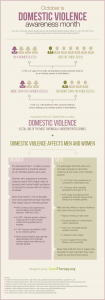
Intimate partner violence (IPV), a more narrowly defined term for domestic violence, affects both men and women, married (spousal abuse) or unmarried. The US Department of Justice estimates that 1.3 million women and 835,000 men are victims of physical violence by an intimate partner each year.
The NCADV also reports that among all domestic violence victims, 85% are women; on average, one in every four American women will experience domestic violence in her lifetime. Crime statistics also indicate that close to one-third of all female homicide victims were killed by an intimate partner.
Domestic Violence: The Psychological and Emotional Wounds
Broken, bruised, and battered features are the obvious signs of domestic abuse. However, just as physical injuries demand our care and attention, it is imperative that the psychological and emotional wounds suffered from these traumatic events also get addressed.
The American Psychological Association (APA) explains that psychological trauma is “an emotional response to a terrible event …” which interferes with an individual’s ability to function as he or she would under normal circumstances. While the psychological impact of a particular incident will vary from person to person, most individuals experience increased levels of emotional distress after going through traumatic events. Thankfully, these feelings of distress often subside if adequate support is received from family members, friends, mental health professionals, and other social networks.
For victims of spousal abuse and other types of intimate partner violence, however, the situation is not always so clear-cut. Fear of retaliation from the abusive partner might prevent victims from seeking needed assistance. Feelings of shame and embarrassment, especially among male victims, can also be a major hindrance to seeking out services or aid. This lack of emotional support can lead to heightened fear, anxiety, depression, anger, posttraumatic stress, social withdrawal, the use of illicit drugs, alcohol dependence, and even suicidal ideation.
It is clear that the psychological and emotional wounds of domestic violence are devastating. They can potentially haunt victims for many years and rob them of the ability to live a rich, full life. These wounds are completely undetectable by x-rays and too often go untreated.
The Social Impact of Domestic Violence
Domestic violence often has a ripple effect that tears through the fabric of the victim’s life. The psychological, emotional, and social impacts of domestic violence can linger long after the violence has subsided, and even after the victim has left the abusive partner.
The National Center for PTSD, a prominent research and education organization that studies the psychological effects of trauma, has identified several scenarios that indicate red flags in an unhealthy relationship. An unhealthy relationship may be indicated when one partner:
- Has complete control of all household finances.
- Limits or completely closes off the other partner’s social life. He or she may isolate the other partner from friends and family.
- Consistently threatens to ruin the reputation of the other partner, especially after he or she has expressed a desire to end the relationship.
- Repeatedly tries to scare the other by breaking things, punching holes in the wall, and hurting or threatening to hurt pets.
- Systematically evokes feelings of guilt or shame in the other partner.
These types of coercive and controlling behaviors are often present in cases of domestic violence, and can have a profound impact on how a victim of abuse is able to function socially, even after leaving an abusive relationship. If an individual is financially dependent on his or her abusive partner, any decision to escape the abuse carries with it the real possibility of homelessness. One study (2003) showed that among a sample of 110 women who had experienced domestic abuse, 38% reported homelessness.
Issues of poverty and homelessness are closely linked to the abusive act of isolating an intimate partner from family, friends, and other sources of social support. Under normal circumstances, a person with strong social connections will look to his or her relatives and/or peers when assistance is needed. However, isolation from these support groups may cause the connections to wither. In the end, people who experience domestic violence might reason that they are completely alone in their struggles and former resources are no longer available.[fat_widget_right]
Even if a survivor is successful in escaping from a violent relationship, the scars of past abuse can significantly influence future intimate relationships. The National Center for PTSD explains that some people who have endured IPV may not even believe that healthy relationships exist. Thus, they might enter new relationships with the same unhealthy expectations that they had previously. Other challenges could include intrusive memories of past abuse (for example, during intimate moments with a new partner), nightmares, communication challenges, and feelings of worthlessness.
The Effect of Domestic Violence on Children
Research shows that a child’s development can be adversely affected by domestic abuse. One study conducted by Appel and Holden (1998) even emphasizes a large overlap between households where there is IPV and child abuse. The National Center for PTSD estimates this overlap to be about 40-60%. According to statistics from the NCADV, boys who are exposed to domestic violence are twice as likely to abuse their intimate partners and children when they grow up.
Similarly revealing statistics from the American Bar Association show that girls with a history of physical or sexual abuse were more likely than non-abused girls to engage in risky behavior such as smoking (26% versus 10%), drinking (22% versus 12%), and substance abuse (30% versus 13%). Abused girls were also more likely to binge eat and purge than non-abused girls (32% versus 12%). In another study involving 2,245 children and teenagers, it was highlighted that recent exposure to domestic abuse was a primary factor in predicting future violent behavior. Even children are not directly abused, they are affected by witnessing domestic violence.
Where and How You Can Get Help
If you or a loved one is a victim of domestic abuse, please seek help. The longer abuse persists, the more damage it can cause physically and psychologically. There is support nationally and in your community to help you end the cycle of violence and move beyond it. Here are some resources if you are in trouble:
- If you are hurt or in immediate danger, please call 911 and do what you can to get in a safer situation.
- Contact the National Domestic Violence Hotline at 800-799-SAFE (7233) or 800-787-3224 (TDD). The national hotline can guide you to local shelters in your community and/or vital services.
- For local resources, visit this section of womenshealth.gov to find support and safe haven in your state.
- If you are searching online for help, be sure to clear your Internet browsing history so that your abusive partner cannot track your searches. Firefox, Internet Explorer, and Google Chrome all have options to clear browsing history located in the upper-right corner below the red X to close the window.
Even after the violence has subsided, the psychological effects of domestic violence can stick around. Seeking the help of a mental health professional such as a counselor or a therapist can be critical to helping a victim finding peace. If you or a loved one is a victim of domestic violence, consider talking to a professional with the experience and knowledge to help a person overcome the psychological wounds of domestic violence.
References:
- American Bar Association, Commission on Domestic and Sexual Violence. (n.d.). Domestic violence statistics. Retrieved September 26, 2014, from http://www.americanbar.org/groups/domestic_violence/resources/statistics.html
- American Psychological Association. (n.d.). Trauma. Retrieved September 26, 2014, from http://www.apa.org/topics/trauma/
- Appel, A. E., & Holden, G. W. (1998). The co-occurrence of spouse and physical child abuse: A review and appraisal. Journal of Family Psychology, 12, 578–599.
- Australian Psychological Society. (n.d.). Understanding and managing psychological trauma. Retrieved September 26, 2014, from http://www.psychology.org.au/publications/tip_sheets/trauma/
- Baker, C.K., Cook, S.L. & Norris, F.H. (2003). Domestic violence and housing problems. A contextual analysis of women’s help-seeking, received informal support, and formal system response [Abstract]. Violence Against Women, 9(7), 754-783. doi:10.1177/1077801203009007002
- Black, M.C., Basile, K.C., Breiding, M.J., Smith, S.G., Walters, M.L., Merrick, M.T., Chen, J., & Stevens, M.R. (2011). The National Intimate Partner and Sexual Violence Survey (NISVS): 2010 Summary Report. Atlanta, GA: National Center for Injury Prevention and Control, Centers for Disease Control and Prevention.
- Centers for Disease Control and Prevention. (2013). Intimate partner violence: Consequences. Retrieved September 26, 2014, from http://www.cdc.gov/violenceprevention/intimatepartnerviolence/consequences.html
- National Coalition Against Domestic Violence. (n.d.). Domestic violence facts. Retrieved from http://www.ncadv.org/files/DomesticViolenceFactSheet%28National%29.pdf
- National Coalition Against Domestic Violence. (n.d.). Male victims of violence. Retrieved from http://www.ncadv.org/files/MaleVictims.pdf
- S. Department of Veterans Affairs, National Center for PTSD. (2014). Intimate partner violence. Retrieved September 26, 2014, from http://www.ptsd.va.gov/public/types/violence/domestic-violence.asp
 Following a traumatic event, several symptoms may arise in a person. Posttraumatic stress manifests in a variety of ways: reexperiencing the trauma via nightmares and flashbacks, avoidance of people and places that trigger memories of the event, elevated states of anxiety and arousal, and being in near-constant fight-or-flight mode, to name a few. These symptoms may last days, weeks, months, or years following traumatic experiences such as wartime combat, childhood abuse, rape, kidnapping, natural disaster, traumatic injury, or sudden death of a loved one.
Processing the emotions tied to these memories is often unsettling, and recovering from traumatic experiences typically requires a great deal of support and guidance. The good news is that there are several websites and organizations devoted to helping those who have been subject to trauma. Many are geared toward military veterans; however, plenty of sites focus on recovery for those who were victims of other forms of trauma, such as abuse or assault, whether as children or adults.
[fat_widget_trauma_ptsd_right]
We’ve compiled a list of the 10 best online resources for PTSD and trauma—GoodTherapy.org excluded—in 2013. As with our previous top 10 lists, our selections are based on quality and depth of content, presentation, and functionality.
- National Center for PTSD: The U.S. Department of Veterans Affairs hosts this site dedicated to research and education on trauma and PTSD in the lives of veterans. There is an informational section for veterans and their loved ones, as well as for professionals who are researching and providing care for those experiencing PTSD.
- Make the Connection: This site focuses specifically on offering “shared experiences and support†for veterans. The emphasis is on the power of support in the recovery process; veterans can locate local resources and access a wide range of information on dealing with PTSD as well as transitioning from service, the death of family or friends, and alcohol or drug problems. The video gallery features several personal stories of military veterans who have found hope and recovery in spite of flashbacks and other experiences. Online self-assessment screenings are also available to determine if a veteran has PTSD, depression, or a substance-abuse issue.
- Posttraumatic Stress Disorder Alliance: This network of professional and advocacy organizations has come together to provide an array of educational resources for those experiencing PTSD and their friends and family. In addition to combat veterans, the site is geared toward those who have experienced rape, physical assault, other forms of sexual assault, domestic or intimate partner violence, serious injury or accident, shooting or stabbing, sudden death of a loved one, childhood illness, witnessing a serious crime, and natural disaster. The PTSD Alliance also offers two free, downloadable booklets in their “resource center†to guide people through recovery.
- Gift From Within: This international nonprofit for survivors of trauma and victimization is in its 20th year of service. The site is rich with resources, information, and useful tools for those recovering from trauma of many kinds. In the “trauma support†section, tips from survivors for therapists, guided meditations, and stories from “support pals†can be accessed. In the bookstore, visitors can sift through a number of titles organized by topics, such as children and teens; healing and recovery from illness; healing and recovery for survivors and supporters; PTSD treatment, trauma, and violence; sexual abuse—male and female; and sexual assault, rape, and domestic violence. There are also DVDs on PTSD available for purchase.
- Real Warriors: Another site devoted to combat veterans and their loved ones, Real Warriors is an engaging, content-rich resource for help with the “invisible wounds†of war. The general message is that no one goes into combat and comes home unchanged, and that cultivating resilience and “real strength†is essential to recovery. Videos and podcasts are available for viewing and download, and veterans are encouraged to reach out and get the help they need. Several veterans share their personal stories of PTSD on the site, and others are encouraged to do the same. There is also a military crisis line and live chat number for those who need immediate assistance.
- My PTSD: This site is primarily a network of forums for those who are experiencing PTSD. Specific forums are designated for combat, domestic violence, sexual abuse, and traumatic stress, as well as a general PTSD discussion thread. There are also smaller threads for topics such as book clubs, events, studies and research, and recommending trauma physicians. In the “articles†section of the site, several insightful pieces are available on a variety of helpful topics such as finding negative core beliefs, recovery, effective treatments for PTSD, and treating the trauma of rape with cognitive behavioral therapy, among others.
- Trauma Survivors Network: In partnership with hospitals across the United States, the American Trauma Society created this community-oriented network of people and their families recovering from trauma. Through the Trauma Survivors Network, people can access local trauma center information, peer support groups, peer visitation opportunities, a parent and family handbook, survivor stories, a community forum, and more. TSN’s “NextSteps†program helps survivors to become autonomous self-managers while recovering from trauma. There is also a “family class†for those who are in caregiver and support roles for those who are experiencing PTSD.
- Sidran Institute: The Sidran Institute is a nonprofit organization devoted to helping people understand and recover from PTSD, dissociation, and co-occurring issues such as substance abuse, self-harm, and suicidal ideation. The site offers educational articles, resources, and information for adults, adolescents, and children who have survived trauma, as well as for schools, community support groups, and mental health and victims services professionals. Trainings are also available through the site for those who wish to deepen their knowledge of PTSD and other trauma-related issues.
- PTSD Association: Along with being greeted by a PTSD self-assessment test, visitors to this site will find a large body of useful information pertaining to PTSD. Founded by Ute Lawrence-Fisher, who survived the “most horrific car pile-up in Canadian history†in 1999, the PTSD Association aims to help those who are recovering from trauma to reclaim their lives. Clinical information, personal stories, coping strategies, and related links are among the resources available.
- National Child Traumatic Stress Network: With informational sections for parents and caregivers, medical professionals, military children and their families, and educators, the National Child Traumatic Stress Network (NCTSN) covers all bases of child traumatic stress. Established by the U.S. Congress in 2000, the NCTSN offers guidance, tools, and links for coping with and recovering from neglect, natural disasters, sexual or physical abuse, terrorism, grief, refugee and war-zone trauma, traumatic illness, early childhood trauma, and school, community, or domestic violence. Numbers for various child and adolescent crisis lines are also provided.
Have a website you would like to see in our Top 10? Recommend it here.
 October is Domestic Violence Awareness Month, or a time to begin to understand the effects of domestic violence, which have been researched extensively. Domestic violence is a social problem, affecting each member of a family—including kids, even when they are not the ones directly experiencing violence or aggression. Parents under stress can create children under stress. For children, witnessing domestic violence can lead to the development of many negative behavioral traits or mental health issues. Exposure alone can be traumatic.
Children who witness violence in the home are affected in ways similar to children who experience physical abuse. These children are also at a greater risk for both internalized and externalized negative behaviors, which can manifest socially, emotionally, psychologically, and/or behaviorally. Research shows us that boys exhibit more externalizing behavior, like fighting, bullying, lying, and cheating, while girls exhibit more internalized behaviors, such as anxiety, withdrawal, and depression.
In addition to potential problem behaviors, children also may experience psychological ramifications which lead to difficulties in school and lower scores on assessments of verbal, motor, and cognitive skills. Other limitations identified are slower cognitive development, lack of conflict resolution skills, limited problem-solving skills, and even a more rigid belief in gender stereotypes and reinforcement of male privilege.
When parents are engaged in any type of dynamic of domestic violence or aggression, their children can be at an extreme disadvantage when it comes to emotional development. They may tend to show higher levels of anxiety, lower self-esteem, and increased depression and anger. Violence puts a barrier between child and parent, making it difficult for children to develop a nurturing bond with either parent, which in turn can result in extreme anxiety or worry. The children may also display extreme separation anxiety when they go to school or when the parent(s) leaves. Studies show that separation anxiety even takes a physical toll, so children may complain of ailments like stomachache or headache as reasons they cannot go to school.
Exposure to domestic violence can create in the witness a sense of shame, guilt, and self-blame, conflicting feelings about a parent, fear of abandonment, symptoms of depression, and feelings of helplessness and powerlessness. With an increase in stress levels in the home, children can begin bedwetting again, lie to avoid confrontation, and have difficulty trusting others, especially adults. Stress is known to put any immune system in jeopardy—and children are no different. Stress and violence in the home can indirectly result in a short attention span, increased somatic complaints, and frequent illness.
Many children, as a result of exposure to domestic violence, become very secretive about their families and often do not invite friends to the home. They may begin to isolate and detach from the support that they could receive from those around them. Occasionally these behaviors are also linked to developmental delays and difficulty with emotional regulation, so that children feel shame, fear, confusion, and rage, often uncontrollable.
As these children age, it has been found that they also have higher levels of adult depression and trauma symptoms. Their reaction may be to internalize these symptoms, or they may cope with their stress by utilizing drugs or alcohol, fighting rules, ditching school, or running away. When child witnesses to domestic violence start dating, their relationships could have similar negative dynamics to ones their parents or guardians demonstrated. The risk of ending up in a controlling relationship or developing control issues is higher for these individuals.
It is important to note that not all children exposed to domestic violence will experience deficits or cope poorly. Some children demonstrate enormous resiliency and find ways to manage the tension in their homes. They might develop games or withdraw in order to manage the tension. Often they internalize the conflict and it resurfaces much later in life. In my practice, I see children who are high achievers with extreme expectations of themselves, who also have many outside interests, like sports or music. Outside interests and activities keep them out of the home most of the time, and these children tell me that this limits the amount of time that they don’t feel safe and gives them some sense of control in life.
The National Coalition Against Domestic Violence (NCADV) has created a website to help individuals who are in relationships plagued by domestic violence or provide people with resources to help family members and friends who are in abusive relationships.
References:
- Brown, B.V., and Bzostek, S. (2003) Violence in the lives of children. CrossCurrents, 1, Child Trends DataBank
- Edelson, J.L. (2006). Emerging Responses to Children Exposed to Domestic Violence. Harrisburg, PA: VAWnet, a project of the National Resource Center on Domestic Violence/Pennslyvania Coalition Against Domestic Violence. Retrieved 0ct 3, 2013 from michbar.org/publicpolicy/pdfs/Legislators_ResponsesDV.pdf
 Being stalked can be paralyzingly frightening. Victims aren’t traumatized just once; they’re perpetually unsettled by attempts at contact and often begin to feel like there’s no safe place to go.
The Bureau of Justice Statistics reports that about three million people are stalked every year, most by people they know—often a former intimate partner. As many as 10% of stalking victims fear for their lives, and all victims face massive disruptions to their routines. While stalking, like domestic violence, has been around for generations, it has been only in recent years that the issue has been taken seriously, and many victims may be hesitant to seek help.
[fat_widget_right]
What Is Stalking?
At its core, stalking consists of repeated attempts to gain control over or terrorize someone. Stalking exists on a continuum. On the lower end, it might involve repeated phone calls, letters, or email contacts. In its more extreme manifestations, however, stalking might involve repeatedly going to a person’s house, making threats against a person, harming pets, stealing possessions, or interfering with a person’s relationships with friends, family, or coworkers. Stalkers may alternate between patterns of domestic violence and stalking.
Each state establishes its own legal criteria for stalking. Laws generally require multiple unwanted contacts and mandate that a victim fear for his or her safety. A coworker who comes back to see a person at his or her office daily, for example, would not be stalking, and a secret admirer who sends flowers once per week is not necessarily a stalker. Repeated contacts rise to the level of stalking when they’re designed to gain power over a person and cause emotional terror.
Why Do People Stalk?
Stalkers often emphasize that they “love†their victims and occasionally say they stalk to keep others safe. For example, an abusive ex-husband might say he stalks his ex-wife to ensure she’s properly caring for their children. Psychologically, however, stalking is a crime of control. Stalkers see their victims as possessions who are rightfully theirs, and stalking behavior is frequently activated by a breakup or an ex-partner’s new relationship.
Some mental health issues can lead to stalking. People with personality issues such as a borderline personality diagnosis may have trouble letting go of relationships and sometimes use manipulative tactics to control people. Erotomania is a delusion in which a person believes that another person—often a celebrity—is in love with him or her, and this can lead to stalking. However, not all stalkers have mental health conditions, and the overwhelming majority are men. Cultural and gender norms may contribute to stalking behavior.
What Can Victims Do to Get Help?
If you’re being stalked, don’t make excuses for the stalker or tell yourself you are overreacting. Tell a friend or family member what’s happening so you have a support person and a witness. If you are in immediate danger or are being followed, dial 911. There’s no price for overreacting, but underreacting to stalking can, in extreme cases, be fatal. Other things you can do to remain safe:
- Change your routine frequently so that it is more difficult for your stalker to find you.
- Instruct friends, family, and employers not to give out information about you without your express permission.
- Keep a log of every incident so you have evidence if you need to press charges.
- Seek a restraining order against the stalker, and call the police immediately if he or she violates the order.
References:
- Help for victims. (n.d.). Stalking Resource Center. Retrieved from http://www.victimsofcrime.org/our-programs/stalking-resource-center/help-for-victims
- King, M. W., & Sivak, A. (n.d.). Stalking: New studies shed light on a crime that terrorizes its victims. National Crime Prevention Council. Retrieved from http://www.ncpc.org/programs/catalyst-newsletter/catalyst-newsletter-2009/volume-30-number-11/stalking-a-new-study-sheds-light-on-a-crime-that-repeatedly-terrorizes-its-victims
- Stalking. (n.d.). National Institute of Justice. Retrieved from http://www.nij.gov/topics/crime/stalking/
- Stalking. (n.d.). USDOJ: Office on Violence Against Women: Crimes of Focus: Stalking. Retrieved from http://www.ovw.usdoj.gov/aboutstalking.htm
Intimate partner violence (IPV) occurs in a large percentage of young adult relationships. Several factors increase the likelihood of IPV, including low socioeconomic status, living in urban communities, drug and alcohol use, witnessing or experiencing familial or domestic violence, and younger age. It has also been theorized that many relationships that experience IPV also have a component of reciprocity. In other words, many victims of IPV may also perpetrate violence against their partners. And although it has been shown that more women are victims of IPV resulting in physical injury than men, it is unclear whether or not women perpetrate a large portion of retaliatory or reciprocal aggression in violent relationships.
To get a better idea of the rates of bidirectional IPV, Niki Palmetto of the Mailman School of Public Health at Columbia University in New York recently conducted a study based on self-reports from 618 young adult women in committed relationships. She looked at history of violence, victimization, and perpetration. Over one third of the women reported having experienced at least one episode of IPV, with 12% reporting only perpetrator violence, 3% reporting being the victim only, and 19% reporting bidirectional violence. This means that nearly one in five women in this study report being both the victim and perpetrator of violence in their relationships. Factors that increased risk for bidirectional status included history of childhood sexual abuse, exposure to family IPV, younger age, and longer relationship duration.
Palmetto also found that African-American women and those who had more than two previous pregnancies were most likely to report bidirectional violence. She believes that pregnancies can present a threat to both partners, thus increasing the risk for violence. Also, Palmetto theorizes that African-American women who contribute to the financial well-being of their families may have less tolerance for victimization and may be more prone to retaliating with aggression when they are victimized. This dynamic would directly increase the rate of bidirectionality among this segment of women. Palmetto also points out that this study was based on self-reports from a nondiverse sample of women. She hopes future research extends these findings by studying women of varying ages, ethnicity, and socioeconomic status. Until then, Palmetto feels her findings contribute significantly to this area of research. She said, “We believe this study to be a critical step in the examination of bidirectional violence within adolescent and young adult dating relationships.â€
Reference:
Palmetto, Niki, et al. (2013). Predictors of physical intimate partner violence in the lives of young women: Victimization, perpetration, and bidirectional violence. Violence and Victims 28.1 (2013): 103-21. ProQuest. Web.
School is often the only safe place for young children who live with domestic violence. Witnessing or being exposed to physical abuse can have a significant impact on the well-being of a child. Whether it is sexual, verbal, or physical abuse, when a child witnesses this type of abuse between their parents or caregivers, the effects can be far-reaching. Many children who are exposed to violence are fearful and anxious. They may also have difficulty forming relationships in school or performing academically. A teacher can be the first person to recognize these signs in a student. Although teachers, educators, and educational psychologists (EPs) receive extensive training to arm them with the tools necessary to address these issues in their students, it is unclear how this type of disclosure affects these professionals.
Gemma Ellis of the Luton Burough Council at Unity House in the UK recently led a study to gain the educators’ perspectives on domestic violence revelations from their students. Ellis wanted to find out if the professionals felt capable of identifying a child experiencing domestic abuse, and if they were comfortable receiving that information and responding to it. She also wanted to know how they felt about training, what fears they had, and what changes they would make to the current procedures in place.
Ellis interviewed a group of elementary school educators and found that one important need was that of more time for the teacher to emotionally process what the child revealed. Many teachers explained that they were overwhelmed and struggled with having to send the children back to a potentially abusive home. Ellis believes this finding is in line with secondary trauma theories, which suggest that confidants of abuse victims may themselves experience trauma. The teachers and EPs in this study benefited from the procedures in their schools. In an uncontrollable and emotionally taxing situation, having a protocol to follow helped them contain their own emotions so that they could best serve their students.
They did, however, have fears related to family retaliation. In particular, the teachers relied heavily on parent participation for the success of the child. They worried that accusations against the family would decrease participation. They also feared that the abusers would turn their abuse toward the teachers. Ellis believes these findings provide insight into the concerns teachers and EPs have with regard to supporting abuse victims and that this study will serve as a preliminary step in future discussions. “It is hoped and expected that through the dissemination process the topic of domestic abuse will be elevated in both teachers’ and EPs’ consciousness,†Ellis said.
Reference:
Ellis, Gemma. The impact on reachers of supporting children exposed to domestic abuse. Education & Child Psychology 29.4 (2012): 109-20. Print.
 The new movie This is 40 has a lot of people talking. It is not only crass and funny, but also controversial. The two main characters in the movie reveal that they have secretly fantasized about killing each other. The wife admits to her husband that she has thought about poisoning him with a cupcake. The husband, on the other hand, tells his wife that he had contemplated putting her through a wood chipper. And as they share their morbid fantasies, the married lovers lie in bed looking relaxed and playful. Their fantasies, detailed in the warm light of their bedroom and the safety of a loving relationship, are as far from threatening as they could be. But what does it say about their relationship that they actually do have fantasies like this?
According to Benjamin Karney, a psychology professor at the University of California in Los Angeles, people who fantasize about killing their spouse, or about being a widow or widower, may do so because it allows them to escape taking blame for the failure of the marriage. They may think of it as an escape from a difficult marriage, but an escape without blame. It is not clear how many married couples have these types of fantasies. Rarely do you hear a spouse ask their husband or wife, “Do you ever think of killing me?â€Â But it doesn’t mean it never happens. Violence of any kind, including intimate partner violence, is not something to joke about. Rates of partner homicide are startlingly high. But the movie does show that communication styles can say a lot about a relationship, even when that communication is murderous.
Howard Markman, a psychology professor and co-director of the Center for Marital and Family Studies at the University of Denver, said that when the stars of the movie had their gruesome conversation, they were playful and intimate with each other. In fact, the whole topic of murder began with the wife wanting to discuss their conflicts. The husband, who was anxious and worried that another conflict would erupt, chose to use humor as a way to broach the subject. According to Markman, this type of strategy, even without the wood chipper or poison cupcake, can indicate a successful relationship.  “They still need to talk about her initial question, but this is a great model for couples,” said Markman. “It starts out negative, but then turns positive.” The movie is raising a few eyebrows; that’s for sure. But it also shows us that there is no one model for a successful marriage.
Reference:
Coe, Alexis. The truth of ‘This Is 40’: It’s actually not weird to want your spouse to die. (n.d.): n. pag. The Atlantic. 20 Dec. 2012. Web. 20 Dec. 2012. http://www.theatlantic.com/sexes/archive/2012/12/the-truth-of-this-is-40-its-actually-not-weird-to-want-your-spouse-to-die/266479/
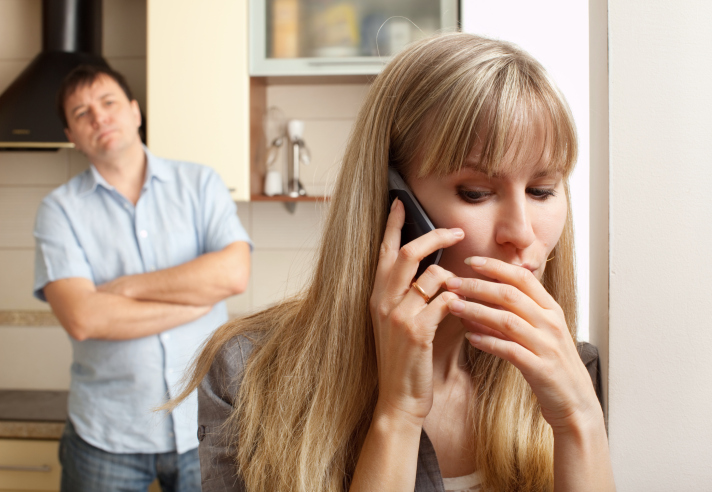 Many mental health professionals consider the three “A’sâ€â€”addiction, affairs, and abuse—sufficient reason to leave a partner. This blog addresses lower-level offenses related to the first two. While most couples can overcome low-level indiscretions in any area of the three “A’s,†when multiple indiscretions occur or the degree of severity is greater, it may be time to throw in the proverbial towel. As couples grapple with why one partner cheated or entered the depths of alcoholism or drug addiction, they need to evaluate the patterns of relating they have become used to, the interpersonal dynamics they engage in, the dances they dance, and the issues they may have brought into the relationship. One theme that consistently emerges is the degree to which couples are honest with each other. How much do they divulge? How important is it to tell the truth? Do you really need to tell your partner everything?
In Alcoholics Anonymous, we hear people say, “We are as sick as our secrets.†Family addiction therapists are fond of saying that there are no family secrets. By this, they mean that even when we believe that other family members don’t know a certain secret, that secret still has an impact on everyone in the family. If individual members don’t know the specifics of the secret, they are still impacted by it and sense or experience it unconsciously—and that can affect the whole family. I work with patients who learned in their twenties or later in life that they were adopted, that their parents were once married to an abusive spouse, or that they have a sibling they never knew, among other revelations.
I’ve also become aware of the extent to which sober and recovering clients keep things from their partners. Even in relatively healthy relationships, there appears to be a fair amount of small-scale concealment and deception, though the extent of the infractions often is debatable. Several clients I see—coincidentally or not, all men—have reported engaging in exercise cheating. What’s that, you ask? Exercise cheating, essentially, is exercising and not telling your partner, or not revealing how much or what type of exercise one engages in.
Even I have been guilty of cheating on my wife. A few years back, as I was setting up my new Philadelphia office, I decided to buy a painting by an artist that my wife and I liked. My wife studies art history, and I thought she would appreciate that I was acquiring a painting by a Temple University master’s graduate. And while $650 is no small chunk of change for this sort of thing, I thought it was a great investment for my new office. I thought I would surprise her with the purchase. Instead, she was angry. “You art cheated!†she cried as soon as she saw it. She was genuinely annoyed that I had not consulted with her on a purchase of this magnitude. Whether I was right or wrong in purchasing something of that cost for my office was not the issue. What is important is my partner’s perceived betrayal and need for dialogue, negotiation, and consultation.
Many hypothesize that cheating behavior is related to vestiges of evolutionary differences among men and women. While this theory would be a gross generalization in today’s society, it suggests that it was more adaptive in an evolutionary way for men to cheat than for women to cheat. Assuming evolution prioritizes any behavior designed to propagate one’s genes, men may benefit from spreading their genes in a quantity-focused way. Women, meanwhile, have long gestation and nursing periods which may temporarily move them to be more devoted and committed to their offspring. Thus, they benefit from finding a better quality mate. In other words, women are biologically, or at least evolutionarily, better at taking care of their young, especially in early developmental stages. Most people agree, and research appears to back this up, that most men think about sex more frequently than women do. While both men and women want to find a quality mate, men may be more inclined to seek quantity than women are.
According to this evolutionary perspective, neither men nor women want their mates to cheat because a mate who cheats may have more offspring, which in turn means that mate is less likely to care for the original partner’s offspring and more likely to leave and care for his or her new offspring. It is in a man’s evolutionarily best interest not to alert his partner to the fact he is cheating. Any behavior—sexual or not—that results in producing healthy offspring is powerfully reinforced to the extent that it aids in propagating an individual’s genes. So, infidelity and hiding that infidelity through the processes of natural selection and evolution can become more prevalent over time.
A fair question would be whether cheating sexually is related at all to other types of cheating. Just because a partner doesn’t tell a mate where he or she is going and what he or she is doing doesn’t mean that an affair is happening, and it doesn’t mean that a tendency toward nonmonogamous behavior is the cause of disingenuous behavior in the context of the couple. In fact, the point of this article is to lessen the impact of minor violations of the honesty contract. Putting small indiscretions of dishonesty in an evolutionary context may allow couples to see this behavior as resulting from the natural instincts of the animals we are. What is important, though, is that as humans we have the capacity to dialogue. This is precisely what can keep our natural tendencies in check. Speaking honestly to our partners about our needs and wants, while often challenging, is the hallmark of a healthy relationship.
Smoking gun example: A client once described an interaction he had with his wife after she busted him for smoking pot in the garage. She smelled the smoke even as he vehemently denied he had been smoking marijuana. When she found his metal pipe, still warm, he stuck to his story. “The lie just came out,†he explained later. “I was so used to it.†He eventually was able to talk about why he lied and why he has often felt the need to cover things up. It had nothing to do with infidelity, but was instead linked to his history of struggling to feel good about himself, to be able to ask for help with his emotions feelings and thoughts and to find purpose and meaning in his life. Beginning to discuss these issues with his wife and therapist helped him think more carefully about his tendency to lie and cover his tracks. He became better at advocating for himself and negotiating with his partner in a more healthy way.
Honesty is important in recovery from any mental health issue, whether it be depression, anxiety, or stress, but it is especially important in recovery from addiction and substance use because of the strong tendencies to hide, deny, and minimize one’s behaviors. Seeing an addiction psychologist or other specialist is an important first step in understanding one’s self. It is in this therapeutic relationship that a quick foundation can be set for the basis of an honest dialogue with one’s partner, friends, and family. Rebuilding relationships with those we love and who love us is essential to recovery from addiction. Understanding ourselves and the reasons we might cheat and lie can enable us to pause just long enough to ask ourselves whether we really want to go ahead with the behavior or if we might be able to rely on those close to us to help us through the difficult times. Honest communication with the people in our lives is the only way we can become and stay sober or make meaningful and lasting changes in our lives.
 Families need to be together. After all, the family as a group exists to provide support, nurturance, food, shelter, resources, and a stable future to each member. While most families have their ups and downs, even stressed, impoverished, chaotic families want to live with one another. When is it in the family’s best interest for members to separate from one another? Can leaving the family home for a short while ever bring healing to the relationships in the long run?
Family separations occur in American culture in formal and informal ways. Formally, families can legally be ordered to separate by the courts because of domestic violence, child sexual, emotional, or physical abuse or neglect, chronic drug or alcohol abuse, and/or failure to educate and when there is a threat to the life, health, and well-being of one or more family members. Typically, less-intrusive assistance has been attempted at many levels before a court order occurs, including weeks or months of child-centered school counseling, family therapy, marriage counseling, social work support, addiction treatment, spiritual community support, or elder advocacy.
All of these actions occur at local, county, and state levels because we as a society believe that we have a stake in supporting and sustaining healthy families. State laws vary but generally have been written with family reunification as the end goal of this intervention process, wherever possible. Violent fathers, neglectful or addicted mothers, and abusive siblings can and often do change and grow into healthier, happier parents, spouses, siblings, and grandparents. We want families to get along well and have what they need to contribute to the world. No one benefits when families are so chaotic and dysfunctional that it takes dozens of people and thousands of hours and dollars to try to help.
[fat_widget_right]More informal separations occur every day, particularly among highly distressed married couples. Unable to live in the same home without physical or emotional pain, one member of the couple leaves the home temporarily and lives elsewhere. Unlike a formal, legal intervention of family separation, this kind of separation is less likely to change the marital interactions at all. What it usually does is create less fighting and conflict in the home, while increasing the stress of the separating spouse and any children in the family. The only person who may feel any relief is the remaining spouse, and this relief is generally temporary. The focus is shifted to the dozens of life details that, once shared, have to be renegotiated, from grocery shopping and bill paying to getting a child to baseball practice.
Unless a separated couple gets professional support and assistance immediately, the family begins to reshape around the absence of the separated parent. Children feel neglected and forgotten, no matter how diligent the separated parent is in spending time with the children. There is just no adequate substitute for living together, and the children’s behavior often suffers. The couples will simply shift their conflict away from one another in the short term and have no real plan of action for getting everyone back together. Because separation only tones down conflict and doesn’t solve it, I almost always suggest that separated couples who want to remain married work at getting back together as soon as possible, and always with professional family or marital therapy. If this is not the chosen path, statistics predict this couple will end up divorcing.
Separation is often a necessary choice when family behaviors become violent, abusive, or dangerous. But in nearly all cases, families should be helped to heal and reunify as soon as possible. Separation is not the best course of action unless it is the only course left for health, safety, or stability’s sake. Every one of us needs to feel like we belong and to be part of a group of people who know, appreciate, sacrifice for, and value us most of all. At our best, these are our families. It’s worth the effort to make them as healthy, whole, and loving as possible.
Related articles:
Three Truths Every Couple Needs to Know About Marriage
Want Family Therapy? These 4 Problems Should Be Treated First
Harness the Power of the Marriage Bond