
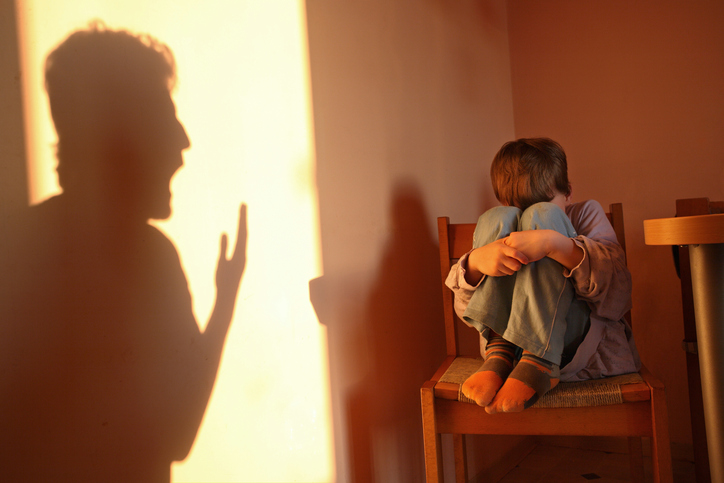
Emotional abuse is a devastating form of psychological manipulation that involves using words, actions, and behaviors to control, demean, or isolate another person. Unlike physical abuse, emotional abuse leaves no visible marks, yet research from the Centers for Disease Control and Prevention (CDC) shows that this type of abuse can harm a child's self-worth and emotional well-being through behaviors like name-calling, shaming, rejecting, and withholding love. This invisible yet profoundly damaging form of abuse affects millions of people across all ages, relationships, and backgrounds, with consequences that can last a lifetime.
While emotional abuse often goes unrecognized due to its subtle nature, recent meta-analyses have found particularly strong associations between emotional abuse and depression, with a 2023 study showing correlation coefficients ranging from 0.17 to 0.18, and another 2019 meta-analysis revealing that emotional abuse had the strongest association with depression among all abuse types (odds ratio = 2.35). Understanding emotional abuse, recognizing its warning signs, and knowing how to seek help are crucial steps toward breaking free from its harmful cycle and beginning the journey toward healing and recovery.
Table of Contents
- Understanding Emotional Abuse
- Recognizing the Warning Signs
- Emotional Abuse in Different Contexts
- Intimate Relationships
- Child Emotional Abuse
- LGBTQ+ Relationships
- Abuse and Disability
- The Impact on Mental Health
- Treatment and Recovery
- Frequently Asked Questions
- How Therapy Can Help
Understanding Emotional Abuse
Emotional abuse encompasses a pattern of behaviors designed to control, manipulate, and harm another person's psychological well-being. Key components of emotional maltreatment include verbal abuse, manipulation (such as placing someone in situations to elicit shame, guilt, or fear), denigrating or destroying things of value to the person, or exposing them to harmful situations like witnessing domestic violence. This form of abuse can occur independently or alongside physical and sexual abuse, making it a complex issue to address.
The behaviors that constitute emotional abuse are often systematic and intentional. Research shows that adequate caregiving is essential for developing brain architecture and the ability to regulate behavior, emotions, and physiology in young children—when children experience abuse or neglect, this development can be compromised, with effects particularly visible in brain regions dependent on environmental input for optimal development. This neurobiological impact helps explain why emotional abuse can have such profound and lasting effects.
Common tactics used in emotional abuse include:
- Verbal attacks and degradation
- Gaslighting - convincing victims to doubt their own memories and perceptions
- Isolation from friends, family, and support systems
- Constant criticism and belittling
- Threats and intimidation
- Controlling behaviors that limit autonomy
- Humiliation in public or private settings
A person's behavior crosses into emotional abuse when specific patterns emerge:
- The harmful behavior continues or escalates when the recipient cries or asks for space
- The behavior occurs frequently, often several times per month
- Vulgar language and baseless accusations become commonplace
- One person dominates conversations while refusing to listen
- Threats of violence are made
- No genuine apologies follow abusive incidents
- The abuser refuses to acknowledge the validity of their victim's feelings

Recognizing the Warning Signs
Identifying emotional abuse can be challenging because it often develops gradually and leaves no physical evidence. Research from 2021-2023 shows prevalence rates of emotional abuse among adolescents ranging from 20% to 40%, with verbal abuse affecting approximately 35% of adolescents, while the subtle nature of emotional abuse and cultural factors contribute significantly to underreporting. Victims may excuse their abuser's behavior or blame themselves, especially if they've been subjected to gaslighting.
In Adult Relationships
Signs of emotional abuse in adult relationships include:
- Excessive monitoring of activities, communications, and whereabouts
- Public humiliation or private degradation
- Financial control and limiting access to resources
- Extreme jealousy and possessiveness
- Undermining achievements and sabotaging goals
- Playing mind games and creating confusion
- Using affection as a weapon - withdrawing love as punishment
Intimate partner violence (IPV), including emotional abuse, is about maintaining power and control through various threats and violence, with people from marginalized groups at increased risk as abusers often capitalize on existing social and economic vulnerabilities to wield control—for LGBTQ+ people, this often involves weaponizing homophobic and transphobic systems of stigma and discrimination.
In Parent-Child Relationships
Warning signs of child emotional abuse include observable patterns in both the child and the caregiver:
Child indicators:
- Acting unusually mature or immature for their age
- Displaying bed-wetting, tantrums, or other regressive behaviors
- Struggling with basic social skills and making friends
- Showing emotional extremes - either aggressive or completely withdrawn
- Exhibiting signs of anxiety, depression, or fear around the caregiver
Caregiver indicators:
- Publicly belittling or encouraging others to mock the child
- Setting unrealistic expectations beyond the child's developmental abilities
- Administering severe punishments disproportionate to any offense
- Consistently blaming the child regardless of circumstances
- Withholding affection and basic emotional support
Emotional Abuse in Different Contexts

Intimate Relationships
In intimate partnerships, emotional abuse often involves sophisticated manipulation tactics. Recent research has identified the need for targeted treatments addressing emotional IPV, with evidence-based approaches combining cognitive-behavioral therapy (CBT), mindfulness, motivational interviewing, and expressive writing showing promise—CBT works to correct cognitive distortions, while motivational approaches build intrinsic motivation for change, and mindfulness-based therapies enhance self-awareness to reduce depression and anxiety symptoms.
Modern technology has added new dimensions to emotional abuse. Surveillance through hidden apps, monitoring of emails and texts, and digital stalking have become common tactics. Research from 2024 shows that emotional abuse leads to emotional dysregulation as children adopt maladaptive strategies including rumination, suppression, or avoidance, often receiving inadequate parental guidance on emotional regulation while modeling their parents' negative behaviors—leading to increased risk of Internet addiction as a compensatory mechanism to avoid accumulated negative emotions.
Child Emotional Abuse
Children represent one of the most vulnerable populations for emotional abuse. The CDC reports that child abuse and neglect are alarmingly common, with at least one in seven children experiencing abuse or neglect in the past year in the United States—likely an underestimate due to unreporting—and in 2021, 1,820 children died from abuse and neglect.
Research shows that a child's environment plays a large role in shaping brain development and behavior, with extreme environments such as abuse and neglect potentially affecting brain cell survival, neuron density, neurochemical aspects of brain development, and behavioral reactivity to stress extending into adulthood. The impact extends beyond immediate harm, as children who experience abuse or neglect face increased long-term risks including future violence victimization and perpetration, substance abuse, sexually transmitted infections, delayed brain development, lower educational attainment, limited employment opportunities, and toxic stress that can alter brain development.
LGBTQ+ Relationships
Members of the LGBTQ+ community face unique vulnerabilities to emotional abuse. Statistics reveal that 61% of bisexual women experience rape, physical violence, or stalking by an intimate partner, 44% of lesbian women face similar violence, while 40% of gay men and 47% of bisexual men report experiencing sexual violence other than rape. These alarming rates reflect both the prevalence of abuse and the additional barriers LGBTQ+ individuals face in seeking help.
Abusers in LGBTQ+ relationships often weaponize societal prejudice as a control mechanism. Common tactics include threatening to "out" victims to family, friends, or employers, manipulating partners by claiming nobody else will love them, or capitalizing on existing isolation from family rejection to further control their victims. Additional forms of identity-based abuse include:
- Questioning authenticity - claiming partners aren't "real" members of the LGBTQ+ community
- Misgendering or using deadnames (former names) to cause distress
- Leveraging heteronormativity - gaslighting victims that same-gender relationships can't experience "real" abuse
- Exploiting stereotypes - using harmful myths about bisexual hypersexuality or transgender identity
Systemic barriers compound these challenges: 85% of advocates have worked with LGBTQ+ survivors denied services, 54% of LGBTQ+ survivors seeking police help report being turned away or receiving inadequate assistance, and 44% of LGBTQ+ IPV survivors attempting to access emergency shelter were denied, with 71% reporting denial for reasons related to gender identity.
Abuse and Disability
People with disabilities face heightened vulnerability to emotional abuse, often experiencing social isolation and limited access to support systems. SAMHSA recognizes that children with serious emotional disturbance (SED) and adults with serious mental illness require targeted interventions, with grant programs specifically designed to improve outcomes for children from birth to 12 years who are at risk for or diagnosed with mental illness.
For individuals with intellectual disabilities, reporting abuse becomes even more challenging due to:
- Communication barriers that make disclosure difficult
- Credibility concerns when attempting to report
- Dependency on caregivers who may also be abusers
- Limited understanding of what constitutes abuse
- Restricted access to advocacy services
Gaslighting is particularly damaging in these situations, with abusers often:
- Blaming the person's disability for their "agitation"
- Denying abuse occurred by attributing reports to symptoms
- Hiding assistive devices or canceling medical appointments as punishment
- Withholding basic care like bathing or meal preparation
- Using the person's need for support as leverage for control
The Impact on Mental Health
The psychological consequences of emotional abuse are profound and long-lasting. Meta-analyses show that emotional abuse and neglect have the largest magnitude of effect on resilience (r = -0.213 to -0.321), with emotional maltreatment more strongly associated with affective instability and depressive symptoms—making it an important potential intervention target for adults.
Immediate Effects
Victims of emotional abuse commonly experience:
- Anxiety and hypervigilance - constantly anticipating criticism or conflict
- Depression - feelings of hopelessness and worthlessness
- Low self-esteem - internalized negative messages from the abuser
- Confusion and self-doubt - questioning one's own perceptions
- Fear and emotional instability - difficulty regulating emotions
- Social withdrawal - isolating from potential support systems
Long-term Consequences
Research reveals that childhood maltreatment is the most important preventable cause of psychopathology, accounting for about 45% of the population-attributable risk for childhood-onset psychiatric disorders, with maltreatment altering brain development trajectories and producing reliable morphological changes in the anterior cingulate, dorsolateral prefrontal and orbitofrontal cortex, corpus callosum, and adult hippocampus.
Extended exposure to emotional abuse can result in:
- Complex PTSD - symptoms beyond traditional PTSD including emotional dysregulation
- Substance abuse - using drugs or alcohol to cope with emotional pain
- Eating disorders - attempting to regain control through food
- Self-harm behaviors - physical pain as emotional release
- Chronic health conditions - stress-related physical ailments
- Relationship difficulties - trouble trusting and maintaining healthy boundaries
- Suicidal ideation - feeling trapped with no escape
CDC data from 2016-2021 shows concerning trends in childhood mental, behavioral, and developmental disorders, which are associated with poor health and well-being, highlighting the need for improved pediatric mental health training, prevention efforts, and policies addressing economic stability and equitable access to care.
Treatment and Recovery
Recovery from emotional abuse is possible with appropriate support and evidence-based interventions. Current treatment approaches are moving away from traditional models toward integrating cognitive-behavioral therapy (CBT) with motivation techniques, as third-wave therapies like Acceptance and Commitment Therapy show promise—particularly important given perpetrators' high dropout rates and the need to address affect dysregulation, hostile cognitive biases, and skill deficiencies in assertiveness, communication, and problem-solving.
Evidence-Based Therapies
Cognitive-Behavioral Therapy (CBT)
CBT is an evidence-based therapy proven effective for different mental health conditions, helping identify negative thoughts that contribute to emotional distress and providing tools to understand connections between thoughts, feelings, and behaviors. This approach helps victims:
- Identify and challenge distorted thought patterns
- Develop healthier coping mechanisms
- Rebuild self-worth through cognitive restructuring
- Learn to recognize abusive patterns
Trauma-Focused Cognitive-Behavioral Therapy (TF-CBT)
TF-CBT includes psychoeducation, relaxation, affective regulation, cognitive processing of trauma, trauma narration, desensitization, and safety enhancement—increasingly used in group formats for adults who experienced childhood abuse, with research showing it can be highly effective in reaching larger numbers of individuals simultaneously.
Eye Movement Desensitization and Reprocessing (EMDR)
Recent research supports EMDR's effectiveness for trauma, with positive results even in online formats using group protocols—the therapy centers on processing traumatic memories through specific eye movements, helping the brain reprocess traumatic experiences.
Dialectical Behavior Therapy (DBT)
DBT emphasizes mindfulness, interpersonal effectiveness, emotional regulation, and distress tolerance, providing tools for navigating challenging situations without unhealthy coping methods—skills like radical acceptance help acknowledge emotions as valid while managing painful feelings without letting them control behaviors.
The Recovery Journey
Recovery involves several crucial steps:
1. Acknowledging the abuse - recognizing unhealthy relationship patterns
2. Establishing boundaries - setting limits with the abuser or ending contact
3. Building support systems - connecting with trusted friends, family, or support groups
4. Prioritizing self-care - engaging in activities that promote healing
5. Professional support - working with specialized therapists
6. Patience with the process - understanding that healing takes time
Group therapy can be particularly beneficial as hearing similar stories helps trauma survivors feel less alone, with shared understanding building trust and creating safe spaces for vulnerability—research shows strong social networks post-trauma help build self-compassion and reduce the impact of trauma's after-effects.
Frequently Asked Questions
What exactly counts as emotional abuse?
Emotional abuse includes any pattern of behavior intended to control, demean, or psychologically harm another person. This encompasses verbal attacks, gaslighting, isolation, constant criticism, threats, humiliation, and withholding affection. The key factor is the systematic nature of these behaviors and their intent to manipulate or control.
How common is emotional abuse?
Research indicates prevalence rates vary widely across cultures and ages, ranging from 16% to 60%, with studies from 2021-2022 showing rates of 20% to 40% among adolescents. These statistics likely underrepresent the true prevalence due to underreporting and the difficulty many victims have in recognizing abuse.
Can emotional abuse cause physical health problems?
Yes. Emotional abuse can lead to sleep disturbances, cardiac dysfunction, infectious diseases, accelerated biological aging, and chronic stress-related conditions, with research showing increased risks for delayed brain development and various physical health problems extending into adulthood.
Is emotional abuse as serious as physical abuse?
Research demonstrates that emotional abuse has comparable or even stronger associations with mental health problems than physical abuse—emotionally abused individuals have a three-fold higher risk of developing depression (OR = 3.06), with emotional abuse more strongly associated with mental health issues than physical abuse, sexual abuse, or broader maltreatment measures.
How can I tell if I'm experiencing emotional abuse versus normal relationship conflicts?
Emotional abuse differs from normal conflicts in its pattern, frequency, and impact. Healthy conflicts involve mutual respect, listening, and resolution. Emotional abuse features one-sided attacks, refusal to acknowledge your feelings, escalation when you express distress, and systematic attempts to undermine your self-worth. If you feel constantly walking on eggshells, doubting your reality, or experiencing fear in your relationship, these are red flags for abuse.
What should I do if I recognize these signs in my relationship?
First, know that the abuse is not your fault. Consider reaching out to a mental health professional who specializes in abuse and trauma. The National Domestic Violence Hotline (1-800-799-7233) provides confidential support 24/7. Develop a safety plan if you're considering leaving, as this can be the most dangerous time in an abusive relationship. Connect with trusted friends or family who can provide support.
How Therapy Can Help
Professional therapy provides a safe, supportive environment for healing from emotional abuse. At GoodTherapy, our directory connects you with qualified mental health professionals who understand the complex dynamics of emotional abuse and can guide you through recovery.
Therapy can help you:
- Process trauma in a safe, non-judgmental space
- Rebuild self-esteem damaged by abuse
- Develop healthy coping strategies for managing triggers
- Learn to set boundaries in current and future relationships
- Address co-occurring issues like anxiety, depression, or PTSD
- Create a personalized recovery plan tailored to your needs
Whether you're currently experiencing emotional abuse or dealing with its lasting effects, professional support can make a significant difference in your healing journey. Many therapists offer both in-person and online sessions, making help accessible regardless of your location or circumstances.
Find a Therapist
If you or someone you know is experiencing emotional abuse, help is available. Use the GoodTherapy directory to find a qualified therapist in your area who specializes in abuse and trauma recovery. You deserve support, validation, and the opportunity to heal in a safe therapeutic relationship.
Remember: seeking help is a sign of strength, not weakness. Every person deserves to live free from abuse and to experience healthy, respectful relationships. Your journey to recovery can begin today.
References:
- Baldwin, J. R., Wang, B., Karwatowska, L., Schoeler, T., Tsaligopoulou, A., Munafò, M. R., & Pingault, J. B. (2023). Childhood maltreatment and mental health problems: A systematic review and meta-analysis of quasi-experimental studies. American Journal of Psychiatry, 180(2), 117-126. https://doi.org/10.1176/appi.ajp.20220174
- Centers for Disease Control and Prevention. (2025). About child abuse and neglect. CDC. Retrieved from https://www.cdc.gov/child-abuse-neglect/about/index.html
- Centers for Disease Control and Prevention. (2024). Emotional well-being of children studied. National Syndromic Surveillance Program. Retrieved from https://www.cdc.gov/nssp/php/partnerships/emotional-well-being-of-children-studied.html
- Family Violence Appellate Project. (2024). LGBTQIA2S+ domestic violence primer. Retrieved from https://fvaplaw.org/wp-content/uploads/2024/03/LGBTQIA2S-DV-Primer-Final-2024.pdf
- Fares-Otero, N. E., De Prisco, M., Oliva, V., Radua, J., Halligan, S. L., Vieta, E., & Martinez-Aran, A. (2025). Child maltreatment and resilience in adulthood: A systematic review and meta-analysis. Psychological Medicine, 55(2), 213-226. https://doi.org/10.1017/S0033291725000123
- Garcia-Moreno, C., Hegarty, K., d'Oliveira, A. F., Koziol-McLain, J., Colombini, M., & Feder, G. (2024). The effectiveness of intervention programs for perpetrators of intimate partner violence with substance abuse and/or mental disorders: A systematic review. BMC Psychiatry, 24, 132. https://doi.org/10.1186/s12888-024-05583-9
- Human Rights Campaign. (2025). Understanding intimate partner violence in the LGBTQ+ community. HRC. Retrieved from https://www.hrc.org/resources/understanding-intimate-partner-violence-in-the-lgbtq-community
- Karakurt, G., Baier, A. L., Bowling, A. R., Singuri, S., Oguztuzun, C., & Bolen, S. (2024). Systematic review and data synthesis on the treatment of sexual violence victimization by an intimate partner. Journal of Marital and Family Therapy, 50(1), 71-94. https://doi.org/10.1111/jmft.12688
- Leeb, R. T., Danielson, M. L., Claussen, A. H., Robinson, L. R., Lebrun-Harris, L. A., & Ghandour, R. (2024). Trends in mental, behavioral, and developmental disorders among children and adolescents in the US, 2016-2021. Preventing Chronic Disease, 21, E42. http://dx.doi.org/10.5888/pcd21.240142
- Liu, Y., Huang, X., Li, J., Gao, Y., Xu, J., & Li, Y. (2025). The impact of emotional abuse on Internet addiction in Chinese children: The sequential mediation roles of emotional dysregulation and regulatory emotional self-efficacy. Frontiers in Psychology, 16, 1517489. https://doi.org/10.3389/fpsyg.2025.1517489
- National Institute of Mental Health. (2024). NIMH FY 2024 Congressional Justification. U.S. Department of Health and Human Services. Retrieved from https://www.nimh.nih.gov/sites/default/files/documents/about/budget/nimh_fy_2024_cj_0.pdf
- Rodriguez-Lopez, R., Perez-Garcia, A., & Martinez-Martinez, J. M. (2024). Psychological intervention in women victims of childhood sexual abuse: A randomized controlled clinical trial comparing EMDR psychotherapy and trauma-focused cognitive behavioral therapy. Frontiers in Psychiatry, 15, 1360388. https://doi.org/10.3389/fpsyt.2024.1360388
- Spencer, C. M., Keilholtz, B. M., Palmer, M., & Vail, S. L. (2024). Mental and physical health correlates for emotional intimate partner violence perpetration and victimization: A meta-analysis. Trauma, Violence, & Abuse, 25(1), 41-53. https://doi.org/10.1177/15248380231155536
- Substance Abuse and Mental Health Services Administration. (2024). State-by-state estimates of adults with serious mental illness (SMI) and children with serious emotional disturbance (SED), 2023. SAMHSA. Retrieved from https://www.samhsa.gov/data/report/adults-smi-and-children-withsed-prevalence-est2023
- Teicher, M. H., Anderson, C. M., & Polcari, A. (2012). Childhood maltreatment is associated with reduced volume in the hippocampal subfields CA3, dentate gyrus, and subiculum. Proceedings of the National Academy of Sciences, 109(9), E563-E572.
- The Women's Safe House. (2025). LGBTQIA+ partner violence statistics 2024. Retrieved from https://twsh.org/lgbtqia-partner-violence/
- Xiao, Z., Baldwin, M. M., Wong, S. C., Obsuth, I., Meinck, F., & Murray, A. L. (2023). The impact of childhood psychological maltreatment on mental health outcomes in adulthood: A systematic review and meta-analysis. Trauma, Violence, & Abuse, 24(5), 3049-3064. https://doi.org/10.1177/15248380221122816
- Zhao, Y., Han, L., Teopiz, K. M., McIntyre, R. S., Ma, R., & Cao, B. (2025). The psychological factors mediating/moderating the association between childhood adversity and depression: A systematic review. Neuroscience and Biobehavioral Reviews, 24, 190. https://doi.org/10.1186/s12939-025-02569-1
