 Stress is an ongoing problem for many people in our fast-paced society. We have forgotten how to stop and smell the roses, and instead spend our days rushing to and from work, school, the store, or going to any number of other activities. We tend to be plugged into our iPhones, iPads, and computers for the majority of the day and struggle with unwinding and slowing down for a sufficient period of time to feel refreshed and relaxed.
One of the locations where we may experience significant stress is the workplace, where we are often expected to keep up with high demands, frequent interruptions, and multitasking. Over time, this level of pressure can take its toll on both our physical and psychological health and well-being.
As a therapist, one of the questions I am asked most frequently is how to deal more effectively with stress on the job. Some people may have a self-care routine at home, but they often have more difficulties with maintaining one at work. The following are strategies that can be used to help in reducing stress levels on the job:
[fat_widget_right]
- Avoid eating lunch at your desk. Whenever possible, try to leave your work environment in order to take a break for lunch. Going for a brief walk and getting a little sunshine and fresh air can do wonders for refreshing your spirit in the middle of the workday. If this is not possible, at least try to eat lunch somewhere other than at your desk in order to avoid continuing to work at the same time.
- Take a five-minute relaxation break once or twice a day. If you are feeling particularly stressed over a specific situation at work, take a break and listen to a short meditation or relaxation app that can be downloaded onto your phone. This can help you to gain a different perspective or to at least come back and approach your workload from a fresher frame of mind.
- Get organized. Prioritize your workload to get things done in order of their importance. Becoming more efficient with your time will help to reduce your stress levels, as you may feel that you are accomplishing more. If you tend to struggle in this area, you might want to consider enrolling in a time management class, where you can learn more effective ways of organizing your tasks.
- Get up and stretch. If you spend a lot of time working on the computer, try to get up once in a while to stretch your muscles. This can also be helpful in alleviating the eyestrain associated with looking at the screen for long periods at a time.
- Discuss problems regarding your workload with your boss. Many people tell me that they feel overworked, but they frequently don’t express their concerns with their supervisor, which tends to make them feel worse. By talking to your boss about any issues that are coming up, you may be able to get some help resolving them. If this does not solve the problem, then you can reevaluate the situation and possibly consider looking for another job.
- Take a few deep breaths. If you have had a stressful interaction with a client, colleague, or supervisor, try breathing deeply for a few minutes and focusing in on any tension you are feeling in your body. By taking a few moments to breathe, you can take your concentration off the stressful situation and center yourself prior to moving on to your next task.
- Look at problems as challenges rather than obstacles. We can sometimes find creative solutions when we approach issues with an open mind and positive attitude rather than just considering the negative side. Also, think of what you might be able to learn from the situation instead of focusing on what you can’t do.
Although you can help to relieve tension on the job by following some of the techniques above, developing a good self-care regimen before and after work is an important part of reducing your overall stress levels. Start your day by meditating when you wake up to begin on a peaceful note, and try to incorporate some exercise into your routine at least several times a week. Also, make sure you are getting enough sleep in order to feel refreshed before facing your day.
Stress can have devastating effects on our health if we don’t take some time out to care for ourselves on a daily basis. Dedicating a little time every day to nourish our bodies, minds, and spirits can be an effective way to reduce our stress levels and improve our well-being.
 A WebMD study of stress in parents and children suggests many parents may not notice signs of stress in their children. When parents do recognize their children’s stress, they often misattribute the stress to schoolwork challenges, even when the cause of the stress is closer to home.
Do Parents Recognize Their Children’s Stress?
WebMD’s 2015 Stress in Children Consumer Survey collected data from June 1 to July 31, surveying a total of 432 parents of children aged 5 to 13. The survey showed high levels of stress among parents, who rated their stress on a scale of 1 to 10. Fifty-seven percent reported their stress at a 7 or higher, and almost 1 in 5 parents said their stress was a 10.
Even though these parents reported high levels of stress, most did not think their kids were stressed. In fact, 60% percent of parents ranked their children’s stress at a 4 or lower.
To analyze children’s stress levels, the survey asked about behaviors associated with stress, such as arguing, crying, anxiety, and headaches. Seventy-two percent of parents reported their children had at least one symptom associated with stress during the last 12 months. Forty-four percent of children complained of headaches or stomachaches, and 38% said they experienced frequent nightmares or insomnia. Forty-three percent of parents said their children argued more than usual, and 37% reported an increase in crying or whining. These findings suggest that parents notice symptoms of stress in their children but may not attribute these symptoms to stress.
Why Are Kids So Stressed?
The array of stress-related symptoms reported by most children in the study indicate that kids often struggle with stress, even if their parents do not correctly identify their symptoms.
[fat_widget_right]When asked about the sources of their children’s stress, most parents (53%) said schoolwork and homework were key factors, and 51% said their children’s friends caused stress. Yet 60% of survey respondents reported a stressful family event—such as a divorce, job loss, or death in the family—in the last year. This suggests much of children’s stress may stem from difficulties at home.
Bullying may also play a role in children’s stress levels. Thirty-eight percent of parents reported that their children experienced bullying, with 51% of those parents placing their children’s stress levels between 8 and 10.
The American Psychological Association’s Stress in America survey may help illuminate some causes of stress among older youth. During the school year, teens often report higher stress levels than adults, though 54% of teens say stress has little or no impact on their physical health, compared to 39% of adults.
Helping Stressed Youth
Therapy can help kids better manage their stress, and some of those coping with conditions such as anxiety or depression may also obtain benefit from medication or extensive lifestyle changes. Overload can affect a child’s overall well-being, so the American Academy of Pediatrics advises parents to intervene if they observe one or more of the following in their children:
- Frequent physical symptoms, such as stomach pain or headaches
- Fatigue, restlessness, or agitation
- A depressed or low mood, irritability, or negativity
- A loss of interest in previously enjoyed activities
- Difficulty communicating about negative feelings
- Changes in grades
- Behavior problems such as stealing, lying, or neglecting family responsibilities
- Changes in a child’s level of dependency; some stressed kids regress, becoming more dependent on their parents
References:
- American Psychological Association survey shows teen stress rivals that of adults. (2014, February 11). Retrieved from http://www.apa.org/news/press/releases/2014/02/teen-stress.aspx
- Shaw, G. (2015, August 17). WebMD survey: Parents don’t see kids’ stress signs. Retrieved from http://www.webmd.com/children/news/20150817/stress-survey
- Signs of overload. (2015, August 20). Retrieved from https://www.healthychildren.org/English/healthy-living/emotional-wellness/Pages/Signs-of-Overload.aspx

“Life moves pretty fast. If you don’t stop and look around once in a while, you could miss it.”
This recognizable quote from the movie Ferris Bueller’s Day Off can be helpful to remember when we find ourselves saying things like:
“I simply can’t keep this pace up for much longer.”
“There just aren’t enough hours in the day.”
“Stop the merry-go-round. I need to get off!”
Often, we miss the signs that we’re moving too fast or that we’ve got too much on our plates. Sometimes our tendency is to switch to autopilot, and we may become suddenly unaware of what we’re doing in a given moment.
To help foster self-awareness, here are nine important indicators of when you might wish to slow things down before they go awry:
1. You’re always late to appointments.
[fat_widget_right] You might think that slowing things down will only cause you to be later. However, if you take a few moments to check your schedule and budget the appropriate amount of time to get from place to place, you won’t constantly be racing and apologizing for being tardy. Always build in a few extra minutes for travel in case of traffic or delays that are beyond your control.
2. You keep losing things.
The first time you lose your keys, glasses, or wallet, you may simply let it go. The second time it happens, it’s a sure sign that you’re moving so fast you’re not aware of what you’re doing. You put things down without a thought and then don’t know where to retrieve them.
It can help to have a designated “home” for your belongings, but if you seem to be rushing lately and have tunnel vision, slowing the tempo can also help you stop misplacing things and find them more easily when you do.
3. You don’t know how you got from point A to point B.
Ever drive somewhere and wonder how you arrived? A little scary, right? What that means is that you weren’t focused on the task at hand and were too distracted be be engaged with your surroundings.
4. You’re not getting enough sleep.
You need to give the tasks in front of you the proper attention they deserve to tackle them efficiently. Otherwise, they could end up costing you more time. Listen to that spilled milk or stubbed toe when they tell you that you need to slow it down.Sleep is required to fill your tank so that you can face the challenges of each day. Of course we all are short-changed sometimes for various reasons, but if it’s happening for an extended period of time, it’s often a signal that something has to give. Take it down a notch if at all possible.
5. You have no time to eat.
If you don’t slow down long enough to nourish yourself, you’ll find that you will eventually come to a screeching halt, regardless of how much you desire to keep going.
6. You’re plagued by clumsiness.
Are you frequently dropping things, bumping into things, tripping, spilling or breaking things? That’s a strong indicator you’re moving too fast. You need to give the tasks in front of you the proper attention they deserve to tackle them efficiently. Otherwise, they could end up costing you more time. Listen to that spilled milk or stubbed toe when they tell you that you need to slow it down.
7. You’re forgetting appointments.
“Where are you? You were supposed to be here 10 minutes ago.”
Heard that one lately?
Missing an appointment feels awful. You wind up disappointing both yourself and others. It can put relationships at risk and cost you money. If you’ve missed a meeting, you might want to decelerate before it happens a second time.
8. You’re always multitasking.
You might be an amazing multitasker, but once in a while it’s important to discover what it’s like to put all of your focus and energy into just one thing. With multitasking, it’s possible to spread yourself too thin. If your schedule seems to ruthlessly demand multitasking, see if you can delegate things to others or at least assign each activity its own time slot.
9. You’re repeatedly getting sick.
If you find yourself feeling ill a lot more often than usual, it’s likely your body’s way of letting you know you’ve got to slow things down and rest! Listen to what your body is saying and don’t wait for your health to decline further.
Taking notice of just one or two of these meaningful signs should be enough to ease your current pace, which will serve you well in the long run.
 Many parents will readily admit that parenting is the most challenging job they have ever had. According to a new study published in Demography, becoming a parent may make people less happy, and that unhappiness can cause parents to avoid having more children.
This might help explain why more than 15 million American families only have one child, which accounts for an increase in one-child families in recent years, according to the United States Census Bureau.
Does Happiness Decrease After Having First Child?
Lead researchers Rachel Margolis, of the University of Western Ontario in Canada, and Mikko Myrskylä, of the Max Planck Institute for Demographic Research in Germany, theorized that pleasant experiences with a first child might inspire couples to have more kids, but a difficult transition to parenthood could discourage further family growth after one child. To test this theory, they used data from 2,301 German parents who participated in the German Socioeconomic Panel Study between 1984 and 2010.
Each year, the study asked participants to rate their happiness on a scale of 0-10. Parents also answered questions about their relationships, jobs, and childbirth experience. This allowed researchers to compare parents’ happiness two years prior to having a child, through the transition to parenthood, and up to a year after becoming parents. More than 70% of parents reported becoming unhappier after the birth of their first child. On average, they reported a 1.4-point drop in happiness compared to two years before their first child was born. More than a third saw their happiness plummet by more than 2 points.
Unhappiness was also tied to the decision to have another child. Fifty-eight percent of parents who reported a decline in happiness had a second child within 10 years, compared to 66% of parents who did not experience a decline in happiness.
[fat_widget_right]Among parents aged 30 and older and those who had at least 12 years of education, the correlation was stronger. The researchers speculate that this may be because mature, well-educated parents may be better at applying their experiences to family planning decisions. Parents with more education may also have demanding careers that make it more difficult to balance family and work obligations, but the researchers say their findings remained even after accounting for factors such as parents’ income, marital status, and place of birth.
Despite Research, People Still Have Kids for ‘Joy’
The study only tracked happiness scores a year after having children, so researchers are not sure that childrearing leads to a permanent drop in happiness. It could be that the sleepless nights usually associated with raising a newborn, coupled with the challenges of transitioning to parenthood, temporarily cause happiness to plummet.
Previous research highlights the nature of parenting, which can be stressful. A study by sociologists Kei Nomaguchi and Melissa A. Milkie found that couples who became parents did more housework and bickered more often. That same study also found that mothers were less depressed after having kids than single women without children, and that single fathers were more likely to be depressed than any other group.
No matter what the research says, many parents continue to believe parenting is a recipe for happiness. A 2010 Pew Research Center study found that 87% of parents said they became parents “for the joy of having children.” Seventy-six percent cited this joy as a key factor in the decision to have kids.
References:
- Jayson, S. (2010, May 6). Most parents have kids for ‘joy’; to many it ‘just happened.’ Retrieved from http://usatoday30.usatoday.com/news/health/2010-05-06-whykids06_ST_N.htm
- Senior, J. (2010, July 4). All joy and no fun. Retrieved from http://nymag.com/news/features/67024/index5.html
- Whiteman, H. (2015, August 13). Does becoming a parent make us miserable? Retrieved from http://www.medicalnewstoday.com/articles/298122.php
 These days, stress and work often go hand in hand. Many of us can’t even imagine what our jobs would be like if they didn’t stress us out at least a little bit. In fact, a recent survey conducted for the American Institute of Stress found that more than 80% of Americans find at least one aspect of their jobs stressful.
Although many factors contributing to work-related stress are out of one’s control, there are many habits we engage in that can make our work days all the more nerve-racking. Here are nine bad habits at work that could be increasing your job stress, along with some suggestions on ways to overcome them:
1. Procrastination
Waiting until the last possible minute to do something isn’t good for anybody’s nerves. Studies show that people who procrastinate have higher stress levels, lower overall well-being, and poorer performance outcomes than those who tackle a task right away.
The best way to combat procrastination is to just get started. Even if you don’t finish what you start, getting the ball rolling helps and makes the overall project less daunting. Just do it; don’t wait. If you put everything off to the last minute, you’re certain to feel more stressed, not to mention you leave little room for revision or error.
[fat_widget_right]
2. Running Late
Let’s face it: running late is stressful. When you’re already late, it seems like everything takes longer, traffic is heavier, and people move slower. If you are always running late and in a hurry, you’re constantly stressing yourself out. Who wants to start their work day feeling stressed?
Break this habit by getting started 10 or even five minutes earlier. Conceptualize how much time you think you need to get ready, and then simply add 10 minutes (or five) to it. Those extra minutes will provide the leeway you need to help remain calm on the way to work, which inevitably impacts the rest of your day.
3. Not Taking Breaks
To maintain low stress levels, take a break! Breaks are important for maintaining your mental health.
If you think skipping breaks makes you more productive, think again. It can actually have the opposite effect. Studies have shown that taking regular breaks increases both productivity and creativity. Think of the mind like you would a muscle. If you overwork your muscles, they get fatigued. The same goes for your brain. It needs rest, too.
4. Poor Planning
When you leave work at the end of each day, you should have a general outline of tasks for the next morning. If you go in each day without a plan of action, you’ll be less productive, end up wasting time, and increase your stress in the long run when you have difficulty keeping up with your workload.
Decrease your stress by coming to work prepared and acknowledging your duties first thing in the morning or whenever you arrive. One of the last things you should do each day is make a to-do list of work that needs to be done the next day. There are many tools available to help with this, such as a traditional planner or an app that will help you keep you on task (there are several).
5. Focusing on the Negative
If you’re constantly complaining about your boss, your workload, or your coworkers, you’re making your job more difficult. Complaining alone rarely solves anything; it just brings you and those around you down. In the workplace, attitude is very much contagious.
You can’t hate what you do 40-plus hours a week and keep your stress levels low.
Complaining in small amounts can be healthy; it allows us to vent our frustrations and acknowledge our feelings. But when you make a habit of complaining, it can start to wreak havoc on your life and affect your coworkers. To change this habit, consider spending a few moments at the end of each day (after writing your to-do list for tomorrow) thinking and writing down up to three things that were positive about your work day. Maybe you exceeded productivity, maybe you helped a customer, or maybe you helped a coworker with something he or she was struggling with. Jot it down and remove yourself from the negative thought patterns we all fall into when situations in life seem crummy.
6. Hating Your Job
Consider that you will spend almost a third of your adult life at work. If you really can’t stand your job and find yourself dreading every Monday morning, you might want to consider looking for another job or changing careers. You can’t hate what you do 40-plus hours a week and keep your stress levels low.
To change this habit and get your life moving in a direction that brings you greater satisfaction, consider finding a therapist or career counselor to work with. If you meet with a therapist, he or she may be able to help you discover emotional or behavioral issues that contribute to your job dissatisfaction. A career counselor may help you discover something more in line with your values, work ethic, and interests.
7. Bringing Work Home with You
Sometimes, circumstances make working at home unavoidable. When you can, however, leave your work at work.
In modern society, many of us carry our phones, laptops, or tablets with us regularly. This helps us facilitate work in different ways, but it can also take away time spent with family, relaxing, or performing other self-care activities. If you find yourself answering work calls at the dinner table, make an effort to ditch the digital leash. If you can minimize the amount of time you think about work when you aren’t at work, you’ll likely find that your work-related stress will decrease.
8. Sitting All Day
Some studies indicate that working at a desk or sitting at work all day is about as unhealthy as smoking cigarettes. Sitting for prolonged periods puts an incredible amount of pressure on the spine and increases tension within the body. This often manifests as physical stress, which releases the stress hormone cortisol. Cortisol can be responsible for weight gain, physical health problems, and can affect your mental health as well.
The best way to break this habit is to simply get moving. Make it a point to stand for at least one hour a day or do an exercise on your break. Walk around your building, take the stairs throughout the day, or take a walk after dinner. While seated at work, you can also make sure you keep good posture and stretch regularly. Adding some activity throughout the day can also benefit your productivity.
9. Neglecting Work-Life Balance
It’s easy to get caught up in our careers and neglect other areas of our lives. If you find you’re working too much and playing too little, make the time in your life for recreation to help decrease your stress levels. If you’re able to take a vacation, consider it an investment in your health.
It is important to maintain a work-life balance. In addition to recreational activities, consider whether you are making enough time for your family or friends. If you continually focus on work and don’t take care of your other needs, you’re bound to end up feeling stressed. You need to always be practicing self-care or stress will take its toll.
If Work Stress Is Getting the Best of You, Help Is Available
Stress can be detrimental to your health. It is the root cause in many instances of mental and physical health issues, including anxiety, depression, heart disease, sleep disturbances, digestive problems, weight gain/loss, concentration issues, and memory impairment. Interestingly, many researchers also say that work is the most significant cause of stress among American adults.
Breaking the aforementioned habits can help you drastically reduce your work-related stress, but sometimes you might need to do deeper work emotionally, behaviorally, or cognitively to break a negative thought pattern or get back to a place where you can function at your best. Because of this, many therapists and mental health professionals are trained to help people cope with and overcome workplace issues. If you find that work-related stress is impacting your life in a negative way, consider reaching out to a mental health professional to increase your satisfaction and happiness at your current job, or to help you get on the path to a new, more fulfilling one.
References:
- Jaffe, Eric. (2013). Why Wait? The Science Behind Procrastination. Association of Psychological Science. Retrieved from http://www.psychologicalscience.org/index.php/publications/observer/2013/april-13/why-wait-the-science-behind-procrastination.html
- Korkki, Phyllis. (2012, June 16). To Stay on Schedule, Take a Break. The New York Times. Retrieved from http://www.nytimes.com/2012/06/17/jobs/take-breaks-regularly-to-stay-on-schedule-workstation.html?_r=0
- Mayo Clinic Staff. (2013, July 11). Chronic Stress Puts Your Health at Risk. Mayo Clinic. Retrieved from http://www.mayoclinic.org/healthy-living/stress-management/in-depth/stress/art-20046037?pg=1
- Workplace Stress. The American Institute of Stress. Retrieved from http://www.stress.org/workplace-stress/
 Establishing a good self-care routine can sort of be compared to putting on an oxygen mask when an airplane cabin loses pressure. “Put your own mask on first before assisting others,” the flight attendant warns us during the safety brief before departure. While it may seem selfish and counterintuitive for some to help themselves before assisting others in an emergency, there is a simple truth contained in the order to don your own mask first:
You cannot help others to the best of your ability if you are stuck fighting for oxygen.
The same can be said of self-care. If you are not your best self, how can you provide the best support to those around you? It is important not only to monitor your own well-being, but also to make sure it is well maintained before a crisis occurs so you can take care of yourself and others when your help is really needed.
In order to develop your own self-care routine, evaluate these three essential components of self-care in your own life:
Physical Self-Care
The physical component of a good self-care routine incorporates all aspects of your life that affect you physiologically, such as diet, exercise, and the quality of your sleep.
A poor diet can profoundly impact your immune system, mental health, and risk for chronic disease. Our society’s acceptance and reliance on many convenient and fast foods may further compound the problem for some by perpetuating dietary issues, poor nutrition, and amplifying the effects of stress.
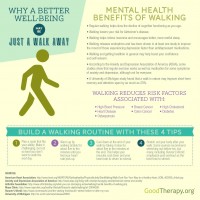 Exercise for physical self-care doesn’t have to be tough. Click to enlarge.
Exercise is also an important part of self-care, especially as more people take on sedentary jobs that have them sitting behind computer screens all day. The Harvard School of Public Health recommends healthy adults get at least 75 to 150 minutes of moderate to intense physical activity each week. Your physical activity does not have to be running a marathon; it can be something easy like a daily 30 minute walk after work, after dinner, or during your lunch break.
Finally, sleep—both quality and quantity—is a component of self-care that often gets overlooked, but according to a recent study in the Journal of Neuroscience, lack of sleep may actually cause irreversible damage to brain cells. In the study, researchers examined the brains of mice that were put under similar sleep conditions as late shift workers. They were only allowed to sleep four to five hours each day and after just a few days, scientists discovered significant brain cell loss in a particular area of the brain stem responsible for alertness and staying awake. Sleep is also important for healing damage we do to our bodies each day, weight loss, and maintaining healthy stress and hormone levels. The National Sleep Foundation recommends seven to nine hours of sleep each night for adults to remain healthy. To help you get better sleep, they also recommend the following:
- Try to keep the same sleep schedule even on the weekends.
- Try to incorporate a relaxing ritual such as reading a book or a few minutes of meditation before bed.
- Maintain a good exercise routine.
- Make your bedroom as dark and quiet as possible.
- Avoid alcohol and caffeine before bedtime.
If you’re still not convinced you need to sleep seven to nine hours each night, challenge yourself to do so for a week or two and see how you feel after you’ve gotten a period of good, restful sleep. The results will likely encourage you to continue taking care of yourself in this manner.
Mental Self-Care
Use it or lose it, the old saying goes. The mind is part of the body and, like the body, needs to be exercised to protect from cognitive decline and chemical imbalance, and to help you achieve your best sense of self. The mental component of a good self-care routine addresses your emotional needs, allows you to engage your creativity, and challenges your brain.
Engage your emotions by experiencing and acknowledging them in different ways. When you are angry at a friend or relative, write a letter you may or may not send that expresses exactly how you feel. Try writing in an “emotional journal” at the end of the day that details how different situations throughout the day made you feel. Acknowledge the good and the bad. You might be surprised to discover that these simple exercises may not only help you be more present in the moment, but they also may teach you to be more empathetic and conscious of the emotions of others.
You cannot help others to the best of your ability if you are stuck fighting for oxygen.
Allowing your creativity to run wild is another great way to exercise your mind and de-stress. Find an activity you enjoy such as painting, drawing, or writing that allows for creative self-expression. Let go of shame, regret, and caution, and let your artistic sessions get as weird as you want them to be. And don’t be concerned about whether you are any good at it; that’s why you practice it.
According to the Alzheimer’s Association, low levels of education have been linked to a greater risk for Alzheimer’s later in life. One hypothesis for this is a lower level of lifelong mental stimulation. Several bodies of important neurological research point to the possibility that regularly challenging your brain with activities like crossword puzzles, Sudoku, and jigsaw puzzles may help improve the lifespan of and facilitate better connections between brain cells. Although research is still being done to prove these hypotheses, it’s relatively safe to assume that exercising your problem-solving abilities can contribute to a healthier you.
Spiritual Self-Care
Even if you are not a religious person, spirituality is still an important component of a good self-care routine. On the other hand, if you do follow a particular religious faith, spirituality may already be a big part of your self-care routine without you even being aware of it. Regardless of where you fall on the spectrum, religion is only one avenue of expression when it comes to spirituality.
Spirituality is a blend of how you connect with others on a social level, how you connect with a higher form of your own self, and how you connect with the concept of something that is bigger than you. Expressing your spirituality might be dedicating time each day to pray about what concerns you, spending a few minutes in quiet meditation, or socializing with others and discussing what spirituality means among the group. Others ways people express their spirituality may include:
- Trying to live by a set of values you wish to see in others.
- Acknowledging the things in life you are grateful for.
- Reading books concerning spirituality in an effort to develop your own.
- Spending time outdoors connecting with the natural world.
- Volunteering to help those in need.
This component of self-care is important to our overall well-being because it helps us cope with stress, allows us time to reflect on ourselves, and provides safe space to express thoughts, beliefs, and emotions that are central to our own worldviews.
Know When Your Self-Care Routine Needs Work
Perhaps one of the most important parts of self-care is being able to recognize when you need to practice a little. If you neglect your own self-care for too long, especially if you are a caregiver or health care provider, you may experience burnout or some form of compassion fatigue that makes caring for others in an ethical way difficult or nearly impossible.
[fat_widget_right]If you find yourself feeling ground down and think you need help developing a good self-care routine, consider finding a therapist or counselor with whom you can form a therapeutic relationship. There may be underlying issues, emotions, or behaviors that need addressed in order for you take care of yourself physically, spiritually, and mentally.
If you feel like you are wearing thin trying to address other people’s needs and your own all the time, remember the warning from the airline attendant and reach for your oxygen mask.
References:
- How much exercise do you need? (2013, November 20). Harvard School of Public Health. Retrieved from http://www.hsph.harvard.edu/nutritionsource/physical-activity-guidelines
- How much sleep do we really need?? (n.d.). National Sleep Foundation. Retrieved from http://sleepfoundation.org/how-sleep-works/how-much-sleep-do-we-really-need/page/0/1
- Spirituality. (n.d.). Mental Health Foundation. Retrieved from https://www.mentalhealth.org.uk/a-to-z/s/spirituality
- Stay mentally active. (n.d.). Alzheimer’s Association. Retrieved from http://www.alz.org/we_can_help_stay_mentally_active.asp
- Zhang J., Zhu Y., Zhan G., Fenik P., Panossian L., Wang M. M., Reid S., Lai D., Davis J. G., Baur J. A., Veasey S. (2014, March 19). Extended wakefulness: Compromised metabolics in and degeneration of locus ceruleus neurons. Journal of Neuroscience, 34(12): 4418–4431.
 Life in today’s fast-paced world is complex, with more stressors and less direct social support than in past generations. Exposure to multiple life stressors has been shown to leave people vulnerable to illness and other negative outcomes, making it all the more important that effective coping strategies are developed and utilized.
One of the most common reactions to stressful life events and transitions is anxiety. One of the most widely reported mental health challenges that people face in the United States, anxiety affects about 40 million adults ages 18 and older.
Common symptoms of anxiety include feelings of panic, fear and uneasiness, difficulty sleeping, muscle tension, cold or sweaty hands/feet, shortness of breath, heart palpitations, restlessness, dry mouth, nausea, dizziness, excessive or unrealistic worry, and avoidance of triggering situations. Temperament and prior experiences with stressors are key determinants of whether a person develops problematic anxiety in response to life events. Though their genetics and past experiences cannot be changed, people can better prepare for the inevitable ups and downs of life by understanding their emotional responses and by nurturing healthy daily practices.
[fat_widget_anxiety_right]
The Fight-or-Flight Response
Fear and anxiety are natural and adaptive responses to stressors. Fear is a reaction to a present danger in the environment, while anxiety refers to the anticipation of some potential threat in the future.
Fear and anxiety are natural and adaptive responses to stressors. Fear is a reaction to a present danger in the environment, while anxiety refers to the anticipation of some potential threat in the future.
When the mind perceives a threat, the nervous system activates the fight-or-flight response. A complex physiological event, the fight-or-flight response mobilizes a person for action in the face of a life-threatening danger. Because the human nervous system does not distinguish between real and imagined threats, this response system can work against a person, resulting in panic and anxiety.
The good news is that our understanding of the biological underpinnings of the fight-or-flight response has led to well-researched, effective treatments and coping methods. Below are some healthy strategies that you can begin to practice right now, regardless of whether this is a time of stress:
- Practice deep breathing, meditation, or relaxation: Breathing and meditation can help you focus on the present moment and reduce ruminative worry and anticipatory anxiety. Regular relaxation exercises lower overall physiological arousal.
- Look back to other stressful times: Reflect on past stressors and remind yourself that stressful periods are temporary and will pass.
- Identify effective coping from the past: You’ve been through tough times in the past. Review what helped you during those times.
- Accept negative feelings: Don’t deny anger, guilt, sadness, or negative feelings. Try to accept and acknowledge your feelings. Journaling can provide a safe space to express and process feelings.
- Engage in active problem solving: Identify aspects of the situation that you have control over and appropriate responses.
- Maintain and utilize supportive relationships: Build loving and warm relationships with trusted others you can lean on during difficult times.
- Get plenty of sleep: Aim to get seven to eight hours of sleep each night. Establish a regular bedtime and wake-up time.
- Exercise: Daily exercise is one of the most effective ways to reduce stress and anxiety. If cleared by your physician to do so, try to exercise vigorously four or more days a week.
- Eat well: Eat a balanced diet, and don’t skip meals and snacks.
- Schedule rest breaks: Set an alarm on your phone to remind you to take a few minutes several times a day to meditate, breathe, or otherwise relax.
- Engage in pleasurable activities: Be sure to carve out time to engage in things you enjoy on a daily basis.
- Avoid caffeine and alcohol.
Everyone goes through difficult and stressful times. It is important to cultivate a robust set of coping strategies to build your resilience and reduce the negative impact of life’s challenges. If you find that you are having trouble coping, consider seeing a therapist or seeking out a support group.
References:
- Holmes, T. H., & Rahe, R. H. (1967). The social readjustment rating scale. The Journal of Psychosomatic Research, 11(2), 213-218.
- Jansen, A. S. P., Nguyen, X. V.,Karpitskiy, V., Mettenleiter, T. C., & Loewy, A. D. (1995). Central command neurons of the sympathetic nervous system: Basis of the fight-or-flight response. Science, 270(5236), 644-646.
- Mineka, S., & Zimbarg, R. (2006). A contemporary learning theory perspective on the etiology of learning disorders: It’s not what you thought it was. American Psychologist, 61(1), 10-26.
 According to Ross and Halpern (2011), there are several definitions of dissociation. One of them (referred to as “the general systems meaning of dissociation”) is “the opposite of association” or the disconnection of two or more things that were once associated with each other. Another definition, presented by Steinberg and Schnall (2001), defines dissociation as “an adaptive defense in response to high stress or trauma characterized by memory loss and a sense of disconnection from oneself or one’s surroundings.”
Dissociation occurs when someone disconnects from some part of himself or herself or the environment. It can occur in a number of different ways, including disconnection from one’s emotions, body sensations, memories, senses, etc. A normal and common phenomenon, dissociation can happen in mild forms even when there is not imminent danger or stress. Think of a time you drove somewhere, arrived, and then couldn’t remember the drive because your mind was wandering; an instance when you lost track of time because you were engrossed in a riveting television show; or when you disconnected from body sensations to avoid going to the bathroom when you were on a tight deadline at work.
[fat_widget_trauma_ptsd_right]
Dissociation is something we all do, and it is a vital part of our ingrained survival system. It is a part of the system that helps us to cope with stressful situations, which may otherwise feel overwhelming (Steinberg and Schnall, 2001). It is built in and is not pathological (Ross and Halpern, 2011). However, when a trauma occurs, sometimes this built-in system disconnects to a greater degree in an effort to protect the individual from traumatic material, body sensations, emotions, or memories that may be overwhelming.
Dissociation related to trauma occurs in varying degrees. On the lower end of the dissociation spectrum, for example, let’s say someone was in a car accident. A few days after the accident, the person finds that he or she cannot recall parts of the accident, even though reports of others were that he or she was conscious and responsive during those times he or she cannot recall. On the other end of the spectrum, someone who was severely abused throughout life can dissociate to the point that he or she has more than one personality, all of whom display and contain their own characteristics and who hold different memories associated with the trauma.
The goal in therapy is not to eliminate dissociation completely, but rather to help the brain and body to update to the current circumstances. Specifically, this would include helping a person to integrate current information about the present circumstances in which they live.
For the traumatized individual, dissociation may help him or her to survive circumstances that may have otherwise been intolerable. Dissociation can help a person feel as if situations, his or her body sensations, emotions that would have been overwhelming, etc., are muted and distorted so he or she can then go into “autopilot” mode and survive extreme situations and circumstances. When trauma is ongoing, dissociation can become “fixed and automatic” (Steinberg and Schnall, 2001). When this is the case, integration of memories becomes difficult for the brain, and the brain also continues to send of signals of danger, even when the traumatic situation is over (Steinberg and Schnall, 2001). This can continue for years after a traumatic situation has ended.
According to Steinberg and Schnall (2001), the five central symptoms of dissociation are:
- Amnesia: Loss of memory for short or long periods of time. This can include not recalling all or part of an incident or time period.
- Depersonalization: Feeling detached from yourself, parts of your body, and your emotions—like you are on autopilot or robotic.
- Derealization: Feeling detached from your surroundings and people who were once familiar—like the world around you isn’t real.
- Identity confusion: Feeling “uncertainty, puzzlement, or conflict about who you are” (Steinberg and Schnall, 2001).
- Identity alteration: Alterations in personality and behavior that others notice. Sometimes this manifests as feeling as if you don’t have control over other personalities or your body.
For someone who is concerned that he or she is experiencing a more-than-normal incidence of dissociative symptoms, help is available. Several accurate tests are available through therapists and psychologists who have been specially trained in diagnosing and treating dissociation and trauma.
The goal in therapy is not to eliminate dissociation completely, but rather to help the brain and body to update to the current circumstances. Specifically, this would include helping a person to integrate current information about the present circumstances in which they live. If no danger currently exists, helping the brain and body to learn how to be safe would be one part of treatment. Working toward being able to maintain awareness of the present moment, body sensations, emotions, surroundings, etc.—also known as mindfulness—is one way to start to address dissociation, especially prior to any trauma work that needs to be addressed.
As a therapist, I appreciate dissociation as a valuable gift our brains are able to give us when we endure trauma. I emphasize to the people I work with in therapy that dissociation has helped them to survive, and we can acknowledge that this is a defense that has perhaps worked for longer than it was intended. It is important to remember that experiencing more than a regular level or type of dissociation as a result of trauma does not make a person defective. Rather, it shows that he or she has been able to live through and survive extraordinary circumstances that no one would be able to endure without the brain’s ability to dissociate.
References:
- Ross, C., and Halpern, N. (2009). Trauma Model Therapy: A Treatment Approach for Trauma, Dissociation and Complex Comorbidity. Richardson, Texas: Manitou Communications.
- Steinberg, M., and Schnall M. (2001). The Stranger in the Mirror. New York, New York: Harper.
 Stress, depression, and anxiety are complex experiences caused by a variety of factors, including lifestyle, brain chemistry, a history of trauma, and health. Research increasingly points to the role nutrition plays in sound emotional health. While eating a bowl of soy beans and loading up on eggs won’t cure depression, it can certainly help. By pairing the right diet with healthy therapy and—if necessary—medication, you can maximize your chances of quickly feeling better.
Folic Acid
Vitamin B9, also known as folic acid, is probably best known as the nutrient every pregnant woman should eat to prevent neural tube defects. Research also shows that folic acid may help boost mood. One study, for example, found that people with depression tended to be deficient in folic acid. Beans and lentils are excellent sources of folic acid, and you can also get your daily dose of this important nutrient through oatmeal and cereals fortified with folate.[fat_widget_right]
Omega-3 and Omega-6 Fatty Acids
Omega-3 and Omega-6 fatty acids can help improve heart health. Research is still mixed on the effects these fatty acids have on mood, but several studies have shown an improvement in depressive symptoms among people who get high doses of Omega-3 and Omega-6 fatty acids. Even when studies haven’t verified the mood-boosting effects of these fatty acids, they haven’t shown any negative consequences. Fish, nuts, legumes, avocados, flax seed oil, and linseed oil are each high in these important nutrients.
Tryptophan
You might have heard that tryptophan can cause you to doze off after a big Thanksgiving dinner, but it can also help ease anxiety and depression. The body converts tryptophan into serotonin, a neurotransmitter that helps regulate mood and prevent depression. Milk, cheese, eggs, soybeans, tofu, and turkey are all high in tryptophan.
Fruit
There are dozens of reasons to eat more fruit. Fruit’s natural sugars are better for you than the stuff you get from packaged foods, and the relatively low calorie content of most fruits can help you regulate your weight and stave off food cravings. Many fruits can also help boost your mood by boosting serotonin levels. Kiwi, sour cherries, bananas, plantains, plums, pineapples, and tomatoes are each high in serotonin.
High-Fiber Foods
Fiber doesn’t just help you avoid gastrointestinal problems. Some studies have also found that it can boost your mood. High-fiber foods include avocados, whole wheat bread, barley, beans, lentils, almonds, raspberries, pears, oatmeal, and bran muffins.

Foods to Avoid
It can be challenging to eat a healthy diet, and an occasional “cheat” may even boost your mood if you choose something healthy, such as dark chocolate. Some foods can only drag you down, though. These include:
- Alcohol, which is correlated with increased depression and sleepiness.
- Caffeine, which can make you feel jittery and anxious, then lead to sleepiness and depression.
- Processed sugars, which can give a temporary energy boost that quickly yields to a depressive crash.
- Foods containing gluten, especially for those who have celiac disease. Many foods high in folic acid are also high in gluten. Gluten hasn’t been shown to be harmful to most people, but if you have celiac disease, the benefits of gluten-containing foods are outweighed by the risks.
References:
- 15 mood-boosting foods. (n.d.). Retrieved from http://www.prevention.com/food/healthy-eating-tips/food-and-mood-best-foods-make-you-feel-better
- Hainer, R. (2010, June 11). Supplements for depression: What works, what doesn’t. Retrieved from http://www.cnn.com/2010/HEALTH/06/11/supplements.for.depression/
- High-fiber foods. (n.d.). Retrieved from http://www.mayoclinic.org/healthy-living/nutrition-and-healthy-eating/in-depth/high-fiber-foods/art-20050948
- Jefferson, J. W. (2007). Folate for depression. Psychopharm Review, 42(10), 75-81. doi: 10.1097/01.IDT.0000290219.07082.4c
- Nelson, S. (2014, May 19). Study says non-celiac gluten sensitivity may not be real. Retrieved from http://wqad.com/2014/05/19/study-says-non-celiac-gluten-sensitivity-may-not-be-real
- New research reveals that fibre can improve mood. (2002, February 20). Retrieved from http://www.eurekalert.org/pub_releases/2002-02/cu-nrr022002.php
- Treating depression with Omega-3: Encouraging results from largest clinical study. (2010, June 30). Retrieved from http://www.sciencedaily.com/releases/2010/06/100621111238.htm

Share this Image On Your Site
 If you’re like most people, you spend some portion of every day stressed about time, obligations, and your ability to get everything done. In an increasingly fast-paced world, where everyone wants a response yesterday, it’s easy to feel overwhelmed by unceasing demands.
According to a study published in the Journal of Marketing Research, it’s not necessarily time constraints that lead to chronic stress. Instead, time constraints may affect how people spend their time, and these choices may lead to even more stress.
Understanding How Busy Schedules Cause Pressure
The study’s authors theorized that conflicting demands could be a significant source of stress. For instance, having to be two places at once or needing to complete two tasks that demand different emotional or intellectual resources could be more challenging.
To test this theory, researchers asked study participants to list tasks according to the amount of time they took, and to then picture themselves completing those tasks. They then asked participants to pretend the duties conflicted with one another. Some tasks were conflicted such that participants would be able to complete only one. Others involved emotional or financial conflicts. Participants reported more stress associated with conflicting tasks, regardless of the reason for the conflict.
[fat_widget_right]
The study’s authors believe that the way we think about stress may affect how we deal with it. It doesn’t matter if tasks actually conflict with one another; when people think of them that way, they have more difficulties with time management. When people feel pressed for time, they may struggle to sleep, be willing to spend more money to save time, or experience depression. These issues can all lead to even more stress.
Simple Strategies for Coping With Time Pressures
Researchers suggest that two easy strategies may help people more effectively cope with stress. Slow breathing can help to refocus the mind and calm feelings of anxiety. When feelings of stress become unmanageable, researchers suggest, it may be better to express them in the form of intense emotions such as excitement. Both approaches helped study participants feel less pressed for time.
Reference:
Is your busy schedule affecting your health? Time might not be the problem. (2015, February 25). Retrieved from http://www.sciencedaily.com/releases/2015/02/150225094321.htm
 When people think of eye movement desensitization and reprocessing (EMDR) therapy, they generally think about a treatment for trauma, which is partially accurate. Treating trauma is what EMDR therapy was developed for and continues to do. But since its development and introduction over 25 years ago, it has become more than an intervention and is now a comprehensive psychotherapy, one that is exceptionally effective in addressing multiple issues and challenges.
A common misconception is that a person has to be struggling with mental health or major life challenges to benefit from EMDR. On the contrary, one of the most interesting and innovative uses of EMDR has been in performance enhancement in addition to its ability to decrease fear, stress, or anxiety related to performance.
How EMDR Works
In short, EMDR therapy accesses and links the multiple facets of memory (image, cognition, emotion, and sensation) and uses bilateral stimulation/dual-attention stimulus (eye movements or tactile or auditory stimulation) in order to decrease disturbance associated with specific incidents in a person’s life. It taps into the brain’s natural ability to heal and helps it file away memory appropriately so that when the memory is recalled, there is no disturbance associated with the memory.
[fat_widget_right]
Other Ways EMDR Can Help
EMDR has several wonderful applications. In addition to decreasing disturbance associated with trauma, it is effective in decreasing anxiety and targeting irrational or negative thinking, both of which may get in the way of performance. In addition, it can help a person to gain confidence in his or her ability to perform a task or reach a goal. EMDR works to achieve this by installing positive beliefs, and by having a person imagine doing the thing he or she is nervous to do or wants to improve in while doing bilateral stimulation. This has the effect of simultaneously decreasing the fear, anxiety, or stress associated with the task and boosting confidence.
It seems that EMDR helps the brain to think in a healthier, more adaptive way by removing blocks (such as negative self-beliefs) and helping the person to tap into his or her strengths.
An Example of EMDR in Practice
Sometimes EMDR is hard to conceptualize without a specific example. Here is a hypothetical one.
Alice wants to implement healthy habits into her life, so she has set a goal of exercising three times per week. However, she is self-conscious when she thinks of going to the gym. She worries about other gym members and trainers judging her.
She visits an EMDR therapist to help her reduce her anxiety and to boost her confidence in going to the gym. The therapist completes a thorough history and teaches her stabilization and calming skills to utilize between sessions and (if needed) during the desensitization phase. Once fully prepared for the next phase of EMDR therapy, Alice and her therapist assess and desensitize any past experiences that feel related to the current experience.
Once there is no longer any disturbance associated with past experiences, they then assess and target the current situations that are triggering for Alice. Specifically, Alice targets the image of the gym, the belief “I am not safe,” emotions (fear and insecurity), and body sensations associated with this target. They use bilateral stimulation and work through the target until no disturbance remains, Alice is able to fully believe the thought “I can keep myself safe,” and she no longer has any negative body sensations associated with the target.
Alice and her therapist then move to the next phase of EMDR therapy, during which future situations are targeted. During this phase, Alice plays a movie in her head, imagining herself packing her gym bag, getting in her car, driving to the gym, going into the gym, completing her workout successfully, and leaving the gym feeling a sense of accomplishment. Alice finds that when thinking about this scenario, she has some anxiety and another negative belief: “I am going to fail.”
Alice plays the movie through several times, all while the therapist provides bilateral stimulation. If Alice finds she gets stuck, she lets the therapist know and the therapist helps her to work through the sticking points. She finds that each time she plays the movie in her mind, she is less anxious and more confident in her ability to go through the actions she is imagining. She eventually finds that she no longer believes she will fail and, while playing the movie the last few times, instead holds the belief “I am strong and capable.”
The next time Alice goes through the actions of preparing for and going to the gym, she has far less anxiety and much more confidence.
Of course, every case and person is different, but this is a simple example of how EMDR may be helpful in not only addressing past and present issues related to performance, but also in enhancing future performance and decreasing anxiety related to potentially triggering situations. The number of sessions will vary from person to person, but it has been my experience as a therapist that EMDR is both efficient and effective. Contact a therapist trained in EMDR if you think it might be beneficial for you.