 Rachel Dolezal, a Caucasian woman, has dominated recent news with her assertion that she identifies as black. Like many people, I was initially perplexed about why someone would choose to identify with an oppressed culture. What benefit is there to choosing to belong to a group of people who have been marginalized?
When people have difficult and character-forming experiences, they generally want them to be witnessed, honored, and respected. People with visible identities, as race typically is, naturally have this validating experience. For many people, parts of their identities and the way they understand themselves come from the struggles and challenges they have endured.
Poverty is a prime example. Though we may not consciously consider poverty an identity, for many people it is one. Many people who experience poverty have a shared experience of not having enough, being judged, and being marginalized. Poverty informs how people experience and interpret the world.
I worked with a 48-year-old woman—I’ll call her Nina—who consistently spoke of “being poor.” For most of her childhood, her family struggled financially and did not have their basic needs of food, shelter, and clothing met on a regular basis. When she was 14, her family’s situation changed. Her mother got a well-paying job, they bought a home, and they had financial security, as is true to this day.
[fat_widget_right]
As a grown woman, Nina continued to refer to herself as poor, though she factually had not experienced poverty for 34 years. Nina’s earlier experience of living in poverty was so defining that it became part of her identity.
This phenomenon is also true for internal experiences. Consider people who have experienced, say, addiction or depression. “I’m an addict” and “I’m a depressed person” are phrases that I have heard many times. People often define their entire being by a challenging part of themselves, when in reality it is one of many aspects and identities that comprise who they are.
As human beings, we are wired to connect to others and to be recognized and understood by others. Tightly gripping an “old” identity is a way to keep that part of you visible—to keep the struggle of addiction or depression or trauma or poverty as a real and acknowledged part of your existence.
Being depressed is not all of a person. It is an experience, albeit it an unpleasant one. People who are depressed are also parents and friends and colleagues. There are many other pieces to who they are in addition to their depression. However, unlike depression, being a parent is visible. Being a colleague is visible. People see and understand these roles and identities and, in turn, validate them.
What happens when life circumstances shift and their current experiences no longer fit their description of themselves? Though Nina no longer lives in poverty and has not for more time than she has, she still very strongly identifies with being “poor.” When someone is no longer depressed, does he or she still say, “I’m a depressed person”? Many people do. They become so used to understanding themselves one way that it becomes the dominant narrative of their life, even when it no longer fits the circumstances.
As human beings, we are wired to connect to others and to be recognized and understood by others. Tightly gripping an “old” identity is a way to keep that part of you visible—to keep the struggle of addiction or depression or trauma or poverty as a real and acknowledged part of your existence.
But you can release parts and identities that no longer fit while still having them as part of you and your story.
Narrative therapy is a technique that allows people to share and tell the stories of their lives. It makes visible what is invisible. The struggles, challenges, and resilience that you have developed during your lifetime are part of your story. The ways we self-identify at one point in our lives may be different than at another point, and both identities can be true. Narrative therapy helps to weave together these many different aspects of life into a multifaceted story. It gives us the richness and fullness of our experiences as people rather than limiting us to one way of being. It helps us understand that we are not only our race or gender or depression or addiction. Instead, those aspects are pieces of a changing, evolving, and larger picture of who we are.
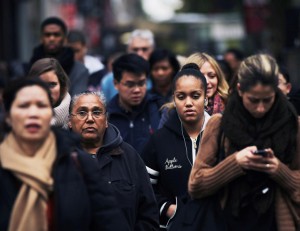 As we covered in last month’s article on microaggressions, they are often subtle, racial insults by well-intentioned people. And they’re experienced by people of color on a regular, sometimes daily, basis. One study found that 96% of African-Americans reported that they experienced microaggressions within the previous year.
Some of the most common microaggressions that racial minorities experience are:
- When shopping or dining, the assumption that they are service workers rather than customers.
- The assumption that minorities are likely thieves and thus are followed around retail stores. A black woman shared that this happens to her “at least once a week at places where I am receiving some kind of service.”
- Critical and offensive comments, stated as fact, on how minorities talk, dress, or style their hair. For example: comments that a person is “too loud” or “speaks so well,” as though it is unexpected from someone of their culture.
- Not understanding racial and cultural differences and assuming that racial minorities are the same ethnicity. For example, when my Japanese friend moved to Chinatown, people constantly asked her if she felt “at home.” She’s not Chinese. It’s not the same.
- Assuming that all Latinos speak Spanish. No other ethnic group in the United States is expected to be bilingual.
- Asking, “What are you?” when unable to identify his or her racial or ethnic background.
[fat_widget_right]
While there are individual instances of microaggressions, there are also environmental ones. These are microaggressions that occur and are supported on a larger, societal scale:
- The Oscars is a perfect example of the environmental aspects of microaggression. An all-white actor/actress nominee selection for the Academy Awards ceremony sends the message that white is the standard and the only important perspective or influence there is.
- The constant bombardment of feisty, neck-rolling black women in media as a standard and accepted representation of black women.
- Questioning and challenging the need for minority spaces within larger organizations that are dominated by the majority. For example, when I was planning a meeting for social workers of color (in a predominantly white organization), I heard the comment, “This offensive. This is wrong.”
- Finally, the denial by people in the majority of racial experiences is a cornerstone of microaggressions.
What can be done about it? A multipronged approach is needed. First, people inflicting the pain need to stop. As in any relationship, when someone is hurt, the person who caused the hurt needs to stop the painful action, apologize, and commit to not repeating it.
Of course, this is easier said than done. Change is a long process, just like in relationships. Mistakes will be made, and painful interactions will continue to occur. But making a commitment not to engage in microaggressions is a useful start.
Here are some concrete steps and important considerations:
Stop and Think Before Speaking
How will your comment be received? Does the setting make a difference? Is it something you should say to another person?
I recently had a white friend ask me about commenting on a black woman’s hair. She knew that hair was an important and sensitive topic in the black community, and she wanted to be respectful in complimenting this woman’s hair. We talked it through and discussed what she wanted to say, why she wanted to say it, and her relationship with the woman. It seemed “safe” to compliment the woman’s hair.
Context Matters
And then I asked about the environment. Where would they be and who else would be present? Those factors can have a big impact; in this case, it changed my perspective. Suddenly a compliment no longer was “safe” and felt different when singled out to one black woman in a room of white women.
For the record, when my friend approached me to ask her question and have this discussion, she prefaced it by saying she wanted to ask me something related to race and understood if I didn’t want to have the conversation with her. She didn’t act on her privilege and assume that she could ask me anything because she’s white and I’m black. This is very different than when people approach minorities and ask them questions about race assuming that they will represent their entire race—another form of microaggression.
For those of us on the receiving end of microaggressions, we need to acknowledge its impact on us. Constant exposure to microaggressions has a significant toll on the physical and mental health of racial minorities. Research demonstrates that the cumulative effects of microaggressions are devastating. They can lead to feelings of isolation, self-doubt, and frustration.
Recognize It for What It Is
We need to acknowledge a microaggression for what it is. To ignore or dismiss it allows it to fester within us, causing harm to who we are as people. This isn’t to say it should be at the forefront of our minds each day, or that you need to confront everything you experience. But it does mean that you need to be aware that this happens and has an effect. Then you can prepare to deal with it.
Awareness Is Key
There are some situations and environments where you may experience microaggressions more frequently. If you are in an environment where you are the “only,” this may be one of those situations. Be aware of this so you can prepare for those times.
Do a Self-Inventory
The hardest part of dealing with microaggressions is that they are easily deniable.
I just like your hairstyle. What’s the big deal?
OK, so you don’t speak Spanish. It was an honest mistake. Don’t overreact!
These are common responses when calling out microaggressions. When you experience a microaggression, there’s something inside you telling you that you’ve been hurt. Perhaps you get a knot in your stomach, flashes of warmth, an instant headache, or a voice saying, “That’s not right.” Often there is some physical experience that acts as a red flag for you. Pay attention to it.
Seek Support
Have someone in your corner who sees and understands microaggressions. You need someone you can talk to and explain what happened, your feelings, and to do some reality testing with. Because the offender and bystanders will likely deny and even become defensive about microaggressions, you need someone you can talk to without defending your experience.
If you don’t feel comfortable talking to someone in your life, seeking the guidance of a qualified therapist can help you sort through your feelings about your experiences.
Let It Out
Don’t let the self-doubt, anger, or frustration eat away at you or cause you more harm. Whether it’s walking, talking, screaming, crying, or running, find a way to let the pain out. After you’ve done this, you’ll be able to think clearly and decide on your next plan of action.
To Confront or Not Confront?
There are pros and cons to this, particularly in work settings, often placing us in a catch-22. Each circumstance and each person is different. What you need in your life changes with time and environment. Be compassionate and flexible with yourself as you make the decision to confront or not confront a microaggression.
The societal and environmental aspects of microaggressions need to change. Though it may seem overwhelming trying to change centuries-long systems of oppression, “never doubt that a small group of thoughtful, committed citizens can change the world; indeed, it’s the only thing that ever has” (Margaret Mead).
References:
- Klonoff, E. A., & Landrine, H. (1999). Cross-validation of the schedule of racist events. Journal of Black Psychology, 25, pp. 231-254.
- Pierce, C., Carew, J., Pierce-Gonzalez, D., & Willis, D. (1978). An experiment in racism: TV commercials. In C. Pierce (Ed.), Television and education, 62-88. Beverly Hills, CA: Sage.
- Steele, C. M., Spencer, S. J., & Aronson, J. (2002). Contending with group image: The psychology of stereotype and social identity threat. In M. Zanna (Ed.), Advances in experimental social psychology, 23, pp. 379-440. New York: Academic Press.
- Sue, D. W., Capodilupo, C. M., Torino, G. C., Bucceri, J. M., Holder, A. M. B., Nadal, K. L., & Esquilin, M. (2007). Racial microaggressions in everyday life: Implications for clinical practice, American Psychologist, 62(4), pp. 271-286.
 The ongoing dispute in Congress over a recent pay equality bill has reignited discussions about discrimination in the workplace. As political pundits debate the causes of discrimination, minority groups who live with unfair treatment experience the consequences. Disparate treatment isn’t just a moral problem, though. It can also lead to serious individual and societal consequences.
No. 1: Poor Performance
People who are exposed to stereotypes about their group tend to live up to those stereotypes, often leading to poor performance. A concept called “stereotype threat” explains this phenomenon. Numerous studies have found that, when a member of a minority group is reminded of a stereotype about his or her group, that person is more likely to under-perform. A woman who reads a book claiming that women are innately bad at math immediately prior to taking a standardized test, for example, will likely do worse on the test than she otherwise would.
Stereotype threat is so strong that sometimes minorities do not even need to be reminded of a stereotype. Simply drawing attention to group membership—by asking them to check the sex or race box on a test—can trigger stereotype threat.
No. 2: Physical Health Problems
It should come as no surprise that discrimination is stressful to those who experience it. Doctors already know that stress increases the lifetime risk of heart attack, stroke, cancer, diabetes, and a host of other health and medical issues. New research suggests that discrimination-related stress may be even more dangerous.
A 2008 study found that, among African-Americans, race-related stress was a stronger predictor of health problems than other sources of stress. Such research may help shed light on ongoing health disparities between whites and blacks. On average, white men live about seven years longer than black men, and racial minorities are more vulnerable to chronic health problems and terminal illnesses. Perhaps such disparities are the direct result of a lifetime of stress.
[fat_widget_right]No. 3: Mental Health Problems
Discrimination is inherently stressful, and stress increases a person’s risk for developing depression, anxiety, and similar mental health challenges. The rates of anxiety issues are significantly higher among women than men, and women are more than twice as likely as men to develop posttraumatic stress.
While a variety of factors play a role in these differences, discrimination could be one. Women are significantly more likely to suffer abuse than men, with one in three women experiencing a sexual assault at some point in her life. Such abuse is a significant risk factor for posttraumatic stress, and may also play a role in other mental health challenges.
No. 4: Drug Use
The U.S. Substance Abuse and Mental Health Services Administration estimates that drug abuse costs in excess of $500 billion annually. Discrimination may be one factor that helps inflate this number. A 2010 study found that the experience of gender discrimination increased a woman’s likelihood of using hard drugs, even when a woman didn’t report experiencing stress as a result of such discrimination.
No. 5: Self-Sabotage
When people doubt their ability to perform well, they may develop explanations to explain poor performance that don’t harm their self-esteem. One common mechanism is self-sabotage. For example, a student who worries about his ability to do well on a math test might go out drinking the night before so that he can blame his poor performance on a hangover. Several recent studies have shown that the experience of discrimination increases the likelihood of self-sabotage.
One of the most unfortunate consequences of of discrimination is that they may serve to increase discrimination. A minority student who repeatedly sabotages himself may be blamed for his under-performance, even when such self-sabotage is his way of coping with racism. A woman who experiences sexual violence might develop posttraumatic stress or turn to drugs.
Such mental health consequences could then be used to justify denying the woman resources or opportunities. By becoming more aware of the risks of discrimination, it’s possible to minimize its effects and steadily work toward a world free of oppression.
References:
- Chakraborty, A. (2002). Does racial discrimination cause mental illness? The British Journal of Psychiatry, 180(6), 475-477. doi: 10.1192/bjp.180.6.475
- Discrimination may harm your health. (2012, January 16). Retrieved from http://www.sciencedaily.com/releases/2012/01/120112134332.htm
- Fox, M. (2012, April 17). Study shows why US blacks die younger. Retrieved from http://www.nationaljournal.com/healthcare/study-shows-why-us-blacks-die-younger-20120417
- Physiological & psychological impact of racism and discrimination for African-Americans. (n.d.). Retrieved from http://www.apa.org/pi/oema/resources/ethnicity-health/racism-stress.aspx
- Ro, A., & Choi, K. (2010). Effects of gender discrimination and reported stress on drug use among racially/ethnically diverse women in Northern California. Women’s Health Issues, 20(3), 211-218. doi: 10.1016/j.whi.2010.02.002
- Substance abuse prevention dollars and cents: A cost-benefit analysis [PDF]. (2008). Washington, D.C.: Substance Abuse and Mental Health Services Administration.
- What are the consequences of stereotype threat? (n.d.). Retrieved from http://www.reducingstereotypethreat.org/consequences.html
- Women, trauma, and PTSD. (n.d.). Retrieved from http://www.ptsd.va.gov/public/PTSD-overview/women/women-trauma-and-ptsd.asp
 In many families, the belief that children must honor their parents is a given. It may be seen as a tenet of the family’s culture, religion, or may be so fundamental that it is experienced as a rule of nature. In any particular family, the meaning of honoring one’s parents can vary from total obedience to respectfully listening to the wishes, perspectives, requests, etc., that parents express. In any particular family, the consequences of dishonoring a parent can range from mild feelings of anger, hurt, and sadness to intense anger, disappointment, extreme hurt, and disownment. (I am not considering the kinds of families which go to extremes which could result in honor killings.
In families with intense and powerful beliefs that children must honor their parents by sharing their points of view and behaving accordingly, children learn that any attempt to differentiate themselves from their parents by having separate, diverse perspectives or needs is unacceptable. Growing up, they learn what consequences to expect should they express their separate, differentiated selves when they are in conflict with family values. For children who struggle with these feelings, the dilemma of how to honor one’s parents and still be “true” to oneself is not easily resolved.
[fat_widget_right]
It is hard to imagine, even in families and cultures with strict admonitions not to depart from parental ways, that children don’t have thoughts that differ from what parents want. To protect themselves and preserve the parent-child relationship, children develop ways of coping. Some unconsciously dissociate (not be consciously aware of) their conflicting wishes, needs, and thoughts. Others suffer quietly and internally with the conflicts between what they think and desire for themselves and their wishes not to hurt, anger, disappoint, or shame their parents.
In my work as a therapist, I often encounter people who seek therapy when they can no longer contain these conflicts and feel that any choice they make between what their parents wish for them and what they want for themselves is unbearable. (Here I am not considering people who dissociate.) Most of these people express loving feelings toward their parents. They are vulnerable to feelings of selfishness, self-betrayal, fear of angering or disappointing parents, and pain about hurting parents. There may be intense shame that their thoughts and feelings are not those of a good child and that their choices could dishonor and shame the parent in the family or community.
As a therapist who values self-determination, individuation, and agency, it is essential that I recognize and respect the value systems that people have internalized. There are no rights and wrongs here. Each person I work with needs to be helped to understand, as much as possible, what his or her conflicts are about, and which choices result in the most tolerable consequences. Therapy has to facilitate the process of making the intolerable feelings more tolerable.
“Lucy” is a 26-year-old Asian woman who came to my office racked with conflict. She and her 29-year-old brother were born in the United States; her parents were born in Asia, where they met and married. They came to the U.S. before the children were born. Most of Lucy’s aunts and uncles emigrated around the same time as her parents and she now has a large extended family, mostly in the Northwest. Lucy came to New York to go to graduate school for fine arts. She met Peter, who is not Asian, in one of her classes two years ago, and Peter has asked her to marry him.
Lucy told me, “I love him so much, but I think it will kill my parents. I haven’t told them about him. When I’ve gone home for vacations, they always want to fix me up with someone from my culture, but I’ve managed to get around it. I also haven’t let Peter know how much of a problem it is for me. I don’t think I can keep up this charade. I keep thinking maybe I should just marry him and never tell them. I don’t know how Peter would feel about that. I can’t imagine giving him up, and I feel so selfish. But if I tell them, I can imagine my mother sobbing hysterically and never getting over the hurt. I can see my Aunt Lynn saying something mean to my mother about how she has such a dishonorable and disrespectful daughter. My mother will die of shame. What am I going to do?”
“Wow,” I said. “You are up against a lot of powerful forces that are tearing you apart and making the possibility of coming to a decision a horrible proposition. You can’t win. But you obviously can’t continue to stay in what must feel like a terrible war going on inside you.”
“Yes, that’s it!” Lucy said. “How can I possibly make any choice and be OK with it?”
“I don’t know that you will ever be fully OK with any choice you come to, but I’d like to help you be OK enough with how to proceed with your life,” I said.
Lucy and I used our sessions to explore her understanding of her family, her culture, and their values. We clarified the powerful nature of respect and honor for the wishes of the elders in the family and the importance of tradition. Lucy acknowledged that her wanting to marry someone from another culture was especially threatening. It not only was going against what her parents wanted, but this particular act—marrying a non-Asian man—would be seen as a public announcement of going against parental wishes.
“I didn’t have the words for it before,” Lucy said. “It seems this is not a private conflict between me and my parents. It is there for all to see. I am such a bad daughter. My brother and all my cousins have married within our culture. It will bring such shame to my family. I don’t know if I could do this to them.”
I asked Lucy if she was worried about anything other than the impact on her parents and family if she were to marry Peter. She thought for a while and started to cry softly. “I love them so much,” she said. “I worry that they will never forgive me, that they will hate me. I’ll be all alone.”
Lucy began to sob. “What if they refuse to be my children’s grandparents? What kind of family will I bring my children into? How can I do this?”
It was apparent that Lucy had kept her family totally in the dark about Peter. I wondered if they were as clueless as she thought. I also began to wonder with Lucy about some theoretical possibilities (not suggestions): What would she guess would happen if she casually mentioned that she had a date with this man Peter to her mother? Her father? Brother? A cousin? Would there be different responses? Would anybody seem interested or excited for her? These questions created some thoughts that surprised both Lucy and me. She realized that there would probably be different responses. She was pretty sure her cousin Cindy would be really into it and it wouldn’t be a big deal. Then she thought her brother might be OK with it, too. She felt her father would get cold and withdrawn to express his anger, and she was certain that her mother would be inconsolable, hurt, and ashamed.
As Lucy and I continue to examine the issues and explore them from all angles, it doesn’t feel as hopeless as when we first began talking. Lucy is planning to talk to her brother. This is an opening up by including a family member in the secret of Lucy and Peter. Perhaps Lucy will find an ally in the family. She has a fantasy of introducing Peter to her brother. Another breakthrough has been that Lucy has told Peter about her conflicts and her worries. His comforting response and willingness to let her find her way through this dilemma has strengthened her resolve to find some emotionally acceptable resolution for herself.
In our explorations, it was clear that growing up, Lucy had been successful hiding differences with her parents. When she felt strongly that she wanted or thought something that they would disapprove of, she kept it a secret. She had never really disobeyed them in any serious way. She had always been able to contain her conflict and struggle internally.
Considering marrying Peter was the first time she could not keep her conflict inside. Now that her struggle is more out in the open, she is in the process of determining how and if to keep it private or if it is safe enough to make it more external. Her consideration of including her brother, for example, could lead to a conflict between the two. The fact this is a consideration for Lucy moves the conflict resolution process to a new arena.
It is hard to imagine that Lucy’s family will come to fully embrace Peter and/or that Lucy will feel totally untroubled by a choice to marry Peter. Although it seems that Lucy is trying to find a way to be OK with marrying Peter, at any time in Lucy’s struggle to decide what and who to honor, she could choose her parents. For example, Lucy has told me that she could never marry Peter and not tell. She also could never tolerate her parents disowning her. So there is still work for Lucy to do to as she focuses on resolving her conflict. Hopefully, it will result in an outcome that feels acceptable.
Note: To protect privacy, names in the preceding article have been changed and the dialogues described are a composite.
 I was getting my morning cup of coffee, and while waiting to pay I saw others hand their money to the clerk and leave. When I attempted to do the same, another clerk rudely stated to me that she was helping someone. So I waited in line, watching others who came in after me be served before me. As I walked back to my office, a wave of emotions ran through me. Initially I was fuming. Why should I have to wait when others didn’t? Is it because I’m black? Was she being discriminatory? I thought to myself.
This is a place that I frequent with regularity, even going out of my way to get my coffee there because the staff is usually very friendly. So I began to doubt myself. The clerk who was rude was a different clerk than the one who took the people’s money. Was she a new employee? Did she not know that she could just take my money? Or maybe she was just having a bad day? My mind was racing with questions.
There I was, vacillating between anger and doubt and confusion from a seemingly simple interaction. This swirl of emotions is par for the course when you’re a minority or part of an oppressed group. We encounter these thoughts and questions and anxieties and doubts about the meaning or intent of others’ actions on a regular basis.
This is not to say others are always being racist/sexist/heterosexist/fill-in-the-blank. On the contrary, many times they aren’t. But this process of questioning and wondering is what we go through on a daily basis. We have to feel, review, and process these little interactions all the time, and it is an incredible weight to carry.
“Samantha,” who works at a law firm, is often asked if she’s bringing a date to social functions. Initially her coworkers asked her occasionally, but now it seems like multiple people, including her boss, are hounding her every time there’s a function. She isn’t out as a lesbian at work and wonders why her colleagues keep asking her about her private life. Are they trying to find out if she’s gay? If they do find out, will she lose her job? Or do they just want to know her personally? Samantha doesn’t know, but the thoughts and questions are a constant presence for her.
[fat_widget_right]
Whenever you are part of a minority that regularly interacts with the majority, there are additional layers of thought and emotional processing that occurs. There is so much unconscious and invisible energy that goes toward deciphering the intent and motives of others. And then there are our own emotions while we consider what, if any, action to take. As we consider our options, we also consider any possible consequences or retribution. If Samantha brings a female date to the next happy hour, will people treat her differently? Will work become uncomfortable and unpleasant? Will it affect her boss’ perception and perhaps review of her? All of this requires a significant amount of emotional and even physical energy that can be exhausting.
So what can you do about it? As overwhelming as this is, there are ways to move through it. The first step is to acknowledge the burdens that you carry. Acknowledge that there are times when being a woman or gay or Muslim or Latino (or part of any minority group) is challenging. Acknowledge that being part of a minority means constantly attempting to discern people and situations that are discriminating against you from those who are not. There are times when it is difficult, if not impossible, to determine, while at other times it can be crystal clear. Acknowledge that this continuous questioning in your mind exists.
The next important step is to manage and cope with these emotions and experiences. Find friends and family members to talk to. Determine who will be supportive and understanding of you and your experiences and talk with them. Writing is another excellent way to cope with your emotions. It allows you to express your emotions without holding them inside and gives you a much-needed release. Exercise is another great coping mechanism. It is a physical way to expel your anger, sadness, and frustration. Go for a run, speed walk around the block, or do push-ups in your office to release the emotions.
Letting go is the final and most important step. This is an acquired skill and something that takes practice. Acknowledging and coping with the challenges are useful in managing your day-to-day life. But the ability to let go of the pain, anger, and confusion allows to you be more joyful and not hold onto the painful experiences that may occur throughout your day. Some people use prayer or meditation to let go. Others can let go after they exercise and feel the release in their body. Talking to someone who understands and has similar experiences helps me to let go. I also find that practicing gratitude and appreciation for what is good in my life helps me to let go.
What works for you? How do you manage the thoughts, emotions, and anxieties that come from being a minority?
 A name, or identity, is a powerful thing. It is a descriptor that allows people to make quick judgments and assumptions about us. While we can understand the harm of assumptions, for the human mind it is a fast way to categorize a lot of information in a short amount of time. Assumptions also give us social context for the “rules” we need to interact with new and different people.
If you are at an event and you overhear someone talking about their upcoming church event, you might make an assumption about them. Based on that assumption you may speak differently to them. Perhaps you would avoid using curse words, for instance. Or, you may avoid interacting with them altogether.
Names and identities are our first impressions. How we dress, the way we wear our hair, how we behave, and even where we go all begins with our identity and what we call ourselves. Whether it is religion, sexuality, or gender, if it is part of an identity then it will influence how you present yourself to the world and how you interact with the world. The critical factors in creating an identity are that it describes who you are and it is self-chosen.
Identity Describes Who You Are
Our names and identities describe who we currently are. It is a present-day representation of how we perceive ourselves in this world. During my first day of high school, our gym teacher took attendance. She paused when she came to a girl who she had taught since kindergarten and asked, “Is it still Susie, or is it Susan now?” Upon the transition to high school and young adulthood the teacher recognized that the student may no longer see herself as a child and may prefer a different name to the one she previously used.
The name and identity that we have at 15 years old may be different than when we are 25 or 50 years old. As we grow, change, and have new experiences what we call ourselves may change as well.
Identity Is Self-Chosen
The second important point about our identity is that it is self-chosen. Other people may give us names (e.g. our parents) and labels (e.g. society) but an identity can only come from us. An identity represents how we perceive ourselves and how we want other people to perceive us. A label is a descriptor given to us by others based on their stereotypes of us.
My father is from Nigeria (African) and my mother is from Mississippi (African-American). I am truly African-American as a blend and product of them. There are many times when I publically call myself African-American, but I also call myself black, more privately, as that term resonates with me. For me, black describes the uniqueness of my culture: growing up American, but also as a first-generation American in many ways. Black describes the complexity of my experience in a way that African-American does not.
Depending on the situation and circumstance what we call ourselves may change. Perhaps our identity changes over time. What once resonated with us no longer does. Identity is a personal process and decision about what you call yourself. It is a process that is complex and full and fluid. It may change with time, or it may change with the environment or circumstance.
For example, I make a distinction between what I am comfortable with publicly versus privately. I am uncomfortable with some people calling me black and I use the term African-American publically. Similar to people who use familiar and formal names, different relationships have different ways of relating to each other.
Consider taking time to review your own identity. What names and identities do you have today? Is your identity based on your relationships (i.e. sister, partner, father, etc.)? Is it based on your work? Is it based on your religion? Or your sexuality?
What creates the identity that you have today? Is it different than it was 10 years ago? Do you think that it will be different 10 years from now? Share your thoughts and experiences with us; we want to hear from you!
 Very few people in Western cultures enforce or even endorse arranged marriages. The thought of having your spouse picked out by your parents can be repulsive to many young adults. They often view the opportunity to sow their own oats and experience the rush of first love as a fundamental rite of passage into adulthood. It is a process that is born of free will, choice and many believe, should be the sole privilege and right of the individual seeking a partner. But for Eastern societies, arranged marriages are not only encouraged, they are required. It is when Eastern and Western cultures clash that the problems arise.
[fat_widget_right]
A recent article describes some of the benefits and pitfalls to arranged unions. First, parents who favor arranged marriages believe that they are more experienced and objective than their children. They will be able to make better, less impulsive choices regarding a compatible, and often financially supportive mate than their child will. In many cultures, disobeying the arrangement can lead to disownment and exile from the family. But for the children, arranged marriages can cause fear and resentment. Many young people long for the chance to find their perfect soul mate, the one who makes their heart flutter and their palms sweat. They want to experience intimacy on many levels with that person before they make the commitment to spend the rest of their lives with them.
But do parents know best? Parents often arrange marriages for their children because doing so will ensure that their child stays vigilant in their religious beliefs. People from different cultures often see freedom of religion as a threat and are afraid of the varying views in Western societies. “The human mind finds security in habit so adjusting is hard and change is frightening,” says psychologist Jade Caton. That is why, according to Caton, many parents insist on arranged marriages. And maybe they are on to something. According to some research conducted in India, couples in arranged marriages have more extended periods of being in love than partners who choose their own mates. And arranged marriages end in divorce about 10 times less often than nonarranged marriages. But for young adults who cannot see past the pursuit and passion that come from falling in love, these statistics are often merely academic.
Reference:
Han, Mayzin. (2013). First comes marriage, then comes love. Spark Magazine (n.d.): n. pag. Web. http://www.sparksunderland.com/featured/2013/04/first-comes-marriage-then-comes-love/
 remain relatively rare in the United States, but are a common cultural practice in many countries. As many as 55% of all marriages globally are arranged, most of them in South Asia, Africa, the Middle East, and Southeast Asia. Immigrants and children thereof are sometimes involved in marriages arranged by third parties in the United States. Although the practice remains controversial due to concerns such as freedom of choice and the oppression of women, abuse is not the norm in arranged marriages.
Many people willingly enter into arranged marriages, believing that their parents are well equipped to choose a lifelong partner for them. People in arranged marriages face many of the same issues as people who marry for love—communication, infidelity, the death of romance, fights about money, and different parenting philosophies—and sometimes seek counseling to resolve these issues. Therapists counseling clients involved in arranged marriages must be sensitive to cultural practices, and may need to take a closer look at some common issues in arranged marriages.
Cultural Awareness and Ethnocentrism
In a culture that focuses on marrying for love, it’s easy to look down on arranged marriages and to view them as products of force. But many people enter into arranged marriages of their own accord, and the low divorce rate among arranged marriages globally—between 4% and 6%—clashes greatly with the high divorce rate in the United States (around 50%). Therapists counseling couples involved in arranged marriages should suspend judgments and display respect for cultural practices, even if they disagree with them.
Premarital Counseling
Some people believe arranged marriage involves a couple meeting for the first time at their wedding, but many couples in arranged marriages know their spouses for years before getting married. However, they don’t typically live together and may not spend much time together prior to marriage. Some couples are introduced to each other by third parties but left to make the ultimate decision as to whether to pursue marriage. Premarital counseling can greatly benefit couples involved in arranged marriages and help them prepare for the stress of adapting to a shared life.
Values Within Marriage
Married couples come from all walks of life, and every couple has its unique set of values. Some couples may relish religious-based counseling, while others may struggle with establishing equality within marriage. Couples involved in arranged marriages may have a wide variety of values, and therapists should investigate the core beliefs of their clients early in the process. For some couples in arranged marriages, divorce may not be an option due to family values, beliefs about marriage, or a simple commitment to see the marriage through. Therapists should not make assumptions about marital values; for example, some couples within arranged marriages may highly value gender equality, while others might see separate roles for men and women as a fair approach that promotes marital harmony.
Abuse and Coercion
There are many happy arranged marriages, but abuse of women and coercion into marriage remain a sad legacy of some arranged marriage practices. In cultures where women are not treated as equals, women may be hesitant to report abuse, and may not even recognize abuse as a problem. Therapists should be prepared to intervene if they see signs of abuse and to educate both partners about steps they can take to end abusive behavior. Some abused partners may benefit from meeting with the therapist individually, as they may be hesitant to report abuse or other marital issues in the presence of a spouse. Consequently, therapists should consider meeting with each spouse individually from time to time.
Family Issues
In cultures that practice arranged marriages, families often play a central role in the relationship. Spouses may have conflicts with their in-laws or struggle to establish proper boundaries. Therapists should determine each spouse’s comfort level with family involvement before making recommendations. Some couples, for example, may welcome the input of parents or in-laws but need help determining how much input to accept or whether living with parents is an appropriate strategy. Others, however, may want to establish completely separate lives from their families and may need advice about how to establish boundaries and navigate conflicts.
References:
- Delp, V. (2006, November 20). Lessons from an arranged marriage. Families.com. Retrieved from http://www.families.com/blog/lessons-from-an-arranged-marriage
- Lee, J. H. (2013, January 20). Modern lessons from arranged marriages. The New York Times. Retrieved from http://www.nytimes.com/2013/01/20/fashion/weddings/parental-involvement-can-help-in-choosing-marriage-partners-experts-say.html?pagewanted=all
- Pre-marital counseling. (n.d.). Between Us Relationship Helpline RSS. Retrieved from http://betweenus.bharatmatrimony.com/?p=263
 Exorcisms occupy a hallowed place in horror movies, with some claiming to be “based on a true story”—attracting mass audiences, rampant skepticism, and much discussion. But the ancient practice of expelling demons or other entities from a person isn’t merely fodder for fright flicks or some relic of a less enlightened time. Exorcisms are very much a part of cultural mythology, and occupy an important place in some religions. The Catholic Church has 10 exorcists in the United States. Even Mother Teresa underwent an exorcism at the direction of the archbishop of Calcutta.
No one can say with absolute certainty whether demons walk among us and occasionally take control of living beings, but science can offer a helpful window into exorcisms and what might cause a person to appear “demonically possessed.” The Diagnostic and Statistical Manual of Mental Disorders does not recognize demonic possession as a psychiatric issue. There is little doubt, however, about the influence of issues that are recognized by the DSM, and no one questions the power of suggestion.
What Causes the Appearance of Possession?
Historically, exorcisms have been used to treat a wide variety of symptoms that are now associated with mental issues. People with schizophrenia, personality issues, delusions, hallucinations, or severe depression might all have been considered candidates for exorcisms in generations past. Each of these issues can, in some cases, cause unusual or frightening behavior.
In a culture where many believe certain behaviors may be caused by demonic possession, the manifestations of mental health issues may conform to popular mythology. A person with schizophrenia might, for example, believe he or she hears the voice of Satan, or that he or she is in fact Satan, because he or she grew up amid culturally ingrained messages that this is possible.
Even in contemporary times, people with mental issues may be subject to exorcisms, particularly in devoutly religious communities and developing countries. Epilepsy, which can cause severe seizures, may lead to exorcism being performed. Substance abuse, head injuries, and brain tumors can also dramatically alter behavior, leading someone to appear possessed.
What Happens During an Exorcism?
Exorcisms tend to follow a predictable path. The apparent victim of possession’s behavior becomes increasingly erratic, perhaps even violent, until the exorcist casts the demonic spirit out. “Possessed” people may speak in tongues, vomit, become violently ill, or harm themselves. And while these behaviors might seem shocking, they can be easily explained.
Mental issues can cause strange behavior, and people tend to conform to expectations. This means a person experiencing an exorcism is more likely to act in ways he or she has heard of others behaving during exorcisms. Exorcisms sometimes also involve the use of potions, drugs, or fasting, each of which can induce violent illness and strange behavior. Starvation can affect brain function, and the stress of an exorcism may radically alter behavior.
Some exorcism advocates insist that exorcism works. And it very well may. People undergoing exorcisms may enter hypnotic trances, during which time they may be much more suggestible, which means their behavior may later change. The dramatic ritual of an exorcism can also be cathartic for some deeply religious people, and may inspire a change in behavior or personality.
Exorcisms As Abuse
Although every person has the right to practice his or her own religious beliefs, exorcisms sometimes become a form of abuse, and some mental health experts are concerned that they may replace competent psychiatric treatment for people with mental health issues.
Over the past decade, several people have died during exorcisms. A woman in Fort Wayne, Indiana, attempted to exorcise her son by forcing him to drink vinegar and olive oil, then held him down during an exorcism. The boy suffocated, and his mother was convicted of murder in 2011. A 3-year-old in Arizona was nearly choked to death by her grandfather, who was attempting to exorcise her; the grandfather was shot and killed by police.
References:
- Attempted exorcism ends in man’s death. (2007, July 29). MSNBC.com. Retrieved from http://www.nbcnews.com/id/20027027/
- Batty, D. (2001, May 02). Exorcism: Abuse or cure? The Guardian. Retrieved from http://www.guardian.co.uk/society/2001/may/02/socialcare.mentalhealth1
- Interview with the exorcist. (2000, September 21). The Daily Beast. Retrieved from http://www.thedailybeast.com/newsweek/2000/09/21/interview-with-the-exorcist.html
- Libaw, O. (2012, September 11). Exorcism thriving in the U.S., say experts. ABC News. Retrieved from http://abcnews.go.com/US/story?id=92541
- Mom convicted in son’s exorcism death. (2011, May 29). WISH TV. Retrieved from http://www.wishtv.com/dpp/news/local/north_central/boy-dead-after-attempted-exorcism
- Peter, B. (2005). Gassner’s Exorcism—not Mesmer’s Magnetism—is the Real Predecessor of Modern Hypnosis. International Journal of Clinical and Experimental Hypnosis, 53(1), 1-12. doi: 10.1080/00207140490914207
Family therapy can help families and couples overcome challenges with interpersonal relationships. Many issues that families and couples face become volatile and hostile without the help of learning how to constructively communicate and problem-solve. Relationship issues do not discriminate, and people of all cultures and races are vulnerable to family conflicts. This does not mean that people of every ethnicity embrace family therapy equally. In fact, African-Americans are far less likely than white people to seek out therapy for family problems. The reasons for this are many, and could include limited access to care, financial restrictions, mistrust of mental health professionals, and fear of stigma associated with counseling.
Cadmona A. Hall of the Marriage and Family Counseling Center at the Adler School of Professional Psychology in Illinois wanted to examine the specific barriers preventing African-Americans from seeking treatment. In a recent study, Hall interviewed nine participants and found that stigma presented the biggest obstacle to treatment. Resilience was the most common personality trait that helped the participants overcome the stigma. Hall believes that African-Americans are more likely to be resilient, having had to surmount the atrocities of slavery and the injustices of discrimination. This ability to overcome could have been an underlying force that led the participants to seek out help despite the barriers.
Hall also noted that eight of the nine individuals in her study were affiliated with the college where the counseling clinic was located. Having knowledge of and access to the services could have increased the willingness in this sample of participants. Another appealing aspect of the university clinic was the sliding fee scale, which was cited as a very beneficial aspect. Mistrust, which was listed as a barrier to treatment seeking, was addressed when the participants realized that their sessions were confidential and they felt comfortable enough to build rapport with their therapists. This was critical in setting them at ease and ensuring they would return to complete therapy. Although the sample size used here was small and lacking diversity, it was able to provide insight into the factors that prevent African-Americans from seeking out therapy. “As clinicians increase sensitivity and understanding of the unique features of African-Americans, they will have an increased ability to engage that population in therapy and increase quality of care,” Hall said.
Reference:
Hall, Cadmona A., and Jonathan G. Sandberg. “We shall overcome”: A qualitative exploratory study of the experiences of African-Americans who overcame barriers to engage in family therapy. American Journal of Family Therapy 40.5 (2012): 445-58. Print.
People who are discriminated against cope with that discrimination in various ways. Although some cope adaptively and use strategies that are constructive and empowering when they are faced with adversity, others turn to maladaptive coping mechanisms. One such mechanism is the use and abuse of alcohol and drugs. Racial discrimination has been shown to be related to increased drug and alcohol use, but has not been proven to be the cause of the increase. So why is it that some people use alcohol and drugs to cope while others do not? Meg Gerrard of the Norris Cotton Cancer Center at Dartmouth Medical School in New Hampshire wanted to explore this question further. In a recent study, Gerrard looked at whether people used drugs/alcohol as a method of coping consistent with their habitual coping strategies, or if they believed that substance use would decrease their feelings of stress and negativity stemming from the discrimination.
Gerrard conducted three separate studies designed to elicit feelings of discrimination among a sample of African-American adolescents. In her third study, she followed the level of substance use for eight years to determine the long-term influence of the discrimination-use relationship. She found that the participants who felt that substance use was an acceptable way to cope with problems were more likely to use drugs/alcohol when they felt discriminated against than those who did not endorse substance use. Over time, the results revealed that those who did support substance use as a method of coping continued to use drugs/alcohol throughout adolescence and into early adulthood, while those who never supported this belief did not. These findings suggest that adopting substance-use behaviors early on can lead to long-term maladaptive coping strategies for some individuals.
The findings from this study were gathered only from African-American participants. Future work should look at the coping-discrimination dynamic among other minority individuals, as evidence exists that prejudice and discrimination increases stress across all ethnicities. Gerrard noted that one domain that was not examined in her study was the effect of parental support. When parents teach their children how to handle stressful situations prior to their occurrence, children have a better chance of dealing with challenges such as discrimination in productive and adaptive ways rather than trying to relieve the stress with drugs or alcohol. Research should explore the buffering effects that family and parental support can have on this segment of the population. Until then, these studies demonstrate that acceptance of maladaptive coping strategies can increase negative behavior in people facing discrimination. “The current studies also provide evidence that use-as-coping is not caused by discrimination—instead, it increases the relation between discrimination and subsequent substance use,” Gerrard said.
Reference:
Gerrard, Meg, Michelle L. Stock, Megan E. Roberts, Frederick X. Gibbons, Ross E. O’Hara, Chih-Yuan Weng, and Thomas A. Wills. Coping with racial discrimination: The role of substance use. Psychology of Addictive Behaviors 26.3 (2012): 550-60. Print.
As people age, they face challenges that they may never have experienced before. Loss of friends due to death, loss of independence as a result of diminished income, and loss of physical health can all create significant stress in a person’s life. The way that people choose to cope with that stress is directly related to the skills they learned throughout their lives. Attachment styles developed in early childhood can dictate the response people have to a variety of stressors, including ones encountered in later years. Additionally, an individual’s ethnic origin influences how he or she will respond to stress at various stages. To better understand how attachment style affects coping and overall well-being in older adults and what role ethnicity plays, Eva-Maria Merz of the Netherlands Interdisciplinary Demographic Institute at The Hague in the Netherlands recently conducted a study of 1,116 older adults from varying cultural backgrounds.
The participants, which included European Americans, African Americans, Eastern European immigrants, and Caribbean immigrants, were examined to determine how attachment style affected their well-being. Specifically, Merz looked at secure or dismissive attachment styles in comparison to avoidant and fearful attachment styles. “As expected, secure attachment and dismissive attachment were associated with greater well-being, whereas ambivalent/fearful attachment was related to reduced well-being in this older cohort,” said Merz. The link between secure attachment and positive well-being was most evident among the Caribbean and African American participants and weakest among the other two groups. When she looked at avoidant/fearful attachment styles, Merz discovered that it negatively impacted well-being in all the ethnic groups with the exception of the Caribbeans.
The results of this study support previous research highlighting the importance of healthy attachment styles on well-being. This new evidence extends the existing data by demonstrating that attachment styles are especially important in later life when unique challenges arise. Further, attachment styles are influenced by ethnicity. Taken together, this information provides new insight into the underlying factors that contribute to the general physical and mental health of older adults and should be considered when implementing interventions to help older adults cope with life’s stressors.
Reference:
Merz, E.-M., Consedine, N. S. (2012). Ethnic group moderates the association between attachment and well-being in later life. Cultural Diversity and Ethnic Minority Psychology. Advance online publication. doi: 10.1037/a0029595
Related articles:
Patterns of Attachment in Adults
Individuation Issues with Elderly and Ailing Parents
The Importance of Attachment in Early Caregiving