 I just realized a few days ago that April is (or was—it’s almost over) Stress Awareness Month. This is fitting, considering just last week I wondered why the world seems to be piling one stressful situation after another upon my shoulders. It seems like just yesterday, yet also decades ago, it was April 1 and I was bummed I didn’t have time to plan any April Fools’ Day jokes, and now all of a sudden the month is nearly over and I’m wondering where the past several weeks went.
When things get busy and life gets hectic, our physical and mental health tend to pay the price. I’ve noticed a trend regarding coping with stress among several of the individuals I work with: when it rains, it pours, and when stress begins to pile up, it doesn’t just add up—it seems to multiply.
Over the past several weeks I’ve faced several situations that have generated various levels of stress: running a fundraiser, helping with a difficult move, dealing with sick kids, fielding crisis work calls, figuring out summer plans, and trying to maintain a good work-life balance. In and of themselves, each of these things would have been relatively easy to plan for and tackle, but it’s when we are pulled in a million directions and can’t seem to get a break that we become overwhelmed by stress.
[fat_widget_right]
I stopped at the pharmacy the other day, between leaving a meeting and picking up my daughter from school, only to find my sick dog’s prescriptions hadn’t been filled and I needed to contact the vet. I nearly had a meltdown. I got back in my car feeling like an utter wreck because I really wanted to just break down and cry.
So often I find that on top of the stress, people tend to pile on a load of guilt. They beat themselves up for feeling stressed, argue that their stressors are not “big deals,†claim they “should†be managing better, and talk about how other people are able to handle these things with “ease.†Along with the stress and feelings of guilt come engulfing feelings of “I suck†and “I’m weak.â€
What people fail to realize is, while each thing may be relatively insignificant on its own, it’s the combination of a lot of little stressors at once that ends up getting the best of us. Sure, most people could handle a setback at the pharmacy, but when the car breaks down, your babysitter is late, you double book an appointment, and you can’t seem to fight off a cold all at the same time, many people would feel, at the very least, irritable.
During therapy sessions, I often put my hand out in front of me to demonstrate the threshold for stress of the person I’m working with. And as I list all the issues they are dealing with, I raise my hand up, up, and up. When you are dealing with stressors that fall under or meet the original threshold, you are able to cope, keep it together, and effectively manage your various tasks. But as you pile more and more stressors atop that threshold, you may become overwhelmed, run down, and irritable.
Sure, most people could handle a setback at the pharmacy, but when the car breaks down, your babysitter is late, you double book an appointment, and you can’t seem to fight off an irritating cold all at the same time, many people would feel, at the very least, irritable.
It doesn’t matter how minor or insignificant an event may be. Whether it’s a little aggravation or a major trauma, you can be pushed over your threshold and sent into a tailspin. Negative emotions, such as anger, frustration, depression, and despair, can become heightened, and for some people, physical symptoms such as stress headaches or muscle tension can set in.
Rather than beat yourself up for feeling like a complete basket case, take a step back and acknowledge you have a lot on your plate. Sometimes just bringing awareness to your stress can help keep it at bay. When you recognize you are overwhelmed and can let go of any feelings of guilt, you open yourself up to a greater capacity to face the challenges at hand and to more effectively organize a strategy to tackle everything on your agenda.
Take a step back. Breathe. Remember to take care of yourself—take breaks, eat, and get rest. It’s easy to forgo good self-care when we are stressed and overwhelmed, but doing these things will help you recharge and be better equipped to cope.
During my string of stressful weeks, I decided to put as much as I could on hold and get to the gym. As I ran, I listened to the song “Let It Go†from Disney’s Frozen (the only thing currently on my iPod; updating it has been on my long to-do list for months!). I heard the lyrics: “It’s funny how some distance makes everything seem small. And the fears that once controlled me can’t get to me at all!†Oddly, these words helped put everything into perspective. It made me realize I need to practice what I preach, take a step back, and acknowledge I was feeling overwhelmed.
The Holmes-Rahe Stress Inventory is a scale originally used to determine whether stressful events may cause various illnesses. I like to encourage people to become familiar with this inventory because, sometimes, just being aware you’re dealing with one or more items on this list can help you recognize you’re nearing that stress threshold.
Once you are aware you’re facing stress, experiment with strategies that work for you. Many people find it useful to make to-do lists, break things down into smaller chunks, and cross things off as they go. Some people need to take a step back and put things into perspective, while others need a reminder to ask for help and support. Having a mantra or affirmation to connect to during times of stress, such as “this, too, shall pass,†can also help keep you grounded.

Compassion fatigue can be a serious occupational hazard for those in any kind of helping profession, with a majority of those in the field reporting experiencing at least some degree of it in their lives. This is no surprise, as it is typically those with the most empathy who are the most at risk.
Compassion fatigue is characterized by physical and emotional exhaustion and a profound decrease in the ability to empathize. It is a form of secondary traumatic stress, as the stress occurs as a result of helping or wanting to help those who are in need. It is often referred to as “the cost of caring†for others who are in physical or emotional pain. If left untreated, compassion fatigue not only can affect mental and physical health, but it can also have serious legal and ethical implications when providing therapeutic services to people.
While it is not uncommon to hear compassion fatigue referred to as burnout, the conditions are not the same. Compassion fatigue is more treatable than burnout, but it can be less predictable and may come on suddenly or without much warning, whereas burnout usually develops over time.
Because it can arise so abruptly, it can be important for therapists and others in the helping professions to protect themselves from this condition. Here are 11 ways to prevent compassion fatigue from happening to you:
1. Get Educated
If you know you are at risk for compassion fatigue, taking the time to learn the signs and symptoms can be a helpful means of prevention.
The most common signs and symptoms of compassion fatigue include:
- Chronic exhaustion (emotional, physical, or both)
- Reduced feelings of sympathy or empathy
- Dreading working for or taking care of another and feeling guilty as a result
- Feelings of irritability, anger, or anxiety
- Depersonalization
- Hypersensitivity or complete insensitivity to emotional material
- Feelings of inequity toward the therapeutic or caregiver relationship
- Headaches
- Trouble sleeping
- Weight loss
- Impaired decision-making
- Problems in personal relationships
- Poor work-life balance
- Diminished sense of career fulfillment
[fat_widget_right]Knowing the signs and symptoms and continuing to check in with yourself can help you better prevent and manage compassion fatigue if it arises. Many people find that ranking their level of compassion fatigue on a scale of 1-10 is an effective strategy. For example, a rank of 6 might mean you are declining social invitations due to feeling drained and a 7 might be difficulty sleeping due to excessive worry about someone else’s well-being.
Cultivating a high level of self-awareness and understanding of how your 6 differs from your 7 can help you gage where you are so you can implement necessary strategies to avoid the red zone that would likely be a 9 or 10.
It is not only the work itself that poses a risk, but the person’s life conditions as well. For example, someone who is not only taking care of people at work, but also caring for a child or adult family member at home may be even more susceptible to compassion fatigue. If you are currently experiencing increased life stressors at home as well as in the workplace, prevention strategies against compassion fatigue may be important.
If you think you may be experiencing compassion fatigue, you can take a compassion fatigue self-assessment developed by the Compassion Fatigue Awareness Project here.
2. Practice Self-Care
Practicing self-care can be a critical method of protecting yourself against compassion fatigue. It is not uncommon for those who are constantly concerned with the needs of others to wind up neglecting their own.
Those who practice good self-care are significantly less vulnerable to stress and compassion fatigue than those who fail to do so. A good self-care regimen will look different for each person, but it should generally include:
- Balanced, nutritious diet
- Regular exercise
- Routine schedule of restful sleep
- Balance between work and leisure
- Honoring emotional needs
Making time for these self-care activities leaves less room for overworking, which can lead to compassion fatigue, said Nicole Urdang, MS, NCC, DHM, a holistic psychotherapist based in New York.
“Overworking is often at the heart of compassion fatigue and its first cousin: vicarious trauma,†Urdang said. “Taking the very best care of yourself includes setting limits.â€
3. Set Emotional Boundaries
It can be especially important for therapists, social workers, nurses, and caregivers alike to set firm emotional boundaries to protect themselves. Empathy and compassion are generally at the forefront of a human services career.
If left untreated, compassion fatigue not only can affect mental and physical health, but it can also have serious legal and ethical implications when providing therapeutic services to people.The challenge is to remain compassionate, empathetic, and supportive of others without becoming overly involved and taking on another’s pain. Setting emotional boundaries helps maintain a connection while still remembering and honoring the fact that you are a separate person with your own needs.
If people in a human services career are exposed to too much trauma, they may begin to feel overwhelmed, and people may feel that overwhelm in different ways, Urdang said.
“It might manifest as insomnia, overeating, skipping meals, addictive behavior, isolating oneself, depression, anxiety, or anger. We might find ourselves fighting with partners or children, having no patience, feeling exhausted, noticing a lowered libido, unmotivated, and, paradoxically, being less interested in what our clients have to say,†she said. “Believe it or not, these are all helpful, as they quickly alert us to our depleted state. If we are paying attention and are committed to radical self-care, we can act on this awareness by rebalancing our life. If that is not possible, simply taking short breaks throughout the day to close your eyes, focus on your breath, or put your hands on your heart and send yourself some compassion can all make a big difference.â€
4. Engage in Outside Hobbies
Maintaining a solid work-life balance can help protect you from compassion fatigue. When all your time is spent working or thinking about work, it can be easy to burn out. Studies have shown work-life balance is becoming more important to workers, and making time for leisure activities and personal hobbies outside of work can help lower stress levels and improve overall life satisfaction.
5. Cultivate Healthy Friendships Outside of Work
While it is great to have strong relationships with your co-workers, it is equally important to cultivate and maintain healthy relationships outside of work. It can sometimes be difficult for co-workers to avoid talking about work even outside the workplace. Connecting with friends who are not aware of the ins and outs of your work situation can provide much needed emotional and professional relief.
6. Keep a Journal
Journaling is an excellent way to process and release emotions that may arise from your line of work. Taking the time to cultivate self-awareness and connect with your personal thoughts and feelings can help prevent suppression of emotions, which can lead to compassion fatigue over time.
7. Boost Your Resiliency
Resilience is our ability to bounce back from stress. While some people seem to naturally be more resilient than others, resilience is a skill that can be learned and cultivated.
“Resilience can be thought of as the ability to adapt to and become stronger through adversity,†said Marjie L. Roddick, MA, LMHC. “It can be a protective factor against compassion fatigue, so those with higher resiliency are better able to prevent compassion fatigue. Resilience is something that can be learned, and enhancing or boosting it can reduce the effects of compassion fatigue as new coping methods are learned.â€
8. Use Positive Coping Strategies
While it may be tempting to wash away the stress and emotional burdens of your job with alcohol or drugs, this can actually work in the reverse and compound stress in the long run. Consider making a list of positive coping strategies to use in times of stress. This might include deep breathing, meditation, taking a walk, talking with a friend, watching a funny movie, or relaxing in a hot bath.
9. Identify Workplace Strategies
Workplace strategies are often an important part of compassion fatigue prevention. If your employer does not currently have any in place, consider suggesting their implementation.
Some workplace strategies that have been proven to be beneficial are:
- Support groups and open discussions about compassion fatigue in the workplace
- Regular breaks
- Routine check-ins
- Mental health days
- Onsite counseling
- Relaxation rooms, massage, meditation classes, etc.
10. Seek Personal Therapy
If you find yourself feeling emotionally vulnerable, significantly stressed, or overwhelmed, consider seeing a therapist who can help you process your feelings and implement strategies to help you combat compassion fatigue and maintain a healthy work-life balance.
References:
- Badger, K. (2008). Preventing compassion fatigue: Caring for ourselves while caring for others. Phoenix Society’s Burn Support News. Retrieved from http://www.phoenix-society.org/resources/entry/preventing-compassion-fatigue
- Brooks, C. (2013, March 5). Career success means work-life balance, study finds. Retrieved from http://www.huffingtonpost.com/2013/03/05/career-success-means-work-life-balance_n_2812707.html
- Boyle, D. A. (2011, January). Countering compassion fatigue: A requisite nursing agenda. The Online Journal of Issues in Nursing, 16, (1). Retrieved from http://www.nursingworld.org/MainMenuCategories/ANAMarketplace/ANAPeriodicals/OJIN/TableofContents/Vol-16-2011/No1-Jan-2011/Countering-Compassion-Fatigue.html
- Mathieu, F. (2007). Running on empty: Compassion fatigue in health professionals. Rehab & Community Care Medicine. Retrieved from: http://www.compassionfatigue.org/pages/RunningOnEmpty.pdf
 I used to have this goal for my life in which I would eventually get to a place where I loved school or my job so much that I didn’t desperately hope for a snow day during the long winter months. In the past, I would obsessively check the weather forecasts looking for signs of enough snow that school or work would be called off. I had difficulty sleeping the evening before a forecast indicating such a possibility. I would get up and look out the window throughout the night to check if the pace of accumulation was quick enough to cause administrators to foresee a “snowpocalypse,” make the right call, and cancel all school and work activities. My emotions felt as if they were at the mercy of the snow, which is indeed an unreasonable thing to allow oneself to be controlled by. Did I just hate school or work that much, or was there something less dramatic and more innocent going on?
Often, a snow day is a child’s dream come true. Depending on where you are in the world, it may be quite common, or it’s possible you’ve never even heard of a snow day if you live in a climate that is warm and mild. I grew up in Texas, where, unprepared for winter weather, school was called off for a bit of frost on the ground. When that happened, I’d spend my day in the front yard trying to scoop up ice particles from the driveway to make the world’s tiniest snowman (which was usually an epic fail). In much of the country, snow is commonplace during winter and schools build snow days into their calendars to account for bad weather or unsafe travel conditions.
[fat_widget_right]For those who live in states where snow is relatively common, does anyone other than me still experience the frenzied excitement of snow and, with it, the possibility of playing hooky?
I’m guessing I’m not alone here. Snow days are interruptions to our routines, which may be a rare occurrence for some. Although some may not appreciate the disruption, for many of us, the monotony of responsibilities, the “to-do†lists that never get done, the expectation that work comes first, and the pressure of being “on†at all times leaves us desperate for an unexpected reason to let it go. We go to work sick, or we stay up too late getting ahead on projects because our workloads exceed the 40 allotted hours. If we are sick and manage to stay home, we work from home because technology says we can.
Snow days provide a great opportunity for a break because we can’t control Mother Nature. It isn’t our failing immune system (somehow our fault) or the failing immune systems of our families. It isn’t our lack of being a “team player.†It isn’t a situation in which our colleagues question whether we drank too much last night and that’s the real reason we can’t come to work. We have something tangible that everyone can bear witness to. When a snow day is called, the city is frozen and we all know it. No one can reasonably leave home without significant risk, and it isn’t our fault.
We look forward to days like this because we need them. We need moments in which we aren’t in charge. We need moments where we can let go and allow something larger than ourselves to give us a break. As a population, we don’t do this enough. We work longer and longer hours, we multitask ourselves into the ground, we do chores on our days off, we engage in endless errands to help make our lives run more smoothly, and we make appointment after appointment after appointment.
We need moments where we can let go and allow something larger than ourselves to give us a break. As a population, we don’t do this enough. We work longer and longer hours, we multitask ourselves into the ground, we do chores on our days off, we engage in endless errands to help make our lives run more smoothly, and we make appointment after appointment after appointment.It can be difficult to take a break and do nothing, which is often forced when a snow day occurs. We may be sick from stress, but it doesn’t often make us quit doing. We may be exhausted and disconnected from those we love due to the demands of our busy schedules, but we may perceive that the world would fall apart if we don’t keep going. On the other hand, a snow day cannot be negotiated with. The blanket of white quiets the world and says, “Stop!†We can’t get out of the house to run errands, so we cook what we have in the cupboard, play board games if the cable goes out, and sleep when we’re tired. We are often forced to just relax.
If you’re like me, peeking out the window all night and imploring the sky to save you from your busy schedule tomorrow, maybe it isn’t so much that you’re being silly or that you hate your job or hate school or you can’t get a grip on your emotions. It could just be your body and mind telling you that you need a break. I don’t necessarily want to get to a place in my life where I don’t long for breaks in the form of an unexpected snow day. Days like that help us remain grounded, healthy, and sharp. We need days where we can relax, even if we’re forced, and allow the world to run without us. We need moments that allow us to reconnect with the feeling of quiet contentment and recognize that what we have around us in this moment is enough for this moment. It isn’t likely that everything will fall apart in our absence, but perhaps more likely that everything may fall back into place.
Let it snow.
 Stress is an ongoing problem for many people in our fast-paced society. We have forgotten how to stop and smell the roses, and instead spend our days rushing to and from work, school, the store, or going to any number of other activities. We tend to be plugged into our iPhones, iPads, and computers for the majority of the day and struggle with unwinding and slowing down for a sufficient period of time to feel refreshed and relaxed.
One of the locations where we may experience significant stress is the workplace, where we are often expected to keep up with high demands, frequent interruptions, and multitasking. Over time, this level of pressure can take its toll on both our physical and psychological health and well-being.
As a therapist, one of the questions I am asked most frequently is how to deal more effectively with stress on the job. Some people may have a self-care routine at home, but they often have more difficulties with maintaining one at work. The following are strategies that can be used to help in reducing stress levels on the job:
[fat_widget_right]
- Avoid eating lunch at your desk. Whenever possible, try to leave your work environment in order to take a break for lunch. Going for a brief walk and getting a little sunshine and fresh air can do wonders for refreshing your spirit in the middle of the workday. If this is not possible, at least try to eat lunch somewhere other than at your desk in order to avoid continuing to work at the same time.
- Take a five-minute relaxation break once or twice a day. If you are feeling particularly stressed over a specific situation at work, take a break and listen to a short meditation or relaxation app that can be downloaded onto your phone. This can help you to gain a different perspective or to at least come back and approach your workload from a fresher frame of mind.
- Get organized. Prioritize your workload to get things done in order of their importance. Becoming more efficient with your time will help to reduce your stress levels, as you may feel that you are accomplishing more. If you tend to struggle in this area, you might want to consider enrolling in a time management class, where you can learn more effective ways of organizing your tasks.
- Get up and stretch. If you spend a lot of time working on the computer, try to get up once in a while to stretch your muscles. This can also be helpful in alleviating the eyestrain associated with looking at the screen for long periods at a time.
- Discuss problems regarding your workload with your boss. Many people tell me that they feel overworked, but they frequently don’t express their concerns with their supervisor, which tends to make them feel worse. By talking to your boss about any issues that are coming up, you may be able to get some help resolving them. If this does not solve the problem, then you can reevaluate the situation and possibly consider looking for another job.
- Take a few deep breaths. If you have had a stressful interaction with a client, colleague, or supervisor, try breathing deeply for a few minutes and focusing in on any tension you are feeling in your body. By taking a few moments to breathe, you can take your concentration off the stressful situation and center yourself prior to moving on to your next task.
- Look at problems as challenges rather than obstacles. We can sometimes find creative solutions when we approach issues with an open mind and positive attitude rather than just considering the negative side. Also, think of what you might be able to learn from the situation instead of focusing on what you can’t do.
Although you can help to relieve tension on the job by following some of the techniques above, developing a good self-care regimen before and after work is an important part of reducing your overall stress levels. Start your day by meditating when you wake up to begin on a peaceful note, and try to incorporate some exercise into your routine at least several times a week. Also, make sure you are getting enough sleep in order to feel refreshed before facing your day.
Stress can have devastating effects on our health if we don’t take some time out to care for ourselves on a daily basis. Dedicating a little time every day to nourish our bodies, minds, and spirits can be an effective way to reduce our stress levels and improve our well-being.
 Just as the body works to maintain homeostasis on a physical, cellular level, I believe the mind strives to create balance emotionally. Both happen unconsciously, though you can accelerate the processes with various interventions. Just as physical wounds heal more quickly with antibiotic cream and a bandage, psychological injuries heal faster with rational self-talk, breathwork, journaling, therapy, good food, yoga nidra, plenty of sleep, and other supportive strategies.
How the Conscious and Unconscious Affect Emotional Balance
It’s hard to imagine that emotional homeostatic work can be accomplished unconsciously, but how else can sayings such as “Time heals all wounds†be explained? How does the simple passage of time assuage psychic pain? You may not notice incremental improvement, but suddenly, one day, you feel differently about something that previously disturbed you. That’s your unconscious mind processing change over time. Certain practices can support this growth and transformation.
[fat_widget_right]When you choose to pay attention to your thoughts, feelings, and bodily sensations, you will often speed up the emotional healing process. It does not have to be solely relegated to your unconscious mind. Practices like yoga, meditation, journaling, psychotherapy, yoga nidra, dreamwork, and breathwork can all help soothe the nervous system and make conscious what has been unconscious so it can be safely felt, dealt with, and transcended.
All these interventions may seem challenging or annoying at first because they are unfamiliar, require learning new skills, or bring up unpleasant memories or feelings from the past. With practice, the initial break-in period will pass quickly, and you will begin experiencing a feeling of mastery. These intervention can also serve as healthy tools for future times when you feel anxious, angry, sad, or overwhelmed.
Practices to Move You toward Emotional Homeostasis
Take a close look at your inner landscape. Where are the boulders blocking your path? Are they out in plain sight, or are your obstacles more like potholes, only noticeable when you’re right on top of them?
Some great ways to analyze your internal topography include:
- Journaling: Journaling can work show remarkably well for helping people feel more in touch with their emotional well-being and better able to navigate life’s slings and arrows.
- Daily check-ins: When you notice an uneasy feeling—a headache, stomach issue, weariness, muscle tension, or other physical pain—try breathing into that space and ask yourself what it is trying to tell you. Acknowledge it, monitor it, and then relax.
- Five minutes of breath meditation: The simplest (but not easiest) exercise to work toward emotional balance is watching your breathing. Notice the length of your inhalation and exhalation, its temperature, where you first feel it entering your body, and how it moves through your lungs.
- Virtual alternate breathing with counting: I am partial to this activity. It is wonderfully relaxing and focuses the mind while relieving it of most distractions. This calming breath work engages the parasympathetic nervous system, improves rest and digestion, and increases vagal tone. Here is how it’s done:
- Take a deep, slow breath through both nostrils and exhale.
- Take a close look at your inner landscape. Where are the boulders blocking your path? Are they out in plain sight, or are your obstacles more like potholes, only noticeable when you’re right on top of them?Now, without touching your nose, focus on inhaling through the left nostril and count ONE.
- Exhale though the right and count ONE.
- Inhale through the right. Count TWO.
- Exhale through the left. Count TWO.
- Inhale through the left. Count THREE.
- Exhale through the right. Count THREE.
- Inhale through the right. Count FOUR.
- Exhale through the left. Count FOUR.
- Inhale through both nostrils. Count FIVE.
- Exhale through both nostrils. Count FIVE.
- Inhale through the left. Count SIX.
- Exhale through the right. Count SIX.
Continue in this manner and inhale and exhale through both nostrils on every multiple of five. If you lose count, go back to the beginning and start with one. If you would like a beautiful explanation and walkthrough of this technique, check out Swami Janakananda’s CD, Experience Yoga Nidra.
Like all good habits, the benefits from these practices accrue over time. In addition, doing yoga nidra, an ancient passive guided meditation, can strengthen your emotional resilience and nervous system, allowing for more easy switching from fight-flight-freeze mode to rest and digest.
Some other excellent yoga nidra sources I recommend:
- Amy Weintraub’s 40-minute yoga nidra
- Richard Miller’s book Yoga Nidra: The Meditative Heart of Yoga

“Life moves pretty fast. If you don’t stop and look around once in a while, you could miss it.â€
This recognizable quote from the movie Ferris Bueller’s Day Off can be helpful to remember when we find ourselves saying things like:
“I simply can’t keep this pace up for much longer.â€
“There just aren’t enough hours in the day.â€
“Stop the merry-go-round. I need to get off!â€
Often, we miss the signs that we’re moving too fast or that we’ve got too much on our plates. Sometimes our tendency is to switch to autopilot, and we may become suddenly unaware of what we’re doing in a given moment.
To help foster self-awareness, here are nine important indicators of when you might wish to slow things down before they go awry:
1. You’re always late to appointments.
[fat_widget_right] You might think that slowing things down will only cause you to be later. However, if you take a few moments to check your schedule and budget the appropriate amount of time to get from place to place, you won’t constantly be racing and apologizing for being tardy. Always build in a few extra minutes for travel in case of traffic or delays that are beyond your control.
2. You keep losing things.
The first time you lose your keys, glasses, or wallet, you may simply let it go. The second time it happens, it’s a sure sign that you’re moving so fast you’re not aware of what you’re doing. You put things down without a thought and then don’t know where to retrieve them.
It can help to have a designated “home†for your belongings, but if you seem to be rushing lately and have tunnel vision, slowing the tempo can also help you stop misplacing things and find them more easily when you do.
3. You don’t know how you got from point A to point B.
Ever drive somewhere and wonder how you arrived? A little scary, right? What that means is that you weren’t focused on the task at hand and were too distracted be be engaged with your surroundings.
4. You’re not getting enough sleep.
You need to give the tasks in front of you the proper attention they deserve to tackle them efficiently. Otherwise, they could end up costing you more time. Listen to that spilled milk or stubbed toe when they tell you that you need to slow it down.Sleep is required to fill your tank so that you can face the challenges of each day. Of course we all are short-changed sometimes for various reasons, but if it’s happening for an extended period of time, it’s often a signal that something has to give. Take it down a notch if at all possible.
5. You have no time to eat.
If you don’t slow down long enough to nourish yourself, you’ll find that you will eventually come to a screeching halt, regardless of how much you desire to keep going.
6. You’re plagued by clumsiness.
Are you frequently dropping things, bumping into things, tripping, spilling or breaking things? That’s a strong indicator you’re moving too fast. You need to give the tasks in front of you the proper attention they deserve to tackle them efficiently. Otherwise, they could end up costing you more time. Listen to that spilled milk or stubbed toe when they tell you that you need to slow it down.
7. You’re forgetting appointments.
“Where are you? You were supposed to be here 10 minutes ago.â€
Heard that one lately?
Missing an appointment feels awful. You wind up disappointing both yourself and others. It can put relationships at risk and cost you money. If you’ve missed a meeting, you might want to decelerate before it happens a second time.
8. You’re always multitasking.
You might be an amazing multitasker, but once in a while it’s important to discover what it’s like to put all of your focus and energy into just one thing. With multitasking, it’s possible to spread yourself too thin. If your schedule seems to ruthlessly demand multitasking, see if you can delegate things to others or at least assign each activity its own time slot.
9. You’re repeatedly getting sick.
If you find yourself feeling ill a lot more often than usual, it’s likely your body’s way of letting you know you’ve got to slow things down and rest! Listen to what your body is saying and don’t wait for your health to decline further.
Taking notice of just one or two of these meaningful signs should be enough to ease your current pace, which will serve you well in the long run.
 Do you resist change?
Do you work hard to maintain the status quo, regardless of its effect on you?
Is it possible that you might better tolerate change if you approached it in small doses?
All too often, when we think of bringing about change in our lives, we consider making choices that have far-reaching effects, with sweeping consequences for ourselves and perhaps others. These seemingly super-sized changes beget long to-do lists of follow-ups and follow-throughs that can leave us overwhelmed and exhausted before we’ve even begun.
Change often ignites fear within us, so much so that we talk about making things happen but do nothing, or we initiate the first few steps only to abandon our goal because things get difficult or we meet with some resistance or it just requires too much of our energy and concentration. Sometimes we pin our hopes and dreams on big change only to discover that the results weren’t as we had imagined.
[fat_widget_right]
Have you ever initiated a big change and then stepped back from it, feeling the need to protect yourself, barricading yourself against the discomfort associated with it?
Have you felt shame or embarrassment at not being able to move forward in the way you had hoped?
This is why it’s so important for us to consider the impact that implementing subtle or small changes can have on us. They, too, can have far-reaching effects.
Some benefits of small change include:
- It is easier to implement.
- It is less difficult to get others to be supportive of small changes.
- Less fallout—subtle changes may not necessitate other changes to follow.
- It provides an opportunity to test the waters and course correct if need be.
- You’re more likely to stay motivated. With small changes, you’re more likely to experience a sense of accomplishment, promoting your next steps (“Since I was able to achieve THAT, why don’t I now try THIS?â€).
Here are some examples of powerful yet subtle changes and what their immediate, noticeable impact might be (in italics):
- Take 10 minutes each night to plan tomorrow’s tasks/activities. This may enable you to go to bed more at ease than you would otherwise, feeling prepared and ready to face the next day.
- Set your clothes out the night before. No scrambling at the last minute to find your favorite shirt! You know what you’re wearing, and it is waiting for you to put it on. As a result, you leave the house on time and feel good about starting your day on the “right foot.â€
- Begin your day with five minutes of gratitude, or choose to consciously set your positive intention for the day. Before facing the world, you orient yourself positively to it. You continue to notice the things that are going right and are aware of the things that support you in your mission.
- Acknowledge your partner for things you formerly took for granted. Your partner ends up feeling validated and may begin acknowledging YOU for the things you do. Your relationship strengthens as a result of this new attention.
- Wake 20 minutes prior to others in your household so you can peacefully drink your coffee with no distractions. You have a few minutes of quiet that can serve as the anchor to your day. You feel more equipped to handle the busyness that ensues thereafter.
- Take an honest lunch hour, instead of snacking at your desk while you continue working. You feel refreshed and more ready to tackle the afternoon’s work. You honor yourself by giving yourself some time to recharge.
- Delegate a task that can be done effectively by someone else. You may empower someone else by helping him or her discover what he/she is capable of handling. You free up your time and energy for more important or challenging items.
- Make your bed each morning. This can provide you with a sense of order. Also, crawling into bed at night can be like unwrapping a lovely gift, making the process more appreciated and special.
- Plan to meet up with friends twice a month. This gives you something to look forward to and ensures that you are devoting attention to the relationships that are important to you.
- Learn something new because you choose to. You will ignite your curiosity, exercise your brain, and challenge yourself to grow.
- Go to sleep a little earlier. Give yourself the opportunity to have more energy, more focus, less hostility, more patience, and improved overall well-being.
- Clean your desk. Feel like the master of your domain. Instead of feeling overwhelm, feel in control. Save time by knowing where things are. Experience the clarity that comes with clearing the surrounding clutter.
- Stretch, walk, or exercise for 15 minutes. Clear your head, release some stress, breathe fully, and become aware of the flexibility and strength of your body.
The majority of the above examples are relatively small behavioral changes that are within your power to execute.
If you have super-sized changes in mind, consider breaking them down into more manageable phases so you stay the course. You can make subtle shifts and adjustments along the way.
Choose what YOUR small change will be and then experience the impact it has. Share your results in the comments section below!
 There is a paradox when it comes to bipolar mood episodes in terms of the treatment versus the prevention of episodes. On the one hand, the treatment of mood episodes can be rigorous, prolonged, and unsatisfying for people with bipolar and those around them. However, there are things people with bipolar can do to empower themselves in managing and, in some cases, staving off mood episodes.
Here is a focused outline on three self-guided components for living with bipolar: sleep, self-care, and support.
1. Train Yourself to Sleep
Your body responds to natural circadian rhythms. Based on a 24-hour cycle, a person’s physical and mental processes (e.g., mood) are affected by the changes of light and darkness. Setting the same wake and sleep schedule can dramatically improve your mood. Try to go to bed around the same time each night (even weekends) and get up around the same time in the morning. To do this, utilize these sleep hygiene tips.
Establish a routine to wind down in the evening. Pay attention to what time it is, so there is room to slowly navigate the dental routine, preparing for tomorrow’s workday, and the contact lens storage process. Avoid projects and other mentally taxing activities. Instead, read a novel, take a shower, or do some light stretching in the evening. Using alcohol, nicotine, or other drugs can disrupt nighttime habits, which consequently leads to increased stress and less capacity to manage it. Finish eating at least two to three hours before you go to bed, and abstain from caffeinated beverages in the evening. It takes approximately six hours for caffeine to leave the body, so a reasonable rule would be switching to decaf by 4 or 5 p.m.
[fat_widget_right]
When you are ready to hit the sack, use your bed for two things: sleep and sex. This means not binging on Netflix or writing a dissertation from the confines of the bed. Train the body to know that when you are getting into and lying in bed, it is time to fall asleep. You do not want to be alert in front of a screen or stimulated by a task you are doing while in bed. Consistent, alert activity in bed teaches us to be awake; when we do want to go to bed, the brain is confused as to whether dreamland is approaching or to perk up for Breaking Bad.
Similarly, do not submit to long periods of insomnia (no more than 10 or 15 minutes at a time). Although seemingly counterintuitive, this goes back to the idea of training the body. After 10 to 15 minutes of not being able to fall asleep, do not continue counting sheep; go to another room and get a glass of water, read a brief article or part of a book, and wait until you are a little sleepy before returning to bed. This reminds the body that the bed is for sleeping. Life can get in the way, but aim for seven to eight hours of sleep per night.
2. Practice Regular Self-Care
Recent research shows that exercise is at least as effective for relieving depression as antidepressant medication. It also comes with a lot of less intrusive side effects (i.e., feeling relaxed, improved sleep and energy levels). Exercise regularly and make sure to finish a few hours before bedtime. Our bodies did not evolve to sit in office chairs for 12 hours per day, so getting your heart rate up or simply going for a long walk is a great stress release.
The more one understands about contributing factors to bipolar episodes, the more empowered he or she is to take preventative actions. You can develop a lifestyle management routine around your specific needs for mental health.
In addition, the mind, which regulates the flow of energy in our bodies, needs time to regenerate without stimulation. Develop a mindfulness practice or other type of spiritual process that you really value as necessary for mental well-being.
Prayer or meditation is best practiced in the morning after waking up. This establishes an intention for mindfully approaching daily life. Sit in silence while paying attention to your breathing for 20 to 30 minutes (start in smaller increments). Mindfulness group practices and classes are ever more ubiquitous and offer instruction to guide your work. Practicing these techniques within a community can be especially powerful. Contemplative activities are not rooted in gaining or self-improvement, which drive our identification with productivity. It is a commitment to sustaining a healthy lifestyle for the betterment of your relationships with others. Being curious and actively aware of the present will elicit awareness to subtle symptoms while decreasing impulsive behaviors.
A simple tracking sheet for mood and anxiety levels as well as self-care initiatives is a constructive way of monitoring behavioral and mental changes. Use a spreadsheet and leave it next to the bed or, if applicable, next to your daily supplements and/or medication box. Quickly note on a scale from 1 to 10 (1 being depressed and 10 equaling manic symptoms) what your mood was for the previous day. You can do this for anxiety levels as well. Also, note whether you exercised or practiced other self-care (yoga, meditation, etc.) and any significant events (interpersonal issues, medication changes, etc.) that took place. Over time, you will have a noteworthy amount of data to compare the actions you have been taking with changes in your routines, moods, and levels of stress. Utilize the correlations you find and make predictions about what you need to do—or not do—in order to stay on top of emerging problems.
The more one understands about contributing factors to bipolar episodes, the more empowered he or she is to take preventative actions. You can develop a lifestyle management routine around your specific needs for mental health. This includes clues to early warning signs and possible factors you have identified that get you into psychological trouble.
3. Lean on Others for Support
The effects of bipolar rarely occur within a vacuum. When a person tries to manage it alone, it can consume the person. Like any stressor or bothersome life event, the symptoms of bipolar pull on relationships. This becomes a systems issue that requires the support of others. Wright et al. (2009) state that “family members and friends are generally good observers and may be able to recognize the subtle changes in behavior, emotions, and thought processes that signal the onset of mania.â€
Having individuals in your life who are aware of your historical battles raises the likelihood that mood changes will be identified before complete manifestation. Talk to people who are close to you when you have medication or drug-use changes, feelings of depression, or energy changes, and allow space for them to discuss your routines or behaviors. Appreciate their information and knowledge while assuming they love and want the best for you. Transparency will alleviate the concerns of others and lessen the burden you feel for managing the prevention of mood episodes.
It is essential to develop close relationships with your health providers so they have a longitudinal vista into your mental health. If you wanted to see how your face aged over time, you could take a selfie on a daily or weekly basis and run the images through a video program. Similarly, regular meetings with a psychotherapist will foster insight, but also enable the psychotherapist to notice subtle changes in your mental health presentation. A psychotherapist typically takes a “snapshot†of you each week—or two—and, akin to a series of selfies, compares and contrasts the “images.†This clinical timeline is examined with you in order to make correlations and inferences about mood episodes as well as behavioral changes. A disciplined regimen of psychotherapy is necessary to understand our habitual processes. You become aware of the holes you continuously fall into despite seeing warning signs.
If you can regulate your sleep, monitor internal changes, and stay physically active—while also training your mind—you and your therapist might not have much to talk about.
References:
- Archer, A.J. (2013). Pleading Insanity. Bloomington, IN: Archway Publishing.
- American Psychiatric Association. (2013). Diagnostic & Statistical Manual of Mental Disorders (5th ed.). Arlington, VA: American Psychiatric Publishing.
- Kirsch, I. (2010). The Emperor’s New Drugs: Exploding the Antidepressant Myth. New York: Basic Books.
- Kirsch, I., Deacon, B.J., Huedo-Medina, T.B., Scoboria, A., Moore, T.J., & Johnson, B.T. (2008). Initial severity and antidepressant benefits: a meta-analysis of data submitted to the food and drug administration. Public Library of Science Medicine 5 (2): 260-268.
- Miklowitz, D.J. (2014). Bipolar Disorder. In: D.H. Barlow (ed.) Clinical Handbook of Psychological Disorders: A Step-by-Step Treatment Manual. (5th ed.). New York: The Guildford Press. 462-501.
- Murray-Swank, A., & Dixon, L. (2005). Evidence-Based Practices for Families of Individuals with Severe Mental Illness. In: R.E. Drake, M.R. Merrens, & D.W. Lynde (eds.). Evidence Based Mental Health Practice. A Textbook. New York: W. W. Norton & Co., pp. 425-452.
- National Institute of General medical sciences: basic discoveries for better health. Circadian Rhythms Fact Sheet. Content reviewed November 2012. Retrieved from: http://www.nigms.nih.gov/Education/Pages/Factsheet_CircadianRhythms.aspx
- Siegel, D.J. (2010). The Mindful Therapist: A Clinician’s Guide to Mindsight and Neural Integration. New York: WW Norton & Company.
- Wright, J.H., Turkington, D., Kingdon, D.G. & Basco, M.R. (2009). Ch. 8 Mania. In: Cognitive-Behavior Therapy for Severe Mental Illness. An Illustrated Guide. Washington, D.C.: American Psychiatric Publishing, Inc. pp. 181-209.
 At its most basic definition, self-care is any intentional action taken to meet an individual’s physical, mental, spiritual, or emotional needs. In short, it’s all the little ways we take care of ourselves to avoid a breakdown in those respective areas of health.
You may find that, at certain points, the world and the people in it place greater demands on your time, energy, and emotions than you might feel able to handle. This is precisely why self-care is so important. It is the routine maintenance you need do to function your best not only for others, but also for yourself.
GoodTherapy’s own business and administrative, web development, outreach and advertising, editorial and education, and support teams have compiled a massive list of some of their own personal self-care activities to offer some help for those struggling to come up with their own maintenance plan. Next time you find yourself saying, “I really need to do something for myself,” browse our list and pick something that speaks to you. Be silly, be caring to others, and make your self-care a priority! In most cases, taking care of yourself doesn’t even have to cost anything. And because self-care is as unique as the individual performing it, we’d love to invite you to comment and add any of your own personal self-care activities in the comments section below. Give back to your fellow readers and share some of the little ways you take care of yourself.
Check out our therapists in Seattle, WA or find a city closer to you.
The Web Development Team
Our web development team made up of programmers, web developers, designers, and SEO professionals is all about optimizing the user experience. When they aren’t hard at work making our site function, these are some of the ways they keep themselves functioning:
- Pick one thing that you need to do and get it done so it’s off your mental “to do” list.
- Get a manicure or pedicure.
- Get a massage.
- Try acupuncture. Read up on it if you’ve never tried it.
- Get a book from the library (free) or bookstore about some topic you’ve been interested in, but have never taken the time to learn. Afterward, spend a few minutes each day learning about it.
- Use a planner or a calendar to intentionally schedule “me time.”
- In the morning, listen to music that inspires and motivates you.
- Write a list of things you’re grateful to have in your life and post it somewhere you can see it often. We have a tendency to focus on the negative, so remind yourself of the good stuff.
- Go through your closet and purge the clothes you haven’t worn in years. Donate them to a charitable organization.
- If you bring your lunch to work, pack a few extra items to share with someone less fortunate on your way or during your lunch break.
- Share a kind smile with strangers on your way to and from work. Some people may go all day without anyone acknowledging their existence.
- Start a cycle of encouragement. Tell someone near you what you appreciate about them. They may return the favor when you need it most.
- If you buy your morning coffee, skip it today and donate the money to a charity of your choosing.
- Call your mom, dad, or any other family member you care about just to say hi.
- For fun, dress your pet in a silly costume and take them on tour to make others smile.
- Learn how to sew. Self-sufficiency may have some other mental health benefits for you as well.
- Send a completely random care package to someone you love. Who doesn’t love a surprise?
- Intentionally reestablish contact with someone you’ve lost touch with or have unresolved conflict with. If there is conflict, resolve it and let go of the unnecessary baggage.
- Try out a form of martial arts. A lot of schools offer a free lesson.
- Learn how to make a budget and keep track of your money coming in, going out, and know how much money you have right now. If you live paycheck to paycheck, this can be incredibly empowering.
- Take a moment at the end of each day and consciously list a few good things in your life. This can help refocus your emotions on all the positive things that happen each day, even when it doesn’t seem like it.
- Turn off your phone and step away from the computer for a whole day.
- Carry some extra change and feed someone’s meter if you see it running low. Random acts of kindness come back around!
- Take a few minutes out of your day and a enjoy a funny animal video on YouTube
The Support Team
The support team at GoodTherapy is all about taking care of our members and connecting our visitors with the right therapist. Here, they offer an abundance of their own tips for building your self-care routine:
- Do something nice for someone and make sure no one can trace it back to you—an incognito act of kindness.
- Go for a walk by yourself with headphones on, listening to music you love.
- Prepare a meal, no matter how simple.
- Create something for no practical purpose such as a song, a poem, an essay, a painting, a drawing, a comic strip, a collage, etc.
- Start a genuine conversation with someone you care about that covers the following: things that are going well, things you’re having a hard time with, and things you are grateful for.
- Lay on the floor on your back with your eyes closed for five minutes (or longer) and just breathe.
- Shower with all the lights off. It forces you to move incredibly slow and it’s so relaxing. Make sure to have safety mats in place so you don’t slip on your way out.
- Stare at your pet or another animal and seriously contemplate their existence. Do you think they believe they have a higher purpose?
- Rearrange all of your furniture in a way that makes you more comfortable or just to try something fresh in your living space.
- Check in with yourself a few times each day and take a moment to process your thoughts and emotions. Don’t let them build up.
- Swing on a swing set. Too many adults forget how much fun this is.
- Call your friend or sibling when you know they can’t answer and leave a ridiculously funny made up song as your voicemail. You’ll spread a little laughter while also laughing in the process.
- Make up a brand new dance move and teach it to someone.
- Do a five minute meditation on your feet.
- Carve a couple hours out of your schedule this weekend to enjoy the classic film You Can’t Take it With You.
- Go out to see a movie at your favorite theater all by yourself.
- Make brownies and give them away to a neighbor, family member, friend, or someone you know that could use a pick-me-up. Enjoy any leftover batter.
- Make a piece of artwork—draw, paint, cut and paste, whatever—that someone might interpret as ugly and tell it you love and accept it anyway.
- Watch RuPaul’s Drag Race and bask in the charisma, uniqueness, nerve, and talent of the contestants. Try to channel some of that in your own life when you find yourself needing it.
- Karaoke, but do it completely sober.
- Worry less about your bathroom scale or any other appliance that makes you feel bad about yourself.
- Go to a support group meeting and share.
- Go to a support group meeting and listen.
- Listen to a podcast about something that interests you that you haven’t yet explored.
- Tell your cat all of your darkest, most shameful secrets. His or her nonchalance and snuggles will remind you that you’re okay.
- Share dorky pictures of yourself from middle school and angsty teenage poetry and drawings with your friends. Ask for your friends to share theirs with you. This is a great way to let go of feelings of shame or any embarrassment you might be holding onto from those awkward years.
- Roll out a blanket and eat your dinner on the grass at home or in the park. Invite someone else if you’d like company.
- If you live near them, two words: hot springs. If you don’t live near hot springs, find the one nearest to you and start planning a vacation.
- Make yourself a gourmet grilled cheese and some tomato soup. Comfort food at the right time or during the right type of weather can be great for boosting your mood.
- Tell yourself something that resists self-criticism but feels encouraging like, “I’m doing the best that I can.”
- Taking care of yourself can start with something small! Maybe today you just need to lie down on the couch instead of on your bed for a change of scenery.
- Write a zine, or a mini-zine, about something you care about, or that you think is interesting. You can make a mini-zine with just one sheet of 8 1/2 x 11 paper!
- Write something encouraging on a post-it and put it where you will see it every day! Or write directly on your mirror: “I am beautiful and brave.”
- Say a magnificent affirmation out loud, like “I am a child of the universe, and I have been given endless talents and capabilities.”
- Commit to posting mostly or only positive things on your favored social media site for a while. For every sad news item, there’s a related (or unrelated) story of resilience, bravery, and triumph.
- Write a review of a business you like. Send that positive energy into the universe and share some love for your favorite local places!
- Do something you used to like to do, whether or not you were or are “good at it.” Remind yourself that you can do something just because you enjoy it, and the only way most people get better at something is practice.
- Read a book that’s easy and fun. You can give it away to a younger person in your life after if you feel like giving it up.
- Listen to an album you loved when you were younger but haven’t heard in a long time.
- Make a playlist or mixtape about your current mood. Give yourself permission to make one that expresses how you feel, or maybe even how you’d like to feel.
- Congratulate yourself for doing difficult things, even if they might not seem difficult to others. Depending on the individual, plenty of everyday things can be difficult, like riding the bus, standing in line, filing paperwork, going to the doctor, making food, doing chores, etc.
- Send a postcard to someone far away. Decorate it before sending it.
- Paint your nails a fun color. Use jewels, glitter, nail stickers, or false nails. If you don’t want to spend money, try to use something you have around the house and see where your creativity leads.
- Go to a store that sells crystals and buy one that speaks to you. Look up what it means or does. Sometimes they are $1 or less!
- Reflect on the struggles your ancestors endured so you could exist and remember that you have inherited their strength and resilience.
- Try to memorize one constellation you don’t already know and find it in the sky tonight.

The Editorial and Education Team
The editorial and education team at GoodTherapy is all about providing high-quality information, whether you’re a casual reader or a seasoned mental health professional. Between publishing articles on the blog, creating directories of information like PsychPedia, and hosting continuing education events for our therapist members, this is how they take care of themselves:
- Set your camera to macro and take close-up pictures of bugs, flowers, and anything else that catches your eye outside your home or in a public space.
- Select a lesser-known book by one of your favorite writers and dive into the pages.
- Use a site like meetup.com, find something you’re interested in, and commit to attending at least one meeting.
- Hand write a letter to a friend or relative and start a conversation the old-fashioned way.
- Learn a new board game you’ve never played such as chess, backgammon, or othello.
- If you play guitar, try learning a song from a genre you don’t typically listen to.
- Find a spot in a busy place such as downtown, a bus station, or a mall and sit in silence with nowhere to be.
- Read a religious text you aren’t familiar with.
- Build something spectacular with Legos, either from a kit or from your imagination.
- Dedicate a day to learning more about the local history where you live.
- Take an Epsom salt bath in total darkness and silence, or perhaps with just a candle or two.
- Bring a little cheer to your local animal shelter. Pet the kitties and walk a dog. You don’t necessarily have to take one home with you.
- Go for a walk around the neighborhood, or hike a local trail you’ve never been on.
- Cook a healthy and delicious meal using fresh ingredients you rarely splurge on.
- Plant something—a tree, a small vegetable garden, a flower.
- Sing! Turn up your favorite sing-along tunes and channel Etta James, Eminem, Eddie Vedder, or whoever moves you.
- If you live near a body of water and have access, go kayaking or canoeing. Bring a buddy, and wear a life vest.
- Go to a local gym or park and shoot some hoops, even if basketball isn’t really your thing; don’t worry about being “good” at it.
- Get that trendy or fashionable haircut you’ve been thinking about but always talk yourself out of.
- Finish this sentence: “I love myself because I ______________.” Do this once per day, with a new ending each time.
- Watch a couple episodes of a feel-good sitcom for a few giggles. Have an exit strategy so you don’t get sucked into an all-day marathon and feel guilty for it.
- When you wake up in the morning, get in the habit of making your first thought a positive one: “I am ready for today.” “Today is a new opportunity.” “I will do something I am proud of today.”
- Touch nature every single day. Hug a tree, pick a flower, or run your fingers through some grass.

The Outreach and Advertising Team
Our outreach and advertising team fulfills the traditional role of marketing and then some. They help our company establish and foster relationships while leveraging technology to provide unique advertising opportunities online. They offered these activities for the next time you need some “you” time:
- Pilates!
- Cut some fresh flowers and display them prominently to lift your spirit.
- Take a nap on the next Saturday you find yourself with an extra hour or two.
- Treat yourself to a tasty meal at a fancy restaurant because you’ve earned it.
- Learn the basics of a new language.
- Attend a local high school sporting event and remember what sports are like when nobody is getting paid to play them.
- Go to a comedy club. Laughter really is the best medicine.
- On a clear night, find a safe and secluded spot away from the lights of the city, grab a blanket, stare up at the stars, and let your mind wander from big to small thoughts.
- Go for a bike ride or a drive to nowhere in particular.
- Attend a local music performance. Many small clubs, restaurants, and coffee shops have free admission for some shows.
- Listen to a chapter or two from an audiobook.
- Allow yourself to sleep in a couple of extra hours this weekend; errands and chores can wait!
- Instead of always going to the tried-and-true, try a new restaurant this week. You might discover a new go-to.
- Next time you’re getting lunch, buy lunch for the person behind you in line. Say you’re “paying it forward” and walk away with a smile on your face.
- Book a night at a hotel outside of town, somewhere you’ve never spent much time. Explore the scene and enjoy the sights.
- Go wine tasting. It’s an inexpensive way to sample a variety of local wines you might not be able to find in stores.
- Learn Photoshop, Excel, or some other program you’ve been wanting to learn. There are many online tutorials.
- Take your mom, dad, or another family member to lunch. You’ll be glad you did.
- Write a limerick or a haiku!
- Drink more water. The benefits are endless.
- Write positive affirmations or inspirational quotes on small pieces of paper, then go to a bookstore and hide them in random books for strangers to find.
- Try to find somewhere you can skip rocks on water.

The Business and Administrative Team
The business and administrative team ensures the wheels of GoodTherapy spin smoothly. They keep us growing, improving, and constantly reaching new therapists and readers that help make our mission and vision a reality. When they need to practice a little self-care, here’s what they do:
- Make an inspiration collage and hang it where you can see it. Use it to help generate new ideas and thoughts when you need them.
- Ask for help when you need it. It sounds simple, but trying to handle everything without help causes stress and anxiety for a lot people.
- Take five to 10 minutes before bed to focus on what’s going on inside. Notice any parts of you that don’t feel relaxed. Invite them closer, listen to them, pay close attention and discover what their worries, fears, concerns, or other feelings are. Witness each part. Once all parts have relaxed, confirm with yourself that everything’s going to be all right and fall blissfully into sweet dreams.
- If you want cuddles or a massage or quality time or whatever from your partner, ask for it! Sometimes the easiest way to get your needs met is to voice your needs in the first place.
- Start a blog and write absolutely anything. You never know how your words might touch or hook people from all over the world!
- Join a forum like Reddit or another place to talk about things you like.
- Spend an hour this weekend at a soup kitchen or other volunteer opportunity.
- Find a shop with tea, chocolate, or spices and enjoy the free smells for a while.
- Go to an antique shop and marvel at all the history represented there. Make up stories about the objects’ pasts and the people they belonged to.
- Go camping or backpacking and spend some time truly immersed in nature.
- Go dancing and forget about any shame or regret. Even if you think you look like a fool, get out there and get moving.
- We all get busy, but make it a point to make a date night with your significant other.
- Stay in this weekend and host a family movie night.
- Try something different with your coworkers and do standing meetings this week at work.
- Try journaling if you’ve never tried it before. There are a lot of different ways to do it and lot of resources available to help you get started.
- Learn how to tactfully say no to invitations or requests at times when you already feel overwhelmed.
- Have a glass (or two) of red wine. Other than temporary stress relief, there are some great health benefits as long as you don’t overdo it.
- Take a bubble bath with a good book.
- Use the internet for its intended purpose and look up cat .gifs.
Need More than Self-Care to Get Back on Track?
Self-care, in many ways, is about prevention. It’s a way to make sure you stay strong and resilient when a crisis or other major life event occurs. However, sometimes you need more than a few self-care activities to feel centered again. If you find yourself experiencing emotions or a bad mood that seem to persist and negatively affect your life, consider finding a therapist or other qualified mental health professional. Sometimes examining these conditions in a safe, non-judgmental environment can help you understand what you’re experiencing better, help you build healthy strategies to cope with them, and help you build a self-care plan that works best for you.
From all of us at GoodTherapy, we’re wishing you the best!

Editor’s note: Ashley Davis Bush, LICSW is a psychotherapist in private practice with over twenty years experience. She is the author of six self-help books, including Simple Self-Care for Therapists: Restorative Practices to Weave Through Your Workday. Ashley’s continuing education presentation for GoodTherapy, titled “A New Approach to Self-Care: The Ethical Imperative of Daily Restoration“ is available as a homestudy course at no additional cost to Premium and Pro GoodTherapy Members (Basic Members and mental health professionals without membership can view this course for $14.95). This homestudy course is good for two CE credits. For details, or to register, please click here.
Sitting with a group of colleagues, having just finished our monthly consultation group, I blurted out the question, “How do you feel about self-care?†At the time, I was researching and writing a book about self-care for therapists, so this question was very much on my mind.
I fielded a range of responses from, “I know it’s important but I don’t have the time,†to “I’m in this field to take care of others, not myself!†Over the next few months, as I polled my colleagues, I heard these themes of conflict and time constraints repeated many times.
I began to realize and assert with increasing vigor that it’s time to change our approach to self-care. Not only do we have to address the practical roadblocks to self-care but also the ethical quandary that allows self-sacrifice to undermine good therapy.
Ethically speaking, it’s important to understand that taking care of yourself is taking care of your clients (and your family and friends.) I have been a lifelong singer, and I remember when a voice teacher told me, “You are the instrument. You have to take care of your body or otherwise you won’t have a voice to share.â€

Ashley Davis Bush, LICSW
Being a therapist is not unlike being a singer—you are the instrument of healing. Whether you employ CBT, DBT, EMDR, or EFT, it’s the therapeutic relationship itself, as we well know, that is the tool for healing. It’s your presence and your personal resonance that create the relational environment for healing. If we don’t take care of ourselves in mind, body, and spirit, we can’t take care of others.
Consider how we are compromised when we are overworked and burned out, depleted and compassionately fatigued, numbed and vicariously traumatized. If we don’t replenish and restore ourselves, if we don’t take self-care seriously, we’re not doing our best clinical work.
If we don’t take care of ourselves in mind, body, and spirit, we can’t take care of others. So given that self-care is not only vital but an ethical imperative, how do we realistically fit it into our busy, overworked schedules? It’s not like we can drop everything and book a monthly vacation or even a weekly massage. How can we practically engage in self-care and give it the priority it deserves in our lives and in our careers?
One answer is to microtize self-care. What does this mean? It means to engage in small habits in our daily lives that have a big impact on our well-being. Advances in neuroplasticity underscore this successful strategy: Small repetitive practices matter, both in creating new neural networks in our brains and in creating sustainable self-care.
Practically, it can be as simple as ‘shrinking down’ the macro–self-care activities and practices that you already love into their most powerful essences. For example, you might not be able to get to a yoga class today, but you can benefit from the stretch and relaxation of one power-pose between sessions. You might not be able to schedule a full body massage today, but you can realize the benefits of myofascial release by massaging your feet with a tennis ball before you go home.
[fat_widget_right]The idea is to create a personal toolbox of micro-habits—self-care activities that you can do in a few minutes or less which can then be woven through the workday. With this new approach, you can take care of yourself throughout the workday, before clients, between clients, and even in session.
Here are a few more ideas to get you started:
- You love to read but don’t have time to dive into a novel: Keep a book of poetry nearby that you can flip through between sessions.
- You love to take long walks in the woods but don’t have time for that right now: Do a march-in-place exercise and add 10 jumping jacks to get your blood flowing.
- You want to do long meditations but never seem to have the time: Set your timer for a one-minute. A brief moment of mindfully focusing on your breath is a powerful form of relaxation.
- You can’t wait to go on vacation, but don’t have anything scheduled for months: Spend a minute looking at photographs of places that you long to visit (look online or in a travel magazine).
- You’ve gotten triggered in a session and want to go outside for fresh air: Reengage your dual awareness with a deep belly breath and then lengthen your spine by imagining a string pulling your head upward.
Less really is more. Once you get into the habit of using micro–self-care practices throughout the day, every day, you’ll notice that you start to feel replenished on a regular basis. The process begins first with the realization that self-care is your ethical obligation, and second with the intention of making self-care a daily priority. With this approach, you honor the importance of self-care in your professional life and you make it happen.
 Establishing a good self-care routine can sort of be compared to putting on an oxygen mask when an airplane cabin loses pressure. “Put your own mask on first before assisting others,†the flight attendant warns us during the safety brief before departure. While it may seem selfish and counterintuitive for some to help themselves before assisting others in an emergency, there is a simple truth contained in the order to don your own mask first:
You cannot help others to the best of your ability if you are stuck fighting for oxygen.
The same can be said of self-care. If you are not your best self, how can you provide the best support to those around you? It is important not only to monitor your own well-being, but also to make sure it is well maintained before a crisis occurs so you can take care of yourself and others when your help is really needed.
In order to develop your own self-care routine, evaluate these three essential components of self-care in your own life:
Physical Self-Care
The physical component of a good self-care routine incorporates all aspects of your life that affect you physiologically, such as diet, exercise, and the quality of your sleep.
A poor diet can profoundly impact your immune system, mental health, and risk for chronic disease. Our society’s acceptance and reliance on many convenient and fast foods may further compound the problem for some by perpetuating dietary issues, poor nutrition, and amplifying the effects of stress.
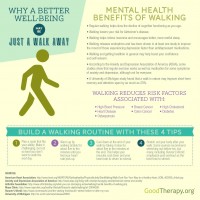 Exercise for physical self-care doesn’t have to be tough. Click to enlarge.
Exercise is also an important part of self-care, especially as more people take on sedentary jobs that have them sitting behind computer screens all day. The Harvard School of Public Health recommends healthy adults get at least 75 to 150 minutes of moderate to intense physical activity each week. Your physical activity does not have to be running a marathon; it can be something easy like a daily 30 minute walk after work, after dinner, or during your lunch break.
Finally, sleep—both quality and quantity—is a component of self-care that often gets overlooked, but according to a recent study in the Journal of Neuroscience, lack of sleep may actually cause irreversible damage to brain cells. In the study, researchers examined the brains of mice that were put under similar sleep conditions as late shift workers. They were only allowed to sleep four to five hours each day and after just a few days, scientists discovered significant brain cell loss in a particular area of the brain stem responsible for alertness and staying awake. Sleep is also important for healing damage we do to our bodies each day, weight loss, and maintaining healthy stress and hormone levels. The National Sleep Foundation recommends seven to nine hours of sleep each night for adults to remain healthy. To help you get better sleep, they also recommend the following:
- Try to keep the same sleep schedule even on the weekends.
- Try to incorporate a relaxing ritual such as reading a book or a few minutes of meditation before bed.
- Maintain a good exercise routine.
- Make your bedroom as dark and quiet as possible.
- Avoid alcohol and caffeine before bedtime.
If you’re still not convinced you need to sleep seven to nine hours each night, challenge yourself to do so for a week or two and see how you feel after you’ve gotten a period of good, restful sleep. The results will likely encourage you to continue taking care of yourself in this manner.
Mental Self-Care
Use it or lose it, the old saying goes. The mind is part of the body and, like the body, needs to be exercised to protect from cognitive decline and chemical imbalance, and to help you achieve your best sense of self. The mental component of a good self-care routine addresses your emotional needs, allows you to engage your creativity, and challenges your brain.
Engage your emotions by experiencing and acknowledging them in different ways. When you are angry at a friend or relative, write a letter you may or may not send that expresses exactly how you feel. Try writing in an “emotional journal†at the end of the day that details how different situations throughout the day made you feel. Acknowledge the good and the bad. You might be surprised to discover that these simple exercises may not only help you be more present in the moment, but they also may teach you to be more empathetic and conscious of the emotions of others.
You cannot help others to the best of your ability if you are stuck fighting for oxygen.
Allowing your creativity to run wild is another great way to exercise your mind and de-stress. Find an activity you enjoy such as painting, drawing, or writing that allows for creative self-expression. Let go of shame, regret, and caution, and let your artistic sessions get as weird as you want them to be. And don’t be concerned about whether you are any good at it; that’s why you practice it.
According to the Alzheimer’s Association, low levels of education have been linked to a greater risk for Alzheimer’s later in life. One hypothesis for this is a lower level of lifelong mental stimulation. Several bodies of important neurological research point to the possibility that regularly challenging your brain with activities like crossword puzzles, Sudoku, and jigsaw puzzles may help improve the lifespan of and facilitate better connections between brain cells. Although research is still being done to prove these hypotheses, it’s relatively safe to assume that exercising your problem-solving abilities can contribute to a healthier you.
Spiritual Self-Care
Even if you are not a religious person, spirituality is still an important component of a good self-care routine. On the other hand, if you do follow a particular religious faith, spirituality may already be a big part of your self-care routine without you even being aware of it. Regardless of where you fall on the spectrum, religion is only one avenue of expression when it comes to spirituality.
Spirituality is a blend of how you connect with others on a social level, how you connect with a higher form of your own self, and how you connect with the concept of something that is bigger than you. Expressing your spirituality might be dedicating time each day to pray about what concerns you, spending a few minutes in quiet meditation, or socializing with others and discussing what spirituality means among the group. Others ways people express their spirituality may include:
- Trying to live by a set of values you wish to see in others.
- Acknowledging the things in life you are grateful for.
- Reading books concerning spirituality in an effort to develop your own.
- Spending time outdoors connecting with the natural world.
- Volunteering to help those in need.
This component of self-care is important to our overall well-being because it helps us cope with stress, allows us time to reflect on ourselves, and provides safe space to express thoughts, beliefs, and emotions that are central to our own worldviews.
Know When Your Self-Care Routine Needs Work
Perhaps one of the most important parts of self-care is being able to recognize when you need to practice a little. If you neglect your own self-care for too long, especially if you are a caregiver or health care provider, you may experience burnout or some form of compassion fatigue that makes caring for others in an ethical way difficult or nearly impossible.
[fat_widget_right]If you find yourself feeling ground down and think you need help developing a good self-care routine, consider finding a therapist or counselor with whom you can form a therapeutic relationship. There may be underlying issues, emotions, or behaviors that need addressed in order for you take care of yourself physically, spiritually, and mentally.
If you feel like you are wearing thin trying to address other people’s needs and your own all the time, remember the warning from the airline attendant and reach for your oxygen mask.
References:
- How much exercise do you need? (2013, November 20). Harvard School of Public Health. Retrieved from http://www.hsph.harvard.edu/nutritionsource/physical-activity-guidelines
- How much sleep do we really need?? (n.d.). National Sleep Foundation. Retrieved from http://sleepfoundation.org/how-sleep-works/how-much-sleep-do-we-really-need/page/0/1
- Spirituality. (n.d.). Mental Health Foundation. Retrieved from https://www.mentalhealth.org.uk/a-to-z/s/spirituality
- Stay mentally active. (n.d.). Alzheimer’s Association. Retrieved from http://www.alz.org/we_can_help_stay_mentally_active.asp
- Zhang J., Zhu Y., Zhan G., Fenik P., Panossian L., Wang M. M., Reid S., Lai D., Davis J. G., Baur J. A., Veasey S. (2014, March 19). Extended wakefulness: Compromised metabolics in and degeneration of locus ceruleus neurons. Journal of Neuroscience, 34(12): 4418–4431.