 Serotonin is a chemical often associated with mood and happiness. A lack of serotonin can sometimes contribute to mental health issues such as anxiety and depression. Helping the body produce or maintain its level of serotonin can alleviate depressive symptoms.
Many people use psychotropic medications to adjust their serotonin levels. But there is such a thing as having too much serotonin because of medications. This phenomenon, called serotonin syndrome, can lead to extreme health issues.
What Is Serotonin Syndrome?
Serotonin syndrome occurs when someone has an excess of the neurotransmitter serotonin in their nervous system. The condition’s symptoms generally fall into three categories:
- Altered mental status (irritability, agitation, restlessness, and anxiety)
- Neuromuscular hyperactivity (tremors, shivering, muscle rigidity, and muscle spasms)
- Autonomic hyperactivity (rapid heartbeat, high blood pressure, sweating, and fever)
Because serotonin is produced primarily in the gastrointestinal tract, digestive problems like nausea and diarrhea are common. A person experiencing serotonin syndrome may also be confused, dizzy, or disoriented. In severe cases, an individual may develop hallucinations and seizures.
Serious cases of serotonin syndrome can be fatal if left untreated. However, serotonin syndrome is usually very treatable. Recovery often occurs within 24 hours of seeking medical help.
What Causes Serotonin Syndrome?
Serotonin syndrome is ultimately a bad reaction to medication. It most often occurs after a person takes multiple drugs that increase serotonin. For example, someone who uses antidepressants may take cold medication. Both drugs can boost serotonin, raising the neurotransmitter levels much higher than either medication would alone.
Serotonin syndrome can also happen if a person starts a new medication or increases their dosage. It can be difficult to predict which medications or dosages will pose a risk though. A certain level of serotonin may be therapeutic for one person and toxic for another.
Selective serotonin reuptake inhibitors (SSRIs) and selective norepinephrine reuptake inhibitors (SNRIs) are the most common drugs linked to the condition. Other substances that can increase serotonin include:
- Other antidepressants (such as MAOIs)
- Triptan migraine medications
- Over-the-counter cold medicines that contain dextromethorphan
- Certain herbal supplements (St. John’s wort and ginseng)
- Certain recreational drugs (such as cocaine or LSD)
Symptoms of serotonin syndrome typically appear within the first 24 hours of starting or adjusting one’s medication regimen. There is currently no one medical test for serotonin syndrome. A doctor would likely perform several specific tests to evaluate organ function, check for hormonal imbalances, and rule out other potential conditions, such as drug overdose.
How Common Is Serotonin Syndrome?
With around 13% of Americans taking some type of antidepressant medication, many people could be at risk for serotonin syndrome. However, the vast majority of people who take antidepressants do not develop the condition. There are no known demographic risk factors like age or gender.
Historically, the number of people who experience serotonin syndrome is quite low—only several thousand per year. Just over 8,000 people were diagnosed with serotonin toxicity in 2004, the most recent year with data on the topic. Researchers acknowledge this statistic is likely an underestimation, as mild cases often go undiagnosed. Yet the average person taking antidepressants does not need to worry for their safety.
Serotonin Syndrome or Neuroleptic Malignant Syndrome?
Neuroleptic malignant syndrome (NMS) has many similarities to serotonin syndrome. Both conditions are adverse reactions to psychotropic medication, and their symptoms can look identical.
If you have any adverse reaction to taking any medication, it is very important to contact your doctor immediately.However, there are important differences. Both the onset and recovery period of NMS are much longer. Plus, NMS can be treated with a medication called dantrolene. (There is no equivalent medication for serotonin syndrome.) Thus, it can be important to distinguish between the two conditions.
Often clinicians can determine which issue a person has by evaluating their medications. Unlike serotonin syndrome, NMS is linked to drugs that affect dopamine levels. If a person’s medication history still leaves doubt, doctors may need to perform clinical tests. Clinicians can diagnose NMS by looking at white blood cell count, serum iron levels, and other physical markers.
How Is Serotonin Syndrome Treated?
In most cases, serotonin syndrome can be resolved within 24 hours. Treatment can be as simple as stopping the medication that was causing an increase in serotonin. Mild symptoms can be cleared up very quickly in this way.
If an individual has mild symptoms but requires the medication (for example, a severely depressed person taking antidepressants), they may discuss the risks and benefits with their care provider. Often a compromise can be found by reducing the medication dosage. If the current dosage is necessary, then a clinician should closely monitor the patient for any worsening of symptoms.
More severe symptoms of serotonin syndrome may require hospitalization. Doctors will likely monitor a person’s vitals and watch for any withdrawal effects. In extreme cases, someone with serotonin syndrome may require a breathing tube, feeding tube, or sedation. If the person is experiencing muscle spasms, a doctor might use a medication that temporarily paralyzes muscles as a preventative measure. This helps guard against damage to the muscle tissue and kidneys.
How to Prevent Serotonin Syndrome
While serotonin syndrome is not always preventable, you can stay safer by paying close attention to any negative reactions to medication. It is especially important to pay attention if anything changes in your prescription or dosage.
Always be transparent with medical professionals about the medication(s) and supplements you’re taking, as well as any recreational drug use. Stay in communication with your psychiatrist or health care team to help monitor the effects of medication. Communication is essential if you have a combination of prescriptions.
If you have any adverse reaction to taking any medication, it is very important to contact your doctor immediately. Left untreated, symptoms may worsen and become incapacitating. However, quick intervention can help prevent any more discomfort.
If serotonin syndrome has interfered with your medication regimen, you may be able to get relief through therapy. The right therapist can treat your mental health issues and may help reduce your need for medication.
References:
- Ables, A. Z., & Nagubilli, R. (2010). Prevention, recognition, and management of serotonin syndrome. American Family Physician, 81(9), 1139-1142. Retrieved from https://europepmc.org/abstract/med/20433130
- Cafasso, J. (2017) Serotonin syndrome. Healthline. Retrieved from https://www.healthline.com/health/serotonin-syndrome
- Cooper, B. E., & Sejnowski, C. A. (2013). Serotonin syndrome: recognition and treatment. AACN advanced Critical Care, 24(1), 15-20. Retrieved from http://acc.aacnjournals.org/content/24/1/15.extract
- Hiraga, A., & Kuwabara, S. (2017, October 15). Neuroleptic malignant syndrome and serotonin syndrome in general hospital settings: Clinical features, frequency and prognosis. Journal of the Neurological Sciences, 381, 606. Retrieved from https://www.sciencedirect.com/science/article/pii/S0022510X17322062
- Lawrence, L, (2013). Be prepared: The ins and outs of serotonin syndrome. ACP Hospitalist. Retrieved from https://acphospitalist.org/archives/2013/04/serotonin.htm
- Perry, P. J., & Wilborn, C. A. (2012). Serotonin syndrome vs neuroleptic malignant syndrome: A contrast of causes, diagnoses, and management. Annals of Clinical Psychiatry, 24(2), 155-162. Retrieved from https://www.researchgate.net/publication/224916051_Serotonin_syndrome_vs_neuroleptic_malignant_syndrome_A_contrast_of_causes_diagnoses_and_management
- Sifferlin, A. (2017, August 15). 13% of Americans take antidepressants. Time. Retrieved from http://time.com/4900248/antidepressants-depression-more-common
- Volpi-Abadie, J., Kaye, A. M., & Kaye, A. D. (2013). Serotonin syndrome. The Ochsner Journal, 13(4), 533-540. Retrieved from https://www.ncbi.nlm.nih.gov/pmc/articles/PMC3865832
 Earlier this year, a Michigan judge incarcerated three children after they refused to see their father. The children say their father is abusive, but the father claims the mother has initiated a campaign to alienate him from his children. After swift public outcry, the judge released the children, ordering instead that they participate in parental reunification therapy.
Divorced parents often engage in acrimonious custody fights, and some parents may launch extended campaigns to destroy their children’s relationship with the other parent. Parental alienation syndrome, originally coined in the 1980s, remains a controversial diagnosis and is not listed in the DSM-5.
A broken relationship with one parent can be destructive to children, but so can spending time with an abusive parent the child fears. Parental reunification therapy requires children to spend extended periods of time with the alienated parent, often without contact from the other parent. The theory is that this is the only way to break the cycle of parental alienation, but controversy swirls around the practice. Critics say the therapy could be used to force contact with abusive parents, and the treatment may amount to “deprogramming” that can be traumatizing.
Alzheimer’s Disease Consists of 3 Distinct Subtypes, According to UCLA Study
A UCLA study has identified three potential subtypes of Alzheimer’s. Though more research will be necessary, the subtypes could shed light on Alzheimer’s causes as well as potential treatment. Inflammatory Alzheimer’s is characterized by an increase in C-reactive proteins, as well as an increase in serum albumin and globulin levels. Non-inflammatory Alzheimer’s does not produce the same increases, but does lead to other metabolic abnormalities. Cortical Alzheimer’s—which often affects relatively young individuals—affects language first and produces effects that are more widely distributed across the brain.
The Sinister Science of Addiction
Research has long suggested that addiction is a disease rather than a personal failing, and measurable differences in brain chemistry account for much of the behavior associated with addiction. A new video in the Reaction series—a group of videos produced by the American Chemical Society—shows how addiction functions in the brain.
Criminals Acquire Guns Through Social Connections
[fat_widget_right]Popular myths suggest most guns used in crimes are stolen, but new research suggests that friends and family are a more likely option for acquiring guns. Research on the Cook County Jail in Chicago about how jail inmates obtained guns suggests that 60% of the guns were purchased or the product of a trade. Chicago gun laws prohibit selling guns to people with criminal records, so many former inmates are unable to acquire guns at gun stores or through other traditional avenues.
Trial Review Confirms Common Antidepressant is ‘Unsafe and Ineffective’ for Teens
Paroxetine—better known under its brand name of Paxil—has been prescribed to teens to treat depression since 2001, but new research argues the practice should end. Not only was the drug no better than a placebo; it was also potentially dangerous. In 2012, GlaxoSmithKline, the pharmaceutical company that markets the drug, was fined $3 billion for failing to report drug safety information to the Food and Drug Administration and for illegally marketing some of its drugs.
The Psychology of Why People Like Steve Rannazzisi Lie About Having Survived 9/11
A handful of people have been accused of lying about being present at the 9/11 terrorist attacks. This week, comedian Steve Rannazzisi came clean, admitting he had been lying about his presence at the World Trade Center that day. Experts are unsure why some people feel compelled to lie about a history of trauma. Theories include a need to feel involved, a craving for attention, serious mental health issues, and false memories.
More Time Outside Tied to Less Nearsightedness in Children
According to a study of Chinese schoolchildren, spending time outside could reduce the rate of nearsightedness. As many as 90% of Chinese high school graduates are nearsighted. But the study, which followed almost 2,000 schoolchildren for three years, suggests that as little as 45 minutes outside each day could reduce the country’s rate of nearsightedness.
Eating a Lot of Fish May Help Curb Depression Risk—at Least in Europe
 A number of studies have tied Omega-3 fatty acids—present in high quantities of fish—to a potential treatment for depression. A pooled analysis of 26 studies involving 150,278 participants suggests that Europeans who consume fish can reduce their depression risk by as much as 17%. This correlation was found only in European studies. The reduction in depression risk as a result of high fish consumption was higher among men, who saw a 20% reduction. Women’s risk of depression dropped by about 16%.
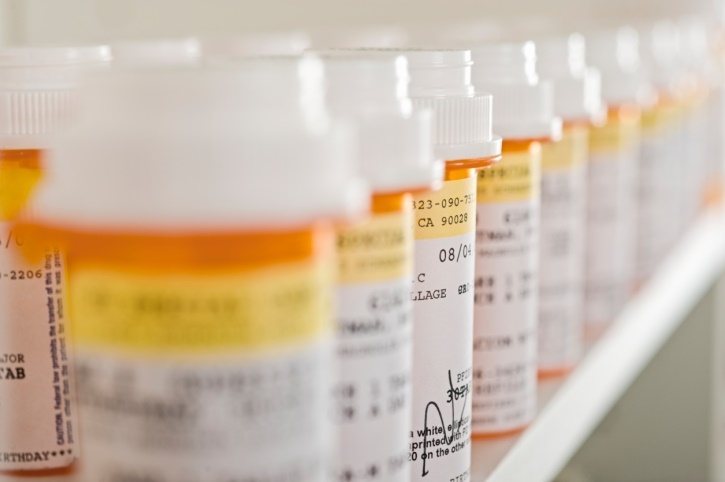 Twenty percent of Americans take at least one psychiatric drug. According to Peter C. Gøtzsche, professor at the Nordic Cochrane Center in Denmark, these drugs may be more harmful than beneficial. BMJ published Gøtzsche’s claims that it’s possible to eliminate psychiatric drugs without serious negative consequences, but not all experts agree. Responding to Gøtzsche’s claims, Allan Young, a professor of mood issues at King’s College London, argued that psychiatric medications offer benefits similar to medications for other conditions.
The Argument Against Psychiatric Drugs
Gøtzsche, the author of Deadly Medicines and Organised Crime: How Big Pharma Has Corrupted Healthcare, has long argued that psychiatric medicines are potentially dangerous. Unlike some others in the anti-psychiatry crowd, his arguments aren’t rooted in the belief that mental health issues aren’t real. Instead, he points to evidence suggesting that psychiatric drugs kill more than half a million people over the age of 65 each year. Gøtzsche also believes that deaths related to psychiatric medications are under-reported. He estimates that there are at least 15 times more suicides than reported by the Food and Drug Administration among those taking antidepressants. He says the FDA includes only suicides that occur 24 hours after stopping the drug in its data, creating the illusion that antidepressants are safer than they are.
[fat_widget_right]
Even if psychiatric drugs are more dangerous than previously thought, don’t they help people? Gøtzsche says no. Poorly designed experiments, he says, make psychiatric medications appear more effective than they are. Most randomized controlled trials include people already taking another psychiatric drug, potentially confusing the results. A number of drugs, including Prozac and other popular antidepressants, don’t do much better than a placebo, especially after a couple of days.
Gøtzsche believes it would be possible to completely end the use of psychiatric drugs without any serious negative effects, though he cautions that many people may need help to manage withdrawal from their medications.
How Psychiatric Drugs Can Be Beneficial
In his response to Gøtzsche, Young argues that psychiatric medications can save lives. He points to his co-author, psychiatric patient John Crace, who says that antidepressants have kept him happy for years. According to Young, more than a fifth of all disabilities result from mental health issues, so psychiatric medications can have significant benefits for public health, the economy, and families.
Young acknowledges that many studies are imperfect, but says it’s impossible to discount the lived experiences of millions of people who have been helped by psychiatric drugs.
References:
- Doctors debate long-term use of psychiatric drugs. (2015, May 14). Retrieved from https://www.onmedica.com/newsarticle.aspx?id=a6d8253b-d243-4c74-8ddc-f59456cc46b4
- Donnelly, L. (2015, May 12). Throw away the antidepressants, urges leading scientist. Retrieved from http://www.telegraph.co.uk/news/nhs/11600868/Throw-away-the-antidepressants-urges-leading-scientist.html
- Friedman, R. A. (2013, August 19). A dry pipeline for psychiatric drugs. Retrieved from http://www.nytimes.com/2013/08/20/health/a-dry-pipeline-for-psychiatric-drugs.html
 “Can I recover from depression without antidepressants?”
This is a question that many people ask me. They search the web, talk to their doctors, and seek alternative treatments, hoping that they can recover “on their own.” The answer to this question is both simple and very complicated. It often depends on the severity and persistence of depressive symptoms. Few people, in my experience, recover spontaneously and fully from depression entirely on their own. Reaching out for help is an important part of the recovery process. But getting help can take many forms, and what works for one person may not be the answer for another.
Studies show that psychotherapy can be as effective as medication in improving depressive symptoms, and the benefits tend to persist after treatment ends. Therapy addresses the root causes of depression, such as unresolved grief, anxiety, early childhood trauma, negative thinking, poor self-image, loss of meaning, and relationship difficulties. Therapy can also help to improve coping skills and resilience. But for severe or persistent depression, both therapy and medication may be needed for a complete recovery. This article will talk about what individuals should consider when deciding whether to take antidepressants for treatment of depression or whether another approach might work as well.
[fat_widget_depression_right]
1. Severe, debilitating depression warrants a consultation with a doctor.
When a person comes into my office complaining that he or she is depressed, it is important to assess the severity of the depression. Severe depression with suicidal thoughts needs to be taken much more seriously and warrants a consultation with a medical professional regarding possible medication. Severe depression is a life-threatening condition and should be treated as such.
In addition, depression with severe insomnia may require medication. Without adequate sleep, it is extremely difficult to recover from depression. There are strategies that can greatly improve sleep in some cases, but if sleep does not improve quickly, medication may be required to prevent a worsening of depressive symptoms.
2. There are effective non-drug treatment options for mild to moderate depression.
Many people with mild to moderate depression, where sleep is adequate, can recover from depression with talk therapy and adjunctive strategies such as exercise, improved nutrition, mindfulness techniques, sunlight or light therapy, support from friends, family or a support group, and lifestyle changes. All individuals with depression should rule out a medical issue which may contribute to their depressed mood. Many medical problems, including vitamin deficiencies and hormone imbalances, can contribute to depression. Getting a thorough physical exam to rule out a medical cause is important.
If there is no clear medical cause, psychotherapy which focuses on improving self-care, reengaging in pleasurable and meaningful activities, and managing negative thoughts can be helpful in many cases. Working on issues that are impacting relationships with friends, loved ones, and family can also greatly relieve depression in some individuals. And for some, exploring and resolving unresolved grief or early childhood trauma may be important. Other approaches that can contribute to recovery include bodywork, acupuncture or other alternative medical approaches, meditation, yoga, or spiritual exploration.
3. Taking medication for depression, when needed, should not be viewed as a failure.
However, it is important to recognize that depression is an issue as serious as diabetes, epilepsy, or even cancer. Because it involves mood, thoughts, and behavior, it can often be treated through those channels. But there are also genetic and environmental factors that make some individuals susceptible to depression and which may result in a more persistent condition that is more difficult to treat.
Just as other conditions sometimes require medication for their treatment, depression may also require medication to fully resolve. And it is important to recover fully rather than settle for persistent mild depression. Persistent depression can become chronic and more severe over time as the brain becomes accustomed to the depressed state. Therapy and medication combined have the highest success rate in terms of resolving depression, and when therapy alone is not sufficient, it may help to consult with a doctor or psychiatrist to discuss medication options.
It is important to remember that, when it comes to treating depression, there is no prize for recovering “better” than another person. Recovering without therapy, without medication—literally “on your own”—does not earn you any awards. The prize is being emotionally healthy. It’s important to recognize the impact that our society’s attitudes toward mental health conditions, psychotherapy, and psychotropic medications may have on your decision-making. How you recover is a personal choice, based on your own needs in consultation with trusted professionals. Your choice should be made from a place of compassion and self-love.
For help with depression, find a therapist in your area.
References:
- De Jonghe, F., Kool, S., Aalst, G., et al (2001). Combining psychotherapy and antidepressants in the treatment of depression. Journal of Affective Disorders, 64, 217-229.
- De Maat S, Dekker J, Schoevers R, De Jonghe F. Relative efficacy of psychotherapy and pharmacotherapy in the treatment of depression: a meta-analysis. Psychother Res. 2006; 16(5): 562–572.
- Spielmans, G. (2011, October 1). Antidepressants Versus Psychotherapy for Depression. Retrieved October 18, 2014, from http://pro.psychcentral.com/antidepressants-versus-psychotherapy-for-depression/004942.html
 Mass shootings are quickly becoming a new norm; over 900 people have died in mass shootings in the U.S. since 2006. And while many people agree that the mental health system needs work, some “solutions” could undermine the rights of people with mental health issues. U.S. Representative Tim Murphy, a psychologist, proposed a bill in 2013 called the Helping Families in Mental Health Crisis Act. In response to several recent shootings, Murphy has begun advocating for the benefits of his bill, but a provision in the legislation could force some people with mental health concerns to take psychotropic medication.
About the Bill
The legislation is more than 100 pages, and offers numerous proposals for addressing mental health issues. One proposal is the use of a treatment protocol called assisted outpatient treatment (AOT). This treatment approach, already legal under some circumstances in 45 states, permits courts to order a person with a history of “medication noncompliance” to take psychiatric medications. Murphy’s legislation would greatly expand the power of courts to force medication on people with mental health issues.
Why Forced Medication Is a Problem
Forced treatment is controversial even when violence and severe mental health issues are factors, but forcing someone to take medication simply because of a history of medication noncompliance is even more troubling to many mental health professionals. The Substance Abuse and Mental Health Services Administration and the Protection and Advocacy for Individuals with Mental Illness Program, two government administrations dedicated to mental health care, both oppose forced treatment.
The trouble with forced treatment doesn’t end there, though. Sometimes those with psychiatric issues stop taking medication for good reason. Particularly among people with severe symptoms, medication can cause serious—and sometimes even life-threatening—side effects.
[fat_widget_right]
Not all medications work for all people, which means a person forced to take medication could be forced to undergo serious side effects even though the medication doesn’t improve mental health symptoms. Therapy can be just as effective as medication, and therapy can actually be more effective than medication at treating some mental health issues. By forcing people with mental health issues to take medication, courts privilege one treatment over another.
Perhaps most importantly, forced treatment undermines the autonomy of people with mental health conditions. Courts have repeatedly ruled that simply having a mental health condition does not remove a person’s fundamental rights. Forced treatment, however, destroys the hallowed concept of informed consent. It could also deter people who need help from seeking it.
Is It Legal?
Whether or not Murphy’s bill is legal is an issue for legal scholars. However, legislation can’t generally be ruled illegal until someone brings a lawsuit alleging that a law is unconstitutional. This means that, if Murphy’s bill becomes law, the issue could ultimately be heard by the Supreme Court. Even if the Court rules that the legislation is unconstitutional, it could affect thousands of people before being struck down.
References:
- Assisted outpatient treatment laws. (n.d.). Retrieved from http://www.treatmentadvocacycenter.org/solution/assisted-outpatient-treatment-laws
- Grossman, D. (2014, June 4). Scary new congressional bill would force medication on some mentally ill people. Retrieved from http://www.alternet.org/personal-health/scary-new-congressional-bill-would-force-medication-some-mentally-ill-people
- Mass shootings toll exceeds 900 in past seven years. (2013, December 02). Retrieved from http://www.usatoday.com/story/news/nation/2013/02/21/mass-shootings-domestic-violence-nra/1937041/
- Nordal, K. C. (2010, November). Where has all the psychotherapy gone? Retrieved from https://www.apa.org/monitor/2010/11/perspectives.aspx
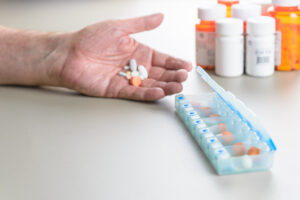 Many people have heard that anxiety medications can have some serious side effects, such as addiction, memory problems, impaired driving, and sleepiness. But a provocative new study claims that taking anti-anxiety medications leads to greater long-term mortality.
Anxiety is the most common mental health challenge; an estimated 40 million Americans every year experience anxiety. Although contemplating such a serious side effect can be frightening, is one study reason to give up on anti-anxiety medications altogether?
The Study
The study tracked 35,000 people prescribed anxiety medications and compared them to 70,000 people who did not take such drugs. Study participants were tracked for about seven years, on average. Even when the researchers controlled for variables such as socioeconomic class, medical conditions, and age, the group taking the anti-anxiety medications was more likely to die early.
The study’s authors argue that anti-anxiety medications cause four excess deaths per year for every hundred patients. Although the numbers may seem alarming, they’re relatively low. The numbers also reveal nothing about an individual patient’s personal risk of death.
Are Anti-Anxiety Drugs Dangerous?
[fat_widget_right]Every drug poses some risks, and anti-anxiety drugs are no exception. However, it’s important to note that the study tracked long-term use of anxiety medications. Doctors have known for a while that long-term use of certain anti-anxiety drugs carries risks such as cognitive impairments. Many people take anti-anxiety drugs for brief periods of time, and the effects could be different for short-term users.
Although the study’s authors controlled for several factors that could increase long-term mortality, they couldn’t control for everything. It could be that doctors are more likely to prescribe anti-anxiety medications to people with more severe anxiety or that people with severe anxiety are more likely to continue taking medication for years.
Anxiety itself is correlated with a host of health problems that may increase the likelihood of death. The study could simply be tracking the effects of severe, chronic anxiety.
If you take anti-anxiety medication and are worried about the drug’s effects, talk to your doctor. A variety of lifestyle and health factors can alter your relative risks. Your doctor can recommend specific steps to take to reduce your specific risk factors. Because anxiety itself can be damaging to your health, you may find that the risks of anti-anxiety medications don’t outweigh the benefits.
Options for Coping with Anxiety
Although medication can help you fight anxiety, drugs aren’t the only antidote. If you’re concerned about taking medication, consider therapy. Treatments such as cognitive behavioral therapy can aid you in detecting and reversing anxious, negative thoughts.
If you have specific fears, your therapist might use exposure therapy. Your therapist may also recommend other strategies to amplify the effects of therapy, such as meditation, exercise, a healthier diet, or a regular sleep schedule.
The study did not find that antidepressants increase the risk of death, and these drugs can be effective at treating anxiety. Selective serotonin reuptake inhibitors (SSRIs) such as Prozac and Zoloft are popular options, but your doctor might also recommend a nontraditional antidepressant such as Bupropion.
No matter what treatment option you choose, be honest with your treatment provider about your concerns, as well as any specific medical risk factors you have. Only then can you and your doctor properly evaluate the right course of action.
References:
- Facts & statistics. (n.d.). Retrieved from http://www.adaa.org/about-adaa/press-room/facts-statistics
- Raison, C. (2010, March 23). What are the long-term brain effects of Xanax? Retrieved from http://www.cnn.com/2010/HEALTH/expert.q.a/03/23/xanax.long.term.use.raison/index.html?hpt=Mid
- Salzman, C. (2000). Cognitive improvement after benzodiazepine discontinuation. Journal of Clinical Psychopharmacology, 20(1), 99. doi: 10.1097/00004714-200002000-00017
- Weich, S., Pearce, H. L., Croft, P., Singh, S., Crome, I., Bashford, J., & Frisher, M. (2014). Effect of anxiolytic and hypnotic drug prescriptions on mortality hazards: Retrospective cohort study. BMJ, 348. doi: 10.1136/bmj.g1996
The way in which a person reacts to stress can reveal a lot about their psychological state. Some theories exist that suggest that people with borderline personality (BPD) have an impaired reaction to stress, resulting in hyperactivity to stress and longer time to recover from stressful events. To test this theory, Lori N. Scott of the Department of Psychology at Pennsylvania State University led a study comparing stress reactivity in a group of female participants with BPD, traits similar to BPD (TM), and non-BPD traits (NTM). She measured the cortisol levels and the negative or positive affect of the women before and after they were exposed to stressors.
Scott found that the BPD women reacted less severely to stressors than the TM and NTM women. Although this finding was in contrast to some existing research, Scott believes there is a valid explanation for it. The BPD women had higher levels of stress, based on cortisol levels, and higher negative affect at baseline than the other women. Therefore, because their stress levels were elevated prior to being exposed to a stressor, their reaction to stress is less extreme than those with low baseline stress. Also, negative affect can dampen any reaction and weaken hyperactive stress responses.
When Scott looked at recovery time, she found that all the groups had similar rates of recovery from stress. Even though the BPD women experienced stress increases that were smaller in scale compared to the reactions of the other women, the time it took them to return to their elevated baseline stress levels was equal to that of the other women, whose stress increases were much steeper. “Our results provide some support for the high emotional intensity aspect, but not hyperreactivity and impaired recovery aspects, of current clinical theories of affective dysregulation in BPD,” said Scott. However, this study did not account for medication or comorbid conditions such as PTSD and substance use, all of which could influence stress reactivity in women with and without BPD. Future work may consider these issues when exploring the full range of reactions in women with BPD.
Reference:
Scott, L. N., Levy, K. N., and Granger, D. A. (2012). Biobehavioral reactivity to social evaluative stress in women with borderline personality disorder. Personality Disorders: Theory, Research, and Treatment. Advance online publication. doi: 10.1037/a0030117
Depression coupled with severe anxiety represents an often-debilitating psychiatric condition. Treatment is frequently a challenging proposition, marked by repeated trial and error. No two people are alike, and reactions to specific medications run the gamut from successful remission of symptoms to no effect whatsoever. In other cases, side effects may be so severe that someone is forced to discontinue a medication.
Severe mood issues and constant worry often lead to pronounced physical symptoms. Severe anxiety, for example, is well known to cause gastrointestinal complaints. Unfortunately, many of the most commonly prescribed antidepressant medications have stomach upset or nausea as one of their known side effects.
Sinequan (doxepin) is an older variety of antidepressant medication that has fallen out of favor because of its broad side effect profile. However, at low doses, these side effects mostly disappear. A pair of case studies demonstrated that a standard antidepressant such as Zoloft (sertraline), combined with low doses of Sinequan, offered noticeable improvements to both depression and anxiety without stomach upset. Both of these individuals had tried and failed with nearly every antidepressant and anti-anxiety medication on the market. Side effects or lack of noticeable benefit was the consistent result, regardless of treatment method.
Even combination treatments proved ineffective. Studies have shown that repeated non-remission of severe depression predicts a negative outcome. Therefore, discovering an effective treatment in these difficult cases is especially important.
Based on previous research findings, attending physicians in these case studies surmised that Sinequan would reduce or eliminate gastrointestinal symptoms at low doses. In the absence of nausea and stomach upset, the patients would be less inclined to discontinue their antidepressant regimen. Furthermore, the low dosage would avoid the most troubling of Sinequan’s side effects, such as drowsiness, weakness, and dry mouth. At regular doses, Sinequan has been known to cause nausea. The dosages in these case studies, however, were far below standard prescription levels.
For the people involved, remission of their gastrointestinal symptoms was instrumental in alleviating both their depression and anxiety. Further research will determine if low-dose Sinequan is applicable in a wider range of cases. The primary concern is with the safety of the medication, particularly in elderly patients or those with a long history of unsuccessful treatment.
References:
- Doxepin – PubMed Health. (n.d.). National Center for Biotechnology Information. Retrieved March 28, 2012, from http://www.ncbi.nlm.nih.gov/pubmedhealth/PMH0000668/
- MacLean, L., & Ahmedani, B. (2011). Sertraline and Low-Dose Doxepin Treatment in Severe Agitated-Anxious Depression With Significant Gastrointestinal Complaints:Two Case Reports. The primary care companion to CNS disorders, 13(4). Retrieved March 28, 2012, from http://www.ncbi.nlm.nih.gov/pmc/articles/PMC3219524/?tool=pmcentrez
Childhood anxiety is a serious but often undiagnosed condition. Separation anxiety, social phobia and generalized anxiety are among the most common mental health issues affecting children and adolescents. Anxiety in childhood often predicts the occurrence of such problems later in life.
Identifying and treating anxiety and other mood disorders at early as possible is therefore an important goal of psychiatric research. Undiagnosed mood issues represent a large public health burden and result in a poor quality of life of those affected. The standard treatments for childhood anxiety are antidepressant medications and cognitive behavioral therapy.
Zoloft (sertraline) belongs to the class of antidepressant medications known as selective serotonin reuptake inhibitors (SSRIs), and researchers have identified it as the medication of choice for treating most instances of childhood anxiety. Compared with similar medications, Zoloft offers the greatest benefit to anxiety sufferers with the lowest incidence of adverse side effects. However, as with many antidepressant medications, there is a small risk of suicide or self-harm in children and young adults at the start of a new drug regimen. Those with anxiety rather than depression are less likely to experience these effects. Children and adolescents should be assessed for suicide risk before beginning any antidepressant medication.
Several clinical trials have offered strong evidence that a combination treatment including Zoloft and cognitive behavioral therapy offers the most substantial improvement for children who have been diagnosed with anxiety issues. In one such study, 80% of participants receiving combination treatment saw significant improvement after 12 weeks. Researchers theorize that therapy and medication have a synergistic effect with one enhancing the effects of the other.
Regular therapy sessions also provide an opportunity for children and parents to report side effects from the children’s medication. In the previously mentioned study, both therapy and Zoloft alone also led to improvements on an anxiety rating scale that far outperformed placebo. Most importantly, participants receiving Zoloft did not report more adverse side effects than participants receiving placebo did, and none considered or attempted suicide.
When considering childhood anxiety, the rewards of effective treatment for outweigh the potential risks of medication. A combination of weekly cognitive behavioral therapy sessions and prescription of the antidepressant medication Zoloft seems to promise the best results for the greatest number of patients. As always, attending physicians must prescribe drugs like Zoloft cautiously, especially to children and adolescents.
References:
- Sertraline – PubMed Health. (n.d.). National Center for Biotechnology Information. Retrieved April 6, 2012, from http://www.ncbi.nlm.nih.gov/pubmedhealth/PMH0001017/
- Walkup, J.T., Albano, A.M., Piacentini, J., Birhamer, B., Compton, S.N., Sherrill, J.T., Ginsburg, G.S. et al. (2008). Cognitive behavioral therapy, sertraline, or a combination in childhood anxiety. New England Journal of Medicine, 359, (26), 2753-2766.
 The American Psychiatric Association has approved changes to the Diagnostic and Statistical Manual of Mental Disorders, commonly referred to as the DSM. The fifth edition of the flagship guide to psychiatric diagnosis, due for release in May 2013 and known as the DSM-5, features several controversial revisions.
The DSM establishes criteria for the diagnosis of mental health conditions. Because changes to the manual can affect insurance coverage for certain issues and help define “normal” behavior, advocacy groups are often concerned about the effect additions and alterations will have. The latest revision is no exception.
[fat_widget_right]
Children and Mental Health
Diagnosing children with mental health conditions is often dicey because of concerns about stigma and the use, or overuse, of psychiatric drugs. At a time when some groups argue that fewer children should be diagnosed with mental health issues, the DSM-5 adds new diagnostic criteria for children. Those over the age of 6 who display irritability or frequent angry outbursts now qualify for a diagnosis of disruptive mood dysregulation disorder. While some mental health professionals emphasize that this new diagnosis could make it easier to plan early intervention for children who have extreme difficulties controlling their emotions, some advocacy groups have expressed concern that such a diagnosis could stigmatize normal childhood behavior or lead to the prescribing of unnecessary drugs to young children.
Autism Spectrum Disorder
The DSM-5 eliminates Asperger’s syndrome, folding it into a broader category called autism spectrum disorder. Diagnoses of Asperger’s and autism have been steadily increasing over the past several years, and many children with less severe symptoms of autism have been diagnosed with Asperger’s. The DSM-5, however, incorporates several autism-like issues, including Asperger’s, into the diagnosis of autism spectrum disorder. Not everyone is happy with this change. Many people with Asperger’s view the issue as part of their identity and do not want it to be lumped in with other issues. The APA, however, argues that this change will make diagnosis of autism more consistent and access to treatment easier.
Grief and Depression
Previous versions of the DSM incorporated a bereavement exception into depression diagnoses. This exclusion prevented mental health professionals from diagnosing a person who was grieving the death of a loved one with depression. The DSM-5, however, permits depression diagnoses in the bereaved. Members of the APA argued that the old bereavement exception excluded grieving people who had been diagnosed with chronic depression from being diagnosed with, and receiving treatment for, depression. But some people worry that the new changes pathologize grief and turn normal grieving—which often looks a lot like depression—into a mental health diagnosis.
Other Changes
The DSM-5 adds hoarding and excoriation disorder—a diagnosis for people who compulsively pick their skin. The APA also rejected several proposed disorders, including parental alienation syndrome, hypersexual disorder, and anxious depression. While the APA emphasized that the revisions—like all changes to the DSM—are intended to clarify diagnostic criteria and improve consistency in diagnosing, mental health advocacy groups argue that many diagnostic criteria have been loosened and that the DSM-5 will increase the number of people diagnosed with mental health conditions.
Which changes to the DSM did you find most controversial? Please share your comments below.
References:
- Asperger’s syndrome dropped from American Psychiatric Association manual. (n.d.). MedPage Today. Retrieved from http://www.medpagetoday.com/Psychiatry/DSM-5/36206
- Gever, J. (n.d.). DSM-5 wins APA board approval. MedPage Today. Retrieved from http://www.medpagetoday.com/Psychiatry/DSM-5/36206
- Gupta, P. (n.d.). Controversial changes to stay in DSM-5. Salon. Retrieved from http://www.salon.com/2012/12/02/controversial_changes_to_stay_in_dsm_5/
- Spiegel, A. (2012, November 30). Weekend vote will bring controversial changes to psychiatrists’ bible. NPR. Retrieved from http://www.npr.org/blogs/health/2012/11/30/166252201/weekend-vote-will-bring-controversial-changes-to-psychiatrists-bible
For children and adolescents with attention deficit hyperactivity (ADHD), Ritalin (methylphenidate) is typically the medication of choice. As a psychostimulant drug, Ritalin increases the concentration of the neurotransmitters dopamine and noradrenalin in the brain. These neurotransmitters are partly responsible for impulse control and attention, among other things.
Studies in both rats and humans have verified that Ritalin effectively controls the three primary symptoms of ADHD: inattention, hyperactivity, and impulsivity. When ADHD goes into remission, the person’s quality of life and performance in work or school measurably improve.
Despite these benefits, critics have wondered about the potential negative effects of this heavily prescribed medication. For one thing, no one fully understands how Ritalin functions in the brain. More importantly, little information exists as to the long-term effects of a psychostimulant drug on the developing brain. A recent study with rats highlighted a possibly adverse effect of Ritalin that had previously been overlooked.
Adolescent play behavior is important in terms of both mental and social development. Through play, children learn the basic “rules” of social interaction and receive the rewards of companionship. Isolated children often have difficulty adjusting to adult life and navigating social situations. Researchers investigating Ritalin’s effect on social play found that the medication significantly reduces the behavior in rats.
Adolescent rats treated with low doses of Ritalin were apt to ignore invitation to play, instead remaining focused on their general environment. The effect was surprisingly specific. Rats demonstrated the same overall activity levels as untreated counterparts, but less overt play behavior and social interaction. Some rats were isolated for up to 24 hours before release into a play area. Researchers believed a long period of isolation would enhance play despite the effects of Ritalin, but they were mistaken. Regardless of isolation period, Ritalin proved to be a powerful blocker of normal, social play behavior.
The beneficial effects of Ritalin for people with ADHD are inseparable from the possibly negative effects of inhibited play. By its very nature, play is a complex, dynamic, but not necessarily focused activity. One of the primary aspects of Ritalin’s overall effect is to inhibit “unfocused,” freewheeling behaviors—including play, apparently. This calls for more research and possibly long-term studies of the potential consequences of Ritalin prescription throughout childhood and adolescence. It’s possible that this medication poses more risks than previously believed.
References:
- Attention deficit hyperactivity disorder (ADHD) – PubMed Health. (n.d.). National Center for Biotechnology Information. Retrieved from http://www.ncbi.nlm.nih.gov/pubmedhealth/PMH0002518/
- Vandershuren, L., Trezza, V., Griffioen-Roose, S., Schiepers, O., Van Leeuwen, N., De Vries, T.J., and Schoffelmeer, A. (2008). Methylphenidate disrupts social play behavior in adolescent rats. Neuropsychopharmacology, 33, (12), 2946-2956.
Poor response to treatment is an unfortunate reality for many people with major depression (MDD). By some estimates, as few as 30% of people with MDD achieve complete and lasting remission of symptoms. Primary care physicians deal with this lack of treatment response in one of three ways: They may increase the dosage of an antidepressant medication, add a secondary medication, or switch to an alternative medication.
Dosage increases are often the first choice, assuming higher doses remain within reasonable safety parameters. Because of its unique chemistry, the selective serotonin reuptake inhibitor Lexapro (escitalopram) is an ideal candidate for dose escalation. Whereas other antidepressants reach a sort of effectiveness plateau, Lexapro’s mechanism of action becomes stronger in proportion to dose.
Lexapro is approved for daily doses of not more than 20 mg. In practice, however, doctors have prescribed up to 50 mg for patients showing no response to lower dosages. That said, little evidence exists on whether successively higher doses represent a good balance between efficacy and safety.
A recent investigation in Scotland sought to answer this question. A starting group of 60 people diagnosed with MDD was switched from Celexa (citalopram) to Lexapro for a 32-week period. At regular intervals, Lexapro dosage was increased up to a maximum of 50 mg or until remission of symptoms. Researchers employed standard psychological measures to quantify severity of depression and occurrence of side effects.
Results from the study revealed few problems with safety or tolerability of high-dose Lexapro. However, overall effectiveness was somewhat less than desirable. Of the 60 participants, 18 dropped out because of adverse effects or lack of efficacy. Most of these withdrawals happened earlier in the study, before reaching the higher dose levels.
Half of study participants experienced remission of symptoms. Thirty-eight percent of those required a dosage of 50 mg. At doses higher than 40 mg, side effects became more pronounced although not necessarily more severe. Diarrhea was the most frequent complaint for those at doses of 40-50 mg. Other common side effects included headache, nausea, fatigue, and dizziness.
Larger, more controlled studies will be useful in ascertaining whether the benefits of high-dose Lexapro outweigh the risks. The Scotland study indicated only marginal effectiveness, although participants generally tolerated the high doses of medication. It should be noted, of course, that the population in question has a history of poor response to treatment. It’s unlikely that any one avenue will prove beneficial to all.
References:
- PubMed Health [Internet]. (n.d.). Bethesda (MD): National Library of Medicine. Escitalopram. Retrieved from http://www.ncbi.nlm.nih.gov/pubmedhealth/PMH0000214/
- Wade, A., Crawford, G., Yellowlees, A. (2011). Efficacy, safety and tolerability of escitalopram doses up to 50 mg in major depressive disorder (MDD): an open-label, pilot study. BMC Psychiatry, 11, 42. Retrieved from http://www.ncbi.nlm.nih.gov/pmc/articles/PMC3068950/?tool=pmcentrez