 The loss of a child is often considered to be the most painful, wrenching experience a person can have. The loss of an infant may be sudden and shocking or follow many months of neonatal intensive care unit (NICU) visits.
Losing a baby means the loss of dreams for the baby’s future. Parents may feel they were robbed of time to get to know their child. Friends and family may never have met the child. Because infant loss follows a short life, some people find loved ones treat the loss as if it were a miscarriage—not the loss of a living, breathing child. This can compound the pain and increase stigma.
Though infant loss is often painful and traumatic, it’s possible to find healthy ways to cope. The right therapist can help parents find ways to mourn and honor their child. Therapy is not about forgetting the child or the loss; instead, the goal is to work through the pain of infant loss, move forward, and find ways to seek support from loved ones. Though life may never be the same, a good life is still possible.
October is National Pregnancy and Infant Loss Awareness Month, during which organizations across the globe work to support parents who have lost a child.
How Infant Loss Affects Families
The loss of any child is painful, and there is no good time to lose a child. The loss of an infant presents unique challenges and sources of grief. Some common issues include:
- Getting loved ones to understand the magnitude of the loss. Because the child was around for only a short period, some parents find loved ones treat the loss as if it were a miscarriage, not the death of a child.
- Recovering from trauma surrounding the loss. Many infants die following traumatic births or long NICU stays. Some die of sudden infant death syndrome (SIDS). In addition to grief, many parents feel exhausted by the trauma they faced leading up to or immediately following the baby’s death.
- Stigma. The loss of a baby can be frightening to others, who may look for reasons it won’t happen to them. For example, a pregnant family member might blame the death of a newborn on a mother’s habits while pregnant. This stigma can lead to feelings of anger, isolation, and guilt.
- Self-loathing. SIDS and accidental injuries, such as falls, are leading causes of infant death. Parents whose children die of these causes may feel guilty or endlessly second-guess themselves, which can trigger immense self-loathing.
- Family trauma. The loss of a baby affects an entire family. Siblings may not know how to process the loss, and parents may feel too overwhelmed by the loss to help their other children cope.
- Relationship difficulties. Parents who have lost a child may struggle to support each other, and sometimes, desperate to understand the loss, they blame one another. Divorce rates are higher among parents who have lost a child.
- Physical challenges. The death of a baby often follows a difficult pregnancy or labor. The mother may suffer injuries along with the baby. Coping with this loss while recovering from these injuries and managing postpartum changes can be challenging.
The loss of a baby can be frightening to others, who may look for reasons it won’t happen to them.
Stigma, Myths, and Other Challenges of Infant Loss
The loss of a baby is tragic enough, yet many families also face stigma and other myths surrounding their loss. Some people mistakenly believe one baby can replace another, so they reassure the parents that they are lucky to already have children or that they’ll one day be able to have another baby. This can undermine the meaning of the baby’s life as a unique individual and may make bereavement worse.
Some other common challenges include:
- Secrecy and stigma. When an older child dies, family members and friends have gotten to meet the child and spend time with them. When an infant dies, many people never get to know the child. Loved ones might not know how to talk about the loss and so may ignore it. This can cause parents to feel stigmatized or that they must process their grief in secret without support.
- Confusion about infant loss. Miscarriage, while tragic in its own right, is not the same as the loss of a baby. No matter how young the baby was when they died, losing a baby is losing a child, not a pregnancy.
- Barriers to bonding with the baby. Pregnancy complications and genetic defects are leading causes of infant loss. Many babies who die spend much of their lives in the NICU. In some cases, a parent might never get to take their child home from the hospital. Some parents never even get to hold their baby. This can complicate grief by making a parent feel that they didn’t get to bond with or comfort the baby.
How to Help Someone Coping with the Loss of a Baby
There’s no cure for the loss of a baby, and nothing can make the pain disappear. Grief in response to this type of loss is normal and understandable, so loved ones should not try to rush the grieving process or encourage parents to “move on.” While it is possible to recover, parents will never forget their baby. Encouraging them to do otherwise is harmful.
Some strategies to help someone who has lost a baby include:
- Encourage your loved one to talk about the baby. Acknowledge the loss rather than hiding from it. Talk about the baby using their name.
- Talk about the baby at milestones, such as the baby’s birthday and holidays.
- Find a way to celebrate the baby’s life with their parents. For instance, help them plan a memorial service or donate to a child welfare charity in the name of the baby.
- Talk about how the baby affected your life if you met the baby. Even newborns have personalities. The baby’s smile, gentle demeanor, or desire to cuddle are all things to highlight.
- Never tell the parents another baby will replace the loss. Don’t compare the death of a baby to a miscarriage.
- Offer material support in the months following the loss. Bring meals, offer childcare for other children, or help clean the house. Don’t expect anything in return.
- Encourage other loved ones to talk about and honor the baby. If some family members are not particularly sensitive to the loss, act as a buffer.
- Be sensitive to the physical challenges of recovering from childbirth, especially if the pregnancy was difficult. Help the mother take care of her body by driving her to doctor’s appointments or going to yoga together.
- Consider helping your loved one find a support group. Being with others who have faced a similar loss can be comforting.
Offer material support in the months following the loss. Bring meals, offer childcare for other children, or help clean the house.
Therapy for Infant Loss
Therapy can help parents find productive ways to deal with their loss. Some therapists specialize in bereavement therapy that helps parents understand their emotions, work through the loss of their child, and even find meaning in the loss. For some people, the loss of a baby inspires them to support other parents, fight childhood illnesses, or otherwise give back to their community. Therapy can help parents decide what might help them move forward.
Therapy can also help family members and couples support each other. Everyone deals with loss differently. One spouse might want time alone, while the other might need a distraction or lots of hugs. Family and couples counseling can help with identifying these needs and support families to meet one another’s needs.
Therapists gently guide bereaved families through their grief, and a good therapist never tells families to get over the loss. Instead, therapists honor the life of the lost baby while helping grieving parents continue to lead lives of meaning and purpose. Recovery is difficult, but possible. For help navigating the pain of losing a baby, begin your search for a therapist here.
References:
- For family and friends–how to give support after a stillbirth. (n.d.). Retrieved from https://www.tommys.org/pregnancy-information/pregnancy-complications/pregnancy-loss/stillbirth/family-and-friends—how-give-support-after-stillbirth
- Lyngstad, T. H. (2013). Bereavement and divorce: Does the death of a child affect parents’ marital stability? Family Science, 1(4), 79-86. doi: 10.1080/19424620.2013.821762
- What causes infant mortality? (2016, December 1). Retrieved from https://www.nichd.nih.gov/health/topics/infant-mortality/topicinfo/causes
 Conversion therapy—a controversial and largely discredited practice that attempts to change a person’s sexual orientation—is opposed by most major medical and psychiatric organizations, including the American Academy of Pediatrics, the American Medical Association, the American Counseling Association, and the American Psychological Association. Oregon, California, Illinois, New Jersey, and the District of Columbia have banned the practice for minors, citing concerns about coercion and abuse. But proponents of conversion therapy believe people should be able to change their sexual orientation if they want to, and some see the practice as a form of religious expression.
Now, the federal government has taken a stand on the issue. The Substance Abuse and Mental Health Services Administration (SAMHSA) announced its position October 15th, arguing in favor of providing support to LGBT youth and adults. SAMHSA says a strong professional consensus points toward the perils of conversion therapy, and conversion therapy endorses outdated and incorrect notions about gender and sexuality. The move comes as advocates in many states are working to ban the practice.
Magnetic Brain Stimulation ‘Reduces Belief in God, Prejudice Toward Immigrants’
A study of 39 students suggests transcranial magnetic stimulation (TMS) in the posterial medial frontal cortex of the brain could change beliefs about God and immigrants. Students who underwent TMS expressed fewer hostile attitudes toward immigrants and were less likely to say they believed in God, angels, and heaven.
Study: Attempted Suicide Rises After Weight-Loss Surgery
Weight-loss surgery may increase the risk of suicide, according to a JAMA Surgery study. Researchers found that participants were 50% more likely to attempt suicide after the operation than before it. The researchers say they were unable to determine whether the people studied had regained weight or were dealing with other mental health issues.
Many Seniors Given Antipsychotic Meds, Despite Potential Problems
[fat_widget_right]The number of people ages 80 to 84 who receive prescriptions for antipsychotic drugs is double the rate of prescriptions among people ages 65 to 69. Antipsychotics increase the risk of a number of serious health conditions, including kidney failure and cardiovascular problems, so doctors typically reserve their use only for people with mental health issues severe enough to warrant antipsychotics. Yet more than 75% of seniors had no documented mental health condition in the year studied.
To Age Well, Change How You Feel About Aging
Research is increasingly finding that the way people feel about aging could affect how they age. People who associated negative terms, such as decline and disability, with advanced age are more likely to face health challenges later in life. Those who view aging as an opportunity for personal growth are more likely to experience good health as they age.
Hangovers Cost U.S. Employers a Staggering Amount
In 2010, hangovers cost employers $77 billion thanks to productivity impairments, according to a Centers for Disease Control and Prevention study. When paired with other consequences of excessive alcohol use, such as absenteeism, the figure increases to $90 billion. Overall, alcohol abuse costs the U.S. economy $249 billion a year—a figure that includes property damage due to drunken accidents and crime, health care expenses, alcohol-related deaths, and other factors.
Marijuana Exposure in Utero Has Lifelong Consequences
An animal study that looked at prenatal cannabis consumption in mice suggests marijuana use during pregnancy can have lasting consequences for the developing fetus. Prenatal exposure to cannabis interfered with cannabinoid receptors in the animals’ brains, leading to changes in neuron connectivity and motor function. These changes, the study suggests, can have lifelong effects.
 Many parents will readily admit that parenting is the most challenging job they have ever had. According to a new study published in Demography, becoming a parent may make people less happy, and that unhappiness can cause parents to avoid having more children.
This might help explain why more than 15 million American families only have one child, which accounts for an increase in one-child families in recent years, according to the United States Census Bureau.
Does Happiness Decrease After Having First Child?
Lead researchers Rachel Margolis, of the University of Western Ontario in Canada, and Mikko Myrskylä, of the Max Planck Institute for Demographic Research in Germany, theorized that pleasant experiences with a first child might inspire couples to have more kids, but a difficult transition to parenthood could discourage further family growth after one child. To test this theory, they used data from 2,301 German parents who participated in the German Socioeconomic Panel Study between 1984 and 2010.
Each year, the study asked participants to rate their happiness on a scale of 0-10. Parents also answered questions about their relationships, jobs, and childbirth experience. This allowed researchers to compare parents’ happiness two years prior to having a child, through the transition to parenthood, and up to a year after becoming parents. More than 70% of parents reported becoming unhappier after the birth of their first child. On average, they reported a 1.4-point drop in happiness compared to two years before their first child was born. More than a third saw their happiness plummet by more than 2 points.
Unhappiness was also tied to the decision to have another child. Fifty-eight percent of parents who reported a decline in happiness had a second child within 10 years, compared to 66% of parents who did not experience a decline in happiness.
[fat_widget_right]Among parents aged 30 and older and those who had at least 12 years of education, the correlation was stronger. The researchers speculate that this may be because mature, well-educated parents may be better at applying their experiences to family planning decisions. Parents with more education may also have demanding careers that make it more difficult to balance family and work obligations, but the researchers say their findings remained even after accounting for factors such as parents’ income, marital status, and place of birth.
Despite Research, People Still Have Kids for ‘Joy’
The study only tracked happiness scores a year after having children, so researchers are not sure that childrearing leads to a permanent drop in happiness. It could be that the sleepless nights usually associated with raising a newborn, coupled with the challenges of transitioning to parenthood, temporarily cause happiness to plummet.
Previous research highlights the nature of parenting, which can be stressful. A study by sociologists Kei Nomaguchi and Melissa A. Milkie found that couples who became parents did more housework and bickered more often. That same study also found that mothers were less depressed after having kids than single women without children, and that single fathers were more likely to be depressed than any other group.
No matter what the research says, many parents continue to believe parenting is a recipe for happiness. A 2010 Pew Research Center study found that 87% of parents said they became parents “for the joy of having children.” Seventy-six percent cited this joy as a key factor in the decision to have kids.
References:
- Jayson, S. (2010, May 6). Most parents have kids for ‘joy’; to many it ‘just happened.’ Retrieved from http://usatoday30.usatoday.com/news/health/2010-05-06-whykids06_ST_N.htm
- Senior, J. (2010, July 4). All joy and no fun. Retrieved from http://nymag.com/news/features/67024/index5.html
- Whiteman, H. (2015, August 13). Does becoming a parent make us miserable? Retrieved from http://www.medicalnewstoday.com/articles/298122.php
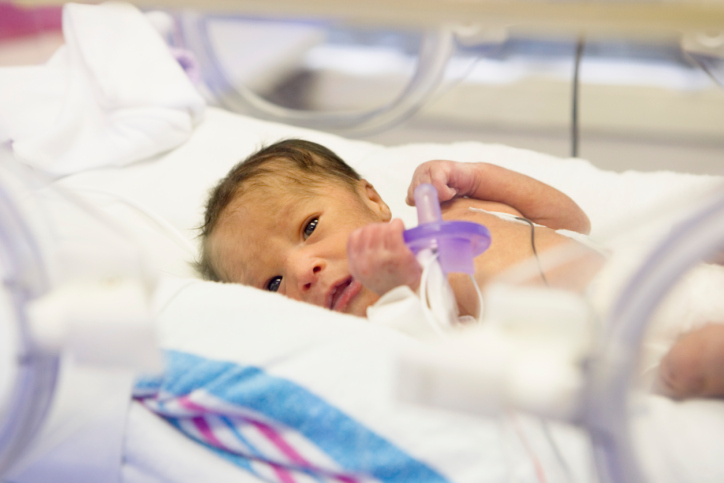 According to the CDC, 450,000 babies (1 in 9) were born prematurely in 2012. Premature birth continues to be a serious public health problem, accounting for 35% of infant deaths and contributing to a variety of developmental delays and health challenges.
Early birth may cause very premature babies—those born prior to 32 weeks gestation—and babies with a birth weight of less than 1500 grams (a little over three pounds), to experience long-term difficulties with employment and relationships. A study published in Archives of Disease in Childhood suggests that very preterm babies are more likely to be introverted and experience anxiety.
How Premature Birth Affects Personality
Doctors have long known that prematurity decreases the likelihood of survival and can lead to health issues. Previous research also suggests that babies born prematurely or with a very low birth weight are more likely to be on the autism spectrum.
[fat_widget_right]To explore how prematurity might affect other traits, researchers studied 200 26-year-olds born prior to 32 weeks gestation or who had weighed less than 1500 grams at birth. These participants, who had been part of the earlier Bavarian Longitudinal Study, were compared to 197 other young adults who were born at or near term and within the normal weight range, in the same maternity units as the preterm babies.
Researchers assessed the participants’ personalities across five dimensions: introversion, openness to new experiences, agreeableness, conscientiousness, and neuroticism (a measure of tenseness and anxiety). They found that participants with a low birth weight or who were born premature were more anxious and introverted but were also more agreeable.
Early Experiences and Adult Success
Scientists have already established a correlation between premature birth and difficulties later in life. For example, adults who were born prematurely have been shown to be less likely to secure well-paid jobs or pursue higher education. They are also more likely to experience difficulties making friends and establishing romantic relationships. The finding that premature birth affects personality may help explain these later challenges.
Though the study did not explore why or how prematurity has an effect on personality, the study’s authors suggest that premature children may often have early life experiences that differ from those of babies born full term. Premature babies may spend time in a neonatal intensive care unit, face intrusive medical procedures, or live with parents who are overprotective.
According to the CDC, a woman can reduce her risk of giving birth prematurely by:
- Giving up smoking.
- Avoiding drugs and alcohol.
- Seeking prenatal medical care.
- Notifying their doctors of any pregnancy complications or symptoms of preterm labor.
References:
- Preterm birth. (2014, December 23). Retrieved from http://www.cdc.gov/reproductivehealth/maternalinfanthealth/pretermbirth.htm
- Very early birth linked to introversion, neuroticism, risk aversion in adulthood. (2015, July 27). Retrieved from http://www.sciencedaily.com/releases/2015/07/150727220204.htm
 According to the Centers for Disease Control and Prevention, in the United States 6.7 million women between the ages of 15 and 55 experience either problems getting pregnant or carrying a pregnancy to term. That is more than 10% of women in this age range. Chances are you or someone you know has experienced or will experience challenges related to fertility.
Infertility often has biological causes, but the emotional effects can be especially devastating for a couple trying to conceive. The National Infertility Association discusses these emotional effects, which may include:
- Irritability
- Trouble sleeping
- Feelings of sadness, anger, guilt, and/or shame
- Difficulty concentrating
- Decrease in or lack of energy
- Feeling numb
In addition to these symptoms, I have noticed the people I work with in therapy experiencing the following:
[fat_widget_trauma_ptsd_right]
- Increase in anxiety and stress levels (especially when going in for fertility treatments)
- Depression (worse when infertility is persistent)
- Frustration
- Worry
- Negative impact on intimacy (physical and emotional) in the relationship
Infertility is traumatic. In addition to depression symptoms, it is quite common that couples experiencing infertility will experience anxiety in response to certain situations or triggers (such as seeing pregnant women, pregnancy tests, babies on TV or in person, etc.). They may experience intense emotion around certain times of the month, particularly the times near ovulation and when a period is due. Going in for fertility treatments may become very triggering and anxiety provoking, particularly if previous interventions failed. Sadness and grieving are common, particularly around holidays and other important life events.
When someone is experiencing infertility, negative beliefs about one’s inadequacy or defectiveness may come up. Both partners may question why their bodies are not functioning like seemingly everyone else’s, especially when those around them are having babies, apparently without any trouble.
If there has been past pregnancy loss, other triggers for anxiety, depression, and intense emotions may come up, including the date a baby was due or times of year associated with the loss. Triggers can seem unrelated or random but still have a profound effect on the emotional reaction of the people going through this difficult situation. For many, infertility feels like riding an emotional roller coaster of anticipation, worry, sadness, grief, and anger.
When someone is experiencing infertility, negative beliefs about one’s inadequacy or defectiveness may come up. Both partners may question why their bodies are not functioning like seemingly everyone else’s, especially when those around them are having babies, apparently without any trouble. People struggling with this issue may question their value and their self-worth can take a major hit, resulting in magnified depression and hopelessness.
The stress and trauma that result from infertility can also have a negative impact on a relationship. Because both partners experience their own challenges in infertility, they may be more prone to snapping at each other, taking things personally, or feeling disconnected.
There are steps people who are experiencing the emotional complications of infertility can take in order to cope and eventually thrive through this major life challenge.
1. Seek Professional Assistance
A mental health professional can help address the symptoms one is likely to encounter when experiencing difficulties related to infertility. Coping skills, trauma work, and couples counseling are just a few of the areas a therapist can help someone to work through to make this difficult path more bearable.
When working with people with infertility issues, I often utilize eye movement desensitization and reprocessing (EMDR) therapy to address negative beliefs about worth and defectiveness. EMDR has also been helpful in addressing and reducing disturbance related to fertility treatments, pregnancy loss, and worries about the future. When trying to get pregnant and while pregnant, stress management is essential in helping the body to be at its best to conceive and carry a baby.
2. Give Yourself a Break from Social Media
Social media can be wonderful, but they can be triggering for someone who is going through infertility. People love to make pregnancy and birth announcements through social media. Someone experiencing infertility may be much more sensitive to these announcements, as they can feel like a reminder of the pain that person is bearing.
If such announcements are triggering, give yourself a break and stay off social media for a while. Work with a therapist to decide when and how you will begin to engage in social media again. Working through some of the trauma and practicing coping skills regularly can help reduce the triggering effect of social media.
3. Acknowledge and Feel Your Feelings
Emotions are meant to be felt. One of the main jobs of an emotion is to alert us that we need to pay attention to something. Emotions can do what they are supposed to do only if we are willing to acknowledge and feel them.
The human body and brain are very good at working through difficult material when we stop avoiding emotions and allow ourselves to feel fully. A therapist can help with learning to tolerate and regulate emotions.
4. Celebrate and Enjoy the Little Things
Infertility can consume your life. From your thoughts to your time to your emotions and your relationship, it seems that there is not an area that infertility does not impact.
With your partner, find reasons to celebrate life. Engage in fun activities that you wouldn’t or won’t be able to do while pregnant or with a newborn. Try to soak up the moments of joy, calm, and fun as they come up. Seek out new hobbies or activities you have wanted to try. It is important to find joy and meaning in life, even when you are going through a difficult time.
References:
- Centers for Disease Control and Prevention (2006-2010). FastStats: Infertility. Retrieved from http://www.cdc.gov/nchs/fastats/fertile.htm
- Dunkel-Schetter, C., & Lobel, M. (1991). Psychological reactions to infertility. In A. L. Stanton and C. A. Dunkel-Schetter (Eds.), Infertility: Perspectives from stress and coping research (pp. 29-57). New York: Plenum.
- The National Infertility Association (2014). Emotional aspects of infertility. Retrieved from http://www.resolve.org/support/Managing-Infertility-Stress/emotional-aspects.html
Despite using protection, you have gotten pregnant; naturally, you are shocked. You are not happy with your boyfriend, he is not a person you want to parent with, and you’re wondering if you even want (or have) to tell him that you are pregnant in the first place. You seem to indicate that your relationship doesn’t promise the stability—emotional and financial—that a child needs and deserves. You are worried but very clear-headed and caring in your analysis of the issues involved in your pregnancy.
[fat_widget_right]
You ask whether you are within your rights to terminate your pregnancy and not tell your boyfriend. As you might know, abortion has been legal in the United States since 1973, when the Supreme Court ruled in Roe v. Wade that women have the right to abort prior to the viability of the fetus. I am not an attorney and nothing I write in this space should be construed as legal advice, but as far as I can tell the Roe v. Wade ruling doesn’t spell out paternal rights, and a little online research suggests that there are no barriers to you making this decision on your own, without your boyfriend’s consent or awareness (Planned Parenthood v. Danforth in 1976 addressed consent, and Planned Parenthood v. Casey in 1992 addressed awareness). Again, do not take anything I’ve written here as gospel. Your question is one that an attorney can and should answer definitively, possibly even over the phone. Please call one. You might also refer to Planned Parenthood, which would either be able to answer your questions or point you to resources that can.
Beyond the legalities, you ask “should it matter” whether your boyfriend knows about your desire to have an abortion. That’s a difficult question that only you can answer.
You do not indicate your age, nor do you ask whether your parents need to know, but for the record, according to Planned Parenthood’s website, there is no parental involvement requirement in New York for persons under 18. (Some states may require one or both parents to consent to an abortion or be informed of it, a requirement that can be waived by a judge.)
Beyond the legalities, you ask “should it matter” whether your boyfriend knows about your desire to have an abortion. That’s a difficult question that only you can answer. The fact you’re grappling with the ethics of it all is a sign, to me, that you are proceeding carefully and thoughtfully.
It seems to me that one of the questions you might be asking yourself is what it means to be a woman in the United States in 2015. There’s a book called Our Bodies, Ourselves, first published in 1973 and updated every few years—the latest edition was released in 2011. You might take a look at it and see if it helps you find peace. The book supports women taking ownership of their bodies, which seems to be one of the many issues you are struggling with.
You ask for reassurance that you are not a “bad person.” You don’t seem like a bad person to me. You seem like a worried and scared young woman who is in a bad spot and trying to figure out the best way out of it. I think you would benefit greatly from speaking to a counselor or therapist who can help guide you through some of the more challenging internal quandaries you face. You write, correctly, that it’s your body and your future that you have to consider when making important life-changing decisions. I salute your warm, level-headed, and thoughtful approach to finding your way.
Good luck! I’m with you in spirit.
Respectfully,
Lynn
 It’s the big question women and men who experience infertility or secondary infertility (infertility after the loss of a baby through miscarriage or stillbirth) ask: “I can’t have kids, so now what?”
Common questions and fears people have when they learn they can’t have kids include:
I always expected to have children and all my life plans included them. What do I do now?
Who am I if I don’t get to be a parent?
Who am I if I don’t get to raise a living child?
How do I live a fulfilled, happy life when the one I had planned was taken away from me?
Learning you can’t have kids, either for medical reasons or because you just aren’t willing to risk the death of another baby, can create a crisis of identity in even the most balanced and self-assured people.
[fat_widget_right]
So when your plans for life drop out from under your feet and you lose your sense of self, what do you do?
Allow Yourself to Grieve
First and foremost, you need to grieve. Allow yourself to grieve for all the various aspects of this loss. Grieve for:
- The children you always dreamed of raising and will never know.
- The life you had always planned to live.
- The mother or father you expected to be.
- The loss of the certainty and innocence of life.
When children are strongly desired and you learn you can’t have them, it is a deep and profound loss. It requires the process of grieving every bit as much as the death of a loved one does.
Remind Yourself Healing Is a Process, Not an Event
The loss of the dream to have children is big. It leaves an emptiness that feels enormous and endless. Pretending that feeling of emptiness isn’t there would be counterproductive. Lying to oneself never helps matters. Trying to fill that massive expanse in your life left by the children you will never know can feel daunting and overwhelming.
When children are strongly desired and you learn you can’t have them, it is a deep and profound loss. It requires the process of grieving every bit as much as the death of a loved one does.
Be gentle with yourself and don’t pressure yourself to fill that gap immediately. As counterintuitive as it seems, befriend that empty space in your heart. Feel into the spaciousness and find the edges of it. Explore what that loss and emptiness feels like in your body.
This empty feeling is not your enemy. It’s a natural response to this deep and profound loss. This emptiness is a necessary part of healing.
Healing from this loss and creating a life that feels fulfilling and happy won’t happen overnight. It may take years of work and intention. It will be a process of grieving and redefining your life and creating a new identity, but it can and will slowly start to lighten over time.
Find Comfort in the Little Things
True healing is an intentional process. You have to choose to want to heal and take steps toward that. Seek comfort and healing in the little things in life.
Consider starting a gratitude jar and writing down one thing each day that you are grateful for. These don’t have to be big or insightful things; they can be as simple as being grateful for your coffee in the morning or the sunshine on your face.
Allow yourself to notice and appreciate the things about your life that perhaps you wouldn’t be able to enjoy if you had been able to have children. This doesn’t dismiss your longing or love for your children who died or never were. As humans, we are powerful beings, and we have space to both miss what could have been and be appreciative for what is.
Buy yourself flowers.
Sip and enjoy a good cup of coffee or hot cocoa.
Go for a walk in the woods.
Watch your favorite movie or read your favorite book.
Engage in activities that bring even a small amount of light and beauty into your life.
Give Yourself the Gift of Support
If you are fortunate enough to have family or friends who “get” this kind of loss and can be supportive, lean on them. Allow them to be there for you and to love you.
Seek out support groups, women’s groups, or men’s groups to surround yourself with others who can support and encourage you on your journey.
Find a counselor or mentor who will help you walk this rocky, painful path of recreating your sense of self and expectation for life.
Sometimes, finding the right support takes work. You deserve, however, to be supported and loved as you grieve.
Making Meaning Out of Your Life
It’s not about finding a reason why this may have happened. The cliché “there’s a reason for everything” isn’t really all that helpful to many people.
However, choosing to make meaning out of the events of our lives is empowering and healing. Decide what you want to make this loss mean in your life. Decide how you want to use it to create a new life going forward.
Life isn’t what you expected it to be. You may not get to be the person you wanted and planned to be. Choose to make this unexpected and unplanned life meaningful and fulfilling anyway.
You can’t bear children. That is painful and heartbreaking, but it is still possible to live a meaningful, fulfilling, and happy life.
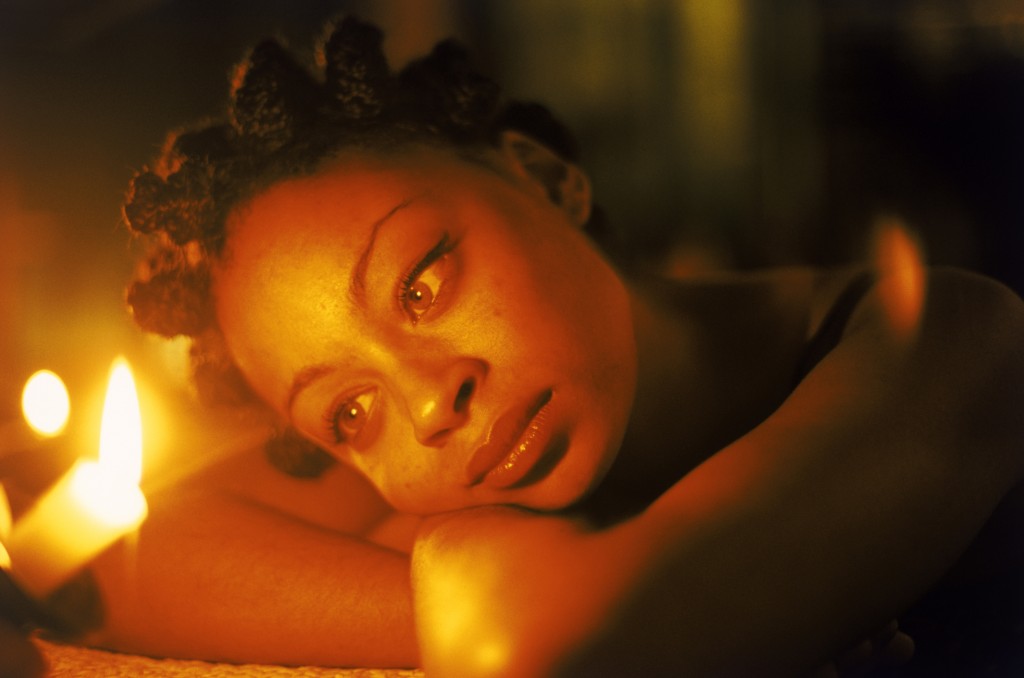 In my practice, I see many mothers who have lost their only children during pregnancy or early infancy. They show up at my office struggling with grief and feelings of isolation. Some also grapple with infertility and the prospect of never being a mother to a living child.
Many of these mothers have been to multiple therapists or support groups, yet their search for adequate support continues. They report feeling like outsiders in support groups where other women talk about their living children or who are pregnant again after experiencing a loss. They talk about struggling to find a therapist who understands the unique experience of being a mother without living children.
Again and again, these mothers share feelings of invisibility and isolation and the intense grief of having empty arms with no children to fill them. More than anything, they want someone to acknowledge the pain of their loss.
Having an awareness of the unique experience of being a mother without living children is vital in supporting these women. Here are some things therapists should consider when supporting a mother without living children.
[fat_widget_grief_right]
There Is No Guarantee of a ‘Rainbow Baby’
It’s common in the world of pregnancy loss to hear talk about “rainbow babies” (babies born after loss). Often there’s an assumption that moms who have experienced loss will go on to have such babies. Many support groups include discussion of mothers desperately trying to get pregnant again.
I call the idea that another baby will fix a woman’s grief the “myth of the rainbow fix.” Even if a mother goes on to have a living child, it won’t replace the baby she lost or miraculously cure her grief.
More importantly, not all moms who have experienced loss have the option to have another child. Many moms are dealing with the knowledge that they physically or emotionally can’t have another baby. Others tried for years and are struggling with infertility. For many, the baby they lost was a “miracle baby” after years of apparent infertility and trying. Some have accepted that they may never have another pregnancy and have been on adoption waiting lists for years.
Not every mother who loses her child to stillbirth or miscarriage will have another child. Making the assumption that they can or will may be detrimental to the emotional health of these mothers.
Many Need Reassurance That They Are Indeed Mothers
Many mothers who have lost their only baby struggle with whether they are “allowed” to claim the title of mother. Their idea of what it means to be a mother has been suddenly and unexpectedly altered. Being able to claim the identity of mother even though their baby did not survive can be a valuable piece of the healing process.
It’s important to work with these women to redefine what “mother” and “mothering” means to them now that their baby is no longer physically here. In what tangible and intangible ways can they continue to mother their child?
Early Loss Does Not Mean a Lesser Loss
Far too often when a mother loses a baby early in pregnancy or has an ectopic pregnancy, her loss experience is minimized. Many women whose babies died in their first trimesters often feel that their grief is dismissed or invalidated through statements like, “It was so early,” “You didn’t really know it yet,” or, “You just found out you were pregnant, so try not to get too down.”
However, for many women the love and attachment come the moment they know they are pregnant. For others, the attachment and love were formed long before the pregnancy occurred, through years of trying to get pregnant, fertility treatments, or planning to become a mother.
Depth of love has no basis in time.
Questions about Children May Be Difficult to Answer
Many intake assessments and initial sessions for any kind of medical or mental health provider include the question, “Do you have any children?” or “How many children do you have?” For those who haven’t lost a child, this probably seems like a simple and straightforward question. For those who have lost one or more children, it’s often not so simple. Internal debate immediately comes up:
Do I say yes and explain?
Do I say yes, but then what if they ask how old he/she is?
Do I have the energy to go through the story all over again?
Maybe I should just say no, but I always feel so guilty when I do that.
What is his/her reaction going to be if I say I have a child but he/she is dead?
I want to acknowledge my child, but I don’t want to deal with discomfort and that awkward silence.
Gah, I hate this question!
For therapists, I don’t know that there is a good solution for the pain and uncertainty questions like this bring up. However, asking about living children and deceased children separately may make the situation more comfortable for mothers and help them feel more accepted.
Nothing therapists can say or do will completely take away the grief and pain a woman feels after the death of a baby. We can’t fix the ache of not having a living child to hold, raise, and love. As professionals and compassionate human beings, however, we can be more aware and sensitive to the unique experience of being a mother without a living child. Support without judgment or assumptions can go a long way toward healing, not just for these mothers but for anyone in pain.
 For many women, having a baby is a long-awaited blessing. You have been carrying a baby for nine (or even 10) months; you might have been trying to become pregnant for a while; and your entire world changes from being a couple to being a family. Several weeks after delivering a baby, women can begin to resume sexual intimacy.
However, few women bounce back so quickly. Many women feel that their body has changed and have conflicting feelings about sexual intimacy. Here are some very common postpartum sexual concerns for women, as well as some tips to overcome them:
1. Directly following childbirth, women may be somewhat traumatized by the childbirth itself.
Cheryl Beck, Nursing Professor at the University of Connecticut, conducted a study and found that up to 34% of women experience some sort of trauma during childbirth (Beck 2008). Following childbirth, women may experience posttraumatic stress (PTSD) symptoms such as anxiety, panic, or insomnia.
This traumatic experience could lead to anxious feelings about your vagina in general, and it is not uncommon for women to be anxious about penetration. This type of anxiety may go away on its own once you resume intercourse, but if it doesn’t, it might be helpful to seek support from a therapist who specializes in PTSD.
2. New mothers are often exhausted, sleep-deprived, and fatigued.
Due to the feeding schedule and short sleeping periods of infants, many new parents only get two or three hours of sleep in a row. Fatigue for both mothers and fathers can lead to feelings of depression and relationship conflict. Decreased sleep can lead to increased arguing and feelings of irritability.
More relationship conflict can also make it less likely partners will feel like having sex. After a period of adjustment, many couples find that their amount of sleep increases and that they have adapted to the change. Try talking to a counselor if relationship issues persist.
3. Adjusting to a new role as a parent can make it difficult for partners to have the energy to fulfill each other’s needs as well as the new baby’s.
Many women embrace motherhood and put all their energy into being a loving, caring, fully engaged parent. At the end of the day, it may be somewhat challenging to transition back into the role of romantic partner.
It can help if both partners make it a goal to set aside quality time to spend together doing things that don’t involve your baby. Do a hobby or an activity you used to do together, and try to take advantage of a babysitter when the grandparents come to visit. Keeping up the romantic relationship will be paramount in the success of your growing family.
[fat_widget_left]
4. Postpartum depression can make it even more difficult to adjust to parenthood.
Postpartum depression occurs in approximately 15% of women. Symptoms of postpartum depression include lack of energy, fatigue, insomnia, loss of appetite, thoughts of suicide, or thoughts of harming one’s baby. Depression on any level decreases feelings of desire and interest in intimacy. If you are having these feelings, contact your doctor right away. Medications and therapy can significantly help.
5. After giving birth, you may not feel like being touched.
Having an infant cling to you for most of the day and night can be pleasant and fulfilling. However, many women do not wish to be touched further, especially on their breasts (if breastfeeding), once baby is asleep for the night. Instead, it might be far preferable to shower and have a few minutes to yourself.
In addition, women are receiving oxytocin from cuddling with the infant so they are less likely to need cuddling and intimacy from their partners. This feeling of not wanting to be touched usually improves after a few months when babies nurse less frequently, sleep through the night, and women have started to return to a more regular schedule.
6. A decrease in sexual desire is common, regardless of type of delivery.
Whether they gave birth by vaginal delivery or C-section, most women report a decrease in sexual desire. According to the website Healthline, a woman creates more estrogen in the first months of pregnancy than in the rest of her entire life combined. After giving birth, however, estrogen levels plummet very quickly to pre-pregnancy levels. Estrogen is an important hormone in sexual desire and arousal, and decrease in sexual desire is a common effect of the rapid decrease in these levels.
In addition to estrogen changes, prolactin, a hormone secreted in the brain that causes milk letdown, increases when you are breastfeeding. When prolactin is elevated, testosterone and estrogen is suppressed, causing low libido and vaginal dryness. The vaginal walls may become frail and narrow. Hormonal birth controls can also worsen vaginal dryness, so consider speaking to your doctor about non-hormonal birth controls such as an intrauterine device (IUD) in order to offset these issues.
7. Many women experience difficulty with arousal and orgasm after giving birth.
Due to lowered levels of estrogen, fatigue, possible depression, and constant contact with an infant, many women report lower levels of arousal. Try much more extended foreplay (45 minutes to an hour) to give yourself more time than usual to become aroused. And although lubricant can be good, give your body sufficient time to try to get lubricated on its own. Listen to your body if it is telling you it is not ready for intercourse just yet.
8) For many women, childbirth may involve an episiotomy, stitches, tearing, or C-section. Many women find that they are anxious about resuming sexual activity because of the physical trauma their bodies have been through. Additionally, some women experience urinary incontinence and flatulence as a result of childbirth. These two conditions, and the possible embarrassment related to them, can make some women avoid sex. These two issues usually resolve themselves after six months, so talk to your doctor if these are a concern for you.
9. Vaginal pain may occur with intercourse.
Whether you give birth vaginally or by C-section, vaginal pain is likely to happen (most likely due to the hormone changes). The good news is that recent research from University of California San Francisco shows that childbirth does not appear to affect a woman’s long-term sexual functioning (Fehniger, J.E.).
As long as your medical provider has given you approval to resume sex, take it slow, make sure you are adequately lubricated, and rest assured that any pain should be significantly improved within a few months. Try using a silicone-based lubricant for vaginal dryness. Some women may benefit from a vaginal moisturizer or an estrogen cream.
In addition, having more sex will likely help. Vaginal atrophy, when the walls of the vagina narrow and thin, can occur after long periods of time without sex. Having more frequent intercourse will help the vagina bounce back into shape. Of course, speak to your medical provider if the discomfort does not improve after a few months.
Having a baby is a wonderful time, but sometimes, sexual problems can be embarrassing or leave women feeling like they are alone in their problem. I hope that this overview was helpful and that you receive the support you need to resume your intimate relationship after adding a new addition to your family.
Resources:
- Beck, C., Watson, S. (2008). Impact of birth trauma on breast-feeding: A tale of two pathways. Nursing Research, 57(4). Retrieved from https://www.ncbi.nlm.nih.gov/pubmed/18641491
- Fehniger, J. E., Brown, J.S., Creasman, J. M., Van Den Eeden, S. K., Thom, D. H., Subak, L. L., & Huang, A. J. (2013, November 19). Childbirth and female sexual function later in life. Obstetrics and Gynecology, 122(5). Retrieved from https://www.ncbi.nlm.nih.gov/pubmed/24104776
- Moore, K., Watson, K. (n.d.). What do you want to know about pregnancy? Healthline. Retrieved from https://www.healthline.com/health/pregnancy
 Is it so strange to want to chronicle and capture your changing visage through the years in the form of artistically altered photographs? There has been a lot of conversation in recent months surrounding people who obsessively photograph themselves and post those pictures online for all to see, otherwise known as the selfie trend.
Even we jumped on the bandwagon of speculation about what’s really going on with this phenomenon. The self is fascinating; after all, it’s who you are. We seek a deeper understanding of this inward being in a variety of ways: journaling, creative expression, conversation, counseling, and, yes, the self-portrait.
Throughout history, artists have devoted themselves to this eye-catching craft of self-understanding. Vincent Van Gogh and Frida Kahlo are just two examples of the myriad artists who became renowned for their ability to capture the self in compelling portraits.
From 1886 to 1889, Van Gogh painted over 30 canvases of himself, and Kahlo, who began her work in self-portraiture while recovering from a debilitating accident in a full body cast, produced 55. She is quoted as having said, “I paint myself because I am often alone and I am the subject I know best” (Frida Kahlo Foundation, 2002–2013).
These days, though the painted canvas is still prevalent in self-portraiture, the artistic rendering of the self via photograph is being snapped and shared by the millions—on Facebook, on Instagram, and in the professional photography world, as well. Depression, grief, loss, injury, and navigating the rises and falls of the human journey have inspired countless works of photographic art involving the photographer as subject. Following are just a few examples of this self-centered form of modern artistry—and healing.
Self-Portrait for Depression
[fat_widget_left]One man, 20-year-old Christian Hopkins, uses photography as a way of dealing with depression. His self-portraits include surreal images of several hands being trapped inside his skin, wings made with fragile materials protruding from his shoulder blades, one showing his left wing broken and in pieces, the other very sparse but intact.
He is also shown with a fabricated slit through the throat made of a zipper with strands of black yarn mimicking blood. The photos are haunting, but most importantly, Hopkins says they help him process the complicated emotional experience of his bouts of depression.
Self-Portrait for Feeling Powerless and Stuck
Ben Zank, a New York-based photographer, chronicles his feelings of “being powerless, stuck, being free again, etc.” in a series of self-portraits featuring natural elements colliding with the confining aspects of human existence. In one of these, he is shown lying face down on a paved road with the two yellow stripes running directly over his head; in another, he is trapped between two icy rocks, struggling to break free.
He also photographed himself with his head wrapped in twine and tied to a tree, as well as with lengths of twine tied around his fingers and anchored to the ground. Both of these scenes seem to reflect the experience of being stuck.
Self-Portrait for Debilitating Injuries
Following repeated knee injuries, former-dancer-turned-photographer Ingrid Endel photographs herself in stunning dance-oriented poses. The Australian artist creates surreal imagery that beautifully captures the sense of loss associated with no longer being able to perform as a dancer, as well as the joy of discovering another art form through which she can express herself.
The photographs show her body in a variety of outdoor scenes: lifting off the ground with legs wrapped in vines; leaning (or falling?) backward in a dancer’s pose with electric red cords protruding in all directions from her chest; and being enveloped in cocoon-like cobwebs while contorted on the forest floor.
Endel includes photographs of her moments of stillness in which she appears to be accepting and embracing her body as-is; one in particular shows her looking perfectly content while engaged in a stretching pose in the middle of a body of water.
Self-Portrait for Personal Change and Transformation
Another way to use the self-portrait is to process normal, yet significant, changes in life, which can become stressful if not handled healthfully. One woman, Sophia Starzenski, a photographer based in Buenos Aires, took photos of her near-naked body as she moved through pregnancy.
The photographs reveal her steadily expanding belly throughout the nine months of being with child, and the final shot shows her with two-month-old babe in arms. By capturing the raw beauty of this commonplace transformation, Starzenski presents the changing female body as a work of art—something to be celebrated and shared rather than hidden and shamed.
Self-Portrait for Illness and Grief
Still others use the self-portrait as a means of coping with insurmountable changes in the lives of their loved ones, which inevitably affect them, too. When his wife Jennifer was diagnosed with breast cancer, Angelo Merendino chose to document the experience through photographs taken mainly of his wife, although he appears in a few of them.
The series starts with the couple looking healthy and happy, drinking while sitting on a front stoop, and then lying in bed together with serene smiles and an intimate embrace. The photographs grow increasingly bleak, however, as Merendino captures his wife’s physical deterioration and eventual death on camera.
Though they depict illness, grief, and loss, the photographs also show the beauty of family coming together in trying times and of final moments treasured and savored. Following his wife’s passing, Merendino published a book of the images, The Battle We Didn’t Choose: My Wife’s Fight with Breast Cancer, and went on to start a non-profit called The Love You Share (theloveyoushare.org) as a means of providing financial assistance to women battling breast cancer.
The Tutu Project (thetutuproject.com), which “began in 2003 as a lark,” is another instance of a man using self-portrait photography to deal with life in general and eventually, with his wife’s breast cancer. When his wife Linda was diagnosed in 2006, Bob Carey began taking his ongoing photographs of himself wearing only a pink tutu to a new level. As a means of alleviating his own emotional distress and lifting Linda’s spirits, he traveled the United States—and Italy—snapping pink tutu photos in various places.
Their story inspired a video created by Deutsche Telekom in Germany (below); in it, Linda says, “It just makes me laugh, to see my husband dancing around in a pink tutu. It helps me be positive. The more I laugh, the better I feel.”
To help support other women who are in need of funds beyond what insurance provides as they navigate the breast cancer experience, the couple established The Carey Foundation in 2012 (careyfoundation.org), and they continue to spread the simple pleasure of the pink tutu in Ballerina, a hardcover collection of Bob’s self-portraits and the stories behind them.
PhotoTherapy: How Self-Portraits Heal
Judy Weiser, director of the PhotoTherapy Centre in Vancouver, British Columbia, as well as psychologist, art therapist, and author, has spent over 35 years exploring, developing, and implementing “PhotoTherapy” techniques. On the PhotoTherapy Centre’s website (phototherapy-centre.com), Weiser details extensively the therapeutic benefits of photography in its various forms.
Regarding the self-portrait as a mode of healing, she says, “Since issues connected to self-esteem, self-knowledge, self-confidence, and self-acceptance lie at the core of most clients’ problems, being able to see themselves for themselves, unfiltered by the input or feedback of others, can be a very powerful and therapeutically beneficial encounter.” She goes on to explain how this in-depth confrontation and exploration of the self through photography is known to catalyze “deep process work in therapy situations.”
Though the PhotoTherapy Centre now exists primarily as an archival collection of online information and resources, Weiser still provides training opportunities for mental health professionals in the techniques of PhotoTherapy, as well as social media support and guidance via the Centre’s Facebook group.
References:
- Frida Kahlo Foundation. (2002–2013). Frida Kahlo biography. Retrieved from http://www.frida-kahlo-foundation.org/biography.html
- Weiser, J. (2001–2013). The techniques of PhotoTherapy. Retrieved from http://www.phototherapy-centre.com/self_portraits.htm
Research on borderline personality (BPD) has explored various avenues in search of risk factors. But according to a recent study, some of the biggest risk factors for BPD may develop in the womb. Cornelia E. Schwarze of the Department of Psychiatry and Psychotherapy at the University Medical Center Mainz in Germany led the study that looked at the prenatal conditions of 100 individuals with BPD and compared them to 100 participants with no history of BPD.
Schwarze interviewed the mothers of the participants and reviewed prenatal and medical records. She looked at factors such as prenatal smoking, stress, family conflict, and medical problems. Schwarze also assessed environmental risk factors for the participants by evaluating levels of childhood adversity including maltreatment, neglect, physical and sexual abuse, emotional abuse, or other traumatic events.
The results revealed that the mothers of the BPD participants were more likely to have smoked during pregnancy when compared to the mothers of the 100 non-BPD control subjects. Additionally, the mothers of the participants with BPD also had higher rates of prenatal medical problems, stress, and conflict. Other risk factors that increased the likelihood of BPD were childhood sexual abuse and other childhood trauma. However, prenatal smoking and prenatal medical problems and stress had the strongest associations with BPD.
Exposure to prenatal smoke has been linked to impulsivity, identity issues, affective problems, and some borderline personality symptoms. The results of this study support existing research in this area. Schwarze also noted that medical problems that occur during pregnancy can have a significant impact on neurological development and specifically, on regions of the brain that affect emotional regulation. Although this should be explored further in future research, the strong link between prenatal medical problems and later BPD in children supports this as well.
Finally, prenatal stress, resulting from maternal stress during pregnancy, can be caused by a number of factors, including relationship problems, psychological issues, occupational conditions, or socioeconomic conditions, just to name a few. Each of these may also have a unique impact on the development of BPD or increased risk for BPD in unborn children. Schwarze added, “Future prospective longitudinal studies are essential to verify the impact of the observed potential prenatal risk factors.”
Reference:
Schwarze, C. E., et al. (2013). Prenatal adversity: a risk factor in borderline personality disorder? Psychological Medicine 43.6 (2013): 1279-91. ProQuest. Web.
You are not alone in your dilemma, and it is a tough one. You’ve prepared yourself and created the kind of life you want for your future family. Unfortunately, “if you build it, they will come” doesn’t really work when it comes to finding a partner and having children.
In my work with couples, particularly couples who have recently become parents, I see how difficult it is for many of them to maintain a solid partner relationship while attending to their new parenting duties. This is exponentially more difficult for couples who do not have a solid foundation to their relationship. I hear your very real fears, and generally, when we are driven by fear we don’t always make the best choices. If you rush into a commitment with someone so that you can have a child by a specific deadline, you risk overlooking some incompatibilities that may be problematic in the future.
You are right, however, that time is a factor, and I am wondering if you’ve considered alternatives to your original dream of finding a great partner and starting a family together. One of the biggest challenges of your dream is that you don’t really have control over how it works out. You can’t simply will the right guy into existence, you can’t ensure that he will be the kind of partner and co-parent you want, and you can’t guarantee that you will be able to conceive a healthy child together in the right amount of time.
With so many things out of your control, it would be natural to feel helpless, frustrated, anxious, and stressed—not a great frame of mind for dating. It might be helpful to open yourself up to some alternative plans. Instead of an all-or-nothing approach, would you consider, for example, waiting for the right partner and adopting or fostering if your childbearing “window” had passed? Would you consider having a child by yourself and on your own timeline? What options would you consider? What elements can you let go of?
Having alternative plans that you can live with can relieve some of the pressure you are feeling and, very likely, the men you are dating may be feeling as well. By all means, keep pursuing your original dream, but knowing that you have alternative plans that work for you might help you relax. Incidentally, chances are much greater that you will attract the kind of man you want when you are relaxed and content rather than stressed and anxious.
To really open yourself up to alternatives, however, you may need to take some time to process and accept that your original dream might not come true. There is a grieving process involved in this that can be painful but ultimately freeing. You don’t have to do it alone. You can get support from friends and family, or work with a therapist to come to terms with the very real loss that comes from letting go of the vision of the life you expected to lead. It can be a difficult but powerful process. Mourning the loss of a future you hoped to have can ultimately lead you to a place of being able to accept and embrace the future you will have.
Best of luck!
Erika