
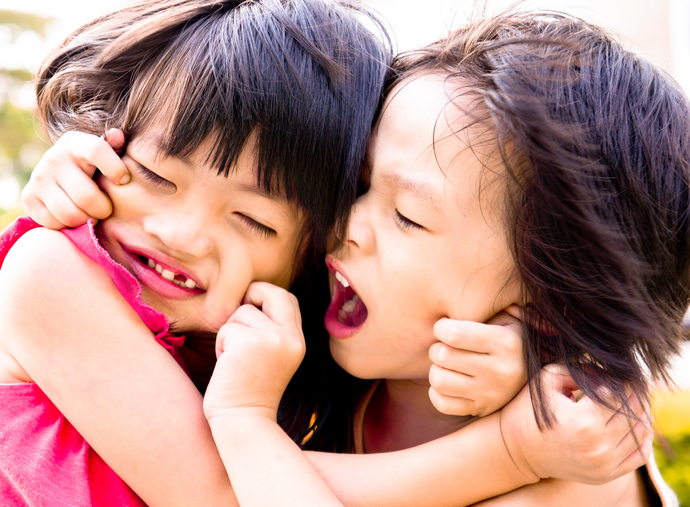
Siblings — brothers and sisters who share one or both parents — represent a child's first and often most enduring social network. Strong sibling relationships are associated with mental health benefits for both siblings, and sibships are one of the most enduring types of relationships, often outlasting parental and marital bonds. While these relationships provide crucial opportunities for social learning and emotional development, they can also be sources of significant conflict and distress that impact mental health throughout the lifespan.
Understanding sibling dynamics has become increasingly important as research reveals their profound influence on psychological well-being. Greater love from siblings is associated with reduced risk of anxiety and depression, highlighting the protective nature of positive sibling bonds. Yet when sibling relationships become strained or abusive, the consequences can be severe and long-lasting. Qualified family therapists and other mental health professionals can help families navigate these complex relationships and build healthier interaction patterns.
Table of Contents
- Understanding Sibling Relationships
- The Impact of Sibling Dynamics on Mental Health
- Common Causes of Sibling Conflict
- Recognizing Problematic Sibling Behaviors
- Evidence-Based Interventions for Sibling Issues
- Supporting Healthy Sibling Relationships
- Frequently Asked Questions
- How Therapy Can Help
Understanding Sibling Relationships
Sibling relationships are among the most complex and influential relationships in human development. Recent statistics indicate that around 90% of the population has a sibling, making these relationships nearly universal experiences. These bonds are characterized by unique features that distinguish them from other relationships:
Duration and Intensity: The sibling relationship is one of the most enduring relationships during an individual's lifespan, starting at birth and continuing until death. Brothers and sisters spend a lot of time together, more than with anyone else, including their parents. This extensive shared history creates deep emotional connections that can be sources of both support and conflict.
Developmental Significance: The sibling relationship is very important for individual development. Through interactions with siblings, children learn essential skills including:
- Emotional regulation
- Conflict resolution
- Perspective-taking
- Negotiation and compromise
- Social communication
Complexity of Emotions: The sibling relationship is a unique relationship, characterized by both love and warmth as well as by conflict and rivalry. This emotional complexity means that siblings often experience ambivalent feelings toward one another, simultaneously feeling love, jealousy, protectiveness, and competition.
The Impact of Sibling Dynamics on Mental Health
Recent research has revealed significant connections between sibling relationship quality and mental health outcomes across the lifespan:
Positive Effects of Healthy Sibling Relationships
Results indicated that greater love for siblings was associated with select outcomes in adulthood, specifically: better sleep health (reduced risk of sleep apnea and sleep disturbance), psychological well-being (higher optimism), and civic behavior (higher likelihood of voting). Additionally:
- Emotional Support: Sibling relationships are often the longest-lasting and serve as a source of support and comfort for many older adults.
- Protective Factors: Positive sibling relationships can buffer against stress and provide resilience during difficult life events.
- Social Skills Development: Interactions with siblings help children develop empathy, cooperation, and communication skills.
Negative Effects of Problematic Sibling Relationships
Sibling aggression and abuse are largely overlooked public health problems. The invisibility of these harmful sibling dynamics is partly driven by the tendency to mislabel such behaviors as rivalry, which is considered temporary and harmless.
Research has documented serious consequences:
- Mental Health Issues: Marital conflict may damage adolescent mental health and create behavioral problems, including anxiety, depressive symptoms, and elevated aggression.
- Long-term Impact: Research finds that sibling aggression and abuse can have short- and long-term negative impacts on physical and mental health for both the harmed sibling and the sibling who causes harm.
- Increased Risk Behaviors: Children experiencing sibling aggression are at higher risk for involvement in peer bullying and later intimate partner violence.
Common Causes of Sibling Conflict
Understanding the root causes of sibling conflict helps parents and professionals address issues more effectively:
Family System Factors
According to ecological systems theory, family is the most important microsystem for children's development, and the marital relationship has significant impact. Marital relationships involve marital conflict and marital intimacy, two distinct constructs that do not represent opposing ends of the same continuum. Both are closely linked to adolescent development.
Key family dynamics that influence sibling relationships include:
- Parenting Styles: Maladaptive parenting has been meta-analytically linked to sibling conflicts.
- Differential Treatment: When parents treat siblings differently, it can create resentment and competition.
- Family Stress: Economic hardship, parental conflict, or major life changes can intensify sibling tensions.
Individual and Developmental Factors
Birth Order Effects: While popular culture often emphasizes birth order, recent research provides a more nuanced view. Previous studies have generally found no associations except that firstborns average slightly higher than later-borns in intellect-related traits. Our large-sample study supports the findings for intellect-related traits, but unlike previous research, it also shows considerable differences for other traits: On the Honesty-Humility and Agreeableness dimensions, scores were somewhat higher on average for persons having more siblings.
Age and Gender Dynamics: Studies examining differences in sibling relationship quality as a function of sibling gender composition generally found higher quality relationships for same-sex sibling pairs (especially sister pairs) than for mixed-sex sibling pairs. Siblings with smaller age gaps may experience more conflict due to competition for similar resources and parental attention.
Environmental Stressors
Life events and circumstances can significantly impact sibling relationships:
- New Sibling Arrival: The birth of a new sibling can trigger jealousy and adjustment difficulties.
- Divorce or Separation: Family restructuring often intensifies sibling conflict.
- Chronic Illness or Disability: The levels of involvement/friendship, empathy/care/concern, and education/learning were significantly higher in the pediatric group when comparing families with chronic somatic conditions versus mental health conditions.
Recognizing Problematic Sibling Behaviors
It's crucial to distinguish between normal sibling rivalry and harmful patterns that require intervention:
Normal Sibling Conflict
Sibling rivalry—characterized by sibling interaction that leads to healthy competition without anyone getting hurt—is a normative part of sibling development. Typical sibling conflicts include:
- Occasional arguments over possessions or privileges
- Mild teasing or name-calling
- Competition for parental attention
- Disagreements about shared spaces or activities
Warning Signs of Sibling Abuse
Sibling aggression and abuse are largely overlooked public health problems. The invisibility of these harmful sibling dynamics is partly driven by the tendency to mislabel such behaviors as rivalry, which is considered temporary and harmless. As such, the nature and impact of these behaviors and public attention to them are minimized or dismissed. This perception, along with the shame and stigma associated with incidents of family violence, has made addressing this public health issue challenging.
Red flags that indicate intervention is needed:
- Physical violence causing injury
- Persistent emotional abuse or humiliation
- Sexual abuse or inappropriate touching
- Significant power imbalances being exploited
- One sibling showing fear of another
- Destruction of personal property
- Threats of harm or intimidation
Evidence-Based Interventions for Sibling Issues
Research has identified several effective approaches for addressing sibling conflict and promoting positive relationships:
Family-Based Interventions
Online Prevention Programs: The purpose was to test a new evidence-based online preventive intervention designed to help parents improve the sibling relationships of their 4- to 8-year-old children. These mutual influences were evident in the current study as we found that equipping mothers (as members of the parental subsystem) with skills and strategies for promoting siblings' prosocial behaviors not only improved children's sibling relationship quality, but also enhanced aspects of mothers' personal well-being (e.g., emotion regulation) and perceptions of coparenting collaboration and support.
Parent Mediation Training: An intervention that shows promise is training parents to use mediation techniques for sibling conflicts. This approach has been demonstrated to be effective and is relatively easy to implement. Mediation techniques can reduce aggression between siblings by helping children develop skills like seeing another person's perspective, discussing emotions, negotiating, and problem-solving.
Therapeutic Approaches
Family Systems Therapy: Family systems theory reinforces the importance of supporting the formation of high-quality sibling relationships to promote child and family well-being. However, few evidence-based resources exist to address parents' concerns about helping their children develop a positive relationship. Those resources that do exist are not widely accessible, especially for families who live in rural or underresourced locations.
Key therapeutic strategies include:
- Teaching emotion regulation skills
- Developing communication tools
- Addressing family dynamics that contribute to conflict
- Building empathy between siblings
- Creating structured opportunities for positive interaction
Specialized Interventions
For families dealing with more severe issues:
- Trauma-Informed Care: For siblings who have experienced abuse
- Individual Therapy: To address specific mental health concerns
- Parent-Child Interaction Therapy: To improve family dynamics
- Group Interventions: Sibling support groups can normalize experiences and teach coping skills
Supporting Healthy Sibling Relationships
Parents and caregivers play a crucial role in fostering positive sibling bonds:
Preventive Strategies
Early Intervention: Did you know that supporting sibling bonds can make a huge difference for families with a child in early intervention? When siblings feel included and valued, the entire family thrives. By actively including siblings in early intervention activities, families can nurture sibling relationships. This benefits children, parents, and caregivers alike.
Creating Positive Interactions:
- Schedule regular one-on-one time with each child
- Encourage cooperative activities rather than competitive ones
- Celebrate each child's unique strengths
- Model healthy conflict resolution
- Avoid comparisons between siblings
Managing Conflict Constructively
When conflicts arise:
1. Stay Neutral: Avoid taking sides unless safety is at risk.
2. Set Clear Boundaries: Mediation, however, should not be used in cases of sibling abuse. Mediation requires trust, which is absent in abusive sibling relationships.
3. Teach Problem-Solving: Guide children through resolving their own conflicts.
4. Address Underlying Issues: Look for patterns and root causes.
5. Seek Professional Help: When conflicts persist or escalate.
Building Resilience
This also translated into the youngest siblings showing improved emotional regulation, resilience, empathy, and social awareness. Growing up with older siblings can foster a competitive environment, and the need for attention drives the youngest child to develop their cooperation and negotiation tactics, assisting in interpersonal development and strong social skills. Ultimately, this fosters prosocial behavior, boosting their confidence and sociability.
Frequently Asked Questions
What's the difference between normal sibling rivalry and sibling abuse?
Normal sibling rivalry involves occasional conflicts and competition that don't cause lasting harm, while sibling abuse involves persistent patterns of physical, emotional, or sexual harm where one sibling consistently victimizes another. A critical first step is educating professionals and parents on the differences between sibling rivalry, aggression, and abuse. Clarifying the difference may help accurately identify sibling aggression as damaging behaviors that are harmful and something that should not be ignored or dismissed.
How does birth order really affect personality?
Recent large-scale research has challenged many popular beliefs about birth order. The results show that birth order has null effects on personality across the board, with the exception of intelligence and self-reported intellect, where firstborns have slightly higher scores. When combined, the two studies provide definitive evidence that birth order has little or no substantive relation to personality trait development and a minuscule relation to the development of intelligence.
Can sibling relationships improve in adulthood?
Yes, many sibling relationships improve with maturity and distance. Plenty of people go to couples therapy — why not siblings therapy? Experts say the long, complicated relationships between siblings are worth exploring and tending to. Adult siblings can benefit from therapy to address childhood issues and build healthier relationships.
When should parents intervene in sibling conflicts?
Parents should intervene immediately when there's risk of physical harm, but for typical conflicts, allowing children to work things out themselves (with guidance) helps build problem-solving skills. Sibling rivalry is an opportunity to teach children how to resolve conflict and ultimately, how to do this without needing their parents to intervene. This happens by validating the negative feelings that children can have toward each other, while letting them know that parents expect and believe they can work things out between them.
How Therapy Can Help
Professional support can make a significant difference for families struggling with sibling issues:
Family Therapy Benefits
These mutual influences were evident in the current study as we found that equipping mothers (as members of the parental subsystem) with skills and strategies for promoting siblings' prosocial behaviors not only improved children's sibling relationship quality, but also enhanced aspects of mothers' personal well-being (e.g., emotion regulation) and perceptions of coparenting collaboration and support. This illustration of how family subsystems may interact to promote positive outcomes for its members is in line with Wojciak and Gamboni's (2020) call for family systems theorists and practitioners to better leverage the value of sibling relationships in family assessment and treatment.
Finding the Right Support
When seeking help for sibling issues, consider:
- Family Therapists: Specializing in family dynamics and relationships
- Child Psychologists: For individual assessment and treatment
- Parent Educators: For learning effective parenting strategies
- Support Groups: For both parents and siblings
GoodTherapy's directory can help you find qualified professionals who specialize in family and sibling issues. Look for therapists with experience in:
- Family systems therapy
- Child and adolescent therapy
- Parent-child interaction therapy
- Trauma-informed care (if applicable)
Remember that seeking help is a sign of strength, not weakness. With proper support, families can transform challenging sibling relationships into sources of lifelong connection and support.
References:
- Administration for Children and Families. (2024). Child maltreatment 2023. U.S. Department of Health and Human Services. https://acf.hhs.gov/cb/report/child-maltreatment-2023
- Ashton, M. C., & Lee, K. (2025). Personality differences between birth order categories and across sibship sizes. Proceedings of the National Academy of Sciences, 122(1), e2416709121. https://doi.org/10.1073/pnas.2416709121
- Bertele, N., & Talmon, A. (2023). Children exposed to sibling sexual abuse: Sociodemographic and trauma symptom differences. Child Abuse & Neglect, 146, 106549. https://doi.org/10.1016/j.chiabu.2024.106549
- Cotton, S., et al. (2023). Distress, burden, and wellbeing in siblings of people with mental illness: A mixed studies systematic review and meta-analysis. Psychological Medicine, 53(15), 6945-6964. https://doi.org/10.1017/S0033291723001733
- Damian, R. I., & Roberts, B. W. (2015). Settling the debate on birth order and personality. Proceedings of the National Academy of Sciences, 112(46), 14119-14120. https://doi.org/10.1073/pnas.1519064112
- Holst, E., et al. (2026). Sibling rivalry in dysfunctional families and its toll on maternal mental health: A scoping review. Discover Public Health, 23, 12. https://doi.org/10.1186/s12982-026-01552-7
- Kramer, L., et al. (2025). Prevention versus intervention functions of an online program to strengthen children's sibling relationships. Family Relations, 74(3), 812-829. https://doi.org/10.1111/fare.70023
- Kramer, L., et al. (2025). Strengthening children's sibling relationships using an online preventive intervention program for parents. Family Relations, 74(2), 734-754. https://doi.org/10.1111/fare.13129
- Kulisch, J. R., et al. (2024). Determinants of sibling relationships in the context of mental disorders. Frontiers in Psychiatry, 15, 1079608. https://doi.org/10.3389/fpsyt.2024.1079608
- Lejarraga, H., et al. (2024). Birth-order effects on risk taking are limited to the family environment. Annals of the New York Academy of Sciences, 1537(1), 89-102. https://doi.org/10.1111/nyas.15085
- Levante, A., et al. (2024). Siblings of persons with disabilities: A systematic integrative review of the empirical literature. Clinical Child and Family Psychology Review, 27, 1-45. https://doi.org/10.1007/s10567-024-00432-4
- Li, Y., et al. (2024). An integrated model: Marital effect on adolescent behavioral problems through siblings. Frontiers in Psychology, 14, 1282092. https://doi.org/10.3389/fpsyg.2023.1282092
- Liu, J., & Rahman, A. (2022). Relationships between parenting style and sibling conflicts: A meta-analysis. Frontiers in Psychology, 13, 936253. https://doi.org/10.3389/fpsyg.2022.936253
- National Children's Alliance. (2024). National statistics on child abuse. https://www.nationalchildrensalliance.org/media-room/national-statistics-on-child-abuse/
- Perkins, N. H., et al. (2023). Sibling support exchange in late adulthood moderates the long-term impact of childhood neglect on psychological outcomes. Aging & Mental Health, 28(1), 45-53. https://doi.org/10.1080/13607863.2023.2208082
- Pool, R. (2025). The science behind the birth order theory: How external influences contribute to personality expression and cognitive development. BioLife Health Center. https://www.biolifehealthcenter.com/post/the-science-behind-the-birth-order-theory
- Rad, F., et al. (2023). Sibling relationship dynamics in families with a child diagnosed with a chronic mental disorder versus a somatic condition. Children, 10(3), 587. https://doi.org/10.3390/children10030587
- Rohrer, J. M., Egloff, B., & Schmukle, S. C. (2015). Examining the effects of birth order on personality. Proceedings of the National Academy of Sciences, 112(46), 14224-14229. https://doi.org/10.1073/pnas.1506451112
- Tetkovic, N., et al. (2025). Interventions for siblings of children and young people with mental health conditions: A systematic review. JCPP Advances, 5(1). https://doi.org/10.1002/jcv2.12300
- Tucker, C. J., et al. (2024). Patterns of sibling aggression and mental health in childhood and adolescence. Journal of Family Trauma, Child Custody & Child Development, 21(1), 2-21. https://doi.org/10.1080/26904586.2023.2234369
- Tucker, C. J., Whitworth, T. R., & Perkins, N. H. (2025). Sibling aggression and abuse: Invisible and widespread public health problems. American Journal of Public Health, 115(9), 1383-1387. https://doi.org/10.2105/AJPH.2024.307983
- Wilkinson, R., et al. (2025). Sibling love in adolescence and subsequent health and well-being in adulthood. Social Science & Medicine, 368, 117810. https://doi.org/10.1016/j.socscimed.2025.117810
- Zhang, W., et al. (2024). Family dynamics on mental health: A network analysis. npj Mental Health Research, 4(26). https://doi.org/10.1038/s44184-025-00168-0
