Why Feeling Unheard Hurts So Deeply
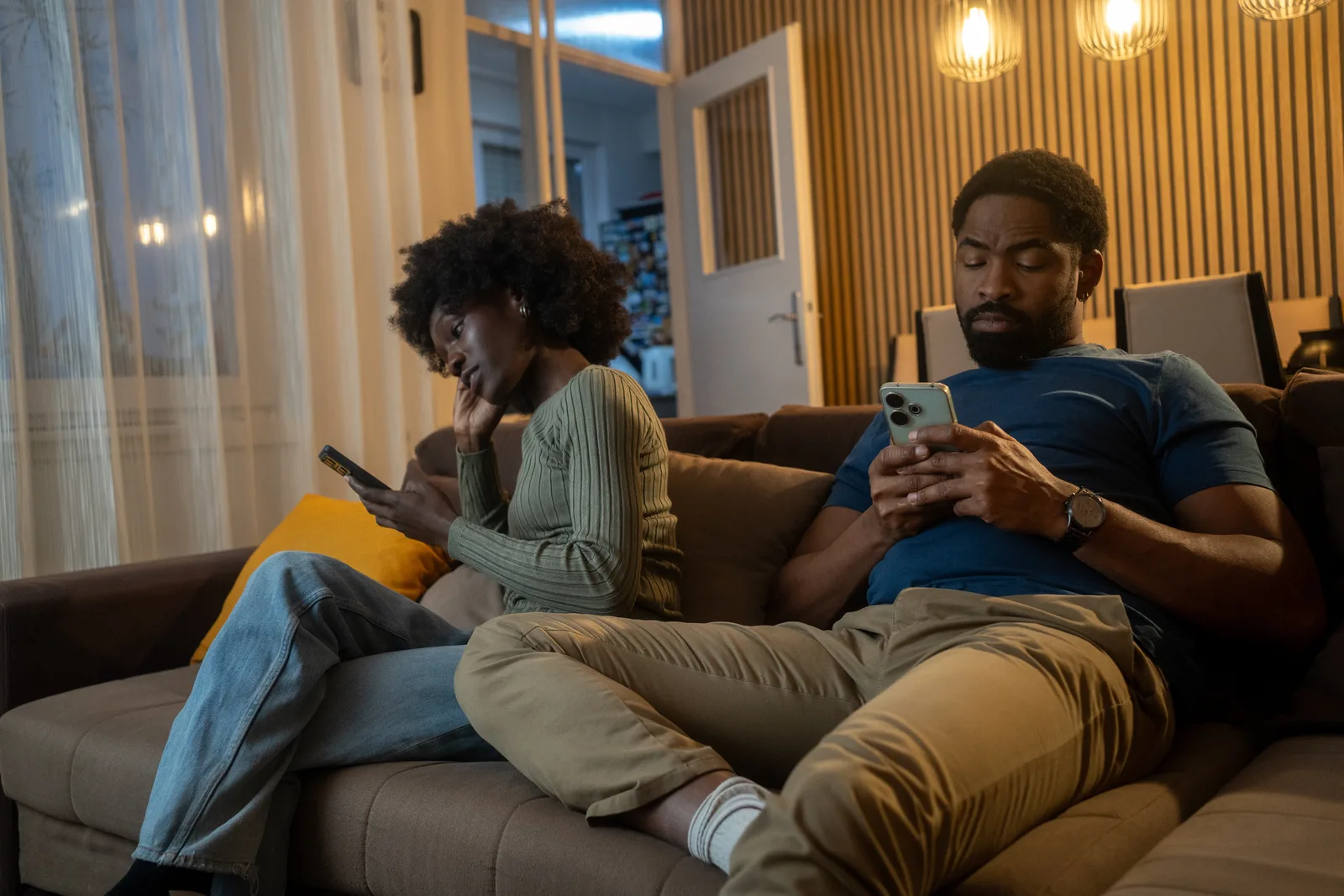
Feeling unheard in your relationship can be frustrating, isolating, and exhausting. You might try to talk about your needs, only to be met with defensiveness, distraction, or silence. This is one of the most common challenges couples face—and it’s one you can change.
I once received a call from a woman who wanted to start couples therapy with her husband of 10 years. When they tried to talk, the conversation often became heated, ending in arguments. She hoped therapy could help them improve their communication skills.
In my practice, about eight out of ten couples seek therapy for communication concerns. Most relationship experts — and countless self-help books — emphasize that the key to a better relationship is good communication. But here’s the truth: communication isn’t just about talking. It’s equally about listening.
Why Good Communication Requires Good Listening
Healthy communication builds trust and intimacy. When we talk and share our feelings, we feel closer to others and are more likely to have our needs met.
But without the capacity to truly listen, even the most heartfelt words can be lost. Talking without listening is like sending a letter with no address — it never reaches the person it was meant for.
As human beings, we have a deep need to be heard. This begins in infancy, when caregivers respond to our cries. The important part isn’t just what they say or do in response — it’s that we feel heard, period.
When partners dismiss, deflect, or respond defensively, they can leave the other feeling rejected or even abandoned. Over time, this erodes trust and connection. Anyone can talk, but not everyone can listen.
Signs You’re Not Being Heard by Your Partner
When you communicate with your partner, notice if any of these signs appear:
- They flip the topic so you become the problem.
- They tell you you’re being “ridiculous” or “overreacting.”
- Their focus is on proving why they feel the same way.
- They walk out or leave the room.
- It seems like they’ve heard you, but the same issue keeps coming back.
If you recognize these patterns, it’s worth exploring why they happen. Often, listening problems stem from deeper emotional or relational dynamics.
Why Some People Struggle to Listen
Poor listening skills can come from deeper issues — not just unwillingness to hear. Common reasons include:
- Emotional overwhelm – Some people feel swamped by their own emotions or by the emotions of others.
- Poor timing – Trying to talk when your partner is distracted, tired, or stressed can block listening.
- Unresolved resentment – Lingering hurt feelings can create mental barriers to hearing your partner.
- Mental health challenges – Conditions such as anxiety, stress, or attention-deficit issues can make listening more difficult.
Understanding why your partner struggles to listen — and practicing compassion — can help you address the problem more effectively.
How to Improve Listening Skills in Your Relationship
On a practical level, Imago therapy offers a helpful technique for couples called “mirroring.” This involves one partner speaking while the other repeats back exactly what they heard, without judgment or defensiveness.
Here’s how to try it in a calm, safe moment:
- Ask first – “Is now a good time to talk?” If not, set a time that works for both of you.
- Speak concisely – Stay on topic and share the most important points.
- Pause and reflect – Ask your partner to repeat back what they heard.
- Switch roles – Once you feel heard, let your partner share while you listen.
If your partner becomes defensive or is unable to do this, it may be time to find a therapist who can guide you through the process.
When to Seek Professional Support
If you’ve tried multiple strategies but still feel unheard, professional help can make a big difference. A couple’s therapist can:
- Identify underlying patterns blocking communication
- Teach tools for better listening and empathy
- Provide a safe space for honest dialogue
Questions to Ask a Couples Therapist
- How do you help couples improve their listening skills?
- What therapeutic approaches do you use for communication issues?
- How will we know we’re making progress?
The GoodTherapy Commitment
For over 17 years, GoodTherapy has connected people with ethical, qualified therapists who respect client autonomy and dignity. Our directory includes professionals specializing in communication and relationship concerns — helping couples feel heard, valued, and connected.
Remember: Listening is a skill that can be strengthened with awareness, patience, and support. You and your partner can learn to hear and be heard — and doing so can transform the quality of your connection. Communication challenges are common, but you don’t have to face them alone. A skilled couples therapist can help you and your partner develop listening habits that build trust, empathy, and connection.
Find a qualified therapist near you and take the next step toward better communication today.