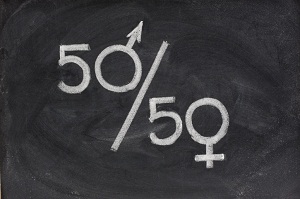
 The state of Washington has been working for several years to change the language in its laws to gender-neutral terms. If legislation passes as expected, no longer will there be penmanship, freshmen, and watchmen. Instead, Washington will have handwriting, first-year students, and security guards.
Several other states have followed suit, with about half making moves toward gender-neutral language. Such language is often lampooned as politically correct and excessively burdensome, but research shows that language affects perceptions. Perceptions, in turn, affect behavior, and using gender-neutral language can be a meaningful move toward gender equality.
The Pervasiveness of Gendered Language
Gendered language is so common that it’s difficult for some people to even notice it. From job postings to laws, words such as policeman, councilman, mankind, and fireman abound. This omnipresence of gendered language may be part of the problem. When people stop noticing gendered language, it’s easier to think of male as the default. People who do a double-take when they see words such as policewoman or police officer may be doing so because there’s an incongruence between what their expectation of a police officer is—a male—and the possibility of a woman filling the role. The more frequently gendered language occurs, the more likely it is that people develop male as the prototype for a particular role.
This can affect a wide range of behaviors and lead to subtle biases. A company that posts a job seeking an ombudsman, for example, may envision a male in the role because of the use of gendered language. This can give women a slight disadvantage when they seek out the job because women applicants don’t completely match the hiring manager’s vision for a future employee. The person in charge of hiring may never even be aware of this subtle bias, but this doesn’t mean it’s not there.
Effects on Women
From the time they’re children, women experience an onslaught of gendered language, and this can subtly alter their perceptions of themselves. Even women report that their prototype of police officers and firefighters is male, and this may be due in part to gendered language.
Gender conditioning can affect the choices men and women make, and when women grow up learning that they’re not the ideal image of a particular role, their options are limited.
Male as Default
The use of terms such as mankind is particularly problematic because it treats men as the default. When “man†is used to refer to “all of us,†women are completely excluded, even if the term is intended to be gender-neutral. Thus, men are established as the norm against which everything is judged, and women are treated as deviant from this norm.
Real-life examples of this can be found in the long-time medical practice of using only male research subjects—a practice that has changed over the past few years.
Setting an Example
While gender-neutral language can seem frustrating and cumbersome at first, this is primarily because it’s new, not because there’s anything particularly onerous about its use. When states establish gender-neutral language, they help this language become part of the common lexicon and set an example demonstrating that gender-neutral language is just as easy to use as gendered language.
References:
- Carmon, I. (n.d.). The effects of gendered language in job ads. Jezebel. Retrieved from http://jezebel.com/5803238/the-effects-of-gendered-language-in-job-ads
- Lacorte, R. (2013, February 3). State moves toward gender-neutral language. The Seattle Times. Retrieved from http://seattletimes.com/html/localnews/2020282616_genderneutralxml.html
- Leaper, C., & Bigler, R. S. (2004). Gendered Language and Sexist Thought. Monographs of the Society for Research in Child Development, 69(1), 128-142. doi: 10.1111/j.0037-976X.2004.00283.x
Sexism is overtly exhibited in nearly every aspect of modern society. Women and adolescent girls, in particular, are especially likely to experience the deleterious effects of sexism. Whether it is a model in a magazine, an actress on television, or a mannequin in a store window, images of how women should look, dress, act, and even react are everywhere. Adhering to society’s unrealistic and often varied models of the ideal woman makes it difficult for women to find and accept their own identities and bodies. In fact, the sexist beliefs associated with women, both negative and positive, have been linked to numerous physical and mental health issues for women, including depression, anxiety, binging, purging, and anorexia. Young women are also heavily influenced by the opinions and judgments of those closest to them, including their family members, friends, and coworkers. Understanding how the beliefs of others and internalization of those beliefs affects a woman’s body image is necessary in order to help women overcome any challenges related to self-worth, self-esteem, and positive self-image.
[fat_widget_right]
Debra L. Oswald of the Department of Psychology at Marquette University in Wisconsin wanted to explore the negative and positive (hostile and benevolent) sexist attitudes toward young women and how these attitudes affected their beliefs about their own body images. In one study, Oswald assessed how a father’s benevolent sexist beliefs, those that positively affirmed the traditional female role and appearance, shaped daughters’ self-image. In a second study, Oswald looked at how subtle and overt hostile sexism affected self-image. She found that overall, hostile sexism from peers, friends, and family members led to negative body esteem. However, hostile sexism from parents did not. Oswald also discovered that a father’s benevolent sexism was directly linked to positive body esteem in daughters. This finding is concerning because it suggests that although young women may feel good about themselves when they conform to traditional female roles, when they step out of those roles, they may be met with hostile sexism which could decrease their sense of self-esteem and negatively affect body image. The results of this study also imply that sexism contributes greatly to a woman’s physical and mental self-image. “We hope this research highlights the complexity of these cultural beliefs and encourages researchers and clinicians to take this wider cultural context into consideration when examining and treating women’s body esteem issues,†said Oswald.
Reference:
- Oswald, Debra L., Stephen L. Franzoi, and Katherine A. Frost. Experiencing sexism and young women’s body esteem. Journal of Social & Clinical Psychology 31.10 (2012): 1112-137. Print.
The way in which a person reacts to stress can reveal a lot about their psychological state. Some theories exist that suggest that people with borderline personality (BPD) have an impaired reaction to stress, resulting in hyperactivity to stress and longer time to recover from stressful events. To test this theory, Lori N. Scott of the Department of Psychology at Pennsylvania State University led a study comparing stress reactivity in a group of female participants with BPD, traits similar to BPD (TM), and non-BPD traits (NTM). She measured the cortisol levels and the negative or positive affect of the women before and after they were exposed to stressors.
Scott found that the BPD women reacted less severely to stressors than the TM and NTM women. Although this finding was in contrast to some existing research, Scott believes there is a valid explanation for it. The BPD women had higher levels of stress, based on cortisol levels, and higher negative affect at baseline than the other women. Therefore, because their stress levels were elevated prior to being exposed to a stressor, their reaction to stress is less extreme than those with low baseline stress. Also, negative affect can dampen any reaction and weaken hyperactive stress responses.
When Scott looked at recovery time, she found that all the groups had similar rates of recovery from stress. Even though the BPD women experienced stress increases that were smaller in scale compared to the reactions of the other women, the time it took them to return to their elevated baseline stress levels was equal to that of the other women, whose stress increases were much steeper. “Our results provide some support for the high emotional intensity aspect, but not hyperreactivity and impaired recovery aspects, of current clinical theories of affective dysregulation in BPD,†said Scott. However, this study did not account for medication or comorbid conditions such as PTSD and substance use, all of which could influence stress reactivity in women with and without BPD. Future work may consider these issues when exploring the full range of reactions in women with BPD.
Reference:
Scott, L. N., Levy, K. N., and Granger, D. A. (2012). Biobehavioral reactivity to social evaluative stress in women with borderline personality disorder. Personality Disorders: Theory, Research, and Treatment. Advance online publication. doi: 10.1037/a0030117
Women have many roles. They are sisters, friends, daughters, mothers, and wives. And most women are employed in some capacity, with or without pay. Whether they work at home—raising children and running the house—or they enter the workforce as an employee, most women work. For young women, the transition from student to worker can be challenging. Equally difficult can be the reentry into the workforce for women who return to a job after having stayed home to raise children. How a woman approaches these transitions can affect not only her success in this pursuit, but also her self-esteem and well-being.
David Weiss of the Department of Psychology at the University of Zurich in Switzerland looked at two specific factors in women’s work-related aspirations. First, he looked at how openness influenced the experience. Second, he gauged how women’s gender ideology affected outcome. Weiss conducted a study that followed 61 young women as they left high school and began careers. He then looked at more than 800 women’s transitions from school or parenthood to work. Weiss found that the women who were lower in openness embraced traditional female gender roles, while those with more openness embraced nontraditional gender roles.
Those women who were more open demonstrated high levels of self-efficacy and well-being. Women who were less open fared poorly when they tried to step out into nontraditional female roles. “Taken together, the present research suggests that endorsing an ideology that provides strong behavioral guidelines can help women low in openness to master the challenges of a developmental transition,†Weiss said. He added that for women who approach career choices with an open mind, working within the confines of traditional gender expectations can have negative effects on self-esteem, well-being, and overall work-related success.
Reference:
Weiss, David, Alexandra M. Freund, and Bettina S. Wiese. Mastering developmental transitions in young and middle adulthood: The interplay of openness to experience and traditional gender ideology on women’s self-efficacy and subjective well-being. Developmental Psychology 48.6 (2012): 1774-784. Print.
Integrating live animals into the therapeutic process has been gaining recognition as a viable and effective approach in a clinical setting. Equine-assisted therapy is a widely popular form of therapy that has shown remarkable results with clients who do not respond well to other types of treatment. Similarly, children who are resistant to traditional therapies have demonstrated improvement in animal-assisted therapies. For individuals who experience disassociation, animals represent an unconditional source of love and acceptance. For people who may have experienced early life trauma, especially trauma or abuse that undermined attachment relationships, animals can replace missing secure attachment bonds.
Although animals as therapy adjuncts, even pets, can help reduce anxiety, depression, loneliness, and isolation, owning or working with an animal may not be a viable option for everyone in need. Therefore, stuffed animals, which represent a source of comfort in times of stress for young people, may serve as a suitable replacement. Rose M. Barlow of the Department of Psychology at Boise State University in Idaho wanted to see if stuffed animals would serve clients equally as well as live animals. In a recent study, Barlow surveyed a sample of high and low dissociative female college students and those with dissociative identity disorder (DID) about attachment to live and stuffed animals. She found that the DID women had significantly stronger attachments to both live and stuffed animals than any of the other women. She also found that those with high dissociation and those with DID reported higher levels of attachment to stuffed animals than live animals when compared to the low dissociative group.
The findings of this study have several important clinical implications. Even though comorbid issues such as depression, anxiety, and bipolar were not considered in this research, the evidence suggests that stuffed animals may be particularly helpful to those with high levels of dissociation. Because symptoms of dissociation, even disorganized attachment, can begin in childhood and result from emotionally unavailable parents, divorce, or abuse, integrating stuffed animals into therapy for young children can provide a sense of security and help to rebuild impaired attachment bonds. “Animals, live or stuffed, can aid therapy for both children and adults by providing a way to experience and express emotions, a feeling of unconditional support, and grounding,†Barlow said.
Reference:
Barlow, Rose M., Lisa DeMarni Cromer, Hannah Prairie Caron, and Jennifer J. Freyd. Comparison of normative and diagnosed dissociation on attachment to companion animals and stuffed animals. Psychological Trauma: Theory, Research, Practice & Policy 4.5 (2012): 501-06. Print.
One of the most common methods for assessing the behavioral and emotional state of a child is a parental report. This type of evaluation usually comprises a parent’s observation and evaluation of the child’s feelings, mood states, and behaviors over a period of time. But just how accurately do parents gauge the emotional temperature of their children? That was the question at the center of a recent study conducted by C. Emily Durbin of the Department of Psychology at Michigan State University. Because parental reports can vary quite dramatically from reports obtained by other observers, such as teachers, counselors, and classmates, Durbin wanted to determine what factors, if any, skewed parents’ perceptions.
Durbin chose to focus on the effects of maternal depression on parental reports. She based her decision on the fact that other conditions, such as alcoholism, parental anxiety, and family distress, have been shown to influence maternal reports. Durbin extended the existing research and compared mothers’ reports with those of unbiased observers on a sample of 190 children ranging from 3 to 6 years old. Participants were instructed to rate levels of sadness, fear, happiness, surprise, and anger in the children after they completed 10 emotion-inducing tasks. Durbin found that the mothers with a history of depression or anxiety tended to rate their children as less happy than mothers with no such history. Additionally, these same mothers viewed their children as overly fearful, and rated girls as sadder than boys. This could be a result of maternal sensitivity to emotions such as fear and sadness. However, the outcome showed a significant disparity between observers’ ratings and those of the mothers with a psychological history. “These mothers may have greater difficulty setting aside their perceptions of the child’s typical emotional adjustment to focus solely on rating the behavior the child is currently exhibiting,†Durbin said. Although the sample size was limited to young children and did not contain a large number of mothers currently exhibiting depressive symptoms, the results warrant further investigation. Durbin believes it is essential to expand this research to include older children, comparison to other assessment tools, and evaluation of other aspects of childhood development.
Reference:
Durbin, C. Emily, and Sylvia Wilson. Convergent validity of and bias in maternal reports of child emotion. Psychological Assessment 24.3 (2012): 647-60. Print.
Children who have been victims of maltreatment can develop emotion regulation problems that affect many areas of their lives. Some survivors of abuse can experience symptoms of posttraumatic stress, anxiety, and depression throughout life. Coping and relational skills learned in childhood form the foundation from which future behaviors evolve. It has been hypothesized that women who survived maltreatment, in the form of physical or sexual abuse or neglect, will have sexual challenges in adult relationships. To test this theory, Alessandra H. Rellini of the Department of Psychology at the University of Vermont conducted a study involving 192 women ranging in age from 18 to 25.
The study focused on how emotional regulation, childhood maltreatment, sexual expression, sexual satisfaction, and relationship intimacy were associated in the context of committed adult relationships. The women in the study completed online surveys describing the type of abuse they experienced and their level of intimacy, affectionate expression, and sexual satisfaction in their current relationships. Rellini found that the more severe the childhood abuse was that the women experienced, the more unsatisfied they were in their adult relationships. This was true with respect to general and sexual relationship satisfaction. The severity of abuse also directly predicted the severity of emotional regulation impairment, which could be indirectly influential of satisfaction.
[fat_widget_right]
In contrast to Rellini’s predictions, however, the findings did not demonstrate any association between emotional regulation impairment and intimacy or emotional expression. This was rather surprising, as previous research has suggested that abuse survivors tend to have challenges sustaining emotionally healthy sexual relationships. One factor that may have contributed to these results is the broad categorization of abuse used in this study. Specifically, this study did not examine sexual abuse separately from emotional or physical abuse to determine each type of abuse’s independent effect on emotional regulation. Despite this limitation, Rellini believes her findings provide evidence of unique correlations between childhood maltreatment and adult relationships for women, but more work needs to be done. “Research is now needed to explore the stability of such ï¬ndings over time in order to determine the time course and sequencing of change between the studied variables,†she said.
Reference:
Rellini, Alessandra H., Anka A. Vujanovic, Myani Gilbert, and Michael J. Svolensky. Childhood maltreatment and difficulties in emotion regulation: Associations with sexual and relationship satisfaction among young adult women. Journal of Sex Research 49.5 (2012): 434-42. Print.
 A biography of Marilyn Monroe by Lois Banner, professor of history and gender studies at the USC Dornsife College of Letters, Arts, and Sciences, reveals a complicated woman determined to be the best at everything. Published around the fiftieth anniversary of Marilyn Monroe’s death (August 5, 1962), Marilyn: The Passion and Paradox also reveals Marilyn Monroe’s troubled psyche and tragic childhood, including her childhood experience with sexual abuse, which led to a life-long struggle with sexual addiction. In an act that continues to strike us for its bravery—especially in a society like ours that is obsessed with objectifying women—Marilyn Monroe acknowledged and spoke publicly about her struggle with the consequences of childhood sexual abuse.
Banner builds on Monroe’s own statements to create a picture of a woman battling sex addiction and seeing herself as an object to be possessed by men and women. In one particular interview she gave to the British press, she stated “I sometimes felt I was hooked on sex. I could not stop having sex with almost every man I met.†Her persona as America’s “sex symbol†speaks loudly to America’s twisted relationship to sexuality, which takes tragic self-objectification and makes it something desirable rather than identifying it as a defense to trauma that causes suffering and requires treatment.
Aside from celebrities having affairs and sometimes excusing this behavior under the guise of “sexual addiction,†our society does not talk about the topic, and therefore we do not fully understand sexual addictions. The first thing to note is, oddly enough, sex addiction is never about sex. It is about a repetition of trauma and a craving for intimacy. Sex becomes the tool a person uses in order to find love and acceptance. Of course, the aim is never satisfied because the intimacy created through frequent sexual encounters is never really intimate or loving.
Sex addiction is a byproduct of trauma coupled with loneliness, pain, and the need to be loved and accepted. It is a substitute for these needs, a counterfeit way to meet real desires. However, it always fails to meet those needs and desires and subsequently creates a greater need for more sex in order to mask what one is truly missing. In Marilyn Monroe’s case, this craving for affection probably developed early on in life as she was moved around from foster parent to foster parent. In addition, having been sexually abused by men as a child, she would likely have equated sex with attention, and attention with love.
Studies show a high correlation between childhood abuse and sex addiction in adulthood. “Sixty percent of sexual addicts were abused by someone in their childhood†(Book, 1997, p 52). If your caretakers failed to protect you, or worse, inflicted the pain, you end up repeating what you know; you are attracted to the kinds of people who will fail to protect you or cause you harm. Having been sexually abused early on in life, a child grows up emotionally starved for love and mistakenly comes to equate love with sex. To bear the pain, one begins creating a fantasy where love means sex. And so, slowly, sex becomes a tool to satisfy any kind of need, whether that be loneliness, fear, anxiety, or shame. Worse, contemporary society constantly sexualizes us, especially young women, by teaching them how to become an object for someone else’s pleasure, not a participating subject. From the TV shows that we watch to the magazines that we read, we learn about sex as a performance and, for women in particular, we are taught that our bodies are a tool to be used in order to attract people. This further prevents survivors from seeking out treatment, as our society rewards unhealthy behavior and seldom teaches us how to view sexuality in a healthy way.
Sexual addiction has many different forms: compulsive masturbation, sex with people who are prostituted, anonymous and often unsafe sex with multiple partners, multiple affairs outside a committed relationship, habitual exhibitionism, habitual voyeurism, inappropriate sexual touching, repeated sexual abuse of children, abstaining from having sex altogether, or episodes of rape (Book, 1997). Addictions are quick fixes in order not to experience pain. Adult survivors of childhood sexual abuse often find it hard to trust another, to create real intimacy, to overcome feelings of shame and rejection, and to be present in intimate relationships. Sex, then, becomes a way to create a fantasy world, to tell oneself that you are sharing with another, that you are intimate and therefore present in the relationship. But, since sex addicts don’t necessarily enjoy sex with other people, and the need for intimacy is never fulfilled, one is then compelled to act out sexually—hence the addiction.
[fat_widget_sex_left]Most people who experience sex addiction do not understand why they are acting out sexually or why they have constant thoughts of either having sex with someone or masturbating. Sometimes they associate these thoughts with being in love, when love is far from the relationship. Each new sexual encounter brings relief and the promise of a new beginning. It also brings an unconscious desire to understand the pain of childhood sexual abuse. Yet as each encounter ends, and the need is not satisfied, the person feels more helpless, more alone, more ashamed. Slowly, a preoccupation with a new sexual encounter develops, and its promise for a new beginning gives rise to fantasies of intimacy, love, and affection. Perhaps the worst pain inflicted by childhood sexual abuse, which can be easily seen in the powerful and disruptive negative thoughts of someone who is addicted to sex, is the person’s lack of self-esteem, the idea of being damaged. Thus, rather than experiencing sex as a self-affirming, pleasurable activity, it is a source of pain, shame, and suffering.
Sexual addiction is a symptom of a bigger problem, and treating the symptom does not solve the problem. Underneath the symptom, one finds a codependent, wounded soul. As a young girl, Marilyn Monroe was treated as a sexual object and like many adult survivors, she became addicted to sex, suffering in silence. In treating sexual addiction, one needs to move beyond the symptoms and work with the survivor on issues regarding shame, self-esteem, and trauma. Yet therapy also needs to go a step further: In analyzing our culture’s view of women, sexuality, and relationships, we can begin to understand how ideology contributes to negative views of sexuality and women. Perhaps the greatest task for both the client and the therapist is to explore what it means to be a subject rather than an object in a relationship—to begin creating spaces where both women and men value each other and celebrate sexuality, not as a means to an end, but rather as a ground for pleasure.
By slowly peeling away the layers, Banner’s book reveals the complexity of a human being. Through Marilyn Monroe’s tragic story, we are reminded of the painful scars created by childhood sexual abuse that, when left untreated, continue to bleed throughout one’s life.
References
- Banner, L. (2012). Marilyn: The passion and the paradox. New York: Bloomsbury Publishing.
- Book, P. (1997). Sex & love addiction, treatment & recovery. New York: Lucerne Publishing.
 If you don’t get the right nutrients, your body won’t function to the best of its ability. Some general health conditions can be linked to nutritional deficiency, but it’s up for debate whether the same applies to specific mental health conditions. Some nutrition experts do claim that unique cases of social anxiety can actually be caused by a nutritional deficiency. In the condition several experts refer to as pyroluria, once the nutritional deficiency is taken care of, the social anxiety is relieved. Other experts are quick to dismiss the validity of this diagnosis.
Trudy Scott, a food-and-mood expert who said in an email that she has suffered from pyroluria, is a certified nutritionist, immediate past president of the National Association of Nutrition Professionals, and author of The Antianxiety Food Solution: How the Foods You Eat Can Help You Calm Your Anxious Mind, Improve Your Mood and End Cravings.
“The person experiences shyness, inner tension, and social anxiety,†Scott said in regard to symptoms of pyroluria. “Symptoms usually start in childhood and are made worse under stressful situations. The wonderful thing is that the symptoms can be completely alleviated with taking these supplements: zinc, vitamin B6, and evening primrose oil. People typically start to feel less anxious, less shy, and more social within a week. The important thing is that if you do have pyroluria, you do need to take the supplements always.â€
Generally only zinc and Vitamin B6 are recommended for pyroluria, but “gamma-linolenic acid (GLA), found in evening primrose oil and borage oil, is also beneficial for those with pyroluria because its levels are often low, and supplementing with GLA improves zinc absorption,†she added. In her book about anxiety, mood, and food, she wrote a whole chapter about pyroluria.
“I am … very passionate about the subject because I have pyroluria myself and used to suffer terribly from social phobia and shyness, anxiety, unexplained fears, waking with a sense of doom and even panic attacks,†Scott said. “I have used the amazing healing powers of foods and nutrients to completely heal. I now help women find natural solutions for anxiety and other mood disorders.â€
She has posted a questionnaire on her website for pyroluria. It includes a long list of symptoms, and if 15 or more items are checked on the list, it is likely a person has pyroluria: http://www.everywomanover29.com/blog/pyroluria-questionnaire-from-the-antianxiety-food-solution/
She said that in research studies, pyroluria is also called “the mauve factor.†“Much of what we know about pyroluria is based on the work of Humphrey Osmond, Abram Hoffer, and Carl Pfeiffer,†Scott said. “Much of the original work was done with schizophrenic patients in psychiatric hospital settings. Although pyroluria was first identified in the 1960s, the medical and mental health communities have been slow to recognize it, and many mental health practitioners and physicians remain unfamiliar with this condition.â€
She said she learned about the condition mainly from reading the following books:
The Mood Cure by Julia Ross
Depression-Free Naturally by Joan Mathews-Larson
Nutrition and Mental Illness (1988) by Carl Pfeiffer
Her own book goes into the specific details and biological/chemical/genetic aspects of pyroluria. In her book, she cites research prevalence rates from Joan Mathews-Larson, the author of Depression-Free Naturally. Pyroluria is thought to exist in “11 percent of the healthy population†and “40 percent of adults with psychiatric disorders,†according to Scott’s book. For people with alcohol addiction, pyroluria is thought to have a 40% prevalence rate. However, the prevalence rates do depend on the source. In her own experience as a nutritionist, Scott said about 80% of her clients who have moderate to severe anxiety have symptoms associated with pyroluria.
She added that stress can be a major factor for what age pyroluria develops and that it is a genetic condition that seems to affect more women than men. In addition, people who have pyroluria tend to also have gluten sensitivity, especially if they also are dealing with other issues like depression, anxiety, autism, alcoholism, bipolar disorder, and schizophrenia, according to the book. People with pyroluria may also have digestive problems, and they need to make sure to balance out an increased Vitamin B intake with a higher intake of magnesium.
In the book The Mood Cure by Julia Ross, the author includes a discussion of the prevalence, testing, and treatment of pyroluria, as well as a checklist similar to that offered by Trudy Scott. Ross states that the questionnaire was developed by Dr. Carl Pfeiffer, a clinician and researcher. He wrote the book Nutrition and Mental Illness: An Orthomolecular Approach to Balancing Body Chemistry in 1988.
Ross states in her book that pyroluria is fairly uncommon in the general public, but in certain groups of people (like those who have experienced alcohol addiction), it is more common. “I am just getting familiar with this condition, but I can see that it is an important one for certain people, affecting stress levels and mood generally and preventing full response to nutrient therapy until it is addressed,†Ross wrote in her book.
There are a plethora of articles dedicated to nutrition, diet, and mental health in general, as well as multiple research studies suggesting that certain mental health issues can be improved through natural supplements and a healthy overall diet. “Notably, essential vitamins, minerals, and omega-3 fatty acids are often deficient in the general population in America and other developed countries and are exceptionally deficient in patients suffering from mental disorders,†according to an abstract from a research study in Nutrition Journal. “Studies have shown that daily supplements of vital nutrients often effectively reduce patients’ symptoms.â€
Another abstract from a research article in the journal Alternative Therapies in Health and Medicine concludes the following: “Many patients will benefit from the use of specific dietary supplements, such as a multivitamin-mineral high in B vitamins and omega-3 fatty acid,†according to the abstract. “And no matter what the underlying cause of the mood disorder, patients should be counseled about the relationship between food and mood, for the evidence now substantiates what laypeople and medical professionals have long known intuitively: the way we eat affects the way we feel.â€
The research, authored by Tieraona Low Dog, director of the fellowship at Arizona Center for Integrative Medicine at University of Arizona, added in the research abstract that the healthiest diet for improving mental health is a “low-glycemic, modified Mediterranean diet rich in fruits, vegetables, whole grains, and seafood (if not vegetarian) and low in processed, refined foods.â€
Other experts remain unaware of the condition and are skeptical of its legitimacy. Scott Carroll, a psychiatrist with dual board certifications in adult and child and adolescent psychiatry, said in an email that he is not accustomed to pyroluria and had to look it up on Google to find out what it was.
“Once I saw that it is connected to orthomolecular psychiatry, which I have heard of, I knew it was in the pseudoscience realm,†said Carroll, who is also an assistant professor at the University of New Mexico School of Medicine. “Not surprisingly, it claims to be the cause of a number of unrelated psychiatric disorders, which is typical of pseudoscience disorders. Like so many ‘cure-alls,’ it sounds plausible, but there is no scientific basis to it, and it allows dubious practitioners to prey on desperate, suffering people.â€
He said there are certain cases where nutrition can play a part in mood and mental disorders. “Inadequate amounts of Omega 3 fatty acids, especially from fish or krill oil, have been shown to affect mood and anxiety in a broad way of which social anxiety can be a part,†Carroll said. “Also, low folate, low Vitamin D, and low B12 have all been associated with negative effects on mood and anxiety.â€
“However, in people with low folate, it is more often a case of a genetic inability to transport the folate molecule into the brain rather than a low blood level,†he added. “In those cases, which often present with chronic depression and anxiety that has never responded to antidepressants, there are folate precursors that are more lipophilic and can diffuse into the brain without use of a transport mechanism.â€
Nerina Garcia-Arcement, a licensed clinical psychologist and clinical assistant professor at the NYU School of Medicine, said in an email that she didn’t study pyroluria in school and hasn’t read about it in any research studies after graduating from her doctorate program.
“Based on current knowledge it does not appear to be a legitimate health condition,†Garcia-Arcement said. “Further research is required to further explore and understand whether social anxiety or any other mental health condition could be related to improper synthesis in the blood. Although this theory seems appealing, being able to ‘cure’ a mental disorder with vitamins or supplements … is unlikely.â€
“Causes of social anxiety that have been substantiated by research include chemical imbalances in the brain (i.e., serotonin, a neurotransmitter), inherited traits (genetic and through observing anxious family members), negative life events or experiences, and an overactive amygdala (a part of the brain that controls emotions, including fear response),†she added.
She said that good nutrition is important for overall health, but it’s not necessarily linked to mental disorders. “In my experience, the social anxiety could be traced to other causes, not nutritional deficiencies,†Garcia-Arcement said. “Having a healthy and balanced diet is overall beneficial, but it won’t cure social anxiety or a mood disorder. I am more likely to recommend my clients get enough sun exposure to improve their moods (seasonal affective disorder) than recommend diet changes.â€
Related articles:
Social Anxiety Can Be a Hidden Problem in College
Breathing Lessons
The Birth of Anxiety
 We all experience losses, big and little, throughout our lives. When enduring a big loss, people fall into patterns that may be considered masculine or feminine ways of reacting.
Men and women tend to process their losses differently, but the way they grieve is affected by many other factors besides gender, such as culture, personality, and temperament. Grief and loss are experienced in unique ways by each individual.
A generalization about gender differences in grieving would be that men tend to focus on feelings of guilt and anger. They are likely to spend more time thinking than feeling. They also tend to act independently rather than rely on others.
Women typically need more support and are expressive with their emotions, which is behavior we tend to associate with grief and loss. However, there is no cookie cutter approach to mourning. In recent years, experts like Kenneth Doka, PhD, have recategorized these types as intuitive and instrumental grief.
Intuitive grief can be associated with our generalizations of the way that women grieve, which includes the following:
- Strong, affective reactions (waves of powerful emotions)
- Expressions that mirror feelings (more like an open book)
Moving forward involves exploring and expressing feelings, progressing through the pain in order to heal.
Instrumental grief can be associated with the masculine way of grieving, which includes the following:
- More thinking than feeling (an inward, quiet process, less expression of emotions)
- Being physical, expressing grief through doing something (I could not fix my son, but
I can fix this broken fence)
So how do you help someone who doesn’t want to talk or ask for help?
- Use logical analysis—figuring out problems by breaking them down into manageable steps (to be less overwhelming)
- Gather information—on new roles (in your household, family, work, etc), supports, faith, to do lists, etc., in order to start implementing
- Use humor—It has much of the same release as crying does, and it’s still okay to laugh
- Provide diversions/distractions—list all supports and assign them to categories
- Good doers (who could take care of the pet, get the paper, etc.)
- Good listeners
- Good respite (who could take a break from the grief and will not ask you about your loss)
Instrumental grievers would benefit more from groups that focus on a how-to (like being a single parent), adventure based, informal or educational, than a traditional support group.
Like any other model for grief, there are several tools you can use with variations for each person. There are always ways to help. You can start by figuring out which support is needed and offer it. And if you need help, ask for what you need. Just know that there is never a wrong way to grieve.
Women have been stereotypically defined as being more emotional than men. In popular culture, women are depicted as being more emotionally volatile, often erupting into fits of sadness, anger, despair or jealousy much more frequently than their male counterparts. But is this portrayal scientifically accurate? Research has shown that there are differences in how men and women emotionally respond to situations. However, little research has addressed the core self-conscious emotions (SCE) of men and women and how they differ. Nicole M. Else-Quest of the Department of Psychology at the University of Maryland in Baltimore sought to debunk the myth that women have less emotional regulation than men. She recently conducted a study that compared male and female levels of embarrassment, shame, guilt, and pride in data gathered from over 300 studies.
[fat_widget_right]
Existing research has shown that women and men differ in their risks for some mental health issues such as depression, food and eating issues, anxiety, and self-worth. How men and women experience SCEs has a direct influence on their likelihood of developing these and other psychological problems. Else-Quest analyzed over 200,000 self-reports and found that for the most part, women and men had similar levels of SCEs. The results revealed slightly higher levels of guilt and shame in the women, but minimal differences in pride and embarrassment. Else-Quest also looked at age as a factor because men and women tend to exhibit the first signs of depression, anxiety, and low self-esteem at different ages. She found that although there were relatively few differences in SCEs in early childhood, women reported higher levels of SCEs, primarily shame and guilt, during adolescence.
Overall, Else-Quest discovered that women experienced the highest levels of guilt and shame when they were asked about sex, food and eating, body image, or the environment. Although the rates of SCEs in these areas were only slightly higher for women than men, these results support existing research regarding women’s emotional perceptions about sex, body image, and eating problems. Else-Quest concluded by saying that even though women had minimally elevated levels of guilt and shame, the men and women reported levels of pride and embarrassment that were virtually identical. She added, “These findings contribute to the literature demonstrating that blanket stereotypes about women’s greater emotionality are inaccurate.â€
Reference:
Else-Quest, N. M., Higgins, A., Allison, C., Morton, L. C. (2012). Gender differences in self-conscious emotional experience: A meta-analysis. Psychological Bulletin. Advance online publication. doi: 10.1037/a0027930
 Most women have experienced some symptom of premenstrual discomfort at one point or another—whether it be bloating, aches and pains, breast tenderness, fatigue, tension, headaches, or sleep, eating, and/or mood disturbances. By some estimates, up to 80% of women experience at least one symptom with some regularity. For approximately 5% of women, however, symptoms are severe enough to meet criteria for premenstrual dysphoric disorder, or PMDD.
PMDD can lead to impaired functioning and quality of life during the last week of the menstrual cycle and until about 4 days after menstruation has begun. Significant anxiety, depression, and irritability are commonly reported features of PMDD. Women with either premenstrual syndrome (PMS) or PMDD frequently seek relief in one or a combination of over-the-counter medications, a prescription, or natural remedies, but too often relief is elusive.
What Causes PMS and PMDD?
Although at present there is no definitive understanding of why some develop these syndromes and others do not, a woman’s body undergoes a number of hormonal changes throughout her cycle. It is thought that disruptions in these processes may lead to the above symptoms. Specifically, disruptions in the hormone progesterone as well as in neurotransmitters (chemicals in the brain), such as serotonin and gamma-aminobutyric acid (GABA), and the stress hormone cortisol, may be responsible for PMS or PMDD.
There has also been research examining the roles of calcium and magnesium in these conditions because both minerals vary with the menstrual cycle; however, it is not entirely clear whether imbalances in calcium and magnesium directly cause PMS/PMDD. Although there is not enough data to establish a causal relationship, being sedentary, consuming large amounts of caffeine, sugar, and alcohol, and being very stressed are among the factors associated with having PMS.
Mental, Physical, or Both?
Many women with PMDD also meet criteria for major depressive disorder or seasonal affective disorder, and some have panic or other symptoms of anxiety that are quite severe. It is important to note that although PMDD is included in the Diagnostic and Statistical Manual of Mental Disorders, it is a condition that has a physiologic basis, even though it may include psychiatric symptoms or coexist with other psychiatric disorders.
[fat_widget_left]What’s a Woman to Do?
There are a number of natural remedies that are commonly used for PMS or PMDD symptoms, including chasteberry (also known as Vitex or Monk’s Pepper), evening primrose oil, saffron, St. John’s wort, soy, B6, calcium, and magnesium. Only a few of these remedies have sufficient evidence to support their use at this time, however. These include:
- Calcium – 1,000 to 1,200 mg per day (effective for mood, water retention, food cravings, and pain)
- Vitamin B6 – 100 mg per day (preliminary evidence suggest benefit for relieving mood symptoms)
- Chasteberry – 20 mg per day (preliminary evidence suggests benefits for relieving breast tenderness, headaches, and irritability). Note that in some trials, chasteberry increased the likelihood of becoming pregnant, so make sure to use adequate birth control when taking this herb, and discontinue use if you become pregnant.
Discuss any herbal or vitamin supplements you take with your doctor to make sure these are appropriate for you and that they will not interfere with other supplements or medications you may be taking.
In addition to the above, the following lifestyle changes are recommended:
- Get regular exercise (aim for most days of the week, for at least 30 minutes per day)
- Decrease or eliminate caffeine, alcohol, and sugar
- Engage in active stress management such as meditation, guided imagery, yoga, and involvement in pleasurable activities
- Talk therapy, especially cognitive behavioral therapy, can help you identify triggers of low mood and develop strategies to cope with symptoms when they arise
It goes without saying that if you have premenstrual symptoms that make it hard to do the things you want and need to do, see your gynecologist for an accurate diagnosis. He/she can help rule out other physical or psychological syndromes that may appear similar to PMS or PMDD. If your mood symptoms are severe (e.g., you experience panic or disabling anxiety, feelings of hopelessness, or suicidal thoughts), seek professional help immediately.
For more information, consult the following:
References
- Pearlstein, T., & Steiner, M. (2008). Premenstrual dysphoric disorder: burden of illness and treatment update. Journal of Psychiatry & Neuroscience, 33(4): 291–301.
- Whelan, A. M., Jurgens, T. M., & Naylor, H. (2009). Herbs, vitamins, and minerals in the treatment of premenstrual syndrome: a systematic review. Canadian Journal of Clinical Pharmacology, 16(3), e430-e431.