 We often hear the term “narcissist,” but what does it mean? From my vantage point as a psychotherapist, I work with many individuals who are leaving and healing from relationships, especially romantic ones, with people who are narcissists. When I first heard the term narcissist as a graduate student, I had a hard time labeling someone with such a label. I pride myself on being a strengths-focused therapist, in direct opposition of any of such disempowering diagnostic nomenclature.
However, as time progressed, I found in my own therapy practice that, indeed, there exist some individuals on this planet with narcissistic challenges. My clients educated me about the aftermath of what it is to heal from narcissistic abuse. I feel I owe it to the people I work with in therapy, and others who may be in similar circumstances, to assist with educating the public about narcissistic abuse, so that people can be informed and aware of how to protect themselves in the event they encounter people with narcissistic traits.
[fat_widget_right]
The following is an attempt at a primer on such individuals. For further study, please refer to the resources listed at the end of the article, as the subject is quite vast.
Identifying Individuals with Narcissism
So just what traits does someone with narcissism have, and what does that person look like in the early stages of dating? Studies suggest that 1% of the general population (2-16% of psychiatric population) has narcissistic personality, while an even greater number exhibit typical traits of narcissism (Brown, 2013). In addition, although 75% of people with narcissism are found to be male, women can also be narcissists.
Narcissism is defined as: excessive sense of self-importance over and above the needs of others; grandiosity; arrogance; absence of ability to empathize and experience reciprocity in relationships; intense need for admiration/attention to fill very low self-esteem; impaired relationships resulting in parasitic/predatory behaviors designed to fill one’s self-esteem in the form of narcissistic supply (DSM-IV).
One could wonder, then, how someone would find such an individual, someone who embodies these characteristics, attractive. Well, studies show (Brown, 2013) that people with narcissism market themselves in attractive, deceptive packages. They may present with a swagger, intense eye contact, false bravado/charm, knock-your-socks-off seduction (often learned by neurolinguistic programming (NLP) programs or online seduction programs), swift pacing of rushing the relationship into commitment/cohabitation/marriage/business partnership, promising a future together (which is later discovered to be a lie), intense sexual chemistry, love-bombing (repetitive texting, emailing, phone calls), or romancing the target excessively (flowers, etc).
People with narcissistic traits are known for targeting intelligent, self-sufficient, empathic individuals as partners. They tend to lack core identity (Brown, 2013), and need narcissistic supply to fill their empty psyches. Narcissistic supply comes mostly in the form of adulation, adoration, and attention, but any sort of feedback allows the individual with narcissistic qualities to feel alive (including negative attention). These individuals feel a sense of challenge in targeting highly successful, attractive individuals who may already be in other relationships and/or who express a sense of vulnerability (i.e. having grief or depression, or recently getting out of a relationship).
Characteristics of the Relationship
The literature on malignant narcissism is extensive, yet many are not informed about the dangers of being involved with someone whose character or actions tend toward narcissism. I find that clients who were entangled in relationships with such individuals have more healing to do from breaks in these relationships than if they had been in relationships with healthy individuals, because often these clients are manifesting symptoms of posttraumatic stress.
Not only are they grieving the loss of the relationship, but they are also processing the unreality of a “fake relationship.†Furthermore, often psychological abuse (and sometimes physical and sexual abuse) has permeated the relationship. In order to heal, psychotherapy must focus on grief work and trauma recovery, in addition to understanding the elements of the toxic relationship, so that patterns are not repeated in the future.
Once the initial honeymoon wears off, partners of people with narcissistic traits go from feeling high on a pedestal (much like being on cocaine) to feeling devalued, discarded, and figuratively knocked off the pedestal. Their partners have successfully seduced and hooked them into relationships.
But suddenly, the individual with narcissism begins to reveal traits of lying, future-faking, and Dr. Jekyl /Mr. Hyde Personality. He or she may vanish for hours or days on end, or gaslight (confuses the reality of) a partner. This person becomes emotionally abusive and detaches from the partner, extracting narcissistic supply in the process.
The partner, then, is dropped/discarded, coming to the sudden and shocking realization that the other, the partner to has narcissistic qualities, is not capable of true intimacy/love, and really exhibits a limited capacity for emotional connectedness/bonding (Brown, 2013). The partner who has exhibited narcissistic personality traits, who was once a knight in shining armor, is now a mere fantasy, because he or she acted through mind control and brainwashing (Brown, 2013).
To Protect Yourself
So how does one avoid encountering someone with narcissism? I would suggest being particularly cautious with the pacing of dating. If you’re using a dating website, exercise extreme caution when meeting up with a dating partner for the first several dates until you feel you know the individual (i.e. meet in a public place).
If the dating partner attempts to rush the relationship, that is a red flag. An individual who respects your boundaries will work with you to slowly progress the relationship at a pace that is mutually agreed upon. Just because initially there is a highly seductive “zing†quality to the attraction does not mean that the dating partner is healthy. To protect yourself from someone who may end up behaving out of narcissism, it is best to allow the connection to unfold slowly and observe to see if actions and words are matching up.
Sexual chemistry is not the same thing as healthy bonding and attachment. A healthy person will want to get to know your personality, dreams, and interests, and slowly evolve the relationship. An individual with narcissistic tendencies may also want to know all about you, but then may fake being your soul mate by rushing you into consenting to a relationship/marriage/cohabitation/business arrangement (Hotchkiss, 2010).
If you have encountered an individual who seems to display these qualities, or are considering leaving a relationship with a similar person, it is in your best interests to get yourself out of the relationship as quickly as possible. People with narcissistic characteristics may be prone to causing harm by invading personal boundaries, lying about future possibilities in relationships, engaging in abuse, and exhibiting no empathy or remorse for emotional harm they have done.
Consult a licensed psychotherapist who is trained in narcissistic abuse recovery in addition to locating a qualified support group to help you through this time. You will recover. You will heal. But, it will take time and the assistance of qualified professionals who understand what you have endured and how to help you to reclaim your self-esteem.
Resources:
- Saferelationshipsmagazine.com: Sandra A. Brown, MA’s website and resources related to abuse recovery from unhealthy relationships
- Lisaescott.com: The Path Forward online forum and support network for survivors of narcissistic abuse
- Baggagereclaim.com: A website dedicated to individuals healing from relationships with emotionally-unavailable people (including narcissists)
- Outofthefog.com: A website with support and resources for people moving forward from abusive relationships
- Help! I am in Love with a Narcissist by Steven Carter and Julia Sokol
- Women Who Love Psychopaths: Inside the Relationships of Inevitable Harm with Psychopaths, Sociopaths and Narcissists by Sandra L. Brown
- Without Conscience: The Disturbing World of Psychopaths Among Us by Robert D. Hare
- Emotional Vampires: Dealing With People Who Drain You Dry by Albert J. Bernstein, PhD
- Emotional Blackmail: When People in Your Life use Fear, Obligation and Guilt to Manipulate You by Susan Forward
- Why is it Always About You? The Seven Deadly Sins of Narcissism by Sandy HotchKiss, LCSW
- The Wizard of Oz and Other Narcissists: Coping with the One-Way Relationship in Work, Love and Family by Eleanor Payson, MSW
- Narcissistic Lovers: How to Cope, Recover, and Move On by Cythnia Zayn and Kevin Dibble
- Splitting: Protecting Yourself While Divorcing Someone with Borderline or Narcissistic Personality Disorder by Bill Eddy, LCSW
- Stop Walking On Eggshells: Taking Your Life Back When Someone You Love Has Borderline Personality Disorder by Paul Mason, MS
- Malignant Self-Love: Narcissism Revisited by Sam Vaknin
- Freeing Yourself from the Narcissist in Your Life: At Home, At Work, With Friends by Linda Martinez-Lewi, PhD
According to the results of a recent study, not all aggression is bad. Konrad Bresin of the Psychology Department at the University of Illinois Urbana-Champaign recently conducted two separate studies examining the cathartic effect of aggression. Bresin wanted to counter the existing body of research on aggression, which suggests that for the most part, aggression is maladaptive and has only negative consequences, such as violence. Bresin based his research on the catharsis theory that implies there is a healing and anger-reducing affect that occurs through aggression. It is important that a distinction be made between aggression and violence, as the two behaviors are not mutually exclusive. Aggression, in this study, was the act of participants verbally retaliating against negative feedback. In one study, the participants were instructed to aggress toward the person who gave the feedback or a neutral individual. Measures of anger were assessed prior to and after the feedback was delivered. In the second study, Bresin wanted to see if participants who had reductions in anger in the first study would be more likely to aggress at a future time.
Overall, the results of both studies supported Bresin’s predictions and the catharsis theory. In the first study, the participants who aggressed against the source of the negative feedback had sharp decreases in anger when compared to the participants who aggressed against nonsource neutral controls. In the second study, Bresin found that these same individuals who had anger reductions were more likely to aggress in another experiment. These findings demonstrate that aggressing toward a source of frustration can have a very cathartic effect. Anger and hostility that may increase during a tense situation can be easily moderated with aggression. Although some forms of aggression are maladaptive, such as abuse, physical violence, and verbal abuse, adaptive forms of aggression appear to not only create a calming effect, but also empower participants with the tools necessary to regulate anger emotions in the future. This is especially important for people prone to violence. Because anger, aggression, and violence are quite different, being angry does not always cause someone to become violent. Bresin believes that this study shows how adaptive aggression can potentially reduce the risk of violence by decreasing feelings of anger and frustration. He added, “Future research may address the question of whether changes in anger following violence (or aggression) have similar relations to future violence.â€
Reference:
Bresin, Konrad, and Kathryn H. Gordon. (2013). Aggression as affect regulation: Extending catharsis theory to evaluate aggression and experiential anger in the laboratory and daily life. Journal of Social and Clinical Psychology 32.4 (2013): 400-23. ProQuest. Web.
 According to sociobiology, genetic preservation is at the core of human behavior. Because it is inherent in our genetic structure to ensure survival, individuals are predisposed to take measures to guarantee their genetic survival. In other words, they favor strategies and methods that will increase the likelihood of their family lineage being carried on. This is done through positive and negative methods. Positively, people have children so that their genetic tree can be extended to further generations. Negative methods of preserving genetic lineage also exist and include violence and aggression toward people who are not blood relatives. Based on these theories, it could be assumed that stepchildren are more likely to be abused by parents than biological children. In fact, some research has provided evidence of a 5-fold increase in risk of child abuse for step-children compared to biological children.
There is abundant evidence that children living in stepfamilies are more likely to experience sexual abuse. And children living with unmarried parents are also at risk for abuses including physical, sexual and emotional abuse. However, it has not been clearly established if stepchildren are injured as a result of their abuse more often than biological children. To get a better look at abuse rates among biological and stepchildren, Stewart J. D’Alessio of the Deaprtment of Criminal Justice at Florida International University recently examined data from more than 130 cities that was used as part of a larger study on abuse incident reporting. He looked at the biological status of the children, as well as the socioeconomic condition of their environment, as it has been suggested that disadvantaged communities have higher levels of stepchildren abuse.
D’Alessio found that children living in disadvantaged communities were more likely to experience abuse than those in socioeconomically advanced environments. He also found that the age of the perpetrator was influential of abuse. Younger parents were more likely to abuse children than older parents. However, there was no evidence suggesting that stepchildren were at increased risk for injury. “Contrary to expectations,†said D’Alessio, “Our results showed that the effect of a child’s genetic status on the likelihood of physical injury was in the opposite direction as predicted by sociobiology.†In fact, the stepchildren were less likely to be physically injured than the biological children. D’Alessio notes that these findings raise more questions for future research, and that that exploration should consider that many incidents of abuse are never reported. Methods to ascertain more reliable and valid abuse rates should be investigated in future work in this area.
Reference:
D’Alessio, Stewart J., PhD, and Lisa Stolzenberg. (2012). Stepchildren, community disadvantage, and physical injury in a child abuse incident: A preliminary investigation. Violence and Victims 27.6 (2012): 860-70. ProQuest. Web.
 My family moved to England from the United States when I was very young. My first memories are British ones. I remember learning to tie my school tie, and being proud of the little sword and shield crest on my tiny blazer. When I was 7, we moved back to America.
Shortly after arriving back in the United States, my older brother began his sexual advances. I have never been able to find out what had happened to him before he began to repeat the behavior, or when and where it occurred, but I am sure he was abused at a point prior to moving back to America. The behaviors he adopted and the activities he was interested in experiencing were far too advanced for a boy of 10 years old to come up with on his own. I had tried to get these answers from time to time over the years, but my mother was far too delusional or ashamed to ever give any real information.
The first interval of sexual activity occurred over the first two years in the US, and escalated quickly until we were discovered. It wasn’t until about a year ago that I learned exactly how that happened. She must have stumbled on us during a “session†in his room, but didn’t react right away. My memory of this is mostly blocked out.
What I do remember happened later in the evening. She angrily grabbed my younger brother and me and shoved us into the van and drove like crazy to a park nearby. I assume she left my older brother at home out of shame, or merely because she didn’t know what to do. My father was out of the country for work, probably somewhere in Europe. It was in the winter time, that much I remember. The heater was cranked up to the max and we were in snowsuits. I wanted to get out of the van at the park, but she refused to let us out. We three sat there for hours in silence. I got more and more scared and confused. What had she been thinking?
Eventually, I worked up the courage to ask her if I was in trouble. She looked at me with wild black eyes and started to snap, then, as suddenly as she started yell, she stopped. I can’t recall hearing any actual words. I was petrified, and I didn’t even know why. I wanted out of that van immediately. My mind raced feverishly through ways to escape and protect my younger brother without arousing her anger. I came up dry, but luckily, she grew tired of the pointless sitting and drove us home without another word.
Lasting Aftershock
Two weeks went by with no mention of that night, and then my father returned home from his trip. Normally, we loved it when he came home; we typically got small presents, and we got to hear stories of the friends we had left behind in England. This was not to be such a day. I was summoned to the living room to sit on the couch next to my older brother and wait for mother to finish talking to father in their bedroom. They came in and sat across from us. I knew immediately that doom was imminent.
We were both then subjected to an intense and specific interrogation, so laced with shame and disgust that I had to bury my 9-year-old head in the couch cushions. I wept with total abandon. I have been trying to remember the specific details of this morning, but can’t seem to get there. A lot of my childhood has dark windows of redacted information — blank spots surrounded with shame and sorrow, but silhouetted by the clear details around them. I remember it ending at some point when I eventually stopped crying and sat up to see that I was alone in the living room. I ran to my room and hid under my bedclothes. Mother came to me later to tell me I was to stay away from my older brother and that he was clearly “sick†and something would have to be done with him. I look back now on that day and cry only for him. Whatever had happened to me could not have compared to what she had done to him.
Several decades later, I have drawn the conclusion that my mother suffered from borderline personality disorder. She is yet undiagnosed. I have become an apt student of everything related to those with borderline personality, and I try to share what I have learned where it is appropriate to do so. One of the defining characteristics she would manifest regularly was the projection of shame and revulsion regarding anything remotely sexual. I have pieced together a few loose theories on why this is, but not enough to really write about. As traumatic as the sexual abuse eventually became for me, it paled in comparison to what she did to both of us as a result of the discovery.
The “All-Good Child”
This event touched off a campaign of hers to emotionally destroy my older brother. He was painted black with an indelible ink that would never wash away. He was the “all-bad child†for the rest his childhood. I was elevated to the status of the all-good child. It was never that simple, and if we could have gotten together to figure it out, maybe we could have defeated her emotional polarization of our characters. But then again, we probably never stood a chance. A side effect of my mother’s “splitting†was that my brother started sneaking back into my room at nights to continue the sexual advances. This continued for two more years before I got strong enough to resist him and smart enough to keep a buck knife under my mattress. One night I put the blade to his face and made my unwillingness to participate clear. He never bothered me again.
When I turned 15, I met my first girlfriend. She was a visitor at my church, a guest of a single mother and her daughter. One Sunday after the church service had ended, my mother walked up to my girlfriend and me, grabbed us both by the shoulders, and pushed us roughly off to the side of the sanctuary and into an office cubicle. She brought in my girlfriend’s host mother and our pastor, and called her little meeting to order. She began by telling everyone there about my sexual abuse in graphic detail. I had never told a soul what had happened to me those years past, and she just trotted it out like a juicy rumor. When she had finished humiliating me, she moved on to my girlfriend, who had apparently been molested by one of her mother’s boyfriends a few years earlier. Until this point, my girlfriend knew nothing of my abuse, and I had known nothing of hers.
My mother’s apparent goal was to get it all out into the open as to prevent our involvement that she saw ending in debauchery, depravity, and most likely shameful pregnancy. My girlfriend broke up with me over the phone a week later. I couldn’t blame her. My mother in full witch mode was a soul-chilling experience.
Fear into Obedience
I spent the rest of my time before leaving for college trying to please my mother, mostly out of fear. It would take some time away and separation from her to be able to look back and think critically about the time before I realized the truth about her. She reacted to anything remotely sexual with hysteria every time. Even things that were barely risqué resulted in meltdowns for her. A movie with a sex scene (no matter how PG), led her to fits of anger and projected shame. I would do anything in my power each time to escape her presence or distract her with whatever I could. Her shame, unchecked, always seemed to focus on her poor son, or worse, on the older brother who would be forever painted black.
I became a master at reading her moods and deflecting or distracting her scrutiny. My style of survival clashed with that of my brother. Where I chose capitulation, he opted for open rebellion. My great regret from all of this conflict was ever siding with her to spare myself. I’ve since been told that doing this to survive was nothing I should feel ashamed of, but I’ll bet my older brother suffered greatly as a result. I haven’t ever been able to talk to my brother about any of this, but I hope that one day we might try.
I suspect that when our mother passes away, there might be a window of time where we can find a common fraternal safe haven to talk candidly about our horrid upbringing. This is probably wishful thinking, as he has presented a lot of the hallmark traits of a narcissistic personality disorder. I have kept my distance from him for the last few decades. My younger brother was mostly shielded from our mother’s emotional abuse, and I see him once every few months. Since I have suspected my mother’s borderline personality, I have shared a little here and there with him, but for the most part we don’t talk about our childhood. I can’t help but feel that this is building to a conclusion of some sort. Her instability has gotten much worse in the last few years, and her alcohol abuse worsens as well. My father’s enabling has allowed her to continue on unchecked in her madness, but she has turned on him as well.
Healing from Shame
Coming to terms with my childhood has only come about since I sought out a therapist. I actually found her using Goodtherapy.org’s therapist finder application. I have been working with her for almost a year now, and have made a lot of discoveries, both good and bad. I write a blog of my own to make sense of what I was forced to be and what I am trying to become, but this particular story doesn’t want to fit in there anywhere. It’s too rough, too raw, too painful. While I have banished my mother from my life, her ghost still comes to call from time to time.
I write this now as a cleansing ritual to scrub her influence from my mind and spirit. I have reclaimed my life. Memories of pain like these ones have no place in my future except as footnotes. I hope that in sharing this story I can share the hope that comes from deep within me — the hope that we can heal ourselves from anything we’ve had to endure. The transmutation of shame into healing is the greatest magic I have ever seen, and it brought me to tears to see it for the first time in my own life. My greatest wish is to find a way to show this magic to anyone else who has ever needed it.
Individuals have different reactions to trauma. People who have experienced significant childhood trauma, including childhood sexual abuse, physical abuse, or emotional abuse may develop serious psychological problems as a result. Some people who suffer the loss of a loved one can develop symptoms of depression and children of depressed parents may have impaired ability to express their emotions, leading to externalizing or internalizing behaviors. When trauma affects daily functioning and leads to extreme anxiety, it can be seen as a predictor of posttraumatic stress (PTSD). And although it has been well established that people with PTSD have decreased emotional regulation via hyper-vigilant threat bias and limited brain region accessibility, it is less clear whether these same deficits are present in individuals without PTSD who have experienced trauma.
Karina. S. Blair of the National Institute of Mental Health and the Department of Health and Human Services in Maryland recently conducted a study to determine the difference in parietal and frontal cortex accessibility in individuals with and without PTSD. Blair performed MRIs on 14 trauma-exposed individuals without PTSD, 14 with PTSD and 19 nonclinical participants who were not exposed to trauma. She measured their brain activity while they performed attention tasks using the Stroop test and found that there were significant differences between the groups. Specifically, the individuals with PTSD had difficulty performing the task when compared to the non-PTSD and control groups. They had limited accessibility to certain regions of the brain responsible for emotion regulation. However, other regions caused overstimulation of attention, which when focused on threat could perpetuate symptoms of PTSD.
When Blair looked at the control group, she found more cortex accessibility and better performance on the Stroop. But surprisingly, the non-PTSD trauma exposed group had enhanced, not diminished levels of cortex accessibility and brain recruitment during the Stroop task. “These regions of the lateral superior and inferior frontal cortices and parietal cortex are repeatedly implicated in emotional regulation,†said Blair. Perhaps this enhanced recruitment acted as a buffer, insulating individuals exposed to trauma from developing symptoms of PTSD. Blair believes that although this finding has positive implications, more work needs to be done in this area to determine how to prevent or decrease PTSD in individuals who have experienced trauma.
Reference:
Blair, K. S., et al. (2013). Cognitive control of attention is differentially affected in trauma-exposed individuals with and without post-traumatic stress disorder. Psychological Medicine 43.1 (2013): 85-95. ProQuest. Web.
 Although jail time might seem like a distant possibility for most people, incarceration rates in the United States are steadily rising. One study published in the journal Pediatrics found that 41% of young adults have been arrested by the time they are 23. The U.S. Department of Justice (DOJ) reports that 6.6% of people serve time in prison at some point in their lives, and the statistic rises to a shocking 32% for African-American men. More than half of inmates are diagnosed with a mental health disorder.
As state mental hospitals continue to close and mental health services remain financially out of reach for many people, this number may rise. Moreover, prison itself can exacerbate preexisting mental health issues and create new mental health challenges among those who had never experienced them.
Mental Health Care Behind Bars
Jails and prisons are required to provide basic health care for inmates, but the quality of this care varies greatly. Often, prison-based mental health care focuses on stabilizing, rather than treating, inmates. A person experiencing hallucinations or psychosis might get medication to control the most severe symptoms, but people with anxiety issues, depression, posttraumatic stress, and other mental health conditions that don’t cause radical changes in behavior may go untreated. Prisoners rarely, if ever, get therapy or comprehensive treatment, so mental health issues that were previously controlled with medication and therapy may get much worse during incarceration.
Prison and Trauma
Even for the most hardened criminals, prison can be a scary place. The DOJ reports that 70,000 prisoners are sexually abused every year, and assaults, fights, and other acts of violence are common in a prison setting. But violence isn’t limited to inmates; prison guards work in a high-stress environment that can increase their likelihood of becoming violent. With little hope for reporting abuse by guards, some inmates may endure verbal abuse, threats of physical violence, and even severe attacks. Women inmates are at an increased risk of being sexually assaulted by jail and prison guards. This ongoing climate of trauma can create anxiety, depression, phobias, and PTSD in prisoners who previously had no serious mental health issues.
Lack of Support
Prisoners are, by definition, cut off from the rest of society, and their access to supportive friends and family may be limited. Many jails have instituted mail policies prohibiting letters and magazine subscriptions, and these policies can eliminate prisoners’ ability to communicate with and receive support from loved ones. Phone calls from jail can be costly, and prisoners from impoverished backgrounds may have families who can’t afford to cover the costs of collect calls, however infrequent. There’s little hope for getting any support in prison, as many prisoners are concerned more with gaining respect and avoiding fights in a relentless pursuit of safety. Support from loved ones can play a critical role in helping people overcome mental challenges, and isolation can increase a person’s risk of mental health issues such as depression and anxiety.
Getting Out
Most prisoners have ignored basic rules of society, so it can be difficult for prisoner rights issues to garner much public sympathy. But many prisoners are incarcerated for nonviolent drug crimes that are the result of substance addiction. And even inmates incarcerated for violent crimes do not typically serve life sentences. Most prisoners are ultimately released, and the mental health issues they develop in prison can increase their risk of reoffending and make it difficult to reenter society as a productive, nonthreatening citizen. Almost 70% of people who have been incarcerated are arrested again within three years, and the dire state of mental health care in prisons could play a significant role in this high rate of recidivism.
A mental health professional can help people who have come into contact with the prison system. A therapist can help prisoners reenter society or reestablish bonds with friends and family. Loved ones of incarcerated individuals can also get necessary emotional support in therapy. Therapy is a safe and confidential place for any and all people to get help.
References:
- Chaddock, G. R. (2003, August 18). US notches world’s highest incarceration rate. The Christian Science Monitor. Retrieved from http://www.csmonitor.com/2003/0818/p02s01-usju.html
- Gann, C. (2011, December 19). Study: Significant number of young Americans get arrested. ABC News. Retrieved from http://abcnews.go.com/Health/arrests-increasing-us-youth/story?id=15180222
- James, D. J., & Glaze, L. E. (2006, December 14). Mental health problems of prison and jail inmates [PDF]. Washington, D.C.: U.S. Department of Justice Bureau of Justice Statistics.
- Purdy, M. (1995, December 19). Brutality behind bars. The New York Times. Retrieved from http://www.nytimes.com/1995/12/19/nyregion/brutality-behind-bars-special-report-prison-s-violent-culture-enveloping-its.html?pagewanted=all
- Recidivism. (n.d.). Bureau of Justice Statistics (BJS). Retrieved from http://bjs.ojp.usdoj.gov/index.cfm?ty=tp
- Sakala, L. (2013, February 7). Return to sender: Postcard-only mail policies in jails. Prison Policy Initiative. Retrieved from http://www.prisonpolicy.org/postcards/report.html
- U.S.: Federal justie statistics show widespread prison rape. (2007, December 16). Human Rights Watch. Retrieved from http://www.hrw.org/news/2007/12/15/us-federal-statistics-show-widespread-prison-rape
- U.S.: Number of mentally ill in prisons quadrupled. (2006, September 6). Human Rights Watch. Retrieved from http://www.hrw.org/news/2006/09/05/us-number-mentally-ill-prisons-quadrupled
 remain relatively rare in the United States, but are a common cultural practice in many countries. As many as 55% of all marriages globally are arranged, most of them in South Asia, Africa, the Middle East, and Southeast Asia. Immigrants and children thereof are sometimes involved in marriages arranged by third parties in the United States. Although the practice remains controversial due to concerns such as freedom of choice and the oppression of women, abuse is not the norm in arranged marriages.
Many people willingly enter into arranged marriages, believing that their parents are well equipped to choose a lifelong partner for them. People in arranged marriages face many of the same issues as people who marry for love—communication, infidelity, the death of romance, fights about money, and different parenting philosophies—and sometimes seek counseling to resolve these issues. Therapists counseling clients involved in arranged marriages must be sensitive to cultural practices, and may need to take a closer look at some common issues in arranged marriages.
Cultural Awareness and Ethnocentrism
In a culture that focuses on marrying for love, it’s easy to look down on arranged marriages and to view them as products of force. But many people enter into arranged marriages of their own accord, and the low divorce rate among arranged marriages globally—between 4% and 6%—clashes greatly with the high divorce rate in the United States (around 50%). Therapists counseling couples involved in arranged marriages should suspend judgments and display respect for cultural practices, even if they disagree with them.
Premarital Counseling
Some people believe arranged marriage involves a couple meeting for the first time at their wedding, but many couples in arranged marriages know their spouses for years before getting married. However, they don’t typically live together and may not spend much time together prior to marriage. Some couples are introduced to each other by third parties but left to make the ultimate decision as to whether to pursue marriage. Premarital counseling can greatly benefit couples involved in arranged marriages and help them prepare for the stress of adapting to a shared life.
Values Within Marriage
Married couples come from all walks of life, and every couple has its unique set of values. Some couples may relish religious-based counseling, while others may struggle with establishing equality within marriage. Couples involved in arranged marriages may have a wide variety of values, and therapists should investigate the core beliefs of their clients early in the process. For some couples in arranged marriages, divorce may not be an option due to family values, beliefs about marriage, or a simple commitment to see the marriage through. Therapists should not make assumptions about marital values; for example, some couples within arranged marriages may highly value gender equality, while others might see separate roles for men and women as a fair approach that promotes marital harmony.
Abuse and Coercion
There are many happy arranged marriages, but abuse of women and coercion into marriage remain a sad legacy of some arranged marriage practices. In cultures where women are not treated as equals, women may be hesitant to report abuse, and may not even recognize abuse as a problem. Therapists should be prepared to intervene if they see signs of abuse and to educate both partners about steps they can take to end abusive behavior. Some abused partners may benefit from meeting with the therapist individually, as they may be hesitant to report abuse or other marital issues in the presence of a spouse. Consequently, therapists should consider meeting with each spouse individually from time to time.
Family Issues
In cultures that practice arranged marriages, families often play a central role in the relationship. Spouses may have conflicts with their in-laws or struggle to establish proper boundaries. Therapists should determine each spouse’s comfort level with family involvement before making recommendations. Some couples, for example, may welcome the input of parents or in-laws but need help determining how much input to accept or whether living with parents is an appropriate strategy. Others, however, may want to establish completely separate lives from their families and may need advice about how to establish boundaries and navigate conflicts.
References:
- Delp, V. (2006, November 20). Lessons from an arranged marriage. Families.com. Retrieved from http://www.families.com/blog/lessons-from-an-arranged-marriage
- Lee, J. H. (2013, January 20). Modern lessons from arranged marriages. The New York Times. Retrieved from http://www.nytimes.com/2013/01/20/fashion/weddings/parental-involvement-can-help-in-choosing-marriage-partners-experts-say.html?pagewanted=all
- Pre-marital counseling. (n.d.). Between Us Relationship Helpline RSS. Retrieved from http://betweenus.bharatmatrimony.com/?p=263
Thank you for writing in. This sounds like a very complicated situation fraught with the potential for significant consequences for many people, some of whom you love dearly. I’m curious why your mother chose to share this tragic portion of your family history with you now, after all these years. Is she proposing to do something about it? Is she trying to unburden herself after carrying this disturbing knowledge alone for so many years? Does she have reason to believe that your cousin is abusing his children and/or members of the football team? Is there some other motivation for the disclosure? If you haven’t already done so, it might useful to talk to your mom about why she shared this with you at this time. It is possible that her answers might help you decide what you will do with this information. For example, if your mother thinks that someone is presently in danger, then there would be ample reason to take this information to the police immediately.
If you do decide to go to the police and open an investigation, they would probably want to speak to your family, especially your sister and brother who were victimized by your cousin. If this is the course of action you choose, it would be best for your siblings to hear this from you and your mother, and possibly also a therapist in a safe, therapeutic setting. It would be unfortunate for your siblings to first learn about this from police investigators.
I would also suggest that you schedule a consultation with a therapist who has a strong specialization in work with childhood sexual abuse. Someone with an extensive background in this area would be very well equipped to meet with you and your mother, listen to the history you present, ask additional questions, and ultimately make some recommendations for developing an action plan that will serve everyone as best as possible. Consulting with a therapist in this capacity might also prove to be quite therapeutic for you. In reading your question, I can almost feel the anxiety you are likely experiencing. You might find it quite helpful to have the support of a therapist during this time.
Sincerely,
Sarah
School is often the only safe place for young children who live with domestic violence. Witnessing or being exposed to physical abuse can have a significant impact on the well-being of a child. Whether it is sexual, verbal, or physical abuse, when a child witnesses this type of abuse between their parents or caregivers, the effects can be far-reaching. Many children who are exposed to violence are fearful and anxious. They may also have difficulty forming relationships in school or performing academically. A teacher can be the first person to recognize these signs in a student. Although teachers, educators, and educational psychologists (EPs) receive extensive training to arm them with the tools necessary to address these issues in their students, it is unclear how this type of disclosure affects these professionals.
Gemma Ellis of the Luton Burough Council at Unity House in the UK recently led a study to gain the educators’ perspectives on domestic violence revelations from their students. Ellis wanted to find out if the professionals felt capable of identifying a child experiencing domestic abuse, and if they were comfortable receiving that information and responding to it. She also wanted to know how they felt about training, what fears they had, and what changes they would make to the current procedures in place.
Ellis interviewed a group of elementary school educators and found that one important need was that of more time for the teacher to emotionally process what the child revealed. Many teachers explained that they were overwhelmed and struggled with having to send the children back to a potentially abusive home. Ellis believes this finding is in line with secondary trauma theories, which suggest that confidants of abuse victims may themselves experience trauma. The teachers and EPs in this study benefited from the procedures in their schools. In an uncontrollable and emotionally taxing situation, having a protocol to follow helped them contain their own emotions so that they could best serve their students.
They did, however, have fears related to family retaliation. In particular, the teachers relied heavily on parent participation for the success of the child. They worried that accusations against the family would decrease participation. They also feared that the abusers would turn their abuse toward the teachers. Ellis believes these findings provide insight into the concerns teachers and EPs have with regard to supporting abuse victims and that this study will serve as a preliminary step in future discussions. “It is hoped and expected that through the dissemination process the topic of domestic abuse will be elevated in both teachers’ and EPs’ consciousness,†Ellis said.
Reference:
Ellis, Gemma. The impact on reachers of supporting children exposed to domestic abuse. Education & Child Psychology 29.4 (2012): 109-20. Print.
Integrating live animals into the therapeutic process has been gaining recognition as a viable and effective approach in a clinical setting. Equine-assisted therapy is a widely popular form of therapy that has shown remarkable results with clients who do not respond well to other types of treatment. Similarly, children who are resistant to traditional therapies have demonstrated improvement in animal-assisted therapies. For individuals who experience disassociation, animals represent an unconditional source of love and acceptance. For people who may have experienced early life trauma, especially trauma or abuse that undermined attachment relationships, animals can replace missing secure attachment bonds.
Although animals as therapy adjuncts, even pets, can help reduce anxiety, depression, loneliness, and isolation, owning or working with an animal may not be a viable option for everyone in need. Therefore, stuffed animals, which represent a source of comfort in times of stress for young people, may serve as a suitable replacement. Rose M. Barlow of the Department of Psychology at Boise State University in Idaho wanted to see if stuffed animals would serve clients equally as well as live animals. In a recent study, Barlow surveyed a sample of high and low dissociative female college students and those with dissociative identity disorder (DID) about attachment to live and stuffed animals. She found that the DID women had significantly stronger attachments to both live and stuffed animals than any of the other women. She also found that those with high dissociation and those with DID reported higher levels of attachment to stuffed animals than live animals when compared to the low dissociative group.
The findings of this study have several important clinical implications. Even though comorbid issues such as depression, anxiety, and bipolar were not considered in this research, the evidence suggests that stuffed animals may be particularly helpful to those with high levels of dissociation. Because symptoms of dissociation, even disorganized attachment, can begin in childhood and result from emotionally unavailable parents, divorce, or abuse, integrating stuffed animals into therapy for young children can provide a sense of security and help to rebuild impaired attachment bonds. “Animals, live or stuffed, can aid therapy for both children and adults by providing a way to experience and express emotions, a feeling of unconditional support, and grounding,†Barlow said.
Reference:
Barlow, Rose M., Lisa DeMarni Cromer, Hannah Prairie Caron, and Jennifer J. Freyd. Comparison of normative and diagnosed dissociation on attachment to companion animals and stuffed animals. Psychological Trauma: Theory, Research, Practice & Policy 4.5 (2012): 501-06. Print.
One of the reasons many children do not tell anyone about being sexually abused is because they fear that their loved ones will not believe them. Often, their abuser is a friend or family member, and although children may know that what occurred is wrong, they may be confused and worried that their caregivers will think they have misconstrued the behavior. Children who feel neglected or maltreated by caregivers may feel reluctant to disclose abuse, and many abusers threaten children, creating more reasons for nondisclosure. However, when children do reveal abuse, getting them to explain the abuse in a way sufficient to lead to prosecution can be challenging.
Various methods of interrogation are used on child-abuse victims, including open-ended questions, yes/no questions, “What happened?†questions, and “How did that make you feel?†questions. For the most part, open-ended questions and “what†questions tend to provide the least amount of detail. Children often are unable to articulate the details of their abuse. And while “how†questions that prompt children to reveal their physical reactions and feelings allow them to detail their personal experience in great detail, this is the most rarely used form of interrogation. To explore which method would provide the most accurate recollection of abuse and elicit emotional responses that could demonstrate credibility to jurors, judges, and therapists, Thomas D. Lyon of the Department of Psychology at the University of Southern California recently examined transcripts from more than 100 child-abuse cases.
Lyon discovered that when children were asked closed-ended questions such as yes/no, their responses were narrow and they exhibited little emotion. Similarly, when they were asked “What happened?†they were hesitant to reveal details and appeared emotionally undisturbed. But when children were asked how the abuse made them feel and what their physical reactions were, the responses were extremely vivid and consistent. They demonstrated emotional responses and used words such as angry, sad, afraid, confused, “sick to my stomach,†and dirty. They manifested facial and physical reactions that allowed those interviewing them to see the damage of the abuse in ways that the children could not articulate when prompted with direct questioning. “Children can be surprisingly articulate about their reactions to sexual abuse, despite their apparent lack of affect in describing the abuse itself,†Lyon said. He hopes that these findings will motivate interviewers, prosecutors, and mental health professionals to evaluate physical and emotional reactions of abuse as a means to gather details from child sexual abuse victims.
Reference:
Lyon, Thomas D., Nicholas Scurich, Karen Choi, Sally Handmaker, and Rebecca Blank. ‘How did you feel?’: Increasing child sexual abuse witnesses’ production of evaluative information. Law and Human Behavior 36.5 (2012): 448-57. Print.
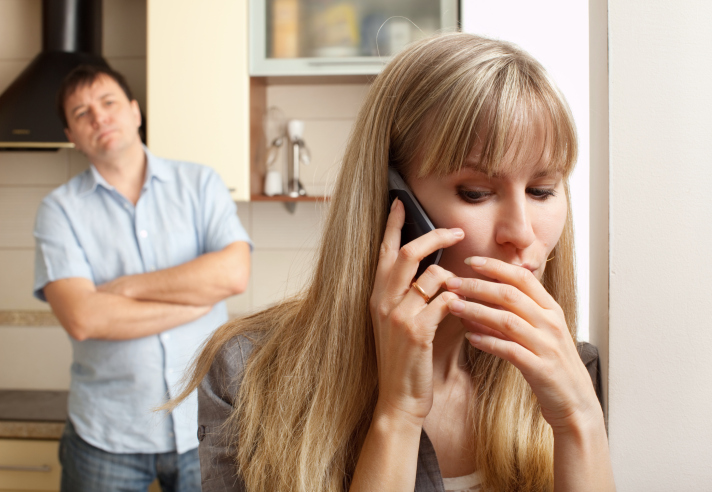 Many mental health professionals consider the three “A’sâ€â€”addiction, affairs, and abuse—sufficient reason to leave a partner. This blog addresses lower-level offenses related to the first two. While most couples can overcome low-level indiscretions in any area of the three “A’s,†when multiple indiscretions occur or the degree of severity is greater, it may be time to throw in the proverbial towel. As couples grapple with why one partner cheated or entered the depths of alcoholism or drug addiction, they need to evaluate the patterns of relating they have become used to, the interpersonal dynamics they engage in, the dances they dance, and the issues they may have brought into the relationship. One theme that consistently emerges is the degree to which couples are honest with each other. How much do they divulge? How important is it to tell the truth? Do you really need to tell your partner everything?
In Alcoholics Anonymous, we hear people say, “We are as sick as our secrets.†Family addiction therapists are fond of saying that there are no family secrets. By this, they mean that even when we believe that other family members don’t know a certain secret, that secret still has an impact on everyone in the family. If individual members don’t know the specifics of the secret, they are still impacted by it and sense or experience it unconsciously—and that can affect the whole family. I work with patients who learned in their twenties or later in life that they were adopted, that their parents were once married to an abusive spouse, or that they have a sibling they never knew, among other revelations.
I’ve also become aware of the extent to which sober and recovering clients keep things from their partners. Even in relatively healthy relationships, there appears to be a fair amount of small-scale concealment and deception, though the extent of the infractions often is debatable. Several clients I see—coincidentally or not, all men—have reported engaging in exercise cheating. What’s that, you ask? Exercise cheating, essentially, is exercising and not telling your partner, or not revealing how much or what type of exercise one engages in.
Even I have been guilty of cheating on my wife. A few years back, as I was setting up my new Philadelphia office, I decided to buy a painting by an artist that my wife and I liked. My wife studies art history, and I thought she would appreciate that I was acquiring a painting by a Temple University master’s graduate. And while $650 is no small chunk of change for this sort of thing, I thought it was a great investment for my new office. I thought I would surprise her with the purchase. Instead, she was angry. “You art cheated!†she cried as soon as she saw it. She was genuinely annoyed that I had not consulted with her on a purchase of this magnitude. Whether I was right or wrong in purchasing something of that cost for my office was not the issue. What is important is my partner’s perceived betrayal and need for dialogue, negotiation, and consultation.
Many hypothesize that cheating behavior is related to vestiges of evolutionary differences among men and women. While this theory would be a gross generalization in today’s society, it suggests that it was more adaptive in an evolutionary way for men to cheat than for women to cheat. Assuming evolution prioritizes any behavior designed to propagate one’s genes, men may benefit from spreading their genes in a quantity-focused way. Women, meanwhile, have long gestation and nursing periods which may temporarily move them to be more devoted and committed to their offspring. Thus, they benefit from finding a better quality mate. In other words, women are biologically, or at least evolutionarily, better at taking care of their young, especially in early developmental stages. Most people agree, and research appears to back this up, that most men think about sex more frequently than women do. While both men and women want to find a quality mate, men may be more inclined to seek quantity than women are.
According to this evolutionary perspective, neither men nor women want their mates to cheat because a mate who cheats may have more offspring, which in turn means that mate is less likely to care for the original partner’s offspring and more likely to leave and care for his or her new offspring. It is in a man’s evolutionarily best interest not to alert his partner to the fact he is cheating. Any behavior—sexual or not—that results in producing healthy offspring is powerfully reinforced to the extent that it aids in propagating an individual’s genes. So, infidelity and hiding that infidelity through the processes of natural selection and evolution can become more prevalent over time.
A fair question would be whether cheating sexually is related at all to other types of cheating. Just because a partner doesn’t tell a mate where he or she is going and what he or she is doing doesn’t mean that an affair is happening, and it doesn’t mean that a tendency toward nonmonogamous behavior is the cause of disingenuous behavior in the context of the couple. In fact, the point of this article is to lessen the impact of minor violations of the honesty contract. Putting small indiscretions of dishonesty in an evolutionary context may allow couples to see this behavior as resulting from the natural instincts of the animals we are. What is important, though, is that as humans we have the capacity to dialogue. This is precisely what can keep our natural tendencies in check. Speaking honestly to our partners about our needs and wants, while often challenging, is the hallmark of a healthy relationship.
Smoking gun example: A client once described an interaction he had with his wife after she busted him for smoking pot in the garage. She smelled the smoke even as he vehemently denied he had been smoking marijuana. When she found his metal pipe, still warm, he stuck to his story. “The lie just came out,†he explained later. “I was so used to it.†He eventually was able to talk about why he lied and why he has often felt the need to cover things up. It had nothing to do with infidelity, but was instead linked to his history of struggling to feel good about himself, to be able to ask for help with his emotions feelings and thoughts and to find purpose and meaning in his life. Beginning to discuss these issues with his wife and therapist helped him think more carefully about his tendency to lie and cover his tracks. He became better at advocating for himself and negotiating with his partner in a more healthy way.
Honesty is important in recovery from any mental health issue, whether it be depression, anxiety, or stress, but it is especially important in recovery from addiction and substance use because of the strong tendencies to hide, deny, and minimize one’s behaviors. Seeing an addiction psychologist or other specialist is an important first step in understanding one’s self. It is in this therapeutic relationship that a quick foundation can be set for the basis of an honest dialogue with one’s partner, friends, and family. Rebuilding relationships with those we love and who love us is essential to recovery from addiction. Understanding ourselves and the reasons we might cheat and lie can enable us to pause just long enough to ask ourselves whether we really want to go ahead with the behavior or if we might be able to rely on those close to us to help us through the difficult times. Honest communication with the people in our lives is the only way we can become and stay sober or make meaningful and lasting changes in our lives.