
I like to create a calm, accepting environment where clients feel free to express their true feelings without fear of judgment. My hope is for clients to look forward to every session.
Find a Therapist in Alexandria, VA
229 results
25 miles
Accepting new clients
More results

Hello, my name is Rachel Biesemeyer, and I am a Licensed Professional Counselor. I have experience working with children, adolescents, and adults from all walks of life. My approach to therapy is founded on building a solid therapeutic relationship and integrating coping skills that are practical and helpful with life's struggles.
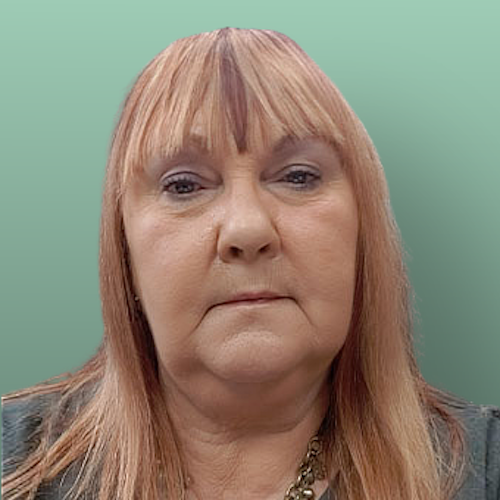
Mary Alice Fields is a Licensed Professional Counselor (LPC) with 30 years of experience counseling couples, families, and individuals. Mary Alice earned her Master of Education (MEd) from Lindsey Wilson College.

Wooni Kim is a board-certified Psychiatric-Mental Health Nurse Practitioner (PMHNP) with over 12 years of experience. She specializes in the evaluation, diagnosis, and treatment of mental health conditions, including depression, anxiety, attention-deficit hyperactivity (ADHD), obsessive-compulsive challenges (OCD), posttraumatic stress (PTSD), bipolar condition, and schizophrenia, among others. Wooni has worked in inpatient and outpatient psychiatry, hospice, and home health. She is devoted to evidence-based, holistic care through a compassionate, patient-centered approach.

Kristi Gannon is a licensed clinical social worker (LCSW) who currently offers telehealth sessions in Virginia, specializing in offering treatment to adults and seniors who are faced with the negative effects of anxiety, depression, anger, relationship issues, attention-deficit hyperactivity (ADHD), poor coping skills, gender identity issues, stress, trauma, posttraumatic stress (PTSD), women's issues, and more.

Life can sometimes feel unpredictable. Plans you've made have fallen through, people you've relied on seem to be too busy to help, and everyday tasks keep piling up. My approach to therapy is focused on helping clients create realistic goals that support the lifestyle they desire. Therapy is more than talking; it's an opportunity to process and explore, in a judgment-free space, in order to build upon strengths and identify areas ready for change. I take a collaborative approach, helping you clarify goals, understand what’s getting in the way, and develop meaningful steps toward lasting growth. My focus is to guide you through periods of transition, strengthen your coping skills, and address behaviors that may be holding you back. I have been working from a client-centered, integrative approach for over 20 years. I focus on creating a nonjudgmental and collaborative relationship with my clients that promotes healthy communication and steady progress towards wellness goals. My approach draws from my training in cognitive behavioral therapy, narrative therapy, dialectical behavior therapy, and family systems therapy. Together, we can help you gain deeper understanding of yourself and develop the skills you need to improve overall health and wellness.

Josephine Dakin-Davis is a Board Certified Psychiatric-Mental Health Nurse Practitioner (PMHNP) in the state of Virginia. With over 15 years of clinical nursing experience, Josephine has come to believe that a sound mind is the precursor to a sound body, and she has an ardent passion for mental health.

When we feel stuck in our lives, for weeks, or years, it can take a toll on us in ways we may not see. Time passes and we don't feel any further in our life. We're left feeling exhausted and alone in our pain. My name is Ryan, and I provide therapy for people who are looking to break free. Whether it's poor relationships, anxiety, depression, substance or process addictions, trauma, or a desire to deepen their connection with others, I help my clients find strength, flexibility, and compassion, returning themselves to the feeling of being whole. My job is to guide you through the things that have been holding you back in your life. I'm experienced in both modern and historical approaches; psychodynamic, attachment-based, internal family systems, addiction, and psychosynthesis. Regardless of the style of therapy, I specialize in creating safe holding for exploring emotional depth and healing.
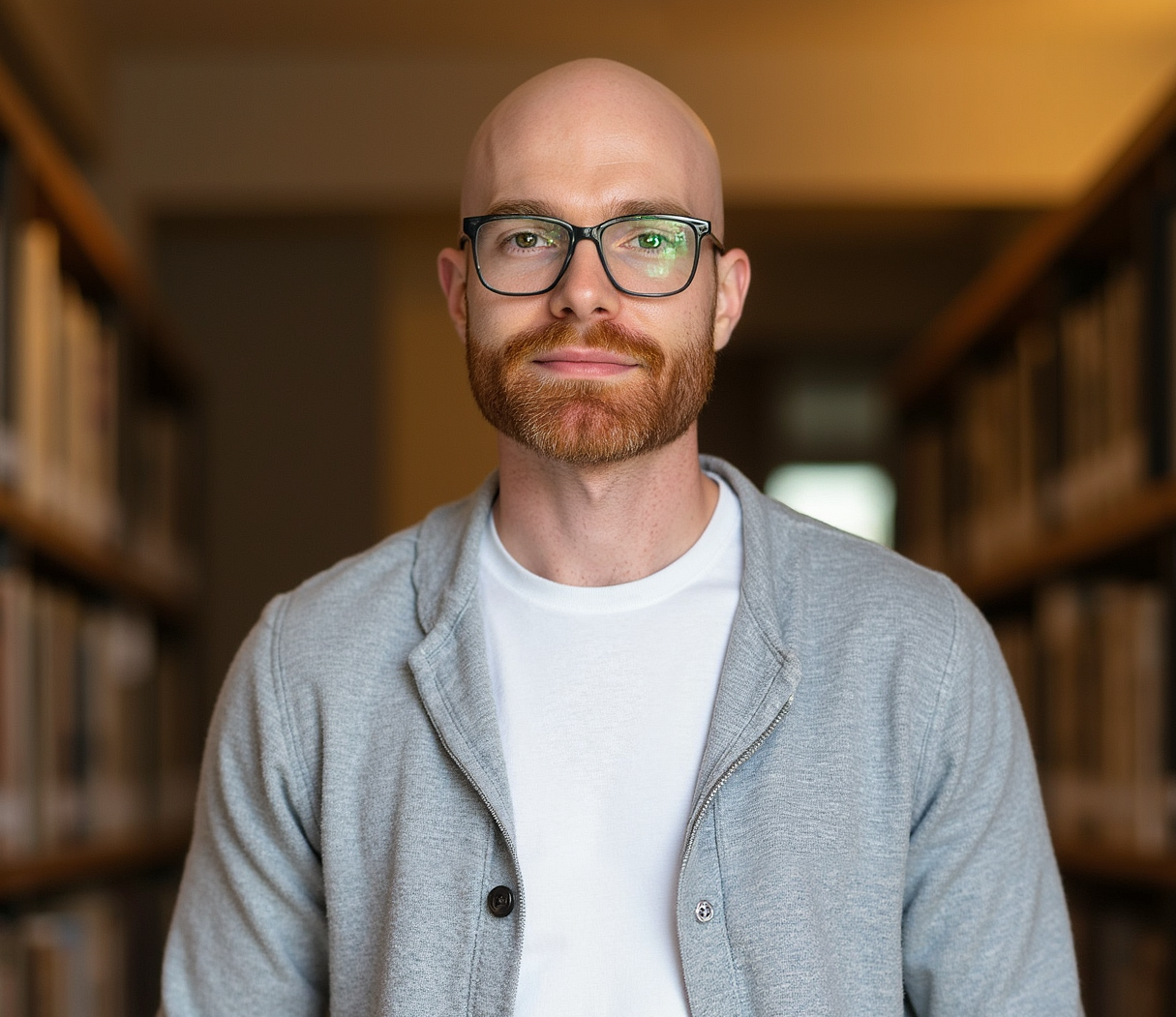
I’m a Psychologist who uses a contemporary psychoanalytic approach that looks beneath the surface to understand patterns, emotions, and the deeper story shaping your life. My style is warm, curious, and collaborative. I don’t just listen; I help you connect the dots. Together, we make meaning of your struggles, fostering lasting change, healing, and a more authentic way of living.

Adaku Anike is a Psychiatric-Mental Health Nurse Practitioner (PMHNP). She works with clients ages 14 and up who are dealing with a range of mental health challenges, including depression, anxiety, bipolar diagnosis, posttraumatic stress (PTSD), and schizophrenia. She uses evidence-based practices to create an individualized mental health care plan that meets each person’s needs and supports positive outcomes.

Hi, I’m glad you’re here. I’m an EMDR therapist who works with adults navigating anxiety, depression, life transitions, and trauma. Many of the people who come to see me are used to pushing through and handling things on their own, yet still feel stuck, overwhelmed, or disconnected inside. You may understand logically that your past is over, but your body and emotions haven’t caught up. Therapy can be a place where that finally starts to shift. EMDR (Eye Movement Desensitization and Reprocessing) helps your brain process experiences that feel “frozen” in the nervous system. Instead of just talking about what happened, we help your mind and body fully digest it so memories become less intense and less intrusive. You won’t be pushed to share everything at once, and you won’t have to relive experiences before you feel ready. We focus first on building coping skills and a sense of safety so you feel grounded and in control throughout the process. I see therapy as collaborative. I won’t sit silently and leave you guessing — I’ll guide you, check in often, and adjust the pace based on what you need. My approach is warm, steady, and practical. Along with EMDR, I help you understand patterns, manage difficult emotions, and develop tools you can use in everyday life, especially during periods of change or uncertainty. People often start therapy during transitions: relationship changes, career shifts, loss, identity development, or simply realizing the ways they’ve been coping are no longer working. You don’t have to be in crisis to begin. If something in your life feels heavy, confusing, or hard to carry alone, that is reason enough. My goal is not to “fix” you. It’s to help you feel safer in your own mind and body, reduce the impact of painful experiences, and create more space for calm, connection, and choice in your life. If you’re considering therapy, I’d be honored to work with you.
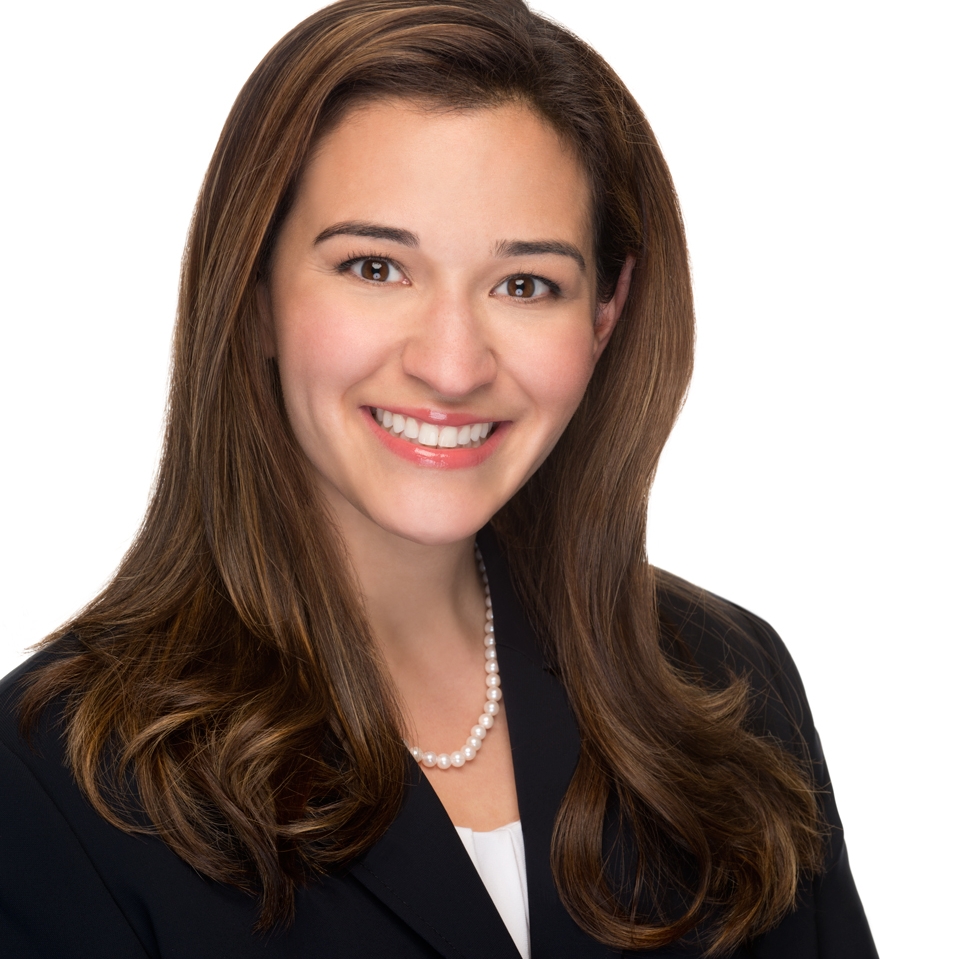
Stressed? Overwhelmed? Struggling with making life decisions? Congratulations! You've taken the first step towards seeking change. Listening to intuition and addressing what distresses you is a sign of strength. Respect, empathy, support, active listening, collaboration and confidentiality are a top priority and values that guide my practice. I welcome the opportunity to work with you to uncover your inner strengths and live your life reaching towards your fullest potential. Self-discovery and awareness occur in the context of a working therapeutic relationship; reasons why I feel the fit between therapist and patient is so important. I encourage you to follow your inner voice about what feels right when searching for a therapist. Each patient and couple is unique and therefore I use an individually tailored eclectic and flexible approach integrating techniques from various modalities depending on patients' needs. I encourage individuals and couples to be active participants in their treatment enabling them to explore previously undiscovered aspects of themselves. Within the context of the therapeutic relationship, patients can explore patterns of behavior related to beliefs, attitudes and past experiences. I would be happy to speak with you during a complimentary phone consultation. I warmly welcome your call or email.
The therapists listed are members of GoodTherapy and pay us a membership fee which helps support our services. By using this site you signify your assent and agreement to our terms of service.
Not finding the right therapist? Search for therapists in Arlington, Washington, or Annandale to expand your search.
Find a Therapist in Alexandria, VA
Living in Alexandria offers the perfect blend of historic charm and modern convenience, with its proximity to Washington D.C. creating unique opportunities and challenges. Whether you're navigating the competitive job market, managing the stress of daily commutes to the capital, or balancing family life in this diverse community, professional support can make a meaningful difference.
Alexandria residents often face distinct pressures, from high living costs to demanding careers in government and private sectors. The fast-paced lifestyle, combined with the area's transient nature due to political cycles and job changes, can contribute to feelings of anxiety, relationship strain, and difficulty maintaining work-life balance.
Since 2007, GoodTherapy has been dedicated to connecting people with ethical, compassionate therapists who understand that all individuals are capable of change and deserve dignity and respect. Our mission is to break down barriers and build bridges to accessible mental health care, helping you find the right therapeutic match for your specific needs.
Mental Health Support in Alexandria
Alexandria residents commonly seek therapy for anxiety, depression, relationship challenges, work-related stress, and trauma recovery. The city's diverse population of 156,000 includes many professionals, families, and individuals from various cultural backgrounds, each bringing unique perspectives and experiences to their mental health journey.
Local factors such as the competitive job market, high cost of living, and the transient nature of the D.C. metro area can impact mental wellness. Many residents also appreciate having access to therapists who understand the unique stressors of living near the nation's capital, including political tensions and career pressures.
Therapy Approaches Available in Alexandria
Alexandria therapists utilize evidence-based approaches tailored to meet diverse client needs. Learn about therapy approaches to better understand which might work best for you.
Cognitive Behavioral Therapy (CBT) helps identify and change negative thought patterns that contribute to anxiety and depression. This approach is particularly effective for professionals dealing with workplace stress and perfectionism common in the D.C. area.
Solution-Focused therapy emphasizes building on existing strengths and resources to create positive change quickly. This approach appeals to busy Alexandria residents seeking efficient, goal-oriented treatment.
Psychodynamic therapy explores unconscious patterns and past experiences that influence current relationships and behaviors. This deeper approach can be valuable for individuals seeking long-term personal growth and understanding.
Dialectical Behavior Therapy (DBT) teaches practical skills for managing intense emotions and improving relationships. This is especially helpful for those dealing with trauma or relationship difficulties.
Specialized Services
Alexandria therapists offer specialized support for couples counseling, family therapy, trauma recovery, and LGBTQ+ affirming care. Many practitioners also provide services in multiple languages, reflecting the city's diverse population where nearly one-third of residents speak a foreign language at home.
Finding Your Right Therapeutic Match
GoodTherapy's directory makes it easy to locate a mental health professional who meets your specific needs. You can search by specialty, insurance accepted, therapy approach, and other important factors.
What to Consider in Your Search
Consider factors like location convenience for your commute, evening or weekend availability, cultural competency, and specific areas of expertise. Many Alexandria therapists understand the unique challenges of living in this dynamic region and can provide culturally sensitive care.
Don't hesitate to seek professional support - taking this step demonstrates strength and self-awareness, not weakness.
Making Therapy Affordable
While Alexandria's median household income of $89,200 is above the national average, over 10% of residents still live below the poverty line. Many therapists offer sliding scale fees, accept various insurance plans, or provide payment plans to make therapy accessible.
Explore low-cost therapy options, including community mental health centers and training clinics. The city's Mental Health First Aid training program also provides valuable community resources.
Expanding Your Search
If you're having difficulty finding the right fit in Alexandria, consider expanding your search to nearby areas. The greater D.C. metro area offers extensive mental health resources, and many therapists provide services across multiple locations.
Taking the First Step
Starting therapy can feel overwhelming, but remember that seeking support is a sign of strength and self-care. Alexandria's mental health initiative, which focuses on treatment over punishment, reflects the community's growing understanding of mental health as a vital component of overall wellness.
Ready to begin your journey toward better mental health? Explore therapy modes including in-person, online, and group options. Find a therapist in Alexandria today and take the first step toward the support you deserve.
Related Resources
- Learn about therapy approaches
- locate a mental health professional
- seek professional support
- low-cost therapy
- Explore therapy modes
Find Therapists in Nearby Cities
Frequently Asked Questions
How do I find a therapist near me in Alexandria, VA?
Use GoodTherapy's directory to search for licensed therapists in Alexandria by specialty, insurance accepted, and location. You can filter results based on your specific needs, such as anxiety treatment, couples counseling, or trauma therapy.
What types of therapy are offered in Alexandria, VA?
Alexandria therapists offer various evidence-based approaches including Cognitive Behavioral Therapy (CBT), Solution-Focused therapy, Dialectical Behavior Therapy (DBT), Psychodynamic therapy, and Interpersonal therapy. Many also provide specialized services like EMDR, family therapy, and couples counseling.
How much does therapy cost in Alexandria, VA?
Therapy costs in Alexandria vary based on the therapist's experience, specialization, and session type. Many therapists offer sliding scale fees, accept insurance, or provide payment plans. Contact therapists directly to discuss pricing and financial options that fit your budget.
Can I find therapists who accept insurance in Alexandria, VA?
Yes, many Alexandria therapists accept various insurance plans including major providers. Use GoodTherapy's directory filters to search specifically for therapists who accept your insurance. Always verify coverage details directly with both the therapist and your insurance provider.
What mental health issues do therapists in Alexandria commonly treat?
Alexandria therapists commonly treat anxiety, depression, relationship challenges, work-related stress, trauma recovery, and family conflicts. Many also specialize in issues specific to the D.C. metro area, such as political stress, career transitions, and the challenges of living in a high-cost, fast-paced environment.