 Editor’s note: DeAnza Spaulding, MA, LMHCA is a trauma therapist who takes a holistic, client-centered approach to therapy. Her continuing education presentation for GoodTherapy.org, titled Ethics in Spirituality in Therapy, is scheduled for 9 a.m. PDT on November 14, 2014. This event is available at no additional cost to GoodTherapy.org members and is good for two CE credits. For details, or to register, please click here.
Right from the start, psychology taught us to be suspect of processes involving spirituality, and this led us to divide spirituality from psychological treatment. In fact, Freud once coined religion and spirituality as “obsessional neurosis.” In his 1927 book Future of an Illusion, Freud stated, “Religious views are illusions, fulfillments of the oldest, strongest, and most urgent wishes of mankind.”
As therapeutic professionals, we’ve been trained to think that spirituality has no place within the tradition of psychotherapy and that there is no intersection between these two arenas. For decades we’ve been telling people that when addressing concerns about their psychological health, such as depression or anxiety, they should seek guidance from psychotherapists and counselors, and for questions regarding their spiritual health and faith, they should consult their priests, pastors, clergy, and imams.
This dichotomy fails to address how psychological well-being impacts spiritual health and spirituality, psychological health. People have been led to believe that spirituality is an inappropriate means to address their psychological health, so they are less likely to bring their spiritual selves to the counseling setting. Perhaps they internalized the message: leave the spirituality to your spiritual leaders and the psychological care to your therapists.

Today’s clients, however, more frequently inquire where their spiritual identities might fit in therapy. In part this has to do with how clients see themselves—many acknowledge that their spirituality is a core component of their identities. In a 2012 Pew Research Center survey, for example, 85% of Americans stated that their spirituality is an essential part of their identities.
The diverse needs and expressions of clients require therapists to reexamine the divide. Our clients are changing and assessing their personal needs, and some may be saying, “My spiritual identity is a vital part of who I am—is there any way to incorporate that in therapy?” The “leave your spirituality at the door” perspective is no longer sufficient in assessment and treatment, yet many of us find ourselves ill equipped to address the client’s spiritual needs.
Therapists fielding questions about spirituality and therapy may find themselves asking, “How do we bridge this great divide?” This question stems from concerns about how to utilize spirituality in helpful and meaningful ways in therapy. Some therapists may question their qualifications to merge these areas, as spirituality is a broad spectrum. It isn’t uncommon to think that in order to effectively utilize spirituality, one must be experienced in the various expressions. It is certainly a daunting prospect to consider learning every religion and tradition. What’s more, some therapists link spirituality to religiosity when those are two different aspects. [fat_widget_right]
Spirituality refers to transcendence—a state where one is connected to something beyond self and imminence. The word spirit is derived from the Latin word spiritus, which means breath. Spirituality is commonly referred to as a fundamental component of a human’s sense of being and purpose—the breath that is the essence of life. Spirituality is often viewed as a connection beyond self, to nature, for example, or a Deity or higher power, as well as the ability to access that connection within self. Thus, spirituality is not about belief systems, dogma, or doctrine. This broader understanding and language allows the practitioner to explore each client’s personal meaning to spirituality.
For thousands of years people have relied on spiritual coping strategies. Spirituality aids individuals in dealing with grief, loss, transition, and change. A pilot study was conducted in 2010 on the efficacy of a multi-faith spirituality-based intervention (SBI) for generalized anxiety disorder (GAD) and found that SBI significantly reduced the baseline psychic and somatic symptoms of GAD. Similarly, a 2007 meta-analysis on the efficacy of spiritually oriented psychotherapy revealed the positive health outcomes for depression, anxiety, stress, and disordered eating. And research shows that cognitive behavioral therapy (CBT) techniques that incorporate spirituality enhance psychological outcomes for individuals in alcohol treatment (Hodge, 2011).
Therapy is a healing practice that opens pathways to hope, inspiration, and relief, and a holistic approach is a bridge to incorporating the whole person in therapy. Holistic therapies take into consideration the body-mind-spirit of the individual and honor all aspects of an individual’s identity. This approach does not require therapists have experiential knowledge in all spiritual practices. Holistic therapy allows the therapist to build on language and meaning that is derived from an individual’s experience.
References:
- Crook-Lynn, R.E., O’Grady, K.A., Smith, T.B., Jensen, D.R., Golightly, T. and Potkar, K.A. (2012). Addressing religious and spiritual diversity in graduate training and multicultural education for professional psychologists. Psychology of Religion and Spirituality, 4(3), 169-181.
- Hodge, D. R. (2011). Alcohol treatment and cognitive-behavioral therapy: Enhancing effectiveness by incorporating spirituality and religion. Social Work, 56(1), 21-31.
- Koszycki, D., Raab, K., Aldosary, F., & Bradwejn, J. (2010). A multifaith spiritually based intervention for generalized anxiety disorder: A pilot randomized trial. Journal of Clinical Psychology, 66(4), 430-441.
- Pew Research Center. (2012). Religion and the unaffiliated. Retrieved from http://www.pewforum.org/2012/10/09/nones-on-the-rise-religion/
 Grief after any death can raise a lot of questions. For a person of faith who has beliefs about the afterlife, a loved one taking their own life can raise specific questions that can be hard to deal with.
During these early stages of grief, a person can wrestle with their own sense of spirituality as well as external voices. These other voices may echo from the past and carry historical validity, or may still be present within specific faith communities. This article was prompted not only by the struggle of some with whom I have worked, but also by my perception that some in the mental health community are quick to lift up viewpoints of what is less helpful and more historic as the only Christian views on suicide that they have heard of. My hope is to provide several alternate views and encourage people to work within their spirit to find how they feel and believe.
Some stances may make it easier to move forward with the grieving process after a suicide, but if the person believes a different stance, working with a therapist who is sensitive to their spirituality may be helpful. The paragraphs that follow will intentionally focus on a Christian framework, although similar explorations could be made for those whose spirituality is rooted in other traditions.
Suicide as the Unforgivable Sin
A traditional viewpoint on suicide is that attempting and succeeding at ending your life is a gross affront to God, as you take into your own hands what is rightly God’s decision and action. From this perspective, a person who attempts suicide is making a choice to disallow God to play God’s role and to deny God basic control over their life. This denial of God is considered blasphemous, as it is a choice to place the human into the role of God. For this reason, suicide is seen as the unforgivable sin.
[fat_widget_right]The complication that this perspective brings is that if a loved one dies by suicide, you must come to terms with the idea thatthey have distanced from God for eternity. From this perspective, the comfort that there will be another time and place (heaven) where you will be reunited with your loved one is no longer a hope that can be helpful in your grieving process.
An additional struggle that you might enter into is that the only way to reunite with this person is to also distance yourself from God for eternity. This line of thinking has led some to attempt suicide to be able to be with the one who first died by suicide.
Suicide as a Mortal Sin
There are people for whom spirituality does not allow to label something as the unforgivable sin because they do not feel that scripture clearly identifies which act is unforgivable. However, suicide is seen as a serious sin that is intentionally carried out with full knowledge of both the sin and the gravity of that sin. Some people following this line will consider only those who died by suicide as having made the choice to carry out this mortal sin, while the failure of an attempt means it was not really being pursued.
Seeing suicide as a mortal sin means that you look at the person who (attempts or) dies by suicide as rejecting God’s perfect love and justice in such a way that the relationship with God is shattered and the person’s soul becomes “dead” until there is repentance and restoration. Given the timing of the sin and the ending of a person’s life, someone who believes this may have to think about whether the person had a chance to repent before they died.
Suicide as a Nonmortal Sin
The weakest way of looking at attempting or completing suicide as a sin is to believe it is a sin because it affects the relationship between the person and God. In contrast to the previous ways of seeing it as a sin, this belief allows for more of an understanding of the pain and lack of clear thinking on the part of the person who attempts suicide. This lack of clarity of thought means that the person cannot be held accountable for dealing with this as a severe, mortal, or unforgivable sin.
Within this way of looking at sin, one’s spirituality may project the sin associated with suicide as something that does not “kill” the person’s soul, and which leaves open the possibility that God will forgive the sin, even from God’s initiative. In contrast to the mortal sin concept, whether the person is forgiven for suicide is no longer dependent on whether they had the opportunity to repent before death and used it; rather, the grace of God provides an opportunity for the person to experience forgiveness and salvation.
Suicide Does Not Relate to Sin
All of the above approaches require that a person has the rational ability at least to choose to take their life. Generally, therapists understand that when suicide is seriously entertained, most people are operating out of a mental health condition rather than out of rational and conscious consideration of what is going on. Thus, if a person does die by suicide, the real fault lies in the mental health issue and not in a conscious, free choice. From this perspective, the faith community is called to embrace the one who is experiencing pain and whose capacity is limited rather than condemning that person for an act they were not fully in control of.
This way of looking at things encourages the movement toward wholeness and peace earlier in the process. It guides those who are around the person. It shows how God would have compassionate feelings toward the person rather than judgment. Of course, there are some examples that fall outside of this range—the rationally thinking person who dies by suicide as part of a murder-suicide, as part of a terrorism act, and other situations where the person is rationally choosing suicide—but these are not the norm.
Viewing suicide as a symptom of pain and torment is a pastoral way of looking at it rather than a legalistic way. If this is where your spirituality is, you can have an understanding of the problems the person was experiencing and the grace they may now be experiencing from God. It may be hard, however, to look closely and recognize what your loved one was facing. This may even involve you facing your role, if any, in the situation.
Understanding Your Spiritual Orientation to Suicide
As you think through how you relate to suicide and how you believe God relates to suicide, you will have another way of connecting with your sense of loss and grief. Your spirituality will influence your grief process. Having an understanding of your belief about these issues will help you to have a framework as you go through your grief process. This will help you to gain a sense of peace and wholeness, even in the face of tragedy.
 Disasters often have a human component, including New York’s World Trade Center on 9/11 [1], the death of a teenager following misuse of alcohol [2], mass shootings [3], and, in the day before the writing of this article, the explosions at the finish line of the Boston Marathon [4]. Elsewhere, you can read about many themes that relate to dealing with a disaster, such as being prepared [5], responding to a crisis [6], dealing with the broader impact of the disaster [7], speaking to children [8], recovering from the damage [9], and living in the world after a disaster [10].
These all provide things for therapists to be on the lookout for or even to actively explore. These explorations are appropriate in different ways, regardless of whether the person was a primary victim or near-victim of the disaster, connected to such a person, or just someone who has learned of the event through media or social circles. Exploring a person’s initial reactions to a disaster can provide insight into some dimensions of his or her spirituality.
Regardless of how easy it is to immediately determine the cause of the disaster, what is the person’s first reaction? Does he or she see the blame for the disaster as being human, as being natural, or as being related to God (or some other power that is greater than human or natural means)? This blame can be seen in the statements and questions that go through the person’s head—both immediately and as a better understanding is sought. This reveals significant information about the person’s spirituality.
The cause that is “blamed” for the disaster speaks to the belief structure that the person views the world through. It determines how he or she has been viewing established meaning. It also speaks to how the person perceives community, as well as how participation in community should be and how it is influenced. As he or she tries to make sense of difficulties and seeks to resolve the current situation, does he or she look within or without for guidance? This speaks to fundamental ideas of how the world and activity within the world are ordered. While these are value judgments on the part of the individual that speak to the person’s beliefs and inform the therapist of where the person is coming from, the different choices each bring value and guide the therapist in different ways of being able to work with the individual. This guidance will apply not only in addressing this disaster but also in addressing unrelated issues with a spiritual component.
To the extent that the individual identifies with the human component of the tragedy, further information can be obtained about his or her fundamental understanding of the human state. Does the individual perceive humanity as being fundamentally good or fundamentally bad or evil? The implications of this belief reach far beyond the consideration of the tragedy. If the person focuses on the helping aspect of people around the tragedy, drawing on human goodness, then the person may be more open to help from others and more trusting in community. On the other hand, if the person sees the human contribution to the tragedy as being typical of humanity, the person may have a less favorable orientation to humanity—but this, in turn, may make the person more willing to accept his or her own flawed actions while acknowledging the need for significant effort to change how they interact.
When God is the focus of the blame, there are a number of ways this can manifest. From listening to the way the individual describes God’s role in the world and God’s relationship to human beings, significant elements of the individual’s spirituality can be discovered. Does the individual operate from a belief system in which God is active in the details of life, where God acts through individuals, or where God simply allows things to take place? Each of these has the potential of creating different experiences for individuals and for them to have different emotional connections to God and to actions in the world. Beyond this, depending on the belief structure implicit in the outlook, the individual may express different moral obligations toward things that happen in the world. As in other perspectives, the therapist should listen carefully for places where different parts of the answers are not rooted in consistent viewpoints, for these points are where there the possibility exists for future spiritual conflicts that can lead to cognitive or emotional difficulties.
In the United States, more than three-fourths of people reported believing in a personal God who answered prayers [11], so another aspect to look at is whether those who believe in God are able to question God. The spectrum for this response goes from those who see no reason to question God because God is irrelevant to the situation, to those who see no reason to question God since our questioning of God would have no effect, to those who think about questioning God but believe that doing so would be inappropriate (and thus wrong or sinful), to those who question God without necessarily expecting a response, to those who question God expecting an answer, and finally to those who feel that they can engage God in a dialogue or debate as they wrestle with the issue. Each of these positions gives the therapist insight into what the individual understands as the balance of authority between himself or herself and God. Further, the therapist can get insight into whether it will be helpful in other situations for the individual to include God as something that is addressed in the wrestling around the new situation.
While a therapist may initially focus on theodicity as the central spiritual issue when an individual faces or accounts an aftermath of a disaster or other tragedy, this situation can provide insight into many dimensions of the individual’s spirituality. Much of this can be determined by simply listening to the account (and later checking to see if what is learned applies in a new situation) rather explicitly focusing on it. While these aftermaths are often challenging for individuals, a therapist can gather important information while still helping the individual to deal with the current tragic situation.
[1] See, for example, National September 11 Memorial & Museum (2013). 9/11 Memorial. Retrieved from http://www.911memorial.org/
[2] See, for example, Smith, C. (2013, April 16). Overcoming Tragedy: The Death Of Your Child. YourTango. Retrieved from http://www.yourtango.com/experts/the-rev-christopher-smith/overcoming-tragedy-death-your-child-expert
[3] See, for example, Barron, J. (2012, December 14). Nation Reels After Gunman Massacres 20 Children at School in Connecticut. The New York Times. Retrieved from http://www.nytimes.com/2012/12/15/nyregion/shooting-reported-at-connecticut-elementary-school.html?_r=1&
[4] See, for example, Levs, J. and M. Plott (2013, April 16). Boy, 8, one of 3 killed in bombings at Boston Marathon; scores wounded. CNN U.S. Retrieved from http://www.cnn.com/2013/04/15/us/boston-marathon-explosions/index.html
[5] See, for example, FEMA/DHS (2012, October 29). Ready.gov. Retrieved from http://www.ready.gov/
[6] See, for example, FEMA (2012, August 8). About Community Emergency Response Team. Retrieved from http://www.fema.gov/community-emergency-response-teams/about-community-emergency-response-team
[7] See, for example, UABNews (2011, March 11). The emotional impact of Japanese disaster will be broader than the physical impact, says UAB expert. Wellsphere. Retrieved from http://www.wellsphere.com/healthy-living-article/the-emotional-impact-of-japanese-disaster-will-be-broader-than-the-physical-impact-says-uab-expert/1381587
[8] See, for example, Smith, C. (2012, December 14). Tragedy in Connecticut: How To Talk To Your Kids. YourTango. Retrieved from http://www.yourtango.com/experts/the-rev-christopher-smith/seven-ways-speak-children-after-tragedy-afar-expert
[9] See, for example, Centers for Disease Control and Prevention (2012, August 30). Disaster Recovery – An Emotional Response. CDC Public Health Matters Blog. http://blogs.cdc.gov/publichealthmatters/2012/07/an-emotional-response/
[10] See, for example, Shallcross, L. (2012, February 1). A Calming Presence. Counseling Today. Retrieved from http://ct.counseling.org/2012/02/a-calming-presence/
[11] Gallup, G. H., Jr. (2003, February 11). Americans’ spiritual searches turn inward. Gallup. Retrieved from http://www.gallup.com/poll/7759/americans-spiritual-searches-turn-inward.aspx
 Disclaimer: If you are strongly opposed to the killing of animals for the purpose of food or may be turned off to discussion about spiritual or religious traditions that include offering animals to the spirits/divinities, read no further. This article is sure to enrage you at worst and irritate you at best.
Now let’s get down to business. As a starting point, I’ll present a quote from William Kent Krueger’s latest book in a series about a law enforcement officer in a town in the Minnesota wilds named Corcoran (Cork) who’s part Native American. He has a close connection with a local shaman named Sam who taught him to “hunt in the old way”:
“The next fall, he and Sam hunted white-tail deer. It was challenging in a way that rifle hunting with his father had never been. To kill a deer required that he be almost close enough to hear it breathing. It was a shockingly intimate experience, and after he’d brought down his first buck, he understood why it was necessary for his own spirit that he sing to the spirit of the animal he’d killed, that he explain the violence and promise the beautiful creature that his body would feed The People and they would be grateful.” —Trickster’s Point (p. 60, Atria Books, New York, 2012)
Most people who eat meat of any sort or fish rarely think about the animal or creature it once was. They may say a prayer at mealtime, but that’s usually about giving thanks for the food.
Part of the Native American tradition includes offering animals to the spirits. It is also part of the Yoruba tradition; deities are “fed” on a regular basis. It does not always involve a blood sacrifice, but sometimes it does. The premise is that what Orisa and Egun want, they get.
I can identify with Cork’s awareness of the true meaning of the killing. I wasn’t always so closely connected to similar sacrifices in my own Yoruba faith, though I never had a problem with it. For me, it was always about doing what I was expected to do.
That changed for me when my 5-month-old Irish setter puppy was hit by a speeding van up the road from my house. In truth, he saved my life (and in that way, he was an offering). He was still alive, and the men who hit him were responsible enough to drive me to the vet in town. Holding him in my arms on the way there, connecting to a spirit that was in so much pain, and knowing it very easily could have been me who was being rushed to medical care touched me in a way that still brings tears to my eyes. In those moments, he and I were one. He didn’t survive, and I grieved the loss of him long afterward.
Since that time, whenever I am called upon to offer a live creature to Orisa or the ancestors, part of the process is to make sure I am fully present and to thank the animal for offering his life on my behalf. In this way, I am always deeply moved by the sacrificial act—and grateful.
In this season of Easter, it may help to think of the crucifixion of Jesus as a human offering (which was more common in those days). Perhaps Jesus’ death was required in the same way other religions make their offerings. We can be grateful to him even if we are not Catholic (or Christian) because when one sentient being is offered, us who survive are the beneficiaries of that sacrifice.
 Church attendance in the United States has been dwindling over the past several decades, with people who regularly attend church now accounting for a minority of the population. More than 90% of Americans, however, report that they believe in God, with many harboring faith but not participating in formal religion. More than 30% of Americans report that they are spiritual but not religious.
Spiritual people don’t subscribe to a single set of beliefs. They may simply believe in God but dislike formal religion, or they may combine practices from a variety of religions. Spirituality is frequently associated with new-age and alternative religious practices. A new study published in the The British Journal of Psychiatry finds that people who identify as spiritual are more likely to experience a wide variety of mental health issues than both nonreligious and traditionally religious people.
The Study
The study, which was conducted by researchers at University College of London, involved surveys of 7,403 randomly selected participants. Each participant was asked about his or her religious beliefs, emotional state, history of drug use, history of addiction, and history of mental health issues. Thirty-five percent reported that they were religious. Nineteen percent reported that they were spiritual, and 43% reported no religious affiliation.
The Results
On nearly every measure of psychological well-being, people who described themselves as “spiritual but not religious” fared more poorly than other study participants. Notable findings:
- Spiritual people were more likely to have used drugs than nonreligious and traditionally religious people. They were also more likely to report drug dependence. Thirty percent of spiritual people had used drugs, compared to 16% of religious respondents. Five percent of spiritual people reported drug dependence, but only 2% of religious respondents reported addiction issues.
- Spiritual people were more likely to experience mental health issues such as depression, generalized anxiety, and phobias.
- Spiritual people were more likely to take psychoactive medications.
What Does It Mean?
While the study shows that spiritual people may be more vulnerable to mental health issues, it provides little information about why. It could be that people are more likely to identify as spiritual when they have a mental health issue; it could also be that something about spirituality makes people more vulnerable to mental health issues.
Religion provides significant social support, as well as an explanation for life’s suffering. It could be that, absent this support, people are more vulnerable to mental struggles. But even the nonreligious people in the study had better mental health than the marginally religious spiritual people, so the psychological benefits of religion don’t tell the whole story. While more research needs to be done, some possible explanations include:
- People who identify as spiritual are more likely to admit to mental health conditions or more likely to diagnose themselves with mental health issues.
- People who identify as spiritual may receive lower-quality treatment or be less likely to seek treatment, which can lead to more severe mental health issues.
- People may become spiritual because they’re searching for answers, and this search could be spurred by drug addiction or mental issues.
- The study could be a fluke; future research will need to duplicate the results before mental health professionals can state with certainty that spiritual people are more vulnerable to mental health issues.
References:
- Castella, T. D. (2013, March 01). Spiritual, but not religious. BBC News. Retrieved from http://www.bbc.co.uk/news/magazine-20888141
- Corner, D. (2006). The impact of spirituality on mental health: A review of the literature[PDF]. London: The Mental Health Foundation.
- Gallup, G. H., Jr. (2003, February 11). Americans’ spiritual searches turn inward. Gallup. Retrieved from http://www.gallup.com/poll/7759/americans-spiritual-searches-turn-inward.aspx
- Merica, D. (2013, January 9). The spiritual but not religious likely to face mental health issues, drug use, study says. CNN Belief Blog RSS. Retrieved from http://religion.blogs.cnn.com/2013/01/09/the-spiritual-but-not-religious-likely-to-face-mental-health-issues-drug-use-study-says/
- Newport, F. (2011, June 3). More than 9 in 10 Americans continue to believe in God. Gallup. Retrieved from http://www.gallup.com/poll/147887/americans-continue-believe-god.aspx
- Spirituality ‘link’ to mental illness. (2013, January 2). PubMed Health. Retrieved from http://www.ncbi.nlm.nih.gov/pubmedhealth/behindtheheadlines/news/2013-01-02-spirituality-link-to-mental-illness-/
 Exorcisms occupy a hallowed place in horror movies, with some claiming to be “based on a true story”—attracting mass audiences, rampant skepticism, and much discussion. But the ancient practice of expelling demons or other entities from a person isn’t merely fodder for fright flicks or some relic of a less enlightened time. Exorcisms are very much a part of cultural mythology, and occupy an important place in some religions. The Catholic Church has 10 exorcists in the United States. Even Mother Teresa underwent an exorcism at the direction of the archbishop of Calcutta.
No one can say with absolute certainty whether demons walk among us and occasionally take control of living beings, but science can offer a helpful window into exorcisms and what might cause a person to appear “demonically possessed.” The Diagnostic and Statistical Manual of Mental Disorders does not recognize demonic possession as a psychiatric issue. There is little doubt, however, about the influence of issues that are recognized by the DSM, and no one questions the power of suggestion.
What Causes the Appearance of Possession?
Historically, exorcisms have been used to treat a wide variety of symptoms that are now associated with mental issues. People with schizophrenia, personality issues, delusions, hallucinations, or severe depression might all have been considered candidates for exorcisms in generations past. Each of these issues can, in some cases, cause unusual or frightening behavior.
In a culture where many believe certain behaviors may be caused by demonic possession, the manifestations of mental health issues may conform to popular mythology. A person with schizophrenia might, for example, believe he or she hears the voice of Satan, or that he or she is in fact Satan, because he or she grew up amid culturally ingrained messages that this is possible.
Even in contemporary times, people with mental issues may be subject to exorcisms, particularly in devoutly religious communities and developing countries. Epilepsy, which can cause severe seizures, may lead to exorcism being performed. Substance abuse, head injuries, and brain tumors can also dramatically alter behavior, leading someone to appear possessed.
What Happens During an Exorcism?
Exorcisms tend to follow a predictable path. The apparent victim of possession’s behavior becomes increasingly erratic, perhaps even violent, until the exorcist casts the demonic spirit out. “Possessed” people may speak in tongues, vomit, become violently ill, or harm themselves. And while these behaviors might seem shocking, they can be easily explained.
Mental issues can cause strange behavior, and people tend to conform to expectations. This means a person experiencing an exorcism is more likely to act in ways he or she has heard of others behaving during exorcisms. Exorcisms sometimes also involve the use of potions, drugs, or fasting, each of which can induce violent illness and strange behavior. Starvation can affect brain function, and the stress of an exorcism may radically alter behavior.
Some exorcism advocates insist that exorcism works. And it very well may. People undergoing exorcisms may enter hypnotic trances, during which time they may be much more suggestible, which means their behavior may later change. The dramatic ritual of an exorcism can also be cathartic for some deeply religious people, and may inspire a change in behavior or personality.
Exorcisms As Abuse
Although every person has the right to practice his or her own religious beliefs, exorcisms sometimes become a form of abuse, and some mental health experts are concerned that they may replace competent psychiatric treatment for people with mental health issues.
Over the past decade, several people have died during exorcisms. A woman in Fort Wayne, Indiana, attempted to exorcise her son by forcing him to drink vinegar and olive oil, then held him down during an exorcism. The boy suffocated, and his mother was convicted of murder in 2011. A 3-year-old in Arizona was nearly choked to death by her grandfather, who was attempting to exorcise her; the grandfather was shot and killed by police.
References:
- Attempted exorcism ends in man’s death. (2007, July 29). MSNBC.com. Retrieved from http://www.nbcnews.com/id/20027027/
- Batty, D. (2001, May 02). Exorcism: Abuse or cure? The Guardian. Retrieved from http://www.guardian.co.uk/society/2001/may/02/socialcare.mentalhealth1
- Interview with the exorcist. (2000, September 21). The Daily Beast. Retrieved from http://www.thedailybeast.com/newsweek/2000/09/21/interview-with-the-exorcist.html
- Libaw, O. (2012, September 11). Exorcism thriving in the U.S., say experts. ABC News. Retrieved from http://abcnews.go.com/US/story?id=92541
- Mom convicted in son’s exorcism death. (2011, May 29). WISH TV. Retrieved from http://www.wishtv.com/dpp/news/local/north_central/boy-dead-after-attempted-exorcism
- Peter, B. (2005). Gassner’s Exorcism—not Mesmer’s Magnetism—is the Real Predecessor of Modern Hypnosis. International Journal of Clinical and Experimental Hypnosis, 53(1), 1-12. doi: 10.1080/00207140490914207
 I woke up to my dad staring blankly at the wall the morning of October 14, 2004. It was the day before my 23rd birthday. I knew this day was coming, but nothing would prepare me to wake up and find my dad no longer alive—just a lifeless shell. He had battled Hodgkin’s lymphoma for a year and a half. At 54, his time here was over.
After my mom and I had cried over his body and walked the body bag down the hall, we decided to go out for lunch. Such an odd next step after your father was here on earth and now is suddenly just … not. We ate steak and potatoes and drank Diet Coke in his honor. It’s these things, I’m pretty sure, that led him down the cancer path, but that’s another story.
When I got home from lunch, I was all alone in the apartment we had lived in together. Strange things started happening. The lights went on and off. The song “Time Is Ticking Out” by The Cranberries was stuck on repeat on my stereo, the caps and num locks on my keyboard blinked back and forth without me touching anything at all, and my quiet cat, Bastian, was staring up at the corner, meowing at the wall. I was sure this was my dad trying to communicate that he had crossed over.
When I looked at him earlier that day and had called out, “Dad?” as if he was going to respond to me … I knew he wasn’t there, but what an odd thing? How can you be there and then … just not be there anymore? This moment made me come to be obsessed with learning about near-death experiences and worlds beyond the physical.
As I attempted to maneuver life, I felt like everyone started to disappear. The relationships my dad had built slowly started to fade. People were as scared to see or talk to me as I was of them, fearful of dealing with the harsh realities that my father was no longer with us. This took such a toll on my heart, as I wanted so badly to connect but had no idea how. How could life have brought me to this place of being 23 and not able to enjoy my dad in my life? Why do other people get this opportunity, yet it was “stolen” from me?
The Real Truth About Death
I continued to explore spirituality, reading many books about near-death experiences. P.M.H. Atwater changed my life with her book, The Real Truth About Death. In this book, Atwater tells the story of physically dying three times, each time going deeper into the afterlife. After returning from the dead, she interviewed more than 3,000 people from around the world who also had near-death experiences. After reading this book, I fully believed there was life after death. How could there not be? So many people from all over the world telling similar stories of tunnels, light, loved ones who had passed greeting them, and many times someone telling them their time is not over and it’s time to go back … doctors who can verify that their heart stopped beating for long periods and they were thought to be totally dead … there are too many similarities from all walks of life, all religions and ages, not to believe.
One evening in September 2008, I had one of the most dramatic spiritual experiences of my existence. I remember this event very clearly because I was conscious for all of it. My father came to me as what I can only describe as a spiritual entity—a ball of energy and white light. I knew it was him because I could feel him. The last time I had felt him in that way, he was alive and here on earth. He told me, “You need to spend more time with your mom because you don’ t know how much longer she’s going to be here.” I took this information very seriously and decided to take the opportunity to have a big 27th birthday party and invite my mom.
The Red Party
In October 2008, I had a red-themed party. Everyone came dressed in their brightest red. It was so good to see my mom, as we were just beginning to become friends again after a long period of post-teenage-into-early-twenties angst and her not fully accepting me dating women (I’d like to note that on my dad’s deathbed, he asked my mom to please accept me for who I am. Without the acceptance, we probably would not have a relationship in life.) This would be the last birthday she would spend with me.
A few days later, I learned that my uncle had taken my mom to the hospital. She was feeling weak and wanted to get checked out. I had planned to meet some new web clients at a cafe on this particular day. I’ll never forget waiting for my clients to arrive and, in the meantime, getting the phone call from my mom. She never expressed too much sadness in my life, but on the other end of the line, she was crying. “Lisa, I have leukemia,” she said. My heart dropped into my stomach. I realized this could be the very moment my father tried to warn me about.
We started the cancer roller-coaster ride of deciding what chemo to get and hospital visits. A few months in, the doctors had told us she was officially in remission. Come to think of it, this may have been a lie my mom had told everyone so we wouldn’t worry. In April 2009, her doctors had a sit-down with us and had the dreaded “there’s nothing else we can do for you” conversation. “All of your inner organs have a tumor wrapped around them.” ARE YOU SERIOUS? Part of me thought it was all a joke, and the other part of me was like, OK … OK universe … I know what’s going to happen. You have prepared me for this once before, and I’m going to have to do this again.
“I’m Sorry You Won’t Have Parents”
Later that day, I sat at my mother’s feet as she placed herself in the Pepto Bismol-colored recliner I had slept in many a night. She said, “I’m sorry you’re not going to have any parents anymore.” (This sentence has echoed in my brain thousands of times since this moment.) We used our time wisely, attempting to get things in order (or at least as in order as my mother would let them be). We watched our favorite movies, like “The Golden Child,” and laughed and cried in each other’s arms. I told her how much I was going to miss her … how much she meant to me, how thankful I was for her having me and everything she did for me in her life. She confided in me about things she would have never told a soul if she had the opportunity to continue on. We giggled at night about farts and stinky feet. I stopped my life to spend as much time with her as I could. I knew this time was precious and measured by the universe. I wasn’t going to let one drop of it go.
I was with her during her last weeks on earth. As the day got closer, she began to see people. My dad and her mother had come to tell her it was soon time. She had also seen people in Bermuda shirts with red balloons getting ready to welcome her. She saw an angel and I asked her to describe her to me. Long, blonde hair, white light around her, beautiful white dress … I could tell my mom was readying herself to transition, and these greetings were comforting to her. I played Enya in the background. Got her a professional, cancer-trained masseuse. Asked friends to join us and play music. The dreaded coma before death finally began to set in, and I wasn’t sure what moment she was going to go; it seemed like every breath could be her last.
Before I left to get some sleep, my mom had woken up with that last energy thrust many speak about (my dad had done the same). She was thirsty and hadn’t had water in what felt like days. I had been wearing a special shirt just for my mom because she liked it. The last thing she ever said to me—and I have no idea how she could have even formed words, because she had been on the edge of death for so long—was, “That’s a pretty shirt.” Hours before she passed, I began to get blank emails sent from no one, with nowhere to reply to and no subject line. Friends came to spend last moments with her. Her body got cold, her temperature was no longer reading on a thermometer … and after midnight on June 23, 2009, I watched my mom take one last, long breath. I had been watching the heartbeat through her neck for hours; after the long sigh that came from her lips, there was no movement at all. She seemed to settle into a peaceful smile. Her brow had calmed … her last day on earth had finally come … and I realized all at once that I was actually, totally, and utterly alone.
I sat with her for a little while, until a crew of people came barreling in to “place” her body so that when rigor mortis set in, she wasn’t in a weird position. They told my uncle and me that we had about an hour and then had to leave, so we gathered up her things and walked out to the parking lot—which may have been even more weird than when I went out to lunch and then went home after my dad died. I told my uncle I loved him, went into my tired, blue jalopy, and cried harder than I had ever cried in my life. I wailed as the idea of being alone in the world sunk in … that I knew this day would come … but I was only 27 and would now have to live out the rest of my days attempting to make sense of being so young and without parents.
The days that followed were the most difficult in my life. Freshly moved by two beloved friends (I will never forget what you did for me) the day after my mom’s funeral, one by one everyone I knew went back to their regularly scheduled lives and I was left in an empty apartment, with no parents and way too much alone time.
A Turning Point
During my mom’s illness, I had started to paint whenever I came home from visiting her or when I felt sadness. Although I had gone to art school, I had never really done much work with the canvas. It gave me peace to move paint around with a brush … my fingers … a random object. It was something I felt was beautiful, that I could control, and that helped me express feelings that continued to bottle up. This was the creative outlet I needed.
For several years, friends had asked me to submit to a local community art show. I felt finally this was the year I was going to submit. I found this painting I had worked on during my mom’s illness and decided to submit it to the show, completely releasing whether it would get bought and just focusing on the satisfaction of the simple act of submitting to a public show I’d always wanted to participate in.
I submitted it very last minute and the piece was placed in what I thought was a semi-punishing, badly lit area of the show. We spent hours at the show and, prior to our departure, my girlfriend and I stopped by for one more look—and there it was: a red dot! The piece had been sold!
Submitting this piece was a complete turning point for me. I learned that I had created a healing method that was between me and me. I could work through feelings by placing energy on the canvas, and suddenly I felt like negative energies such as fear and anxiety were being channeled and released on these canvases. The healing process had truly begun.
In April 2011, I decided I wanted to explore blogging. As a web designer, putting one together was easy, but what kind of writer was I? There was only one way to find out! I told myself that I would write when I felt pain and try to turn it into something positive, creating what has become a recipe book for myself and future life situations. My intention was to connect those who were suffering from parental loss, like I was, and to hopefully help myself and others heal through art, writing, and focusing on the positive. Thus, LosingYourParents.org was born.
My intention is to enjoy the time I have in this life, and if I’m not enjoying it, to figure out what I need to do to get unstuck. I got a tattoo that says “follow your bliss” to always remind me of this thing that can seem so easy to forget.
Using my blog and art has helped me tremendously through the healing process. Those of us who have lost our parents are forever changed and will never forget. I do have faith that if you’re dedicated to wanting to live a brighter, lighter life, doing the work, finding the tools, and feeling the feelings will help you move forward. It has helped me. You’ve got to feel to heal.
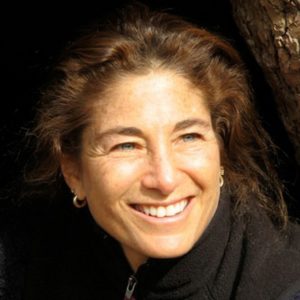 Tara Brach, PhD, clinical psychologist and peace activist, is one of the most widely respected teachers of Buddhist meditation and spiritual awakening. Her teachings, which blend Western psychology with Eastern spiritual practices, focus on careful attention to inner life and compassionate engagement with the world. The result is a distinctive voice in Western Buddhism that encourages people to mindfully approach freedom from suffering as individuals and societies.
The founder and senior teacher of the Insight Meditation Community of Washington DC, Tara focuses on bringing practices of mindfulness to prisons and schools as well as issues of diversity, peace, and environmental sustainability. Tara teaches Buddhist meditation at several centers in the US and Canada, including Spirit Rock Meditation Center in California, the Kripalu Center, and the Omega Institute for Holistic Studies. She also helped create the Washington Buddhist Peace Fellowship. In addition to numerous articles, videos, and recorded talks, Tara is the author of the books Radical Acceptance, published in 2003 and True Refuge: Finding Peace and Freedom in Your Own Awakened Heart.
In an exclusive interview with CEO and founder of GoodTherapy.org, Noah Rubinstein, marriage and family therapist, Tara shares her inspiration for Radical Acceptance and True Refuge and discusses how Buddhist teachings have helped her as both an individual and mental health professional. [fat_widget_right]
For your new book, why the title True Refuge? [W]ho did you have in mind when you wrote it?
I love the language of True Refuge because it feels like this reality that each of us has this longing to be at home in our bodies, our hearts, with each other, and in the world. We’re seeking that sense of belonging. We come into this world, and there’s a lot of uncertainty. I think about William James, who wrote that every religion starts with the cry “help.” [O]n some level, we get we’re mortal, so something in us wants to find some way to be at peace. True Refuge refers to that experience where we’re not holding on to substitutes or numbing ourselves, we’re entering reality in a way that allows us to truly find a sense of harmony.
You were talking about different cries for help that cause people to look for refuge, and I think people would be interested to know what your cry for help was, how that brought you to this work, and influenced your awareness and growth.
Well, the cry for help that got me to write Radical Acceptance was this realization. I had it when I was camping with an older, wiser friend. But my friend said, “You know, I’ve learned to be my own best friend,” and I realized I was the furthest thing from that—I was at war with myself. I have discovered it’s probably the most pervasive suffering we Westerners have, sensing something’s wrong with us. That in some way we’re deficient. And writing Radical Acceptance was from what I was learning working with myself and others about how to trust our basic goodness, and stop being at war with the natural ways our egos express themselves.
The second was not long ago, when I got diagnosed with a genetic disorder that affects mobility and connective tissue. I went from being athletic and loving being outside, to not being able to swim anymore, to run, walk up inclines. I particularly remember one incident, when friends and family went to the beach without me because I couldn’t walk on sand, and it was one moment where I could feel the loss of everything I was loving, and there was that cry “Help, may I love this life no matter what? May I find refuge that can allow me to be with this world no matter what happens?” And that was the beginning of True Refuge, finding my way to a sense of being that is timeless, that doesn’t depend on being able to swim in the ocean.
True Refuge refers to that experience where we’re not holding on to substitutes or numbing ourselves, we’re entering reality in a way that allows us to truly find a sense of harmony.
I appreciate you telling that story about losing your mobility. I love that you walked away from this wanting to love life no matter what. [W]hen you talk about the heartache and loss people go through, how can anyone in those situations love their life no matter what? Is there a way to sum up how you do that?
I want to deepen the word “love.” The feeling is not joyful celebration in the beauty of life in that moment. It could be a feeling of the most profound heartbreaking compassion, like holding with infinite tenderness the pain and grief that’s here. [L]oving life no matter what doesn’t mean we don’t truly grieve. It means we stay open to that grieving process, and in that openness, we sense something timeless.
That’s what True Refuge is. It’s beyond our ego self, beyond the emotions. It’s that space of awakeness, tenderness, and openness that might be described as spirit. But the truth is, we lose everything, and we know that. We can celebrate the mystery that’s here, without having it stay the same in a way that keeps us secure.
I guess this makes me wonder how some of these issues are addressed in True Refuge.
[W]e all have different versions of feeling disconnected. And some people feel disconnection because their bodies are sick, there’s a sense of losing connection with living. And for some, the sense of what’s going on has to do with depression or anxiety, feeling disconnected because they’re caught in fear. So, how do we come back to a sense of connection?
[T]he book offers what I call “perennial teachings,” which you find in spiritual traditions that have to do with “Who are we really?” [H]ow do we go beyond that sense of a deficient self and realize more of that love and awareness that expresses our wholeness? And the book has three gateways to a feeling of wholeness, and they each include contemplative practices that help wake us up. And one of them I call “truth,” the gateway of presence, that we learn how to contact the present moment. [T]he second archetypal gateway is love, that we discover what allows us to feel loving connection with each other and our own aliveness. And the third gateway is awareness, which is formless, pure consciousness. It’s always here, but we get so caught in our plans and worries, we forget the stillness that’s aware of sensation. So, these three gateways have different trainings that help us wake up to them. They’re completely interdependent and very practical.
[I]n chapter one of Radical Acceptance, you describe your ambition to become wiser and free, and how when you would ask your teacher, “What else can I do?” it would lead to your teacher telling you to relax. And it makes sense that giving up on becoming enlightened can lead to enlightenment, but how does one become spiritually enlightened without trying?
I love that question because in spiritual communities, one of the deepest inquiries is “What does it mean to make a wise effort?” I went into spiritual life in a competitive, achievement-oriented context, and it took a while to loosen up on that. But it takes a sincere longing to be who we are. It catalyzes us and keeps us moving when it’s difficult, in contrast to the kind of striving that says, “Something’s wrong with me,” which never works.
I’ll share the story of the Buddha’s most devoted disciple, Ananda. Ananda worked strenuously at becoming enlightened. [A]fter the Buddha dies, there’s this council of enlightened monks planning to hold council, but Ananda is not allowed to come because he hasn’t been enlightened. So, he decides the night before he’s going to practice vigorously. But in spite of his efforts, he makes no progress because he’s striving. [B]efore dawn, he’s exhausted. He decides to let go and relax, and as he lies back, he becomes liberated.
[T]he moral of the story is not simply lying back and resting, because he had to spend decades training. [H]e was very awake in many ways, but the final step was to let go of striving. I think we commit to training our attention because neuroscience is telling us we have neuroplasticity. We can create fresh pathways in our brain that lead to peace, happiness, and freedom. [T]he ultimate realization comes when we relax back into what we already are, not when we try to be different.
[L]oving life no matter what doesn’t mean we don’t truly grieve. It means we stay open to that grieving process, and in that openness, we sense something timeless.
I’m wondering what you think needs to change socially, culturally, or internally that would encourage seekers and non-seekers to stop looking for redemption outside of themselves, to be okay with who they are?
[W]hen I do a workshop on Radical Acceptance, I say, “Well, what stops you from accepting yourself as you are?” The most common response is fear that if I accept myself, I’ll never change. In fact, maybe I’ll get worse, be stuck being a defective, deficient self, and never be happy. [T]here’s this belief I need to be different to be loved. I think for most of us, the healing work has to do with seeing the belief we’re carrying about ourselves that something’s wrong, and to hold that pain with compassion. And we start getting how many life moments we’ve been deprived of because we believed something was wrong. We start sensing who we are beyond that.
[I]t reminds me of what I love most about psychotherapy, the moment somebody shines their own light of self-compassion on part of themselves they used to not like, and how healing it is to get that from one’s self. [O]ne of my teachers, Dick Schwartz, has said if you put aside judgment and witness a part of yourself with curiosity, you’ll discover the part has a positive intention. [R]egardless of the damage the part is causing, it’s been trying to help. I’m wondering in your work going to these deep places with others, if you’ve found all parts are fundamentally good in that sense?
I think Dick is right. The most basic equipment of our survival system—fight, flight, freeze—is so we can flourish, even when the parts get twisted. So rather than putting up boundaries when we need to, we’re constantly defending.
[I]n Radical Acceptance, I told a story of one woman who had been sexually abused by her father, and as part of her therapy process, had a fantasy of being this young child in a closet calling for help, terrified, and needing protection. This fairy appeared and said, “I can’t right now take away the pain, but what I can do is help you not feel it until you’re able to re-digest it, and then respond in a way that’s helpful.” So she disconnected from her body, and ended up having an eating disorder and a hard time with intimacy, and remembering that story helped her realize her eating disorder and shutting people out were coping strategies that were the best she could do as a young child dealing with intolerable pain.
I feel recognizing the positive intention is an essential part of seeing the truth of how we respond to wounding, and instead of adding blame for the way we deal with it, holding it with compassion.
I’ve always been fascinated with the duality between being attached to something we love, and trying to find that detached place, in terms of the Buddhist way. I wonder if you have any thoughts about how we can love something so much and know it’s not permanent, that what we feel will change and be taken away.
It feels natural we are profoundly attached to the beings around us. I think of my son. I want things to be good for him, and when things aren’t going well, I get upset. [T]here’s attachment, and also a mindfulness that watches the attachment, that forgives it for being there. [I]t’s important to forgive, to have our hearts not hold onto blame for our humanness. And there are many moments when I can sense this light of spirit that shines through him, and something in me knows no matter what happens to his bodily being, there is this timeless connection and goodness that can’t die.
 Unconditional love is a concept that is bandied about frequently in religious/spiritual and secular contexts. I’ve been thinking of it more frequently as a result of some premarital counseling I recently provided to a young couple. The opinion (and keep in mind it was my opinion) I expressed was that unconditional love was not possible between adults; that all adult love was, in fact, based on certain expectations and requirements. Because adult love comes with expectations and requirements, it is therefore conditional. I also said that the time we are supposed to receive unconditional love is when we are born and are infants. (Hopefully this occurs, but it is not always the case.) Unconditional love occurs between mother and infant, as well as between human and dog and human and God.
I started to reflect on what I had said about God’s love being unconditional and read a few online articles on the subject. The opinions seem split between those who believe it is unconditional and those who don’t.
What I’ve concluded is that it’s a paradox, intentionally so. God’s love is unconditional, but God also has expectations and requirements. If we don’t meet those expectations and strive to fulfill those requirements, God doesn’t stop loving us—but is not happy, and expects us to continue to strive to do better next time. God is also extremely patient and appreciates effort. God does not expect perfection (unlike some humans, who expect it of themselves and thus think they know better than God) because only God is perfect. From that perspective, perfectionism takes on the qualities of narcissism, doesn’t it? (That’s a whole other article.)
So what are God’s expectations and requirements? I suppose that depends on one’s spiritual/religious orientation. As a Yoruba priest, according to God (Olodumare) and the Orisas (the divinities who interact with humans), I am expected and required to: develop good character (Iwa Pele); honor my ancestors; respect the earth; honor and practice the traditions of the faith; and live in gratitude. (There are others, but hopefully you get the point.)
If I don’t do those things, it’s not as if Olodumare and the Orisas will no longer love me, but my life will not turn out well. Things will not happen as expected or hoped for, and there may be unforeseen reversals of finances, health, and relationships. It’s not that I will be punished (as in the concept of being punished for sins), but rather that I will have blocked my own blessings.
Therefore, it makes sense to do what Olodumare and the Orisas want me to do. I know what they want through divination, which takes some of the pressure off me to figure it out alone. Once I have the information, it is my choice to do it or not, but given the consequences, there’s really no other healthy choice.
I have found that since I became a Yoruba priest almost 12 years ago, when I did what I was told to do by the divinities that guide me, my life either improved, changed in a significant way, or took a direction that might have been scary initially but ultimately worked out for the best. When I did not do what I was instructed to do (which wasn’t very often) or dragged my feet, I felt like I had abandoned not only my strongest supporters but myself as well. In a word, I started to become depressed.
Even though my belief system is specific, I believe we are all looking for that unconditional love we may or may not have experienced as infants from our mothers. Unconditional love (even with requirements and expectations) brings with it feelings of serenity and calm, a sense of completeness and wholeness and a hopeful attitude toward life. For those who have found it on a spiritual path, it is the only love that can fill the space left by not getting that love from other humans.
 As I sat to write my end-of-the-year complementary and alternative medicine blog post, I questioned the wisdom of discussing prayer for healing, as prayer remains one of the most hotly debated CAM therapies. For many people, prayer is a meaningful part of their daily lives; for others, it may be engaged in more out of duty than beliefs. And for some, prayer is simply a practice in which other people engage.
Regardless, according to a large-scale survey by the National Institutes of Health, approximately 43% of Americans say they pray to improve their health, and about 24% indicated asking others to pray on their behalf. In the scientific community, however, the topic of prayer can be as polarizing as many of the other issues and events that marked 2012.
What’s the Evidence?
The research evidence for whether intercessory prayer (prayer on behalf of another for the purpose of healing) can improve mood, heal wounds, or enhance other health-related outcomes has been subject to much scrutiny and harsh debate. The quality of the research has been variable, as have the results. There are also many who believe it is inappropriate to test whether prayer can affect change. Yet prayer for healing, specifically, remains one of the most commonly used CAM “techniques.”
Several prayer studies have found positive effects, whereas others have found prayer to make no difference with regard to health (or even be associated with slightly poorer outcomes). Many have pointed out, not incorrectly, the tendency for the prayer research to create more questions than it answers. Researchers in both the “pro” and “against” camps regarding prayer agree that one challenge in evaluating this type of intervention is that it is not possible to completely rule out whether those in the control or “no prayer” group have in fact also received prayers from loved ones or clergy during the study period. If those in the “no-intervention” group are prayed for, and prayer does have an effect, theoretically this would make it difficult or impossible to tell the difference between one group and another. Thus, even if prayer for others could help them heal, we would be unlikely to detect this effect in a research situation described above.
Of course, no study can answer whether there is, in fact, a God or other divine organizing principle; if He or She answers study-related or other prayers; or whether religious affiliation of the one praying has any impact on the outcome.
Why Pray, Then?
The question of whether prayer should be studied, or if it has any efficacy as a tool for healing, will not be answered here. Regardless of the scientific evidence available, people who pray will likely continue to do so for themselves and others. Prayer brings millions of people comfort, and helps them feel connected to others as well as to something greater than themselves. Thus, given the time of year, and especially in light of the events of recent months, it seems relevant and important to mention it here.
As someone who has engaged in research, I know that my questions may never be adequately answered by the data, and yet, as a human being, I admit that when I or someone I care about has been ill or experienced significant difficulty, I have very much appreciated and at times solicited prayers, healing intentions, and “good vibes.” Over the years, I have also worked with many medically ill children and adults, and I can say that prayer is very common in the hospital setting and elsewhere, even when it is not obvious.
Perhaps there is a difference between private prayer for oneself, a loved one, or for one’s community, as compared to prayer for a stranger identified only by a study ID number, at least with regard to the meaning it has for us. Although I am not a religious person, on occasion I have prayed for my clients, although I have never prayed with any of them. At these times, when I have prayed for or hoped on someone’s behalf, or tried to visualize a positive outcome, I have often felt a sense of connection with something greater than myself—whether this is evidence of the divine or simply a sense of knowing I am part of a caring community, or a benefit I receive simply from striving to do good in some way, I cannot say for certain. And at those times, I am not really sure that finding “proof” matters all that much anyway.
Whatever your beliefs, my wish for us all in the coming year is to treat each other with respect, kindness, and compassion. If you do pray, among other things, pray for peace.
Goodwill to all!
References:
- Davis, J. L. (2006). Can prayer heal? http://www.webmd.com/balance/features/can-prayer-heal
- Mind and body: Do music, imagery, touch, or prayer improve cardiac care? (2006). Harvard Men’s Health Watch; 11, 6-7. http://www.health.harvard.edu/newsletters/Harvard_Mens_Health_Watch/2006/December/Mind_and_body_Do_music_imagery_touch_or_prayer_improve_cardiac_care
- More than one-third of U.S. adults use complementary and alternative medicine, according to new government survey(2004). http://nccam.nih.gov/news/2004/052704.htm
 Saturday April 28th was my 11th Ocha Birthday. That is to say it was the anniversary of my initiation as a Yoruba/Lucumi Priest of Obatala (April 28, 2001). To me, it’s as important a date as my natal birthday. Traditionally, to mark the anniversary, we purchase food and cook for the Orishas (the divinities we worship), read each Orisha we have with Obi (4 quarters of coconut), and generally strive to have a peaceful and meditative day. Sometimes, if possible, we open our homes to other Orisha Priests to come and salute our Orishas and to offer their blessings. Since I was in a somewhat isolated location, I chose to spend the day with only one other person (my significant other).
My experience on the day of my anniversary was a very positive one. The Orishas were basically happy and were satisfied with my offerings of fruit, candy, and in some instances the food I had prepared for them. One or two wanted a bit more but nothing complicated.
Spending this day basically on my own, taking the risk of reading my Orishas on my own (previously I always had someone else do it) was a real boost to my confidence. I also prayed and sang and felt the presence of spirit. It reaffirmed for me that I was truly blessed. I felt truly grateful that the Orishas had guided me to them and had chosen me as their child.
Now I know this must sound kind of confusing to many of you; maybe even a little bit alarming. My religion is virtually unknown by many if not most Americans, despite the fact that there are millions of observers worldwide. But my specific belief system is not the point of this article.
What I have in my life at this time in my life (I’m an Elder) is a solid foundation of faith, which is something I have never had before. I trust in the divinities to guide me, and I do what they say as I learn through divination. I feel protected and held. I have support and love that is unconditional. The Orishas are patient and giving as long as you are respectful and follow their advice (if you don’t, there can be consequences).
What this faith has done for me after decades of psychotherapy is help me heal. In treatment I gained a great deal of understanding, and the relationship with my therapists was healing in itself. There is great value in it. However, it was and is my faith that has taken me to the next level where I was able to finally forgive those who had wronged me; where I was able to either let go of or moderate my fear; and where I was able to accept myself and others as I am/they are.
For most of my life, psychotherapy was my higher power. That is different now. As I observe the patients I treat in my practice, I see that those who have some spiritual connection are those that make the most significant and lasting progress. Those that are what I would call spiritually bankrupt struggle the most for the longest.
People come to me knowing of my dual credentials as Psychotherapist and Ordained Yoruba/Lucumi Priest, and even though we talk about the issues and problems of the day, I believe some at least are seeking help in connecting to their spiritual selves. When they state this outright, I work with them on this. Otherwise, I am very patient.
Related articles:
Part 3: Source Energy Optimizes Life—Escalating Source Energy Through Trauma Resolution
Spirituality and Therapy: Opening the Portal with Prayer
Turning It Over
 A dear friend was telling me the other day about a bumper sticker that had symbols of some of the world’s religions and writing that said “coexist.” What a shame that as we approach the start of the Easter/Passover season, in which many of the world’s believers participate, people are far from accepting the right of others to worship as they see fit without judgment or condemnation. Why is it that many people feel that their religion is the one true way to believe in and connect to God?
I can only speculate from my perspective as psychotherapist and Yoruba/Lucumi priest. Here are some random guesses.
- This attitude is a hedge against feeling inferior or less than. If someone follows the “superior” faith, then that means that they are superior and everyone else is beneath them.
- It is a means of wielding control or having power over others. In other words, only the truly enlightened are capable of ruling, decision-making, or governing. This entitles them to natural resources, land, livestock, workers and so on.
- It satisfies a sense of entitlement—to more wealth, power, prestige, position, material things, and opportunity. In reality, a sense of entitlement is just a defense against feeling shame, unworthiness, and powerlessness.
- It is a way of fighting fear—of annihilation, conquest, enslavement.
- It represents an urgent demand for respect and reverence. However, in reality, one cannot demand respect; it must be earned. And reverence should be reserved for the divine.
- It justifies conquest and oppression of others—nations, individuals, a particular gender (in most cases, women).
- It serves as a substitute for good parenting and can be used to threaten children with punishment on a divine level if they don’t behave.
- It is a statement that people feel threatened by anyone who is different than themselves. Perhaps that goes back to instinct—the hardwired flight or fight response.
So what can we as individuals do to combat this worldwide pathologic response of religious fundamentalists who are ironically supposed to have a love of God and God’s children?
- For one, we can be aware of our own biases and judgments. This can be a challenge, especially in extremist situations, such as in some parts of the world where women are treated so badly. We can try to all be New Yorkers as described on a New York City subway poster: NYC: where we accept your personal beliefs; where we are judgmental about your shoes. (That’s a joke.)
- We can challenge others who claim religious moral superiority when we are in their company, pointing out the weaknesses of their positions (of course, only if it is safe to do so).
- We can support individuals, groups, and others who promote tolerance and acceptance of religious differences (and other differences).
- By the same token, we can boycott, whenever possible, those who/that promote intolerance. This statement is ironic in view of a recent news item I heard about the Christian right wanting people to boycott Starbucks, which was supporting acceptance of choice in relationships. (Asking New Yorkers to boycott Starbucks is totally unrealistic, I might add.) Probably goes for other parts of the country as well.
I’m sure my readers will have something to say about what I have written in this article. Please feel free to offer your own list of examples of reasons why it is so hard for many to coexist and what solutions are possible.
And if you’re a practitioner, have a joyful Easter-Passover holiday.