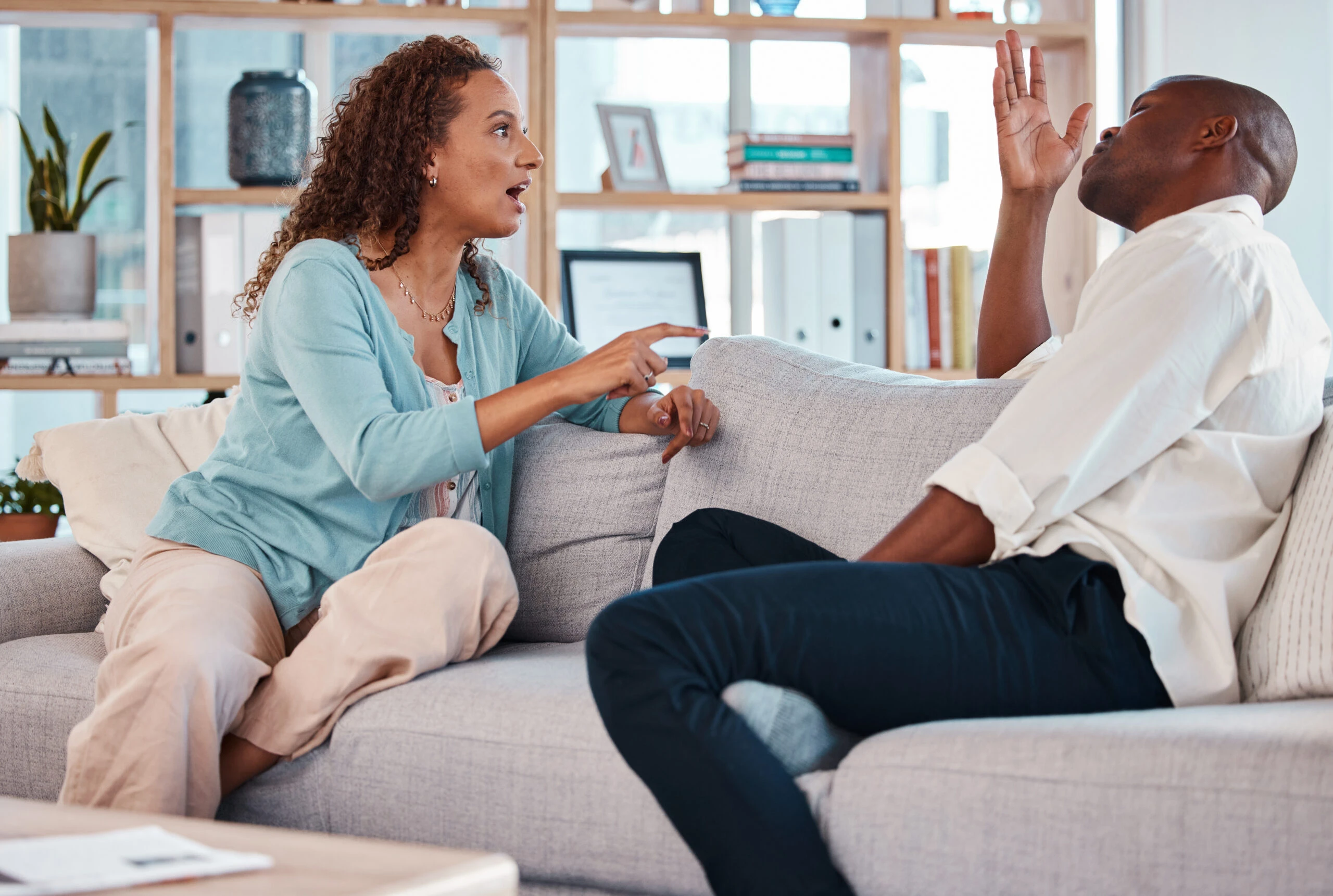
Recent research continues to support the connection between shyness and relationship challenges, with studies showing that shyness is “negatively associated with concurrent marital satisfaction” and linked to “declines in marital satisfaction” over time. While shyness may seem like a minor personality trait, emerging evidence suggests it can significantly impact romantic relationships and overall partnership satisfaction.
According to a landmark study by Sarah L. Tackett of the School of Family Life at Brigham Young University, shyness can indeed affect relationship dynamics. Her research examined how shyness affected self-esteem and relationship satisfaction in a sample of 14,807 romantic couples. While this foundational research from 2013 provided important insights, more recent studies have expanded our understanding of how personality traits like shyness influence romantic partnerships.
For the study, Tackett asked each partner to rate the other on levels of shyness. Then, each partner was to rate their own shyness and self-esteem. Finally, each partner was asked to rate their overall level of relationship satisfaction.
The results revealed that perceived shyness of one partner was directly predictive of that same partner’s low self-esteem and low relationship satisfaction. In other words, if a husband saw his wife as shy, the wife reported low levels of self-esteem and satisfaction with the relationship. The same pattern emerged when women perceived their partners as shy.
More recent research from 2021-2023 confirms these findings, showing that “shyness is negatively correlated with self-esteem” and that shy individuals often struggle with self-presentation, which can impact relationship dynamics. A comprehensive study of 1,020 women found that “shyness turned out to be negatively correlated with global self-esteem” and showed negative correlations with personal power, lovability, and relationship competencies.
These results show that shyness can create a path for unhappy relationships. Researchers believe there are many reasons for this trajectory:
Communication Challenges: Perhaps shy individuals are uncomfortable voicing their opinions and find it easier to accept an unsatisfying relationship than to pursue a new, more rewarding one. Recent studies confirm that “trait introversion was significantly associated with communication apprehension, including group discussion, meetings, and interpersonal” communication.
Self-Esteem Impact: It’s important to distinguish between normal shyness and social anxiety disorder, which “usually starts during childhood or adolescence and may resemble extreme shyness” but requires professional attention.
Limited Shared Experiences: When couples can engage in activities together, they can share the joy of those experiences. If one partner is introverted
Current research indicates that shyness “correlates with defensive styles of self-presentation” and “implies lower relationship satisfaction,” supporting the original study’s conclusions. However, newer studies also show that “individuals who had secure relationship attachments realized a buffering effect between shyness and well-being,” suggesting that “relationships can both minimize and maximize the negative effects of shyness”.
The research sheds light on some of the challenges couples with differing personality styles may face, but also points toward solutions. Recent therapeutic research shows that “integrative behavioral couple therapy (IBCT)” can help “improve constructive communication patterns and mitigate destructive ones in couples,” particularly benefiting “dyadic cohesion, affection, dyadic satisfaction, and dyadic consensus”.
For couples dealing with shyness-related relationship challenges, it’s important to understand that personality traits like shyness exist on a spectrum and can be addressed through therapy and communication strategies. Professional support can help partners understand each other’s needs and develop effective coping strategies.
*This information is not intended as a substitute for professional medical advice, diagnosis, or treatment. Always seek the advice of your physician or other qualified health provider with any questions you may have regarding a medical condition.*
Tackett, Sarah L.; Nelson, Larry J.; and Busby, Dean M. Shyness and relationship satisfaction: Evaluating the associations between shyness, self-esteem, and relationship satisfaction in couples. American Journal of Family Therapy. Jan/Feb2013, Vol. 41 Issue 1, p34-45. 12p. 1 Diagram, 1 Chart. DOI: 10.1080/01926187.2011.641864.
References:
- Tackett, Sarah L.; Nelson, Larry J.; and Busby, Dean M. Shyness and relationship satisfaction: Evaluating the associations between shyness, self-esteem, and relationship satisfaction in couples. American Journal of Family Therapy. Jan/Feb2013, Vol. 41 Issue 1, p34-45. 12p. 1 Diagram, 1 Chart. DOI: 10.1080/01926187.2011.641864.
- Baker, L., & McNulty, J. K. (2010). Shyness and marriage: Does shyness shape even established relationships? Journal of Personality and Social Psychology, 98(6), 1048-1066. https://pubmed.ncbi.nlm.nih.gov/20363900/
- Battle, N., & White, G. (2024). Intimate Introverts: Influence of Introversion on Self-Disclosure and Emotional Intimacy in Close Friendships. Journal of Mental Health and Social Behavior, 6(1), 188. https://gexinonline.com/uploads/articles/article-jmhsb-188.pdf
- Bober, A., Gajewska, E., Czaprowska, A., Świątek, A. H., & Szcześniak, M. (2022). Impact of Shyness on Self-Esteem: The Mediating Effect of Self-Presentation. International Journal of Environmental Research and Public Health, 19(1), 230. https://pmc.ncbi.nlm.nih.gov/articles/PMC8744881/
- Mandal, E. (2023). Shyness and self-esteem in women. The role of likeability, personal power, lovability, and self-worth conditioned by others’ approval. Current Issues in Personality Psychology, 11(4), 310–318. https://pmc.ncbi.nlm.nih.gov/articles/PMC10699290/
- National Institute of Mental Health. (2024). Social Anxiety Disorder: What You Need to Know. U.S. Department of Health and Human Services. https://www.nimh.nih.gov/health/publications/social-anxiety-disorder-more-than-just-shyness
- Rowsell, H. C., & Coplan, R. J. (2013). Exploring links between shyness, romantic relationship quality, and well-being. Canadian Journal of Behavioural Science, 45(4), 287-295.
- Tackett, S. L., Nelson, L. J., & Busby, D. M. (2013). Shyness and relationship satisfaction: Evaluating the associations between shyness, self-esteem, and relationship satisfaction in couples. American Journal of Family Therapy, 41(1), 34-45.
- Research team. (2023). Effects of integrative behavioral couple therapy on communication patterns and marital adjustment. Journal of Education and Health Promotion, 13, 280. https://pmc.ncbi.nlm.nih.gov/articles/PMC11414875/