 In my work with adult survivors of sexual assault, I am beginning to notice a pattern of behavior that I have termed “wounded attachment.” The impact of childhood sexual assault has reverberating effects on almost every facet of survivors’ livelihood, from relationships with family, friends, partners, spouses, and children to their jobs, finances, faith, etc. It is as if sexual assault redefines one’s pattern of and trajectory in life.
Sexual assault is the act of forcing, enticing, intimidating, or coercing another person to engage in a sexual activity, from fondling to coitus, when the other person is unwilling or unable (as is the case of one who is underage, drugged, or unconscious). Imagine yourself as a child, seeing the world through a child’s eyes, and then being introduced to a violent act—an act that serves to not only damage one’s physical body and mental/cognitive mind-set, but also disrupt one’s spiritual being.
This one act for some—repeated acts of violence for others—does untold amounts of damage to one’s psyche. Yet the resilience I’ve witnessed from many who choose to live their lives after the violence is remarkable. Unfortunately, for many the damage is such that many are unaware of how it has skewed their way of looking at the world. This sometimes is displayed in the relationships subsequent to the sexual assault.
Far too often, survivors believe that once the assault ends, it is done and they don’t need to talk about it. Yet the choices made, the decisions not made, and the relationships that come afterward tell a different story. Wounded attachment is an insidious component that I have seen repeatedly in my work with adult survivors of childhood sexual assault. What is wounded attachment? It’s the unconscious way of being attracted or attached to someone or something that reminds the survivor of or reinforces the wound/trauma, or in this case the sexual assault. At its core, it’s the way in which survivors subconsciously seek out relationships that reinforce the wounded aspect of themselves.
[fat_widget_left]Sometimes it is displayed in the choice of employment/work. For example, survivors may find themselves working at a job that belittles them, makes them feel worthless, or where they feel like they have to make everyone else happy at the expense of their own happiness, thereby reinforcing their wounded concept of self. Another example is when a survivor is continually engaged in romantic relationships that serve to reinforce the wounded parts of self.
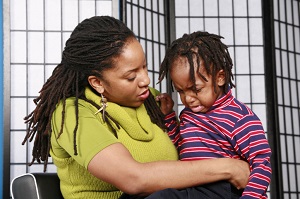
As a child, depending on when the assault occurred and the developmental stage in which it occurred, the person seeks to please the adult and gain affection, attention, nurturing, love, trust, etc. A child who has been sexually assaulted blurs that idea of love, nurturing, trust, attention, and affection, and begins to believe that the only way to receive love, attention, etc., is to please the “assaulter.” This remains in effect as the child matures into adulthood.
Although the assault is no longer occurring, if the child did not receive any type of counseling, intervention, or effective treatment to process and repair the damage to the mind, body, and psyche, then this adult is continuing to live out the wounds experienced as a child. As such, the adult becomes caught in a cycle of relationships that reinforce the wounded attachments. Awareness of this plays a crucial role in helping adult survivors of sexual assault move toward recovery, resiliency, and healing.
Most people have experienced trauma at some point in time. The nature of traumatic experiences varies by severity and frequency and also differs with respect to the effect they have on survivors. Some people who have experienced violence, abuse, or disaster develop significant psychological problems and posttraumatic stress (PTSD) as a result of the trauma, while others appear to be more resilient and rebound with very few psychological problems.
Predisposition to mental health issues and stress sensitivity are two factors that have been theorized to affect risk for PTSD in trauma victims. But another factor that is less understood in relation to PTSD is intelligence. Intelligence quotient (IQ) can impact emotional regulation and reactivity and, therefore, it could be assumed that people with higher IQs may be more resilient to trauma.
To test this theory, Naomi Breslau of the Department of Epidemiology and Biostatistics at the College of Human Medicine at Michigan State University recently led a study involving 713 17-year olds. The participants were assessed for trauma history, type of trauma classified as assaultive trauma (sexual trauma, rape, life threatening trauma), or general trauma (accident, illness, disaster) and IQ taken at age 6. Breslau used this information to see how these factors affected PTSD at age 17.
She found that surprisingly, individuals of assaultive trauma were not more likely to develop PTSD than those of general trauma. However, Breslau did find a link between IQ and PTSD. “A drop of one standard deviation in IQ score measured at age 6 increased the relative risk ratio of PTSD resulting from either trauma type by approximately 50%,” she said.
This result can be interpreted in several ways. First, individuals with a lower IQ may be less able to regulate emotional reactions and thus be more vulnerable to PTSD. Second, making meaning of trauma and assigning context to a traumatic event may be easier for people with high intelligence. This can protect people from negative emotional responses and triggers, and decrease their vulnerability to negative mental health outcomes like PTSD. Although these findings clearly demonstrate a link between IQ and resiliency/vulnerability, more work should be done to determine how this link impacts younger and older individuals.
Reference:
Breslau, N., Chen, Q., Luo, Z. (2013). The role of intelligence in posttraumatic stress disorder: Does it vary by trauma severity? PLoS ONE 8(6): e65391. doi:10.1371/journal.pone.0065391
 Tornado season is well underway, initiated this year by the recent tornado in Moore, Oklahoma, but severe storms and natural disasters can happen at any time. These events leave residents devastated and entire communities completely decimated. Round-the-clock news coverage tends to fade afterward, making it easy to forget about these events altogether. But for the people who survive massive disasters, the consequences last much longer than the news cycle, and extend much deeper than property damage and scrapes.
Shock
In the immediate aftermath of a natural disaster, the first reaction is often a combination of shock and denial. Sometimes this can make it challenging to take the necessary steps to begin picking up the pieces—calling insurance, assessing what property was lost, even finding temporary housing. But shock tends to give way to much stronger feelings, which can hit days, weeks, or months after a disaster strikes.
Feelings of Insecurity
Home is a place that most people spend their entire lives believing is a place of safety and refuge. But when a storm comes tearing through your house, this security can go out the window. People who have survived storms may experience nightmares, anxiety, extreme concerns about storm safety, or obsessive preparation to avoid the next disaster. The insecurity can be especially pronounced in children, who may feel constantly unsafe.
Posttraumatic Stress
Extreme stress is common in the aftermath of a storm. But when it persists for months, it can lead to posttraumatic stress (PTSD). People with PTSD may experience flashbacks to the storms, panic attacks, an extreme startle reflex, persistent avoidance of things that remind them of the storm, and anxiety and depression. PTSD can also interfere with a person’s ability to control emotions, leading to angry outbursts or crying spells, for example.
Other Mental Health Conditions
PTSD isn’t the only long-term consequence of surviving a natural disaster. For people already experiencing a mental illness, a traumatic event can make symptoms worse. And for others, a natural disaster can spark depression, extreme stress, generalized anxiety, eating and food issues, obsessive-compulsion, and a host of other problems. Sometimes these issues arise as a result of a person’s attempts to control the environment after a storm takes away control.
Effects on First Responders
Storm survivors aren’t the only people who suffer when a natural disaster hits. People who are on the scene at the time of the storm or who witness the immediate aftermath—including first responders such as police officers and fire fighters as well as the media—can also experience psychological symptoms. They could be haunted by people they were unable to save, by images of injured people, or by the massive nature of the destruction. Some witnesses may even feel guilt that someone else’s home or life was destroyed but theirs wasn’t. The symptoms for witnesses and first responders are often the same, including PTSD, depression, and other mental health conditions, and people who are present in the aftermath of a storm may need as much help and support as the victims.
References:
- Hellmich, N. (2013, May 21). Kids who survived tornado face emotional after-effects. USA Today. Retrieved from usatoday.com/story/news/nation/2013/05/21/psychologist-impact-kids-disasters/2346773/
- Pearson, C. (2013, May 21). Oklahoma tornado PTSD: How survivors are coping. The Huffington Post. Retrieved from huffingtonpost.com/2013/05/21/oklahoma-tornado-ptsd_n_3314640.html
- Rossi, B. (n.d.). The psychological aftermath of the Oklahoma tornados. WSJ This Morning RSS. Retrieved from blogs.wsj.com/wsjam/2013/05/22/the-psychological-aftermath-of-the-oklahoma-tornados/
 Traumatic events usually occur without notice and result in people trying to deal with the aftereffects long after the event is over. Recent events, such as the Boston Marathon bombings, bring to light how traumatic events can create effects for long periods of time. Traumatic events can result in the development of posttraumatic stress (PTSD), which is a prevalent and serious mental health issue.
According to the National Institute for Mental Health, 26.2% of the adult American population will meet the criteria for a diagnosis of PTSD at some point in their lifetime. PTSD can severely impact a person’s ability to function in day-to-day life and interactions and relationships with loved ones. In my practice, I have noticed that relationships can become strained or distant, or even end due to the stress caused by PTSD.
Just as it is important for the person who experienced the trauma to address his or her symptoms, it is also important for their loved ones. Loved ones often report feeling helpless in assisting the person with PTSD to feel better. So what can loved ones do to help those who have PTSD in their recovery?
Practice good self-care. When a loved one has been traumatized, the stress can take a toll on that person’s entire support network. Making sure you are practicing good self–care habits such as eating well, getting enough sleep and rest, and continuing to engage in activities you find pleasurable can be very helpful in addressing the stress that can come with a traumatic event.
Offer your support, but don’t push the person affected with PTSD to describe or talk about the event that traumatized them if they do not want to. Many people affected with PTSD do not wish to “relive” the trauma by frequently talking about it or by going into detail. Sometimes well-meaning loved ones will push them to talk about the trauma without realizing that doing so can do more harm than good. Loved ones may feel offended or rejected when the traumatized individual does not want to talk about the incident. Know that this is nothing to personalize. You can be there as a supportive person to listen when they want to talk, without trying to “fix” what they are going through. Simply saying something like, “It sounds like that was really hard” or just letting them know you are happy to be a listener can be validating and can help the person to feel supported as they work through their trauma.
Encourage the person affected with PTSD to seek professional help. PTSD is a serious mental health issue that requires professional assistance to treat and overcome. There are many treatment modalities that have been successful in the treatment of PTSD. It is possible for a person with PTSD to get to the point where the traumatic event has little or no disturbance associated with it. There is much hope for overcoming PTSD, but it is much more likely for someone to overcome PTSD with professional help. Support groups can also be helpful for people suffering from PTSD as it gives them additional care in their recovery.
Get support and treatment for yourself. Having someone you love go through a traumatic event and supporting him or her as they recover can result in secondary trauma. Secondary trauma is defined by Figley (1995) as “the stress resulting from helping or wanting to help a traumatized or suffering person.” The signs of secondary trauma can include similar symptoms to PTSD, including (but not limited to) having overwhelming emotions, exhaustion, having thoughts that are intrusive and disturbing, difficulty concentrating, nightmares, and detachment from others. These are symptoms a therapist and support group can help you overcome. Be aware of your own emotions and mental health in order to identify the signs early.
Above all, don’t go through such a difficult time alone. There is support and an abundance of resources available to help people with PTSD and their caregivers overcome trauma and secondary trauma.
References:
- Figley, C.R. (Ed.) (1995). Compassion fatigue: Secondary traumatic stress disorders from treating the traumatized. New York: Brunner/Mazel, p.7.
- National Institute of Mental Health. Post-traumatic stress disorder among adults. NIMH. Retrieved May 28, 2013. From nimh.nih.gov/statistics/1ad_ptsd_adult.shtml.
 Surprisingly, studies show that some of the seemingly less dramatic kinds of experiences, such as neglect, in childhood actually do more harm than overt abuse such as physical violence. Neglect isn’t talked about as much as physical, sexual, or even verbal abuse, and depressed adults who experienced neglect in their childhoods often wonder why they’re depressed.
Even when people think about neglect, they picture parents who are too drunk or high to take care of their children, who prioritize adult sexual relationships over their children, or who don’t care about their children and thus don’t bother to feed them or provide clothes and other necessities. They may imagine parents who are irresponsible and who forget or don’t know how to take care of their children’s needs. All of this happens, but it can happen without such extreme dysfunction.
Sometimes neglect can happen even when parents are trying to be responsible, when they simply don’t have the resources to parent fully. For example, when one parent leaves and the other has to work two jobs to provide food and shelter, they may have to leave the kids to fend for themselves or let the older ones to do the best they can to parent the younger ones. I’ve had clients from families in which this happened when the older one was as young as 3, taking care of a baby or two.
But neglect can also happen in families in which one or both parents are depressed, have demanding jobs, or have so many children that there isn’t time to meet all of their needs. It can happen when one of the parents, siblings, or grandparents is chronically or gravely ill or dealing with mental issues. Often this requires the rest of the family to put most of their time, energy, and attention into that person. It can even happen in families that value individuality and independence. Thinking they are teaching these values to their capable children, parents may overlook concrete and emotional needs even capable children have.
Neglect can cause children to miss learning the skills they need to be fully functional adults. When kids have to teach themselves how to handle life, they often don’t learn the best ways. Neglect can cause children to feel profoundly lonely and empty. It can make it more difficult for them to form friendships, causing them to feel even lonelier and preventing opportunities to develop social skills. They may feel like they don’t fit in anywhere, and learn to cope alone. Perhaps most insidiously, neglected children often conclude they aren’t worth parental attention and care, or that their needs aren’t important or just aren’t ever going to get met. These beliefs, carried into adulthood, undermine the ability to develop loving, respectful, equally powerful relationships.
Not through parents’ intention or direct action or message, but through lack of action, children can turn in on themselves—blaming themselves for how bad they feel. They can grow up with these invisible wounds, not even associating them with their parents, who may be loving, well-intentioned people.
Clearly, there is a huge range of severity of neglect, depending on factors such as how young the child is when it begins, how extensive it is, whether there’s a basic foundation of love and respect from parents, whether there are other adults who provide at least some of what the child needs when parents don’t, what other abuse is involved, and whether other resources are available.
How people cope with neglect also varies, just as it does with abuse and trauma. Neglected children may cope by clinging and being dependent; by giving up and lacking motivation or hope; by withdrawing and resisting human contact; or by acting out with crime, dangerous sex, etc. They may experience depression, anxiety, self-attacks, eating issues, or addictions. Any or all of these results of the neglect can follow the child into adulthood.
If you don’t understand why you’re depressed and think you had good parents and no trauma, consider what you might not have had. Did you struggle with anything your parents didn’t protect you from or help you with—even things like unrealistic standards for yourself? Did you have to take care of yourself more than your friends had to take care of themselves, or that you would expect of your children, nieces, nephews, or godchildren? Did your parents show no interest in things that were important to you? Did you have to work at getting your parents’ attention? Did you get physically or emotionally hurt because your parents weren’t paying attention? Do you feel like your needs aren’t important? Do you not expect to have them met? Check in with yourself, your journal, your therapist, and maybe your siblings to see if you can find ways your parents weren’t there for you that others are for their kids … and look at how it affected you.
Individuals have different reactions to trauma. People who have experienced significant childhood trauma, including childhood sexual abuse, physical abuse, or emotional abuse may develop serious psychological problems as a result. Some people who suffer the loss of a loved one can develop symptoms of depression and children of depressed parents may have impaired ability to express their emotions, leading to externalizing or internalizing behaviors. When trauma affects daily functioning and leads to extreme anxiety, it can be seen as a predictor of posttraumatic stress (PTSD). And although it has been well established that people with PTSD have decreased emotional regulation via hyper-vigilant threat bias and limited brain region accessibility, it is less clear whether these same deficits are present in individuals without PTSD who have experienced trauma.
Karina. S. Blair of the National Institute of Mental Health and the Department of Health and Human Services in Maryland recently conducted a study to determine the difference in parietal and frontal cortex accessibility in individuals with and without PTSD. Blair performed MRIs on 14 trauma-exposed individuals without PTSD, 14 with PTSD and 19 nonclinical participants who were not exposed to trauma. She measured their brain activity while they performed attention tasks using the Stroop test and found that there were significant differences between the groups. Specifically, the individuals with PTSD had difficulty performing the task when compared to the non-PTSD and control groups. They had limited accessibility to certain regions of the brain responsible for emotion regulation. However, other regions caused overstimulation of attention, which when focused on threat could perpetuate symptoms of PTSD.
When Blair looked at the control group, she found more cortex accessibility and better performance on the Stroop. But surprisingly, the non-PTSD trauma exposed group had enhanced, not diminished levels of cortex accessibility and brain recruitment during the Stroop task. “These regions of the lateral superior and inferior frontal cortices and parietal cortex are repeatedly implicated in emotional regulation,” said Blair. Perhaps this enhanced recruitment acted as a buffer, insulating individuals exposed to trauma from developing symptoms of PTSD. Blair believes that although this finding has positive implications, more work needs to be done in this area to determine how to prevent or decrease PTSD in individuals who have experienced trauma.
Reference:
Blair, K. S., et al. (2013). Cognitive control of attention is differentially affected in trauma-exposed individuals with and without post-traumatic stress disorder. Psychological Medicine 43.1 (2013): 85-95. ProQuest. Web.
 Although jail time might seem like a distant possibility for most people, incarceration rates in the United States are steadily rising. One study published in the journal Pediatrics found that 41% of young adults have been arrested by the time they are 23. The U.S. Department of Justice (DOJ) reports that 6.6% of people serve time in prison at some point in their lives, and the statistic rises to a shocking 32% for African-American men. More than half of inmates are diagnosed with a mental health disorder.
As state mental hospitals continue to close and mental health services remain financially out of reach for many people, this number may rise. Moreover, prison itself can exacerbate preexisting mental health issues and create new mental health challenges among those who had never experienced them.
Mental Health Care Behind Bars
Jails and prisons are required to provide basic health care for inmates, but the quality of this care varies greatly. Often, prison-based mental health care focuses on stabilizing, rather than treating, inmates. A person experiencing hallucinations or psychosis might get medication to control the most severe symptoms, but people with anxiety issues, depression, posttraumatic stress, and other mental health conditions that don’t cause radical changes in behavior may go untreated. Prisoners rarely, if ever, get therapy or comprehensive treatment, so mental health issues that were previously controlled with medication and therapy may get much worse during incarceration.
Prison and Trauma
Even for the most hardened criminals, prison can be a scary place. The DOJ reports that 70,000 prisoners are sexually abused every year, and assaults, fights, and other acts of violence are common in a prison setting. But violence isn’t limited to inmates; prison guards work in a high-stress environment that can increase their likelihood of becoming violent. With little hope for reporting abuse by guards, some inmates may endure verbal abuse, threats of physical violence, and even severe attacks. Women inmates are at an increased risk of being sexually assaulted by jail and prison guards. This ongoing climate of trauma can create anxiety, depression, phobias, and PTSD in prisoners who previously had no serious mental health issues.
Lack of Support
Prisoners are, by definition, cut off from the rest of society, and their access to supportive friends and family may be limited. Many jails have instituted mail policies prohibiting letters and magazine subscriptions, and these policies can eliminate prisoners’ ability to communicate with and receive support from loved ones. Phone calls from jail can be costly, and prisoners from impoverished backgrounds may have families who can’t afford to cover the costs of collect calls, however infrequent. There’s little hope for getting any support in prison, as many prisoners are concerned more with gaining respect and avoiding fights in a relentless pursuit of safety. Support from loved ones can play a critical role in helping people overcome mental challenges, and isolation can increase a person’s risk of mental health issues such as depression and anxiety.
Getting Out
Most prisoners have ignored basic rules of society, so it can be difficult for prisoner rights issues to garner much public sympathy. But many prisoners are incarcerated for nonviolent drug crimes that are the result of substance addiction. And even inmates incarcerated for violent crimes do not typically serve life sentences. Most prisoners are ultimately released, and the mental health issues they develop in prison can increase their risk of reoffending and make it difficult to reenter society as a productive, nonthreatening citizen. Almost 70% of people who have been incarcerated are arrested again within three years, and the dire state of mental health care in prisons could play a significant role in this high rate of recidivism.
A mental health professional can help people who have come into contact with the prison system. A therapist can help prisoners reenter society or reestablish bonds with friends and family. Loved ones of incarcerated individuals can also get necessary emotional support in therapy. Therapy is a safe and confidential place for any and all people to get help.
References:
- Chaddock, G. R. (2003, August 18). US notches world’s highest incarceration rate. The Christian Science Monitor. Retrieved from http://www.csmonitor.com/2003/0818/p02s01-usju.html
- Gann, C. (2011, December 19). Study: Significant number of young Americans get arrested. ABC News. Retrieved from http://abcnews.go.com/Health/arrests-increasing-us-youth/story?id=15180222
- James, D. J., & Glaze, L. E. (2006, December 14). Mental health problems of prison and jail inmates [PDF]. Washington, D.C.: U.S. Department of Justice Bureau of Justice Statistics.
- Purdy, M. (1995, December 19). Brutality behind bars. The New York Times. Retrieved from http://www.nytimes.com/1995/12/19/nyregion/brutality-behind-bars-special-report-prison-s-violent-culture-enveloping-its.html?pagewanted=all
- Recidivism. (n.d.). Bureau of Justice Statistics (BJS). Retrieved from http://bjs.ojp.usdoj.gov/index.cfm?ty=tp
- Sakala, L. (2013, February 7). Return to sender: Postcard-only mail policies in jails. Prison Policy Initiative. Retrieved from http://www.prisonpolicy.org/postcards/report.html
- U.S.: Federal justie statistics show widespread prison rape. (2007, December 16). Human Rights Watch. Retrieved from http://www.hrw.org/news/2007/12/15/us-federal-statistics-show-widespread-prison-rape
- U.S.: Number of mentally ill in prisons quadrupled. (2006, September 6). Human Rights Watch. Retrieved from http://www.hrw.org/news/2006/09/05/us-number-mentally-ill-prisons-quadrupled
 “Owning up to the ‘good-bye’ that is built into our finite human existing makes possible the saying of an authentic ‘Hello!’ ” —Robert D. Stolorow
For most people, death is something that will happen to us someday. Not today. Not tomorrow. But sometime in the future, distant enough that we need not concern ourselves at the moment. In other words, we ignore it and forget about it. Yet in doing so, we forget who we are. Death is not just something that happens at the end of life. It is a part of us throughout, whether we confront it or not. In facing death, traumatic as it may be, we cannot help but change, grow, and clarify what it is that we love and care about most. The preciousness of time comes to the fore.
It’s true that people understand death in different ways. Does the soul continue on or does it die with the body? Is there life after death, or does it end with this one? Whatever one’s beliefs about the hereafter, death is the end of life as we know it. When a loved one dies, he or she departs from us in a way that is undeniable. We are forced to notice their importance to us, as well as everything we value. In romantic relationships, as often depicted in romantic comedies, each partner’s love becomes inestimable often only after it has been tested with the threat of loss.
Confronting death as an ever-present reality means mourning the loss of all we hold dear. It is no mystery that death is not a favored topic for cocktail conversation. It’s often depressing and lacks a joy and levity that is so much a part of life. When a loved one dies, we often say that he or she “passed on,” avoiding the harsh word of death, attempting to soften the painful reality for the sake of our loved ones. Few people choose to spend their lives isolating themselves with thoughts of death. It is isolating because it forces us to depart from ordinary social values.
David Fincher’s film Fight Club (1999) is a dark and violent satire that exposes the superficialities of commercial life and hints at the meaninglessness of life altogether. And yet the film holds great potential to discover meaning. The antihero Tyler Durden recruits a large number of young men into his “fight club,” and insists they shun the values associated with ordinary social life, particularly advertising. “You’re not your job,” he preaches. “You’re not how much money you have in the bank. You’re not the car you drive. You’re not the contents of your wallet.” Durden pulls these young men away from their ordinary day-to-day living into a profound confrontation with themselves. He prescribes to his followers that they let “what truly doesn’t matter slide.” Fincher’s film hints at the sort of existential confrontation I’m trying to describe. Durden insists to his pupils, “You have to know, not fear, that someday you are going to die.”
It would be a mistake, however, to conflate the commentary on death in Fincher’s fight club with my own. Fincher’s Durden develops a following, a cult of sorts. He removes people from the social conformity of ordinary life only to foster a new conformity to the cult of fight club. Confrontation with death, whether through the loss of a loved one, escaping the threat of physical harm, or simply philosophical contemplation, is always traumatic. It leaves one disoriented, forcing us to abandon the thoughts and beliefs that root us in everyday life. Fincher’s fight club finds its way toward destruction and a certain kind of meaninglessness, where there’s little, if any, light at the end of a dark tunnel. The commentary on death in Fight Club treats life recklessly, not carefully. In coming to terms with death, life needs to be respected in order to preserve the opportunity for growth. It is then that from darkness may come great illumination.
Integrating live animals into the therapeutic process has been gaining recognition as a viable and effective approach in a clinical setting. Equine-assisted therapy is a widely popular form of therapy that has shown remarkable results with clients who do not respond well to other types of treatment. Similarly, children who are resistant to traditional therapies have demonstrated improvement in animal-assisted therapies. For individuals who experience disassociation, animals represent an unconditional source of love and acceptance. For people who may have experienced early life trauma, especially trauma or abuse that undermined attachment relationships, animals can replace missing secure attachment bonds.
Although animals as therapy adjuncts, even pets, can help reduce anxiety, depression, loneliness, and isolation, owning or working with an animal may not be a viable option for everyone in need. Therefore, stuffed animals, which represent a source of comfort in times of stress for young people, may serve as a suitable replacement. Rose M. Barlow of the Department of Psychology at Boise State University in Idaho wanted to see if stuffed animals would serve clients equally as well as live animals. In a recent study, Barlow surveyed a sample of high and low dissociative female college students and those with dissociative identity disorder (DID) about attachment to live and stuffed animals. She found that the DID women had significantly stronger attachments to both live and stuffed animals than any of the other women. She also found that those with high dissociation and those with DID reported higher levels of attachment to stuffed animals than live animals when compared to the low dissociative group.
The findings of this study have several important clinical implications. Even though comorbid issues such as depression, anxiety, and bipolar were not considered in this research, the evidence suggests that stuffed animals may be particularly helpful to those with high levels of dissociation. Because symptoms of dissociation, even disorganized attachment, can begin in childhood and result from emotionally unavailable parents, divorce, or abuse, integrating stuffed animals into therapy for young children can provide a sense of security and help to rebuild impaired attachment bonds. “Animals, live or stuffed, can aid therapy for both children and adults by providing a way to experience and express emotions, a feeling of unconditional support, and grounding,” Barlow said.
Reference:
Barlow, Rose M., Lisa DeMarni Cromer, Hannah Prairie Caron, and Jennifer J. Freyd. Comparison of normative and diagnosed dissociation on attachment to companion animals and stuffed animals. Psychological Trauma: Theory, Research, Practice & Policy 4.5 (2012): 501-06. Print.
Play therapy is widely recognized as an effective therapeutic approach for children who are unable or unwilling to communicate their psychological distress. Elementary-aged children represent an especially vulnerable segment of the population when it comes to mental health barriers. First, it is during these formative years that behavior patterns are set. Children who have psychological problems early on tend to have higher rates of substance misuse, aggression, risk-taking behavior, and academic challenges than their peers. Additionally, many young children who have attention-deficit hyperactivity disorder, obsessive compulsive disorder, posttraumatic stress, autism, or other difficulties may have significant academic challenges and can benefit greatly from effective and meaningful in-school therapy.
But believing in the viability of play therapy and delivering it are two different things. Many school counselors report significant barriers to play therapy. Christine Ebrahim of the Department of Counseling at Loyola University in New York wanted to take a closer look at the barriers that counselors faced and how they overcame them. Ebrahim enlisted 359 elementary school counselors from the American School Counselor Association and had them complete online surveys regarding barriers to play therapy. The participants reported barriers such as time, space allocation, financial resources, and administrative and parental support. However, nearly all the counselors who cited these obstacles also described how they overcame them. For instance, they used their own money for supplies when they could not get funding, moved sessions to alternative locations when space was limited, and provided education about the benefits of play therapy when administrative and parental support was lacking.
One barrier was more difficult to surmount: the limited availability of play therapy training. “In looking at the data, most counselors identified specifically a lack of training as their primary problem,” Ebrahim said. Play therapy courses are not part of the curriculum at all colleges. Therefore, counselors are forced to learn through textbooks or online, or they must pay for training out of their own pockets. These results are promising in that they suggest that counselors are willing to do whatever it takes to offer play therapy to students in need. However, Ebrahim believes the findings clearly demonstrate that elementary school counselors are in desperate need of more professional play therapy training.
Reference:
Ebrahim, C., Steen, R. L., Paradise, L. (2012). Overcoming school counselors’ barriers to play therapy. International Journal of Play Therapy. Advance online publication. doi: 10.1037/a0029791

The pain of divorce is often unbearable. The experience can be so awful that you wonder whether it would have been easier to stay married or even to be dealing with some other horrific life event like death. The depth of pain is often surprising, particularly when you know you don’t want to be married anymore. What many people forget is that divorce is just a fancy word masking what is truly a broken attachment between two people. Divorce is more than separating assets and belongings. It’s the severing of a very strong bond founded on deep feelings of dependency and need. Believe it or not, you developed an attachment to your partner over the course of dating and marriage that connected you on an emotional and physiological level beyond what you realized.
When two people get married they are vowing to be committed and to love one another, but they are also pledging to become “attached.” This attachment is unspoken and unknown to both, but it is the most powerful connection anyone can have to another person in a love relationship. According to author Helen Fischer in her book Why We Love, our “cuddle chemicals,” namely oxytocin and vasopressin, contribute to the sense of closeness and attachment couples feel toward each other in a love relationship. These bonding hormones promote a sense of fusion between lovers that deepens attachment and a sense of oneness. This biological phenomenon explains the depth of devastation felt when the attachment is broken and the physiological symptoms that become activated when attachments are severed. The response is often primal, leading to thoughts, feelings, and behaviors that might never surface in any other context of life.
The end of a marriage is one of the most emotionally painful human experiences. Thinking about the experience of divorce within the context of attachment generates a greater sense of empathy for what you might be feeling. It explains the levels of rage, vindictiveness, grief, and despair that so often accompany this common life transition. We too often think of divorce as a noun or a verb, but it is actually a relational trauma that has a physiological and emotional effect. You may be creating more suffering for yourself by resisting what you are feeling or telling yourself that you are overreacting.
Recognize that the end of your marriage represents much more for you than you may realize. If you were a small child and the person you depended on most was suddenly unavailable to you, there is no doubt you would have a strong reaction. The end of your marriage is no different. Give yourself the time and space to heal and repair. You are not damaged, just temporarily devastated, and the recovery will come with time. Divorce is not just a matter of the heart but an experience that impacts the whole person on a multitude of levels.
 Next Friday, August 31, 2012, GoodTherapy.org is thrilled to welcome Dr. Laurie Moore, who will present Healing Betrayal Caused by Infidelity, a FREE CE teleconference for GoodTherapy.org members available with 1.5 CE Credits. We encourage you to join us for this exciting event, so if you have not already, register today!
Working with clients who are suffering from betrayal caused by infidelity is complex, including grieving stages, posttraumatic stress (PTSD), and additional factors. This article refers to infidelity as a breach in agreed emotional and sexual monogamy. Some couples agree to open relationships or polyamory, which is a different situation. Infidelity as defined in Wikipedia is “a breach of an expectation of sexual and or emotional exclusivity.” This involves a lie and broken promise, causing feelings of intense betrayal for many people.
Infidelity has become a common problem. Some infidelity statistics state that over 50% of both men and women engage in infidelity (Journal of Marital and Family Therapy, 2012) and others say 30% to 60% (Wikipedia, 2012).
Those suffering from infidelity betrayal commonly go through Kubler Ross’s well-known stages of grief:
- Denial: This didn’t really happen or it’s not really as upsetting as I feel it is.
- Anger: How could you?
- Bargaining : If only I had communicated differently, this would not have happened.
- Depression : I feel helpless. Nothing I can do changes this discomfort.
- Acceptance : I have been hurt and disillusioned but I am at peace with myself.
The experience of grief due to infidelity includes additional factors that are absent from grief occurring from a death. Grief due to death is felt in a finite situation that contains an end. It is understood that the one who is gone is gone from the body permanently. Grief due to a breach in trust has no finite or predictable container. The one suffering finds him- or herself in unpredictable circumstances, which often feel very dismantling and excruciatingly unsettling.
Feelings that challenge self-confidence and worth are more common to infidelity betrayal than loss alone. Death is socially expected. Infidelity is shunned. The one who is betrayed is prone to feel guilt, shame, and embarrassment because the situation remains privately hidden or is condemned by a variety of reactions when exposed.
When death is the cause of grief, a solo journey is required. When betrayal is the cause of grief, two people are involved, so the situation is more complicated. Once one is lied to, the relationship is uncertain. This person can’t tell whether he or she is being lied to or told the truth. The one experiencing this challenge is often upset again in the aftermath of the partner relationship. This is different than the one abandoned by a death whose loss cannot re-emerge in a repeating scenario.
Clients with heartache caused by infidelity and betrayal can also go through fight-or-flight syndrome:
Fight: Arguing with, controlling, or managing the person who betrayed me will solve this.
Flight: Leaving will solve this.
Once fight or flight proves useless, a person will seek comfort in other ways. By assisting this person to fully meet the helplessness, sorrow, anger, anguish, disillusionment, and heartache that has come, peace can be found.
I have found that client-centered talk therapy, hypnotherapy, eye movement desensitization and reprocessing (EMDR), and the 12-step program are all deeply valuable for clients healing from infidelity. I also use my own Success Love Now (SLN) process effectively in these situations. Here is how and why each of these methods is valuable.
Someone who is suffering from loss and feeling isolated due to the taboo nature of this loss needs to be witnessed compassionately and caringly. This in itself helps to relieve the tremendous burden one carries from feeling alone. When being accepted within the context and emotions one is truly feeling, without being corrected or judged, peace can start to return. Acknowledging your understanding and compassion for a clients’ diverse set of feelings can be a profound help to a suffering client.
Because the shock of betrayal can be extreme, disrupting normal life in many ways, EMDR assists the hurting person to digest the deep emotions that are arising. Just getting through the day becomes a challenge for people who are betrayed. EMDR makes the healing time for this upheaval much faster in many cases.
Hypnotherapy allows the person who was hurt to re-find stability, meet parts of him- or herself that were hurting before the situation occurred, heal parts of him- or herself that are hurting now, and find a new basis for equanimity that is deeper than the circumstances. Taking a client into a deep, relaxed state in which the client can bring in peaceful parts of him- or herself to help the hurting parts enables a client to rebuild self-esteem and strength.
S-Anon Twelve Steps allow people to find the value in surrender, the gift in their challenge, and the support of others enduring similar pain. Twelve Steps also help the one who was betrayed to find out if addiction was involved in the betrayal, as commonly is the case. Letting your client know that S-anon is an option can be a valuable part of her or his healing process.
SLN provides a new framework for the person to feel empowered and at ease within the undesired circumstances. Encouraging the client to focus on what his/her purpose and aim are for him- or herself and gratitude for the good that is occurring within the context of the undesired happenings is beneficial. This will bring a client out of a victim mode and into a creative mode.
Of course, if the person who was betrayed plans to stay in the relationship, couples counseling and counseling for the one who was betrayed are necessary.
When working with clients who have been betrayed due to infidelity, it is important to understand the complexity of loss, mixed with PTSD, combined with humiliation–this situation causes a long period of overwhelm and readjustment. When the client is treated with compassion, the healing can go well.
Sources:
- Infidelity statistics. (n.d.). Retrieved August 20, 2012, from http://www.statisticbrain.com/infidelity-statistics
- Infidelity. (n.d.) Retrieved August 20, 2012, from http://en.wikipedia.org/wiki/Infidelity
Related articles:
Cheating
Can a Couple Recover From Infidelity?
In-Depth Map for Three of the Eight SUCCESS LOVE NOW Steps