 Two-thirds of parents admit to spanking their children, and 81% of parents say that it’s sometimes acceptable to spank children. Yet study after study has shown the deleterious effects of spanking. A recent CNN article highlighted some of the worst effects of spanking, and parenting experts continue to emphasize that spanking is not an appropriate discipline strategy.
Spanking and the Child’s Brain
Severe spankings may undermine brain development. One recent study, for example, found that children who were frequently spanked, often with objects like belts, at least 12 times a year for 3 years or more had less gray matter in areas of the brain linked to mental health challenges and addiction. Another study found that children who were spanked by their mothers had fewer cognitive skills compared to other children. Researchers suggest this may be because children who are spanked don’t learn to control their own behavior. Rather than learning impulse control and other important skills, these children are perpetually afraid of being punished by external authorities and may to defer to authority as a result.Â
[fat_widget_right]
Other Negative Effects of Spanking
“Many parents spank when they are angry, which essentially teaches children that it’s okay for them to hit if they are large enough and angry enough,†says Grace Malonai, PhD, LPCC, a GoodTherapy.org parenting Topic Expert. Research backs Malonai up, with studies repeatedly finding that spanking increases aggression and antisocial behavior. One study found that children were 50% more likely to be aggressive by age 5 if they had been spanked more than twice in the previous month. Another study found a link between spanking and adult criminal behavior.
Parents who spank their children argue that some behaviors are so bad that spanking is the only way to teach children to avoid them. Malonai says this is wrong. “If your goal is to change behavior, spanking doesn’t work. In general, punishment has a very low effectiveness rate.” In addition to its ineffectiveness, Malonai points out that spanking can be damaging to the relationship between parent and child, “because spanking may teach a child to be afraid of his or her parent, which can reduce trust and sense of safety.†This lack of trust and safety in childhood influences the attachment style that the child develops, thus influencing his or her relationship patterns throughout life.
Parents who remain unconvinced of the connection between spanking and aggression should note that there are many other reasons not to spank. A 2013 study that found that children who were spanked by their fathers were more likely to have language and vocabulary problems. The same study also found that spanked children were more likely to behave defiantly.
In 2006, the United Nations Committee on the Rights of the Child moved to end spanking around the world, calling spanking violence against children.
References:
- Castillo, M. (2013, October 21). Spanking young kids linked to aggressive behavior, language woes by age 9. Retrieved from http://www.cbsnews.com/news/spanking-young-kids-linked-to-aggressive-behavior-language-woes-by-age-9/
- Kovac, S. (2014, July 23). Spanking the gray matter out of our kids. Retrieved from http://www.cnn.com/2014/07/23/health/effects-spanking-brain/
- Park, A. (2010, May 03). The long-term effects of spanking. Retrieved from http://content.time.com/time/magazine/article/0%2C9171%2C1983895%2C00.html
- Smith, B. L. (2012, April). The case against spanking. Retrieved from http://www.apa.org/monitor/2012/04/spanking.aspx
- Spanking children slows cognitive development and increases risk of criminal behavior, expert says. (2013, December 11). Retrieved from http://www.sciencedaily.com/releases/2013/12/131211103958.htm
- Tomoda, A., Suzuki, H., Rabi, K., Sheu, Y., Polcari, A., & Teicher, M. H. (2009). Reduced prefrontal cortical gray matter volume in young adults exposed to harsh corporal punishment. NeuroImage, 47, T66-T71. doi: 10.1016/j.neuroimage.2009.03.005
 When a family member is diagnosed with a chronic illness, he or she is not the only person who has to deal with the diagnosis—the entire family is affected by it. Think of a car: every part has to work properly and in conjunction with the other parts in order to run smoothly, right? Something as simple as a flat tire can cause the entire system to slow down. The family system is like that car. Each member has roles and responsibilities, and when one person has a medical diagnosis, it can throw off the entire system.
So when a child is diagnosed with a chronic illness, the entire family system is affected. Having a child with a chronic illness can be difficult for everyone. Managing schedules and doctor appointments, going to different therapies, and dealing with sudden changes of symptoms can be exhausting for the child with the illness as well as for the parents.
But what about the nondiagnosed siblings? How are they affected? Family routines and dynamics can drastically change when a child is diagnosed with a chronic illness. This change can affect the nondiagnosed siblings in different ways. Some normal emotions for nondiagnosed siblings include:
- Guilt (because they are healthy and their sibling isn’t)
- Anger (that parents spend more time with the diagnosed sibling)
- Resentment (that the diagnosis has changed the family routine)
- Worry (that their sibling will get worse or die)
- Fear (that they or another family member will contract the illness)
[fat_widget_right]
What can you do as a parent to help your nondiagnosed children cope with their sibling’s illness? Here are a few tips:
Express Feelings
Encourage your kids to talk about their feelings, even when it’s not so positive, and validate them when they do open up. Model this behavior by expressing yourself in a truthful and age-appropriate way to your children.
Maintain Rules
Keep your family rules intact. Many parents feel guilty enforcing rules when there is an illness, but structure can help children know what to expect; it helps them feel safe.
Include Siblings
Do not allow siblings to be caretakers per se, but invite them to doctor or therapy appointments when possible. This can help them understand what your diagnosed child is going through.
Stay Active
Although some extracurricular activities might have to be altered, it’s important to find doable hobbies in which everyone can participate. Being able to enjoy the fun things in life can help the family cope better and feel “normal.â€
Make Time
The diagnosed child gets a lot of your undivided attention. Be sure to take time out for your nondiagnosed children, too. It will help them know that they are still important to you.
It’s not always easy to see when a nondiagnosed child is struggling because he or she doesn’t always know how to express feelings. A few things you can look for are changes in sleep, mood, or appetite. You should also be aware of regressed behaviors or changes in school functioning. If you see these changes consistently, consider seeking the assistance of a therapist to help the child cope more effectively.
 Children and teens with Asperger’s syndrome (AS) often miss basic social cues, impeding their ability to interact successfully with others. Included in the missed social cues are personal hygiene considerations, which often go unnoticed by kids with Asperger’s. Parents of children with AS frequently complain that it is difficult to get their children to brush their teeth or comb their hair. As the child matures into adolescence, additional hygiene issues, such as the use of deodorant, become problematic. Understanding the causes of these challenges can help improve personal hygiene by enabling parents and loved ones to provide appropriate supports for proper behaviors.
Why Is Hygiene Such a Difficult Issue?
Problems with hygiene for the child or adolescent with AS appear to stem from two things: sensory issues and social awareness. Many children with AS will refuse to shower or to brush their teeth. Although caregivers may initially believe that these responses are due to laziness on the part of the child, in many instances refusal to engage in personal hygiene activities results from sensory issues encountered by the child. In an effort to illustrate this point, consider the AS child who has difficulty trying new foods because of their texture. Inserting a toothbrush with abrasive toothpaste into the mouth can overwhelm the child’s senses, creating an aversion to brushing one’s teeth. As a result, the AS child may not willingly brush his or her teeth each night despite efforts to educate the child about the potential harm that may result.
A lack of social awareness may also impact decision making when it comes to personal hygiene. As children mature into adolescence, their personal hygiene needs become more extensive. Boys and girls will need to use deodorant, shave, comb their hair, and make sure they are properly and appropriately dressed. These hygiene issues are particularly important for adolescents in order for them to project a positive self-image that is acceptable to their peers. Because many adolescents with AS lack a basic understanding of social awareness, hygiene issues may not be an important consideration for this group. Putting on deodorant may not be viewed as important by the adolescent with AS despite the fact it is necessary to prevent body odor: an obstacle which can hinder peer interaction.
What Can Be Done?
With the realization that hygiene is such a difficult and challenging issue for children and adolescents, it is important for caregivers to consider what they can do to promote personal hygiene without overwhelming their child or adolescent with sensory issues or negative criticism. Although the specific hygiene needs of each child will be different, there are some steps that parents and caregivers can take to improve outcomes in these areas:
- Make personal hygiene a part of the daily routine: Routine and structure are important components for reducing stress in children and adolescents with AS. By making personal hygiene activities such as brushing teeth and showering a part of daily life, individuals with AS will come to view these activities as an integral part of their daily lives. This can reduce the stress of engaging in activities that may cause sensory challenges.
- Model personal hygiene for your child: Same-sex parents should work with the child or adolescent to model personal hygiene activities. For instance, a male caregiver should help a teenage boy learn to shave. By modeling behavior, the caregiver not only provides an important teaching support but also serves as a role model for the importance of certain hygiene activities.
- Consider the use of accommodations to make personal hygiene easier: One example that is useful in this area is the use of electric toothbrushes to address sensory issues related to teeth brushing. Electric toothbrushes can provide stimulation to the gums and teeth that is soothing for the child with AS. The use of accommodations may make personal hygiene activities more enjoyable for children with AS.
- Consider professional help and support: If you continue to struggle to promote personal hygiene issues with your child or adolescent, consider professional help. Therapists may be able to assess your child’s needs to provide instruction and education that is commensurate with your child’s ability to understand hygiene issues. Therapists can work with you to translate skills learned in the therapeutic setting to the home. As your child matures into adolescence and sexual maturation occurs, help in guiding your child through professional expertise may be essential.
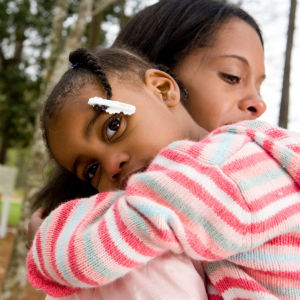 As parents, we hear the word “resilience” all the time these days: “Children are resilient.” “We must help our children be resilient.” Most of us have a vague sense of what resilience means and why it is important, but few really have a handle on what, exactly, we are supposed to do to help our children be resilient. In this article, I will give you some tools for doing just that, but first the basics.
What Is Resilience?
Merriam-Webster defines resilience as “the ability to become strong, healthy, or successful again after something bad happens.†According to Google, resilience is “the capacity to recover quickly from difficulties; toughness.â€
Underlying both of these definitions is an assumption that (1) bad stuff inevitably happens in life and (2) we all have the capacity to handle it. In some ways, this seems pretty obvious. However, as parents we tend to worry about our children’s ability to handle the bad stuff and want to protect our children from it. To some extent, especially when our children are very young, this makes absolute sense. The problem is that we won’t be in our children’s lives forever and, even while we are, we simply can’t protect them from all the slings and arrows that life sends their way.
Given these cold, hard facts, our job as parents is to help our children learn to cope with our difficult, imperfect world so that, eventually, they can take care of themselves—emotionally, physically, financially, etc.—if not completely on their own (no one can, nor should, handle life completely on their own), then at least somewhat on their own.
[fat_widget_child_counselor_right]
Now that we’ve established what resilience is and why it is important, let’s look at how we can foster resilience in our children. I believe there are five basic steps to helping build resilience in our children: empathizing, making meaning, problem solving, tolerating uncertainty, and modeling resilience.
1. Empathizing
When your child is struggling, or when something negative has happened to him or her, the first thing the child needs to know is that you understand his or her feelings. Rather than, “Oh, my god, that’s terrible! What are we going to do?” it is more helpful to say something like, “That sounds really painful/difficult/scary.†Even if your child did something wrong or made a mistake, he or she needs your empathy, at least at first. To say you empathize with your child does not necessarily mean you condone his or her behavior, but before you discuss the behavior, it can really help if you say something like, “It feels horrible to hurt a friend’s feelings,†or, “You seem furious at Jane.†In validating your child’s feelings, you are letting him or her know that you accept and can handle his/her feelings, that the feelings are not too upsetting, scary, or infuriating for you. Your child will eventually internalize this message—whatever I feel has validity—which will help build self-esteem and emotional resilience.
2. Meaning Making
If/when your child is able to discuss the situation further, going over what happened and helping your child make sense of it will help him or her feel less frightened, upset, and/or overwhelmed. Making meaning of what happened and why also gives your child a better understanding of the world and some sense of control. Sometimes how we do this is pretty straightforward, such as, “It sounds like it was slippery and you were running too fast and that’s why you fell,” or, “Do you think maybe you didn’t study enough for the test and that’s why you did badly?” Other times, it may require a more subtle approach, such as, “I wonder why Sam was so mad at you?” How you help your child make meaning will obviously depend on the situation and the age of your child. In general, though, the more questions you ask and the fewer answers or opinions you give, the better. When children feel that they are in charge of making sense of their world, the more in control and confident they feel, which only adds to their resilience.
3. Problem Solving
One of the “benefits” of difficult situations is that they give us an opportunity to learn from our mistakes or, even if we didn’t make a mistake, learn what we might do differently in the future. This is no easy task. One of our jobs as parents, therefore, is to teach our children how to learn from their mistakes and to handle the difficult situations they may encounter. Sometimes this involves little more than conveying information, such as, “Ice is slippery. If you run on an icy sidewalk, you will probably fall.” More often than not, however, what our children need to learn is the process by which a good decision gets made or a thorny problem solved. Some basic techniques that you can use to teach your child how to problem solve are brainstorming, role playing, and speculating.
For example, let’s say your daughter complains that her friend was very mean to her, and let’s say that after you have empathized with your daughter and helped her make sense of what happened, she asks you to help her figure out what to do. Although it will probably be tempting to give advice or state your opinion—”If she’s going to treat you like that, there’s no point in you being friends with her!”—your daughter is going to benefit a lot more if you help her problem-solve the situation. One way to do this is to brainstorm her options with her—stop spending time with her friend, be more guarded with her friend, confront her friend in person, call her, etc. After you and your daughter have come up with a few ideas, you might role play the ideas to see how they feel and how they turn out (some kids find role plays very helpful) or have a discussion around what each option might feel like: “What would it feel like if you said/did this?†“What do you think her response would be if you did that?â€
4. Tolerating Uncertainty
Sometimes things happen that are completely out of your child’s control and that no amount of problem solving will fix. Illness, death, and natural disasters are but a few examples. In these instances, empathizing (“It is scary not knowing what’s going to happen”) and making meaning (“Sometimes things happen that we can’t controlâ€) with your child are important in terms of helping your child feel less scared and alone. Also, by sticking with your child’s feelings, whatever they may be, and sticking with the truth about life’s uncertainty, you give your child the message that, as scary and uncertain as life can be, you are confident that he or she can tolerate not knowing sometimes.
Of course, whenever possible, it is helpful to reassure your child that (certain) bad things happen very rarely or that it is unlikely that they will happen to him or her—”Aunt Mary has an illness that only adults get”—or that there is hope even amidst the uncertainty: “The doctors are doing everything they can to help her get better.†Obviously, the more your child can feel safe and hopeful, the better.
5. Modeling Resilience
One of the hardest parts about helping our children develop resilience is that we don’t always feel so resilient ourselves. Developing an awareness of our own feelings around difficulty, failure, loss, and uncertainty is therefore very important. You might want to ask yourself: when I struggle with something or make a mistake, how do I feel about myself? How well am I able to work through or problem-solve a tough situation? How well do I tolerate uncertainty and loss? How confident am I in my ability to handle life’s misfortunes? If you are able to feel somewhat confident about at least some of the areas above (hey, no one ever feels completely self-accepting or anxiety-free), then you are modeling resilience for your child in a very powerful way.
Fortunately, even if we don’t feel so resilient all the time, having an awareness of our own vulnerabilities and insecurities can help us deal with our child’s. For example, in the situation where the friend is mean to your daughter, you may find yourself feeling very anxious: “Oh, my poor baby, this is going to be devastating to her!†“What if my daughter doesn’t know how to keep friends?†In these moments, it is helpful to stop and ask yourself, “Why am I feeling so worried? Who is my anxiety really about—me or her?†Much of the time, our own insecurities and past experiences color our perception of our children’s experience. To the degree to which we can, it really helps if we put aside our own experiences and self-doubts and focus on our child’s feelings and experience.
Temperament and Resilience
Although all children have the capacity for resilience, it seems that some children struggle more than others with life’s stressors. For example, there are children who are especially hard on themselves, children who are particularly sensitive to changes in their environment, children for whom uncertainty is extremely anxiety-producing, etc. However, although they may struggle more than other children in some areas, in the process of struggling, these children often develop greater self-awareness (about their needs, their limitations, their strengths, etc.) and an even larger toolbox of problem-solving skills, all of which greatly serves them as they go through life.
All children have the capacity for resilience. Our job as parents is “simply” to nurture this innate capacity. Following the above steps of empathizing, making meaning, problem solving, tolerating uncertainty, and modeling resilience, you can achieve just this. Even if you miss a step or two, if you are able more often than not to convey an attitude of acceptance (that life can be difficult and uncertain) and confidence (that he or she can handle life’s difficulties and uncertainties) to your child, you will be going a long way toward helping your child build resilience and succeed in life.
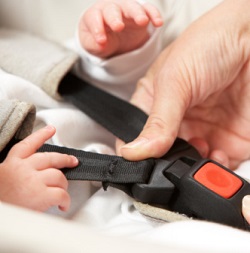 The tragic story of Cooper Harris, a Georgia toddler whose father left him in a hot car all day, has yielded a criminal prosecution and a national debate about kids and cars. Some media pundits and parenting experts have pointed to so-called “forgotten baby syndrome.†Forgotten baby syndrome isn’t an actual disease or mental health condition that you’ll find listed in psychiatry’s bible, the Diagnostic and Statistical Manual (DSM). However, the fact that 623 children have died of heat stroke in hot cars on warm days since 1998 suggests that forgetting children in cars is a real problem.
Why Parents Forget Their Children
Most parents now put their children in the backseat, with babies facing the rear, to minimize their risks of injury in a car accident. This positive parenting practice, though, means that parents may not interact with their children during a car ride and that they may not even be able to see their children. The tendency of most parents to be overwhelmed and distracted increases the chances that a child in the backseat will slip the parent’s mind.
When we drive our cars, prepare food, and complete other routine, everyday tasks, our brains go into auto-pilot. This means many parents are not consciously thinking about their children while driving them to and from daycare or activities, instead they may be thinking through the day to come. And deviating from a standard routine makes it easy to forget that the child is there at all. One recent study found that 11% of all parents have forgotten their children, and 1 in 4 parents of children under age 3 have accidentally left their child in a car.
How to Avoid Forgetting Your Child[fat_widget_left]
If you’re concerned about forgetting your child, the key is to jar your brain out of auto-pilot. When something’s out of place, it’s hard for your mind to continue working unconsciously. Put something that is an integral part of your daily routine— such as one shoe, your laptop, purse, or office keys—in the backseat. As you get out of the car, you’ll notice you’re missing something, even if you’re not thinking about your child. And once you notice the missing item, you’ll discover the item and your child in the backseat.Â
References:
- Null, Jan. (2014). Heatstroke Deaths of Children in Vehicles. Department of Earth and Climate Sciences, San Francisco State University. Retrieved from http://www.ggweather.com/heat/
- Martin, L. (2012, March 12). Forgotten baby syndrome. MailOnline. Retrieved from http://www.dailymail.co.uk/femail/article-2113440/Forgotten-baby-syndrome-It-unthinkable–accidentally-leaving-baby-hours-lots-busy-parents-devastating-consequences.html
- Payne, M. (2014, July 16). Shoe trick will prevent child deaths in hot cars. News-press.com. Retrieved from http://www.news-press.com/story/news/investigations/melanie-payne/2014/06/20/tell-mel-neverleft-campaign/11102697/Â
 I have 5-year-old twin daughters. For the sake of privacy, I’ll call them Mary and Martha. Mary is sensitive, nurturing, deeply compassionate, and easily distracted. Martha is industrious and won’t stop until the job is done. She is brave and matter-of-fact. I love my girls to the moon. And they often drive me nuts.
They are both very bold with their Daddy when he is impatient and impertinent. Mary delivers an emotional appeal—“Daddy, you hurt my feelingsâ€â€”with wobbly intonation. Martha pronounces a directive—“Daddy, you should not talk rough to me!â€â€”with assertive decree.
In moments of irritability, I react impulsively and act at the whim of my own anxiety. I still have a long way to grow. As parents, we must remember that the most effective discipline is disciplined parenting.
The Harvard Family Research Project defines responsive parenting as “the use of warm and accepting behaviors to respond to children’s needs and signals†(2012). Becoming increasingly responsive as a parent requires not only an incredible dose of humility but a fullness of perspective.
[fat_widget_right]
Responsive parenting requires attunement to your unique child. Yet here I propose seven general principles which I believe are consistently applicable to children of any age or temperament.
1. Show Love, Without Condition
First things first—make sure, without a shadow of a doubt, that your children know that you love them unconditionally, that no matter what they do or how circumstances change, you love them. Providing unconditional love is a prerequisite to the success of rules, expectations, and all the rest.
I am grateful to Dr. Gary Chapman for the simple profundity of his “five love languages.†There are five basic ways we give and receive affection: time, touch, words, acts, and gifts; we are each wired more or less in ways that affect which of these modes of affection mean the most to us.
I find there is always fantastic nuance in the linguistics of love. My daughter Mary feels highly connected to me when I give her nurturing massage. Martha feels highly connected to me when I block her karate chop, swipe her legs out from under her, and tackle her to the ground.
When we show love in our child’s unique language, we maximize the impact of our affections and fortify a secure base. Be a scientist, and experiment to learn what fills your child’s bucket. Then multiply to infinity.
2. Order Up Expectations, Sans the Egotism
Share your convictions firmly but without unnecessary rigidity. Remain open-minded, and share your thought process, even aspects of your own ambivalence. Your children will come to respect your authenticity and gain in cognitive and emotional depth. When you do choose to pick a battle, the credibility you may have gained in the process of compromising on nonessentials may be leveraged against a non-negotiable.
3. More Carrot, Less Stick
Catch your children doing the right thing, and do not miss opportunities to affirm a child’s acts of love, joy, peace, patience, goodness, kindness, gentleness, faithfulness, and self-control. Cultivate virtue by feeding, watering, and lighting the growth of character and integrity.
Also, work hard to nurture your bond with them, and you may find yourself less on the proverbial parenting soap box and less engaged in punitive discipline.
Mary and Martha love when I read them stories. We’re currently halfway through The Horse and His Boy on a quest to finish all seven books of The Chronicles of Narnia this summer. They know that if they have any chance for an extra chapter or two tonight, most of their toys must be neatly stored by bedtime hour.
4. Feed Connection, Starve Reaction
Your children want to know and to be connected with you, to know that you know them and want to be connected with them. It’s easy to miss this simple yet weighty truth as we grind out the day-to-day. Pour out affirmation and interest, and slow down reaction to mistakes and misbehavior.
Confront your children about issues for which you find yourself curious or concerned. Have direct and open conversations. Prioritize relationship over reaction, connection over compliance.
Do not present yourself as aggressive or unmovable. Observe and respond to your children’s perceptions and perspective. Do not just listen to yourself think and talk. Listen to them. Then, if necessary, remain resolute in clarifying limits and reassert your love.
5. Be Playful, Ditch the Digital
Let’s face it: we live in the digital age. And, whatever its virtues, it has waned our capacity for responsive attunement to our children’s tireless energies and budding desires. It is undeniable that learning as well as bonding best occurs when there is a significant component of play and reciprocal interaction.
A few weeks ago, my daughters were restless for fun, so I turned a couple of couches on their side and engineered a magnificent tent with an assortment of rods, a ladder, blankets, pillows, and a string of lights. That tent stayed up for weeks and prompted our adventure into Narnia. They will remember this forever.
6. Foster Wonder, Deter Gloom
We must teach our children how to think and feel, connect and create, and incite their wonder. We must find the time to attempt real answers to their insatiable questions and pose our own in return. Let us fearlessly lead our children in conversations of beauty and purpose and death. Life itself is the essence of wonder.
We don’t teach our children how to play. Rather, an innate curiosity and creativity drives their wildly imaginative masquerades into make-believe. Such creativity is a catalyst for competency. It deters boredom and gloom and promotes resilience. Yet many of us inhibit our children’s play, to their detriment.
7. Reward Competence, Discourage Vanity
Your children want to be awesome, just like you. Teach them everything you can about the world so that they will gain insight, and teach them everything you can about how the world works so that they will gain skill. Insight and skill are precursors to self-worth. Baseless praise is not. Neither is praise of outer appearance.
For instance, that Mary and Martha are pretty girls is a distraction from Mary’s early promotion in swim class and Martha’s success in cooking up scrambled eggs all by herself. Praise of externals risks an infusion of vanity. When I praise what they have genuinely done well, I excite self-worth and stir courage for more.
Reference:
Landry, S. H., Smith, K. E., Swank, P. R., Zucker, T., Crawford, A. D., and Solari, E. F. (2012, March 15). The effects of a responsive parenting intervention on parent–child interactions during shared book reading. Developmental Psychology. Advance online publication. doi: 10.1037/a0026400. Retrieved from http://www.hfrp.org/family-involvement/publications-resources/the-effects-of-a-responsive-parenting-intervention-on-parent-child-interactions-during-shared-book-reading
 Anxiety is a surprisingly common problem in children. If your child has sensory processing issues or sensory hypersensitivity, you may have already witnessed how these can bring about or intensify anxiety. These sensory issues aren’t always limited to one type of sensory input. Hypersensitivity can be found in any sensory system, and affect a person in one, two, or several systems at once. The intensity of experience common to sensory hypersensitivity, sensory processing issues, or other sensory issues can be a challenge for anyone, but for a child it can be overwhelming.
For instance, to children with tactile hypersensitivity, a sock seam might feel like the scratchy side of Velcro on tender skin. A voice that seems perfectly normal to most people might be painfully loud. Children who experience sensory input this intensely may naturally avoid or try to delay situations where they will be overstimulated by the offending sensations.
Anticipating future situations like these naturally leads anxiety-prone children to worry. A child may worry so much that anxiety becomes a day-to-day response. As parents, we are in a very good position to help our children avoid these pitfalls, and to develop good-feeling, healthy habits and attitudes.
There are many positive and healthy ways to manage anxiety that stems from sensory issues. Three examples of anxiety neutralizers are understanding, fun, and mindfulness.
[fat_widget_right]
Understanding
Understanding is key—both understanding oneself, and feeling understood by others. Understanding the relationship between one’s own hypersensitivity and anxiety can be empowering for children. Feeling understood by others, especially by parents, makes a big difference. Both of these will ease fears, and as parent, you are in the perfect position to help.
Feeling Understood
Children need to know that their parents understand where they are coming from, and that they are not being judged. Parents can ask questions, acknowledge their children’s feelings, and help them develop an action plan.
For example, if your child has a fear of leaving the house before school, listen carefully to your child and seek out the underlying problem. Convey that you understand. Help your child express herself using words, so that instead of reacting to her anxieties with a tantrum, she can explain the discomfort. Feeling understood helps your child feel nurtured and supported, and helps promote positive coping skills.
Self-Understanding
Likewise, your child needs to understand himself. Educate your child about his brain function. Explain that a special part of his brain works to keep him safe. When this part of the brain gets a message from a sensory organ (such as the skin, eyes, nose, tongue, or ears), it responds accordingly.
For instance, when nerves on his hand send a message to his brain that the stove feels hot, his brain responds quickly by moving his hand away from the heat. Likewise, if his brain receives a message that something seems wrong or unknown (like intense smells, loud sounds, etc.), his brain does its best to understand (interpret) the sensory information and respond in ways that might keep his body safe.
In people with hypersensitivities, the signals from the sensory organs send some messages to the brain that are intensified, amplified, or confusing. This is why the brain might send a message saying “Be anxious!†to the body so that it will be ready to run, hide, or maybe even fight.
Just knowing the cause of anxiety won’t make it go away, but it’s a beginning. Your child may need the support of a licensed, qualified therapist to develop positive and healthy coping skills, but learning to pay attention to their own feelings when anxious can be very helpful right from the start.
Fun
The sensations linked to having fun can be powerful against worries and sensory intensities. Fun is not a direct antidote to be applied during an emotional crisis or time of heightened anxiety, but rather a component to build upon and reinforce.
Habitual anxiety can distract a child’s natural inclination toward play, humor, and wonder. Facilitate your sensitive and anxious child’s sense of adventure. Point out when you notice joy and positive feelings. Laugh together (but never laugh at your child). Identify and help your child find humor, and use a sense of humor as a positive coping skill.
Mindfulness
Serenity, feeling calm and at peace, is the opposite of anxiety. One way serenity can be found is by breathing naturally and being fully present in the moment. This type of focus on the here-and-now is called mindfulness. Presence of mind comes with practice. For some, mindfulness is second nature. For the rest of us it’s a state we can learn to live in.
There are specific skills and habits that can be adopted to build a more mindful way of living. Mindfulness techniques have been proven to reduce anxiety, which in turn can reduce the intensity of sensory overstimulation. It is worthwhile to make time to teach your children how to focus on the present moment, and to be more mindful.
Learning about your child’s sensitivity or anxiety, communicating your understanding and support, and focusing on positive feelings can go a long way toward promoting excellent mental health. Your attitude as you travel this path is very powerful. Hold firmly the belief that your child can find peace and calmness. This can generate confidence and mastery. Your approach will be reflected in your attitudes and expectations, which can encourage your own efforts and help your child better cope, overcome difficulties, and ultimately thrive.
References:
- Brown, A. P., Marquis, A., Guiffrida, D. A. (2013). Mindfulness-based Interventions in Counseling. Journal of Counseling and Development, 91(1), 96-104.
- Engel-Yeger, B, Dunn, W. (2011). The Relationship Between Sensory Processing Difficulties and Anxiety Level of Healthy Adults. British Journal of Occupational Therapy, 74(5), 210-216.
- Felver, J. C., Doerner, E., Jones, J., Kaye, N. C., Merrell, K. W. (2013). Mindfulness In School Psychology: Applications for intervention and professional practice. Psychology in the Schools, 50(6), 531-547.
- Gourley, L., Wind, C., Henninger, E., Chinitz, S. (2013). Sensory Processing Difficulties, Behavioral Problems, and Parental Stress in a Clinical Population of Young Children. Journal of Child & Family Studies, 22(7), 912-921.
 Parents often focus so much on their children and teens having attention-deficit hyperactivity (ADHD) that they lose sight of the specific symptoms. As a result, many parents tell their kids that they cannot do something because they have ADHD. Other parents may continually remind their children about their diagnosis. Both of these parenting tactics can lead kids over time to internalize negative perceptions of themselves. In some cases, children and teens, and even adults, may learn to use having ADHD as an excuse to avoid doing certain things or attribute negative behaviors to it.
Clearly, all of this focus on having ADHD can lead to short- and long-term negative consequences. Therefore, it is important that parents focus on specific difficulties that their child or teen has in a domain, rather than blaming everything on ADHD. For instance, if you do not want your 10-year-old to walk with his or her friends to a local convenience store after school, it is recommended that you explain your concerns instead of saying, “You can’t go because you have ADHD.†It may be that your child is not attentive to watching for traffic, so you are concerned that he or she will not be careful when crossing the street. As another example, if you do not want your 13-year-old to go to the mall with his or her friends without adult supervision, explain why. It may be that he/she is impulsive, and you worry about your teen being disruptive or otherwise getting into trouble.
[fat_widget_right]
It is also important to look at ways to assist your child/teen to allow him or her to participate in age-appropriate activities. Related to this, you should also determine ways for your child or teen to prove to you that he or she is capable of participating in the desired activity without difficulty. Using the example above of the 10-year-old who wants to go to the convenience store with his or her friends, one could handle the situation in the following manner: Sit down with your child and explain your concerns about his or her ability to watch for traffic. Then, provide opportunities in a controlled environment to prove that he or she can watch for traffic. You could do this by having your child walk places with you and take the lead when crossing the street. Of course, if he or she starts darting out into traffic, stop and discuss the situation in the moment, if possible. Once you feel comfortable that your child can watch for traffic in your presence, have him or her practice crossing the street when with you and a few friends. At 10 years old, it is fairly age appropriate to be walking places with an adult.
Only use the situation with your child’s friends and you if it is deemed age appropriate. For instance, if you are having the same issue with a 17-year-old, it would be much less appropriate to make him or her practice crossing the street with you and his/her friends. Also, when helping your child practice crossing the street in this situation with friends, don’t mention to the friends that you are helping your child practice crossing the street safely. Once your child proves that he or she can cross the street safely with you and friends, consider letting him/her walk independently with friends provided that he/she does not have to cross any major intersections. After a small amount of time being able to walk independently and proving that he or she is capable of being careful, you could allow your child to walk places with friends that involve crossing busier streets.
With the examples above, the point is to explain your rationale to your child or teen if you feel uncomfortable letting him or her do something. It is important that the explanation revolve around specific skills rather than concerns about having ADHD. Furthermore, it is important to discuss ways to improve these skills and then demonstrate success with them. Taking this approach, along with other strategies, will help improve your child’s confidence and make him or her less likely to fall prey to negative self-perceptions due to having ADHD.
 The death of a child is one of the most difficult and traumatic events that a parent can encounter, one that will shape emotional experiences over the lifespan. Parents will encounter a wide range of emotions that will, in most cases, fundamentally change who they are. They will experience not only intense grief but also regret, remorse, and guilt about not being able to protect their child.
The emotions experienced by parents with regard to the loss of a child are due, in large part, to individual and social beliefs about parenting and the roles of parents. The death of a child erases what many parents view as a fundamental certainty: that they will outlive their children. Although there are no certainties in life, the assumption that a parent will outlive his or her child is one that is clearly taken for granted. Further, because a parent’s identity is integrally tied to his or her child, the death will alter the way the parent looks at and experiences the world. Children change the way parents look at the world and themselves. A child’s identity often becomes an integral part of the parent’s lived experiences, views on life, and personal understanding. Thus, when a child is lost, a significant part of the parent can be lost as well.
The death of a child, to many, may seem like an insurmountable event. Parents may experience extreme difficulty in moving on and may, for a long time, be unable to connect with others. Parents may choose to isolate themselves and, for a time, this may be helpful. However, parents are social beings who sooner or later will need to reconnect with the world around them, either through work or through their community. When this does not occur naturally, help and support from a counselor may be needed to help the parent come to terms with the loss and to begin the healing process.
[fat_widget_grief_right]
The healing process may also include other activities that are integral to the well-being of the parent as part of a larger social community. As a parent begins to heal, he or she may seek out relationships, and, in time, may decide to marry or have additional children. For some, the prospect of having another deeply emotional relationship may seem too difficult. For others, these relationships may provide an important support for coping and healing. The decisions made by the parent should be respected, as each person will need to come to terms with loss in his or her own way. By enabling parents to grieve in the best way they see fit, true healing can occur.
The decision to marry following the death of a child is one that is deeply personal and requires the parent to consider his or her emotional state and readiness for this transition. Again, it is important to remember that each individual grieves in his or her own way. Some parents will be ready and able to move on with their lives before others. Accepting this and recognizing differences in grieving will help parents and their supporters to come to terms with personal decisions made following the death of a child. No matter what decisions are made, they must be respected by others and viewed as part of the healing process.
Parents experiencing emotional distress or uncertainty after the loss of a child should seek the help of a professional counselor to help them understand their emotions and to make positive choices moving forward. The help and support of counselors should also be sought if the individual is experiencing emotions that are detrimental to personal well-being and health (such as suicidal ideation, depression, etc.). The decision to marry following the death of a child carries with it the possibility for additional loss through divorce. Therefore, making this decision with proper support is advisable.
 Children have a core nature—a set of automatically triggered perceptions, priorities, values, and meanings that are present at birth, identifiable at an early age, and largely unchanging over time. Parents also have a nature, the one that they were born with. A parent’s nature might be the same as or quite different from that of their co-parent, child, or children.
This nature is determined by the degree to which a child is, naturally and normally;
- More extraverted or introverted as their primary source of life energy
- More literal or possibilities-oriented when processing information
- More thinking- or feelings-oriented when making decisions and experiencing emotions
- More structured or open-ended when dealing with life events
Like the degree to which a child proves to be left-, right-, or mixed-handed, a child’s degree of response orientation on these four dichotomies is innate, a genetic given with little room for intentional alteration. An extraverted child, for example, is energized more by ongoing verbal interactions with those around him or her. In contrast, introspective reflective processes provide more energy for an introverted child.
The nature of this difference is such that the longer the extraverted child is required to listen without responding, the greater the possibility that they will start to feel disconnected from their sense of self separate from others. If this happens, an extraverted child may interrupt the flow of conversation to speak, in order to get that sense of connection back.
[fat_widget_right]
Conversely, the longer an introverted child is required to engage in uninterrupted verbal interactions the greater the possibility they will start to feel disconnected from their sense of self separate from others. If this happens the child may attempt to disengage in order to get that sense of connection back. Contrary to common beliefs and dictionary definitions, most introverts are not shy, withdrawn, or antisocial, and they do not categorically have depression. They are simply wired to process information and come to conclusions through introspective reflective processes.
A child’s natural response orientation on these four dichotomies determines:
- Which of four possible natures, called temperaments, they are wired to respond with, and
- The manner in which they will express that temperament in action.
Elizabeth Murphy, EdD, author of The Developing Child and co-creator of the Murphy-Meisgeier Type Indicator for Children, has provided compelling evidence that supports these statements. In a longitudinal study of type development across the ages, Murphy identified, at a preconscious age of development (under 9 months of age), each child’s response orientation on the four dichotomies mentioned above. Each child was then retested during childhood, during adolescence, and into his or her adult life. The temperament-driven nature Murphy identified in each child at a preconscious age of development did not change across time.
The significance of these findings cannot be overstated. If the temperament-driven nature of adults can be identified at a preconscious age of development, then
- Nature, rather than nurture, is the key determinant of individual differences in personalities, and
- The key impact of parents on their child does not come from a role in personality development, but rather in how the child grows up feeling about the temperament-driven nature they already have.
As a child’s ability to express what they are thinking and feeling becomes more visible, parents can often identify their child’s nature.
One child will automatically tune in to standard rules of behavior. They will want to know what those rules are, will abide by them, and expect others to do the same. Approximately 45% of newborns are so wired. A thorough study of temperament percentages in the general population has yet to be made. The percentage estimates provided here are based on a few studies made in conjunction with the Myers-Briggs Type Indicator that need to be confirmed by a neutral examiner.  Well-known adults that came into the world with this response orientation include Harry Truman, Barbara Walters, Rosa Parks, and Justice Oliver Wendell Holmes.
Another child will automatically be sensitive to the tone of communication and how people are treating each other. For these children, if it is not said nicely, it is not nice. They are wired to facilitate harmony in human interactions and feel guilty and bad, out of proportion to objective reality, if they upset or disappoint someone. They may also experience disproportionate feelings of hurt and rejection when responded to in a neutral or blunt manner. Choice is not an option. This sensitivity is a natural given to children so wired. Approximately 18% of newborns will respond in this manner. Well-known individuals with this response orientation include Oprah Winfrey, Mohandas Gandhi, Isabel Briggs Meyers, and Carl Rogers. This is also the natural response orientation of approximately 70% of marriage and family therapists in private practice.
A third nature that a child may have is governed by objective criterion of cause and effect. For these children, what is said or done must make logical sense or it will be experienced as invalid.
Their natural manner of self-expression is emotionally neutral and direct. Approximately 15% of newborns will have this temperament-driven nature. Individuals born with this response orientation include Steve Jobs, Hilary Clinton, Albert Einstein, and Whoopi Goldberg.
The fourth nature a child may have is governed by immediate sensory experience. Children with this response orientation have the highest level of in-the-moment perception and pragmatic responsiveness of the four natures. Conventional dictates that are not practical in attaining their immediate goals will tend to be ignored. Such children can appear to be impulsive, selfish or immature. However, this is usually not the case. In fact, children so wired are often found among the most gifted practitioners in both the fine as well as the martial arts. Approximately 22% of newborns will prove to be so wired. Well-known individuals with this response orientation include Amelia Earhart, George C. Patton, Barbara Streisand, and Andre Agassi.
A. A. Milne’s Winnie the Pooh fables include a wide range of memorable characters that provide concrete examples of these temperament-driven natures in action. Christopher Robin, Pooh, Eeyore, Tigger, Piglet, Rabbit, Owl, Kanga, Roo, and Gopher are found in various combinations, addressing situations from noticeably disparate perspectives that often lead to very different conclusions.
Time and again Rabbit, who is wired to abide by the rules and speak up when they are not being followed, and Pooh and Tigger, captured by the moment and what the moment might offer, clash over whose perspective is right and whose is not.
What follows is a morality play with Rabbit pointing out society’s rules of behavior based on consideration and respect for others, and Pooh or Tigger countering with their own reasoning for why those rules should not apply to the situation at hand. Episodes that include the eternal pessimist Eeyore often have a nurturing friend like Piglet or Christopher Robin trying to lift his spirits. And then there is Owl, always ready to point out when other inhabitants of The Hundred Acre Wood are not making logical sense.
The one constant in these wonderful stories involves each character’s temperament driven nature. It does not change across time.
Parenting episodes have Kanga, a by-the-rules mother, trying to get her child Roo to see beyond his natural in-the-moment responses to the consequences that those behaviors might have. The challenge for Kanga comes from finding a way to communicate important life lessons in a manner that Roo can understand—a manner that does not require Roo to respond in a way he is not wired to respond in, or feel bad about the way he naturally responds that differs from that of his mother.
In order for real-life parents to accomplish this goal, it is important that they first understand their own temperament-driven nature as well as that of their co-parent, if their co-parent’s nature differs from their own. This can be done by downloading and filling in the Natural Personality Questionnaire found at NaturalPersonalityInstitute.com.
This questionnaire uses the four-letter classification typology developed for use with the Myers-Briggs Type Indicator, the most widely used personality assessment tool in the world today. Although type profiles are usually accurate, some are not. Errors in scoring choices may come from a lack of self-awareness, or from associating a meaning to the terms used that differs from that which the test designer intended. Consequently, no guarantee can be given regarding the accuracy of an individual’s scoring profile. If you have a 4-3 score on any of the four dichotomies, you can go to Ross Reinhold’s website, PersonalityPathways.com, and fill in the more comprehensive questionnaire found there to see if your 4-3 score or scores remain the same.
Within your four-letter personality type code is a two-letter code that identifies your temperament-driven nature. The first letter of your temperament code is found on the Sensing-iNtuition dichotomy. That is the second column from the left on the questionnaire.
- If the first letter of your profile is S for Sensing, the second letter is found on the Judging-Perceiving dichotomy (the last, or fourth, column on the right). If your letter code on the Judging-Perceiving dichotomy is J for Judging, your temperament is SJ (Sensing-Judging). If your letter code is P for Perceiving, your temperament is SP (Sensing-Perceiving).
- If the first letter of your two letters temperament code is N for iNtuition, the second letter is found on the Thinking-Feeling dichotomy (third column from left). If your letter code is T for Thinking, your temperament is NT (iNtuitive-Thinking). If your letter is F for Feeling, your temperament is NF (iNtuitive-Feeling).
The automatically triggered primary priority for each temperament is as follows;
- SJs: Adherence to societies standard rules for acceptable behavior.
- NFs: How individuals are treating each other. Thoughts and feelings that are not expressed nicely are not nice.
- NTs: Logic. In order to be valid, what is said and done must make logical sense.
- SPs: Freedom to respond in the moment as events unfold.
To date, no study has been conducted on the function and purpose of the four natures. It is the author’s belief that nature designed four distinctly different types of human beings to attend to four critical areas of need in a functioning human society, areas that are so disparate that differences in perceptual driven priorities and meanings were necessary to attend to them.
The stronger an individual’s response orientation is on the two dichotomies that determine their temperament, the greater the likelihood that they will respond in a manner that is consistent with their temperament type.
Once parents have identified their two-letter temperament code, they should see my previous article on using the four temperaments to resolve conflicts for additional information on each of the four temperament-driven natures.
When parents have different temperaments, it is important that they understand the following:
- The natural and normal perceptions, priorities, values, and meanings that each brings to the parenting process.
- That their areas of difference are not matters of choice but of nature.
- That accommodation and compromise are the best approach when natural differences become an issue in their parenting efforts. By so doing, parents eliminate debilitating debates over who is right and who is not from their efforts to resolve their natural differences in approach. They also provide their child with a helpful model for dealing with significant others in their life that naturally differ from them.
This manner of addressing natural differences helps parents distribute child-raising role responsibilities in a way that best utilizes their individual strengths and minimizes the possibility of unintentionally undermining each other’s parenting efforts.
The next step is to identify the temperament-driven nature of the child. Additional information on type in children can be found in
- Otto Kroeger and Janet M. Thuesen’s Type Talk: The 16 Personality Types That Determine How We Live, Love, and Work
- Paul D. & Barbara B. Tieger’s Nurture by Nature
- Michael Gurian’s Nurture the Nature: Understanding and Supporting Your Child’s Unique Core Personality
Once parents have a clear sense of their child’s temperament driven nature, they can
- Respond in a manner that validates their child’s perceptual reality when it differs from their own.
- Teach their child important life lessons in a manner that does not cause their child to feel bad about the way they are that naturally differs from those in their life that they are required to accommodate.
Parents who understand their own temperament-driven nature, as well as the nature of a child or children that naturally differ from them, can
- Provide validating responses that mirror the perceptual reality of their child when it differs from their own, and
- Communicate different temperament driven perceptions, priorities, values, or meanings, when necessary, in a manner that does not leave the child feeling that there is something wrong with them because they naturally differ from their parent or parents in that area.
Reference:
Siegel, Daniel J. An Interpersonal Neurobiology of the Developing Mind. 2001,The Infant Mental Health Journal, 22(1-2), 67-94.
 People have their own unique style when it comes to parenting. It is not just about a set of rules; the style of parenting caregivers take on is a reflection of who they are, their culture, and their value systems.
It’s important that parents be able to adapt their parenting style to integrate the best practices of other styles. This article will focus on two styles in particular: authoritarian and authoritative.
Authoritarian Parenting Style
Using an authoritarian parenting style hinders children’s capacity to verbalize what they want and need within the family system and hinders communication between parents and children about the reason for certain rules and expectations. When parents implement an authoritarian parenting style, the family is operating under what I would call a “closed system,†meaning that there is no room for discussion, options, alternatives, or negotiation between parents and their children. Parents who use an authoritarian parenting style send the message that children must cooperate with their parents “because I said so†by implementing techniques such as shaming, withdrawal of love, or arbitrary punishments.
[fat_widget_right]
An authoritarian parenting style may get children to be compliant on a short-term basis. However, children will not feel that there is a “democracy†in the household. As a result, they may be compliant due to fear of being punished. In addition, children will perceive that their feelings don’t count, which encourages them to feel powerless.
An authoritarian parenting style creates an oppressive environment for children to live in (particularly for children who are adopted and/or in foster care). An oppressive environment prevents children from thriving. In order for children to thrive, parents need to create an environment that is based on warmth, which allows children to learn to self-regulate.
Children also need to learn self-discipline, and they learn this from internalizing limits from a loving perspective as opposed to having limitations placed on them without empathy.
An authoritarian parenting style can create insecure attachment patterns in children, which prevents the emotional bond necessary that creates trust between parents and children that their physical and emotional needs will be met. As a result, children are more vulnerable to low self-esteem, depression, and anxiety, which are among the most common mental health issues among adolescents.
Parents who choose an authoritarian parenting style most likely were not securely attached as children themselves, which increases the chances of passing on insecure attachment patterns to children.
Authoritative Parenting Style
Of the four primary and widely acknowledged parenting styles, research shows that an authoritative parenting style achieves the most positive results with children. (Permissive and uninvolved are the other two styles.)
An authoritative parenting style responds to the emotional needs of children while setting limits and boundaries. Research on parenting styles shows that when parents are authoritative and engaged, children thrive in their environment and develop secure attachments with parents, an emotional bond that allows children to trust that their physical and emotional needs will be met.
Children feel a sense of empowerment when there is balance between choice and responsibility. Authoritative parents expect their children to meet high standards while also being willing to reason and be flexible with children when they make mistakes. Authoritative parents allow children to have a voice in what happens in their lives, and children perceive that their parents are open and sensitive to their needs. As a result, children have the opportunity to learn how to negotiate, become self-reliant, achieve academic success, develop self-discipline, be socially accepted, and have increased self-esteem.
If children are not provided with these opportunities, they build resentment and act out their feelings, which may cause behavior problems and increases the odds of delinquency and drug use during adolescence.
To implement an authoritative parenting style, parents should:
- Show their children that they care.
- Praise positive behavior and accomplishments.
- Set clear and fair expectations.
- Listen to their children.
- Be consistent.
- Discipline using choices and consequences.
- Take their children’s opinions into consideration.
- Be demonstrative in showing affection and saying, “I love you.â€
- Provide opportunities for children to make choices.
For most adults, parenting is one of the most challenging tasks they will take on in life. It can also be one of the most rewarding experiences in life. All parents want their children to grow into happy and well-functioning adults. In order to achieve the best possible outcome, parents should integrate acceptance, firmness, and encouragement of autonomy into their parenting practices.
 Is the trauma children typically experience when divorce occurs in the family due to the divorce itself or other factors that surface around the divorce between the parents?
To a marriage and family therapist, this is an important question. If mental health professionals know specifically what it is about the process of divorce in the family that is traumatic for children, the trauma can be lessened to a great degree by addressing the specific factor(s) that children who experience divorce in the family are confronted with.
Many children experience the process of divorce in their families. During the 1970s and ’80s, the pop psychology was that parents should not stay together for the sake of the children. The theory was, “If the parents aren’t happy, the children will not be happy.†While that is most likely true, research has shown that there are, in fact, traumatizing effects that divorce can have on children.
However, the divorce itself does not appear to be the only factor that is traumatic for children when the divorce process takes place. Other factors, such as not seeing one of the parents as often, the parents transitioning into new relationships, changes in the socio-economic status of the family, and the constant transition from one parent’s house to the other parent’s house can also be difficult adjustments for children who experience divorce.
[fat_widget_child_counselor_right]Generally, children are very adaptable when they have enough support. When children who experience divorce do not have an appropriate amount of support and they reflect back on the situation, they often recall experiencing difficulty that they possibly did not realize they were experiencing at the time.
Some factors for parents to consider when children experience divorce in the family:
- There should be as little conflict as possible between the parents, especially in front of children. When children witness their parents in conflict, they often attribute the cause of the conflict to something they did wrong. Each parent should avoid criticizing the other.
- Parents must be extremely careful when entering into a new relationship. They must ensure that the person they are entering the relationship with is open to accepting the extended family, including both biological parents of the children. This would also mean accepting the ex-spouses. Whether the parents and the new partners in their relationships like it or not, they are, in fact, extended family. It is in the best interest of the child(ren) that everyone involved be accepting of one another while setting and respecting clear boundaries. This also models healthy boundaries for future relationships.
- The time each parent spends with the child(ren) needs to be as equitable as possible.
- When spending time with one of the parents, children should feel free to contact the other parent if desired, and to have their privacy respected.
- Parents must recognize that their relationship is not ending when they divorce; it is changing. They will always be in a parenting relationship and must collaborate as a team.
- Each parent should have a caring attitude toward the other biological parent. Children need to know that their parents care about each other, as it reflects that the parents also care about the child(ren), which increases the child(ren)’s self-esteem.
- Both parents should attend events such as parent/teacher conferences, school plays, sports activities, and other types of activities that the children are involved in as much as possible. Children need to know both parents are invested in supporting their success.
- Parents should ensure they live close enough geographically so that they are both easily accessible to the children; that being said, it is also important to have clear boundaries and show respect for the other parent’s personal life.
- Parents must be able to communicate consistently about their child(ren)’s emotional development, health issues, academic progress, etc., and be committed to supporting one another in their role as parents.
- Parents must be careful to avoid using the child(ren) as a messenger. They should communicate directly and avoid asking the child(ren) for information about the other parent’s personal life.
- The child(ren) should know that they can turn to both parents when/if they need to problem solve.
- Parents need to ensure that they have adequate and quality one-on-one time with their child(ren) and are as present in the moment as possible … in other words, children need to have a sense that they have a parent’s undivided attention when spending quality one-on-one time together.
When parents have appropriate support systems in place for each other and the children while maintaining clear boundaries, the process of divorce is much less traumatizing for children. Ideally, in time, both parents can move forward with their lives and into healthy relationships with the outcome being extended family relationships that are loving and supportive of one another. Ideally, the children should have the perspective that they did not lose their family, but that their family changed and that the parents have the children’s best interests at heart.