 Unfortunately, all too often, I speak to people who struggle with their self-image. For the purpose of being entirely transparent, I sometimes do, too.
Here are things that sometimes surface in my conversations with others:
- Constant negative comparisons to others
- Believing others are more “put together” or polished
- Worry about fitting in or belonging
- Concern about being “enough” (pretty enough, smart enough, good enough)
- Wondering how others make being “beautiful” look so easy
- If-then beliefs, such as, “If I lose weight, then I’ll be beautiful”
I saw a clip of the Today Show recently where they offered two women makeovers during an “Ambush Makeover” segment. One of the women was incredibly excited (it was her 50th birthday), and she was thrilled with the results of her “reveal.” The other woman expressed trepidation and stated she was more nervous than excited. The show’s staff assured her they’d take care of her.
[fat_widget_right]
Upon seeing herself in the mirror afterward, and after the hosts exclaimed how gorgeous she looked, that woman calmly said “I like it” and then “My mom will like it” in a measured way, as though that was purportedly the correct response. Though she smiled broadly, it didn’t appear she was as ecstatic as the hosts. I got the feeling she might be eager to wash off the façade, that perhaps she never believed she needed a makeover in the first place. It was slightly awkward to watch because it drove home the notion one “should” want to present as aesthetically pleasing to others, even when one is perfectly content with being exactly as they are.
Often, what we truly perceive as beautiful is not what is traditionally externally pleasing to the eye. We recognize people in our lives as beautiful when being around them makes us feel good. We see them beneath their surface. The same can hold true for us.
One of the people with whom I work in therapy, when asked when she felt beautiful, replied “never,” her eyes welling with tears. As we continued our exploration of this subject, I asked her how she defined the word “beautiful.” She referenced someone from her past whom she described as kind, warm, smiling, welcoming, and friendly. That became a reference point for us, and she was then able to discern she had, in fact, felt beautiful at times.
Often, what we truly perceive as beautiful is not what is traditionally externally pleasing to the eye. We recognize people in our lives as beautiful when being around them makes us feel good. We see them beneath their surface. The same can hold true for us.
Here are some examples of things you can do to improve your relationship with yourself and feel more “beautiful”—according to your definition:
- Find a feature you like. Look in the mirror and find a single thing you do like about your body. Maybe it’s a cute freckle on your nose, or the way your smile is a little crooked, the length of your fingers, or the thickness of your hair. Is there a feature that makes you unique? Perhaps that’s something that enables you to feel beautiful.
- Focus on what your body is able to do, on the ways in which it demonstrates its power. Is your body able to breathe, move, speak, hug, smile, or hold someone’s hand? Is your mind capable of thinking? Can you look at someone and really see them?
- Deliver the kinds of positive messages to yourself that you would offer to others. If asked, what words would you use to describe a loved one’s physical appearance? Would you berate, bully, and be unkind? Or would you be caring, encouraging, and compassionate?
- Find a new way to appreciate your body and connect with it. Try yoga, dance, or tai chi, a means of moving that requires focus and develops trust within yourself.
- Develop a mantra, post it, and practice it. Examples: “I have incredible beauty within,” “I am enough,” “I am special,” “I have inherent value,” or, “I bring beauty to the world.” Think of a statement that rings true to you and rehearse it on a regular basis.
- Do what you love. As you engage in the things that bring you joy, you can’t help but deliver that feeling beyond you. That is beauty.
Think about what the word “beautiful” means specifically to you, and the moments in which you feel that way most deeply. How do you project your beauty into the world?
“What I want to be, girls, is beautiful. Beautiful means ‘full of beauty.’ Beautiful is not about how you look on the outside. Beautiful is about what you’re made of. Beautiful people spend time discovering what their idea of beauty on this earth is. They know themselves well enough to know what they love, and they love themselves enough to fill up with a little of their particular kind of beauty each day.” —Glennon Doyle Melton, Love Warrior: A Memoir
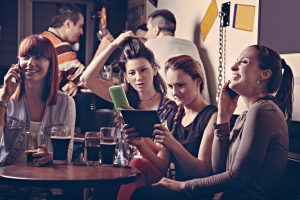 Tinder users may feel less satisfied with their bodies and appearance, and male Tinder users tend to have lower self-esteem than non-Tinder users, according to a study presented at the annual conference of the American Psychological Association.
Tinder, a dating app that allows users to quickly review dozens of profiles (a finger swipe to the right indicates interest and a swipe to the left is a definitive sign of rejection), has been criticized for promoting a superficial dating culture. An article in magazine Vanity Fair blamed Tinder for bringing about a “dating apocalypse” and for treating dating as a never-ending competition. Some critics worry that Tinder—which has about 50 million active users worldwide—creates a constant quest to find the “best” date, treating people as commodities rather than looking for deeper connections or relationships.
How Tinder Affects Mental Health
The study looked at 1,044 women and 273 men, most of whom were undergraduate students. Participants completed questionnaires about their body image, mental health, perceived objectification, and demographic factors.
About 10% of participants said they were Tinder users. This group reported lower overall satisfaction with their bodies and appearance. Specifically, Tinder users were more likely to embrace societal expectations of beauty, to compare their appearance to others, to draw information about attractiveness from the media, and to experience body image issues.
[fat_widget_right]Male Tinder users also reported lower self-esteem than non-Tinder users. Because the study involved more women than men, the study’s authors say more research is necessary to determine whether this correlation holds. Previous research has mostly focused on women’s self-esteem and body image, but this study suggests men may experience these issues as much as women do.
Does Tinder Cause Self-Esteem Problems?
The study does not prove that Tinder causes self-esteem problems, though it does establish a correlation. Its authors suggest the app may make users feel disposable and hyper-aware of appearance issues, but they recognize the possibility that people who already have low self-esteem may be more likely to use Tinder. Because the study also found that Tinder users pay more attention to messages from media about body image, the authors also say it is possible the other way around: people who take body image and self-esteem cues from media may also be more likely to use Tinder.
References:
- Sales, N. J. (2015, September). Tinder and the dawn of the dating apocalypse. Retrieved from http://www.vanityfair.com/culture/2015/08/tinder-hook-up-culture-end-of-dating
- Tinder: Swiping self-esteem? (2016, August 4). Retrieved from http://www.apa.org/news/press/releases/2016/08/tinder-self-esteem.aspx
 Most mothers likely want their daughters to develop a positive body image and a healthy sexual self-esteem. However, many moms inadvertently act in ways that are counter to this goal, often because they may feel shy or embarrassed to talk about their bodies and sexuality. This message may, over time, get passed along to their daughters.
What is a healthy sexual self-esteem, exactly? This refers to a person’s ability to connect to their sexual identity and self in an age- and developmentally appropriate way. Healthy sexual self-esteem could mean experiencing our body in a sexual way, enjoying our body sexually, and eventually sharing our body sexually with someone else. Many moms tell me they want to raise their daughters to be like this one day. They want their daughters to feel great about their bodies and to experience pleasure when they are older, in a healthy adult relationship. The question is: how do we get there?
First of all, it may be necessary to reframe the part of you that still believes talking to your daughter about her body and sexuality may be harmful. The research does not support this notion. In a study published in 2008 in the Journal of Adolescent Health, for example, researchers Kohler et al. found that adolescents who received comprehensive sex education were significantly less likely to report teen pregnancy than those who had received abstinence-only education. In fact, abstinence-only education did not reduce the likelihood of engaging in vaginal intercourse, but comprehensive sex education did.
[fat_widget_right]
With the research firmly on the side of talking to your daughter about her sexuality, how do you go about it?
General Tips
- Start early and deliver age-appropriate messages. This conversation is a years-long one. Don’t wait for children to ask questions or initiate, as some may be too embarrassed. As the adult, overcome any discomfort you feel and talk to them.
- Model healthy body image, no matter your shape or size. Reject media images of so-called ideals. Promote a greater picture of health and nutrition rather than focusing on fat or weight specifically. Model appropriate affection with your partner.
- Be real. This means being direct, honest, and conveying the facts alongside a positive and affirming perspective.
Toddler Years
- Put a positive spin on bodily functions (i.e., “You threw up because your body was saying the food you ate did not work well in your body. Your body can be trusted and knows how to protect you!”).
- Don’t shame their bodies by saying things like, “Go put your clothes on,” or, “Don’t run around the house naked.”
- Teach them the correct names of body parts: vagina, penis, testicles, etc.
- When the time comes/when they ask, tell them how babies are made. For example: “When a mommy and daddy love each other very much, the mommy’s egg meets the daddy’s sperm and that makes a baby. Then the baby grows in the mommy’s uterus until it’s big enough to come out. When the baby’s ready, the uterus squeezes, and the baby comes out of the vagina. Then mommy’s body goes back to the way it was.”
Pre-Puberty/Puberty
- Put a positive spin on distressing changes (i.e., “You are becoming a woman! That’s wonderful! Welcome to the world of womanhood.”). At the same time, discuss openly any negative aspects of puberty-related changes rather than glossing over them.
- Tell stories from your childhood—your first period, perhaps, or even embarrassing stories. Show them that you survived and they will, too.
- Don’t shame their bodies with messages like, “You can’t wear that.”
- Teach them about male and female puberty, natural bodily changes, and the basics of sex.
- Take your daughter to get her first bra. Bring it up; she may be too embarrassed.
- Give her deodorant, a razor, sanitary pads, tampons, etc. Tell her you have noticed she’s becoming a beautiful young woman. Again, pre-empt these things.
Adolescence
- Encourage your daughter to trust her body and to listen to it (i.e., if she gets a stomachache before a test, talk to her about how her body is telling her something).
- Again, don’t shame their bodies. Talk about what messages they want to portray about themselves by the way they dress and appear. Share examples from your own life.
- Talk about relationships as portrayed in books and movies and how those portrayals differ from real life. Talk about couples dynamics and what your child may like/doesn’t like about how relationships are portrayed vs. the reality of relationships.
- Don’t encourage her to hide her wanting to grow up. Pick your battles. If you find out she’s tweezing her eyebrows, it’s not the end of the world. Instead, help her find an article online about eyebrow tweezing (or whatever else) and use this as an opportunity for open discussion. Shaming a child can lead the child to want to hide things from you later.
- Talk to her about her period. Introduce her to the variety of menstrual supplies available and encourage her to explore all of them to discover what works best for her. Tampons may seem scary, for example, but using them may help some adolescents become more comfortable with their bodies. Help her get used to her period as a normative event, not something shameful or secret.
Raising any child is difficult, but raising a daughter may come with its own particular challenges. To promote healthy body image and sexual self-esteem, keep your conversations real and regular, be a trusted resource for accurate information, and model what you want your daughter to aspire to both in and out of relationships.
Reference:
Kohler, P. K., Manhart, L. E., & Lafferty, W. E. (2008). Abstinence-only and comprehensive sex education and the initiation of sexual activity and teen pregnancy. Journal of Adolescent Health, 42, 344-351.
 “The best part of beauty is that which no picture can express.” —Francis Bacon, English philosopher
A large portion of the U.S. economy would grind to a halt if people made peace with their bodies. Billions of dollars are spent each year on plastic surgery, botox, lasers, corsets, diets, and psychotropics to deal with body-related depression and anxiety—all of it fueled by the advertisers’ goal: making people feel unattractive and inadequate. Photoshop and other image-manipulation tools, with their ability to refine and enhance the already polished, have only added to the impossibly perfectionistic landscape.
If you want to get off and stay off the train of self-loathing and body hatred, stop watching or listening to any programming that features ads. Ditto for many magazines. Embrace the way you were made.
If you have curly hair, learn to love it. If it’s thin and wispy, love that, too.
Curvy? Fabulous! No waist? Just great! Tall? Beautiful! Short? Lovely!
Celebrate your unique beauty.
[fat_widget_right]
There will always be someone who finds you appealing. If you spend your life in a state of self-hatred, how can you expect to attract anyone you might want?
Try this approach instead.
Hate your thighs? Imagine having no legs. Hate your arms? Imagine them gone. Start being appreciative of what your body is and what it can do. Can you see? Hear? Move? If yes, lucky you. Lamenting what you don’t have and buying into unattainable ideals of beauty (always youthful, of course) is a clear path to misery.
Be strong. Swim against the tide of peer pressure and groupthink. Use your own brain. Decide for yourself what is important. If it’s looks and physical prowess, I can assure you they will fade. Then what?
When you don’t think you look your best, make a point of emphasizing your best qualities. Maybe you have a wicked sense of humor. Perhaps you are very kind. Let these qualities shine. Mother Teresa wasn’t a fashion icon, yet was beloved by more people than we can count. No one remembers Marie Curie for her looks, either.
Want to feel liberated? Care less about what you assume others think of you. Trust me, they are way too preoccupied thinking about themselves to give your appearance more than a passing thought.
What do you bring to the table? Bring it! Even when you think you might look ravishing, your attention to externals may come with less focus on internals. How will that help develop you as a person? Bring your truest self to every situation; perhaps you won’t be universally liked, but whoever likes you will like the real you.
Want to feel liberated? Care less about what you assume others think of you. Trust me, they are way too preoccupied thinking about themselves to give your appearance more than a passing thought.
Want a great relationship? Don’t base it on appearances. Anyone attracted primarily to your looks may want to trade you in for a newer model when you are no longer so fetching.
Want to feel better? Give yoga a try. Any yoga, unless it’s grueling and torturous, will help you make peace with your body. How does it do that? It combines mindfulness with deep breathing to promote calm. A relaxed body is usually happier than a stressed one. All those yummy chemicals yoga catalyzes may help you feel good about yourself.
Move your body, sleep at least seven hours a night, and eat a vegetable-heavy diet. If you do these things more days than not, a compelling case can be made that whatever weight you are is your natural, healthy weight.
Celebrate your unique beauty every day. Look in the mirror and do as motivational author Louise Hay does: say, “I love you, (your name), I really, really love you.” After thousands of repetitions, you just may start believing it too.
How much of your precious time do you want to spend having an adversarial relationship with your body? How do you want to feel about it? Do you want to appreciate all its miracles? Do you want to focus on everything that works well? When you hear yourself thinking a negative body thought, ask yourself, “Is that what I really want to tell myself? What would I rather think?” Practice this and see what effect it has.
Your body, right now, in its current form, is a temple. Treat it that way and watch what happens.
Reference:
Dent, M. (2016, March 9). Plastic Surgery Reaches a New Record: The Top 5 Nip-and-Tucks in 2015. Retrieved from http://www.cnbc.com/2016/03/09/plastic-surgery-reaches-a-new-record-the-top-5-nip-and-tucks-in-2015.html
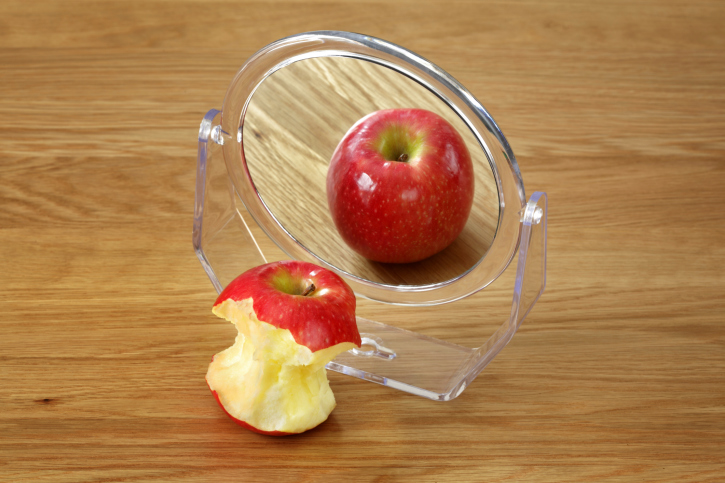 Editor’s note: The subject matter in this article may be triggering for those who experience body image issues, those coping with an eating disorder, and those who are in recovery.
The internet can be a valuable resource for those seeking education and support for anorexia and bulimia. While it may be a helpful tool for recovery and treatment, there is also a wealth of information online that encourages and supports those with eating disorders who are not seeking recovery, but are instead seeking “thinspiration.”
Thinspiration, also referred to as thinspo, is a play on words used to describe the widespread use of photos of thin models and actresses with captions that glorify eating disorders. These memes are shared with the intention of inspiring people to get thin by engaging in disordered eating habits.
Thinspiration or pro-ana/pro-mia (pro-anorexia, pro-bulimia) blogs are popular among those affected by eating disorders, but this is not a new phenomenon. As far back as 2001, Yahoo removed some 100 websites labeled as pro-ana for violating their policies.
In recent years, social media has provided a breeding ground for bourgeoning thinspiration groups, making it all the more challenging to monitor and remove content. According to Eating Disorders Review, a residential treatment center in Chicago reported 30-50% of its teen patients were using social media to support their eating disorders. This has left many therapists, counselors, and others in the recovery community wondering how dangerous they are and what can be done to protect vulnerable teens.
What Is Thinspiration?
[fat_widget_right]Thinspiration is far more complex than the photos of excessively skinny people posted on social media. The pro-ana/pro-mia community views anorexia and bulimia as lifestyle choices rather than mental health conditions. In their quest to support each other in being thin, they provide tips on how to suppress hunger, hide missed periods, and keep stomach acid from affecting the teeth after vomiting.
One popular thinspo blog distinguishes “anorexics” from “rexies,” stating, “If you identify yourself as anorexic, then this site is not for you.” The blogger goes on to say anorexics want sympathy for their disease whereas rexies are proud of their accomplishments and seek admiration for their lifestyle choice.
“Nothing tastes as good as skinny feels” is perhaps the most popular mantra of the thinspiration community. Some other popular mottos include “Your stomach isn’t grumbling; it’s applauding,” “I beat obesity,” and the misguided use of Bon Iver’s lyric “Come on skinny love, just last the year.”
They’re not just posting pictures of celebrities, either. Teenagers are posting photos of themselves on blogs and social media platforms, showcasing the different phases of anorexia and bulimia. Often, the highly esteemed photos are of people in the late stages of illness who are hollow-cheeked and gaunt. The “likes” and “thumbs-up” received on social media can give the person positive reinforcement for disordered eating.
Why Thinspiration Is Dangerous
“Thinspo is incredibly dangerous and triggering, especially for those who already have a negative body image,” said Chapin Faulconer, LPC. “I find that my adolescent female clients with eating disorders often look at thinspo and aspire to look like the images they see online. Thinspo not only perpetuates the idea that eating disorders and extreme thinness are acceptable, but it goes one step further and promotes the belief that eating disorders are lifestyle choices and not mental disorders which can result in death, particularly in the case of anorexia.”
Thinspiration websites are especially dangerous for those struggling with disordered eating, particularly adolescents and teenagers. These people are already experiencing self-esteem issues and typically feel isolated from their friends and family. They may turn to the thinspiration community for support and a sense of belonging. While others are telling them they’re sick and need to seek treatment, thinspiration validates their experience and tells them they’re making a lifestyle choice that takes self-control, willpower, and dedication.
Researchers and mental health experts recognize thinspiration as a serious social problem. For the millions of people with anorexia and bulimia, thinspiration can be life-threatening.The pro-ana/pro-mia community has become akin to a sorority for many young girls, who may enjoy the feeling of being involved in a secret society. Some of them even refer to themselves as “the elite” and use mottos such as “girl power” to encourage one another. Even though the community is heavily geared toward females, males are also susceptible to disordered eating. Statistics show about 10% to 15% of people with anorexia or bulimia are male, and they may be less likely to seek treatment because of the incorrect perception that eating disorders only affect females.
One of the websites went as far as to create a pro-ana religion, creed, and psalm, providing readers with a set of rules referred to as “The Thin Commandments.” Some of the edicts included: “Being thin is more important than being healthy,” “Thou shall not eat fattening food without punishing oneself afterwards,” and “Being thin and not eating are signs of true willpower and success.”
Researchers and mental health experts recognize thinspiration as a serious social problem. For the millions of people with anorexia and bulimia, thinspiration can be life-threatening.
Eating disorders have the highest mortality rate of any mental health condition. More than 20% of people diagnosed with anorexia will die from complications related to the condition. The other 80% may experience a variety of health problems as a result of their disordered eating including shrinkage of the heart muscle, irregular heartbeat, muscle atrophy, kidney stones, kidney failure, and osteoporosis.
In addition to the physical effects, anorexia and bulimia can negatively impact a person’s home, personal, social, and professional life. The emotional effects can lead to other mental health conditions. Nearly 50% of people with eating disorders meet the criteria for a depression diagnosis.
How Can We Help?
The National Eating Disorder Association has worked with social media platforms to take this content down. Tumblr, Pinterest, Instagram, and other social media platforms have implemented policies to help prevent the sharing of thinspo-related images and blogs. Popular thinspiration hashtags have been blocked from search features, but many users have figured out ways to get around the ban.
Because censorship seems to be ineffective, studies suggest a zero tolerance policy may not be the best approach. After studying 33 pro-anorexia bloggers, researchers from Indiana University concluded these communities had originally intended to provide support and could be prolonging lives until people with eating disorders were ready to seek recovery. James Watson, administrator of PrettyThin, formerly the world’s largest community for individuals with eating disorders until it shut down in 2014, saw the community as a safe haven for individuals to talk openly about their issues.
The problem isn’t unique to eating disorders. Information and websites promoting other forms of self-harm also exist, including pro-cutting websites, pro-suicide websites, and sites that support drug abuse. According to researchers, when zero tolerance doesn’t work, harm reduction may be a better strategy.
Furthermore, if these websites are providing a sense of community for people, what may be needed are more alternative communities that promote a healthy self-image and relationship to one’s body while still providing a safe space for people to openly express their concerns without feeling judged or labeled.
According to a report by Common Sense Media, teenagers spend an average of nine hours a day consuming some type of media. Studies show more media exposure is directly linked to a higher risk of mental health issues and lower self-esteem.
Perhaps these are the most important questions: What messages are sent out to people about body image and self-acceptance, and how do we shift those messages so media exposure can increase self-esteem rather than deplete it?
Where to Seek Support for Disordered Eating
If you or someone you know is struggling with an eating disorder, it may be beneficial to seek the guidance of a mental health professional. The following resources may also be of help.
National Eating Disorders (NEDA)
Helpline: 1-800-931-2237
Website: www.nationaleatingdisorders.org
National Association of Anorexia Nervosa and Associated Disorders (ANAD)
Helpline: 630-577-1330
Website: www.anad.org
Support Groups by State: http://www.anad.org/eating-disorders-get-help/eating-disorders-support-groups/
Eating Disorder Hope
Helpline: 1-888-206-1175
Website: www.eatingdisorderhope.com
References:
- Eating Disorders Fact Sheet. Eating Disorder Coalition. Retrieved from http://www.eatingdisorderscoalition.org/inner_template/facts_and_info/facts-about-eating-disorders.html
- Eating Disorder Statistics. Retrieved from http://www.anad.org/get-information/about-eating-disorders/eating-disorders-statistics/
- Grayson-Mathis, C.E. (2005). Pro-anorexia websites: The thin web line. Are these sites fueling an epidemic? Retrieved from http://www.webmd.com/mental-health/eating-disorders/anorexia-nervosa/features/pro-anorexia-web-sites-thin-web-line
- Greenfield, R. (2012, April 21). To ban or not to ban? How do you solve the problem of thinspo? The Wire. Retrieved from http://www.thewire.com/technology/2012/08/ban-or-not-ban-how-do-you-solve-problem-thinspo/51436/
- Gregoire, C. (2012, February 9). The hunger blogs: A secret world of teenage thinspiration. Huffington Post. Retrieved from http://www.huffingtonpost.com/2012/02/08/thinspiration-blogs_n_1264459.html
- IU researchers interview pro-anorexic bloggers for groundbreaking new study. (2012, August 20). IU News Room. Retrieved from http://newsinfo.iu.edu/news/page/normal/22967.html
- Totally in control: The rise of pro-ana/pro-mia websites. Social Issues Research Centre (SIRC). Retrieved from http://www.sirc.org/articles/totally_in_control2.shtml
- Wallace, K. (2015, November 3). Teens spend a ‘mind-boggling’ 9 hours a day using media, report says. Retrieved from http://www.cnn.com/2015/11/03/health/teens-tweens-media-screen-use-report/
- Wilson, J. & Hernando, H. (2015, February 28). ‘Thinspiration selfies almost killed me’: Anorexia survivor’s warning as Mirror investigation uncovers shocking secret world on Instagram. Retrieved from http://www.mirror.co.uk/news/real-life-stories/thinspiration-selfies-killed-me-anorexia-5245488
 Body image, your internalized sense of your physical shape and appearance, isn’t just about confidence, nor is it an issue reserved exclusively for teenagers. Negative body image affects people of all ages, genders, and races, and is intricately linked to a host of mental health concerns, including eating disorders, low self-esteem, shame, isolation, anxiety, and depression.
Although it’s quite normal to feel some dissatisfaction regarding aspects of your body or appearance, if such self-criticism dominates your thoughts, limits your overall life satisfaction, or otherwise affects your school, work, relationships, or ability to function in a healthy way on a day-to-day basis, seeking help is imperative. Persistent negative body image can set the stage for serious mental and physical health complications, including body dysmorphia (sometimes referred to as “imagined ugliness”), compulsions and avoidance behaviors, and even suicidal ideation.
Eating disorders are of particular concern among people with body image issues, as they can be life threatening if left untreated. Anorexia nervosa, in fact, has the highest mortality rate of any psychiatric condition. Widely misunderstood and mischaracterized as a phase or lifestyle choice, eating disorders—also including bulimia nervosa and binging and purging—are strongly linked to body dissatisfaction.
[fat_widget_right]
When it comes to body image, the elephants in the room, of course, are the unavoidable media and advertising messages that permeate our culture. Television, movies, magazines, websites, and other forms of media peddle unrealistic and often unhealthy standards, and younger people can be especially susceptible to the suggestion that these images reflect an ideal. In one study, 69% of American elementary school girls who look at magazines said the images they contained influenced their concept of the ideal body, and 47% said the images made them want to lose weight.
Addressing body image issues is complicated, but seeking the help of a qualified therapist is a highly recommended step. For our part, we’ve compiled a list of the 10 best online resources for body image issues and support—GoodTherapy.org excluded—in 2014. Our selections are based on quality and depth of content, presentation, and functionality.
- Proud2Bme: Proud2Bme is a teen-focused online community that provides relevant coverage on fashion, beauty, culture, and entertainment while promoting healthy attitudes about weight and body image. Proud2Bme is a resource for information on eating disorders and recovery, expert advice, self-esteem for teens, and help for parents. Site visitors can find an active forum, personal stories from teens, and a helpline staffed with volunteers from the National Eating Disorders Association.
- Adios, Barbie: Adios, Barbie calls itself “the body image site for every body.” A lifestyle blog edited by two women, Adios, Barbie tackles body image issues among people of all genders, races, body types, sexual orientations, ages, and cultures. Adios, Barbie encourages people to think critically about the messages they receive from the media and shift from being consumers to active participants in the media culture critique. Site visitors can find blog posts, articles, campaigns, and information about events that work to redefine beauty and help everyone feel comfortable with themselves.
- About-Face: About-Face is one of the best-recognized nonprofit groups working to promote healthy self-esteem and body image in girls. Established in San Francisco in 1995 by Kathy Bruin, About-Face works to give girls and women the tools to recognize harmful media messages and resist their negative impact. About-Face puts on media-literacy workshops in schools, organizations, and communities, and site visitors can find a “Gallery of Offenders” and a “Gallery of Winners” wherein About-Face staff critique or cheer the latest in pop culture.
- Beauty Redefined: Lexie Kite, PhD, and Lindsay Kite, PhD, are identical twin sisters who, after receiving their doctorates in the study of media and body image, created Beauty Redefined—a nonprofit foundation to help women and girls recognize and reject harmful media messages. Beauty Redefined has an active social media presence and a well-read blog with smart, meaningful messages and societal critiques that encourage girls to rethink what “beauty” means.
- BodySense: BodySense specializes in promoting a positive body image culture among athletes and in sports. A program offered by the Canadian Centre for Ethics in Sport and the True Sport Foundation, BodySense has created a 10-point model for promoting healthy body image in sports designed for use by teams, clubs, and schools. The 10 “BodySense Basics” were developed by doctors, body image experts, and dieticians with the goal of building self-esteem, fostering healthy coping skills, and encouraging male and female athletes to love their bodies. Site visitors can find information about training programs, workshops, and a resource kit for parents, coaches, and teachers.
- The Body Image Project: The Body Image Project encourages women and girls to contribute their personal stories about challenges with self-esteem and body image; a frequently updated blog features these stories. All posts are anonymous (only a contributor’s age is listed) to encourage an honest conversation about the struggles some women and girls face every day. Note: Because of the openness of the stories, there may be some potentially triggering language.
- We Are the Real Deal: We Are the Real Deal is a program of Mental Fitness, Inc., a national nonprofit that uses arts and media programs to spread mental health awareness. We Are The Real Deal hosts a body image-focused blog featuring more than 40 contributors who offer unique perspectives on self-acceptance, healthy coping, and nutrition. Site visitors can find interviews with celebrities and athletes, insight from mental health professionals, and a library of information on eating issues and self-esteem.
- Association for Size Diversity and Health: The Association for Size Diversity and Health (ASDAH) is an international nonprofit that strives to promote an alternative to weight-centered body image and focuses on what it calls “Health at Every Size” principles. These principles emphasize health enhancement, respectful care, eating for well-being, and nutrition rather than dieting. Site visitors can access recorded webinars at no cost, an active blog, and other positive body image resources.
- The Body Image Movement: Taryn Brumfitt began The Body Image Movement when she decided to cancel her impending body-augmenting plastic surgery. She dedicated her life to learning how to live happily in her body, and is working toward her goal of reaching as many women around the world as she can with her message of fully embracing and loving the body you were given. The Body Image Movement emphasizes health, body diversity, and celebrating the aging process while working to combat media messages that erode women’s self-esteem.
- AnyBody: AnyBody is the UK chapter of the international initiative Bodies Endangered. AnyBody works to change the body image landscape by challenging the diet industry and defying physical representations of people in today’s media-fueled society. Blog contributors are activists, psychologists, doctors, and writers, all dedicated to refuting harmful norms in the fashion, food, and media industries. Site visitors can also find a forum for discussion and links to other Bodies Endangered resources.
Have a website you would like to see in our Top 10? Recommend it here.
References:
- Body Dysmorphic Disorder. (n.d.). Retrieved from http://teenshealth.org/teen/your_mind/body_image/body_image_problem.html
- Get the Facts on Eating Disorders. (n.d.). Retrieved from https://www.nationaleatingdisorders.org/get-facts-eating-disorders
- Martin, J. B. (2010). The Development of Ideal Body Image Perceptions in the United States. Nutrition Today, 45(3), 98-100. Retrieved from http://www.nursingcenter.com/pdf.asp?AID=1023485
- Stice, E. (2002). Risk and maintenance factors for eating pathology: A meta-analytic review. Psychological Bulletin, 128, 825-848.
 Fashion magazines may seem like little more than a diversion from the stress of everyday life, but research has repeatedly demonstrated that reading these periodicals makes women feel terrible. One study found that just three minutes spent paging through a fashion magazine left 70% of women feeling guilty, ashamed, and depressed. Another found that, regardless of the women’s size or physical appearance, women were equally negatively affected by viewing images of very thin models in fashion magazines. Yet women continue to buy millions of fashion magazines every year. A new study suggests that some women might be seeking inspiration to look like the models.
Fashion Magazines and “Thinspiration”
To understand why women buy magazines that harm them, researchers recruited 51 female college students to look at fashion magazines. Unlike previous studies that evaluated the effects of reviewing fashion magazines, participants in this study viewed a variety of ads and articles over the course of five days, rather than in a brief burst. Prior to the students’ participation, researchers compiled data on the young women’s magazine reading habits, their body image, body mass index, and how frequently the women compared their bodies with the bodies of others.
After the women viewed 16 pages of fashion magazines, researchers asked them a host of questions about how they felt about the magazines and their bodies. Unsurprisingly, women who compared themselves to the models felt worse about themselves, and were more likely to have dieted during the five days of the study. But some women saw the models as a source of what researchers termed “thinspiration.” They wanted to look more like the models, and viewed this as possible. [fat_widget_left]
Silvia Knobloch-Westerwick, professor of communication at The Ohio State University and the study’s author, notes that previous studies have only looked at women’s reactions when the women viewed advertisements only, not text. Women may develop an affinity for models in such a context, viewing the models as relatable and a source of thinspiration. Of course, looking like a model is unrealistic for the overwhelming majority of women, and with the rampant use of photo editing tools, even the models themselves don’t always look like the finished images we see in magazines.
Knobloch-Westerwick argues that when women understand the effects fashion magazines have, rather than just seeing these periodicals as entertainment, they may be better equipped to combat the magazines’ negative effects.
References:
- The Body Project: Facilitator fact sheet [PDF]. (n.d.). Retrieved from http://www.bodyprojectsupport.org/assets/pdf/materials/facilitator_fact_sheet.pdf
- Why women buy magazines that promote impossible body images. (2014, November 9). Retrieved from http://www.medicalnewstoday.com/releases/285020.php
- Women of all sizes feel badly about their bodies after seeing models. (2007, March 27). Retrieved from http://www.sciencedaily.com/releases/2007/03/070326152704.htm
Bulimia nervosa is an eating issue that can be assessed using a variety of diagnostic tools. Because there are many different measures to evaluate bulimia, some researchers believe that overestimation or underestimation of bulimia exists. To cloud the issue further, a large majority of people who have symptoms of bulimia often have comorbid psychological conditions, including mood problems, anxiety, depression, and drug or alcohol use.
Less than half of the individuals who demonstrate bulimic symptoms seek treatment for them. Although many do enter treatment for comorbid issues, the bulimia is often discovered secondarily and does not always receive the attention it deserves. Bulimia can lead to serious negative health outcomes and even suicide. For clinicians to identify those most at risk and intervene at the earliest point possible, it is imperative that consistency in symptom assessment and diagnosis be achieved.
Katie Sandberg of the Department of Education Specialties at Loyola University in Maryland wanted to test the reliability, consistency and validity of the six most commonly used tools for assessing bulimia. She conducted an analysis of existing research involving studies using the Eating Disorder Examination (EDE), the Eating Attitudes Test (EAT), the Eating Disorder Inventory-3 (EDI-3), the Body Shape Questionnaire (BSQ), the Bulimic Investigatory Test, Edinburgh (BITE), and the Three-Factor Eating Questionnaire (TFEQ).
Sandberg found that all six measures were able to assess bulimic symptoms with relative accuracy, but in unique ways. Based on symptoms of purging, binging, laxative use, and overall body dissatisfaction, she found that the EDI and the EAT were the most reliable at assessing bulimia. When she looked at body dissatisfaction, the BSQ and the EDE emerged as the most reliable tools.
In sum, Sandberg believes these findings show the importance of utilizing multiple screening tools when evaluating clients for bulimia. She said, “The best way for clinicians and researchers to document treatment effects is to use a multitude of high-quality instruments to achieve triangulation.” Further, she believes implementing screening tools before and during treatment can provide clinicians with accurate measures of progress and can help clients and clinicians identify persistent symptoms that need further attention.
Reference:
Sandberg, Katie, and Bradley T. Erford. “Choosing Assessment Instruments for Bulimia Practice and Outcome Research.” Journal of Counseling and Development : JCD 91.3 (2013): 367-79. ProQuest. Web. 26 July 2013.
 Women face overwhelming pressure to meet an often unrealizable “beauty” ideal. The result is that 80% of women report being unhappy with their appearance, and three-quarters of all women engage in some form of disordered eating such as crash dieting or skipping meals. Many companies have capitalized on this trend, offering a veritable cornucopia of products designed to “fix” women’s perceived flaws.
The advertisements for these products, however, frequently leave women feeling bad about themselves, particularly when images in these ads contain unrealistically “perfect” women. The overwhelming majority of cosmetic and clothing advertisements are digitally enhanced. Even Beyoncé fell victim to this practice, often called photoshopping, getting into a public dispute with H&M in early 2013 when the clothing retailer altered images of her modeling swimwear. But women are increasingly aware of the effects of digitally manipulated advertisements, and some retailers are abandoning the practice of presenting women with unrealistic images.
Photoshopping and Other Tricks
Although women continue to be bombarded with unrealistic—and perhaps even fake—images of models, the tide is slowly turning against photoshopping. Debenhams, a major British department store, recently announced that it will no longer manipulate images, even releasing photos demonstrating the “before” and “after” effects its previous photoshopping efforts had on models’ appearance. The National Advertising Division, an organization that makes recommendations for advertisers, has advocated for an outright ban on photoshopping in cosmetic advertisements.
Advertising tricks aren’t limited to photoshopping, though. The right lighting, heavy makeup, and clever clothing placement can leave models looking very different from how they look in real life. Some tricks mislead women about the effects of products featured in advertisements. Mascara manufacturers, for example, may resort to the use of false lashes or lash extensions to make the product look much more effective than it actually is. Women who buy the product are then left feeling like there’s something wrong with them because they can’t look like the model in the advertisement.
The Effects of Advertisements
Numerous studies have documented the negative effects that advertisements have on women, even when women know the ads have been altered. Women feel worse about themselves, for example, after reading advertisement-laden fashion magazines. Some women even resort to cutting out photos of extremely thin models as “thinspiration” for crash diets. According to research by sociologist Jean Kilbourne, regular exposure to advertisements can contribute to internalized sexism. Women may begin to see their appearance as the primary source of their worth, neglecting other interests in favor of the perpetual pursuit of aesthetic perfection.
Keeping Self-Esteem Intact
Even if photoshopping is banned, women will be exposed to images of models who have been heavily made up, who benefit from excellent lighting, and whose appearance differs substantially from the average woman. Although this practice can feel unfair and even overwhelming, women can take steps to empower themselves and avoid the self-esteem-crushing effects of unrealistic ideals. These include:
- Avoiding magazines that are focused primarily on beauty or that contain a lot of advertisements
- Turning off the television during commercial breaks
- Contacting retailers and cosmetic manufacturers to complain when advertisements are misleading or psychologically damaging
- Focusing on health and physical fitness rather than weight loss
- Critically evaluating claims made in product commercials and ads
- Focusing on valuing the self for personality traits rather than appearance
- Steering conversations with friends away from diets, makeup, and body shaming
References:
- Edwards, J. (2011, December 16). US moves toward banning photoshop in cosmetics ads. Business Insider. Retrieved from http://www.businessinsider.com/us-moves-toward-banning-use-of-photoshop-in-cosmetics-ads-2011-12
- ExtremeTech. (2011, December 16). US Watchdog Bans Photoshopping in Cosmetic Ads. Retrieved from http://www.extremetech.com/extreme/109375-us-bans-photoshop-use-in-cosmetics-ads
- Grey, J. (2013, May 30). Beyonce outraged that H&M intended to photoshop her bootyliciousness. Business Insider. Retrieved from http://www.businessinsider.com/beyonc-outraged-at-hm-photoshop-2013-5
- Helping your daughter see through advertising. (n.d.). Discover Your Daughter. Retrieved from http://www.discoveryourdaughter.com/for-your-daughter/self-esteem/helping-your-daughter-see-through-advertising
- Kilbourne, J. (2000). Can’t buy my love: How advertising changes the way we think and feel. New York, NY: Simon & Schuster.
- Ross, C. C., MD. (n.d.). Why do women hate their bodies? Psych Central.com. Retrieved from http://psychcentral.com/blog/archives/2012/06/02/why-do-women-hate-their-bodies/
- Three out of four American women have disordered eating, survey suggests. (2008, April 23). ScienceDaily. Retrieved from http://www.sciencedaily.com/releases/2008/04/080422202514.htm
- Women’s magazines and the cult of hypocrisy. (2012, July 5). Women’s Media Center. Retrieved from http://www.womensmediacenter.com/feature/entry/womens-magazines-and-the-cult-of-hypocrisy
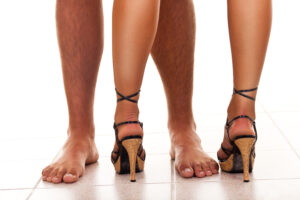 I’ll never forget the first time my friend took me to Elysian Fields, a “nudist colony” in Topanga Canyon in the Santa Monica Mountains near Los Angeles. I was twenty-something and petrified; I’m not sure why. I guess I was convinced that everyone would be staring at me and evaluating my body. What a surprise to discover that when we’re naked we all look pretty much alike!
When it comes to human intimacy (or lack thereof), there are different types of nakedness. During one-night stands, getting naked means exposing a lot of skin—usually rapidly.
A client once told me that she figured she could strip and shower in the locker room with no problems, so why not strip and hook up with a partner she found attractive? She did this several times until she began to tire of the shallowness and yearn for a partnership with more depth—as she put it, “someone who I can be emotionally naked with.” Years later she found that person, and discovered that true nakedness was both challenging and rewarding.
Often, people assume that their sessions with me are going to be focused on what/when/where with their genitals. They’re often surprised when I suggest we discuss “the importance of getting naked.” A great deal of honesty and trust can be generated when you are nude with one another, something that rarely develops if the sole purpose of getting naked is to have intercourse.
If you and your sweetheart are new together, or trying to resurrect the newness and the thrill of physical intimacy, here are some thoughts and ideas for getting naked together:
- If you feel your relationship is ready, you might consider undressing one another, or playing strip poker or engaging in lighthearted wrestling. One partner can blindfold the other before undressing him or her; it can be quite thrilling!
- When I suggested to an older, heterosexual couple that they undress each other while dancing, the gentleman’s eyes began to twinkle. “We might suddenly find ourselves doing the polka!” he said. I explained somberly that I meant a different kind of dance, and we all laughed uproariously. Sex doesn’t have to be so serious.
- For couples who are feeling especially awkward, writer Jay Wiseman suggests getting naked in complete darkness: “Each partner then takes turns examining the body of the other with a small flashlight—one of those little penlight things that excites just enough photons to light up an area the size of your thumbnail.” I know two couples who tried this, eliciting a lot of laughter and “fascinating fantasies,” as one young woman put it. It definitely helped decrease the nervousness of being seen naked all at once, like the scene in The Graduate when Dustin Hoffman looks up and Mrs. Robinson is standing in front of him, stark naked!
- Guys often worry, as one put it … “Wood good, or wood bad?” He went on to wonder whether he should or should not have an erection, and when said erection should appear. The answer: It doesn’t matter. What does matter here is learning to associate nudity with something other than genital sex.
- Occasionally, I’ll suggest to a couple who are fine about nakedness for sex that they get naked simply to talk or hold one another. I find it fascinating that often these couples will find this idea distinctly unappealing—perhaps because this kind of nudity feels too intimate?
Being comfortable in your own skin is an important part of being comfortable and intimate with your partner. If the idea of just being naked together is scary, you may want to consult a therapist. If it’s exciting, go ahead and try it!
Sexism is overtly exhibited in nearly every aspect of modern society. Women and adolescent girls, in particular, are especially likely to experience the deleterious effects of sexism. Whether it is a model in a magazine, an actress on television, or a mannequin in a store window, images of how women should look, dress, act, and even react are everywhere. Adhering to society’s unrealistic and often varied models of the ideal woman makes it difficult for women to find and accept their own identities and bodies. In fact, the sexist beliefs associated with women, both negative and positive, have been linked to numerous physical and mental health issues for women, including depression, anxiety, binging, purging, and anorexia. Young women are also heavily influenced by the opinions and judgments of those closest to them, including their family members, friends, and coworkers. Understanding how the beliefs of others and internalization of those beliefs affects a woman’s body image is necessary in order to help women overcome any challenges related to self-worth, self-esteem, and positive self-image.
[fat_widget_right]
Debra L. Oswald of the Department of Psychology at Marquette University in Wisconsin wanted to explore the negative and positive (hostile and benevolent) sexist attitudes toward young women and how these attitudes affected their beliefs about their own body images. In one study, Oswald assessed how a father’s benevolent sexist beliefs, those that positively affirmed the traditional female role and appearance, shaped daughters’ self-image. In a second study, Oswald looked at how subtle and overt hostile sexism affected self-image. She found that overall, hostile sexism from peers, friends, and family members led to negative body esteem. However, hostile sexism from parents did not. Oswald also discovered that a father’s benevolent sexism was directly linked to positive body esteem in daughters. This finding is concerning because it suggests that although young women may feel good about themselves when they conform to traditional female roles, when they step out of those roles, they may be met with hostile sexism which could decrease their sense of self-esteem and negatively affect body image. The results of this study also imply that sexism contributes greatly to a woman’s physical and mental self-image. “We hope this research highlights the complexity of these cultural beliefs and encourages researchers and clinicians to take this wider cultural context into consideration when examining and treating women’s body esteem issues,” said Oswald.
Reference:
- Oswald, Debra L., Stephen L. Franzoi, and Katherine A. Frost. Experiencing sexism and young women’s body esteem. Journal of Social & Clinical Psychology 31.10 (2012): 1112-137. Print.
 According to comScore, which measures Internet traffic, 66% of Internet-using men between the ages of 18 and 34 look at online pornography at least once a month. Does it really matter if you watch pornography? Does it really impact marriages and relationships? Two-thirds of divorce lawyers say the Internet has played a significant role in divorces within the past year, with excessive interest in online pornography contributing to more than half of such cases. That does not even speak to the impact pornography has on physical and emotional intimacy in relationships.
Consider these five reasons pornography can hurt your love relationship:
- Men who view pornography can experience “sexual anorexia”! What? Indeed, the results of a study in Italy that surveyed 28,000 porn users seem to corroborate the notion that too much porn has a negative impact on sexual performance. Apparently, men become so accustomed to the unrealistic images they see in pornography that they can no longer get erections. Many men don’t realize their brain’s sensitivity is declining toward “normal” sex because web-based erotica delivers endless dopamine hits—making erection and climax possible where normal encounters would not. When they try to have actual intercourse and cannot, they understandably panic. The brain changes that cause porn-induced erectile dysfunction arise from actual, physical addiction processes (among them, numbing of the pleasure response of the brain).
- With porn, partners are always willing and ready for sex! Where sexual drive varies in individuals, porn creates the unrealistic illusion that your partner should always be ready, willing, and able. Imagine the pressure this puts on your partner. It leaves no room for emotional connection, real-life circumstances, and the fun of pursuing each other in ways that are meaningful to each other rather than with only one objective in mind. If your partner has had a tough day at work, fought traffic, made dinner, taken care of the kids, done laundry, and prepared the family for the next day but then felt too tired for sex and consequently got replaced by porn, is this going to build intimacy or destroy it?
- Porn creates scenarios that just aren’t real! Here are some conclusions from a study by the surgeon general: The values expressed in pornography clash with the family concept, and potentially undermine the traditional values that favor marriage, family, and children. Pornographic scripts dwell on sexual engagements of parties who have just met, who are in no way attached or committed to each other, and who will part shortly, never to meet again. Sexual gratification in pornography is not a function of emotional attachment, of kindness, of caring, and especially not of continuance of the relationship, as such continuance would translate into responsibilities, curtailments, and costs. Now what if I told you that study was conducted in 1986? Consider how much more widespread pornography is today with the Internet, social media, etc. Porn sets up couples and families to fail because as one becomes more immersed in the false “reality,” true reality suffers and is shamed.
- Real-life partners can’t compete with embellished pornography! Porn creates an environment in which everyone is beautiful or handsome. Body parts are perfect, accentuated, and responsive in extreme satisfaction. How can anyone’s spouse or partner compete with that? If someone is indulging in hours of pornography, how can it not affect his or her reality when looking at a spouse or partner? The partner will begin to feel inadequate, judged, and compared, and might shut down or withdraw. This only leads to more disconnect on both parts and, for the one viewing porn, can start the path to even more sexual dysfunction.
- It is not only the partner who can’t live up to the porn standards! So you view pornography, watch how “perfect” things are, how every encounter is desired and accepted, every act brings mutual satisfaction, and the performance never fails, never disappoints. How can anyone live up to that? The truth is, you can’t—and you are not supposed to. In a true relationship, you accept each other for who you are, you make it special for each other, and there is understanding and compassion, not fear and judgment. Pornography is NOT reality, and forcing oneself to watch unrealistic situations over and over and then expecting yourself to perform the same way is setting yourself and your partner up for disappointment.
This is the reality of the impact pornography has on your loved one and your love life. There is the argument that moderation is the key, but too many studies show that it typically does not stay at moderation—it escalates, requires more intensity to meet sexual gratification, begins to have a negative impact on sexual experience with your partner, and eventually causes a disconnect in relationships that is difficult to overcome.
Sure, it is easy to brush it off and say it won’t happen to you, but before coming to that conclusion, take an honest look at what pornography has already done in your life, in your partner’s life, in the area of hiding the habit, shame on you and your partner … if you want a truly honest response, have an open mind to what your partner thinks of your viewing of pornography. Based on real studies, real facts, real impacts on relationships, what are you going to do? It is never too late to get help through counseling, support groups, and accountability to begin the path of personal and relational healing.