 Every smoker knows that smoking poses serious health risks, but the prospect of quitting can be daunting. Nicotine withdrawals can last between three and 14 days, and some smokers find the depression and anxiety that may be associated with quitting smoking unbearable.
If you can ride out the first week or two of misery, though, it really does get better. Within a few weeks, you may be wondering why you ever craved a cigarette at all.
For smokers desperately craving just one more puff, these five tips can help quell the nicotine thirst.
Change Your RoutineÂ
Nicotine is highly addictive, but it leaves your body within three days. By the fifth or sixth day, any cravings you feel are psychological, not physical. Changing your daily routine to remove common triggers for smoking can help you cope with these cravings. Try taking a day or two off of work, changing your working hours, or even going on a vacation. When you don’t have constant reminders that you used to smoke, you’re much less likely to miss puffing away your life.
[fat_widget_right]Get Moving
Even the healthiest smokers suffer cardiovascular consequences from their decision to smoke. But within a few hours of quitting, your body begins to repair itself. This makes exercise easier, and exercising without coughing and becoming exhausted can be a powerful reminder that quitting has immediate health benefits. Even better, though, aerobic exercise can help silence even the worst cravings. Try doing a few jumping jacks every time you get a nicotine pang, and aim for a slightly longer workout every day or every other day.
Drink Some Water
The desire to put a cigarette in your mouth can be overwhelming, but try replacing that habit with a healthier one. Sipping cold water through a straw can combat nicotine cravings. Try taking a few deep breaths as you drink, and visualize yourself as a happy, healthy nonsmoker.
Accept the Cravings
When a craving strikes and you need to be doing something else, the energy you need to fight the craving can undermine your ability to work, concentrate, or maintain a decent mood. Rather than fighting cravings, try accepting them. When you feel a craving, tell yourself you’re going to take five minutes to fully experience the craving. Breathe through it while thinking about all the reasons you want to be a nonsmoker. Then get back to what you were doing before the craving came on.
Make Cigarettes Your Enemy
Most smokers conceive of quitting smoking as a time of epic deprivation. If you think of cigarettes as your friend, though, you’ll miss them more when they’re not around. Before you quit smoking, concentrate on every problem cigarettes have caused you—from smoker’s cough to the inability to enjoy a meal without lighting up. When you smoke a cigarette that you don’t enjoy or that gives you a headache, dwell on it. Then, when you give up smoking for good, think of your cravings as nasty reminders of what cigarettes used to do to you.
The cravings aren’t a longing for a friend who helped you through tough times; they’re the voice of harmful nicotine trying to convince you to do something that’s terrible for your body. When you miss cigarettes, think to yourself, “Cigarettes have harmed me so much that I have managed to convince myself that something that tastes bad and is terrible for me is good.†When cigarettes become your enemy, you have little reason to smoke them—even when you get a craving.
Are you working on quitting smoking? You’re not alone—more and more people are getting help with nicotine addiction. Smoking isn’t just a physical habit; it’s a mental health issue. Finding a therapist who works with smoking cessation may help. You can look for a therapist for yourself or a loved one in the GoodTherapy.org directory.
References:
- Withdrawals. (n.d.). Retrieved from http://www.quit.ie/en/inner/withdrawals
- Withdrawal symptoms and how to cope. (n.d.). Retrieved from http://www.lung.ca/protect-protegez/tobacco-tabagisme/quitting-cesser/withdrawal-sevrage_e.php
 Professor Martin S. Bergmann died January 22, 2014, at a little less than 101 years old. In style, he was the quintessential European gentleman of a certain age and class. Although his reputation made him seem forbidding, he was in fact charming, humorous, flirtatious, and even a bit of a tease sometimes. He was kind, generous to deserving students, and compassionate in his understanding of the human psyche.
When he was still in his eighties, I decided that I wanted to study with him; after all, he embodied the history of the development of psychoanalysis. Who better to study with than someone who had lived it?
Professor Bergmann was a master teacher and analyst, famous for his classes in the New York University postdoctoral program in psychotherapy and psychoanalysis, at the National Psychological Association for Psychoanalysis, my alma mater, for his many books, for his presentations at countless conferences, and for his private seminars, one of which I hoped to join.
He was old school and highly cultured. I wrote a formal letter asking to be admitted to one of his classes, telling him about some of our mutual interests—the Holocaust, psychoanalytic theory, best practices for patient treatment, and his book about Western religion, which was an important reference in my doctoral dissertation. We also knew some of the same people, and I had the necessary references, so I earned a place at his seminar table, which I prized.
I was invited to join the Thursday group, composed of seven or eight mature men and women, although we were all youngsters to Martin. The room where we gathered to study together was, like him, elegant—beautiful furniture, famous works of art, Oriental rugs, luxurious, all framed by stunning views of Central Park. The conversations were as rich as the surroundings, and I saved my notes—two manuscript-sized boxes worth, a trove of explanations and ideas for possible future research.

Bergmann’s teaching methods were clear and simple, well grounded in theory, and characterized by his open-mindedness, excitement about learning, and his questioning attitude. He was never satisfied with anyone’s easy answers, including his own, and encouraged us all to press on until we reached the bedrock of our understanding. His persistence was enlivened by his use of metaphor, his playful mind, his courtliness, and the twinkle in his eyes. The Bergmann seminars were electrifying.
He wrote countless articles and  books, including Generations of the Holocaust, The Evolution of Psychoanalytic Technique, The Anatomy of Loving, In the Shadow of Moloch: The Sacrifice of Children and Its Impact on Western Religions, and (with son Michael Bergmann) What Silent Love Has Writ: A Psychoanalytic Exploration of Shakespeare’s Sonnets. His last book, published in 2013, is The Unconscious in Shakespeare’s Plays. Martin loved Shakespeare and often referred to his writings to elucidate psychoanalytic theory. Studying psychoanalysis with Martin was like taking a seminar in art, music, and literature.
Bergmann edited the classic psychoanalytic texts, Generations of the Holocaust (with Milton E. Jucovy), The Hartmann Era in Psychoanalysis, and Understanding Dissidence and Controversy in the History of Psychoanalysis, which received the Gradiva Award. He was honored with the Sigourney Award for outstanding contributions to psychoanalysis and the Distinguished Psychoanalytic Educator Award.
He considered the development of what he called the “psychoanalytic blackboard†his most important contribution to teaching psychoanalysis. The blackboard was a translation of a person’s narrative about his or her life. I will let Martin explain in his own words, in a speech he delivered last year at his 100th birthday party, hosted by NPAP.
To various degrees, most patients are willing to tell their life stories. The question is how to translate what we hear into an analytic relationship, and here many treatments fail. I coined the term active listening, which translates the story of the patient into a workable “psychoanalytic blackboard†that consists of a series of abstractions that we make out of the patient’s story. In our mind we then compare what we have heard with another fiction: the normal person who encountered no obstacles and no traumatic experiences in her or his childhood. This imagined comparison tells me what was less than optimal in my patient’s development and therefore how to proceed. …
Teaching psychoanalysis, working with patients, and writing and presenting at conferences was not enough, however—Martin liked trying new things, and he took a turn at acting. He appeared in three movies: Schindler’s List, Crimes and Misdemeanors, and The Century of the Self.
Most of all, Martin Bergmann loved working as a psychoanalyst. He concluded his birthday speech as follows:
I remain thankful to psychoanalysis for protecting me from an early retirement and the swimming pools of Florida, and for enabling me to still work and teach at the age of 100 and to still make discoveries and write. I have been told more than once that I had a love affair with psychoanalysis, and this may explain why, as the lover of psychoanalysis, I find it exhilarating to be an analyst.
His exhilaration, compassion, elegance, and intelligence enriched his many students and patients, who miss him. His life will be celebrated at a memorial to be held in the spring.
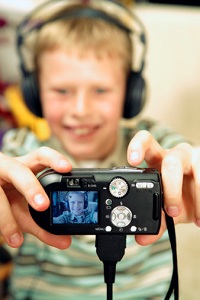 Celebrities do it, regular folks of all ages do it, and several articles and blog posts have been written discussing and analyzing the fascinating trend that is the selfie. It’s a word that has become synonymous with social media, self-love, and in some cases, shocking levels of self-obsession. Justin Bieber, a pop star and trailblazer in the selfie stratosphere, is currently backing a new camera app called “Shots of Me,†which is devoted entirely to the ongoing proliferation of the selfie. And the Oxford Dictionaries Online officially dubbed “selfie†2013’s Word of the Year.
In case you’ve managed to remain unfamiliar with the term, the selfie consists of any photo taken by the self, of the self, and then posted online, typically via social media sites like Facebook and Instagram. It’s the modern-day self-portrait, and anyone who has access to a camera and the Internet can partake. Over 31 million photos tagged with “#selfie†have been posted to Instagram to date (Walker, 2013), and according to a “nationally representative†report by the Pew Internet & American Life Project, teens are especially caught up in the selfie hype. Approximately 91% of those surveyed have posted at least one selfie (Madden et al., 2013).
Considering the very nature of social media is largely self-focused, with profiles catering to personal descriptions, interests, status updates, photos, and pretty much whatever else a person feels inclined to reveal to the masses, it doesn’t come as a huge surprise that selfies have become so popular. But their prevalence still begs the question: Why are people so obsessed with snapping photos of themselves and posting them online—and what does this say about those who do it?
Selfies: The Good …
Many theories have been shared regarding the widespread popularity of selfies, as well as the context in which some of them have been taken. Some take a more positive slant than others.
An article on Slate.com suggests that “selfies are good for girls,†as they encourage young girls, in particular, to be proud of who they are (Simmons, 2013). Author Rachel Simmons posits that despite the many advances in gender equality, many young girls still grow up with the understanding that being submissive and humble are desirable traits and that to have self-confidence is often seen as being conceited. In contrast to this, the selfie empowers females to celebrate not just their looks but also their accomplishments by shooting “tiny bursts of pride†into cyberspace, thereby encouraging other young women to do the same.
In a New York Times article, Jenna Wortham writes that the selfie is merely a mode of self-expression, and a means of communicating and connecting with others (2013). She also touches on the empowering nature of the selfie when she describes an old black-and-white photo she procured in an antique store of “a female pilot on a mountaintop,†in which the camera is most definitely being held by the woman in the photo.
Wortham stumbled upon a selfie taken decades before the word officially existed, which shows the longstanding human desire to capture ourselves in our moments of personal satisfaction and triumph, with or without the Internet.
… The Bad …
Others, however, view the selfie as a much more problematic reflection of where society stands with regard to self-obsession and sexual objectification. A recent article on Jezebel.com describes them as a “cry for help†(Ryan, 2013).
“Selfies aren’t empowering; they’re a high tech reflection of the… way society teaches women that their most important quality is their physical attractiveness,†writes Erin Gloria Ryan. A Teen Vogue article similarly delves into the “unexpected consequences of selfie-obsession†(Walker, 2013) by examining the potential dangers of a person’s sense of self-worth being tied to pictures posted online and the comments that go along with them.
Researchers in the United Kingdom recently reported that overdoing the selfies may also damage relationships, romantic and otherwise (Miller, 2013). Though it can be intriguing to see the person you’re interested in or involved with feeling confident enough to post selfies, it can also be a deterrent if that person posts too many self-portraits online. According to the researchers, friends, family members, and colleagues may feel alienated if an individual appears overly self-obsessed in social media outlets.
… And the Unsightly
Some even post selfies en route to and while attending funerals, a phenomenon so curious it has its own Tumblr blog: selfiesatfunerals.tumblr.com. The site was created by Jason Feifer, who quite simply states in his introductory video, “There’s some things a man should never do at a funeral.â€
The funeral selfie trend doesn’t seem to be more popular with one sex over another; one of the photos on the site depicts a teen girl with styled hair and pouty pink lips sitting in an attention-attracting pose. The words underneath her picture read, “You never appreciate what you have til its [sic] gone. R.I.P. Grandpa, you will be missed,†followed by a sad face and a heart.
Does Selfie Analysis Promote Sexism?
Much of the discussion about selfies is centered on women and young girls who take them, regardless of the reality that plenty of teenage boys and grown men take them, too. One group of guys posted a YouTube video called the “Selfie Song†(Mippey5 Music, 2013). In it, a handful of young men take selfies in various locations and repeat the chorus, “I’m bored, so I’m gonna take a selfie. I’m obsessed. It’s unhealthy. Click, share. I don’t care that I’m a man. I’m gonna take another pic and I’m gonna post to Instagram.â€
And yet, attention remains largely focused on the young girls and women who engage in selfie posting.
In September of this year, Kimberly Hall, a mother and women’s ministry leader in Austin, Texas, wrote a letter on her blog “Given Breath†to the teenage girls who post selfies. Hall expressed obvious disdain for the seductive nature of girls’ photos. “Wow—you sure took a bunch of selfies in your skimpy PJs this summer!†wrote Hall.
Although she has since removed the photo, she originally posted the letter with a picture of her three sons on the beach wearing only their swim trunks. Many readers found the photo highly inconsistent with the content of her post—even hypocritical—and following outcry, Hall replaced the photo with one that showed her sons fully clothed and smiling.
The indignant tone of the letter remains online, however. Hall shames girls who photograph themselves in their bathing suits and bedrooms and reprimands them in the name of the purity of her teenage sons. Hall didn’t mention whether her sons had any male friends who were posting summertime selfies, but considering what we know from teen selfie stats from earlier this year, she probably did see several selfie posts from young men. Were those pictures less offensive or worrisome?
Self-Obsession: Who Are You, Anyway?
Self-exploration and analysis are ongoing themes in social media, life in general, and in the field of psychotherapy. Examining our ideas of self and where they originate is a trademark of traditional therapeutic sessions, in which self-love, self-acceptance, and self-compassion are widely encouraged, and each of these traits requires time spent evaluating and developing a deeper understanding of the self.
But what about when someone is so confident—or confused—that he or she feels compelled to post constant selfies in an attempt to gain approval, attention, admiration, and validation? When does the desire to attain self-acceptance via social media shift into a potentially destructive form of self-obsession?
Studies conducted in previous years have attempted to assess whether Facebook promotes narcissism as well as the extent to which narcissistic traits are connected to low self-esteem (Parker-Pope, 2012; Tucker, 2010). In 2010, using the Narcissism Personality Inventory and the Rosenberg Self-Esteem Scale, psychology researcher Soraya Mehdizadeh measured the Facebook activity of 100 college students.
Mehdizadeh’s findings suggest that those with narcissistic behavior and those with low self-esteem are likely to spend over an hour a day on Facebook, and that those who inflate their own reputations or identity in their photos and status updates may very well be doing so to compensate for feelings of inadequacy. Along these lines, yet another concern surrounding selfies is the extent to which the images can be altered and manipulated to project a person’s ideal identity as opposed to his or her real identity.
A nationwide survey of 1,000 girls between the ages of 14 to 17, conducted in 2010 by the Girls Scouts of the USA, revealed that nearly 74% of those asked believe their female peers use social media to make themselves appear “cooler than they really are.†The survey also shared the view that most young women “downplay†their positive traits like intelligence and kindness on their social media profiles. Instead, what gets the bulk of the attention is physical appearance, as is reflected in the selfie.
Of course, the ability to create an online profile that reflects the ideal versus the real you does have a strangely enticing allure: Create a page devoted entirely to yourself; post photos on that page that reflect exactly how you want to be seen, often with carefully calculated camera angles, lighting, and edits; and share this work of social media art with whomever you  choose. In other words, you are in control of who others think you are, which may or may not be who you actually are.
Ultimately, the reality is that regardless of the authenticity or lack thereof displayed in people’s profiles, social media sites like Facebook and Instagram are well established as outlets for self-expression and social connection, and they don’t appear to be going anywhere any time soon. Perhaps some simply need a reminder to use them wisely and simmer down on the selfies. After all, there are other people who are worth photographing, too.
References:
- Girl Scouts of the USA. (2010). Who’s that girl? Image and social media survey. (New York, NY). Retrieved from http://www.girlscouts.org/research/publications/stem/image_and_social_media_survey.asp
- Hall, K. (2013, September 3). FYI (if you’re a teenage girl). Given Breath. Retrieved from http://givenbreath.com/2013/09/03/fyi-if-youre-a-teenage-girl/
- Madden, M., Lenhart, A., Cortesi, S., Gasser, U., Duggan, M., Smith, A., and Beaton, M. (2013, May 21). Teens, social media, and privacy. Pew Internet & American Life Project. Retrieved from http://pewinternet.org/Reports/2013/Teens-Social-Media-And-Privacy/Summary-of-Findings.aspx
- Miller, T. (2013, August 12). Too many selfies on Facebook can damage relationships: study. New York Daily News. Retrieved from http://www.nydailynews.com/life-style/selfies-damage-relationships-study-article-1.1424830
- Mippey5 Music. (2013, January 22). Selfie song. YouTube
. Retrieved from http://www.youtube.com/watch?v=y_O7aM0J3CI
- Parker-Pope, T. (2012, May 17). Does Facebook turn people into narcissists? The New York Times. Retrieved from http://well.blogs.nytimes.com/2012/05/17/does-facebook-turn-people-into-narcissists/?_r=0
- Ryan, E. G. (2013, November 22). Selfies aren’t empowering. They’re a cry for help. Jezebel.com. Retrieved from http://jezebel.com/selfies-arent-empowering-theyre-a-cry-for-help-1468965365
- Tucker, J. H. (2010, November 2). Study of Facebook users connects narcissism and low self-esteem. Scientific American. Retrieved from http://www.scientificamerican.com/article.cfm?id=status-update-im-so-glamorous
- Walker, M. (2013). The good, the bad, and the unexpected consequences of selfie-obsession. Teen Vogue. Retrieved from http://www.teenvogue.com/advice/2013-08/selfie-obsession
- Wortham, J. (2013, October 19). My selfie, myself. The New York Times. Retrieved from http://www.nytimes.com/2013/10/20/sunday-review/my-selfie-myself.html
- Simmons, R. (2013, November 20). Selfies are good for girls. Slate.com. Retrieved from http://tinyurl.com/munjlpo
 Mary-Lynne, the 10-month-old baby in a video called “Emotional baby! Too cute!†(see below) feels her mother’s musically expressed emotion very strongly. As her mother soulfully sings the 1988 Rod Stewart song “My Heart Can’t Tell You No,†Mary-Lynne’s facial expressions move from wide-eyed wonder to scrunch-faced smiles to streaming tears to what appear to be grimaces.
Since being published on October 18, 2013, the video has gone viral with its over 16 million views and 100,000-plus “likes†(and counting), with most of the YouTube comments consisting of things like “cute baby,†and “this is the cutest thing I’ve ever seen.†But with over 3,000 “dislikes,†there are also some who insist that the video is “not so cuteâ€; one of these is Tere Peman, who comments, “The baby is scared of mom[’s] unusual voice. [S]he begin[s] to smile when [the] mother seems to stop singing.†Peman, who says in her comment that she is a mother, too, goes on to suggest that the baby is, in fact, “suffering.â€
Even the mother, Amanda Leroux, acknowledges this toward the end of the video when she stops singing and says to baby Mary-Lynne, “Oh, you feel the pain in the song, yeah honey? Big tears. Are you crying? Oh, you’re crying, monkey. OK, mommy’s done. … It’s just a song.â€
In a Skype interview with The Today Show on Tuesday, Leroux says she’s been singing to Mary-Lynne since she was in the womb, and was just trying to capture video of her baby’s particularly potent emotional response to the song to share with her husband and family (Schlosser, 2013). Her intention was not for the video to go viral, and she probably couldn’t have imagined that multitudes of people would be commenting on what she presents as an intimate moment of bonding with her child. Such is the nature of social media, though.
And considering the widespread viewing of this video as well as the mixed, predominately positive responses of those who have watched and commented on it, GoodTherapy.org decided to check in with Ruth Wyatt, LCSW and child psychology Topic Expert, to see what she thinks of the video “Emotional Baby, Too Cute!â€
A Child Psychology Expert Perspective on ‘Emotional Baby’
Wyatt’s immediate response was that Mary-Lynne, although an adorable baby, is not at all happy. “Clearly, this mother is wanting to share something with her daughter. Sharing our feelings with our children can be a very important way we connect to them,†she says. However, Wyatt adds, “As beautiful and important as it is for us to share our feelings with our children, we need to understand where our children are developmentally and what they can handle.â€
Noting how Mary-Lynne smiles when her mother stops singing and cries when she starts again, Wyatt says, “My sense is that the baby [is] in some distress and that she [is] confused by her mother’s singing, hence the shift in affect.†She adds, “Perhaps picking up on the sadness of the song or responding to the altered state of the mother, the baby does not seem to feel safe. My sense is that she wants the calm, soothing mom to return.â€
She goes on to say, “Babies have no language but they can feel and take in the cadence of our voices, our feelings behind our words. I think this mother just needs to tune in a bit more to these aspects of her baby and maybe save the sad songs for when the baby is a bit older.â€
Have you seen the video? What do you think? Is “emotional baby†cute, or not so cute?
Reference:
- Leroux, A. (2013, October 18). “Emotional baby! Too cute!†YouTube . Retrieved from http://www.youtube.com/watch?v=nIsCs9_-LP8
- Schlosser, K. (2013, October 29). Baby girl moved to tears by mom’s singing in viral video. Today.com. Retrieved from http://www.today.com/moms/baby-girl-moved-tears-moms-singing-viral-video-8C11487730
 About half of all Americans believe in ghosts, with 22% reporting a personal experience with ghostly phenomena, according to a 2009 CBS News poll. Science and religion have long competed to explain seemingly paranormal experiences, such as hearing the voice of a deceased loved one or seeing ghostly figures. While no one can say with certainty that ghosts aren’t a part of our world, psychological phenomena may explain many common experiences.
Suggestibility and Priming
People are highly social creatures, and this means they’re also highly suggestible. If you see another person behaving fearfully, for example, you’re more likely to feel fear, even if there’s no obvious threat.
Suggestibility can fuel myths about ghosts and haunted houses, particularly in an environment that seems creepy. If you stay at an ostensibly haunted house, you’re primed to see ghosts because you’ve been told you might. This means you might interpret a strange noise as a sign that a ghost is present, particularly if other people seem frightened by the noise. Old and abandoned houses and locations that have a scary story—such as a hotel where someone was killed, or a home where someone committed suicide—can further prime your mind to “see†ghosts, even when you might otherwise explain away unusual apparitions and sounds.
Hallucinations
It’s easy to think of hallucinations as the domain of people who are disconnected from reality, but hallucinations are fairly common. About 10% of people who don’t have psychiatric issues report experiencing a hallucination at least once. People are more likely to hallucinate after the death of a loved one, and a large portion of people who have lost close family members report “seeing†or “hearing†the family member shortly after his or her death.
If you have vision or hearing problems, your odds of hallucinating are greatly increased, as degenerative conditions that affect the senses can cause you to perceive things that aren’t really there.
Sleep Issues
Perhaps one of the most frightening and common human experiences is the “phantom face.†Sleep paralysis helps to keep you safe when you’re sleeping. It prevents you from jumping out of your bed when you dream you’re jumping on a trampoline and ensures that you don’t actually hit someone when you dream you’re in a fight. Sometimes, though, sleep paralysis lasts a few moments longer than sleep itself. This can cause you to wake up unable to move, and images from your dreams can make their way into your waking life, seeming very real.
About 40% of people report seeing an image, such as a phantom face, upon waking up. This phenomenon can be terrifying, but it’s not caused by ghosts. The technical term for this type of sleep-induced hallucination is a hypnagogic hallucination.
Connecting Unconnected Things
The human mind is incredibly adept at building connections. This is the reason we’re able to master complex math, build seemingly intelligent machines, and remember vast quantities of information. But this connection-building tendency can also cause people to believe things that aren’t true. Apophenia is the tendency to see connections between unconnected events. This tendency can cause you to interpret mundane experiences as supernatural. For example, if you dream about your grandmother and then hear her favorite song on the radio, you might conclude that she’s communicating with you.
Pareidolia, a related phenomenon, occurs when people “complete†incomplete images. There are mundane examples of this in everyday life. Anyone who has noted that the front of a car looks like a face is engaging in pareidolia. Pareidolia, however, can also cause people to see ghostly images. Your mind, for example, might perceive a cloud of dust as a face. Combined with high suggestibility, apophenia and pareidolia can cause you to see things that aren’t there. And while the two behaviors can be associated with some mental health conditions, they’re normal cognitive processing mechanisms that everyone engages in from time to time.
References:
- Alfano, S. (2009, February 11). Poll: Majority believe in ghosts. CBSNews. Retrieved from http://www.cbsnews.com/2100-500160_162-994766.html
- Pareidolia. (n.d.). The Skeptic’s Dictionary. Retrieved from http://skepdic.com/pareidol.html
- Poulsen, B. (2012, July 31). Being amused by apophenia. Psychology Today. Retrieved from http://www.psychologytoday.com/blog/reality-play/201207/being-amused-apophenia
- Sacks, O. W. (2012). Hallucinations. New York, NY: Alfred A. Knopf.
 People have long constructed elaborate stories to explain things that science can’t. Almost every society has at least one origin myth. Ancient people constructed human-like gods to explain the weather, illnesses, and problems with interpersonal interactions.
While it’s easy to look back on outdated superstitions with equal parts confusion and judgment, there are still some things science hasn’t been able to fully explain. Parapsychology aims to fill this gap in knowledge, explaining phenomena that leave some people confused and others doubting the existence of the phenomena in the first place.
What Parapsychologists Study
Parapsychologists study any seemingly paranormal phenomena that are not studied by the broader psychological or scientific communities. Telepathy, near-death experiences, and extrasensory perception (ESP) have historically been popular parapsychology topics, alongside near-death experiences. Ghost-like phenomena such as apparitions are increasingly popular topics of study. Ian Stevenson, a University of Virginia psychiatrist, investigated reincarnation and past lives, and found that very young children sometimes reported “memories†of previous lives or life before birth.
Tools and Theories
Parapsychologists have developed a number of theoretical explanations for paranormal phenomena. For example, Stevenson found that, of the children who described reincarnation, almost half had birth marks. He theorized that these marks could be the sites of injuries, or even fatal wounds, in a previous life.
Electronic voice phenomenon (EVP) has quickly become one of the most widely used tools in the parapsychological community. EVP, used on ghost-hunting television shows, works by increasing background noise on a recording. The recording is then amplified and played back, and the resulting sounds can resemble a human voice.
Parapsychologists have developed several theories to explain EVP. Some argue that ghosts and other entities create EVP via psychokinesis. Mainstream scientists have argued, by contrast, that EVP could be the result of radio interference and fraud. People who are invested in believing EVP may hear voices where there are none. Parapsychologists who take EVP recordings often transcribe the recordings in an attempt to make them more easily understood, but these transcriptions can be suggestive and cause listeners to hear a voice when they might not otherwise.
Reception in the Scientific Community
Parapsychology is widely considered a pseudoscience in the mainstream psychological community. This does not, however, mean that research into paranormal phenomena is scientifically invalid. Some seemingly paranormal phenomena, such as near-death experiences, have been researched by mainstream scientists. Oxygen deprivation and other abnormalities in the brain near death may contribute to near-death experiences. Apparitions such as ghosts could be caused by hallucinations, dreams, and high suggestibility.
Mainstream psychologists emphasize that parapsychology is more focused on confirming the existence of paranormal phenomena than scientifically explaining it. Small or biased sample sizes can alter the results of studies, and there have been several reports of outright fraud. For example, psychics and mediums may use cold and warm readings to get seemingly accurate results. A cold reading works by making broad statements that are very likely to be true, such as, “I’m sensing an older man in your life who has died.†Many people know at least one older man who has died. A warm reading gains information about a subject through secondary sources. A psychic might, for example, talk to a subject’s mother prior to her reading and gain additional information that can be used to convince the subject of the reading’s validity.
Some paranormal psychologists accept unscientific or unproven premises as part of their research. They might assume, for example, that all people have past lives and then attempt to demonstrate how past lives affect present ones, without ever demonstrating the actual existence of past lives.
References:
- About the Parapsychological Association. (n.d.). The Parapsychological Association. Retrieved from http://www.parapsych.org/base/about.aspx
- Carroll, R. T. (n.d.). Parapsychology. The Skeptic’s Dictionary. Retrieved from http://skepdic.com/parapsy.html
- French, C. C. (2008, March 15). Is parapsychology a pseudoscience? [PDF]. Conference on Science and Pseudoscience.
 You’re not paranoid if they really are out to get you. More than 50 years after Ernest Hemingway committed suicide, we know that Hemingway was being tracked and hounded by the FBI, but this revelation seems less significant in a culture dominated by surveillance.
Edward Snowden’s recent revelations about NSA spying have sparked a vigorous public debate, and employers routinely spy on their employees by tracking their email, logging their chats, and checking their Facebooks. Walk down any street or enter any convenience store and the odds are good that there’s a camera filming you. The line between public and private behavior is increasingly blurred. Some people are willing to sacrifice a bit of privacy to feel safer, but what about the psychological effects of all this surveillance?
Decreased Trust in Government
It makes sense that people might feel more afraid of their government when they think they’re being watched, but the effects go deeper. One study found that when people identified with a leader, their trust in that leader actually decreased when they found out they were being watched. Another study found that people’s willingness to put up with surveillance decreases when they realize that they are the ones being watched instead of a mysterious bad guy.
Increased Stress
A sense of privacy can play a significant role in the control people feel over their lives. We all have private thoughts and behaviors that we’d rather keep under wraps, but mass surveillance makes this much more challenging. A hastily typed email message or unfortunate Facebook update can suddenly become public knowledge. As far back as 1996, researchers found that people felt a loss of control when they knew they were being watched.
The mental health effects don’t end there, though. Researchers have found that as surveillance increases, so does anxiety. Anxiety can lead to a host of health conditions, including high blood pressure, obesity, respiratory problems, gastrointestinal problems, and even cancer.
Effects on Relationships
Social networking, email, and text messaging play major roles in helping to maintain relationships with friends and family, especially across geographic distances. When people know they’re being watched, though, they tend to be more circumspect with their communications. What was once a sarcastic inside joke might become something that, taken out of context, reads like a threat. As the zone of privacy around a relationship diminishes, so too might people’s willingness to foster real intimacy and shared understandings.
Conformity
Researchers have known for decades that people tend to conform to what observers expect. In the 1960s, Stanley Milgram demonstrated that research subjects would willingly shock another person—even to the point of putting the person’s life in danger—if told to do so by an authority figure. When people know they’re being watched, they may subtly alter their behavior and communication to meet the expectations of the watcher. For an office worker, this might mean avoiding creative problem-solving. In political life, though, the effects can be even more damaging. The surveillance efforts of dictatorships have traditionally inhibited public involvement in government and shut down opposition. It may be that even in a democracy, surveillance limits dissent.
References:
- Anxiety and physical illness. (2012, July). Harvard Health Publications. Retrieved from http://www.health.harvard.edu/newsletters/Harvard_Womens_Health_Watch/2008/July/Anxiety_and_physical_illness
- Anxious people more likely to develop aggressive cancer, study finds. (2012, April 26). Metro. Retrieved from http://metro.co.uk/2012/04/26/anxious-people-more-likely-to-develop-aggressive-cancer-study-finds-404181/
- Beaumont, P. (n.d.). Fresh claim over role the FBI played in suicide of Ernest Hemingway. The Guardian. Retrieved from http://www.theguardian.com/books/2011/jul/03/fbi-and-ernest-hemingway
- Borland, J. (2007, August 08). Maybe surveillance is bad, after all. Wired.com. Retrieved from http://www.wired.com/threatlevel/2007/08/maybe-surveilla/
- Smith, M. (1992). Employee stress and health complaints in jobs with and without electronic performance monitoring. Applied Ergonomics, 23(1), 17-27. doi: 10.1016/0003-6870(92)90006-H
- Stanton, J. M., & Barnes-Farrell, J. L. (1996). Effects of electronic performance monitoring on personal control, task satisfaction, and task performance. Journal of Applied Psychology, 81(6), 738-745. doi: 10.1037//0021-9010.81.6.738
- SubaÅ¡ić, E., Reynolds, K. J., Turner, J. C., Veenstra, K. E., & Haslam, S. A. (2011). Leadership, power and the use of surveillance: Implications of shared social identity for leaders’ capacity to influence. The Leadership Quarterly, 22(1), 170-181. doi: 10.1016/j.leaqua.2010.12.014
- York, J. C. (2013, June 25). The chilling effects of surveillance. AlJazeera. Retrieved from http://www.aljazeera.com/indepth/opinion/2013/06/201362574347243214.html
 In the classic television series The X-Files, FBI agents attempt to uncover a conspiracy between aliens from another world and the U.S. government. Ideas about aliens vary from culture to culture and can be heavily influenced by the media, but the phenomenon of so-called alien abductions is relatively new in human history.
In 1997, the year the Hale-Bopp comet blasted past Earth, belief in alien conspiracies was at an all-time high. Sixty-four percent of respondents to a CNN poll said they believed aliens had made contact with humans, with 50% claiming that aliens had abducted humans. The concept of alien abductions is well-established in American consciousness, but psychological research may be able to offer a more mundane explanation for widespread belief in so-called abductions.
Sleep Paralysis
When you sleep, your body freezes your limbs, decreasing the likelihood that you leap from the bed or injure yourself in your dreams. But sometimes sleep paralysis goes a little haywire and people wake up unable to move. This can trigger an assortment of bizarre, dream-like hallucinations. People who already believe in aliens may, in this semi-conscious state, interpret lights and sounds from outside as alien visitors. Upon returning to sleep, these memories can become even more lucid through further dreams about aliens. Because sleep paralysis can be so frightening, though, people who experience it and then dream about aliens may interpret their experiences as real.
Brain Disturbances
The brain can do all kinds of strange things that seem real in the moment. After all, it’s the source of dreams, false memories, and hallucinations. Researchers have found that electrical stimulation of the temporal lobe can produce images and experiences that some people may interpret as alien abductions. A seizure in the temporal lobe is sufficient to trigger abduction-like sensations, so it may be that some people’s memories of abductions are in fact memories of seizures.
Mental Health Issues
Many people who report alien abductions are healthy, high-functioning individuals. Some, however, have a mental health issue that clouds their ability to distinguish fantasy from reality. Delusional issues are particularly likely to result in alien abduction memories, but research has also shown a correlation between alien abduction reports and schizotypal personality. People with schizotypal personality are often perceived by others as eccentric, and typically have unusual beliefs. They sometimes engage in magical thinking, and may experience problems with perception. This may lead to interpreting an experience as an alien abduction.
Memory Difficulties
The memory can play a host of tricks on you. It doesn’t act as a recording device, carefully cataloging every life event. Instead, the memory is highly susceptible to suggestion, belief, and fantasy. In some cases, it’s possible people may misremember dreams as reality or interpret a strange experience, such as a house shaking due to an earthquake, as an alien abduction. Cognitive biases can further distort memory. Confirmation bias, for example, is the tendency to see evidence for something you already believe. If you believe aliens abduct people and then have a frightening nighttime experience with a bright light, you may be tempted to fit this experience into what you already know, seeing it as evidence of an alien abduction.
But What If It’s Real?
There are plenty of scientists who are convinced there is life on other planets. No one can say with certainty whether aliens have visited our planet. Some psychologists, such as John Mack, have studied abduction phenomena, taking the stories to be true at face value. This field of psychology, called parapsychology, has gained a cult following among devotees of aliens and the UFO culture. Parapsychologists are interested in the effects of apparent abductions and the ways the trauma of a memory of abduction affects the brain.
References:
- Cromie, W. J. (2005, September 22). Alien abduction claims explained. Harvard Gazette. Retrieved from http://www.news.harvard.edu/gazette/2005/09.22/11-alien.html
- Gurstelle, E. (2011, November 10). The psychology of alien abduction — an altered state of consciousness? The PsychMinder. Retrieved from http://psychminder.com/2011/11/10/alien-abduction/
- Poll: U.S. hiding knowledge of aliens. (1997, June 15). CNN. Retrieved from http://www.cnn.com/US/9706/15/ufo.poll/
- The psychology and neuroscience of alien abduction. (n.d.). Kuro5hin. Retrieved from http://www.kuro5hin.org/story/2002/9/1/14038/46155
 is inextricably linked to cultural norms, and the latest version of the Diagnostic and Statistical Manual of Mental Disorders—psychiatry’s diagnostic bible—makes this readily apparent. Although sexual kinks are still a source of cultural controversy, their taboo status is steadily lifting, and the DSM-V treats unusual sexual behavior differently than previous versions of the manual.
Changing Sexual Norms
A little over a century ago, Sigmund Freud, modern psychiatry’s godfather, argued that clitoral orgasms were a sign of immature sexuality. For Freud, healthy adult sexuality meant nothing less than a vaginal orgasm. Contemporary sex researchers now emphasize the fact few women can reach orgasm with vaginal stimulation alone, and sex therapists frequently advise people having trouble with orgasm to focus on the clitoris. There have been other advances in thinking, of course, when it comes to sexuality. Until 1973, homosexuality was listed as a disorder in the DSM. Contemporary psychologists and psychiatrists now condemn conversion therapy, a treatment designed to “cure†homosexuality.
Contemporary sexual fetishes run the gamut. Many people have engaged in or acted on some form of sexual fetish at one time or another, and groups dedicated to advocating for the rights of those with unusual sexual interests have sprung up all over the Internet. More and more sex researchers recognize these behaviors as part of a sexual continuum and not necessarily indicative of a mental health issue.
The DSM-V’s Stance
Like their predecessors, contemporary mental health professionals frequently wrestle with the intersection of cultural norms and mental health, and the new DSM reflects this ongoing dialogue. Previous editions of the manual listed atypical sexual behaviors as diagnoses. For example, the DSM-IV listed the behavior of sexual masochism as a disorder. The new version, however, is largely silent on behavior, and defines fetishes as problematic only when they cause significant distress. Thus, masochistic behavior is now termed sexual masochism disorder only when the behavior causes problems for the individual.
When Is a Kink a Problem?
So when does a sexual kink cross the line into a disorder diagnosis? Some sexual behavior is inherently disordered, according to the new manual. For example, pedophilia remains a diagnosis because it’s impossible to act on a sexual attraction to children without breaking the law or causing harm to others. But for those who are blissfully dedicated to feet, bondage, or garter belts, the manual no longer defines the behavior itself as a problem. Instead, the so-called disorder is partially in the eye of the beholder. If your sexual fetish causes serious problems in your romantic relationships or significant personal distress, it may be time to consult a professional. Otherwise, the creators of the DSM-V are content to allow people to engage in whatever sexual behavior they want to without finding issue.
Ongoing Controversy
Not everyone is happy with the changes to the manual. Sex-positive writers and researchers point to the fact the new book still provides a list of sexual fetishes, which serves to label some sexual behaviors as inherently deviant even when they don’t cause problems. And the fact the DSM has changed its approach to diagnosis doesn’t mean every mental health professional has followed suit. The American Association of Sexuality Educators, Counselors, and Therapists publishes a list of therapists who adopt a nonjudgmental stance toward kinks. People who engage in non-normative sexual practices such as swinging, polyamory, and sexual fetishism report that they often struggle to find professionals who don’t view their behavior as deviant.
References:
- Paraphilic disorders [PDF]. (n.d.). Arlington: American Psychiatric Publishing.
- Parry, W. (2013, May 30). Normal or not? A sexual attraction to objects. LiveScience.com. Retrieved from http://www.livescience.com/36982-is-fetish-normal-dsm5.html
- Savage, D. (n.d.). Finding a sex-positive therapist isn’t always easy. Creative Loafing Charlotte. Retrieved from http://clclt.com/charlotte/finding-a-sex-positive-therapist-isnt-always-easy/Content?oid=3043389

Long-distance relationships (LDRs) present unique challenges that test the resilience and commitment of couples separated by geography. While the physical distance can create obstacles, recent research reveals that these relationships may offer distinct advantages and can be just as fulfilling as geographically close relationships when approached with the right strategies.
According to 2025 research, the prevalence of long-distance relationships has evolved significantly, with current estimates showing that 10% of married couples in the United States maintain long-distance relationships. Among university students and emerging adults, LDR prevalence ranges from 30% to 50%, making this a common relationship structure during formative years.
Current Research on Long-Distance Relationships
The foundation for understanding LDR dynamics comes from groundbreaking research published in the Journal of Communication. Research from Jiang and Hancock (2013) observed communication patterns in long-distance versus geographically close relationships, finding that emotional connections in long-distance relationships may be equally strong or stronger than their geographically close counterparts. The study found that long-distance couples engage in more adaptive self-disclosures and form more idealized relationship perceptions than geographically close couples.
This foundational research has been validated and expanded by numerous recent studies. A 2025 study examining emerging adults in long-distance relationships found that relationship maintenance behaviors predict relationship quality both directly and indirectly through dyadic trust. Research on communication patterns shows that LDR couples use remote communication more frequently than geographically close couples, with text messaging showing particularly strong links to relationship satisfaction in long-distance relationships.
Current research indicates that 34% of long-distance relationship couples experience significant anxiety about future reunion plans, highlighting the emotional challenges that come with maintaining relationships across distances. However, studies suggest that college students in LDRs may not be at greater risk for negative psychological outcomes compared to their peers in geographically close relationships.
The Science Behind LDR Success
Several psychological mechanisms may explain why distance can strengthen rather than weaken romantic bonds:
Enhanced Communication Quality
Long-distance couples demonstrate more intentional communication patterns, engaging in deeper self-disclosure and forming more idealized perceptions of their relationships compared to geographically close couples. 2025 research shows that attachment-security strategies for LDR couples, including creating psychological distance from negative triggers through mindfulness and perspective-taking techniques, can reduce harmful coping behaviors and improve relationship stability. Regular communication schedules, shared digital experiences, and planned visits help maintain secure attachment bonds across time zones.
While enhanced communication can strengthen emotional intimacy, it may also introduce a subtle risk: the tendency to idealize one’s partner. Because long-distance couples rely heavily on curated interactions, texts, calls, and planned visits, partners may unintentionally “fill in the gaps” with assumptions that reflect hopes rather than reality.
Clinical observations and emerging research suggest that this form of idealization can create a “fantasy bond,” where the relationship feels emotionally fulfilling but is partially constructed in the mind rather than grounded in everyday shared experience. Over time, this gap between perception and reality can become a source of distress, particularly during transitions to living together or increased in-person contact.
The Power of Anticipation
The cyclical nature of separation and reunion in LDRs creates heightened emotional experiences. Recent research on “relationship jet lag” reveals that couples experience no difficulty adapting when reuniting, with researchers noting that “the joy of being together may be enough to supersede that jet lag effect”.
However, the same anticipation that fuels excitement can also amplify contrast effects. Time spent together often occurs under unusually positive conditions, planned visits, time off work, and heightened emotional focus, which can resemble a “holiday mode” of relating. This context may temporarily intensify emotional and physical intimacy, but it does not always reflect how the relationship functions under routine, day-to-day conditions
Attachment Theory Insights

Modern research examining attachment styles in LDRs shows that individuals maintain committed romantic relationships across significant geographical separation (averaging 1042 miles) for extended periods (averaging 3 years). Studies demonstrate that securely attached individuals report higher relationship satisfaction and greater interdependence in their relationships, while high relationship closeness predicts high satisfaction in long-distance relationships.
The Reunion Transition: When Distance ClosesOne of the most underexamined phases of long-distance relationships is the transition from distance to proximity. While much of the research focuses on maintaining connection across distance, clinical experience and emerging studies suggest that reunification can be a critical stress point.
When partners move closer or begin living in the same location, they often encounter a “reality adjustment period.” The imagined or idealized partner must integrate with the real, everyday person, complete with habits, routines, stress responses, and preferences that were less visible during long-distance phases.
This transition can affect multiple domains:
- Daily routines and pacing: differences in sleep schedules, work habits, and lifestyle rhythms
- Decision-making styles: financial choices, division of responsibilities, and conflict resolution
- Emotional expectations: shifts from high-intensity connection to more regular intimacy
Research on relationship transitions suggests that these adjustments can temporarily decrease relationship satisfaction, even in otherwise strong partnerships. Recognizing this phase as a normal developmental stage, rather than a sign of incompatibility, can help couples navigate it more effectively.
Modern Communication Tools and Their Impact
Technology has revolutionized long-distance relationship maintenance, providing couples with unprecedented opportunities to stay connected.
Text Messaging: The Relationship Lifeline
Research consistently shows that text messaging is the most frequently used form of remote communication in both long-distance and geographically close relationships, followed by voice calls and video calls. Study findings add to growing literature on remote communication and suggest a uniquely positive role of texting within LDRs.
Gaming as Relationship Maintenance
Recent research reveals that playing games together is an increasingly common way for couples to maintain long-distance relationships. Digital games serve as a form of relational maintenance, though they remain relatively understudied for romantic relationship maintenance compared to socialization with friends and family.
Video Calls and Beyond
While video calling shows weaker links with relationship satisfaction compared to other forms of communication, couples in LDRs report more frequent video calling and perceive their partners as more responsive during video calls compared to geographically close relationships.
Innovative research on haptic technology, including devices like the Kissenger machine that simulates realistic kissing sensations through smartphones, shows promise for enhancing relationship satisfaction in long-distance couples during experimental trials.
Evidence-Based Strategies for LDR Success

1. Leverage Modern Communication Technology
Take advantage of diverse communication platforms, recognizing that 67% of international LDR couples struggle with scheduling mismatches. Available communication windows often shrink as work and social commitments increase. Consider:
- Text messaging for daily connection and emotional support
- Gaming together as a form of relationship maintenance (studies show couples averaging age 25.2, with some couples meeting online and maintaining relationships without ever meeting in person)
- Video calls for face-to-face interaction and visual connection
2. Establish Clear Expectations and Timelines
Research shows that couples tend to experience less stress and uncertainty if they have a clear timeline for reunion compared to those uncertain about their reunion. Approximately 72% of successful LDR couples discuss boundaries and expectations early in the relationship. Planning visits and creating an end date for the long-distance phase are key factors, with couples having a concrete timeline being 30% more likely to stay together.
3. Focus on Quality Communication
Trust and communication are considered the two most critical factors for LDR success, with 85% of LDR couples reporting trust as their relationship foundation and 82% emphasizing the importance of clear, open communication. Rather than using your partner primarily to vent daily stress, focus on:
- Cultivating positive feelings and mutual support
- Practicing mindfulness and perspective-taking techniques, which research shows can be particularly effective when practiced during video calls
4. Maintain Romance and Connection
Emotional intimacy is crucial, with 74% of LDR couples sending care packages or thoughtful gifts to show love and affection. Maintaining emotional connection in creative ways helps fill the gap created by physical distance. Strategies include:
- Sending flirty texts, small gifts, or traditional love letters
- Sharing novel experiences through digital platforms, which research shows can enhance self-expansion and relationship quality
- It is also important to contextualize heightened intimacy during visits. Increased sexual or emotional intensity may be influenced by novelty, anticipation, and limited time together rather than solely reflecting deeper compatibility. Understanding this distinction can help couples set realistic expectations for how intimacy may evolve when the relationship becomes geographically close.
5. Maintain Individual Growth
Don’t put your life on hold during separation. Having friends, employment, and outside interests helps manage loneliness and makes you a more engaging partner. Research shows that students in LDRs have more positive affect when off-campus than on-campus, suggesting the importance of maintaining life outside the relationship context.
6. Discuss Realities of Daily Life
To reduce the risks of idealization, couples can intentionally incorporate elements of daily life into their long-distance interactions:
- Discuss mundane topics such as finances, chores, and daily stressors
- Spend time together virtually while doing routine activities (e.g., cooking, errands, or workout sessions)
- Have explicit conversations about expectations for living together, including conflict styles and personal space

Research and clinical insights suggest that couples who engage in reality-based interactions, rather than exclusively emotionally heightened exchanges, are better prepared for eventual reunification.
Challenges and Modern Solutions
Relationship “Jet Lag” and Transitions
Recent research identifies “relationship jet lag” as a phenomenon where individuals in long-distance relationships face unique barriers to both individual and relationship health. The transition difficulties upon separation can create negative associations with the relationship itself.
Time Zone and Scheduling Challenges
Time zone differences create psychological pressures beyond simple scheduling inconvenience. When partners operate on different circadian rhythms, 67% of international LDR couples struggle with scheduling mismatches that create cascading communication effects.
Digital Age Complications
The modern dating landscape includes challenges like “Nanoship” – ultra-short relationships that form and dissolve rapidly due to digital platform ease, creating additional pressure on couples trying to maintain long-term connections across distances.
Research-Backed Success Factors
Studies using serial mediation models show that relationship maintenance behaviors predict relationship quality both directly and indirectly through dyadic trust, with effective relationship maintenance behaviors playing a crucial role in maintaining relational balance and functioning.
Recent research examining adaptive models for long-distance relationships incorporates mindfulness, sexual function, religious, and online social support domains, with data from 366 couples (aged 18-57, averaging 34.82 years) demonstrating the validity of comprehensive support approaches.
Conclusion
Long-distance relationships, while challenging, can be as fulfilling and stable as geographically close relationships when approached with evidence-based strategies. The key lies not in the distance itself, but in how couples manage that distance through intentional communication, trust-building, and relationship maintenance behaviors.
Long-distance romantic relationships have become increasingly common, especially among emerging adults. This situation reveals the importance of understanding how these relationships are maintained and the quality individuals perceive from them. Success requires commitment from both partners, strategic use of available technology, and a clear plan for eventual geographic reunion.
- Acosta-Rodas, P., Arias-Flores, H., & Ramos-Galarza, C. (2020). Long-distance relationships: Use of technology advances in communication, idealization and satisfaction. International Conference on Human Systems Engineering and Design, 110-115.
- Du Bois, S., Weber, D. M., Baucom, D. H., Wojda-Burlij, A. K., Carrino, E. A., & Sher, T. G. (2022). Relationship “jet lag” in long-distance and geographically close relationships: The impact of relationship transitions on emotional functioning. Couple and Family Psychology: Research and Practice, 13(3), 157-171.
- Holtzman, S., Kushlev, K., Wozny, A., & Godard, R. (2021). Long-distance texting: Text messaging is linked with higher relationship satisfaction in long-distance relationships. Journal of Social and Personal Relationships, 38(12), 3543-3565.
- Jiang, L. C., & Hancock, J. T. (2013). Absence makes the communication grow fonder: Geographic separation, interpersonal media, and intimacy in dating relationships. Journal of Communication, 63(3), 556-577.
- Körün, O. (2025). Even though the long distance: Are we still going on? Dyadic trust, relationship maintenance behaviors, and relationship quality among emerging adulthoods. Scandinavian Journal of Psychology, 46(1), 123-135.
- Murikkattu, N. N. E., Shah, N. D., Singh, N. N., Bhatia, N. M. S., & Sinha, N. A. (2024). The experiences of individuals in maintaining a long-distance relationship through social media. World Journal of Advanced Research and Reviews, 23(2), 2736-2743.
- Reframe. (2025). Long-distance relationship success: 2025 tips & science. https://www.joinreframeapp.com/articles/long-distance-relationships-anxiety-2025-statistics-attachment-security
- Roberts, A. (2007). Long-distance romantic relationships: Attachment, closeness, and satisfaction. Dissertation Abstracts International, 68(3), 1887B
References:
- Acosta-Rodas, P., Arias-Flores, H., & Ramos-Galarza, C. (2020). Long-distance relationships: Use of technology advances in communication, idealization and satisfaction. International Conference on Human Systems Engineering and Design, 110-115.
- Du Bois, S., Weber, D. M., Baucom, D. H., Wojda-Burlij, A. K., Carrino, E. A., & Sher, T. G. (2022). Relationship “jet lag” in long-distance and geographically close relationships: The impact of relationship transitions on emotional functioning. Couple and Family Psychology: Research and Practice, 13(3), 157-171.
- Holtzman, S., Kushlev, K., Wozny, A., & Godard, R. (2021). Long-distance texting: Text messaging is linked with higher relationship satisfaction in long-distance relationships. Journal of Social and Personal Relationships, 38(12), 3543-3565.
- Jiang, L. C., & Hancock, J. T. (2013). Absence makes the communication grow fonder: Geographic separation, interpersonal media, and intimacy in dating relationships. Journal of Communication, 63(3), 556-577.
- Körün, O. (2025). Even though the long distance: Are we still going on? Dyadic trust, relationship maintenance behaviors, and relationship quality among emerging adulthoods. Scandinavian Journal of Psychology, 46(1), 123-135.
- Murikkattu, N. N. E., Shah, N. D., Singh, N. N., Bhatia, N. M. S., & Sinha, N. A. (2024). The experiences of individuals in maintaining a long-distance relationship through social media. World Journal of Advanced Research and Reviews, 23(2), 2736-2743.
- Reframe. (2025). Long-distance relationship success: 2025 tips & science. https://www.joinreframeapp.com/articles/long-distance-relationships-anxiety-2025-statistics-attachment-security
- Roberts, A. (2007). Long-distance romantic relationships: Attachment, closeness, and satisfaction. Dissertation Abstracts International, 68(3), 1887B
 Electroconvulsive therapy, sometimes called shock treatment, has been the subject of controversy for generations. Decades ago, ECT was sometimes administered involuntarily, but current ECT treatments are voluntary and much safer. ECT is one of the most effective treatments for treatment-resistant depression, but its results are unpredictable and the side effects can be troubling. Some people, for example, experience long-term memory loss after undergoing ECT.
Fortunately, if you’re experiencing treatment-resistant depression, ECT is only the most popular option, not the only one. Something as simple as a new therapist or medication could make a big difference, and if those don’t work, there are several other ways to compel your brain to stop making you feel depressed.
New Treatment Plan
ECT and treatments like it are therapies of last resort. If you’ve tried only one medication or therapist, it’s not time to give up just yet. Instead, try modifying your treatment plan or treatment team. If you’re doing interpersonal therapy, for example, you might try switching to a therapist who specializes in cognitive behavioral therapy. If your medication isn’t working or the side effects are too much to tolerate, it’s time to switch to something else. Educate yourself before you choose a treatment team, and ensure that the methods your treatment team is using have been proven effective.
Vagus Nerve Stimulation
A vagus nerve stimulator is a lot like a pacemaker for your brain. The device has to be surgically implanted, and uses tiny electrical shocks to stimulate your vagus nerve. This treatment has been used for years in people with epilepsy, and some doctors are now using it in people with depression. Studies are inconclusive about its effectiveness, but if you want to avoid ECT, VNS can be a less frightening option.
Transcranial Magnetic Stimulation
Transcranial magnetic stimulation uses an electrical coil to produce electrical activity in a targeted area of the brain. The effects are similar to ECT because TMS electrically stimulates the brain, but preliminary studies indicate that there might be fewer side effects with TMS. However, the Food and Drug Administration advised against the marketing of a TMS device in 2007, arguing that it had not been proven effective.
Experimental Treatments
Experimental treatments are not currently available or are available only to those participating in treatment studies. However, in a few years, some of these treatments might be available to the general public:
- Some studies have indicated that ketamine—a veterinary tranquilizer that is sometimes used recreationally—may help alleviate symptoms of depression and some other mental health conditions.
- Magnetic seizure therapy is similar to ECT because it induces a seizure in the brain. It does not, however, require an electric current to be administered directly to the brain.
- Deep brain stimulation has shown promise in the treatment of neurological conditions such as Parkinson’s. Much like vagus nerve stimulation, deep brain stimulation works by implanting a device in the brain that sends electrical impulses to areas of the brain that affect mood.
References:
- Brief summary from the neurological devices panel meeting. (2007, January 26). U.S. Food and Drug Administration. Retrieved from http://www.fda.gov/AdvisoryCommittees/CommitteesMeetingMaterials/MedicalDevices/MedicalDevicesAdvisoryCommittee/NeurologicalDevicesPanel/ucm124779.htm
- Hampton, T. (2006). Ketamine for depression. JAMA: The Journal of the American Medical Association, 296(12), 1458-1458. doi: 10.1001/jama.296.12.1458-a
- Mayo Clinic Staff. (2011, August 23). Treatment-resistant depression. Mayo Clinic. Retrieved from http://www.mayoclinic.com/health/treatment-resistant-depression/DN00016
- Treatment-resistant depression. (n.d.). WebMD. Retrieved from http://www.webmd.com/depression/guide/treatment-resistant-depression-what-is-treatment-resistant-depression
 Women face overwhelming pressure to meet an often unrealizable “beauty†ideal. The result is that 80% of women report being unhappy with their appearance, and three-quarters of all women engage in some form of disordered eating such as crash dieting or skipping meals. Many companies have capitalized on this trend, offering a veritable cornucopia of products designed to “fix†women’s perceived flaws.
The advertisements for these products, however, frequently leave women feeling bad about themselves, particularly when images in these ads contain unrealistically “perfect†women. The overwhelming majority of cosmetic and clothing advertisements are digitally enhanced. Even Beyoncé fell victim to this practice, often called photoshopping, getting into a public dispute with H&M in early 2013 when the clothing retailer altered images of her modeling swimwear. But women are increasingly aware of the effects of digitally manipulated advertisements, and some retailers are abandoning the practice of presenting women with unrealistic images.
Photoshopping and Other Tricks
Although women continue to be bombarded with unrealistic—and perhaps even fake—images of models, the tide is slowly turning against photoshopping. Debenhams, a major British department store, recently announced that it will no longer manipulate images, even releasing photos demonstrating the “before†and “after†effects its previous photoshopping efforts had on models’ appearance. The National Advertising Division, an organization that makes recommendations for advertisers, has advocated for an outright ban on photoshopping in cosmetic advertisements.
Advertising tricks aren’t limited to photoshopping, though. The right lighting, heavy makeup, and clever clothing placement can leave models looking very different from how they look in real life. Some tricks mislead women about the effects of products featured in advertisements. Mascara manufacturers, for example, may resort to the use of false lashes or lash extensions to make the product look much more effective than it actually is. Women who buy the product are then left feeling like there’s something wrong with them because they can’t look like the model in the advertisement.
The Effects of Advertisements
Numerous studies have documented the negative effects that advertisements have on women, even when women know the ads have been altered. Women feel worse about themselves, for example, after reading advertisement-laden fashion magazines. Some women even resort to cutting out photos of extremely thin models as “thinspiration†for crash diets. According to research by sociologist Jean Kilbourne, regular exposure to advertisements can contribute to internalized sexism. Women may begin to see their appearance as the primary source of their worth, neglecting other interests in favor of the perpetual pursuit of aesthetic perfection.
Keeping Self-Esteem Intact
Even if photoshopping is banned, women will be exposed to images of models who have been heavily made up, who benefit from excellent lighting, and whose appearance differs substantially from the average woman. Although this practice can feel unfair and even overwhelming, women can take steps to empower themselves and avoid the self-esteem-crushing effects of unrealistic ideals. These include:
- Avoiding magazines that are focused primarily on beauty or that contain a lot of advertisements
- Turning off the television during commercial breaks
- Contacting retailers and cosmetic manufacturers to complain when advertisements are misleading or psychologically damaging
- Focusing on health and physical fitness rather than weight loss
- Critically evaluating claims made in product commercials and ads
- Focusing on valuing the self for personality traits rather than appearance
- Steering conversations with friends away from diets, makeup, and body shaming
References:
- Edwards, J. (2011, December 16). US moves toward banning photoshop in cosmetics ads. Business Insider. Retrieved from http://www.businessinsider.com/us-moves-toward-banning-use-of-photoshop-in-cosmetics-ads-2011-12
- ExtremeTech. (2011, December 16). US Watchdog Bans Photoshopping in Cosmetic Ads. Retrieved from http://www.extremetech.com/extreme/109375-us-bans-photoshop-use-in-cosmetics-ads
- Grey, J. (2013, May 30). Beyonce outraged that H&M intended to photoshop her bootyliciousness. Business Insider. Retrieved from http://www.businessinsider.com/beyonc-outraged-at-hm-photoshop-2013-5
- Helping your daughter see through advertising. (n.d.). Discover Your Daughter. Retrieved from http://www.discoveryourdaughter.com/for-your-daughter/self-esteem/helping-your-daughter-see-through-advertising
- Kilbourne, J. (2000). Can’t buy my love: How advertising changes the way we think and feel. New York, NY: Simon & Schuster.
- Ross, C. C., MD. (n.d.). Why do women hate their bodies? Psych Central.com. Retrieved from http://psychcentral.com/blog/archives/2012/06/02/why-do-women-hate-their-bodies/
- Three out of four American women have disordered eating, survey suggests. (2008, April 23). ScienceDaily. Retrieved from http://www.sciencedaily.com/releases/2008/04/080422202514.htm
- Women’s magazines and the cult of hypocrisy. (2012, July 5). Women’s Media Center. Retrieved from http://www.womensmediacenter.com/feature/entry/womens-magazines-and-the-cult-of-hypocrisy