

Divorce represents one of life's most challenging transitions, affecting millions of families each year. While the end of a marriage can bring relief for some, it often triggers a complex range of emotions and adjustments that impact mental health, relationships, and daily life. Understanding the divorce process, its effects, and available support can help individuals and families navigate this difficult journey toward healing and recovery.
According to the Centers for Disease Control and Prevention (CDC), provisional 2023 data show a divorce rate of 2.4 per 1,000 people, down significantly from the highs of the 1980s. While divorce rates have declined over recent decades, 41% of first marriages in the United States still end in divorce, making it a common life experience that deserves compassionate understanding and evidence-based support.
Table of Contents
- Why Do People Get Divorced?
- Can Divorce Be Predicted?
- The Effects of Divorce
- Emotions of Divorce
- Divorce and Children
- Recovery and Healing After Divorce
- How Therapy Can Help
- Frequently Asked Questions
- Find a Therapist
Why Do People Get Divorced?
Research into divorce has identified multiple factors that contribute to marital dissolution. When divorced individuals were asked open-endedly to provide their reasons for divorce, the most cited reasons were infidelity (21.6%), incompatibility (19.2%), and drinking or drug use (10.6%). However, couples often cite multiple interconnected reasons rather than a single cause.
According to recent studies, the most common reasons for divorce include:
- Lack of commitment: Communication problems are the most common factor that leads to divorce, at 65%, often stemming from one or both partners no longer investing effort in the relationship
- Infidelity: Research indicates that infidelity accounts for 59.6 percent of all divorces in the country
- Communication issues: Persistent arguing and inability to resolve conflicts constructively
- Financial problems: 40% cited how one's spouse handled money as a reason for divorce
- Domestic violence: Approximately 23.5% of divorces list domestic abuse as a contributing factor
- Substance abuse: Alcohol or drug use that damages the relationship
- Growing apart: 55% endorsed growing apart as their primary reason
Additionally, about 45% of divorced people said marrying too young was a leading reason for their breakup, highlighting the importance of emotional maturity and life experience in maintaining a successful marriage.
Can Divorce Be Predicted?
While no one can predict divorce with absolute certainty, research has identified key warning signs. Psychologist John Gottman's decades of research have revealed communication patterns that can predict divorce with remarkable accuracy.
The Four Horsemen of Divorce
According to our research, can predict the end of a relationship, Gottman identified four destructive communication patterns he calls the "Four Horsemen":
1. Criticism: Attacking your partner's character rather than addressing specific behaviors. Unlike complaints that focus on specific issues, criticism makes global attacks on personality.
2. Contempt: The worst of the four horsemen. It is the number one predictor of divorce. Contempt involves sarcasm, eye-rolling, name-calling, and treating your partner as inferior.
3. Defensiveness: Playing the victim or making excuses rather than taking responsibility. Defensiveness is really a way of blaming your partner.
4. Stonewalling: Withdrawing from interaction and shutting down communication. The stonewaller might actually physically leave or they might just stop tracking the conversation and appear to shut down.
By observing how couples interact during disagreements, his research team achieved 93.6% accuracy in predicting which couples would divorce within six years. However, recognizing these patterns provides an opportunity to change course and seek help before it's too late.
The Effects of Divorce
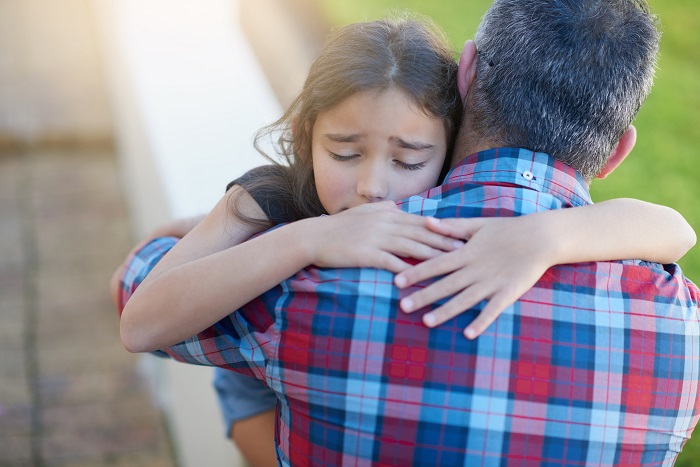
Divorce creates ripple effects across multiple areas of life, requiring significant adjustments and adaptation.
Financial Changes
The transition from one household to two often brings financial strain. Divorce typically leads to a decline in the standard of living of mother-headed families, often falling below poverty level. This economic stress can compound other divorce-related challenges.
Lifestyle Adjustments
Single life after marriage requires developing new routines, social networks, and self-identity. Many newly divorced individuals experience:
- Changes in living arrangements
- Shifts in daily responsibilities
- Alterations in parenting schedules
- Need to rebuild social connections
Mental Health Impact
People who go through divorce often report higher levels of stress, anxiety, depression, and social isolation compared to the general population. Divorced individuals, compared to their married counterparts, have higher levels of psychological distress, substance abuse, and depression, as well as lower levels of overall health.
Research shows that a significant association between parental divorce and every aspect of mental health was found with the following pooled ORs (95% CIs): Depression 1.29 (1.23–1.35), anxiety 1.12 (1.04–1.12), suicide attempt 1.35 (1.26–1.44), suicidal ideation 1.48 (1.43–1.54).
Emotions of Divorce
The emotional journey through divorce often mirrors the stages of grief, as individuals mourn the loss of their marriage and shared future. Common emotional experiences include:
Immediate Reactions
- Shock and denial: Difficulty accepting the reality of the situation
- Anger: Toward the ex-spouse, the situation, or oneself
- Guilt: Especially regarding the impact on children or perceived personal failures
- Fear: About the future, finances, and ability to cope alone
Ongoing Emotional Challenges
- Sadness and grief: Divorce triggers a legitimate grief response for the loss of the relationship and shared dreams
- Anxiety: About managing new responsibilities and uncertain futures
- Relief: For those leaving unhealthy relationships
- Loneliness: Adjusting to life without a partner
"The transition to divorce is typically characterized by distress, anxiety, anger, and other negative emotions. For many individuals, these reactions diminish within two to three years, though for some, the negative effects can persist much longer," notes divorce researcher Dr. Paul Amato.
Divorce and Children
Children often experience significant challenges when their parents divorce. Children who have experienced divorce are at an increased risk of child and adolescent adjustment problems, academic difficulties, disruptive behaviors, and anxiety or depression.
Impact on Children
Research consistently shows that divorce affects children in multiple ways:
- Children of divorce had lower average math and reading scores than children of non-divorced parents
- Diagnosable psychological problems occur in 30%–40% of individuals whose parents divorce—a rate three times higher than that for individuals whose families remain together
- Children of divorcees have a higher risk of mental health disease
Age-Related Effects
Early parental divorce/separation is more negatively related to trajectories of internalizing and externalizing problems. However, parental divorce in late adolescence does not lead to mental health problems, as has been shown before, while such problems may prevail among young adolescents.
Warning Signs in Children
Parents should watch for these indicators that a child is struggling:
- Acting out at school or home
- Withdrawal or emotional shut-down
- Changes in usual behavior patterns
- Increased rule-breaking or excessive compliance
- Irritability or anger
- Signs of self-harm
- Significant changes in emotional expression
Supporting Children Through Divorce
Research emphasizes the crucial role of positive parenting post-separation as a protective buffer against the potential negative adjustment to family breakdown, demonstrating the significant impact of positive parenting to alleviate the effects of separation and divorce on children and protecting them from adverse consequences.
Parents can help by:
- Maintaining consistent routines and stability
- Keeping conflict away from children
- Providing age-appropriate explanations
- Reassuring children the divorce is not their fault
- Seeking professional support when needed
Recovery and Healing After Divorce
Timeline for Recovery
In order to stabilize the family system, 2 to 4 years are usually needed. However, individual experiences vary widely based on factors such as:
- Length of the marriage
- Presence of children
- Level of conflict
- Available support systems
- Individual coping resources
Evidence-Based Recovery Strategies
A meta-analysis in the Journal of Clinical Psychology found that individuals who engaged in divorce-focused therapy showed significantly better psychological adjustment after 6-12 months compared to those without professional support.
Key strategies for healing include:
1. Professional Support: Individual therapy, support groups, and specialized divorce counseling
2. Self-Care Practices: Regular exercise, adequate sleep, healthy nutrition
3. Social Connection: Maintaining and building supportive relationships
4. Mindfulness and Stress Reduction: Meditation, yoga, and relaxation techniques
5. Gradual Life Rebuilding: Setting small, achievable goals for personal growth
Digital Support Options
Digital modes have the ability to reach a larger number of divorcing couples experiencing conflict. These factors may be key to its efficacy across conflict levels. Given its relative ease of access and remote (nonpersonal) mode of engagement, some people may be more likely to complete portions of the intervention, especially if they are reluctant to attend face-to-face services.
How Therapy Can Help
Therapy provides crucial support during and after divorce, offering different approaches based on individual and family needs.
Individual Therapy
Individual therapy helps people:
- Process grief and loss associated with divorce
- Develop healthy coping strategies
- Address depression, anxiety, or other mental health concerns
- Rebuild self-identity and confidence
- Learn from the relationship experience
- Prepare for future relationships
Couples Therapy for Divorcing Partners
Even when divorce is inevitable, therapy can help couples:
- Navigate the divorce process more constructively
- Reduce conflict and improve communication
- Make decisions about property and custody
- Create effective co-parenting strategies
- Achieve closure and mutual understanding
Family Therapy
Family therapy lets all family members share their feelings about the divorce. This can help everyone process their emotions and adjust to the changes. Family therapy is particularly valuable for:
- Helping children express and process their emotions
- Improving family communication
- Establishing new family dynamics
- Addressing loyalty conflicts children may experience
- Creating healthy boundaries and expectations
Specialized Interventions
Parent education programs have been developed to assist parents in understanding the legal procedures, help them make better-informed choices, minimize harmful conflicts, and foster positive coparenting dynamics. Many jurisdictions now offer or require divorce education programs that have shown positive outcomes.
Frequently Asked Questions
How long does it take to recover from divorce?
Recovery timelines vary significantly. For many individuals, these reactions diminish within two to three years, though for some, the negative effects can persist much longer. Factors affecting recovery include the length of marriage, presence of children, level of conflict, and available support systems.
How does divorce affect mental health?
Divorce can significantly impact mental health. A 2003 study found that a recent divorce was linked to a higher risk of first-time psychiatric admission for depression. However, people who are unhappy in their marriage and decide to get divorced have better psychological well-being than those who stay married in the same circumstance.
What are the most common reasons couples divorce?
The top reasons include lack of commitment, communication problems, infidelity, financial disagreements, and growing apart. Communication problems are the most common factor that leads to divorce, at 65%.
How can I help my children cope with our divorce?
Maintain routines, keep conflict away from children, provide reassurance that the divorce isn't their fault, and consider professional support. Try to keep your kids' daily and weekly routines as familiar and stable as possible.
When should I seek professional help during divorce?
Consider therapy if you're experiencing persistent depression, anxiety, difficulty functioning in daily life, or if your children are showing signs of distress. Early intervention often leads to better outcomes.
Can therapy help even if my spouse won't participate?
Yes. Individual therapy can be highly beneficial for processing emotions, developing coping strategies, and making decisions about your future, regardless of your spouse's participation.
How Therapy Can Help / Find a Therapist
If you're navigating divorce or its aftermath, professional support can make a significant difference in your healing journey. Therapy provides a safe, confidential space to process complex emotions, develop healthy coping strategies, and build a fulfilling life after divorce.
GoodTherapy's directory can help you find qualified therapists who specialize in:
- Divorce counseling and recovery
- Family and couples therapy
- Child and adolescent therapy
- Co-parenting support
- Trauma-informed care
Taking the first step toward healing can feel daunting, but you don't have to navigate this journey alone. Search our directory to find a compassionate, experienced therapist in your area who can support you through this challenging transition and help you build the life you envision for yourself and your family.
References:
- American Psychological Association. (2024). Research roundup: Divorce and mental health outcomes. APA Services. https://www.apaservices.org
- Amato, P. R. (2023). Research on divorce: Continuing trends and new developments—A 30-year retrospective. Journal of Marriage and Family, 85(5), 1143-1160. https://doi.org/10.1111/jomf.12930
- Bauserman, R. (2023). A meta-analysis of parental satisfaction, adjustment, and conflict in joint custody versus sole custody following divorce. Journal of Divorce & Remarriage, 64(4), 288-305. https://doi.org/10.1080/10502556.2023.2203459
- Centers for Disease Control and Prevention. (2024). Marriage and divorce statistics, 2000-2023. National Center for Health Statistics. https://www.cdc.gov/nchs/nvss/marriage-divorce.htm
- Charlie Health Research Team. (2024). Divorce and mental health: Data, impacts, and recovery strategies. Charlie Health. https://www.charliehealth.com/research/divorce-mental-health
- Gottman, J. M., & Silver, N. (2024). What makes love last?: The science of trust and betrayal (Updated ed.). Simon & Schuster.
- Hald, G. M., Cipric, A., Strizzi, J. M., & Sander, S. (2022). The future of divorce support: Is "digital" enough in presence of conflict? Journal of Marital and Family Therapy, 48(4), 1089-1103. https://doi.org/10.1111/jmft.12573
- Lansford, J. E. (2023). Parental divorce and children's adjustment: A decade of research and intervention advances. Perspectives on Psychological Science, 18(2), 382-395. https://doi.org/10.1177/17456916221118767
- Lippard, E. T. C., & Nemeroff, C. B. (2020). The devastating clinical consequences of child abuse and neglect: Increased disease vulnerability and poor treatment response in mood disorders. American Journal of Psychiatry, 177(1), 20-36. https://doi.org/10.1176/appi.ajp.2019.19010020
- Mental Health America. (2024). Coping with separation and divorce. https://mhanational.org/separation-and-divorce
- National Alliance on Mental Illness. (2024). More than 1 in 5 U.S. adults experience mental illness each year. https://www.nami.org
- National Institute of Mental Health. (2024). Mental health by the numbers. U.S. Department of Health and Human Services. https://www.nimh.nih.gov
- O'Hara, K. L., Sandler, I. N., Wolchik, S. A., & Tein, J. Y. (2020). Parenting time, parenting quality, interparental conflict, and children's mental health following divorce: A person-centered approach. Journal of Family Psychology, 34(4), 492-502. https://doi.org/10.1037/fam0000630
- Saini, M. A., Drozd, L. M., & Olesen, N. W. (2024). Educating for change: A meta-analysis of education programs for separating and divorcing parents. Family Court Review, 62(3), 478-495. https://doi.org/10.1111/fcre.12801
- Sander, S., Strizzi, J. M., Øverup, C. S., Cipric, A., & Hald, G. M. (2020). A meta-analysis on interparental conflict, parenting, and child adjustment in divorced families: Examining mediation using meta-analytic structural equation models. Clinical Psychology Review, 79, 101861. https://doi.org/10.1016/j.cpr.2020.101861
- Scott, S. B., Rhoades, G. K., Stanley, S. M., Allen, E. S., & Markman, H. J. (2024). Reasons for divorce and recollections of premarital intervention: Implications for improving relationship education. Couple and Family Psychology: Research and Practice, 13(1), 48-63. https://doi.org/10.1037/cfp0000165
- Størksen, I., Røysamb, E., Holmen, T. L., & Tambs, K. (2024). Adolescent adjustment and well-being: Effects of parental divorce and distress—A 10-year follow-up study. European Child & Adolescent Psychiatry, 33(2), 489-501. https://doi.org/10.1007/s00787-023-02156-1
- Substance Abuse and Mental Health Services Administration. (2024). National directory of mental health treatment facilities. U.S. Department of Health and Human Services. https://www.samhsa.gov
- Tullius, J. M., De Kroon, M. L. A., Almansa, J., & Reijneveld, S. A. (2022). The divorce process and child adaptation trajectory typology (DPCATT) model: The shaping role of predivorce and postdivorce interparental conflict. Clinical Child and Family Psychology Review, 25(3), 500-528. https://doi.org/10.1007/s10567-022-00379-3
- Westrick-Payne, K. K. (2025). Refined divorce rate in the U.S.: Geographic variation, 2024. Family Profiles, FP-25-31. National Center for Family & Marriage Research. https://doi.org/10.25035/ncfmr/fp-25-31
