
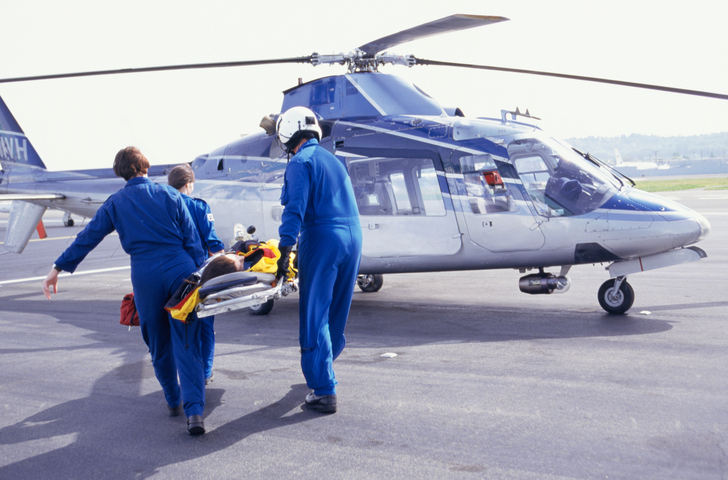
First responders are the brave individuals who rush toward danger when others flee — police officers, firefighters, paramedics, emergency medical technicians (EMTs), and emergency dispatchers. These professionals routinely face life-threatening situations and traumatic events that most people will never encounter. First responders in emergency services are inherently exposed to potentially psychologically traumatic events, increasing their risk for PTSD, burnout, and work incapacity. The demanding nature of their work, combined with repeated exposure to human suffering and danger, creates unique mental health challenges that require specialized understanding and treatment approaches.
The mental health impacts on first responders extend far beyond the individual, affecting families, colleagues, and the communities they serve. When those we depend on for emergency assistance struggle with untreated mental health concerns, the ripple effects can compromise public safety and emergency response effectiveness. A qualified mental health professional can help first responders address posttraumatic stress disorder (PTSD), anxiety, depression, substance use concerns, and other challenges they may face in their line of duty.
Table of Contents
- Understanding First Responder Mental Health Issues
- Current Prevalence and Statistics
- Types of Mental Health Issues Faced by First Responders
- The Impact of COVID-19 on First Responder Mental Health
- Substance Use Among First Responders
- Emergency Dispatchers as First Responders
- Barriers to Seeking Help
- Effects on Personal and Professional Life
- Evidence-Based Treatment Approaches
- Prevention and Resilience Building
- Frequently Asked Questions
- How Therapy Can Help
Understanding First Responder Mental Health Issues
First responders work in fields that bring them to the scene of crimes, accidents, natural disasters, and medical emergencies to provide immediate assistance. They are often celebrated as heroes for their willingness to put themselves in harm's way to help others. However, reports have recently highlighted the mental health and suicide risk of first responders, with prevalence rates reportedly much higher compared to the general population.
The psychological toll of emergency response work stems from multiple factors. PTSD rates range from 6% to 32% for law enforcement officers, 9%–22% for emergency medical technicians/paramedics, and 17%–32% for firefighters. These rates are substantially higher than the rates of PTSD in the general adult population (7%–12%). The cumulative effect of repeated trauma exposure, combined with organizational stressors and cultural barriers to seeking help, creates a perfect storm for mental health challenges.
It is normal for people to experience some distress following traumatic events, even when these events are faced routinely. Many individuals experience mild symptoms of insomnia, fear, worry, or sadness that last a short time, are generally mild enough not to interfere greatly with daily functioning, and usually subside without treatment. For others, however, symptoms persist and may become more serious, developing into clinical conditions that require professional intervention.
Current Prevalence and Statistics
Recent research reveals concerning rates of mental health issues among first responders:
PTSD Prevalence
General samples with routine exposures possessed greater prevalence (14.3%) than samples exposed to large-scale disasters (8.3%). For the first time, there was some evidence of increasing prevalence over time within routine exposure samples. This finding is particularly troubling, as it suggests that the mental health burden on first responders is growing rather than diminishing over time.
Between 7-37% of first responders have posttraumatic stress disorder (PTSD) symptoms, with rates varying by profession and specific exposures. The PTSD rates found in the rescue teams ranged from 5% to 32%, with firefighters having a 21% rate. However, the prevalence rates of PTSD for firefighters in the USA ranged from 8% to 22%.
Depression and Anxiety
Prevalence rates of posttraumatic stress disorders (PTSD) vary with rates reported between 10% and 23.2%, and other mental health illnesses (depression and anxiety) reported between 16.6% and 44.5%. A systematic review of mental health and PTSD illness in paramedics reported PTSD as the most common disorder with average prevalence rates across included studies reported as 11% for PTSD, 27% psychological distress, and 15% for both anxiety and depression.
Suicide Risk
The suicide risk among first responders is particularly alarming. Results indicated that emergency and protective services workers had higher age-adjusted suicide rates than workers in other occupations (22.4 per 100,000 for males and 7.8 for females vs. 15.5 per 100,000 for males and 3.4 for females). First responder decedents made up 1% of all suicides, with concerning patterns in the methods and circumstances of these deaths.
Types of Mental Health Issues Faced by First Responders
Posttraumatic Stress Disorder (PTSD)
First responders may experience various PTSD symptoms, including:
- Intrusive memories and flashbacks of traumatic events
- Nightmares and sleep disturbances
- Hypervigilance and exaggerated startle response
- Avoidance of reminders of traumatic events
- Emotional numbing and detachment
- Difficulty concentrating
- Irritability and anger
First responders reported greater rates of dysphoric clusters of symptoms, including diminished interest, emotional numbing, and social detachment, and less psychological reactivity and avoidance of situations, than civilians with PTSD. Beyond PTSD symptoms, first responders also reported more severe levels of depression and suppressed anger.
Complex PTSD
In a sample of 1300 British former or current firefighters, 18.23% met Complex PTSD criteria and 5.62% met PTSD criteria. Complex PTSD includes additional symptoms such as difficulties with emotion regulation, negative self-concept, and problems in relationships.
Depression and Burnout
In this population, trauma-related disorder problems are often concomitant with depression and anxiety symptoms, especially in periods of prolonged stress, such as during the COVID epidemic. Burnout, characterized by emotional exhaustion, depersonalization, and reduced sense of personal accomplishment, is endemic in emergency services.
Sleep Disorders
PTSD in first responders has been associated with health-related problems such as high cortisol levels, high resting heart rates, and poor sleep quality. Shift work and the unpredictable nature of emergency calls contribute to chronic sleep disruption, which can exacerbate other mental health symptoms.
The Impact of COVID-19 on First Responder Mental Health
The COVID-19 pandemic created unprecedented challenges for first responders, significantly impacting their mental health and well-being.
Increased Stress and Anxiety
The coronavirus disease 2019 (COVID-19) pandemic has led to more than 92 million cases and more than 1 million confirmed deaths in the United States. Since the beginning of the pandemic, first responders, including firefighters, emergency medical services (EMS) personnel, and law enforcement officers, have been working on the frontlines to mitigate this public health crisis.
Across interviews, a great majority of first responders acknowledged how the emergence of COVID-19 had increased their stress levels. Paramedics were particularly focused on the stress being faced by healthcare professionals. The pandemic brought new fears about personal safety, concerns about infecting family members, and frustration with rapidly changing protocols and misinformation.
Mental Health Outcomes During COVID-19
Findings indicated strong decreases in first responder mental health and diminished workplace support. A lack of communication from leadership, combined with little ability to advocate for certain decisions, may have led to higher levels of burnout, anxiety, depression, and a desire to leave EMS work.
Findings suggest that first responders with COVID-19–related health risks are more likely to experience anxiety and depressive symptoms. As such, incorporating comprehensive assessments of health history and job-related duties can help inform prevention approaches.
Substance Use During the Pandemic
First responders have experienced increased levels of stress, anxiety, and depression due to job-related pressures associated with the COVID-19 pandemic. However, little is known about the factors associated with first responder drug and alcohol use during this time. We conducted a nationwide survey of first responders (n = 2801) to understand the relationship between work pressures, workplace support strategies, and problematic substance use during the early stages of the COVID-19 pandemic. Descriptive statistics showed that 60.8% reported no concerns with substance use. While general workplace support strategies were negatively associated with problematic substance use, specific COVID-related strategies, such as providing compensation during quarantine, were positively associated with problematic substance use.
Substance Use Among First Responders
Substance use disorders represent a significant concern in the first responder community, often developing as maladaptive coping mechanisms for managing trauma and stress.
Alcohol Use Rates
According to a study published in the Journal of Substance Abuse Treatment, approximately 30% of first responders report problematic alcohol use. This is significantly higher than the general population, where the rate of excessive alcohol consumption is estimated to be around 10% to 15%.
Specific rates by profession include:- A study published in the Journal of Occupational Health Psychology found that approximately 30% of police officers report problematic alcohol use. This rate is significantly higher than the general population, where problematic alcohol use is estimated at around 10%.
In one study, researchers found that out of the 112 firefighters they surveyed, 80% drank alcohol, with 14% having hazardous drinking behaviors.
In a 2015 study, more than 85% of firefighters consumed alcohol, nearly half reported excessive drinking, and approximately one third reported episodic heavy use when off duty. Volunteer firefighters reported alcohol use at a rate of 70%; 45% reported binge drinking. High risk of alcohol and drug use was observed in as much as 40% of EMTs and paramedics.
Prescription and Illicit Drug Use
Research published in the American Journal of Emergency Medicine found that about 20% of first responders have reported using prescription drugs inappropriately or engaging in illicit drug use. This rate is notably higher than the general population, where the prevalence of illicit drug use is around 8% to 10%.
Contributing Factors
In the context of FRs, a recent study shows a strong relationship between exposure to work-related traumatic events, PTSD, and substance use. The issue of suicidality is twofold for FRs, as it relates both to exposure to people who have committed suicide and to the professionals' own suicidal ideations.
Recent research suggests that 20% of all first responders with PTSD have a substance use disorder. First responders who experience flashbacks and nightmares related to the traumatic event are at higher risk of abusing drugs and alcohol compared to people with PTSD who do not deal with many re-experiencing symptoms. Alcohol is the most commonly abused substance of first responders with PTSD.
Emergency Dispatchers as First Responders
Emergency dispatchers, also known as 911 telecommunicators or public safety telecommunicators, face unique challenges that have only recently begun to receive appropriate recognition.
Current Classification Challenges
According to an October 2024 report by the National Conference of State Legislatures, 25 states have enacted or adopted resolutions to reclassify public safety telecommunicators as first responders or under other public safety occupations. However, at the federal level, dispatchers remain classified as clerical workers rather than protective service professionals.
Mental Health Impacts
Despite their behind-the-scenes role, emergency dispatchers experience significant psychological stress. They are exposed to traumatic situations through distressing phone calls, must make life-or-death decisions rapidly, and often serve as the sole lifeline for people in crisis until other first responders arrive.
Research shows that dispatchers experience vicarious trauma at rates comparable to field responders. They face unique stressors including:
- Inability to see the outcome of emergencies they handle
- Feeling helpless when unable to locate callers
- Managing highly emotional or aggressive callers
- Making split-second decisions with limited information
- Hearing traumatic events unfold in real-time
Ongoing Advocacy Efforts
On June 12, 2024, the BLS posted a notice of solicitation of comments for a potential 2028 SOC revision. Among other topics, the BLS asked for public comments on "whether to consider changes to, or consolidation of, selected 2018 SOC detailed occupations, including specifically public safety telecommunicators." Comments were due by August 12, 2024. In response, some public safety advocacy groups, such as the National Emergency Number Association (NENA) and the Association of Public-Safety Communications Officials (APCO), filed comments and considerations for potential reclassification.
Barriers to Seeking Help
Despite the high rates of mental health issues, first responders face significant barriers to seeking treatment:
Cultural and Stigma-Related Barriers
Barriers and stigma prevent first responders from seeking mental healthcare. First responders fear judgment and negative impacts on their careers, and experience shame for feeling trauma symptoms. The culture of strength and resilience in emergency services often views seeking help as a sign of weakness.
This last problem appears to be the most difficult, and is maintained by FR culture, where mental health issues are considered as signs of vulnerability.
Professional Concerns
Many first responders worry that admitting to mental health struggles could:
- Jeopardize their employment or advancement opportunities
- Lead to being deemed "unfit for duty"
- Result in loss of respect from colleagues
- Affect their ability to carry firearms (for law enforcement)
Practical Barriers
A systematic review found that common barriers include fear of negative career impact, concerns about confidentiality, and lack of accessible services. Another barrier is practical: shift work and odd hours make it difficult to attend regular counseling or support meetings.
Effects on Personal and Professional Life
The impact of untreated mental health issues extends far beyond the workplace:
Professional Impacts
- Decreased job performance and decision-making abilities
- Increased absenteeism and presenteeism
- Higher risk of on-the-job injuries
- Early retirement or leaving the profession- In a study of nine states, 80% of EMTs stayed in the workforce from 2017 to 2019 and 82% stayed from 2018 to 2020. The per-state rate of EMTs leaving the workforce ranged from 16-26%. The National Association of EMTs found that 44% of EMTs leaving the job planned to do so due to concern for their physical and mental health.
Personal and Family Impacts
Mental health issues can severely strain personal relationships. First responders may experience:
- Emotional withdrawal from family and friends
- Increased irritability and conflict at home
- Difficulty maintaining intimate relationships
- Higher divorce rates
- Social isolation and loneliness
Physical Health Consequences
For instance, a retrospective review of medical examiner records found that most duty-related cardiac deaths among first responders—accounting for approximately 42% of all firefighter duty-related fatalities over the past decade—are associated with coronary heart disease. Relatedly, a review of health risks linked with first responder occupations found that 75% of emergency responders have prehypertension or hypertension (i.e., elevated blood pressure) and are overweight or obese.
Evidence-Based Treatment Approaches
Fortunately, effective treatments exist for first responders struggling with mental health issues. Research shows that specialized approaches can successfully address the unique needs of this population.
Trauma-Focused Cognitive Behavioral Therapy (TF-CBT)
Current treatment guidelines recommend psychological interventions as the first-line treatment for PTSD. In particular, trauma-focused cognitive behavior therapy (TF-CBT) protocols such as cognitive processing therapy, cognitive therapy, or prolonged exposure, as well as eye movement desensitization and reprocessing (EMDR) protocols have achieved strong recommendations.
Interventions were associated with a significant reduction in PTSD (SDM = -0.86; 95% CI = -1.34 – -0.39), depression (SDM = -0.63; 95% CI = -0.94 – -0.32), and anxiety (SDM = -0.38; 95% CI = -0.71 – -0.05) but not stress (SDM = -0.13; 95% CI = -0.51-0.25). CBT-based and clinician-delivered interventions were associated with significantly greater reductions in PTSD than other types of interventions and non-clinician interventions, but no differences were found for depression.
Eye Movement Desensitization and Reprocessing (EMDR)
EMDR was the most cost-effective intervention, compared to 10 other interventions, including TF-CBT and no treatment, based on a modeling-based study that was driven by network meta-analysis effectiveness evidence and other synthesized evidence. There was a very low rate of treatment discontinuation for EMDR, adverse events were rare, and EMDR demonstrated benefits for depression and anxiety.
A number of studies have highlighted the effectiveness of EMDR in mass trauma situations, including natural disasters and terrorist attacks. EMDR has been studied as a first-line PTSD treatment for first responders to good effect, suggesting its utility with the first-responder population.
Specialized First Responder Programs
Potential participants had to be 18 years or older and had experienced a traumatic event related to their work as a first responder. Other exclusion criteria included a) acute cardiac difficulties (angina, myocardial infarction, and severe hypertension) unless medically cleared by a physician to participate in exposure therapy, b) history of seizures (due to the potential for VR to initiate seizure activity); c) diagnosis of antisocial personality disorder or a current diagnosis of psychosis or substance use disorder rated as severe; d) PTSD symptoms lasting less than 6 months; e) use of benzodiazepines unless willing to discontinue under physician guidance. Use of other psychotropic medications was not exclusionary, but the dosage had to remain stable throughout the course of treatment. A total of 19 participants completed treatment, with 15 completing at least one measure through follow-up and being included in the analysis.
Innovative Approaches
Importantly, there are now specialized treatment programs designed exclusively for first responders dealing with PTSD and substance use. These programs, such as First Responder Wellness, understand the culture and the job demands. They often incorporate evidence-based therapies (like cognitive-behavioral therapy and trauma-focused treatments) in a setting with cultural competence.
Prevention and Resilience Building
Prevention efforts are crucial for maintaining the mental health of first responders throughout their careers:
Organizational Interventions
When organizational attributes like management commitment and communication are favorable, they are known to positively influence safety behaviors, morale, and well-being. Fire departments should focus on improving overall safety culture as a way to address the mental health burden of fire and rescue service work.
Peer Support Programs
Having positive working relationships, social support from the community, and acknowledgment of a first responder's role can mitigate psychological stress. Peer support programs that connect first responders with colleagues who have experienced similar challenges can be particularly effective.
Training and Education
Innovative strategies have also emerged, such as resilience training and workshops that teach healthy coping skills before problems arise. Departments are increasingly hosting seminars on trauma and alcohol awareness, sometimes led by seasoned responders who share their own recovery stories. This kind of open dialogue helps chip away at the stigma.
Regular Mental Health Check-ups
It also found that supervisors need to be able to identify posttraumatic stress symptoms in workers and push them to find care. In a study of fire and police personnel, adding a standardized PTSD screening protocol increased the rate of positive PTSD diagnoses from 1% to 5%.
Frequently Asked Questions
What percentage of first responders experience PTSD?
Research shows that PTSD rates vary significantly by profession and exposure type. Overall, between 7-37% of first responders experience PTSD symptoms, with routine exposure samples showing a 14.3% prevalence rate. Firefighters typically show rates between 8-22%, law enforcement officers 6-32%, and EMTs/paramedics 9-22%. These rates are substantially higher than the 7-12% seen in the general population.
How has COVID-19 affected first responder mental health?
The pandemic significantly increased stress, anxiety, and depression among first responders. Studies found strong decreases in mental health and workplace support during COVID-19, with many reporting increased burnout and intent to leave their professions. First responders with COVID-related medical vulnerabilities showed particularly high rates of anxiety and depressive symptoms. Despite these challenges, about 60% reported no concerns with substance use during the pandemic.
Why are suicide rates higher among first responders?
First responders face suicide rates of 22.4 per 100,000 for males and 7.8 for females, compared to 15.5 and 3.4 respectively in the general population. Contributing factors include repeated trauma exposure, access to lethal means (particularly firearms), cultural barriers to seeking help, and co-occurring conditions like PTSD and substance use disorders. The cumulative effect of witnessing human suffering, combined with stigma around mental health treatment, creates heightened risk.
What treatments work best for first responders with PTSD?
Evidence strongly supports trauma-focused cognitive behavioral therapy (TF-CBT) and eye movement desensitization and reprocessing (EMDR) as first-line treatments. Studies show these interventions can reduce PTSD symptoms by 86%, depression by 63%, and anxiety by 38%. Specialized programs designed for first responders that understand their unique culture and job demands often show the best outcomes. Both individual and group therapy formats can be effective.
Are emergency dispatchers considered first responders?
While 25 states have reclassified emergency dispatchers as first responders or protective service workers, they remain classified as clerical workers at the federal level. This is despite research showing dispatchers experience vicarious trauma and PTSD at rates comparable to field responders. Advocacy efforts continue, with federal agencies currently reviewing potential reclassification for 2028.
What prevents first responders from seeking mental health treatment?
Major barriers include fear of career impacts, concerns about being seen as weak or unfit for duty, worries about confidentiality, and practical challenges like shift work schedules. The culture of strength in emergency services often stigmatizes mental health treatment. Many first responders also report difficulty finding therapists who understand their unique experiences and job demands.
How Therapy Can Help
If you're a first responder struggling with mental health challenges, know that seeking help demonstrates courage, not weakness. Professional treatment can make a significant difference in your quality of life, job performance, and relationships.
Benefits of Specialized Treatment
Working with a therapist experienced in treating first responders offers several advantages:
- Understanding of the unique stressors and culture of emergency services
- Evidence-based treatments proven effective for trauma-related conditions
- Strategies for managing both acute and cumulative stress
- Support for addressing substance use alongside mental health concerns
- Tools for improving sleep, managing anger, and rebuilding relationships
Finding the Right Therapist
When seeking treatment, look for providers who:
- Have experience working with first responders
- Offer trauma-focused treatment approaches
- Understand the importance of confidentiality in your profession
- Can accommodate irregular schedules
- Respect the strength it takes to seek help
Taking the First Step
Remember that early intervention leads to better outcomes. You don't have to wait until you're in crisis to seek support. Many first responders find that therapy helps them:
- Process traumatic experiences in a healthy way
- Develop effective coping strategies
- Improve communication with loved ones
- Reduce symptoms of PTSD, depression, and anxiety
- Build resilience for future challenges
Your mental health is just as important as your physical safety. By taking care of yourself, you ensure that you can continue to serve your community effectively while maintaining your own well-being.
Find a Therapist
If you're ready to take the next step, the GoodTherapy directory can help you find a mental health professional who specializes in working with first responders. Our therapists understand the unique challenges you face and are committed to providing confidential, effective treatment that respects your service and supports your recovery.
Don't let stigma or fear prevent you from getting the help you deserve. Your courage in seeking treatment can inspire others and contribute to changing the culture around mental health in emergency services. Search our directory today to find a therapist near you who can help you begin your journey toward healing and resilience.
References:
- Alshahrani, K. M., Johnson, J., Prudenzi, A., O'Connor, D. B., Ashworth, E., & Dalton-Barron, N. (2022). The effectiveness of psychological interventions for reducing PTSD and psychological distress in first responders: A systematic review and meta-analysis. PLoS One, 17(8), e0272732. https://doi.org/10.1371/journal.pone.0272732
- American Psychological Association. (2017). Clinical practice guideline for the treatment of posttraumatic stress disorder (PTSD) in adults. Washington, DC: Author.
- Antonelou, P., Kuntz, J., Morgan, A., Shekoohi, S., Zhu, M., et al. (2023). COVID-19–Related medical vulnerability and mental health outcomes among US first responders. Journal of Occupational and Environmental Medicine, 65(5), e283-e289. https://doi.org/10.1097/JOM.0000000000002811
- Beidel, D. C., Newins, A. R., Bowers, C. A., & Horning, D. R. (2024). Virtual-reality exposure treatment for first responder PTSD: A pilot investigation. Frontiers in Virtual Reality, 5, Article 1336523. https://doi.org/10.3389/frvir.2024.1336523
- Bonumwezi, J. L., Tramutola, D., Lawrence, J., Kobezak, H. M., & Lowe, S. R. (2024). Posttraumatic stress disorder symptoms, work-related trauma exposure, and substance use in first responders. Drug and Alcohol Dependence, 237, 109439. https://doi.org/10.1016/j.drugalcdep.2022.109439
- Carson, L. M., Marsh, S. M., Brown, M. M., & Elkins, K. L. (2023). An analysis of suicides among first responders — Findings from the National Violent Death Reporting System, 2015–2017. Journal of Safety Research, 85, 361-370. https://doi.org/10.1016/j.jsr.2023.04.003
- Congressional Research Service. (2024). Public safety telecommunicator reclassification: Status and considerations for Congress (IF12747). Washington, DC: Library of Congress.
- Haugen, P. T., Evces, M., & Weiss, D. S. (2017). Mental health stigma and barriers to mental health care for first responders: A systematic review and meta-analysis. Journal of Psychiatric Research, 94, 218-229.
- International Society for Traumatic Stress Studies. (2018). ISTSS prevention and treatment guidelines. Retrieved from https://istss.org/clinical-resources/treating-trauma/new-istss-prevention-and-treatment-guidelines
- Irizar, P., et al. (2025). The hidden toll: Alcohol use and trauma in first responders. First Responder Wellness. Retrieved from https://www.firstresponder-wellness.com/alcohol-use-and-trauma-in-first-responders/
- Jones, N. L., Mitchell, R. J., Henwood, G. P., Hoskins, K., Burns, B., et al. (2024). First responder mental health, traumatic events and rural and remote experience. Journal of Advanced Nursing, 80(2), 589-605. https://doi.org/10.1111/jan.15856
- MOST Policy Initiative. (2023). First responder mental health. Retrieved from https://mostpolicyinitiative.org/science-note/first-responder-mental-health/
- National Institute for Health and Care Excellence. (2018). Post-traumatic stress disorder: NICE guideline [NG116]. London: NICE.
- National Institute of Mental Health. (2025). Suicide statistics. Retrieved from https://www.nimh.nih.gov/health/statistics/suicide
- Obuobi-Donkor, G., Oluwasina, F., Nkire, N., & Agyapong, V. I. O. (2022). A scoping review on the prevalence and determinants of post-traumatic stress disorder among military personnel and firefighters: Implications for public policy and practice. International Journal of Environmental Research and Public Health, 19(3), 1565. https://doi.org/10.3390/ijerph19031565
- Phoenix Australia. (2022). Australian guidelines for the prevention and treatment of acute stress disorder, posttraumatic stress disorder and complex PTSD. Melbourne: Author.
- Raposa, M., Taylor, J., Castro, K., et al. (2023). Assessing the mental health impact of the COVID-19 pandemic on US fire-based emergency medical services responders: A tale of two samples (The RAPID Study I). Journal of Occupational and Environmental Medicine, 65(4), e184-e194.
- Simpson, T. G., et al. (2025). Clinical and cost-effectiveness of eye movement desensitization and reprocessing for treatment and prevention of post-traumatic stress disorder in adults: A systematic review and meta-analysis. British Journal of Psychology. https://doi.org/10.1111/bjop.70005
- Substance Abuse and Mental Health Services Administration. (2024). Suicide prevention initiatives. Retrieved from https://www.samhsa.gov/mental-health/suicidal-behavior/prevention-initiatives
- U.S. Department of Health and Human Services. (2024). 2024 National Strategy for Suicide Prevention. Washington, DC: HHS.
- U.S. Department of Health and Human Services. (2024). National Strategy for Suicide Prevention Federal Action Plan: FY 2024–26. Washington, DC: HHS.
- U.S. Department of Veterans Affairs & Department of Defense. (2023). VA/DoD Clinical Practice Guideline for Management of Post-Traumatic Stress Disorder and Acute Stress Disorder (Version 4.0). Washington, DC: Authors.
- Whitehead, N. E., Meally, R., Balasuriya, L., Dungan, E. M., Wan, A., & Chandler, D. C. (2022). The nature of posttraumatic stress disorder in treatment-seeking first responders. Cognitive Behaviour Therapy, 51(2), 109-123.
- Witkowski, K., Lofaro, R. J., Headley, A. M., Contreras, S., Remington, C. L., & Ganapati, N. E. (2024). Understanding problematic substance use among first responders during the COVID-19 pandemic: A survey of law enforcement, fire, and EMS workers in the United States. International Journal of Drug Policy, 123, 104261. https://doi.org/10.1016/j.drugpo.2023.104261
