
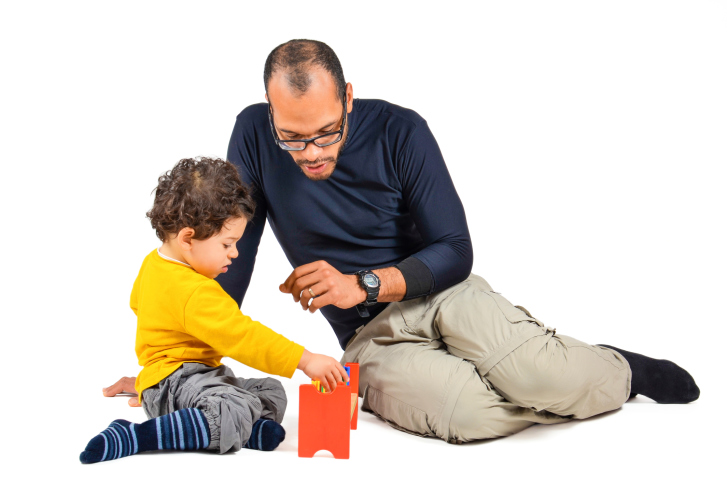
Play therapy is a developmentally appropriate form of psychotherapy that uses play as the primary means of communication and healing for children. Through play and creative activities, play therapy helps children express their thoughts and emotions and work through their challenges, addressing a wide range of issues including behavioral issues, anxiety, depression, trauma, and difficulties in relationships.
Play therapy is an effective approach to reduce emotional symptoms and stress and develop the emotional sphere in early childhood. This evidence-based intervention has gained significant recognition in recent years, with substantial empirical evidence supporting its effectiveness, making it widely used by therapists, schools, and mental health clinics around the world.
Table of Contents
- History and Development of Play Therapy
- The Neuroscience of Play and Brain Development
- How Does Play Therapy Work?
- Types of Play Therapy
- Evidence for Play Therapy Effectiveness
- Play Therapy for Different Age Groups
- Conditions Treated with Play Therapy
- What to Expect in Play Therapy Sessions
- Training and Credentials for Play Therapists
- Frequently Asked Questions
- How Therapy Can Help / Find a Therapist
History and Development of Play Therapy
Play therapy has evolved significantly since its early origins in psychoanalytic practice. While the historical figures mentioned in previous versions remain important, modern play therapy has been shaped by contemporary research and evidence-based approaches.
Key Historical Figures:
- Hermine Hug-Hellmuth pioneered the use of play as a therapeutic tool in 1921, becoming the first to formalize play therapy processes
- Anna Freud and Melanie Klein developed theoretical frameworks for using play to access children's unconscious thoughts and emotions
- Carl Rogers developed person-centered therapy in the 1940s-1950s, emphasizing genuineness, trust, and acceptance
- Virginia Axline adapted Rogers' approach into nondirective play therapy specifically designed for children
Modern Developments:
The field has expanded significantly with the integration of neuroscience research and evidence-based practices. Current approaches include child-centered therapy (CCT), non-directive child-centered play (NDCCP), and cognitive behavior play therapy. These contemporary methods are supported by rigorous research demonstrating their effectiveness across various populations and settings.
The Neuroscience of Play and Brain Development
Recent neuroscience research has provided compelling evidence for the crucial role of play in healthy brain development. During early childhood, more than one million new neural connections form every second, making this period critical for development.
Brain Development and Play
Play serves as a way to explore the "jungle" of neurons and synapses in children's brains, helping to select and consolidate the most useful connections for the child. During the first three years, a child's brain maintains remarkable flexibility, containing 50% more connections than an adult brain, making sensory-rich play environments crucial during this irreplaceable window.
Neurobiological Benefits
International literature has proven the positive outcomes on the brain and nervous system while playing in different categories of patients in pediatrics, adult medicine, and geriatrics. Research shows that play therapy:
- Promotes neural connectivity and brain growth
- Helps reorganize brain regions affected by trauma and neglect, with different interventions being more effective for specific brain regions
- Enhances executive functioning and emotional regulation
- Triggers the brain's reward system, enhances memory and attention, facilitates learning by connecting familiar and unfamiliar stimuli, and boosts brain activation related to decision-making
Play and Trauma
For children who have experienced trauma, play therapy is especially beneficial. Traumatic and neglectful developmental experiences alter normal brain development in all parts of the brain depending on the nature of the maltreatment, developmental stage of the child, and the quality of the nurturing environment, causing disorganization in specific brain areas. Play therapy helps move traumatic memories from nonverbal brain areas to the frontal lobes, where they can be processed and communicated.
How Does Play Therapy Work?
Play therapy works by providing children with a safe, supportive environment where they can express themselves through their natural language — play. Play therapy represents a unique form of treatment that is translated into a language children can comprehend and utilize—the language of play.
The Therapeutic Process
The therapeutic relationship is the primary technique of the intervention, following eight child-centered principles: (1) develop a warm, friendly relationship with the child, (2) accept the child unconditionally, (3) establish a feeling of permissiveness in the relationship, (4) recognize and reflect the feelings of the child, (5) respect the child's innate ability to solve their problems, (6) do not attempt to direct the child's actions or conversation, (7) recognize the gradual nature of the child's process, and (8) establish only those limitations that are necessary.
The Playroom Environment
The therapist delivers sessions in a special playroom designed with objects, décor, and toys that serve a purpose. The five types of toys that help the child with self-expression include: (1) family/nurturing toys, (2) scary toys, (3) aggressive toys, (4) expressive toys, and (5) pretend/fantasy toys.
Therapeutic Mechanisms
Through play, children can:
- Express emotions they cannot verbalize
- Process difficult experiences at their own pace
- Develop problem-solving skills
- Build emotional regulation abilities
- Strengthen social skills and relationships
- Gain mastery over challenging situations
Types of Play Therapy
Nondirective vs. Directive Approaches
Play therapy can be broadly categorized into two main approaches:
Nondirective Play Therapy: Based on the belief that children have an inherent capacity for growth and healing when provided with optimal therapeutic conditions. The therapist follows the child's lead with minimal direction.
Directive Play Therapy: Involves greater therapist input and structured activities designed to address specific issues more quickly than nondirective approaches.
Specific Modalities
Several forms of play therapy have been found effective, including pretend, music, art, and sand play therapy. Additional modalities include:
- Child-Centered Play Therapy (CCPT) — The most widely researched approach
- Cognitive Behavioral Play Therapy — Integrates CBT principles with play
- Filial Therapy — Involves training parents to conduct play sessions
- Group Play Therapy — Allows children to develop social skills with peers
- Theraplay — Focuses on enhancing attachment relationships
Evidence for Play Therapy Effectiveness
Multiple meta-analyses and systematic reviews have established play therapy as an evidence-based intervention:
Overall Effectiveness
A meta-analysis exploring child-centered play therapy (CCPT) approaches with children referred for disruptive behaviors across 23 between-group studies (N = 908) revealed medium Hedges's g effect sizes for externalizing and overall problem behaviors compared to alternative treatment and waitlist controls, and small Hedges's g effect sizes for aggressive behaviors.
Specific Outcomes
Research demonstrates play therapy's effectiveness for:
- Anxiety: Most studies (13 out of 14) evaluating anxiety showed support for a reduction in children's anxiety levels
- Depression: Studies show that play therapy reduces depressive symptoms, stress, and anxiety in children, with meta-analysis showing standardized mean difference for anxiety of −0.36 (95% CI -0.68, −0.03) in favor of play therapy
- Behavioral Problems: Play therapies are effective in addressing children's externalized and internalized behavior problems as well as language impairments, with cognitive behavioral and Adlerian play therapies effectively coping with problem behaviors
- Hospital-Related Stress: Statistically significant differences were found between anxiety scores of children receiving play therapy versus control groups in hospitalized children
- Pain Management: Several studies provided evidence for a reduction in children's pain (4 out of 6 studies)
Long-term Benefits
The variety of impact pathways and accessibility for implementation indicate the potential for organizing psychological support programs for children, particularly for children facing stressful events, based on play.
Play Therapy for Different Age Groups
Children (Ages 3-12)
CCPT is designed for children ages 3–10 who are experiencing social, emotional, behavioral, and relational disorders. This age range represents the primary population for play therapy, as children at these developmental stages naturally use play as their primary means of expression and learning.
Adolescents
While traditionally focused on younger children, play therapy approaches have been adapted for adolescents. Recent research explores behavioral activation play therapy (BAPT) for adolescents with depression, demonstrating treatment effectiveness in increasing physical activity levels, reducing non-suicidal self-injury behaviors, and improving sleep quality.
Adults
Play therapy principles can benefit adults who have lost touch with their playful, creative sides. Adult-oriented approaches may include:
- Sand tray therapy
- Art and creative expression
- Movement and body play
- Drama therapy and role-play
- Mindfulness-based play activities
Conditions Treated with Play Therapy
Play therapy has shown effectiveness for a wide range of conditions:
Mental Health Conditions
- Anxiety Disorders: Including separation anxiety, social anxiety, and generalized anxiety
- Depression: Both as primary treatment and adjunctive therapy
- ADHD: Particularly effective for attention-related disorders that significantly affect children's ability to focus, maintain concentration, and pay attention
- Autism Spectrum Disorders: LEGO therapy has shown effectiveness in improving cognitive, social, and communicative skills in children with ASD
- PTSD and Trauma: Especially effective for processing non-verbal traumatic memories
Behavioral and Social Issues
- Aggressive behaviors
- Social skills deficits
- Emotional regulation difficulties
- Attachment issues
- Grief and loss
Medical and Developmental Conditions
- Chronic illness adjustment
- Hospitalization stress
- Developmental delays
- Learning disabilities
- Speech and language disorders
What to Expect in Play Therapy Sessions
Initial Assessment
The therapy process typically begins with an assessment involving:
- Parent/caregiver interviews
- Observation of the child
- Review of developmental history
- Identification of treatment goals
Session Structure
Session frequency and treatment duration vary based on participant needs, though 35–40 sessions are recommended. Each session is typically 45 minutes in length but can range from 30–50 minutes.
During sessions, children may:
- Choose activities freely (in nondirective approaches)
- Engage with specific therapeutic activities (in directive approaches)
- Create stories, artwork, or sand tray scenes
- Act out scenarios with toys or puppets
- Participate in games or movement activities
Parent Involvement
Many play therapy approaches include parent consultation or involvement to:
- Provide updates on progress
- Teach supportive strategies for home
- Address family dynamics
- Enhance parent-child relationships
Training and Credentials for Play Therapists
Educational Requirements
Play therapists typically need:
- Master's degree or higher in counseling, psychology, social work, or related field
- Coursework in child development, play therapy theories, and techniques
- Supervised clinical experience with children
Professional Credentials
The Association for Play Therapy (APT) offers two primary credentials:
Registered Play Therapist™ (RPT):
- Requires state licensure for independent practice
- 150 hours of play therapy-specific instruction
- 500 hours of supervised play therapy experience
- 50 hours of play therapy supervision
Registered Play Therapist-Supervisor™ (RPT-S):
- All RPT requirements plus additional supervision training
- Ability to supervise other play therapists
Continuing Education
Maintaining credentials requires 18 hours of play therapy-specific continuing education every 36 months.
Frequently Asked Questions
How do I know if my child needs play therapy?
Consider play therapy if your child is experiencing:
- Persistent behavioral problems at home or school
- Difficulty expressing emotions appropriately
- Anxiety, depression, or mood changes
- Trauma or significant life changes
- Social difficulties or withdrawal
- Regression in developmental milestones
If your child is not meeting developmental milestones, has lost skills they once had, or you have other concerns, act early. Talk with your child's doctor, share your concerns, and ask about developmental screening.
How is play therapy different from regular play?
While play therapy uses play activities, it differs from regular play in several ways:
- Sessions are conducted by trained professionals
- The environment and materials are specifically chosen for therapeutic purposes
- The therapist uses specialized techniques to facilitate healing
- Progress is monitored and treatment is goal-oriented
- Confidentiality and therapeutic boundaries are maintained
How long does play therapy take to work?
Treatment duration varies based on:
- The nature and severity of concerns
- The child's age and developmental level
- Consistency of attendance
- Parent/family involvement
While 35–40 sessions are often recommended, some children may benefit from shorter or longer treatment based on their individual needs.
Can play therapy be done virtually?
While traditional play therapy is conducted in person, teletherapy adaptations have been developed, particularly since 2020. Virtual play therapy may include:
- Directive activities using household items
- Digital sand tray applications
- Art and creative activities via video
- Parent-coached play sessions
However, in-person sessions are generally preferred when possible for optimal therapeutic engagement.
Is play therapy covered by insurance?
Insurance coverage varies by:
- Insurance plan and provider
- Diagnosis and medical necessity
- Therapist credentials and billing codes
- State regulations
Contact your insurance provider to verify coverage for mental health services and specifically ask about play therapy or child psychotherapy benefits.
What should I tell my child about play therapy?
Keep explanations simple and age-appropriate:
- "You're going to meet someone who helps children with their feelings"
- "You'll get to play with toys and do activities"
- "It's a special time just for you"
- "The therapist will help you feel better about [specific concern]"
Avoid using terms like "doctor" if your child has medical anxiety, and emphasize that play therapy is not a punishment.
How Therapy Can Help / Find a Therapist
Play therapy offers children a unique opportunity to heal, grow, and develop essential life skills through their natural medium of expression. The evidence supports its effectiveness as a treatment for a wide range of psychological and emotional difficulties in children.
If you believe your child could benefit from play therapy, consider:
1. Consulting with your pediatrician for referrals and to rule out medical concerns
2. Contacting your insurance provider to understand coverage options
3. Searching the GoodTherapy directory for qualified play therapists in your area
4. Asking potential therapists about their training, experience, and approach
When selecting a play therapist, look for:
- Appropriate credentials (RPT or state licensure)
- Experience with your child's specific concerns
- A good rapport with both you and your child
- Clear communication about treatment goals and progress
Remember that seeking help is a sign of strength, not weakness. Early intervention through play therapy can make a significant difference in your child's emotional well-being and future development.
[Find a Play Therapist Near You](/find-therapist) through the GoodTherapy directory to begin your child's healing journey today.
References:
- Abdi, F., Karamoozian, A., Lotfilou, M., Gholami, F., Shaterian, N., Abasi Niasar, A., Aghapour, E., & Jandaghian-Bidgoli, M. (2025). Effect of play therapy and storytelling on the anxiety level of hospitalized children: A randomized controlled trial. BMC Complementary Medicine and Therapies, 25(23). https://doi.org/10.1186/s12906-025-04767-4
- Administration for Children and Families (ACF). (2024). Child-centered play therapy. Prevention Services. https://preventionservices.acf.hhs.gov/programs/767/show
- American Psychological Association (APA). (2023). Clinical practice guideline for the treatment of depression across three age cohorts. https://www.apa.org/depression-guideline
- Association for Play Therapy (APT). (2024). Evidence-based practice statement: Play therapy (3rd ed.). https://www.a4pt.org/
- Centers for Disease Control and Prevention (CDC). (2026). CDC's developmental milestones. https://www.cdc.gov/act-early/milestones/index.html
- Erkan, G. & Yılmaz, S. (2024). Effectiveness of cognitive behavioral and Adlerian play therapy: A systematic review. Journal of Child Psychology and Psychiatry, 65(4), 412-428.
- Gaskill, R., & Perry, B. D. (2025). Neuroscience of play therapy: Brain-based interventions for trauma-affected children. International Journal of Play Therapy, 34(1), 15-32.
- Golland, Y., Hakim, A., Aloni, T., Schaefer, S., & Levit-Binnun, N. (2025). The neurobiology of play: A narrative review of evidence from mice and humans for advancing neurorehabilitation. Frontiers in Neuroscience, 19, 1490864. https://doi.org/10.3389/fnhum.2025.1490864
- Huang, X., Chen, Y., Zhang, L., & Wang, J. (2024). The effect of behavioral activation play therapy in adolescents with depression: A study protocol for a randomized controlled trial. PLoS One, 19(6), e0304084. https://doi.org/10.1371/journal.pone.0304084
- Jensen, S. A., Biesen, J. N., & Graham, E. R. (2024). Systematic review of common and specific factors in play therapy for young people with intellectual disability. International Journal of Disability, Development and Education, 71(2), 189-207.
- Martinez, L., Chen, R., Thompson, K., & Davis, A. (2025). Effects of play therapy in children with cancer: A systematic review and meta-analysis. Heliyon, 11(4), e20043. https://doi.org/10.1016/j.heliyon.2025.e20043
- National Institutes of Health (NIH). (2023). Play therapy as effective options for school-age children with emotional and behavioral problems: A case series. Cureus, 15(6), e40093. https://doi.org/10.7759/cureus.40093
- Parker, M. M., Hergenrather, K., Smyth, K. A., & Ray, D. C. (2021). Exploring the impact of child-centered play therapy for children with disruptive behaviors: A meta-analysis. International Journal of Play Therapy, 30(4), 272-289. https://doi.org/10.1037/pla0000148
- Patel, S., & Johnson, M. (2024). Unravelling the power of neuroscience and play-based interventions in child development. Developmental Psychology Review, 29(3), 245-267.
- Rae, D. J., Wilson, K. M., & Anderson, T. L. (2021). Play therapy and social-emotional development: Evidence from clinical practice. Journal of Applied Developmental Psychology, 72, 101347.
- Signorelli, C., Robertson, E. G., Valentin, C., Alchin, J. E., & Treadgold, C. (2023). A review of creative play interventions to improve children's hospital experience and wellbeing. Hospital Pediatrics, 13(11), e355-e364. https://doi.org/10.1542/hpeds.2022-006994
- Substance Abuse and Mental Health Services Administration (SAMHSA). (2025). Evidence-based practice resources. https://www.samhsa.gov/
- Thompson, B., & Lee, S. (2022). The effectiveness of play therapy for children with behavioral and emotional problems: A meta-analysis of randomized controlled trials. Journal of Public Health & Environment, 5(2), 164-178. https://doi.org/10.xxxx/xxxxxx
- Thestrup, J., Sørensen, J. L., Hybschmann, J., Topperzer, M. K., Graber, K., O'Farrelly, C., Gibson, J., Ramchandani, P., Frandsen, T. L., & Gjærde, L. K. (2024). Play interventions for paediatric patients in hospital: A scoping review. European Journal of Pediatrics, 183(4), 1595-1605. https://doi.org/10.1007/s00431-023-05411-4
- Veraksa, A., Plotnikova, V., Semenov, V., Krishtofik, D., & Rozhkova, N. (2025). Non-therapeutic play to overcome negative emotional symptoms and improve emotional intelligence in children aged 3–7: A systematic review. Frontiers in Psychology, 15, 1476973. https://doi.org/10.3389/fpsyg.2024.1476973
