 We all, at one time or another, use food for soothing. Eating is a pleasurable experience. The problem lies in using food for comfort rather than dealing with our emotions because food only provides a temporary escape only to have emotions resurface again and again. For may people, they are taught from a young age that emotions are not meant to be expressed, but just dealt with on their own and to move on with a brave face. This is, in most cases, not done in malice, but for the sheer fact that we are uncomfortable with emotion. We are uncomfortable with our own emotions and certainly more uncomfortable with that of others. This begins a dangerous cycle, especially if you are trying to manage your weight. When we eat to soothe feelings while trying to lose weight, it begins a cycle of shame, guilt and self-loathing that pushes us further into the emotional abyss. So, let’s HALT the BS!
H- Hungry. If you are hungry, by all means eat. Choosing a balanced meal or snack rather than something high in fat or sugar, will be more satisfying.
A- Angry.  Deal with the anger directly, if at all possible. Otherwise resentment will build and become overwhelming. If it isn’t possible to deal with the anger in a direct or healthy way, find a physical outlet like a walk.
L- Lonely.  Engage in social activities. When we are lonely, some people have the tendency to withdraw, which just makes the loneliness worse. Call someone or get out of the house even if you don’t have anyone to go with you.
T- Tired or Thirsty.
- Tired- Get plenty of sleep on a regular basis. If you are tired and aren’t able to nap, get moving. The more physical activity you have, the more energetic you will feel.
- Thirsty. I add another T here because dehydration often masks itself as hunger. Make sure you are getting plenty of water; yes, plain water every day.
B- Bored. If you are bored, try the distraction technique. Find something, anything to occupy you for 15 minutes and get you away from food. The likelihood that you will still want to eat after 15 minutes greatly diminishes. If at that point, you still want to eat, go ahead, but make it a snack, not a treat.
S- Stressed or Sad.
- Stressed- So often, the stress and anxiety that accompany stress are soothed greatly by food. The problem is, when you stop eating, the stress comes back. Find something soothing to cope with stress that does not involve food like reading, a bath, talking to a friend, etc.
- Sad- I add another S here because this is a big one. It is more difficult to cope with sadness than some of the other emotions. Try any of the other coping skills discussed like spending time with others and engaging in self-nurturing activities. In winter months, make sure you get enough sun exposure. Incorporating exercise and laughter can also be helpful. If the sadness continues, seek out a counselor in your area.
While this can seem like an overwhelming pattern to change, take it one step at a time. Even the smallest changes can add up. Just remember that unless you address each of these issues directly, you will continue the same cycle. The more you practice the new skills, the more successful you will be in changing your patterns. It is about progress, not perfection!
Related Articles:
Eating Disorders and the Internet
The Role of Self-Acceptance in Eating Recovery
Vulnerability and Eating Disorders
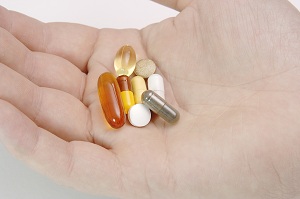 Everyone seems to be talking about the Bs lately. Specifically, B12 and folic acid (or folate) are making headlines for their roles in mental health and illness. Both of these vitamins play an essential role in a number of key bodily processes.
Symptoms of a Deficiency
A deficiency in B12 or folate may take months or years to become evident, and may lead to symptoms such as fatigue, muscle weakness, diarrhea, difficulty concentrating, forgetfulness, sleeplessness, irritability, and mood swings. In more severe cases, deficiency can result in seizures, dementia, or parathesia (burning, prickling, tingling, numbness, or a crawling sensation in the extremities or elsewhere in the body).
Low levels of B12 and folate are associated with having higher levels of homocysteine, an amino acid found in the blood; when levels are too high, the risk of cardiovascular disease and cognitive problems increase. What is particularly interesting about this relationship is that over the past several years, more research has emerged showing a link between depression, and to lesser extents, anxiety, hostility, and increased likelihood of cardiovascular problems. Additionally, people who have heart disease have higher rates of depression than what is seen in the general population. It is unclear if the sole or definitive link between heart disease and B-vitamins is homocysteine levels, but the relationship is intriguing.
Who is at Risk?
Risk factors for B12 or folate deficiencies include following a vegan diet ( B12 is only found in animal products), being elderly, having an inflammatory bowel disease, being malnourished, having liver problems, being pregnant, using proton pump inhibitors regularly (medications that reduce stomach acid), and alcoholism. In addition, certain medications may interfere with the absorption of B12 or folate.
What’s the Evidence?
Recent research has investigated whether supplementation with B12 or folate could yield observable improvements in cognitive functioning or mood. A 2012 study examined the effects of supplementation on cognitive functioning in 700 elderly adults who had symptoms of depression but did not meet full criteria for a depressive disorder. Improvements in some aspects of memory (immediate and delayed recall) were significant, if not modest, but were only seen after two years of daily use. Supplementation did result in significantly higher blood levels of B12 and folate, and significantly lower increases in levels of homocysteine over time, as compared to taking a placebo.
Other research has found that approximately one third of depressed patients have low levels of folate and elevated levels of homocysteine. Treatment with antidepressants may be less effective in those with low levels of B12. Adequate levels of folate and B12 are also important for those taking the supplement SAM-e (S-adenosyl-methionine). SAM-e is a popular over-the-counter supplement typically used to treat depressive symptoms or pain due to osteoarthritis or fibromyalgia. SAM-e is sometimes used in conjunction with conventional antidepressants to boost their effectiveness in those who don’t respond sufficiently to antidepressants alone.
Finally, a 2010 paper discussed two case reports in which depressed patients had failed to respond to three different trials of antidepressant therapies. In each case, the patient was a male vegetarian with low levels of B12. One of the men had sleep difficulties that progressed to complete insomnia, as well as cognitive symptoms (slowness in thinking, difficulty performing calculations, and forgetting names of objects and people). The other experienced problems with attention-concentration, learning new information, and immediate and visual recall of information. In both cases, supplementation resulted in an improved response to medication and reduction in depressive, sleep, and other cognitive symptoms.
Although recent headlines and some of the study findings suggest a link, it is important to note that more research needs to be done to definitively state whether B-vitamin supplementation can reduce, prevent, or reverse cognitive or mood problems in healthy or ill people.
Recommendations
- Strive for a healthy diet comprised of adequate amounts of high-quality food. This should include whole grains, vegetables and fruits, beans/legumes, as well as fish, dairy, and other lean proteins if you eat animal foods.
- B12 and folic acid supplements are water soluble and tend to be safe in moderate doses. If you do choose to take supplements, be aware that when taken without B12, folate can mask a B12 deficiency. Thus, it is typically recommended to add B12 if you are already taking a folic acid supplement.
- If you fall into one or more of the higher-risk categories mentioned above, it is worth consulting with your physician and/or a registered dietician regarding whether supplementation is warranted or to adjust your diet appropriately.
- If you have any of the cognitive, psychological, or physical symptoms mentioned above, consult a health care provider immediately.
- Learn more about dietary supplements at the National Institutes of Health’s Office of Dietary Supplement’s page
References:
- Kate, N, Grover, S, and Agarwal, M. (2010). Does B12 deficiency lead to lack of treatment response to conventional antidepressants? Psychiatry, 7(11), 42-44.
- Stanger O, Fowler B, Piertzik K, Huemer M, Haschke-Becher E, Semmler A, Lorenzl S, & Linnebank M (2009). Homocysteine, folate and vitamin B12 in neuropsychiatric diseases: review and treatment recommendations. Expert Rev Neurother, 9(9), 1393-412.
- Walker, JG, Batterham, PJ, Mackinnon, AJ, Jorm, AF, Hickie, I, Fenech, M, et al. (2012). Oral folic acid and vitamin B-12 supplementation to prevent cognitive decline in community-dwelling older adults with depressive symptoms—the Beyond Ageing Project: a randomized controlled trial. American Journal of Clinical Nutrition, 95(1), 194-203.
Parallel process is one of many elements included in psychotherapy supervision. In supervision, a therapist relays their client’s issues to their supervisor. The supervisor then takes on the role of the therapist and the therapist in training; the trainee then assumes the role of the client. “Without endorsing unconscious determinants, parallel process is also recognized as an important aspect of supervision in developmental and interactional models of supervision,†said Terence J.G. Tracey of the Counseling and Counseling Psychology Department of Arizona State University and lead author of a recent study. “The focus of the present study was on examining the processes of supervision and therapy conjointly. Specifically, we sought to determine whether parallel processes existed in supervision, and if so, their relation to therapy outcome.â€
Tracey and his colleagues examined 17 supervision sessions and looked specifically at affiliation and dominance. He found that in nearly every session, the therapists and supervisors changed their behaviors according to the theory of parallel process. “Therapists in the role of trainee altered their behavior away from their usual in supervision to act somewhat more like particular clients did in the previous therapy session,†said Tracey. “This was also true for the supervisors, who would act somewhat like the therapists in the previous therapy sessions with those particular clients. This pattern for therapist and supervisor was found for both dominance and affiliation.â€
When parallel process occurs, Tracey insists that clear communication is essential. “The supervisor may choose to communicate with the trainee about how the trainee (in the therapist role) and client are communicating, as well as how the trainee and supervisor are communicating,†said Tracey. “In this way, the supervisor makes the implicit aspects of the parallel process more explicit for the trainee.†Tracey added, “The results of this study will help inform future theory and research continuing to elucidate the extent to which the process of supervision replicates the process of therapy and vice versa, as well as the means by which awareness of these parallel processes can be deliberately and appropriately used to facilitate the parallel goals of client improvement and trainee professional development.â€
Reference:
Tracey, T. J. G., Bludworth, J., & Glidden-Tracey, C. E. (2011, December 19). Are There Parallel Processes in Psychotherapy Supervision? An Empirical Examination. Psychotherapy: Theory, Research, Practice, Training. Advance online publication. doi: 10.1037/a0026246
Amphetamine abuse and addiction is a serious and growing public health issue throughout the United States. Addiction inevitably leads to rising health costs, lost productivity, broken families, and progressively declining quality of life for drug users. Medical science has yet to formulate a satisfactory answer to this problem. Rehabilitating users is clearly one of the primary objectives, but there are numerous stumbling blocks along the way. Typical users deny the seriousness of their addiction unless and until dire consequences arise. Withdrawal effects from amphetamine are profound, and recovering addicts experience relapse at alarmingly high rates. The current best practices for addiction treatment include supportive individual therapy, group therapy, and profound lifestyle changes. In severe cases of withdrawal, anti-anxiety medications are often prescribed to ease feelings of fear and discomfort.
Ironically, amphetamines serve a therapeutic purpose in the treatment of both attention deficit hyperactivity disorder (ADHD) and narcolepsy. Dexedrine (dextroamphetamine), Adderall (dextroamphetamine and amphetamine), and Ritalin (methylphenidate) are the three primary stimulant drugs prescribed for these purposes. Recently, a nonstimulant medication, Strattera (atomoxetine) has received attention both as an alternative treatment for ADHD and as a possible therapy for recovering amphetamine addicts. Researchers in Connecticut discovered that Strattera, when taken over the course of several days, actually suppresses the effects of Dexedrine. Participants in a study group pretreated with Strattera reported fewer positive drug feelings when given a single dose of Dexedrine. Similarly, blood plasma levels showed fewer chemical markers of the heightened mood state typically associated with Dexedrine and other amphetamines.
The mechanics of amphetamine addiction are still something of a mystery. Researchers know that several chemicals in the brain are important to building and maintaining a state of dependence. Dopamine is one of these chemicals, and it plays a major role in the so-called “reward system.†Norepinephrine is thought to be responsible for the feelings of energy and euphoria experienced by users. Effective pharmaceutical interventions will need to disrupt some of the patterns that amphetamines establish within the brain. The most recent experiments have shown that norepinephrine is at least as important as dopamine in generating the stimulating physical and psychological effects of amphetamines. By altering the levels of norepinephrine with Strattera, the positive drug feelings of Dexedrine are greatly reduced.
References
- PubMed Health [Internet]. (n.d.). Bethesda (MD): National Library of Medicine. Atomoxetine. Retrieved April 18, 2012, from http://www.ncbi.nlm.nih.gov/pubmedhealth/PMH0000222/
- PubMed Health [Internet]. (n.d.). Bethesda (MD): National Library of Medicine. Dextroamphetamine. Retrieved April 18, 2012, from http://www.ncbi.nlm.nih.gov/pubmedhealth/PMH0000310/
- Sofuoglu, M., Hill, K., Kosten, T., Poling, J. (2009). Atomoxetine attenuates dextroamphetamine effects in humans. American Journal of Drug and Alcohol Abuse, 35(6), 412-416.
 Hypnotism can be a useful and versatile tool for addressing sexual concerns, including several types of sexual problems (such as non-medically caused erectile dysfunction and low desire) and negative body image, shame, and sexual inhibitions. Hypnotism can help discover and correct inner obstacles to sexual health and pleasure. As a skill set, hypnotism is used in a complementary way by many types of helping professionals. Hypnotism also provides the foundation for a growing group of professional practitioners variously known as consulting hypnotists and hypnotherapists.
I spent a good portion of 2011 working on a doctoral project related to this topic. The literature search was extensive, fascinating, and deeply frustrating. Part of my frustration had to do with the strange history and frequently tarnished reputation of hypnotism, which has created a number of public and professional myths and misconceptions. Another complication had to do with the diversity of practitioners who use hypnosis to address sexual problems; licensed therapists (and sex therapists in particular), clinical sexologists and sex coaches, professional hypnotists and hypnotherapists, and a wide variety of erotic hypnotists (professional and amateur) have all found human sexuality to be fertile and often lucrative terrain. This meant that my literature search ranged from peer-reviewed articles in journals, to popular “how to†erotic hypnosis books, and everything in between. While I labored on my project, I found myself thinking that one lifetime would not suffice to understand it all. The history and use of hypnotism for sexual concerns is that broad, that deep.
What does stand out is the efficacy and promise of hypnosis in this area. This is supported by numerous peer-reviewed articles, as well as books by authors and practitioners such as Dr. Daniel Aroaz, who has became a tremendous guiding light to me.
Another thing that stands out is the almost universal lack of training in the specialty I’ve come to call “sexological hypnosis†– the application of hypnotism to sexual and gender concerns. My concept of sexological hypnotism is based on the triple-pronged idea that:
- (1) more therapists, counselors, and other licensed professionals should be trained in sexology (a multi-disciplinary study of human sexuality, which includes but is not limited to clinical considerations)
- (2) more therapists, counselors, other licensed professionals, and sexologists should be trained in hypnotism
- (3) more consulting hypnotists and hypnotherapists should be trained in sexology, human sexuality, and gender studies – particularly those who want to offer hypnosis for sexual problems.
However, there are no comprehensive programs which specifically address the application of hypnotism to sexual and gender concerns. The one hypnotism school I found which includes sexuality courses in its curriculum was founded by a man (now deceased) who believed that most women don’t have an orgasm – they have a “climax†– and that “ethnic sexuals†are distinctly different than non-ethnic sexuals (whatever that means!). In other words, discredited ideas and inaccurate information is likely still a part of this school’s curriculum, as the books are still published and sold without revision. (Incidentally, none of these books cite even a morsel of research or contain a bibliography or list of sources – however dated!) Hypnotists trained in this school get something worse than no sexuality education at all – they are sold an old “clunker†when they rightfully deserve a Ferrari. Clients may suffer as a result.
Up-to-date, comprehensive training in human sexuality is crucial because people whose understanding of human sexuality is limited to their own experience (or a few books or workshops or outdated programs) may have a skewed perspective on the bigger picture of adult, consensual diversity. Such practitioners may pathologize or misinterpret any behavior or expression that seems out of the ordinary to them. This is a disservice to clients who seek assistance with sexual or gender concerns. Issues of erotic or gender authenticity – so crucial to sexual health and well being – may not be acknowledged, let alone addressed, respected, and supported.
I would like to see more real training and expertise in this area. In my doctoral project, I designed a 150-hour certificate course capable of delivering the triple-pronged training that I wish already existed. In 2012, I hope to teach the entire program, in addition to the partial courses I now offer online through Creative Sexuality and Sex Coach U. As a dual practitioner, I’ve experienced the value of combining clinical sexology with hypnosis and believe that my clients are generally well-served as a result.
Related Articles:
What Do Your Sexual Fantasies Mean?
An Introduction to Clinical Sexology
An Introduction to Holistic Psychotherapy
Extradyadic involvement (EDI), also known as infidelity, occurs in many relationships. At times, the infidelity is known to both partners, and at other times, only the participating partner is aware of the EDI. Regardless, EDIs have significant negative consequences. “Many negative emotional and behavioral correlates of EDI have been documented including partner violence, acute anxiety, depression, suicidal ideation, and symptoms similar to those of posttraumatic stress disorder,†said Christina M. Balderrama-Durbin of the Department of Psychology at the University of Colorado. “Relationship distress and dissolution are also commonly associated with EDI, with infidelity being the most frequently cited cause of divorce.â€
Poor communication, often exhibited in couples with EDI, can also be a predictor for infidelity. “Dissatisfied couples are more likely to engage in negative conflict communication behaviors including criticism, defensiveness, contempt, and withdrawal,†she said. The most common pattern of communication in conflicts is known as the demand/withdraw pattern. “During conflict interactions, distressed couples often display a dyadic conflict pattern in which one spouse blames, nags, criticizes, or pressures the other for change, while the other spouse withdraws or avoids conflict,†said Balderrama-Durbin, who observed demand/withdrawal behaviors in couples who had a disclosed EDI, couples with an undisclosed EDI, and couples with no EDI.
After observing 170 couples during a conflict, Balderrama-Durbin found that the couples who had undisclosed EDIs used demand/withdrawal behavior the most frequently. “Specifically, male and female demand behaviors, and male withdraw behaviors, were significantly higher within couples where there had been an unknown EDI compared with those in a relationship with no history of EDI,†said Balderrama-Durbin. She also discovered that the participating partners with undisclosed EDIs were more demanding than those with disclosed EDIs. “Conversely, demand behaviors were higher for nonparticipating partners who knew his or her partner engaged in EDI compared with nonparticipating partners who did not know his or her partner engaged in EDI.†Balderrama-Durbin added, “The present study affirms that even undisclosed aspects of a couple’s relationship can be associated with observable negative conflict communication behaviors. Findings indicate the importance of investigating unique interaction patterns in relationships when an EDI has not yet been revealed or discovered.â€
Reference:
Balderrama-Durbin, C. M., Allen, E. S., & Rhoades, G. K. (2011, December 26). Demand and Withdraw Behaviors in Couples With a History of Infidelity. Journal of Family Psychology. Advance online publication. doi: 10.1037/a0026756
According to a new study, people who spend more time in natural lighting than in artificial lighting have increased productivity and alertness. Light directly influences the amount of melatonin a person produces, which indirectly affects alertness. “Most people spend their days within buildings under different lighting environments, which range from daylight to artificial light only,†said Mirjam Münch of the Solar Energy and Building Physics Laboratory at the Swiss Federal Institute of Technology in Lausanne, Switzerland. “At most workplaces, there is a mixed situation between the two principal light sources.â€Â Münch added, “For the impact of light perception on nonvisual functions such as alertness, mood, and performance, those lighting conditions are likely to significantly contribute to modulation of alertness and productivity via the retinohypothalamic tract and melanopsin-dependent pathways.†Because few studies have examined the effects of lighting on cognitive performance, Münch and her colleagues conducted a study to determine how natural and artificial light affected cognitive functioning in the evening.
Participants between the ages of 19 and 25 years old were exposed to daylight (DL) or artificial light (AL) for six hours a day for two days. Each evening, after the exposure, the researchers evaluated melatonin and cortisol levels, and rated sleepiness and cognitive functioning and found significant differences in the participants. “Subjects felt significantly more alert at the beginning of the evening after the DL condition, and they became sleepier at the end of the evening after the AL condition,†said Münch. “On their first evening, subjects performed with similar accuracy after both light conditions, but on their second evening, subjects performed significantly more accurately after the DL in both n-back versions and committed fewer false alarms in the 2-back task compared to the AL group.â€Â Münch added, “In summary, even short-term lighting conditions during the afternoon had an impact on cognitive task performance in the evening.†She added, “Such a relationship could be crucial for workers requiring high attention levels and executive functioning, such as bus drivers, industrial workers in sensitive areas, or air-traffic control.â€
Reference:
Münch, M., Linhart, F., Borisuit, A., Jaeggi, S. M., & Scartezzini, J.-L. (2011, December 26). Effects of Prior Light Exposure on Early Evening Performance, Subjective Sleepiness, and Hormonal Secretion. Behavioral Neuroscience. Advance online publication. doi: 10.1037/a0026702
Children under severe psychological duress sometimes develop an involuntary reflex that causes them to swallow large volumes of air. Known as pathologic childhood aerophagia (PCA), this condition leads to a variety of stomach and intestinal problems if left untreated. Bowel distention, malabsorption of nutrients, and abdominal cramping are all potential symptoms of long-term PCA. Treatment of PCA usually consists of supportive counseling and reassurance, along with an attempt to identify and manage sources of stress and worry. Attending physicians may also prescribe anti-anxiety drugs on a case-by-case basis when the first line of treatment fails. Researchers in Korea performed a small-scale test to determine whether the anti-anxiety drug Klonopin (clonazepam) might be safe and effective in treating PCA.
Twenty-two children at a Korean clinic were enrolled in the PCA management study. Fifteen received Klonopin, and the other seven received counseling alone. Parents provided informed consent on behalf of their children, and there was no placebo-controlled group for comparison. Video observation of the children’s esophagus confirmed that abdominal symptoms were a result of PCA and not another condition. Throughout the study, regular observation with a videoscopic device helped clinicians determine the state of the child’s PCA. Children and parents also self-reported PCA symptoms and any potential medication side effects throughout the study.
Researchers dispensed Klonopin to the children at doses far below the normally therapeutic amounts. However, even at these low doses, empirical video evidence confirmed that the muscles controlling the involuntary swallowing action relaxed quickly after administration. The effective dosage of Klonopin in the study was low enough that long-term maintenance treatment presented relatively little risk. Children treated with Klonopin experienced remission of their PCA at a rate of 67%, compared with only 15% for children treated only with reassurance. In the absence of follow-up treatment, however, the likelihood of relapse was fairly high. A combination approach that incorporates both pharmaceutical and behavioral treatments offers the most comprehensive solution.
Except in cases of mental retardation, PCA is nearly always a symptom of psychological distress. Although Klonopin and similar psychotropic medications offer relief from the condition, cognitive therapy is important for maintaining remission and enhancing the individual’s self-confidence and coping mechanisms.
References
- PubMed Health [Internet]. (n.d.). Bethesda (MD): National Library of Medicine. Clonazepam. Retrieved April 4, 2012, from http://www.ncbi.nlm.nih.gov/pubmedhealth/PMH0000635/
- Hwang, J., Kim, J. S., Ahn, B. H., Jung, C., Lee, Y. H., Kam, S. (2007). Clonazepam treatment of pathologic childhood aerophagia with psychological stresses. Journal of Korean Medical Science, 22, 205-208.
 We all have this wall around us. It is a very defined wall that protects us from harm. At times, it prevents us from opening our eyes to something we might benefit from, but don’t necessarily want to hear. Resistance within us is very thick and it gets even thicker as we move along in our daily lives. Our routines become redundant, predictable, and too comfortable until we become unknowingly complacent. We feel there are no other alternatives, and feelings of sadness, disappointment, and annoyance creep in. These emotions seem to stick around no matter our efforts to entertain ourselves—be it with friends and outings or any extracurricular activities. Many times alcohol, gambling, and other mood-altering substances take the place of healing, as a means to self-medicate—a means to escape the vicious cycle we have created.
When we finally reach rock bottom—which varies for each person—things can go one of two ways: seeking help or staying stuck. Even when reaching out for help, we’re still separated by that wall of resistance: the old, familiar ways of thinking. In order to begin breaking old patterns, we need to learn to listen, to allow the information to penetrate even though we may feel extremely uncomfortable (especially if it challenges our beliefs and comfort zones.) It is then, when we listen and process the information and perhaps attempt to allow different alternatives to seep in, that our resistance lowers. Seeing and thinking differently is an essential tool to resume life with a new vision and attitude.
Whether advice comes by request or unsolicited from friends, relatives, or a therapist, the best suggestion is often the one that makes you feel the most uncomfortable. It’s the one that will lead you to your destination of choice. Having short- or long-term goals is important, but the time frame in which they occur is not. It’s the route you take that makes a difference.
The route consists of your behavior, meaning the steps you take; not the old familiar actions, but the new actions that stimulate you, challenge you, and lead you in directions you haven’t yet traversed. So, in essence, we still carry the protective wall, but it’s more flexible, adjustable, and creative. At all times we are in full control of our emotions, thoughts, and behaviors. All we are doing is choosing to make different choices, implement new behaviors, and allow new feelings to formulate and flow within us.
[fat_widget_left]In a nutshell, the paragraphs above describe individual therapy/counseling. Typically, therapy is something one seeks when in need, not when in want. The outcome is usually extremely rewarding, as you have done the work yourself, and you have not given up. In essence, therapy is about never giving up on your better self; thus it’s called self-growth!
In psychiatric emergency settings, the standard treatment for aggressive or agitated behavior during psychosis is an injection of Haldol (haloperidol). A dosage of 5 to 10 mg is typically effective at putting a restless patient to sleep in a relatively short period. Aggressive patients are worrisome because they can do harm to themselves or others. An agitated person in the middle of a psychotic episode is not going to respond to the ordinary line of treatments. In some emergency settings, attending physicians choose to combine Haldol with a strong antihistamine such as Phenergan (promethazine). This practice is not recommended by international guidelines; however, researchers believed that the practical experience of emergency room doctors might have revealed a better, safer treatment option for agitated patients.
A group of international researchers conducted a study at a Brazilian hospital comparing the effectiveness of certain approaches to managing aggression and restlessness in patients admitted to a psychiatric emergency room. When an admitted patient qualified for participation in the study, they were randomly administered either Haldol alone or Haldol in tandem with Phenergan. A total of 316 people participated before the trial was stopped. One-hundred and sixty received the combination treatment, while the other 156 received only Haldol. Doctors and nurses observed and recorded how much time passed between administration of drugs and sedation, as well as any adverse side effects.
The trial ended early because data monitors quickly saw the results. Haldol by itself is neither as safe nor effective as when used together with an antihistamine like Phenergan. First, full sedation took much longer with Haldol alone. The longer patients remain agitated, the greater the danger they represent. In addition, one of the more troubling side effects of Haldol is dystonia—painful spasms of large muscle groups. Antihistamines seem to counter this effect, although the exact mechanism isn’t well understood. Because of these dangers, the study was halted when only halfway complete.
Despite the fact that the Brazilian study was left unfinished, the results are still significant. The researchers strongly recommend that psychiatric emergency wards institute administration of Haldol plus Phenergan as standard procedure for aggressive patients. This combination helps increase the safety of both patients and those charged with caring for them.
References
- PubMed Health [Internet]. (n.d.). Bethesda (MD): National Library of Medicine. Haloperidol. Retrieved February 29, 2012. Available from: http://www.ncbi.nlm.nih.gov/pubmedhealth/PMH0000604/
- Huf, G., Coutinho, E., Adams, C. (2007). Rapid tranquillisation in psychiatric emergency settings in Brazil: pragmatic randomised controlled trial of intramuscular haloperidol versus intramuscular haloperidol plus promethazine. BMJ. 335(7625):869. Published online 2007 October 22. doi:Â 10.1136/bmj.39339.448819.AE
 In many ways, it would appear that breaking up is similar to falling in love. I know what you are thinking, and you are right – it’s not quite the same thing. However, in terms of the physiological effects that it has on your mind, psyche, and body, it would appear to have quite a significant effect as it can potentially turn your world upside down.
Breakups can throw our worlds into a chaos, similar to falling in love, I would suggest. Dr. Helen Fisher wrote a book called Why We Love, and in her book, she discussed the chemical changes that actually take place in the human brain and body when one ‘falls in love,’ which she surmised was similar to being on cocaine. In the early stages of, what she describes as lust and romantic love, the brain goes through a series of changes, which can be best described as exciting, but chaotic. The third stage is the attachment phase, or long-term love, which is basically biology’s way of allowing couples to raise children together; not as chaotic, and not as exciting, but with deep trust and love. In breakups, we experience a similar chaos, though perhaps not quite as exciting, and sometimes perhaps downright tumultuous. Now, most of us hope that we won’t have to get to this stage of “breaking up,†but sometimes it’s actually bound to happen and is in fact a blessing, perhaps in disguise, as it will undoubtedly force us to grow and heal. Like ripping a band-aid off, breakups do allow for new cell growth, if given the proper time and patience.
Breakups are not only a chaotic time, but are also a vulnerable time for most. The early stages of breakup periods, if not dealt with consciously, with allowance for grieving, and sadness, can lead to a slew of other problems. Many people turn to other sources for solace in the early stages of a breakup: alcohol, drugs, food, one-night stands, dating, and sex, to name a few. Some people do this, but not all. Some people turn inwards, decide to eat healthy, exercise, spend some quality time alone, and balance it with friends, work and family. Others may jump head first into some other relationship, without a break from their current life, and start over anew. The point is that jumping head first into something new, whether it be a new relationship, or even just work, or random one-night stands, though they may feel good in the moment, during this time of new vulnerability can lead to bigger and greater problems down the road.
Let’s talk about sex for just a brief moment. After a long-term relationship, some people may find that their sexual drives are at an all time high. People respond to this increase in arousal in several different ways. Finding another long-term partner to focus your affections on is one way, and finding a series of anonymous or one-night stand hook-ups might be yet another way. Either way may be fine for you; however, it is very important to take care, as jumping head first into either of these options could halt the healing process, and in many cases adds on a whole other series or problems to the fold. Sex addiction is amongst those possibilities. Addictions often develop as a result of anxieties which require soothing. Acting out sexually could, in the moment, alleviate one’s anxiety, but in the long run can turn into an escape from dealing with one’s problems in the present, which could eventually turn into an addiction.
The main thing to remember during a breakup is what to not do. Avoid jumping into something new right away, and avoid patterns that alleviate pain, temporarily. Do allow yourself to sit and feel the pain, as difficult as that may seem. Allow yourself to be alone, to sit alone. Give yourself time to think, breathe and exist in your own pain. Pain and suffering are a part of life. Avoiding the inevitable strips us of growth, as it doesn’t allow us to utilize our own coping skills, which in the end are akin to survival. Develop those survival skills now, not later. In addition, allowing our own healing to occur now can prevent a slew of maladies later on. Sometimes a breakup can seem like the end of the world, and it’s hard to hear these words, but trust me when I say time heals all wounds.
Related Articles:
Phases of Healing
3 Things You Can Do in Overcoming Sex Addiction
Why Does Mr. Wrong Feel Like Mr. Right?
According to a new study, individuals from Western cultures are more willing to express positive emotions than those from Eastern cultures. “All around the world, people should generally want to feel positive emotions and avoid feeling negative emotions,†said Yuri Miyamoto of the Department of Psychology at the University of Wisconsin-Madison. “Depending on individuals and situations, people sometimes try to down-regulate positive emotions. For example, when experiencing positive emotions, people low in self-esteem tend to become anxious and dampen their positive emotions compared with people high in self-esteem.†Miyamoto believes that cultural differences influence how people regulate their response to positive emotions. “In Western culture, the dominant cultural script is to maximize positive emotions and minimize negative emotions,†said Miyamoto. “Although positive emotions are generally considered to be more desirable and appropriate than negative emotions are across cultures, positive emotions are considered to be more desirable in Western cultures than in Eastern cultures, whereas negative emotions are considered to be more undesirable in Western cultures than in Eastern cultures.â€
In an effort to provide support for this theory, Miyamoto interviewed East Asian and European American undergraduates after they recalled specific positive memories. He found that all of the participants wanted to experience and savor their positive emotions, but the East Asian participants were more prone to minimize the impact of the positive memory. Additionally, Miyamoto found that the East Asian students continued to experience less positive emotions than the European Americans even a full day after the event. “Overall, these results suggest that a dialectical cultural script not only underlies cultural differences in hedonic emotion regulation but also has consequences on subsequent emotional experiences.â€Â Miyamoto said, “This might have practical implications, for instance, for therapists.†He added, “Therapists may want to be aware that a lack of hedonic emotion regulation might not be necessarily indicative of a mental health problem for Asians. Instead, helping Asians strive to achieve a more ‘middle way’ in their emotion regulation strategies might lead to optimal mental health.â€
Reference:
Miyamoto, Yuri, and Xiaoming Ma. “Dampening or Savoring Positive Emotions: A Dialectical Cultural Script Guides Emotion Regulation.” Emotion 11.6 (2011): 1346-347. Print.