 Couples who have been married for decades seem to know the secret to successful relationships. But when couples bicker and fight after years of being together, is it a sign of an unhappy relationship or cognitive decline? According to a recent article, children and caregivers of couples who exhibit tension and anger may merely be witnessing what has always been there, just with different eyes. When children reach adulthood and enter into their own relationships, they may begin to view their parents’ relationship with different, often more critical, eyes. This could shed new light on not-so-subtle patterns between their parents that have always existed.
But when fighting, arguing, or hostility are new behaviors, they may signify a deeper problem. Mild cognitive impairment (MCI) is an insidious, subtle offender that creeps up on people. Individuals who begin to forget things, or become overwhelmed by things that used to come easily, may hide their impairment from those closest to them out of fear and shame. When a wife who used to be able to tackle all the household chores suddenly stops doing them, her husband may think she is being lazy. Likewise, when a husband who used to enjoy socializing becomes reclusive, his wife may respond with anger and hurt. These mixed signals can increase hostility and tension in the relationship.
Other indications are suspicion and jealousy. Delusions of infidelity or callousness can cause someone to become accusatory of their spouse. This can lead to resentment. And even though they may be unfounded, they set the stage for anger and conflict. The same can happen with physical health declines. Many illnesses can decrease sexual arousal and stifle sexual intimacy. Without that type of connection, couples can become emotionally and physically distant. Dr. Nancy K. Scholssberg, a professor of counseling psychology at the University of Maryland, knows that even though fighting isn’t the answer to the fear or uncertainty that accompanies illness, it is often the most commonly used coping strategy. “Fighting may come from a misguided notion that you can regain power by asserting it over your spouse,†said Schlossberg. “It doesn’t work, it’s false power – but they’ll [spouses] try anything.†Add to that the stress of caring for an ailing spouse, and you’ve got a recipe for disaster. Even though MCI may not be to blame for the battles in most relationships, it is especially important for clinicians to explore this possibility when working with older couples.
Reference:
Seliger, Susan. In the middle: Why elderly couples fight. (n.d.): n. pag. The New York Times. 17 Dec. 2012. Web. 30 Dec. 2012. http://newoldage.blogs.nytimes.com/2012/12/17/in-the-middle-why-elderly-couples-fight/
Kaethe Weingarten of the Department of Psychiatry at Harvard Medical School recently published a paper describing her experience with four clients who experienced chronic sorrow. The clients, who were all successful, vibrant women, had different pasts and different conditions that caused them to lose their sense of self. Despite these differences, the result was the same for each. They struggled with a sense of deep sadness or chronic sorrow. In one’s case, illness had caused her to lose her independence and ability to live the life she once knew. Another woman became addicted to medication that was prescribed to treat a health problem. The addiction led to psychosis that lasted two years. The third woman was born with a heart defect and has lived a life of longing to be the woman she knows she cannot be. The fourth woman was diagnosed with Chronic Fatigue Syndrome. After over a decade of being doubted by family members, medical professionals, and even therapists, this client eventually committed suicide.
Weingarten, having dealt with her own disability, is all too familiar with the shift from a life of autonomy and ability to one of utter dependence and incapacity. She believes her own experience and those of her clients gives her an insight into chronic sorrow and how to best approach this issue with patients. First, Weingarten believes that chronic sorrow is rooted in a loss of self. The self-narrative of those living with chronic sorrow becomes shattered, dissociative, and disrupted. This can happen as a result of one catastrophic event, such as a debilitating medical diagnosis, or a series or progression of events and symptoms, as was the case for the client with Chronic Fatigue Syndrome. Regardless of how it occurs, this broken narrative is not one that can be fixed. Instead, Weingarten believes that companionship and compassionate witnessing are the keys to living with, and not necessarily overcoming, chronic sorrow.
She believes that witnessing requires developing an empathic understanding of a client’s situation and taking actions to alleviate the psychological pain that ensues. Rather than trying to fully understand, a compassionate witness should accept that they will never fully be able to feel the feelings or loss of their client. Instead of pathologizing and labeling these clients’ reactions to loss of self as bipolar, schizophrenic, or psychotic, a truly compassionate witness will empathize without ever really understanding. “People who live with chronic sorrow need accompaniment,†said Weingarten. By this, she means that clients with chronic sorrow need someone to be with them as they discover how they will interact with the limitations of their minds and bodies. It means showing them the way to peace, teaching them how to tolerate the inconsistency of their lives with support, education, and even humor. It also means requires self-care so that the therapist can be aware of the client’s own boundaries while they take this journey with their client. Weingarten does not believe chronic sorrow can be fixed or healed. But she believes it can be lived with and she suggests compassionate witnessing and companionship as ways to do that.
Reference:
Weingarten, Kaethe. Sorrow: A therapist’s reflection on the inevitable and the unknowable. Family Process 51.4 (2012): 440-55. Print.
 As I sat to write my end-of-the-year complementary and alternative medicine blog post, I questioned the wisdom of discussing prayer for healing, as prayer remains one of the most hotly debated CAM therapies. For many people, prayer is a meaningful part of their daily lives; for others, it may be engaged in more out of duty than beliefs. And for some, prayer is simply a practice in which other people engage.
Regardless, according to a large-scale survey by the National Institutes of Health, approximately 43% of Americans say they pray to improve their health, and about 24% indicated asking others to pray on their behalf. In the scientific community, however, the topic of prayer can be as polarizing as many of the other issues and events that marked 2012.
What’s the Evidence?
The research evidence for whether intercessory prayer (prayer on behalf of another for the purpose of healing) can improve mood, heal wounds, or enhance other health-related outcomes has been subject to much scrutiny and harsh debate. The quality of the research has been variable, as have the results. There are also many who believe it is inappropriate to test whether prayer can affect change. Yet prayer for healing, specifically, remains one of the most commonly used CAM “techniques.â€
Several prayer studies have found positive effects, whereas others have found prayer to make no difference with regard to health (or even be associated with slightly poorer outcomes). Many have pointed out, not incorrectly, the tendency for the prayer research to create more questions than it answers. Researchers in both the “pro†and “against†camps regarding prayer agree that one challenge in evaluating this type of intervention is that it is not possible to completely rule out whether those in the control or “no prayer†group have in fact also received prayers from loved ones or clergy during the study period. If those in the “no-intervention†group are prayed for, and prayer does have an effect, theoretically this would make it difficult or impossible to tell the difference between one group and another. Thus, even if prayer for others could help them heal, we would be unlikely to detect this effect in a research situation described above.
Of course, no study can answer whether there is, in fact, a God or other divine organizing principle; if He or She answers study-related or other prayers; or whether religious affiliation of the one praying has any impact on the outcome.
Why Pray, Then?
The question of whether prayer should be studied, or if it has any efficacy as a tool for healing, will not be answered here. Regardless of the scientific evidence available, people who pray will likely continue to do so for themselves and others. Prayer brings millions of people comfort, and helps them feel connected to others as well as to something greater than themselves. Thus, given the time of year, and especially in light of the events of recent months, it seems relevant and important to mention it here.
As someone who has engaged in research, I know that my questions may never be adequately answered by the data, and yet, as a human being, I admit that when I or someone I care about has been ill or experienced significant difficulty, I have very much appreciated and at times solicited prayers, healing intentions, and “good vibes.†Over the years, I have also worked with many medically ill children and adults, and I can say that prayer is very common in the hospital setting and elsewhere, even when it is not obvious.
Perhaps there is a difference between private prayer for oneself, a loved one, or for one’s community, as compared to prayer for a stranger identified only by a study ID number, at least with regard to the meaning it has for us. Although I am not a religious person, on occasion I have prayed for my clients, although I have never prayed with any of them. At these times, when I have prayed for or hoped on someone’s behalf, or tried to visualize a positive outcome, I have often felt a sense of connection with something greater than myself—whether this is evidence of the divine or simply a sense of knowing I am part of a caring community, or a benefit I receive simply from striving to do good in some way, I cannot say for certain. And at those times, I am not really sure that finding “proof†matters all that much anyway.
Whatever your beliefs, my wish for us all in the coming year is to treat each other with respect, kindness, and compassion. If you do pray, among other things, pray for peace.
Goodwill to all!
References:
- Davis, J. L. (2006). Can prayer heal? http://www.webmd.com/balance/features/can-prayer-heal
- Mind and body: Do music, imagery, touch, or prayer improve cardiac care? (2006). Harvard Men’s Health Watch; 11, 6-7. http://www.health.harvard.edu/newsletters/Harvard_Mens_Health_Watch/2006/December/Mind_and_body_Do_music_imagery_touch_or_prayer_improve_cardiac_care
- More than one-third of U.S. adults use complementary and alternative medicine, according to new government survey(2004). http://nccam.nih.gov/news/2004/052704.htm
 The Diagnostic and Statistical Manual of Mental Disorders serves as the “bible†of mental health practitioners, who rely on it to match diagnostic criteria with behaviors. The American Psychiatric Association periodically examines trends in mental health conditions and recent scientific evidence to revamp the criteria. The latest edition, the DSM-5, is slated for release in May 2013, and the APA recently approved several changes.
Among the new diagnoses is excoriation, which is associated with chronic skin-picking. The issue is most common among women between the ages of 30 and 45. It’s classified as an impulse control disorder and is related to obsessive compulsion.
[fat_widget_right]
What Is Excoriation?
Although excoriation disorder is the name of the new “official†diagnosis, the issue has been studied for years—sometimes called neurotic excoriation, compulsive skin-picking, dermatillomania, and psychogenic skin-picking. The issue was not included in previous editions of the DSM because it is believed to sometimes be a symptom of another issue.
Skin-picking is common among people with autism spectrum as well as obsessive compulsion. When it does not co-occur with another issue, however, it qualifies for its own diagnosis. Symptoms of the issue include compulsive skin-picking that leads to injuries or wounds as well as stress. Skin-picking is relatively common. Some people pick their skin to the point of bleeding or pain by popping pimples, picking at hangnails, or peeling scabs.
Controversy Surrounding Diagnosis
Whenever the APA adopts new diagnoses or symptoms, there is always some controversy, and excoriation is no exception. Although the diagnosis has received considerably less attention than some other changes, some mental health experts have expressed concern. Because excoriation often is a symptom of an underlying issue, a separate diagnosis might stigmatize people by giving them multiple diagnoses when only one is necessary.
Some clinicians have argued that excoriation does not meet the criteria for a mental health diagnosis and is more akin to a habit. By creating diagnostic criteria for a habit, the DSM might eventually have to include other habits. However, excoriation does sometimes occur on its own, and people with the condition can experience considerable distress, so the APA opted to include it.
How Excoriation Is Treated
When compulsive skin-picking occurs, it’s important to rule out a potential medical cause such as allergies or infection. Occasionally, skin conditions can superficially resemble symptoms of excoriation. Further, excoriation can cause dermatological problems, so patients frequently need dermatological treatment along with mental health treatment.
Antidepressants are the first line of treatment for excoriation. Opioid antagonist medications, which interfere with the body’s ability to respond to endorphins and opioids, also are sometimes effective. Because compulsive skin-picking often co-occurs with anxiety, anti-anxiety medications can be helpful.
Psychotherapy that helps people develop better approaches for dealing with anxiety, enables them to develop better impulse control, and helps patients cope with changes to appearance as a result of excoriation is also a typical part of treatment.
References:
- American Psychological Association. APA concise dictionary of psychology. Washington, DC: American Psychological Association, 2009. Print.
- Brauser, D. (2012, December 3). Experts react to DSM-5 Approval. Medscape Reference. Retrieved from http://www.medscape.com/viewarticle/775526
- Colman, A. M. (2006). Oxford dictionary of psychology. New York, NY: Oxford University Press.
- Neurotic excoriations. (2012, June 27). Medscape Reference. Retrieved from http://emedicine.medscape.com/article/1122042-overview
- Neurotic excoriation. (n.d.). SkinPick. Retrieved from http://www.skinpick.com/neurotic-excoriation
 Nicole is 16, and Ethan is 14. Their father, Jack, has battled brain cancer for the past two years. Jack was told recently that further treatment had a less than 10% chance of being successful. Jack wants to enjoy whatever time he has left feeling good and not being wiped out by chemotherapy. While no one wants to say it out loud, it’s clear that this will be Jack’s last Christmas (please substitute Hanukkah, Kwanzaa, etc., as appropriate).
How is Jack’s family supposed to come to terms with this? It can’t possibly be true. After the shock and complete denial subside, the painful reality begins to sink in. A flood of emotions comes with this realization, with profound sadness and anger often topping the list. It’s harder to face if your loved one is young and he or she has young children. The holidays speak of possibilities and are supposed to be a magical time for children; belief is suspended, and all holiday stories have happy endings.
The first step in dealing with this situation is to acknowledge that this will be someone’s last Christmas. Just saying that out loud will address the elephant in the room and help to decrease the stress that family members have been carrying internally. There will be tears, to be sure, but then the family can begin the process of grieving this sad reality together, rather than each member trying to deal with it alone. It is often the case that people don’t share their feelings with each other because they don’t want to be a burden, or want to protect the other person. In reality, family members are usually feeling at least some of the same things: fear, sadness, anger, and disbelief, to name a few.
After getting the topic out in the open, it’s time to think about how you want to celebrate this year. Don’t hold on to traditions if they don’t feel right. If you usually decorate your house to the rafters and host a cocktail party and an open house, it’s perfectly fine to do only some, or none, of those things this year. Every year, we all search for ways to make the holidays less commercialized and more significant. This year, it is especially important to ask yourself what makes the holidays meaningful for your family and your loved one. It may be as simple as sitting on the couch with a cup of eggnog and looking at the lights on the tree. Watching Christmas movies. Listening to Christmas music. Going to a lights display. If your loved one is too ill to go out, he or she may still enjoy the experience by seeing photos of what others have done.
The person who is ill can give the gift of memories to those he or she will be leaving behind by writing letters or creating videos. If you are a parent, your children will one day be interested in what your life was like when you were young/their age. What words of wisdom do you have for them when they get their first boyfriend/girlfriend? Graduate from high school? Get their first job? Get married? Have a child? For some people, it is too daunting to consider making videos/writing letters; it puts them face to face with their own mortality too directly. In that situation, I suggest trying to think about it from your child’s point of view, not your own. The reality is that all of us will die, but not all of us will have the opportunity to choose how we spend the time we have left.
“It is not the magnitude of our actions but the amount of love that is put into them that matters.†—Mother Teresa
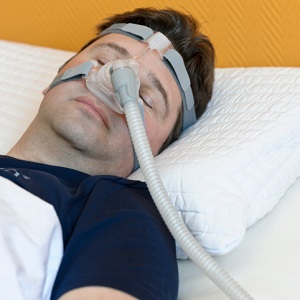 Sleep apnea is an issue that causes pauses in breathing throughout the sleep cycle. This issue can cause people to awaken frequently, snore loudly, and experience disturbances in their dreams. The condition is potentially life-threatening because it can interfere with the brain’s oxygen supply.
But people experiencing sleep apnea aren’t just stuck dealing with its physical effects. They may also experience mental health challenges.
Depression
A study by the Centers for Disease Control and Prevention found that people with sleep apnea were more likely to experience depression than people in the general population. Disturbances in sleep can affect mental health, and the stress of having a serious medical condition is sufficient to send some people into depression. But sleep apnea is particularly likely to interfere with mental health because of the reduced oxygen supply to the brain at night, which can alter brain functioning and thus increase a person’s likelihood of developing depression.
Anxiety
The fact sleep apnea affects people while they’re sleeping—a time when people are supposed to be at peace—can be particularly jarring. Some people have to wear special masks connected to continuous positive airway pressure (CPAP) machines to ensure that they breathe normally throughout the night, and the threat of breathing problems can cause severe anxiety. This anxiety, in turn, may make sleep problems worse, and sleep deprivation can contribute to both depression and anxiety, a vicious cycle for people with sleep apnea.
Relationship Problems
For many people, the first sign that they have sleep apnea is a spouse’s complaints about snoring. Even extremely supportive spouses might not want to listen to a person with sleep apnea snore all night, and some people with the condition end up sleeping in separate bedrooms. This can decrease opportunities for intimacy and increase relationship dissatisfaction, contributing to stress for both parties.
Changes in Dreams
Many mental health professionals believe dreams are an opportunity to process the events of the day and to encode memories. Dreams also provide a testing ground for anxiety-inducing scenarios, long-term goals, and everyday interactions. Because people with sleep apnea awaken frequently, they may be unable to enter the rapid eye movement (REM) sleep that is necessary for dreaming. Among people who do not enter or remain in REM sleep, there may be a number of mental health problems, ranging from anxiety to difficulty with memory.
Cognitive Impairment
If you can’t sleep, can’t dream, and are worried about a chronic medical condition, it’s not surprising that you might have difficulty concentrating. People with sleep apnea may be exhausted during the day and have trouble focusing on important tasks, including job-related activities. Sleep problems can alter mood, making people with sleep apnea jumpy or quick-tempered, and making it more difficult for them to navigate the challenges of everyday life.
Many of the problems associated with sleep apnea are interconnected, and stress during the day can make sleep apnea worse at night. There are effective treatments, though you might have to try several approaches before something works. If you have sleep problems, consult your doctor.
References:
- Lyon, L. (2009, August 24). 7 things that make sleep apnea worse. US News. Retrieved from http://health.usnews.com/health-news/family-health/articles/2009/08/24/7-things-that-make-sleep-apnea-worse
- Sleep and mental health. (n.d.). Harvard Health Publications. Retrieved from http://www.health.harvard.edu/newsletters/Harvard_Mental_Health_Letter/2009/July/Sleep-and-mental-health
- Sleep apnea can cause depression. (n.d.). New Technology Publishing, Inc. Retrieved from http://www.healthyresources.com/sleep/apnea/articles/depress.html
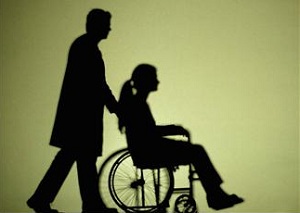
There are many parallels between living with a disability and dealing with an uninvited house guest. If you have ever had an uninvited house guest, I am sure you remember moments when things may have been uncertain and, at times, tense or uncomfortable. At the very least, having an uninvited guest requires some adjustments, much like living with a disability.
An uninvited guest may arrive unannounced, leaving no time to plan or prepare. Likewise, in many cases people living with disability have little or no time to plan for the many changes to come. While there may have been no way to prevent the disability and requisite life changes, having time to prepare—psychologically and literally—can make a huge difference in a person’s ability to adapt and cope.
A period of psychological adjustment is required for a person who has a disability, his or her spouse/partner, parents, and other family members. The adjustment process people frequently talk about resembles the grief process in many ways. Like the grief process, people often experience feelings in what seem to be stages. Similar to the grief process, this adaptation process usually begins with a period of denial.
Denial
In my work with couples and families living with multiple sclerosis, I often hear concerns that one person seems to be “stuck in denial.†To people who have moved through the initial denial stage, it may seem as if their loved one is not progressing as quickly as others. The truth is, different people work through this period of adjustment differently, and it takes as long as it takes. The denial stage usually happens at the time of diagnosis or disability, and may come up again at other times. For example, in a progressive illness, if one begins to lose mobility or other limitations arise, the initial stage of the adjustment process may be triggered again.
It may seem clear to a caregiver/partner or family member who has been helping someone walk even short distances that a mobility device is needed (cane, walker, scooter). For the person who is having mobility difficulty, admitting that it is time to talk to a doctor about a mobility device may affect his or her identity, hope for recovery, or future progress. If so, working through the denial and bargaining, and then later stages of adaptation, may be necessary. It is not unusual to see all members of the family triggered by new developments that start the process over.
Denial is believed to be a protective measure that prevents us from becoming emotionally overwhelmed. Denial slows down the process of coping with traumatic events, giving us more time to psychologically prepare ourselves for the onslaught of feelings. The process of denial, known as a defense mechanism, should not be rushed or sabotaged by well-meaning loved ones who are at a different place in the adaptation process. Doing so can cause the person who needs more time to become emotionally overwhelmed without the necessary skills to cope effectively.
Coping skills: A person with disability and his or her family members should try to be empathetic and understand things from the perspective of others. Be honest, but gentle, about your perceptions. Choose the time to discuss these issues carefully—not when either of you are tired, frustrated, or angry. Always talk to your loved one(s) before bringing up concerns with doctors or other professionals. Caregivers and family members should keep in mind that their needs are important, too. Take care of yourself and make sure you have plenty of support. When children are involved, be very careful what and how you share information with them. Children need to hear things based on what is appropriate for their age and stage of development. Ask for guidance from a professional if you are unsure how much to tell children or how to talk to them about disability.
Bargaining
The stage that usually follows denial is bargaining. During this time, people often are looking for second opinions, alternative therapies, and other remedies. It can also be a time when we promise the gods that we will turn our lives around if given a second chance without the disability or diagnosis.
It is true that finding the best medical providers, keeping a positive outlook, and staying informed of new research and possibilities is important. However, this can also be a time when people are vulnerable to scams and false promises. Unfortunately, there are a lot of companies and people who offer products and services that guarantee outcomes without doing the necessary research required to back up those assurances.
It is a good idea to check out any new or experimental treatments carefully before trying them—particularly if there is a large commitment of money, resources, or time involved. Check with local and national nonprofit organizations that provide services to people with your specific issue or health challenge. Agencies such as the National MS Society, American Cancer Society, and others often have information about ancillary and alternative therapies. They may be able to send you information or answer your questions.
Coping skills: Make decisions together based on facts. Find local and national organizations that you trust to support you and provide well-researched information. Be sure that any second opinions or ancillary providers have access to all the information you have from other providers. In some cases, taking medications or treatment without being fully aware of how they interact with your other treatment can be life-threatening. Make a commitment to fully investigate any new or experimental treatments before deciding to try it. Ask for and check references when appropriate. Verify the credentials of all providers before visiting them. At some point, you may have to accept a new reality that you had not planned for and do not welcome. If you have prolonged difficulty coping with the diagnosis or prognosis, find support from a professional or support group to help you with the transition.
Over the next few months, I will explore additional aspects of disability, how it affects the lives and relationships of the people involved, and ways of coping with these situations. If you have ideas to share about how you have effectively coped with any of the situations presented, please join the discussion by leaving comments below. Likewise, if you have questions, feel free to ask for input from others who read the blog.
 I almost always suggest to clients that they learn focused abdominal breathing and practice a minimum of 5 minutes every day; for the best results, I recommend they practice 20 or more minutes per day. Sometimes they look at me funny and ask “You mean all I have to do is just breathe and everything will be better?†I tell them that no, everything is not going to magically change to exactly what you want in life, but learning and practicing focused abdominal breathing every day WILL do this for you:
1) Special breathing techniques can help reduce physical pain. Often when people are in pain, they breathe in a very shallow, disordered pattern. They also may frequently hold their breath without even realizing it. These are mostly unconscious protective reactions to pain, but they can actually increase the level of pain. Several recent scientific studies have shown that breathing at a slower rate from the diaphragm can significantly reduce sensations of pain.
2) Breathing helps to properly balance oxygen and carbon dioxide levels in the body. Breathing properly from the diaphragm will:
•   Fuel energy production
•   Improve focus and concentration
•   Increase relaxation and calmness
•   Reduce tension and anxiety
•   Eliminate toxins
•   Strengthen the immune system
•   Improve bowel function
•   Lower blood pressure
•   Increase metabolism, aiding in digestion and weight loss
On the other hand, not breathing correctly can cause problems for a number of systems in the body, including the immune, circulatory, endocrine, and nervous systems. Improper breathing can produce various symptoms including:
•   Difficulty focusing attention
•   Dizziness
•   Numbness
•   Anxiety
•   Chest pain
•   Digestive problems
•   Irritable bowel
•   Neck and shoulder pain
3) Breathing releases emotional energy that is trapped in the body. People with anxiety and/or depression are almost always (and I mean 99.9% of the time) either breathing very shallowly or frequently holding their breath. Holding the breath is one of the most common ways that people stop emotions from coming up (think about the last time you tried not to cry, feel afraid, or get angry). Once you hold in an emotion it stays trapped in your body, until you release it. Breathing allows stifled, buried emotions to finally start to surface and be released.
4) Breathing keeps you in the present moment, instead of the past or the future. People with depression are often stuck in thoughts about the past, and people with anxiety are stuck in thoughts about the future. When you’re concentrating on your breathing, you are paying attention to your body sensations, the sound of your breath, and the process of breathing, all of which are happening RIGHT NOW. When you’re paying full attention to RIGHT NOW, you take AWAY energy and attention from the thoughts about the past or future. When you bring your attention to NOW, you automatically feel calmer.
Using the breath is a way to learn how the body and mind are connected. This is why I teach proper breathing to clients. Thoughts are directly related to feelings in the body and likewise, body sensations give rise to thought patterns in the mind. Mind and body are in a constant dance of influence, and it is important for people to learn that they have more choice and control in the matter than they thought.
Basic Instructions for Focused Abdominal Breathing
More than likely, if you are experiencing depression, anxiety, or pain, you are breathing shallowly from your upper chest. You want to train yourself to breath from your diaphragm/abdomen. Although it’s most effective to have someone teach you the process in person, here are the basic steps:
1)Â Sit in a comfortable upright position with your back against your chair and your feet on the ground. Keep your back straight, but let your shoulders and the rest or your body be very relaxed.
2) Place your left hand on your abdomen. Imagine that the entire area from your lower abdomen up to your chest is one large, rectangular balloon. Now, start by exhaling as completely as possible. Empty out as much air as possible. Your left hand will move inwards as the “balloon†area deflates. Now, slowly and gently, inhale, imagining that you are filling the balloon starting from the bottom, all the way up to the top. When you are breathing correctly from your abdomen, your lower abdomen will inflate, followed by your chest expanding, and your left hand will be pushed outward. Your shoulders will not go up, they will stay in place. When you inhaled did your hand move? Or did your shoulders go up instead? If your shoulders rise up when you inhale, you are breathing from your upper chest. Exhale and try again. This type of breathing may take a little practice to get the flow going. Work on this step until you can fill and empty the “balloon†completely. Then add the next steps.
3) Now that you are breathing abdominally, relax into a natural breathing rate. Your body will take over the breathing and settle into its own rate and depth. Your job is to just observe your breathing. Focus your attention on the tip of your nose and intently notice the pressure, temperature, and sensations of the air passing in and out of your nose. If it helps you to focus, you may also silently say “breathing in†on your inhalation and “breathing out†on your exhalation. Do this focusing for 5 minutes a day to start with, and work up to 20 minutes or more per day.
4) During your focused breathing session, especially when you first start practicing, you will more than likely notice that you are thinking about something else other than breathing. Thoughts have intruded into your mind and distracted your attention. When this happens, try not to react with any emotion (such as frustration). Just gently and silently allow the thoughts to drift upwards far away in to the sky like a soap bubble and then turn your attention back to your breath. At first you will find yourself re-directing your attention many, many times each session. Over time you’ll be able to maintain focus on your breathing for longer and longer periods of time and it will get easier to let go of intruding thoughts. It will even become easier to let go of unhelpful thoughts you have during the rest of the day (such as disturbing thoughts of the past or worrisome thoughts of the future). The most important thing is to keep doing the focused breathing every day, no matter what.
Open, full, unrestricted, unobstructed breathing is very important for your physical, mental and emotional health. It is something simple that can make a very big difference in your life. There are many things in life that we have no control of, so doesn’t it make sense to do the things we can have some control over? You can actively affect your own physiology and mental/emotional state just by mastering the art of breathing, focusing, and being present.
Related articles:
Deep Breathing and Guided Imagery
Alcohol and Anxiety: Not As Helpful As You Think
Managing Your Moods Through Mindfulness
 If you don’t get the right nutrients, your body won’t function to the best of its ability. Some general health conditions can be linked to nutritional deficiency, but it’s up for debate whether the same applies to specific mental health conditions. Some nutrition experts do claim that unique cases of social anxiety can actually be caused by a nutritional deficiency. In the condition several experts refer to as pyroluria, once the nutritional deficiency is taken care of, the social anxiety is relieved. Other experts are quick to dismiss the validity of this diagnosis.
Trudy Scott, a food-and-mood expert who said in an email that she has suffered from pyroluria, is a certified nutritionist, immediate past president of the National Association of Nutrition Professionals, and author of The Antianxiety Food Solution: How the Foods You Eat Can Help You Calm Your Anxious Mind, Improve Your Mood and End Cravings.
“The person experiences shyness, inner tension, and social anxiety,†Scott said in regard to symptoms of pyroluria. “Symptoms usually start in childhood and are made worse under stressful situations. The wonderful thing is that the symptoms can be completely alleviated with taking these supplements: zinc, vitamin B6, and evening primrose oil. People typically start to feel less anxious, less shy, and more social within a week. The important thing is that if you do have pyroluria, you do need to take the supplements always.â€
Generally only zinc and Vitamin B6 are recommended for pyroluria, but “gamma-linolenic acid (GLA), found in evening primrose oil and borage oil, is also beneficial for those with pyroluria because its levels are often low, and supplementing with GLA improves zinc absorption,†she added. In her book about anxiety, mood, and food, she wrote a whole chapter about pyroluria.
“I am … very passionate about the subject because I have pyroluria myself and used to suffer terribly from social phobia and shyness, anxiety, unexplained fears, waking with a sense of doom and even panic attacks,†Scott said. “I have used the amazing healing powers of foods and nutrients to completely heal. I now help women find natural solutions for anxiety and other mood disorders.â€
She has posted a questionnaire on her website for pyroluria. It includes a long list of symptoms, and if 15 or more items are checked on the list, it is likely a person has pyroluria: http://www.everywomanover29.com/blog/pyroluria-questionnaire-from-the-antianxiety-food-solution/
She said that in research studies, pyroluria is also called “the mauve factor.†“Much of what we know about pyroluria is based on the work of Humphrey Osmond, Abram Hoffer, and Carl Pfeiffer,†Scott said. “Much of the original work was done with schizophrenic patients in psychiatric hospital settings. Although pyroluria was first identified in the 1960s, the medical and mental health communities have been slow to recognize it, and many mental health practitioners and physicians remain unfamiliar with this condition.â€
She said she learned about the condition mainly from reading the following books:
The Mood Cure by Julia Ross
Depression-Free Naturally by Joan Mathews-Larson
Nutrition and Mental Illness (1988) by Carl Pfeiffer
Her own book goes into the specific details and biological/chemical/genetic aspects of pyroluria. In her book, she cites research prevalence rates from Joan Mathews-Larson, the author of Depression-Free Naturally. Pyroluria is thought to exist in “11 percent of the healthy population†and “40 percent of adults with psychiatric disorders,†according to Scott’s book. For people with alcohol addiction, pyroluria is thought to have a 40% prevalence rate. However, the prevalence rates do depend on the source. In her own experience as a nutritionist, Scott said about 80% of her clients who have moderate to severe anxiety have symptoms associated with pyroluria.
She added that stress can be a major factor for what age pyroluria develops and that it is a genetic condition that seems to affect more women than men. In addition, people who have pyroluria tend to also have gluten sensitivity, especially if they also are dealing with other issues like depression, anxiety, autism, alcoholism, bipolar disorder, and schizophrenia, according to the book. People with pyroluria may also have digestive problems, and they need to make sure to balance out an increased Vitamin B intake with a higher intake of magnesium.
In the book The Mood Cure by Julia Ross, the author includes a discussion of the prevalence, testing, and treatment of pyroluria, as well as a checklist similar to that offered by Trudy Scott. Ross states that the questionnaire was developed by Dr. Carl Pfeiffer, a clinician and researcher. He wrote the book Nutrition and Mental Illness: An Orthomolecular Approach to Balancing Body Chemistry in 1988.
Ross states in her book that pyroluria is fairly uncommon in the general public, but in certain groups of people (like those who have experienced alcohol addiction), it is more common. “I am just getting familiar with this condition, but I can see that it is an important one for certain people, affecting stress levels and mood generally and preventing full response to nutrient therapy until it is addressed,†Ross wrote in her book.
There are a plethora of articles dedicated to nutrition, diet, and mental health in general, as well as multiple research studies suggesting that certain mental health issues can be improved through natural supplements and a healthy overall diet. “Notably, essential vitamins, minerals, and omega-3 fatty acids are often deficient in the general population in America and other developed countries and are exceptionally deficient in patients suffering from mental disorders,†according to an abstract from a research study in Nutrition Journal. “Studies have shown that daily supplements of vital nutrients often effectively reduce patients’ symptoms.â€
Another abstract from a research article in the journal Alternative Therapies in Health and Medicine concludes the following: “Many patients will benefit from the use of specific dietary supplements, such as a multivitamin-mineral high in B vitamins and omega-3 fatty acid,†according to the abstract. “And no matter what the underlying cause of the mood disorder, patients should be counseled about the relationship between food and mood, for the evidence now substantiates what laypeople and medical professionals have long known intuitively: the way we eat affects the way we feel.â€
The research, authored by Tieraona Low Dog, director of the fellowship at Arizona Center for Integrative Medicine at University of Arizona, added in the research abstract that the healthiest diet for improving mental health is a “low-glycemic, modified Mediterranean diet rich in fruits, vegetables, whole grains, and seafood (if not vegetarian) and low in processed, refined foods.â€
Other experts remain unaware of the condition and are skeptical of its legitimacy. Scott Carroll, a psychiatrist with dual board certifications in adult and child and adolescent psychiatry, said in an email that he is not accustomed to pyroluria and had to look it up on Google to find out what it was.
“Once I saw that it is connected to orthomolecular psychiatry, which I have heard of, I knew it was in the pseudoscience realm,†said Carroll, who is also an assistant professor at the University of New Mexico School of Medicine. “Not surprisingly, it claims to be the cause of a number of unrelated psychiatric disorders, which is typical of pseudoscience disorders. Like so many ‘cure-alls,’ it sounds plausible, but there is no scientific basis to it, and it allows dubious practitioners to prey on desperate, suffering people.â€
He said there are certain cases where nutrition can play a part in mood and mental disorders. “Inadequate amounts of Omega 3 fatty acids, especially from fish or krill oil, have been shown to affect mood and anxiety in a broad way of which social anxiety can be a part,†Carroll said. “Also, low folate, low Vitamin D, and low B12 have all been associated with negative effects on mood and anxiety.â€
“However, in people with low folate, it is more often a case of a genetic inability to transport the folate molecule into the brain rather than a low blood level,†he added. “In those cases, which often present with chronic depression and anxiety that has never responded to antidepressants, there are folate precursors that are more lipophilic and can diffuse into the brain without use of a transport mechanism.â€
Nerina Garcia-Arcement, a licensed clinical psychologist and clinical assistant professor at the NYU School of Medicine, said in an email that she didn’t study pyroluria in school and hasn’t read about it in any research studies after graduating from her doctorate program.
“Based on current knowledge it does not appear to be a legitimate health condition,†Garcia-Arcement said. “Further research is required to further explore and understand whether social anxiety or any other mental health condition could be related to improper synthesis in the blood. Although this theory seems appealing, being able to ‘cure’ a mental disorder with vitamins or supplements … is unlikely.â€
“Causes of social anxiety that have been substantiated by research include chemical imbalances in the brain (i.e., serotonin, a neurotransmitter), inherited traits (genetic and through observing anxious family members), negative life events or experiences, and an overactive amygdala (a part of the brain that controls emotions, including fear response),†she added.
She said that good nutrition is important for overall health, but it’s not necessarily linked to mental disorders. “In my experience, the social anxiety could be traced to other causes, not nutritional deficiencies,†Garcia-Arcement said. “Having a healthy and balanced diet is overall beneficial, but it won’t cure social anxiety or a mood disorder. I am more likely to recommend my clients get enough sun exposure to improve their moods (seasonal affective disorder) than recommend diet changes.â€
Related articles:
Social Anxiety Can Be a Hidden Problem in College
Breathing Lessons
The Birth of Anxiety
 Binaural beat technology (BBT) was discovered in the early 1800s and first described in the popular literature in the early 1970s. In the last four decades, binaural beat audio programs have been touted as tools for reducing stress, improving sleep, enhancing concentration, and even fostering altered states of consciousness. In the ‘70s and ‘80s, BBT audiotapes were primarily found in more esoteric venues, such as New Age bookstores, health food emporia, and retreat centers dedicated to consciousness exploration. One such center, the Monroe Institute in Virginia, is well known for their use of Hemi-Sync recordings, which feature BBT.
Today, BBT has become more commonplace, as one can download MP3s and smartphone applications in a matter of moments. Although the prevalence and popularity of such products has waxed and waned, several studies examining the potential usefulness off BBT have been conducted with a variety of populations.
What is BBT?
The term “binaural beat†refers to the brain’s tendency to hear the difference between two similar tones that are played in opposite ears as one new tone.  Our ears hear tones in terms of hertz (Hz), or cycles (the number of times a wave repeats itself) per second. Beats played at frequencies that are characteristic of brain wave frequencies are both audible and thought to facilitate alterations in our predominant brain-wave state.
Types of Brain Waves and Their Associated States
At any given time, our predominant brain wave may be in the frequency associated with deep sleep or deep trance (delta; 1-4 Hz), meditation (theta; 4-8 Hz), relaxed awareness or daydreaming, (alpha; 8-12 Hz), a state of relaxed focus (low-beta, or sensorimotor rhythm [SMR]; 12-15 Hz), alert mental activity/concentration (mid-beta; ~15-18 Hz), anxiety (high-beta; >18 Hz), or high-level information processing (gamma; >30 Hz). Gamma brain-wave states appear to be the least well researched. There is no “best†state to be in; however, at different times we will understandably want to be able to shift into one that is appropriate to the task at hand, whether sleeping, working on a project, or relaxing.
What Type of BBT for Which Conditions?
It has been hypothesized that a number of conditions, including chronic stress, chronic and postoperative pain, migraines and other headaches, problems with attention/concentration or learning, and insomnia, to name a few, reflect an imbalance or irregularity in brain-wave states. The deliberate use of BBT to change the predominant brain-wave state is referred to as brain-wave entrainment (BWE). BWE is not limited to BBT, but discussion of other methods is outside the scope of this article. However, a 2008 review of the BWE literature found that delta stimulation was associated with improvement in migraines and other headaches and reduction in short-term stress. A single session of alpha stimulation was associated with stress reduction in some settings, but not for those undergoing root canal. Alpha stimulation was also linked to pain relief. Beta improved attention, reduced short-term stress, alleviated headaches, reduced behavioral problems, and improved performance on measures of overall intelligence. An alpha-beta protocol improved verbal skills performance and attention, and a beta-gamma protocol showed improved arithmetic skills in children who had learning disabilities or attention-deficit hyperactivity. Most of these studies examined photic stimulation (presented via flashing lights) or combined photic and BBT entrainment rather than BBT alone. Thus, it is difficult to draw a definitive conclusion about the specific utility of BBT from this review.
BBT as a Potential Tool for Reducing Anxiety and Pain
The results of a small pilot study published in 2007 found that listening to an hour-long program emphasizing delta BBT for 60 days was associated with a decrease in self-reported trait anxiety and an increase in quality of life among eight healthy adults. The level of dopamine (an excitatory neurotransmitter) was also decreased significantly and may be related to the decrease in trait anxiety scores. Interestingly, the team assessed changes in the level of growth hormone because the BBT’s producer claimed that listening would increase these levels. Growth hormone decreases with age, and thus, an increase would be considered a potentially beneficial outcome; yet, listening to this BBT program was associated with a significant decrease in growth hormone. Both the reasons for this result and it’s implications are unclear.
Perhaps two of the more intriguing studies about BBT were the following trials with patients undergoing surgery. The first is a 2005 double-blind, randomized controlled trial in which 108 patients undergoing general anesthesia for elective surgeries received either a BBT plus music audio, the same music without BBT, or no intervention other than standard care for a 30-minute period prior to their operations. The BBT audio featured a progressively slowing beat that ended with 10 minutes of delta. No adverse events were noted, and although initial state anxiety scores were higher in the BBT group (prior to the intervention), the most significant decrease in anxiety was also in the BBT group—even after adjusting for the fact that participants in this group on average had higher initial anxiety. Listening to music alone was also associated with a significant decrease in anxiety, but this decrease was of a lesser magnitude than that of the BBT group. This study showed that an inexpensive, one-time intervention of short duration was beneficial despite the stress characteristic of undergoing surgery.
The other study was a randomized controlled trial of 60 patients about to have surgery with general anesthesia. Twenty patients were assigned to each of three conditions: a Hemi-Sync BBT program, listening to the music of their choosing, or listening to a blank audiocassette for 30 minutes prior to surgery. None of the participants was offered any sedative premedication. Stereo headsets from all groups of participants were removed before the patients entered the operating room but were replaced and the respective audio programs restarted after the induction of anesthesia. Headsets were discontinued at the conclusion of surgery. The researchers found that using the Hemi-Sync programs resulted in significantly less intraoperative use of fentanyl (a very potent, synthetic opiate pain medication), lower self-reported pain scores several hours after the surgery, and being discharged from the hospital sooner. Unfortunately, the specific frequency of BBT was not described in this article.
Anecdotally, several months ago I went for my first-ever root canal and noticed considerable anxiety at the thought of having a very sensitive tooth drilled (even with anesthetic). On the way to the endodontist’s office, I listened to both a guided imagery program designed specifically for medical procedures in which one must remain awake (available via HealthJourneys.com) and also to a free delta BBT program (Napuru) I’d downloaded for my iPhone. The delta tones were played against a backdrop of ocean waves. My subjective experience was that the BBT and imagery, combined with mindfulness practice before and during the root canal, reduced my anxiety significantly and enabled me to get through what seemed like an eternity of loud drilling. I cannot say what the most “active†ingredient in this integrative approach was; however, the point is that this nondrug, inexpensive, easy-to-use adjunct was effective for me.
BBT has been around for decades and is now readily and inexpensively available. There are some data to suggest that it may be helpful for relieving anxiety in general and in the context of a stressful event. There is also some evidence that BBT or other methods of brainwave entrainment may help with pain, concentration, headaches, and other issues, and serious risks or side effects have not been reported. The current research does not definitively answer the question of whether there would be a dose-response effect or a benefit from listening to BBT more regularly versus listening once; however, this seems plausible. More research needs to be done to better elucidate whether BBT could be used as an independent therapeutic tool, however. Additionally, assuming BBT is effective, one should not drive or perform tasks requiring sharp focus when listening to delta, theta, or alpha tones, as these may induce a very relaxed state.
For More Information:
- Dabu-Bondoc, S., Vadivelu, N., Benson, J., Perret, D., Kain, Z. N. (2010). Hemispheric Synchronized sounds and perioperative analgesic requirements. Anethesia & Analgesia, 110(1), 208-210.
- Huang, T. L., Charyton, C. (2008). A comprehensive review of the psychological effects of brainwave entrainment. Alternative Therapies in Health and Medicine, 14(5), 38-50.
- Padmanabhan, R., Hildreth, A. J., Laws, D. (2005). A prospective, randomised, controlled study examining binaural beat audio and pre-operative anxiety in patients undergoing general anesthesia for day case surgery. Anesthesia, 60, 874-877.
- Wahbeh, H., Calabrese, C., Zwickey, H. (2007). Binaural beat technology in humans: A pilot study to assess psychologic and physiologic effects. The Journal of Alternative and Complementary Medicine, 13(1), 25-32.
Related articles:
6 CAM Tools for Achieving Better Health, Emotional Balance, and Contentment
Biofeedback for Treatment of Migraines and Stress
10 Complementary Therapies That Can Help Children
 The world of psychiatry is full of unusual phobias. There’s symmetrophobia, the fear of symmetry, xerophobia, the fear of dryness, and ideophobia, the fear of ideas. But these phobias are exceedingly rare, and in the psychiatric interest on strange phobias, more mundane—and more dangerous—phobias are easily forgotten. Needle phobia is one such fear. There is significant evidence that fear of needles sparks physical changes in the body that can result in cardiac episodes and other health problems when a patient is exposed to needles. But needles are a part of life and are often necessary for medical treatment. Needle phobia, then, can cause a person to avoid life-saving care and, if a needle is forced upon a phobic patient, the results could be disastrous.
Needle Phobia and Cardiac Episodes
Most people dislike needles, but a true needle phobia feels overwhelming and uncontrollable to patients. People who have needle phobia may experience an extremely elevated heart rate and blood pressure immediately before a needle puncture. When the puncture occurs, the heart rate may drop precipitously. This exposes them to significant danger of heart arrhythmias and other cardiac episodes. Dr. James Hamilton, a pioneer in the treatment and study of needle phobia, reports that at least 23 deaths have been caused by a needle puncture that led to a cardiac episode.
Medical Issues
Doctors, nurses, and other people tasked with administering vaccinations and drawing blood are not typically properly educated about needle phobia. They’re accustomed to patients who dislike needles and may reassure them with promises that the puncture won’t hurt or will only take a minute. But with a true needle phobic, these reassurances don’t work. The person isn’t afraid of pain or injury: he or she is afraid of the needle itself. This poses serious obstacles to medical treatment. As many as 10% of people have some degree of needle phobia, and a significant portion of these individuals report that they would rather die than receive a needle puncture. These people tend to avoid medical care because of their fear, allowing their illnesses much more time to worsen than illnesses of nonphobic people.
Causes
Although traumatic experiences with needles such as painful blood draws or blood transfusions can cause needle phobia, people can’t typically trace the origin of the phobia. Needle phobia seems to run in families, but this does not mean the fear is genetic. Children may learn it from watching their parents show fear of needles. Restraining children during vaccinations and blood draws is strongly correlated with the later development of needle phobia. Consequently, parents should strive to ensure that their children’s early experiences with needles are positive and that children are not restrained unless the needle puncture is needed immediately to save the child’s life.
Treatment
Some people have good luck with hypnotherapy, but the most common treatment for needle phobia is counterconditioning. This process can take several years because the mere sight of a needle is sufficient to send many patients into a full-blown panic attack. Treatment providers typically start by asking the person to envision a needle, progress to showing the person a needle, and ultimately move toward getting the person to accept a needle puncture. For people who require needles for medical treatment, it may be necessary to administer general anesthesia to prevent life-threatening reactions. In less severe cases, anti-anxiety medications can lessen the symptoms of needle phobia.
Sources:
- Hamilton, J. G. (n.d.). Needle phobia: A neglected diagnosis. Needle Phobia. Retrieved from http://needlephobia.info/pages/Hamilton-Needlephobia.pdf.
- Emanuelson, J. (n.d.). The Needle Phobia Page – fear of needles and needle procedures. The Needle Phobia Page – Fear of Needles and Needle Procedures. Retrieved from http://www.needlephobia.com/
- The phobia list. (n.d.). The Phobia List. Retrieved from http://phobialist.com/
Related articles:
The Other Side of Normal: An Interview With Jordan Smoller
Three Steps for Dealing with Panic Attacks
Breathing Lessons
Adults who have survived childhood abuse are more likely to experience mental health problems than those who were not abused during their youth. Depression, anxiety, panic, posttraumatic stress, eating and food issues, and substance abuse are just some of the psychological conditions that these survivors face. Another consequence of childhood abuse is diminished physical health. Research has shown that negative psychological well-being decreases physical health and can lead to serious health problems, including hypertension and heart disease. But few studies have examined how specific types of childhood abuse affect physical health directly.
To address this gap in research, Cathy Spatz Widom, Ph.D., of the Psychology Department at John Jay College at the City University of New York recently conducted a study that sought to determine the link between three individual types of abuse and later physical health problems. Widom analyzed data from adults who had been abused prior to their 12th birthday. The average age of the participants was 41. Each participant underwent a complete physical examination and blood test in adulthood. Based on documented reports of the abuse, Widom compared how sexual abuse, neglect/maltreatment, and physical abuse in childhood affected the participants’ health in adulthood.
She found that the adults who had experienced neglect and maltreatment had poorer oral and visual health as well as impaired airflow and increased risk for diabetes. The adult survivors of sexual abuse were more likely than the other participants to develop oral health issues and hepatitis C. They also had higher rates of HIV and malnutrition. Those who had survived physical abuse were also at increased risk for malnutrition and diabetes. Although some of these conditions could be attributed to maladaptive coping techniques, such as smoking, drug or alcohol use, and poor nutrition, the findings clearly show that adults who have survived childhood abuse are still at increased risk for significant physical health problems. Widom believes that these findings have strong clinical implications. She said, “Understanding the mechanisms that place abused and neglected children at higher risk for these adult physical health outcomes will help focus these efforts.â€
Reference:
Widom, C. S., Czaja, S. J., Bentley, T., Johnson, M. S. (2012). A prospective investigation of physical health outcomes in abused and neglected children: New findings from a 30-year follow-up. American Journal of Public Health, 102.6, 1135-1144.