
For over 13 years, I have dedicated myself to supporting people of all ages through a range of stressors, including anxiety, depression, tense family dynamics, grief, chronic illness, and life transitions. In this work, I’ve seen firsthand the tremendous pressures individuals face to appear “okay” and the self-blame that often comes from not meeting unrealistic societal expectations. These experiences have deepened my passion for helping those who are entering parenthood, raising young children, caregiving, redefining roles and boundaries in relationships, and navigating the complexities of grief and loss. Taking the first step to address emotional challenges is an act of tremendous courage, and you don’t have to face it alone. When life feels overwhelming, a strong therapeutic relationship can provide the support needed to navigate your journey toward growth and meaningful change. Together, we can draw on your strengths and collaboratively focus on your goals. If you choose to work together, we can uncover underlying barriers and unhelpful patterns contributing to your distress, while also identifying and strengthening your personal resources to foster growth. My clients frequently describe feeling genuinely listened to, understood, and met with warmth and authenticity during our sessions.
Find a Therapist in Chapel Hill, NC
More results

Are you or a loved one feeling stuck in life? Work? School? Relationships? Know something needs to change, but you aren't sure what or how? My unique blend of training and life experience enables me to help people from all walks of life create a path that moves them toward their life goals. It is my focus to help you clarify your goals and facilitate the creation of your plan for getting there. Highlighting your strengths, we will work together to help you master whatever challenges life is throwing your way. Please visit my web site to read further details and to contact me securely.

Hi! I’m Suffi Makkar—your friendly neighborhood therapist, part detective, part cheerleader. As a Licensed Clinical Social Worker Associate, I support kids, teens, and the adults who care for them through anxiety, stress, trauma, or just feeling overwhelmed. Therapy with me is a team effort: you bring your emotions and curiosity, I bring calm energy, creative tools, and a space where you can be fully yourself. We might talk, laugh, cry, or even dance it out as we explore healing together.

My aim is to guide and support clients in gaining powerful insights, growing in self-awareness, cultivating a deeper connection to themselves and others, and ultimately, moving toward lasting change. My therapeutic approach is psychodynamically oriented and strengths-based. I believe that our past deeply informs our present. As such, examining and unpacking the foundational experiences and relationships in our lives often aids in unlocking the consciousness needed to live more authentically and fully. In our work together, we will explore the relational, behavioral, and situational patterns of conflict that continue to show up in our lives as well as what prevents their resolution. I offer a warm, safe, and accepting environment for individuals, couples, and families. Welcome!

You don’t have to move through life transitions alone or quietly. Therapy is most effective when it feels collaborative, grounded, and authentic. I work alongside my clients to gently unpack unhelpful patterns—whether they show up as anxiety, fear, or feeling stuck—and to build the emotional awareness needed for meaningful change. I aim to create a warm, affirming space where clients feel heard and understood. I am dedicated to culturally responsive care and welcome individuals with diverse identities, lived experiences, and family backgrounds. If you’re ready to begin this work, I’m here to help you take the next step.

Hi, I’m Cat, a Licensed Clinical Social Worker (LCSW) who supports children, teens, and adults navigating anxiety, OCD, trauma, ADHD, and stress related to school, work, and life transitions. With a background in day-treatment and school settings, I have a special passion for working with educators, students, and families—and I understand firsthand the unique pressures they face. I also support teachers and professionals who feel overwhelmed or burned out, offering a space to process and recharge. I bring an eclectic approach to therapy that meets each client where they are at and blends a diverse repertoire of interventions and theories based on what is best for each individual. I have a background in CBT and strengths-based interventions, but enjoy implementing play and art therapy with most clients. I also offer parent coaching using TBRI. I believe every person deserves the chance to heal and grow in a space where they feel safe, understood, and valued. If you’re looking for a therapist who brings both heart and a diverse clinical background to the work, I’d love to connect and see how I can support you or your family.
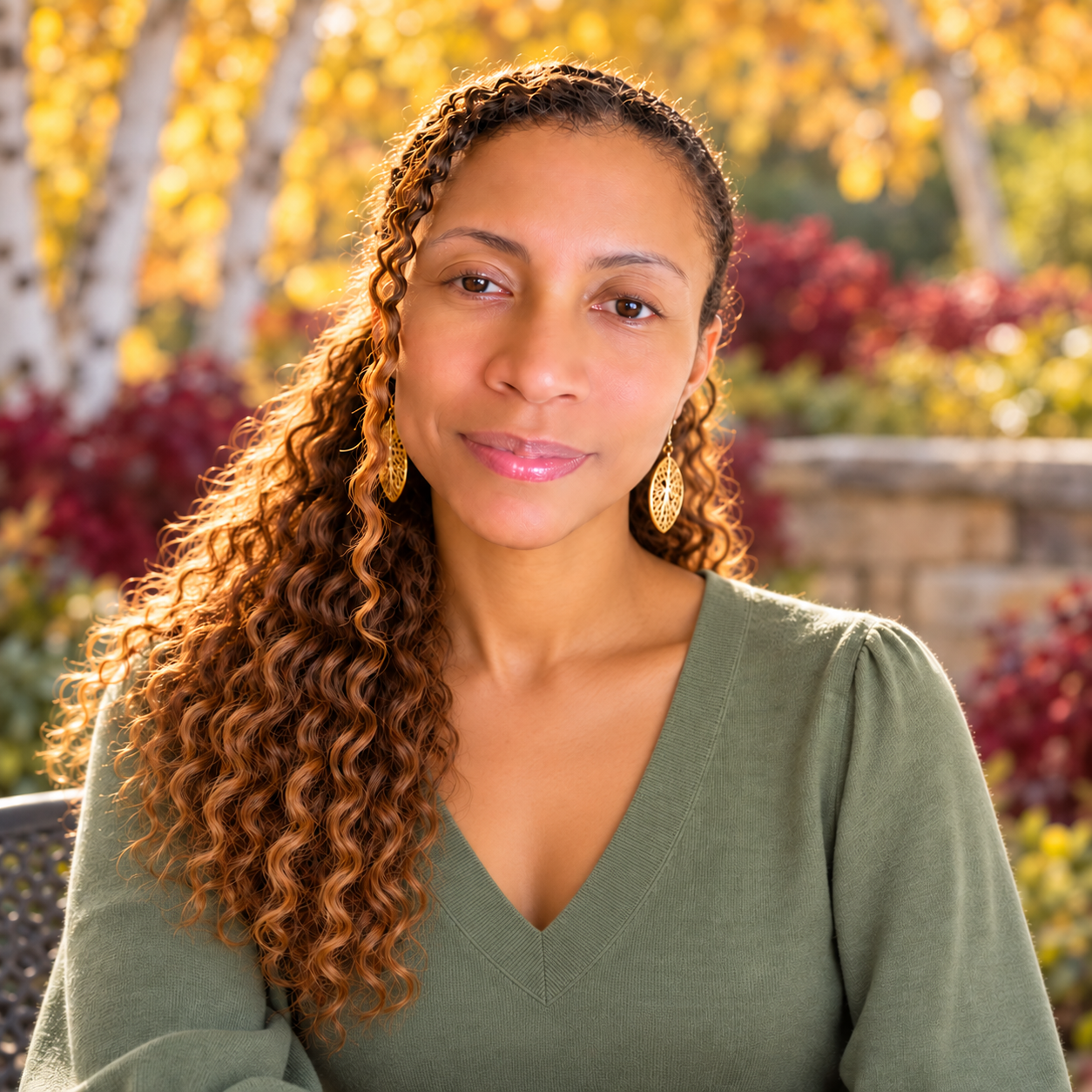
I am very passionate about counseling and driven to encourage any client I serve, to face their life challenge with my eclectic therapeutic approach. My goal is to help my clients find ways to take control of their life when they feel like their life has taken an unexpected obstacle course.

Every person is an individual and deserves to be respected as they are. I work to make sure that we build treatment around your needs, ensuring that you are part of guiding your own treatment. Using knowledge, heart, humor, and care we will, together, heal wounds and develop personal resources to alleviate the concerns that brought you here. Talk, music, expressive therapies, and experiential interventions will support the process of the individual, couple, or family in finding the best you. Together we will heal, cope, and connect. We all have a story to tell and together we can begin to write yours.
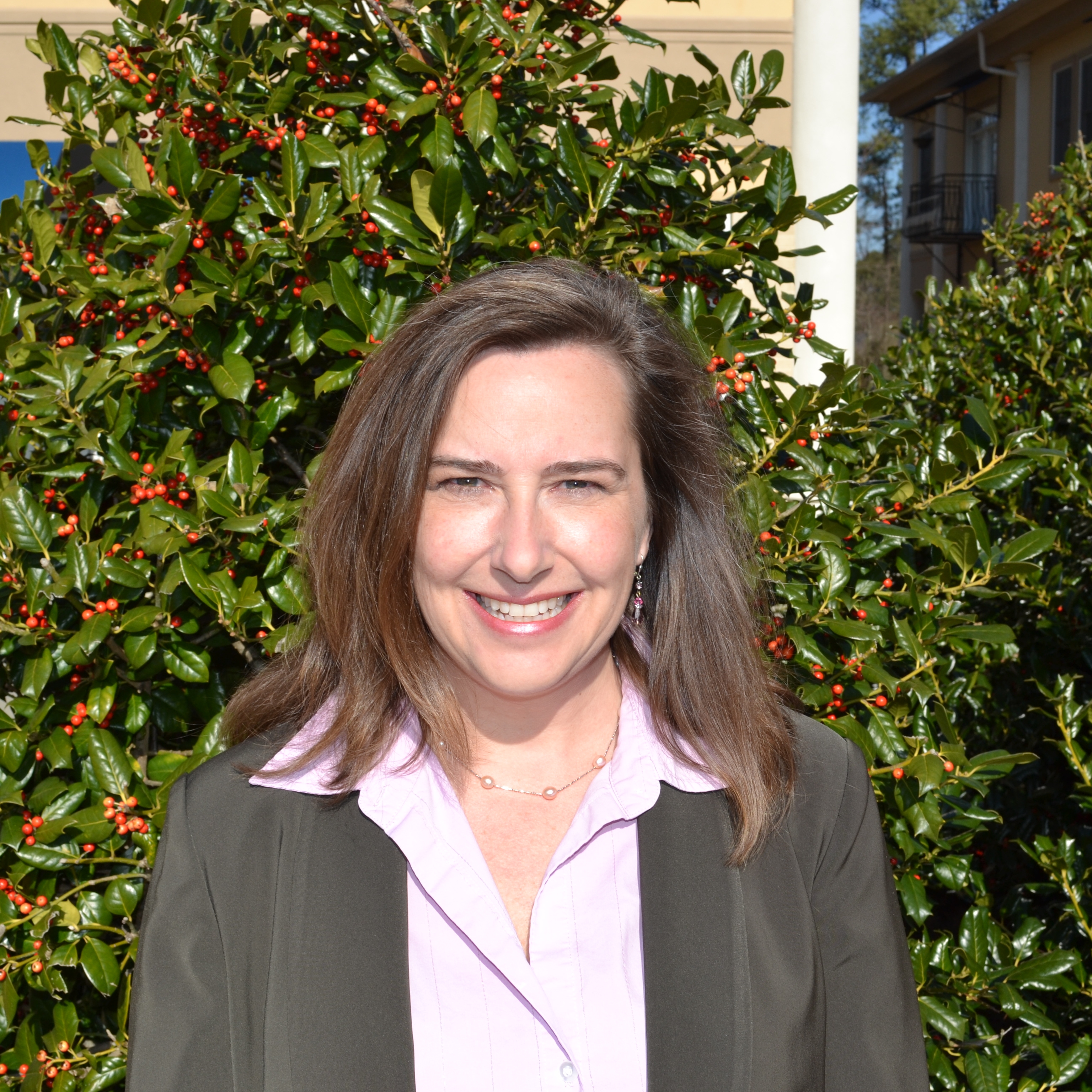
In therapy, I help people become personally more effective to create more successful lives. Since problems, history, strengths, and challenges vary between clients, I may approach this in a different way for different people to find what is most useful to them. We work together to find a resolution that works for each individual, couple, or family. I believe in the ability of every person to lead a happy, successful life, and know as human beings at times we each may need a helper to be successful in navigating life's challenges. I help people identify what a happy, successful life looks like to them, and then go about assisting them to develop a plan and the skills to achieve their vision. I am also a trained Child Psychologist and Child Specialist, and have extensive experience helping separating couples mediate child related divorce issues such as custody schedule parenting plan, and overall how to protect the children in the process.

Depression, stress, and anxiety often act as signs in our lives that we are in need of some form of change, however big or small. I don't doubt that you have been considering change long before seeking counseling and I congratulate you on taking another step. If you choose to work with me my first goal will be to get to know you. To the degree to which I can do that well I will do a much better job helping you. I am interested in what you've tried, what's not been working, and of course, what has been working. We may look at shifting thoughts, feelings, or sensations in the body. Scenarios, examples, times the problem has showed itself and times it has not, can all become important. It may be hard to imagine putting things into words or knowing where to start but I believe the most important thing is that we start somewhere.
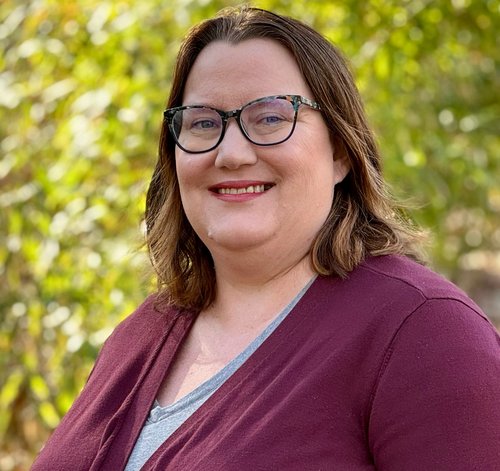
The folks who are most likely to get help in sessions with me are healing from any number of things: eating issues, diet culture, trauma, or just the act of living through some truly unprecedented times and experiences. Clients tend to benefit most from therapy when they are motivated to work on what matters to them, rather than something someone else has identified as a “problem,” and you will find someone who will honor that. I have recently joined NC Therapy Professionals, a group that shares my values. I am a Health at Every Size provider specializing in the care of folks with eating issues. I also have significant experience working with people who have experienced trauma. I can help you address things through eye movement desensitization and reprocessing (EMDR), dialectical behavior therapy (DBT), cognitive behavioral therapy (CBT), and acceptance and commitment therapy (ACT). I also use internal family systems (IFS)-informed interventions. I am extremely person-centered and trauma-informed, and I have a special affinity for fat clients and LGBTQ+ folks.

I am a Licensed Psychologist specializing in trauma therapy and posttraumatic stress (PTSD) therapy, offering online therapy statewide in North Carolina. Here, you’ll be seen, heard, and supported as we uncover the patterns that no longer serve you and create meaningful change. If you’re feeling overwhelmed, stuck, or unsure where to begin, you’re in the right place. I provide personalized trauma therapy and posttraumatic stress recovery treatment virtually across North Carolina that honors your lived experience and meets you exactly where you are, as well as a space for healing, growth and emotional wellness whether you’re: - Carrying the weight of past trauma or posttraumatic stress (PTSD) that still impacts your day-to-day life - Feeling drained by burnout or chronic stress, like you’re running on empty - Struggling with anxiety or depression that makes even small tasks feel heavy and seeking anxiety counseling - Navigating a major life transition such as a breakup or divorce, career change, relocation, or identity shift where you are feeling unsteady and need support - Grieving a loss or coping with traumatic grief that feels impossible to put into words, finding support through grief therapy - Wanting a supportive space to explore women’s issues, including boundaries, identity, self-worth, or empowerment - Looking for LGBTQIA+ affirming care where all parts of who you are are fully respected and welcomed Your healing deserves a space that feels safe, steady and thoughtfully tailored to you. I will walk alongside you as a trusted guide, helping you make sense of what’s happened, reconnect with your strengths and move forward at a pace that feels right for you. My 90-minute extended therapy sessions and specialized Cognitive Processing Therapy (CPT) intensives for trauma and posttraumatic stress are thoughtfully designed and uncommon in most practices. They give the necessary space for trauma work that truly moves you forward. This intentionally curated approach allows for the time and depth required to process experiences fully without feeling rushed or fragmented. It helps address what’s holding you back and keeping you stuck and build resilience for sustained growth in a way that fits your life and your goals. Our work goes beyond simply talking through what’s happened. It is structured, focused and designed to create real change. Together, we focus on understanding how your experiences continue to shape your thoughts, emotions and patterns and intentionally work to shift them. This creates space for both insight and meaningful resolution and allows you to move forward with greater clarity, stability, and a stronger sense of control. Please feel free to contact me via phone or email, complete the inquiry submission form on my website, or schedule your free 15-minute consultation call through my online scheduler to get started. I look forward to partnering with you on this transformative and healing journey you are more than worthy of!
The therapists listed are members of GoodTherapy and pay us a membership fee which helps support our services. By using this site you signify your assent and agreement to our terms of service.
Find a Therapist in Chapel Hill, NC
Living in Chapel Hill offers many advantages, from the vibrant university atmosphere to the natural beauty of the North Carolina Piedmont. However, balancing academic pressures, career demands, and personal relationships in this dynamic college town can create unique stressors.
Whether you're a UNC student facing academic anxiety, a professional managing work-life balance, or a family navigating life transitions, seeking mental health support is a sign of strength and self-awareness.
Since 2007, GoodTherapy has been dedicated to connecting people with ethical, compassionate therapists who prioritize your dignity and respect. Our mission is to break down barriers and build bridges to accessible mental healthcare throughout Chapel Hill and the greater Triangle area.
Mental Health Support in Chapel Hill
Chapel Hill residents often seek therapy for anxiety, depression, relationship challenges, and work-related stress. The fast-paced academic environment, combined with the pressures of a competitive job market in the Research Triangle, can contribute to burnout and emotional overwhelm.
The town's diverse population, including international students and faculty, creates a rich cultural tapestry but can also present unique challenges around cultural adaptation and identity. Local therapists understand these dynamics and offer culturally sensitive care that honors your background and experiences.
Seasonal factors, including North Carolina's humid summers and occasional severe weather events, can also impact mental health. Many therapists in Chapel Hill are experienced in addressing seasonal mood changes and weather-related anxiety.
Therapy Approaches Available in Chapel Hill
Chapel Hill therapists utilize evidence-based approaches tailored to meet your specific needs. Understanding different therapeutic methods can help you make an informed choice about your care.
Cognitive Behavioral Therapy (CBT) helps identify and change negative thought patterns that contribute to anxiety and depression. This approach is particularly effective for students and professionals dealing with performance anxiety and perfectionism.
Solution-Focused therapy emphasizes your strengths and resources, helping you develop practical strategies for achieving your goals. This approach works well for individuals navigating career transitions or academic challenges.
Psychodynamic therapy explores how past experiences influence current relationships and behaviors, offering deeper insight into recurring patterns that may be holding you back.
Dialectical Behavior Therapy (DBT) teaches emotional regulation skills and is especially helpful for managing intense emotions and improving interpersonal relationships.
Specialized Services
Many Chapel Hill therapists offer specialized services including couples counseling, family therapy, trauma treatment, and support for LGBTQ+ individuals. Some practitioners also provide services in multiple languages to serve the town's diverse international community.
Finding Your Right Therapeutic Match
GoodTherapy's directory makes it easy to find a therapist who meets your specific needs and preferences. You can search by specialty, insurance accepted, therapy approach, and other important factors.
What to Consider in Your Search
Consider factors like location convenience (downtown Chapel Hill, near campus, or in surrounding neighborhoods), scheduling flexibility, and whether you prefer in-person or telehealth options. Many therapists offer evening and weekend appointments to accommodate busy academic and work schedules.
Take time to review therapist profiles and don't hesitate to contact potential providers with questions. The right therapeutic relationship is built on trust, understanding, and mutual respect.
Making Therapy Affordable
Many Chapel Hill therapists accept insurance and offer sliding-scale fees to make mental healthcare accessible. University students may have access to counseling services through UNC, while employees of major Triangle employers often have Employee Assistance Programs (EAPs) that provide free sessions.
Don't let cost concerns prevent you from seeking support. Contact therapists directly to discuss payment options, including payment plans and reduced-fee slots. Understanding the benefits of therapy can help you view it as a valuable investment in your wellbeing.
Expanding Your Search
If you're having difficulty finding the right fit in Chapel Hill, consider expanding your search to nearby communities. The Triangle area offers many qualified therapists within a reasonable driving distance.
Taking the First Step
Seeking therapy demonstrates courage and commitment to your mental health. Whether you're dealing with stress, relationship issues, or simply want to grow personally, professional support can provide valuable tools and insights.
At GoodTherapy, we believe all people are capable of change and deserve dignity and respect in their healing journey. Learn more about what therapy involves and take the first step toward finding support in Chapel Hill today.
Related Resources
- Understanding different therapeutic methods
- find a therapist
- Understanding the benefits of therapy
- Learn more about what therapy involves
Find Therapists in Nearby Cities
Frequently Asked Questions
How do I find a therapist near me in Chapel Hill, NC?
Use GoodTherapy's directory to search for licensed therapists in Chapel Hill by specialty, insurance accepted, and location. You can filter results to find providers near UNC campus, downtown Chapel Hill, or in surrounding neighborhoods that are convenient for you.
What types of therapy are offered in Chapel Hill, NC?
Chapel Hill therapists offer various evidence-based approaches including Cognitive Behavioral Therapy (CBT), Solution-Focused therapy, Psychodynamic therapy, and Dialectical Behavior Therapy (DBT). Many also provide specialized services like couples counseling, family therapy, and trauma treatment.
How much does therapy cost in Chapel Hill, NC?
Therapy costs in Chapel Hill vary depending on the provider and whether you use insurance. Many therapists accept insurance plans and offer sliding-scale fees. UNC students may have access to campus counseling services, and some employers provide Employee Assistance Programs with free sessions.
Can I find therapists who accept insurance in Chapel Hill, NC?
Yes, many Chapel Hill therapists accept major insurance plans including Blue Cross Blue Shield, Aetna, and Cigna. Use GoodTherapy's directory filters to find providers who accept your specific insurance plan, or contact therapists directly to verify coverage.
What mental health issues do therapists in Chapel Hill commonly treat?
Chapel Hill therapists commonly treat anxiety, depression, relationship challenges, academic stress, work-life balance issues, and cultural adaptation concerns. Many also specialize in areas like trauma recovery, LGBTQ+ issues, and support for the diverse international community in the area.