 The Diagnostic and Statistical Manual of Mental Disorders serves as the “bible†of mental health practitioners, who rely on it to match diagnostic criteria with behaviors. The American Psychiatric Association periodically examines trends in mental health conditions and recent scientific evidence to revamp the criteria. The latest edition, the DSM-5, is slated for release in May 2013, and the APA recently approved several changes.
Among the new diagnoses is excoriation, which is associated with chronic skin-picking. The issue is most common among women between the ages of 30 and 45. It’s classified as an impulse control disorder and is related to obsessive compulsion.
[fat_widget_right]
What Is Excoriation?
Although excoriation disorder is the name of the new “official†diagnosis, the issue has been studied for years—sometimes called neurotic excoriation, compulsive skin-picking, dermatillomania, and psychogenic skin-picking. The issue was not included in previous editions of the DSM because it is believed to sometimes be a symptom of another issue.
Skin-picking is common among people with autism spectrum as well as obsessive compulsion. When it does not co-occur with another issue, however, it qualifies for its own diagnosis. Symptoms of the issue include compulsive skin-picking that leads to injuries or wounds as well as stress. Skin-picking is relatively common. Some people pick their skin to the point of bleeding or pain by popping pimples, picking at hangnails, or peeling scabs.
Controversy Surrounding Diagnosis
Whenever the APA adopts new diagnoses or symptoms, there is always some controversy, and excoriation is no exception. Although the diagnosis has received considerably less attention than some other changes, some mental health experts have expressed concern. Because excoriation often is a symptom of an underlying issue, a separate diagnosis might stigmatize people by giving them multiple diagnoses when only one is necessary.
Some clinicians have argued that excoriation does not meet the criteria for a mental health diagnosis and is more akin to a habit. By creating diagnostic criteria for a habit, the DSM might eventually have to include other habits. However, excoriation does sometimes occur on its own, and people with the condition can experience considerable distress, so the APA opted to include it.
How Excoriation Is Treated
When compulsive skin-picking occurs, it’s important to rule out a potential medical cause such as allergies or infection. Occasionally, skin conditions can superficially resemble symptoms of excoriation. Further, excoriation can cause dermatological problems, so patients frequently need dermatological treatment along with mental health treatment.
Antidepressants are the first line of treatment for excoriation. Opioid antagonist medications, which interfere with the body’s ability to respond to endorphins and opioids, also are sometimes effective. Because compulsive skin-picking often co-occurs with anxiety, anti-anxiety medications can be helpful.
Psychotherapy that helps people develop better approaches for dealing with anxiety, enables them to develop better impulse control, and helps patients cope with changes to appearance as a result of excoriation is also a typical part of treatment.
References:
- American Psychological Association. APA concise dictionary of psychology. Washington, DC: American Psychological Association, 2009. Print.
- Brauser, D. (2012, December 3). Experts react to DSM-5 Approval. Medscape Reference. Retrieved from http://www.medscape.com/viewarticle/775526
- Colman, A. M. (2006). Oxford dictionary of psychology. New York, NY: Oxford University Press.
- Neurotic excoriations. (2012, June 27). Medscape Reference. Retrieved from http://emedicine.medscape.com/article/1122042-overview
- Neurotic excoriation. (n.d.). SkinPick. Retrieved from http://www.skinpick.com/neurotic-excoriation
 After decades of intense and relentless criticism by advocacy groups, gender identity disorder will finally disappear from the fifth edition of the Diagnostic and Statistical Manual of Mental Disorders. Many transgender and gender nonconforming individuals have been diagnosed with gender identity disorder, but this diagnosis can contribute to the pathologization of gender nonconformity–which is not a mental health condition. Gender dysphoria, the diagnosis replacing GID, attempts to reduce stigma and prevent pathologization by focusing on the incongruence between an individual’s actual gender and the gender assigned at birth.
Gender Identity Disorder vs. Gender Dysphoria
The American Psychological Association has incorporated a number of significant changes into the latest revision of the DSM to differentiate gender dysphoria from the previous diagnosis of GID. Some of the diagnostic criteria remain the same, but while the diagnostic criteria for GID placed more emphasis on an individual’s behavior and outward manifestations of gender, gender dysphoria primarily takes into account the sense of incongruence between the gender assigned at birth and actual gender identity, and any associated feelings of distress, whether these feelings occur as a result of body dysphoria or social dysphoria.
Under diagnostic criteria for GID, a person assigned female at birth who engaged in stereotypically masculine behavior or dressed in stereotypically masculine clothes met some of the criteria for GID. However, the person in this scenario would not be diagnosed with gender dysphoria without also experiencing a sense of incongruence between the gender assigned at birth and the gender actually identified with. [fat_widget_right]
Reasons for the Changes
As people become increasingly aware of gender-related issues, there has been a strong push to avoid pathologizing those who are transgender or gender nonconforming. Many mental health professionals and transgender rights advocates have pushed to remove any form of gender nonconformity as a mental health diagnosis, but others argue there are benefits to leaving some form of diagnosis in the DSM.Â
Individuals who have a gender identity that differs from the gender assigned at birth may choose to pursue hormone treatment or gender confirmation surgery to align their physical characteristics with their gender. Doctors who prescribe hormones or perform gender confirmation surgery may not do so without an associated diagnosis from a mental health professional, and many insurance companies will not cover any part of the surgery if the individual seeking surgery or hormones has not been diagnosed. Thus, removing the diagnosis from the DSM entirely may effectively bar a number of people who wish to physically transition from doing so.
Gender Dysphoria as a Diagnosis
Many transgender rights activists have pointed out the potential harm in diagnosing people with a mental health condition based on gender identity.  The inclusion of gender dysphoria as a diagnosis aims to reduce stigma and harm by removing some of the emphasis on gender nonconformity and providing a diagnostic term that instead places more focus on the ways gender incongruence can impact an individual. Transgender and gender nonconforming individuals diagnosed with gender dysphoria may experience feelings of distress or discomfort with certain of their physical characteristics, feel as if they are in the wrong body, or experience distress when others misgender them or call them by the wrong name.
The DSM-5 will give gender dysphoria its own chapter, in recognition of the fact that it is not a sexual dysfunction, a paraphilic disorder, or a mental disorder of any kind.
Some critics, however, believe the new diagnosis does not go far enough to reduce stigma or the view of gender nonconformity as a mental health condition. Diagnostic criteria still use phrasing such as “desire to be of the other gender/some alternative gender” and largely emphasizes “thinking” or “feeling” like “the other gender,” which may not accurately reflect the knowledge transgender individuals have of their true gender and may also reinforce the false concept of a gender binary. However, the DSM-5 does include some language supporting the broader, now widely upheld idea of a gender spectrum.
Though the new diagnosis of gender dysphoria may not completely eliminate stigma toward transgender individuals, this change is largely considered to be a significant improvement over the diagnosis of GID and a positive step forward in health care for those who are of a different gender than the one assigned at birth and who may experience distress as a result.
References:
- Beredjick, C. (n.d.). DSM-V to rename gender identity disorder gender dysphoria. Advocate. Retrieved from http://www.advocate.com/politics/transgender/2012/07/23/dsm-replaces-gender-identity-disorder-gender-dysphoria
- Decuypere, C., Knudson, G., & Bockting, W. (n.d.). Response of the World Professional Association for Transgender Health to the proposed DSM-5 criteria for gender incongruence [.PDF]. World Professional Association for Transgender Health.
- Lowder, J. B. (n.d.). Being transgender is no longer a disorder. Slate Magazine. Retrieved from http://www.slate.com/articles/health_and_science/medical_examiner/2012/12/dsm_revision_and_sexual_identity_gender_identity_disorder_replaced_by_gender.html
- Winters, K. (n.d.). The proposed gender dysphoria diagnosis in the DSM-5. GID Reform Weblog by Kelley Winters. Retrieved from http://gidreform.wordpress.com/2011/06/07/the-proposed-gender-dysphoria-diagnosis-in-the-dsm-5
 Thought distortions are common thinking “crutches,†or thinking habits, we fall into despite the lack of reality and truth in the thought. There are 10 common thought distortions we can all be victim to, according to Dr. David Burns, author of the self-help book Feeling Good: The New Mood Therapy. This article will address how common thought distortions can impede our sensual and sexual selves.
It is my belief that we are sensual and sexual beings throughout our life span; however, thinking patterns develop that can impede this essential part of the human experience. Falling into a pattern of thought distortions without being aware of them can prevent us from fully embracing our health and relationships.
The aforementioned 10 common thought distortions, as outlined by Burns, are as follows:
- All-or-nothing thinking impedes sensuality and sexuality when, for example, we believe we must have “fireworks†sex in order for a sexual encounter to be worthwhile. According to Metz and McCarthy, only 40% to 60% of “well-functioning, satisfied married couples†surveyed report good-quality sex, and sometimes for only one partner. So if you are waiting for the perfect timing—when you aren’t tired or stressed, or when your to-do list is minimal—to engage in intimacy, start breaking this thinking habit and get reconnected.
- Over-generalizations come in the form of “always†and “never†thinking. When this distortion is applied to sensuality and sexuality, it may create unrealistic expectations. You may think or hear phrases such as, “You always want to have sex, that’s all you want from me,†or, “You are never romantic.†Over-generalizations create undo resentment and distance between intimate figures.
- The “mental filter†gets us stuck dwelling on the negative details and filters out the positive of a situation or experience. This thought distortion promotes selectively abstracting facts, which makes for a challenge to emotional intimacy, sensuality, and sexuality. An example of a mental filter is when a person fails to see gestures of attention and romance. Sure, shoveling the walk for you or ensuring the dog is walked isn’t what fairy tales and romance movies are made of, but if we didn’t filter these gestures, could they be acts of attention and romance or other wants and needs? Another example of a mental filter that can impede our sensual and sexual selves is not engaging in a bid for sexual engagement because the last time you wanted sex, your partner wasn’t interested. Don’t allow your mental filter the power to filter out the other times your bids for sexual engagement were responded to.
- Disqualifying the positive is a thought distortion that converts compliments or positive gestures into “flukes†or merely an anomaly, whereas any negative feedback or gesture is proof of one’s negative attributes. This is a good example of why it is important to do our own work as individuals and ensure we are showing up in a relationship with an understanding of ourselves. If we rely only on relationships, intimate partners, or sexual experiences to fortify our positive self-image, we may be more susceptible to this thought distortion.
- Jumping to conclusions. This thought distortion is evident when we think we know what someone is thinking—“mind readingâ€â€”and then we interpret the person’s (assumed) thoughts as what someone is feeling. Take this example: A man jumps to a conclusion about his partner’s thoughts regarding love: “I know I’m not as exciting in bed as I used to be, so you aren’t in love with me as much as you used to be.†How impactful to be operating in a relationship with such a serious false conclusion. What about this set-up allows for emotional or physical intimacy?
- Magnification and minimization. Commonly described as the “binocular trick,†in which we exaggerate our errors, mistakes, and imperfections while we see our strengths as small, unimportant, and insignificant. The common result of this thinking habit is to feel inferior or inadequate. How much do thoughts of being “not a good enough (fill-in-the-blank)†keep us from fully embracing our sensual and sexual selves?
- Emotional reasoning is the thought distortion we engage in when our emotions are the truth, reality, and facts of a situation. When we engage in emotional reasoning, we do not challenge our emotions and we allow them to guide us as if they are facts. Consider this: A single parent feels lonely and isolated. Emotional reasoning enters the picture when the experience of loneliness and isolation is “proof†that this person is undateable, unattractive to anyone, and certainly not a sexual and sensual god/goddess. See how the cycle feeds itself? Emotions are not always related to the facts.
- “Should†statements are fiercely common. “Should†statements are used as motivators; the cause that pressures us to act, which often results in resentment. In addition to resentment, “should†statements can result in apathy, reduced motivation, frustration, self-loathing, shame, and guilt. When we apply “should†to others, we can be left feeling bitter, self-righteous, and perhaps let down. As a sex therapist, I am often asked, “How often should my partner and I have sex?†or, “Should do stuff I don’t really want to do to make him/her happy?†“Should†statements are pressure and energy-draining. Talking in “wants/needs/desires†is far more holistic in and outside the sensuality and sexuality realm.
- Labeling and mislabeling is another common thought distortion that can be considered extreme over-generalization (see No. 2). “I am a (fill-in-the-blank): messy person, bad person, liar, good person, perfect person, loser, better person than her, worse person than him …†How are the labels you give yourself and others, or your relationship, impeding your sensuality and sexuality?
- Personalization creates guilt and forces us into a role of taking responsibility for the negative. When we engage in personalization, we think what happens reflects on our own inadequacy. This is a high sense of responsibility for something we may have influence over but are not in control of. Whether we are in a relationship or not, as with all of these thought distortions, we are susceptible to personalization. Personalization is a small wound we inflict on ourselves through our own thinking. By forcing ourselves into a role of taking responsibility for the negative, we are not basking in the positivity and light of our sensuality and sexuality.
So what is a person to do? The first step toward any change is awareness, so I advise you to read the preceding list a number of times. Next, start observing your own thought processes and challenge yourself to alter your thinking in order to positively impact your intimacy and your relationships with others—as well as your sensual and sexual self.
Depression coupled with severe anxiety represents an often-debilitating psychiatric condition. Treatment is frequently a challenging proposition, marked by repeated trial and error. No two people are alike, and reactions to specific medications run the gamut from successful remission of symptoms to no effect whatsoever. In other cases, side effects may be so severe that someone is forced to discontinue a medication.
Severe mood issues and constant worry often lead to pronounced physical symptoms. Severe anxiety, for example, is well known to cause gastrointestinal complaints. Unfortunately, many of the most commonly prescribed antidepressant medications have stomach upset or nausea as one of their known side effects.
Sinequan (doxepin) is an older variety of antidepressant medication that has fallen out of favor because of its broad side effect profile. However, at low doses, these side effects mostly disappear. A pair of case studies demonstrated that a standard antidepressant such as Zoloft (sertraline), combined with low doses of Sinequan, offered noticeable improvements to both depression and anxiety without stomach upset. Both of these individuals had tried and failed with nearly every antidepressant and anti-anxiety medication on the market. Side effects or lack of noticeable benefit was the consistent result, regardless of treatment method.
Even combination treatments proved ineffective. Studies have shown that repeated non-remission of severe depression predicts a negative outcome. Therefore, discovering an effective treatment in these difficult cases is especially important.
Based on previous research findings, attending physicians in these case studies surmised that Sinequan would reduce or eliminate gastrointestinal symptoms at low doses. In the absence of nausea and stomach upset, the patients would be less inclined to discontinue their antidepressant regimen. Furthermore, the low dosage would avoid the most troubling of Sinequan’s side effects, such as drowsiness, weakness, and dry mouth. At regular doses, Sinequan has been known to cause nausea. The dosages in these case studies, however, were far below standard prescription levels.
For the people involved, remission of their gastrointestinal symptoms was instrumental in alleviating both their depression and anxiety. Further research will determine if low-dose Sinequan is applicable in a wider range of cases. The primary concern is with the safety of the medication, particularly in elderly patients or those with a long history of unsuccessful treatment.
References:
- Doxepin – PubMed Health. (n.d.). National Center for Biotechnology Information. Retrieved March 28, 2012, from http://www.ncbi.nlm.nih.gov/pubmedhealth/PMH0000668/
- MacLean, L., & Ahmedani, B. (2011). Sertraline and Low-Dose Doxepin Treatment in Severe Agitated-Anxious Depression With Significant Gastrointestinal Complaints:Two Case Reports. The primary care companion to CNS disorders, 13(4). Retrieved March 28, 2012, from http://www.ncbi.nlm.nih.gov/pmc/articles/PMC3219524/?tool=pmcentrez
 Evidence has shown that not only are many children with autism spectrum (ASD) highly intelligent, demonstrating creative and cognitive abilities that far exceed those of their non-ASD peers, but autistic children are also better able to process details than other children. In many tests, autistic children outperform their peers on local processing tasks, or tasks that require identification of parts of a whole. This is especially true when there are clear delineations between the individual segments of a global picture. When there is less distinction, the ASD children tend to perform equal to that of their non-ASD peers. Some researchers believe that this local processing skill is a trait of ASD and accounts for the high levels of artistic talent among children with ASD. But Jennifer E. Drake of the Department of Psychology at Boston College hypothesized that perhaps this local processing strength is a trait of artistic talent and not exclusive to individuals with autism.
To test her theory, Drake enlisted 30 children, half of whom had ASD, for a drawing and visuospatial test. She used the Block Design Task and the Group Embedded Figures Test to determine local processing, and also had the children create still life drawings. She found that the children with more drawing talent had higher levels of local processing abilities, regardless of whether they had ASD or not. Drake also noticed that the tests she administered were more predictive of drawing talent than they were of ASD. In other words, tests that are sometimes used to identify ASD traits in children may actually be indicating artistic abilities and not autistic tendencies.
Drake believes that her findings have significant clinical implications. Many children are assessed for autism at a very young age. It is at this time that strengths first appear as well, including artistic strengths. She believes it is possible that many young children with strong local processing abilities may actually be exhibiting artistic strengths when they take these types of tests. In the absence of global deficits, these children may not be demonstrating true characteristics of autism. “Thus, the superior local processing seen in ASD may be due to the drawing talent so often present in those with ASD,†Drake said. But Drake cautions that any deficits or strengths that are outside of the normal range should not be ignored in young children, especially if the children exhibit other reasons for concern.
Reference:
Drake, J. E. (2012). Is superior local processing in the visuospatial domain a function of drawing talent rather than autism spectrum disorder? Â Psychology of Aesthetics, Creativity, and the Arts. Advance online publication. doi: 10.1037/a0030636
 Nicole is 16, and Ethan is 14. Their father, Jack, has battled brain cancer for the past two years. Jack was told recently that further treatment had a less than 10% chance of being successful. Jack wants to enjoy whatever time he has left feeling good and not being wiped out by chemotherapy. While no one wants to say it out loud, it’s clear that this will be Jack’s last Christmas (please substitute Hanukkah, Kwanzaa, etc., as appropriate).
How is Jack’s family supposed to come to terms with this? It can’t possibly be true. After the shock and complete denial subside, the painful reality begins to sink in. A flood of emotions comes with this realization, with profound sadness and anger often topping the list. It’s harder to face if your loved one is young and he or she has young children. The holidays speak of possibilities and are supposed to be a magical time for children; belief is suspended, and all holiday stories have happy endings.
The first step in dealing with this situation is to acknowledge that this will be someone’s last Christmas. Just saying that out loud will address the elephant in the room and help to decrease the stress that family members have been carrying internally. There will be tears, to be sure, but then the family can begin the process of grieving this sad reality together, rather than each member trying to deal with it alone. It is often the case that people don’t share their feelings with each other because they don’t want to be a burden, or want to protect the other person. In reality, family members are usually feeling at least some of the same things: fear, sadness, anger, and disbelief, to name a few.
After getting the topic out in the open, it’s time to think about how you want to celebrate this year. Don’t hold on to traditions if they don’t feel right. If you usually decorate your house to the rafters and host a cocktail party and an open house, it’s perfectly fine to do only some, or none, of those things this year. Every year, we all search for ways to make the holidays less commercialized and more significant. This year, it is especially important to ask yourself what makes the holidays meaningful for your family and your loved one. It may be as simple as sitting on the couch with a cup of eggnog and looking at the lights on the tree. Watching Christmas movies. Listening to Christmas music. Going to a lights display. If your loved one is too ill to go out, he or she may still enjoy the experience by seeing photos of what others have done.
The person who is ill can give the gift of memories to those he or she will be leaving behind by writing letters or creating videos. If you are a parent, your children will one day be interested in what your life was like when you were young/their age. What words of wisdom do you have for them when they get their first boyfriend/girlfriend? Graduate from high school? Get their first job? Get married? Have a child? For some people, it is too daunting to consider making videos/writing letters; it puts them face to face with their own mortality too directly. In that situation, I suggest trying to think about it from your child’s point of view, not your own. The reality is that all of us will die, but not all of us will have the opportunity to choose how we spend the time we have left.
“It is not the magnitude of our actions but the amount of love that is put into them that matters.†—Mother Teresa
 In the spectrum of human emotions, jealousy is almost certainly one of the most complex, frustrating, and uncomfortable. This cocktail of anger, sadness, suspicion, and envy can destroy relationships, cause bouts of depression and anxiety, and even lead to serious violence or—in extreme cases—homicide. While jealousy and envy are sometimes used synonymously, jealousy refers to the fear of losing someone or something you value, while envy is resentment over something you don’t have but want. Jealousy is probably a hard-wired emotion that humans have developed through evolution. Evolutionary psychologists have written extensively about the role jealousy plays in mating strategies. But even emotions with genetic underpinnings only manifest in certain environments, and there are several factors that make jealousy more likely to surface.
Fear of Being Replaced
People don’t normally experience jealousy unless they feel threatened by another person or entity. Sibling jealousy is usually caused by a child’s fear that the parents will replace him or her with a new sibling or love another sibling more. In romantic relationships, jealousy is typically triggered by a third party. The third party doesn’t have to actually pose a threat; the mere perception of a threat is enough to get the wheels of jealousy turning.
Individual Psychological Factors
Like almost every other emotion and relationship problem, jealousy is heavily affected by individual factors. Past experience can increase a person’s likelihood of being jealous. An adult whose parents modeled jealousy may tend more toward jealousy, and a person who has been betrayed by a lover might be more prone to suspicion. Traits such as anxiety can also affect jealousy. People who tend to worry a lot are more likely to worry about losing a loved one.
Relationship Quality
Some people are more prone to jealousy than others, but virtually everyone is more jealous in an unstable or unloving relationship. After all, jealousy is centered on the fear of losing someone. If you’re unsure of your spouse’s love or your child is unclear whether you love him or her as much as a new sibling, jealousy is much more likely to become explosive. Indeed, in relationships that are already troubled, jealousy may be the final nail. Because jealousy is heavily influenced by the quality of a relationship, practicing loving communication and taking time out for one another is an excellent way to protect against severe jealousy.
The unique dynamics of a relationship can also affect jealous feelings. When there’s a mismatch in relationship styles, it can be a recipe for jealousy. Attachment plays a significant role in jealousy, and people with insecure attachment styles can be more jealous than people who are securely attached. For example, a husband who needs a lot of attention and reassurance might be more prone to jealousy if his wife tends to like her personal space. A highly social husband might make his more introverted wife jealous, particularly if she’s not used to having the large number of close relationships he has.
Preventing Jealousy
Jealousy is not always a negative emotion. It can alert you to a deficit in your relationship and help you become mindful of potential outside threats. After all, sometimes you really are in danger of losing your mate. But when jealousy takes over or occurs for no apparent reason, it can be highly destructive. Couples experiencing problems with jealousy may benefit from couples therapy. Other ways to minimize jealousy include:
- Talking directly and openly about feelings
- Discussing strategies to minimize jealousy
- Practicing honesty in interpersonal relationships
- Examining whether the jealousy is caused by external or internal factors
- Working to improve lacking elements within the relationship
- Taking time to make the other person feel special and valued
References:
- Allen, J. (2000). Romantic jealousy: The role of attachment style and social comparison processes in the violent expression of romantic jealousy. Leicester: University of Leicester.
- Springer, S. (n.d.). Jealousy is a dangerous sword. Clinical Psychology Associates. Retrieved from http://cpancf.com/articles_files/jealousyinrelationships.asp
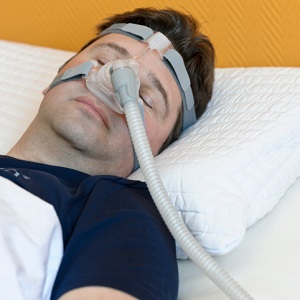 Sleep apnea is an issue that causes pauses in breathing throughout the sleep cycle. This issue can cause people to awaken frequently, snore loudly, and experience disturbances in their dreams. The condition is potentially life-threatening because it can interfere with the brain’s oxygen supply.
But people experiencing sleep apnea aren’t just stuck dealing with its physical effects. They may also experience mental health challenges.
Depression
A study by the Centers for Disease Control and Prevention found that people with sleep apnea were more likely to experience depression than people in the general population. Disturbances in sleep can affect mental health, and the stress of having a serious medical condition is sufficient to send some people into depression. But sleep apnea is particularly likely to interfere with mental health because of the reduced oxygen supply to the brain at night, which can alter brain functioning and thus increase a person’s likelihood of developing depression.
Anxiety
The fact sleep apnea affects people while they’re sleeping—a time when people are supposed to be at peace—can be particularly jarring. Some people have to wear special masks connected to continuous positive airway pressure (CPAP) machines to ensure that they breathe normally throughout the night, and the threat of breathing problems can cause severe anxiety. This anxiety, in turn, may make sleep problems worse, and sleep deprivation can contribute to both depression and anxiety, a vicious cycle for people with sleep apnea.
Relationship Problems
For many people, the first sign that they have sleep apnea is a spouse’s complaints about snoring. Even extremely supportive spouses might not want to listen to a person with sleep apnea snore all night, and some people with the condition end up sleeping in separate bedrooms. This can decrease opportunities for intimacy and increase relationship dissatisfaction, contributing to stress for both parties.
Changes in Dreams
Many mental health professionals believe dreams are an opportunity to process the events of the day and to encode memories. Dreams also provide a testing ground for anxiety-inducing scenarios, long-term goals, and everyday interactions. Because people with sleep apnea awaken frequently, they may be unable to enter the rapid eye movement (REM) sleep that is necessary for dreaming. Among people who do not enter or remain in REM sleep, there may be a number of mental health problems, ranging from anxiety to difficulty with memory.
Cognitive Impairment
If you can’t sleep, can’t dream, and are worried about a chronic medical condition, it’s not surprising that you might have difficulty concentrating. People with sleep apnea may be exhausted during the day and have trouble focusing on important tasks, including job-related activities. Sleep problems can alter mood, making people with sleep apnea jumpy or quick-tempered, and making it more difficult for them to navigate the challenges of everyday life.
Many of the problems associated with sleep apnea are interconnected, and stress during the day can make sleep apnea worse at night. There are effective treatments, though you might have to try several approaches before something works. If you have sleep problems, consult your doctor.
References:
- Lyon, L. (2009, August 24). 7 things that make sleep apnea worse. US News. Retrieved from http://health.usnews.com/health-news/family-health/articles/2009/08/24/7-things-that-make-sleep-apnea-worse
- Sleep and mental health. (n.d.). Harvard Health Publications. Retrieved from http://www.health.harvard.edu/newsletters/Harvard_Mental_Health_Letter/2009/July/Sleep-and-mental-health
- Sleep apnea can cause depression. (n.d.). New Technology Publishing, Inc. Retrieved from http://www.healthyresources.com/sleep/apnea/articles/depress.html
Childhood anxiety is a serious but often undiagnosed condition. Separation anxiety, social phobia and generalized anxiety are among the most common mental health issues affecting children and adolescents. Anxiety in childhood often predicts the occurrence of such problems later in life.
Identifying and treating anxiety and other mood disorders at early as possible is therefore an important goal of psychiatric research. Undiagnosed mood issues represent a large public health burden and result in a poor quality of life of those affected. The standard treatments for childhood anxiety are antidepressant medications and cognitive behavioral therapy.
Zoloft (sertraline) belongs to the class of antidepressant medications known as selective serotonin reuptake inhibitors (SSRIs), and researchers have identified it as the medication of choice for treating most instances of childhood anxiety. Compared with similar medications, Zoloft offers the greatest benefit to anxiety sufferers with the lowest incidence of adverse side effects. However, as with many antidepressant medications, there is a small risk of suicide or self-harm in children and young adults at the start of a new drug regimen. Those with anxiety rather than depression are less likely to experience these effects. Children and adolescents should be assessed for suicide risk before beginning any antidepressant medication.
Several clinical trials have offered strong evidence that a combination treatment including Zoloft and cognitive behavioral therapy offers the most substantial improvement for children who have been diagnosed with anxiety issues. In one such study, 80% of participants receiving combination treatment saw significant improvement after 12 weeks. Researchers theorize that therapy and medication have a synergistic effect with one enhancing the effects of the other.
Regular therapy sessions also provide an opportunity for children and parents to report side effects from the children’s medication. In the previously mentioned study, both therapy and Zoloft alone also led to improvements on an anxiety rating scale that far outperformed placebo. Most importantly, participants receiving Zoloft did not report more adverse side effects than participants receiving placebo did, and none considered or attempted suicide.
When considering childhood anxiety, the rewards of effective treatment for outweigh the potential risks of medication. A combination of weekly cognitive behavioral therapy sessions and prescription of the antidepressant medication Zoloft seems to promise the best results for the greatest number of patients. As always, attending physicians must prescribe drugs like Zoloft cautiously, especially to children and adolescents.
References:
- Sertraline – PubMed Health. (n.d.). National Center for Biotechnology Information. Retrieved April 6, 2012, from http://www.ncbi.nlm.nih.gov/pubmedhealth/PMH0001017/
- Walkup, J.T., Albano, A.M., Piacentini, J., Birhamer, B., Compton, S.N., Sherrill, J.T., Ginsburg, G.S. et al. (2008). Cognitive behavioral therapy, sertraline, or a combination in childhood anxiety. New England Journal of Medicine, 359, (26), 2753-2766.
 The uninvited house guest often stays on well beyond the point of “wearing out his or her welcome.†Likewise, for many people, chronic illness/disability is not a short-term inconvenience but rather a long-term, often permanent way of life. In the early stages of adaptation, the changes that happen in our lives and families may seem tolerable—at least while we still think there is a chance that the diagnosis is wrong or the cure is in the magic pipeline offered by big pharma.
Eventually, denial and bargaining give way to anger and depression. The uninvited guest is still ever-present, and no amount of cajoling or suggestions result in change. Bouts of anger may become a way of life for a while.
Anger
Many people flow in and out of anger and depression, rather than progressing neatly through one stage and into the next. It is often said that depression is anger turned inward, which makes expression of anger in a safe and effective way very important. Getting adequate support from formal and informal support networks is critical.
It is not unusual for tempers to flare and fuses to shorten during this period of adjustment. People who are typically long-suffering seem to be constantly on edge; those with fewer coping skills may be in a chronic state of agitation and irritability, if not outright rage. It often seems as if they are pushing away those who are closest to them at the time when they need them most.
Loved ones may unconsciously spend less time with the person who seems to find fault in their best efforts. Children are often left confused and afraid. Doctors and other providers frequently find themselves being blamed for their inability to help. This is all part of the process of adaptation.
While most people understand cognitively that their loved one is struggling and coping as well as can be expected, their own feelings of inadequacy and powerlessness may lead them to retreat on some level—if not physically, then emotionally. This often feels like abandonment to the person who is already overwhelmed by disability or illness. It is very important for caregivers and loved ones to be aware of their own feelings and find support.
Coping skills: Separate the person from the behavior. Try to remain aware of the real target for your anger—the illness or disability, not the person in your midst. Remember that we often treat those we love the most with the least respect; make amends as soon as possible if you do so. Give each other a break and extend the benefit of the doubt when possible. If your loved one treats you badly, remember that everyone is under extreme stress and doing the best they can at that moment. It is also good to remember that your caregivers and medical providers are probably not inadequate, but the resources they have to work with may be.
Caregivers and loved ones should speak up if they are being treated badly. Being sick is not an excuse to mistreat people, particularly if there is a pattern of abusive behavior developing. These behaviors need to be identified and discussed in a calm, loving way (not in the heat of the moment). This may require professional help, or perhaps the assistance of a minister or family friend who is not emotionally involved.
Most of the time, the person who lashes out or treats people badly feels guilty and needs the opportunity to make amends. For those who are unaware of how their behavior comes across, specific examples of the unacceptable behavior or hurtful/abusive language helps them develop a better awareness of their inappropriate behavior. In some cases, this is a manifestation of the illness or disability. In others, it may be the result of coping skills that are maxed out. Either way, left unattended, it usually gets worse. This is not the time to let conflicts and hurt feelings stack up. If you need help addressing these issues, ask your medical provider for a referral. Providers often have therapists or chaplains they work with who may be able to help.
Depression
Depression often occurs during the adaptation process, and may happen at other times or continue. Clinical depression can be very difficult to manage. It is more than sadness or disappointment; depression is a collection of symptoms that exist most days for two weeks or longer and create some level of impairment in daily functioning. The symptoms may include many of the following:
- sadness/tearfulness
- low energy or agitation/irritability
- loss of interest in things previously enjoyed
- problems with concentration/foggy thinking or trouble making decisions
- changes in sleep or eating patterns
- feelings of guilt or worthlessness
- thoughts of death or suicide/not wanting to live
- rumination/negative thinking
- others (physical pain, changes in motor skills, etc.)
If you or someone you know have four or more of these symptoms that are present for more days than not over a two-week period, talk to your medical provider about getting help.
There is also a type of depression called situational depression that is a normal reaction to a loss or change. Almost all people with chronic illness or disabilities and their loved ones experience this. The same symptoms are involved, but the symptoms may not be present most of the time, or may not be severe enough to impair your ability to function (relationships, work, taking care of your kids, etc.).
Situational depression can linger or become more serious after a while, becoming clinical depression. If the symptoms begin to impair functioning or last longer than a few weeks, it is wise to speak with a medical provider or therapist. People with situational depression are often able to experience periods of happiness when receiving good news, or other momentary reprieves from the darkness of depression. Those with clinical depression may be unable to experience even brief moments of relief when the situation calls for it.
The best treatment for depression is believed to be a combination of talk therapy, exercise (I know—it is very hard to exercise when you are depressed), a good diet, and medication, if deemed medically necessary. The right intervention for depression depends on which type of depression you are experiencing. For those with a few symptoms that are not present all the time, self-help may be sufficient. People with four or more symptoms that are present most of the time probably need to see a therapist and possibly a psychiatrist.
Anyone who is suicidal should seek professional help immediately. This national hotline is for people struggling with depression. The crisis line is staffed 24 hours a day by trained volunteers: 1-800-273-TALK.
Coping skills: I recommend that people talk with a therapist when dealing with situational depression and try to get as much activity in as possible. This may mean simply walking outside to get the mail, sitting on the porch for 20 minutes to have a cup of coffee or juice, watering the plants, or walking the dog. Sunshine is another natural remedy that increases vitamin D, which is often deficient in people who are depressed and those who do not go outside often. Eating properly is also critical, and there are natural supplements available at your local health store that may help with situational depression. Talk to your medical provider or therapist about these options.
Support groups and self-help groups can be very helpful. Groups provide a great resource for people living with chronic illness and disabilities and their loved ones. You can find online and local resources, and most are free. Many are affiliated with local hospitals or nonprofit agencies that serve people with chronic illness or disabilities.
If depression is serious enough to impair functioning, or you/your loved one has thoughts of suicide or not wanting to live, it is important to get professional help immediately. Start with your medical provider or therapist unless the person with depression has a plan to cause self-injury or death.
In situations where someone’s safety is at risk, call 911 or the local emergency number for your area, or take the suicidal person to the closest emergency room. Your role in the situation is not to intervene, but to get professionals involved as soon as possible. If the suicidal person is unwilling to go to the ER (or medical provider’s office during business hours) or you believe it may be unsafe to transport them, simply call for the emergency medical providers to come to you.
Don’t worry about the person who is suicidal being upset by your actions—when people are in crisis, they are usually not thinking clearly, so it becomes crucial for you to make good decisions on their behalf. The medical professionals who are trained to help in these situations will make the decisions once they arrive. This will likely mean that the person who is suicidal will be transported to the hospital for an evaluation, and may need to stay there for a few days until stabilized.
Again, it is not up to you to make that decision, only to make sure the person is safe until medical professionals can take over. It is a lot of responsibility and instills fear in most of us, but in the end, when your loved one is thinking rationally again, he or she will likely be grateful. If not, you will know that you have done what you needed to during the crisis.
Ongoing thoughts of suicide or not wanting to live need to be addressed with mental health and/or medical professionals regularly. Some states (Washington, Oregon, and Montana) permit medical professionals to participate in a well-thought-out, documented plan to end life (known as rational suicide), but most do not. Discussion of a patient’s end-of-life wishes should also be considered carefully and documented in a legal document for your specific state. Legal resources such as a living will specifically identify a person’s end-of-life wishes.
It is a good idea to talk about signing a consent form that allows you to discuss your loved one’s mental health (and physical) treatment with medical providers and therapists. This will enable you to enlist their help if depression becomes unmanageable or a crisis occurs. The consent can be relinquished at any time if the patient is considered to be of sound mind, and could be a great resource. Fortunately, resources are available to assist you in being prepared for a suicidal crisis should you need them.
There are many issues to be discussed regarding suicide, including family members’ thoughts and feelings about it. It is important to remember that euthanasia is against the law in all U.S. states, and assisted suicide with the help of a physician who prescribes a lethal cocktail after careful planning and documentation is legal only in Oregon, Washington and Montana. Legal professionals should be consulted if “rational suicide†is something you or a loved one is considering.
Adaptation
Using the analogy of the uninvited house guest, this is the period when people have settled into their routines and learned to live together with whatever adjustments are necessary. The initial period of adjustment after a disability or illness almost always requires going through each of the stages in the process outlined here. It can take a long time for some to arrive at adaptation, and not everyone in a family gets there at the same time. With some luck, a lot of support, good communication, and teamwork, the process will likely resolve in time for most people.
Unfortunately, surviving the initial period of adjustment does not ensure there will not be others. As mentioned earlier, people tend to get emotionally triggered when there are relapses or new symptoms/stages of the illness or disability occur. Triggering means that some reminder of the initial trauma (usually diagnosis or the actual accident or illness) sets off the same cascade of emotions experienced at the time of the original event.
Living in fear of a relapse or a change in physical status creates a certain amount of anxiety for everyone. The unpredictability of living with a chronic illness or disability will be the focus of our next article.
In the meantime, please share below how you have effectively coped with anger and depression.
Attachment bonds are formed at birth and continue to develop throughout an individual’s life. When children are young, they develop attachments to their caregivers, parents, and siblings. As they get older, they begin to form bonds with peers and friends. When a child enters adolescence and young adulthood, romantic partners enter the picture and new relationships are formed. Attachment styles vary from very secure to insecure, and from organized to disorganized. People can have attachment styles that are secure and organized, insecure and disorganized, or any variation of styles. For example, if a child is abused by a parent who provides financial and material support, they may have an insecure and organized attachment to that parent. Attachment bonds are believed to continue to influence an individual’s well-being throughout life. But it is unclear whether people have one general attachment style or form unique attachment styles for each relationship.
Angela Caron of the School of Psychology at the University of Ottawa in Canada wanted to find an answer to this question. In a recent study, Caron interviewed 2,214 participants ranging in age from 17 to 25. She asked them to describe their attachments to friends, parents, and romantic partners, and she also assessed their mental well-being. She found that overall, the participants had attachment styles that varied depending on the context of the relationship. Specifically, the participants had attachment patterns with their parents that were very different than those they had with friends or love interests. The attachment to parents was classified as secure or insecure and organized or disorganized, while romantic relationships fell into approach/avoidance categories. With friends and romantic partners, anxiety was an issue that affected attachment. Caron believes friendships and romantic relationships have similar characteristics in young adulthood and adolescence, thus the overlap in anxiety with respect to these attachment styles.
The results also revealed that attachment styles from parents had the most influence on adjustment and happiness despite the fact there are fewer child-parent interactions as children reach adulthood. “These results suggest that secure relationships with parents maintain crucial importance by contributing positively to psychological well-being,†Caron said. She hopes this study demonstrates how important and diverse young adult attachments are, and how they play a major role in well-being throughout the transition to adulthood and beyond.
Reference:
Caron, Angela, Marie-France Lafontaine, Jean-Francois Bureau, Christine Levesque, and Susan M. Johnson. Comparisons of close relationships: An evaluation of relationship quality and patterns of attachment to parents, friends, and romantic partners in young adults. Canadian Journal of Behavioural Science 44.4 (2012): 245-56.
Everyone has experienced a “gut feeling†at one time or another, but not everyone voices his or her feelings. Implicit attitudes, or gut feelings, tend to guide our behaviors. However, our explicit attitudes, the way in which we give voice to our emotions, are not always aligned with our implicit attitudes. In fact, research has shown that there is quite a gap between implicit and explicit attitudes. Societal expectations and conformity could have something to do with this, causing people to stifle their true feelings in order to be socially accepted. But so could our moods. Jeffrey R. Huntsinger of the Department of Psychology at Loyala University in Chicago believes our explicit attitudes more closely reflect our implicit attitudes when we experience anger.
In an attempt to determine if anger closes the gap between implicit and explicit attitudes, Huntsinger recently conducted a study involving three separate experiments. Huntsinger assessed the association between implicit and explicit attitudes of participants after they experienced angry, sad, and neutral emotional cues. He found that anger resulted in a more authentic explicit manifestation of implicit attitudes than neutral or sad moods. Huntsinger believes anger is like happiness, which causes a similar effect, in that both happiness and anger increase confidence. People who are sure of their emotional states will be more likely to voice their true opinions, their gut feelings, than those who are less sure of themselves. When they doubt their implicit attitudes and are less confident in themselves, as is the case in moments of sadness, people are less likely to exhibit their authentic attitudes in explicit ways.
“Although this research concerned the influence of anger on agreement between implicit and explicit attitudes, these results have implications beyond this particular domain of inquiry correspondence,†Huntsinger said. In particular, the appraisals associated with anger may be associated with other emotions, such as disgust. Each of these unique emotions also influences approach and avoidance behaviors. All of these factors should be explored in more depth in future research in order to capture a more comprehensive picture of what draws our implicit and explicit attitudes closer together and what drives them apart.
Reference:
Huntsinger, J. R. (2012). Anger enhances correspondence between implicit and explicit attitudes. Emotion. Advance online publication. doi: 10.1037/a0029974