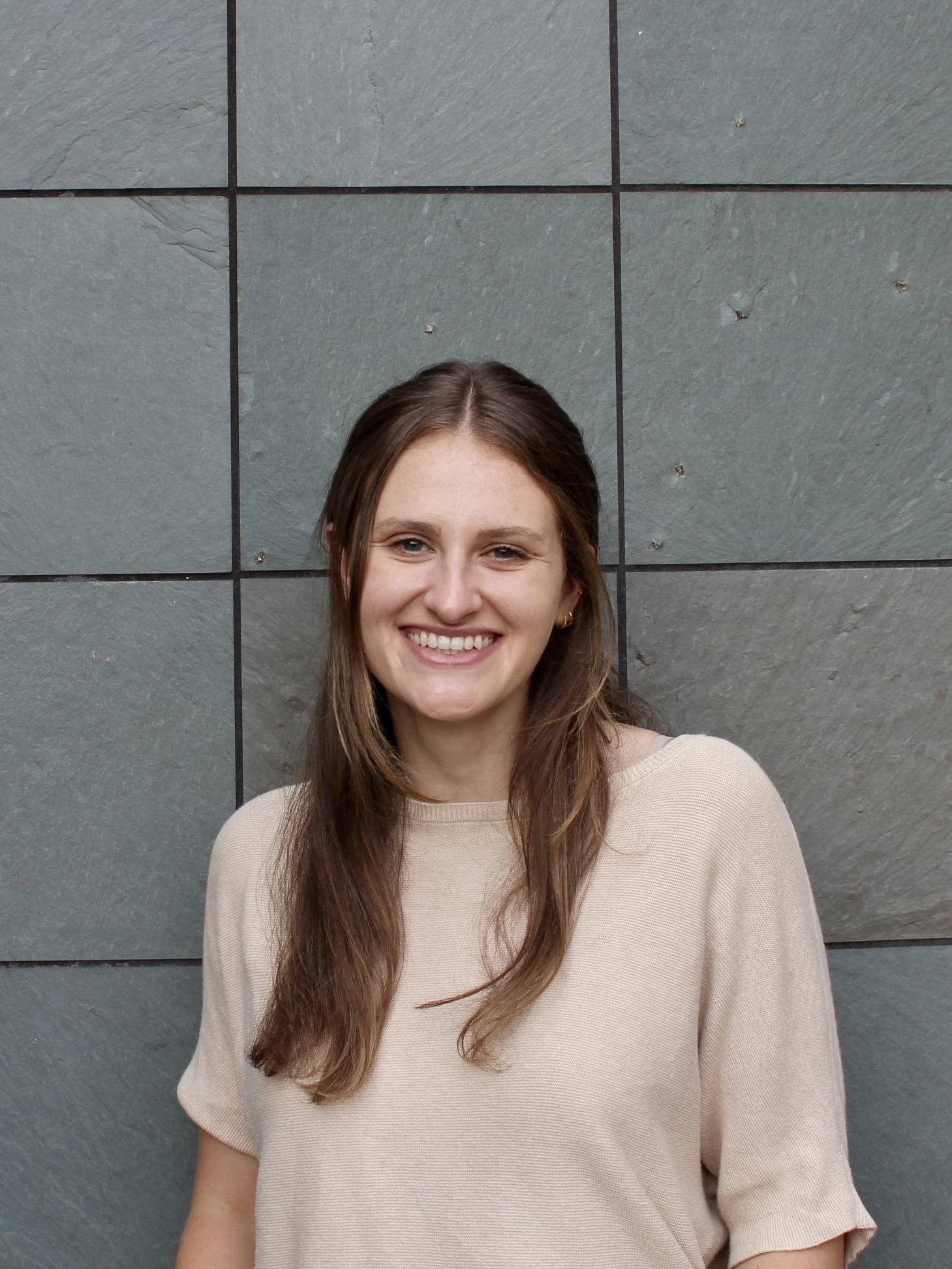
My approach is warm, curious, and collaborative, and my priority is to build a strong relationship rooted in trust and authenticity. Together, we’ll go beyond surface-level symptoms to explore the patterns, experiences, and relationships that shape how you move through the world. I believe that growth and healing take place in connection with others, and that the therapeutic relationship can be a place to better understand how you relate to yourself and others, and to build new, more secure ways of connecting. My path to being a therapist started with a desire to do work rooted in relationships and connection, and it is deeply meaningful to me to have this role in my clients’ lives. As a Licensed Marriage and Family Therapist (LMFT) in Washington, much of my work has been shaped by my own experiences in therapy, so I know how overwhelming it can feel to reach out for support and get started. I also know how beneficial a positive therapeutic experience can be, and how important it is to find someone who feels like the right fit. My hope is that therapy helps you feel more connected to yourself, more confident in your ability to navigate challenges, and able to access a greater sense of peace and assurance within. If you’re feeling stuck, overwhelmed, or disconnected, I’d love to connect, and I hope therapy can be a place where you feel supported and empowered to move toward the changes and relief you’re seeking.
Find a Therapist in Seattle, WA
More results
My job as a therapist is to facilitate the process of healing and change using evidence-based treatments and a humanizing stance. I am fully committed to meeting the individual needs of my clients and I make every effort to personally tailor the process. I am grateful each day to play a role in the facilitation of healing and transformation. I am truly fulfilled by my work because I see the positive impact it makes on a person's life.
I welcome you to come as you are. I consider our collaborative therapeutic relationship an authentic meeting of equals. I understand you as essentially good, worthy, unique, and capable. In this relationship, your voice matters. And if you're not feeling confident just yet, I'll help you cultivate your authentic voice. I'll help you see your existing strengths and skills, and we'll build on them for further growth. I approach healing and growth holistically and appreciate you as multi-faceted: feeling, thinking, physical, social, and spiritual. Together, we'll consider how to bring these various aspects of you into balance to create your experience of enhanced well-being. My approach to our work is both insight-oriented: we'll seek to understand what's driving your current challenges, and solution-focused: with these new understandings in mind, we'll explore new choices to effect the change you seek. We'll explore the interplay between what's conscious to you now and underlying dynamics that may not yet be fully conscious. We'll aim to bring subconscious dynamics into your fuller awareness to empower your informed agency and choices that are more attuned to your authentic needs and goals. We'll pay closer attention to your habitual thought patterns and consider how unexamined thoughts can sometimes trigger feelings and reactions that haven't been helpful for you. We'll consider expanded perspectives for more integrated, effective views of yourself and others. With mindfulness practice, you'll shift gears from a hurried running on autopilot to a more steady, intentional curiosity and presence to what's unfolding in the here and now. Our therapeutic relationship will serve as a tool for learning about your relationship style and patterns. I draw therapeutic perspective largely from a trauma-informed attachment lens, exploring how your earliest attachments, especially with family of origin, shaped your internal emotional blueprint and expectations about relationships, and how that underlying script has played out, often repeatedly, in your adult relationships. Understanding these early influences allows us to rewrite relationship narratives with informed choice, hanging on to the parts that work, letting go of those that don't. I also draw influence from existential, sociological, systemic, and feminist lenses, exploring the reciprocal interplay between internal landscapes and external social landscapes and influences. My work with couples is influenced by a trauma-informed attachment lens and draws from training in Emotionally Focused Couple Therapy (EFT), Gottman, and Non-Violent Communication (NVC). I bring humility, respect, and genuine interest to our collaboration. My style is down-to-earth, non-pathologizing, and interactive, with healthy doses of humor (when appropriate). I welcome diversity of all kinds and embrace a social justice perspective. I've been in practice as a psychotherapist since 2000.

My approach is centered in helping people integrate what they have experienced in their lives to better understand their strengths and resilience in making next choices and accepting what has gone before. I believe in a person's natural drive to heal; physically, emotionally, intellectually and spiritually. People experience anger, self-doubt, grief, trauma, depression; it is call from your soul to look within and grow. Emotional turmoil is grist for the mill of our heart asking us to better care for ourselves and to lead a more authentic life. Therapy provides a place and time for honoring that growth. It is a place where your pain and growth is held in safety and with respect.

In some way or another, we are all trying to find our way home again. To that place of being where we feel deeply peaceful, vibrantly alive, and connected in kinship and love. We feel a deep longing for this place yet struggle to make sense of how to close the gap between here and there. Unresolved trauma, troublesome childhood environments, and a host of other factors may be causing us never-ending stress and hardship. We have tried to fix things yet we have failed and bit by bit, we lose faith that we can realize our heart’s calling. The chaos and unrest in our lives take their toll day by day and we feel stuck and hopeless. We each have a vast set of inner resources and a natural capacity for healing, if only we are able to tap into them and foster their growth. Together we’ll work together to identify and practice activities that help you feel calm, confident and in control. We'll use somatic-based, mindfulness practices to become aware of the signs of unresolved trauma and guide the body, heart and mind to resolution. I'll support and coach you as you move beyond self-limiting patterns and embody the self you’re yearning to become. I bring playfulness, curiosity, acceptance, and empathy to my work and value the wisdom within each of my clients. I tailor my services using an evidence-based client feedback tool to help us find what works best while also being efficient with time and resources. I believe we are all deserving of love - especially in the places where society has told us we should be ashamed. If you want to get to a better place yet are struggling to find a way there, please reach out.

The focus of my practice is to help adults who have experienced childhood sexual abuse as well as more recent sexual assault, as well as other developmental traumas. My work also often focuses on family of origin conflict and present boundary setting in all areas of one's life. In treatment, I begin with psychoeducation, feeling identification, exploration of interpersonal patterns, and stress-reduction skills before gently helping the client explore their trauma narrative. Email is the best way to contact me initially; After we connect, I am happy to talk in more detail over the phone about my practice and whether I would be a good fit for you before making an appointment.

Functioning isn't the same as fulfilled. From the outside, your life probably looks fine — maybe even impressive. But somewhere along the way, holding it together became the only way you knew how to be, and you're tired. Strategies like overthinking, overextending, and pushing through made sense once. They kept you safe, connected, or helped you succeed. But now the part of you that learned to be fine is overriding the part of you that actually wants to be known. I work with clients who can see their patterns but still feel stuck.

My approach weaves together a spiritual, contemplative foundation with traditional therapeutic methodology. After over 35 years of clinical practice, teaching, consultation and supervision, I have come to believe in therapy as the process of a person's unfolding the innate wisdom they hold within them as the key to their healing. I see my role in the therapeutic process as a combination of guide and collaborator in their journey towards well-being.
No matter what you’re going through, whether it be life transitions, anxiety, grief, or depression, there is hope. Using pieces of traditional therapies, I hope to create a unique therapy experience for all of my clients. Through a collaborative effort, I like to have my clients leave feeling driven and accomplished. Let’s also not forget to insert playfulness wherever we can. Forming connection is a huge part of life. In the room, I’ve found its beneficial for my clients to notice how they create (or isolate from) connection. Using wonder and inquiry, I explore as much as I can about you. Tell me the details that make you. I work well with young adults and couples going through life changes and those suffering with depression, anxiety, hyperkinetic behaviors, perfectionism behaviors, obsessional thinking, grief, and loss. Please, connect with me to set up a session today!
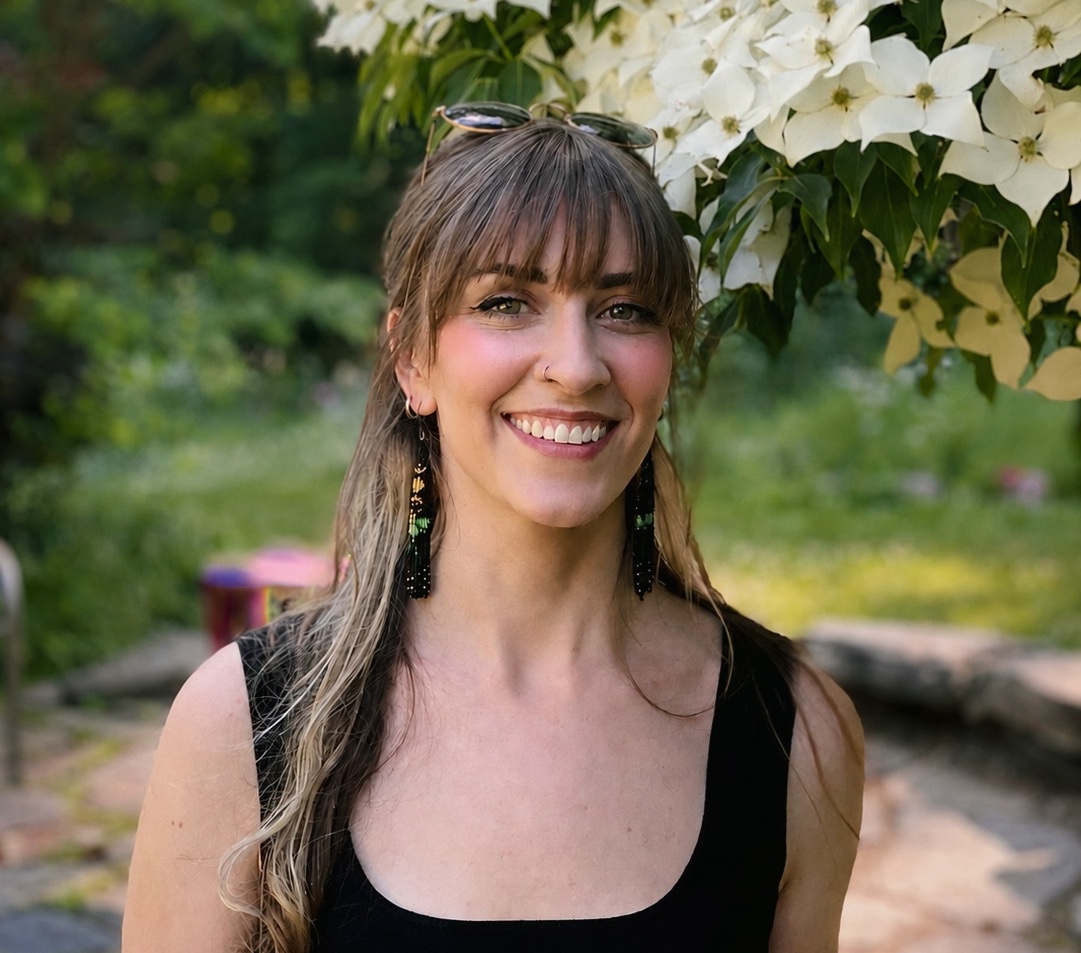
I help people in Seattle and across Washington with anxiety, burnout, trauma, perfectionism and eating disorder recovery. I view therapy as a collaborative, client-driven process guided by your goals and pace. My role is to offer insight, gentle challenge, and support as you navigate life’s complexities and reconnect with your inner wisdom. My approach is warm, calm, and integrative, helping you cultivate self-compassion, release old patterns, and build a life that feels authentic and aligned with your values. I draw from holistic and evidence-based practices, including polyvagal theory, parts work (internal family systems, IFS), acceptance and commitment therapy (ACT), somatic approaches, attachment theory, and cognitive behavioral therapy (CBT), to support healing through the mind-body connection.

I specialize in helping adults who struggle with perfectionism, anxiety, complex trauma, codependency, and grief. My therapy style is relational, trauma-informed, and grounded in systems-oriented psychodynamic work, with additional training in object relations, mindfulness-based self-compassion, and CBT. I grew up in the American South, where cultural fractures and early experiences with loss, addiction, and mental illness shaped my deep respect for boundaries, self-awareness, and the need for ongoing care. In our work together, I offer warmth, honesty, and practical insight to help you untangle old patterns, strengthen your sense of self, and build more connected, fulfilling relationships.

My aim is to help you examine the past patterns that have shaped your life, so you can reduce anxiety and depression, or better manage life transitions and relationships. I strive to meet you with authenticity, safety, and acceptance as you do the work of therapy. My work is client-centered, trauma-informed, and relational, and it has evolved from the psychodynamic tradition.
The therapists listed are members of GoodTherapy and pay us a membership fee which helps support our services. By using this site you signify your assent and agreement to our terms of service.
Not finding the right therapist? Search for therapists in Bellevue, Bainbridge Island, or Renton to expand your search.
Find a Therapist in Seattle, WA
Living in Seattle offers many advantages, from the vibrant tech scene to stunning waterfront views and access to outdoor recreation. However, the fast-paced lifestyle, seasonal weather patterns, and high cost of living can create unique mental health challenges for residents throughout the Pacific Northwest.
Whether you're navigating career pressures in South Lake Union, managing work-life balance in Capitol Hill, or dealing with seasonal mood changes during Seattle's overcast months, professional support can make a meaningful difference in your well-being.
Since 2007, GoodTherapy has been dedicated to connecting people with ethical, compassionate therapists who understand the specific challenges of living in the Seattle area. Our mission is to break down barriers and build bridges to accessible mental healthcare for everyone.
Mental Health Support in Seattle
Seattle residents commonly seek therapy for anxiety, depression, relationship challenges, work-life balance issues, and trauma recovery. The demanding tech industry culture, combined with the region's higher cost of living, often contributes to stress and burnout among professionals and families alike.
The Pacific Northwest's long, rainy winters can also impact mood and energy levels, making seasonal affective disorder a consideration for many residents. Additionally, the rapid growth and changing neighborhoods can create feelings of displacement or community disconnection that therapy can help address.
Therapy Approaches Available in Seattle
Seattle therapists utilize evidence-based approaches tailored to address the diverse needs of our community. These proven methods help individuals develop coping strategies and create lasting positive change.
Cognitive Behavioral Therapy (CBT) helps identify and change negative thought patterns that contribute to anxiety and depression. This approach is particularly effective for managing work-related stress and perfectionism common in competitive environments.
Solution-Focused therapy emphasizes building on existing strengths and resources to achieve specific goals quickly. This approach appeals to many Seattle professionals seeking efficient, results-oriented treatment.
Dialectical Behavior Therapy (DBT) teaches emotional regulation skills and mindfulness techniques, helping individuals manage intense emotions and improve relationships. Psychodynamic therapy explores unconscious patterns and past experiences that influence current behavior, while Interpersonal therapy focuses on improving communication and relationship skills.
Specialized Services
Many Seattle therapists offer specialized services including couples counseling for relationship challenges, family therapy to improve communication, and trauma-focused treatments like EMDR. Group therapy options provide community support and shared learning experiences.
Finding Your Right Therapeutic Match
GoodTherapy's comprehensive directory helps you search for therapists based on your specific needs, location preferences, and therapeutic approach. Our platform allows you to filter by specialty, insurance acceptance, and availability.
What to Consider in Your Search
When selecting a therapist, consider factors like their specialization areas, treatment approaches, and whether they understand the unique aspects of Seattle life. Many therapists offer both in-person sessions and telehealth options, providing flexibility for busy schedules or transportation challenges.
Take time to discover therapy options and learn about therapy types to make an informed decision about your mental health care.
Making Therapy Affordable
Many Seattle therapists accept insurance plans and offer sliding scale fees to make treatment accessible. Some provide payment plans or reduced rates for students, seniors, or those experiencing financial hardship.
Community mental health centers, university training clinics, and group therapy options can provide additional cost-effective alternatives. Understanding therapy modes can help you find the most suitable and affordable option for your situation.
Expanding Your Search
If you're having difficulty finding the right match in Seattle, consider expanding your search to nearby communities. The greater Seattle area offers many qualified therapists who may be accessible by commute or telehealth services.
Taking the First Step
Seeking therapy demonstrates strength and self-awareness. At GoodTherapy, we believe all people are capable of change and deserve dignity and respect in their mental health journey.
Ready to begin? Learn how GoodTherapy works and start your search for a therapist in Seattle today. Our directory makes it easy to find qualified professionals who understand your unique needs and can provide the support you deserve.
Related Resources
- search for therapists
- discover therapy options
- therapy types
- therapy modes
- Learn how GoodTherapy works
Find Therapists in Nearby Cities
Frequently Asked Questions
How do I find a therapist near me in Seattle, WA?
Use GoodTherapy's online directory to search for licensed therapists in Seattle by specialty, insurance acceptance, and location. You can filter results based on your specific needs and preferences to find the right therapeutic match.
What types of therapy are offered in Seattle?
Seattle therapists offer various evidence-based approaches including Cognitive Behavioral Therapy (CBT), Solution-Focused therapy, Dialectical Behavior Therapy (DBT), Psychodynamic therapy, and Interpersonal therapy. Many also provide specialized services like EMDR, couples counseling, and family therapy.
How much does therapy cost in Seattle?
Therapy costs in Seattle vary depending on the therapist's experience and credentials. Many therapists accept insurance, offer sliding scale fees, or provide payment plans. Community mental health centers and university training clinics may offer more affordable options.
Can I find therapists who accept insurance in Seattle?
Yes, many Seattle therapists accept various insurance plans. You can filter your search on GoodTherapy's directory by insurance acceptance to find providers who work with your specific plan and reduce out-of-pocket costs.
What mental health issues do therapists in Seattle commonly treat?
Seattle therapists commonly treat anxiety, depression, work-related stress, relationship challenges, trauma recovery, and seasonal affective disorder. Many also specialize in issues related to the tech industry culture, work-life balance, and adjusting to the Pacific Northwest lifestyle.