Find a Therapist near Port Ludlow, WA
More results

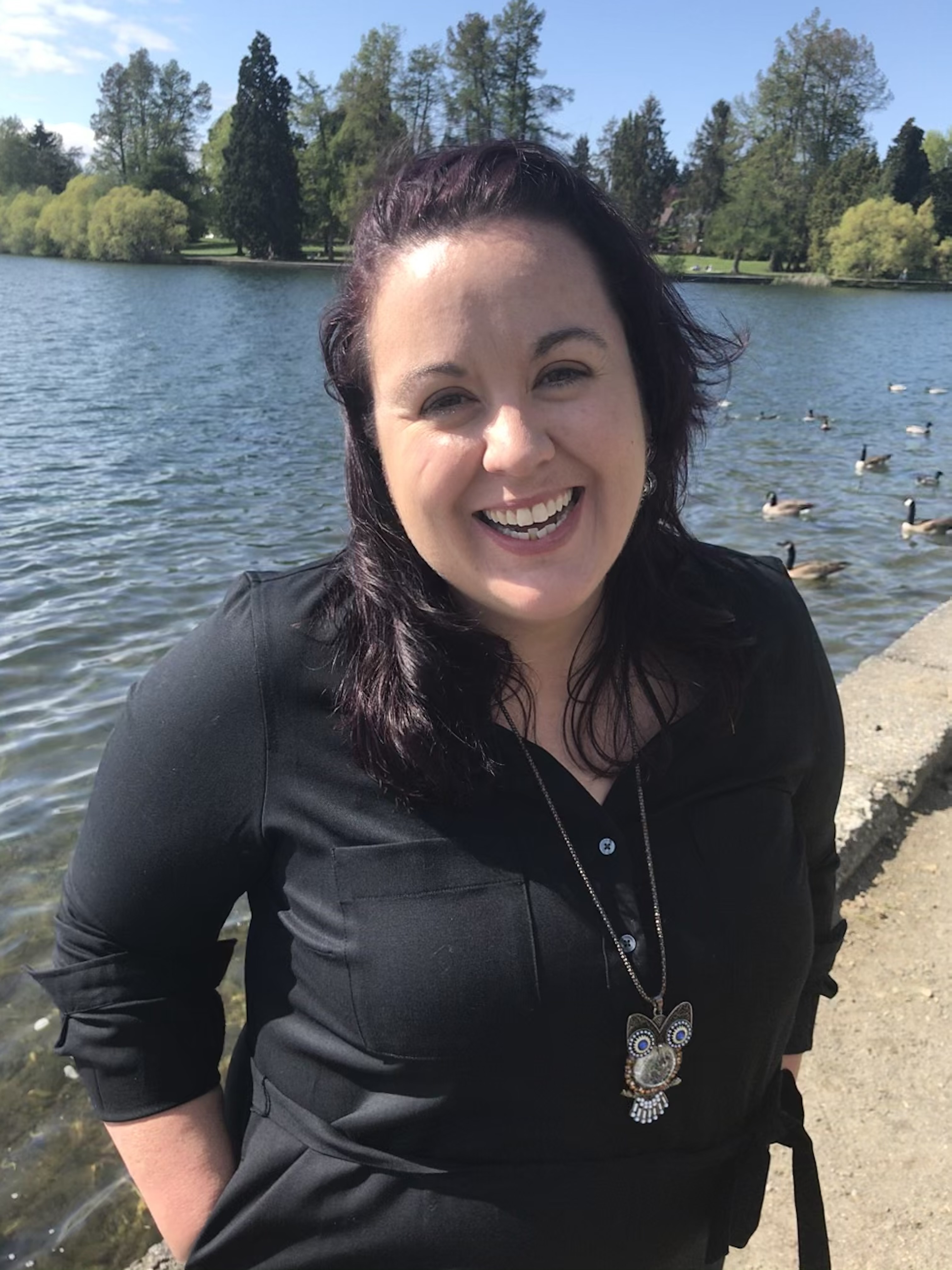
Hello! What a courageous step you are taking in your healing journey to seek therapy. Welcome. Therapy is a space to expand what is going on in your life, notice your coping mechanisms with less judgment and more curiosity, decide and move toward your personal values, and find freedom. I take a mind-body approach to healing with an eclectic style of therapy that emphasizes the innate worthiness of us all. We could be a good fit if you are looking to explore the impact of past experiences on your here-and-now body sensations, emotions, thoughts, and behaviors, and you are interested in utilizing eye movement desensitization and reprocessing (EMDR), internal family systems (IFS), and/or somatic experiencing in your healing.
About My Clients: I love to work with clients who really want to be done with their suffering, but don’t know how to do that. I integrate EMDR with Alison Teal’s Super Resourcing, a close cousin to EMDR that combines powerful resourcing and Parts work to achieve deep healing of your wounds. Background and Approach: In working with clients with trauma in their backgrounds – and many people have several – I use a process that’s tailored to each client. We’ll pay close attention to the pace of work that’s right for you. We’ll work together to develop your ability to be mindfully present and peaceful in your daily life. We can look at the coping tools you’ve been using, and look for ways to make them more adaptive for your present life. We can use some powerful tools to strengthen your internal resources. All these methods work to help you be well-grounded more often, in more situations, even in stressful times. Trauma work doesn’t have to be as painful as you might imagine, and I’ll be with you helping find ways to make it as gentle as possible. EMDR, integrated with Super Resourcing and Parts work, can help you stay within your range of emotional tolerance. Overall the aim is to balance progress with gentleness. Personal Beliefs: I am a longtime ally of People of Color, women, LGBTQIA people, and I support social, economic, and environmental justice. I believe that deep down, we are meant to exist in community and connection. I strongly believe in everyone’s inherent right to discover who they are, and to live their fullest life.
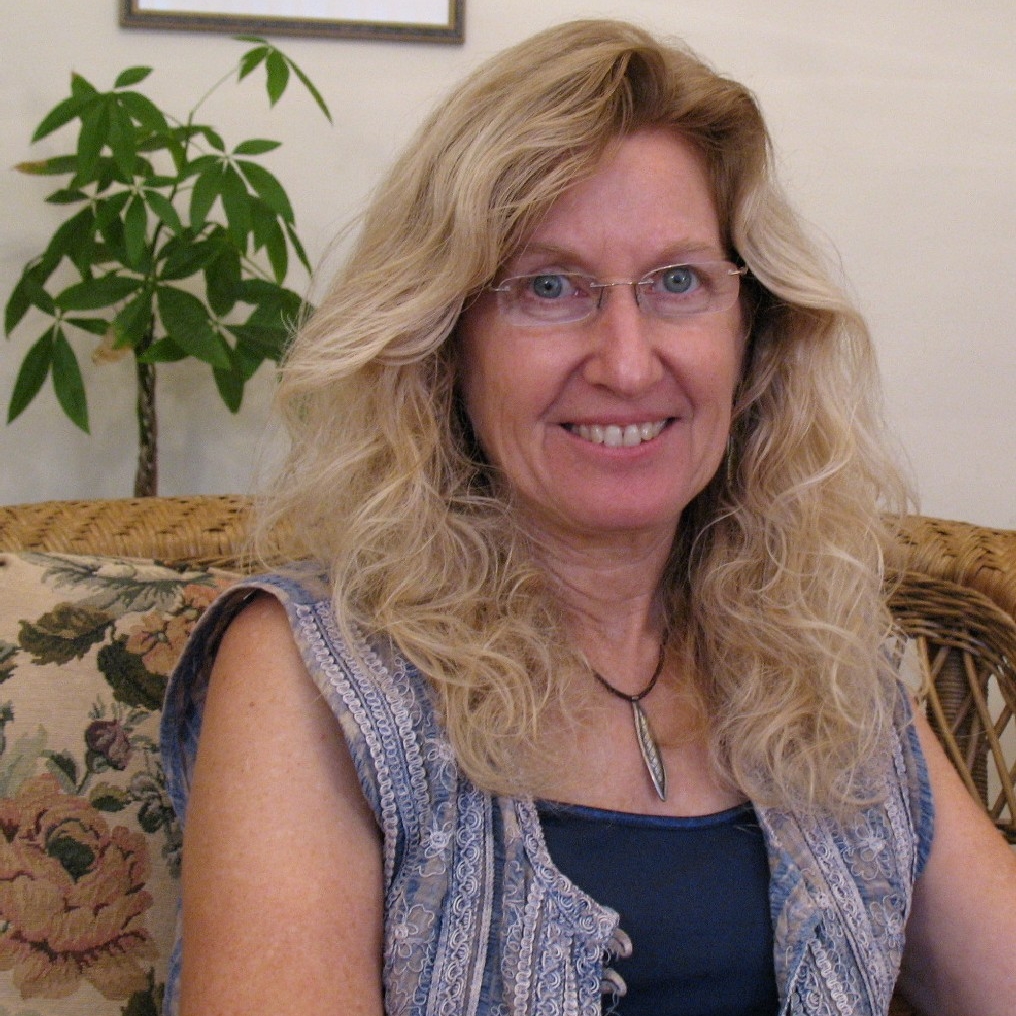
Do you wonder if you and your partner are growing apart? Do you keep having the same argument, without anything changing? Do you feel like giving up? Sometimes the feelings that bring couples together get lost in the struggles of everyday life. Learn how to resolve conflicts and share feelings without arguing. Use conflict to create deeper intimacy instead of distance. I work with relationship issues almost exclusively in my practice whether it is with couples or an individual who is seeking to improve his or her relationship skills. Counseling helps couples learn to grow together instead of drifting apart. I work with couples and individuals to help them grow together and stay together. I would like to help you and your partner have a loving relationship.

MindRoot Institute is led by Dr. Krystel Salandanan, a licensed neuropsychologist with specialized training in neurodevelopmental assessment and complex psychological presentations. We serve individuals across the lifespan navigating ADHD, autism spectrum conditions, learning differences, executive functioning challenges, and other neurodevelopmental profiles, while also assessing social, emotional, and personality functioning. Services are offered in person in our Seattle office. Intake and feedback appointments are conducted through our secure remote platform. At MindRoot Institute, every mind is a good mind. Our mission is to help individuals understand how their brains work, empowering insight, growth, and well-being. MindRoot Institute recognizes that each mind is dynamic, shaped by lived experience, relationships, culture, and the systems that surround it. This philosophy guides every evaluation and interaction. MindRoot Institute’s approach is deeply integrated and grounded in global and multicultural perspectives. Identity is understood as inseparable from cognition, development, and functioning. Assessments synthesize cognitive, academic, executive, and emotional data into cohesive, personalized reports that translate findings into clear, practical recommendations for home, school, and broader life contexts. MindRoot Institute is committed to delivering fully integrated, actionable reports within two weeks because meaningful clarity should not have to wait.
I consider therapy to be an alliance in which you and I work together to relieve unbearable aloneness, discover your strengths, encourage your innate strivings toward health, and build new confidence in feeling and being in relationship. Every person has a need to be known and heard in an authentic, non-judgmental way. Every person has wisdom about themselves and what is needed to heal their lives. And fundamental to this, every person has the natural capacity for healing, for love and self-esteem. In our work, I may use a variety of tools and techniques to help move the therapy process, but I recognize that change comes from the freedom to be and find oneself in the company of a trusted Other. There have been many influences on my thinking about therapy, most prominently my own life journey of healing transformation. Along the way, existentialist thought, Buddhist practicality, relational, experiential, and humanistic therapies have all made their marks. Participating in nature's cycles of change and renewal through gardening has profoundly influenced me. My experience as a parent, as a partner, as an artist has illuminated for me the endless horizons of human possibility. I will always talk with you about exercises or techniques I think might be helpful and, because our work is a collaboration, your agreement, choice, input, and feedback is a necessary part of the dialogue of working together. Finding a therapist can be an intimidating process. If you would like an in-person meeting to decide whether I might be a good fit for you, I am happy to offer a 30-minute meeting at no charge. When you call, make sure to specify if you are requesting that.

In order to find out if I would be that fit for you, I would like to tell you what I think therapy is about, what I provide as a therapist ,and what I expect from you. I view therapy as being one of many healing modality in which a person can shift the emotional, mental, and spiritual hurts that exist with being human. I see therapy as an active process with healthy collaboration on both the part of the therapist and the client. In order to provide the healing you seek, therapy requires the capacity to be vulnerable and honest with your therapist. I believe therapy is building trust with yourself and your therapist while shifting your thinking and behavior to more healthy actions and thoughts. I provide therapy that is part thinking outside the box and part traditional cognitive- behavioral therapy. Therapy is about turning over those moss covered stones in your mind and examining those “creepy crawlies” so they stop have power over you. Therapy is about facing your past with integrity in order to take the power out of those stories you tell yourself that keep you stuck and unhappy. Although therapy is not purely about “just getting happy.” Therapy is about finding more peace within yourself to actually be true to yourself and kind to yourself. Our sessions are set up to help you weed out the behaviors that no longer serve you and help you develop healthier and more supportive actions in your life. Therapy with me is additionally about exploring your inner world, how you talk to yourself, and your take care of your inner landscape your inner child. It is about finding the internal spark drive of what gets you up in the morning. What I provide is assistance with developing healthy boundaries, assertive communication skills, positive actions, relaxation techniques, and compassionate self talk. What I ask from you is that you are ready to take the actions on a mental, emotional, behavioral and or spiritual level to make changes for a better life. I am a no nonsense kind of therapist, that is deeply compassionate and works only with those ready to dive fully into the healing process. If you identify as the type of person who is in “survival mode” and wants and is ready to be in a state of living, the we can work together. Please know that I work with a team of different providers in order to help you make the changes that need to happen. These providers include naturopathic doctors, life coaches, Qi Gong teachers, 12 step members, acupuncturists, medical astrologers, etc. If you are ready to do this kind of work then please contact me. You can also visit Mindful Therapy Group, Mountlake Terrace and find out a bit more about me. "And the day came when the risk to remain tight in a bud was more painful than the risk it took to blossom." Anais Nin

My work is influenced by the thought of existentialist philosophers and psychologists who speak with compassion to a profound and uniquely human dilemma: we are both burdened with and ennobled by a quest for meaning in the face of suffering. Psychotherapy provides a safe and intimate space in which we might expand our capacity to bear suffering and to find meaning within and through it. Depth psychology proposes that the psyche consists of both conscious and unconscious thoughts, impulses, fantasies, and ideas. Symptoms (depression, anxiety, addictions, etc.) are more than painful indicators of psychopathology; they are messages, metaphors, elements of a narrative moving us toward growth, insight, and individuation. Depth psychology embraces paradox. Caught in "complexes," we are simultaneously aware and unaware of how we are behaving in relation to self and others. We struggle to make sense of how our cherished relationships are falling apart and unable to articulate the source of our discontent. Depth psychology offers no "cure". Instead, it is a healing journey into the mystery of the psyche, a process of refinement and increased awareness, bringing us freedom to choose differently and creatively.

Our relationships with others--partners, friends, family, co-workers, and community members--add meaning to our lives. I use a family systems approach, which means I explore your past and present relationships, so you can function better and increase fulfillment. Whether I meet with just you or your entire family, I look at how current and past interactions may contribute to current challenges, as well as ways relationships can help resolve a problem. My work helps you uncover underlying issues, so you gain greater insight and find solutions, rather than just looking at symptoms. We will look at relationship patterns, triggers and coping strategies, and how they affect you and others in your life. I want to help you address current issues so you can cultivate stronger relationships. I rely on techniques from a variety of perspectives, including emotionally focused therapy and cognitive-behavioral therapy. Understanding and addressing the dynamic of ADHD in relationships is also a specialty area.
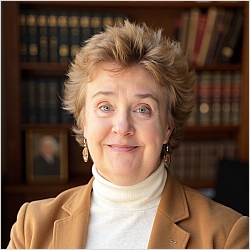
For 35 years I've had the good fortune to help adults feel better about themselves & their relationships. My style is warm, straight-forward, & collaborative. I use a strength-based approach and have had success helping with a broad range of life's problems. Issues I work well with include: changing relationship patterns, mid-life issues, women's issues, work-life balance, boundaries and "people-pleasing", assertiveness and self-confidence, and grief and loss. I love to work with family-of origin issues, and help to re-work faulty beliefs rooted in childhood. I work collaboratively with each of my clients to create a specific plan based on strengths, needs, and goals. Depending on what your needs are we may: 1. work psychodynamically: The goals of psychodynamic therapy are to increase self-awareness and understanding of how the past has influenced current life. From there you are freed up to experiment with new ways of being. When you take a risk and do something differently it becomes part of who you are. Old patterns are interrupted and new ways of living are created. 2. work cognitive- behaviorally: The goals of Cognitive Behavioral Therapy (CBT) are to explore how distorted beliefs may be affecting your current feelings & behavior. By exploring and challenging negative or distorted thoughts, you are then challenged to change related feelings and behavior. 3. work to resolve abuse by weaving back and forth between the "here & now" and the past. I also have several non-clinical women's personal development groups and believe strongly in the power of groups. I'm a seasoned group psychotherapist and am a Certified Group Psychotherapist through the American Group Psychotherapy Association. If you'd like more info on one of my women's group I offer a 20 min informational call at no-charge. Group Offerings: Midlife Women's Group-- Alternate Wednesday eves 4:15-5:30pm. (75 minutes) $60 per session As of August 2026, this group has one opening. "30 Somethings" Women's Group: meets monthly on fourth Friday 12:30-2:15pm (105 min). $80 per session. As of August 2026, this group has 2 openings. "30-40 Somethings" Women's Group: meets monthly on fourth Friday 3:00-4:45pm (105 min). $80 per session. This group is currently full - inquire about waiting list. Group often becomes a meaningful touchstone for members - a space to share experiences, gain perspective, and engage in thoughtful, growth-oriented conversations with other women. These groups are not designed to treat mental illness, but to support self-growth, connection, and deeper self-understanding. Members tend to be self-aware, supportive, and content in most life areas. The group environment is encouraging and enriching, rather than focused on crisis support or clinical treatment. I'm also privileged to be a WA State Certified Clinical Supervisor, and enjoy supervising therapist associates as they work toward licensure.

You’re capable, thoughtful, and accustomed to managing what needs to be managed. But lately, you may feel anxious, overwhelmed, stretched thin, or simply not quite like yourself. Maybe you’re navigating pregnancy or postpartum, the demands of parenting and caregiving, changes in your relationships or career, or the physical and emotional shifts of perimenopause and menopause. (Deep breath.) Hi, I’m Laurel. I offer a warm, down-to-earth space where you don’t have to have it all figured out. I’m an active and engaged therapist. I’ll listen deeply, but I won’t simply sit back and nod. We’ll make room for honest exploration and difficult emotions, alongside humor, practical tools, and kind challenge when it’s helpful. My approach is integrative and tailored to you. Sometimes that means understanding patterns, relationships, and experiences that have shaped you. Sometimes it means learning concrete ways to manage anxiety or regulate an overwhelmed nervous system. Often, it’s both. I draw from years of clinical experience and a broad foundation in psychology to help you better understand yourself in context and make changes that feel meaningful and sustainable. It is a genuine privilege to be invited into the meaningful, complicated, and vulnerable parts of my clients’ lives. Therapy can be a place to feel deeply known and accepted, while also being invited to grow. You set the pace, and your goals guide our work. I know that reaching out to a new therapist can feel like one more thing to do when you’re already overwhelmed. So, start in whatever way feels easiest. You’re welcome to send me an email, or you can schedule a free 15-minute phone or video consultation through my website. I genuinely enjoy meeting prospective clients, and there’s no pressure. We can simply talk about what’s bringing you to therapy and see whether working together feels like a good fit.
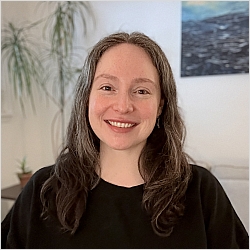
Functioning isn't the same as fulfilled. From the outside, your life probably looks fine — maybe even impressive. But somewhere along the way, holding it together became the only way you knew how to be, and you're tired. Strategies like overthinking, overextending, and pushing through made sense once. They kept you safe, connected, or helped you succeed. But now the part of you that learned to be fine is overriding the part of you that actually wants to be known. I work with clients who can see their patterns but still feel stuck.
The therapists listed are members of GoodTherapy and pay us a membership fee which helps support our services. By using this site you signify your assent and agreement to our terms of service.
Find a Therapist in Port Ludlow, WA
Living in Port Ludlow offers the tranquility of waterfront living in the Pacific Northwest, where lush forests meet scenic coastlines. However, even in this peaceful community, residents face universal challenges like anxiety, depression, relationship difficulties, and work-life balance struggles.
The Pacific Northwest's distinctive climate patterns—with rainy winters and overcast conditions for much of the year—can impact mental health, contributing to seasonal mood changes and the need for additional support during darker months.
Since 2007, GoodTherapy has been dedicated to connecting people with ethical, compassionate therapists who understand both universal mental health needs and the unique aspects of Pacific Northwest living. We believe all people are capable of change and deserve dignity and respect in their healing journey.
Mental Health Support in Port Ludlow
Port Ludlow residents often seek therapy for anxiety, depression, relationship challenges, trauma recovery, and work-life balance issues. The area's close-knit community atmosphere can provide strong support networks, while also creating unique pressures around privacy and social dynamics.
Living in a smaller waterfront community like Port Ludlow can present specific considerations, from seasonal tourism impacts to the challenges of accessing specialized services. Many residents appreciate therapists who understand the balance between small-town living and the need for confidential, professional mental health support.
Therapy Approaches Available in Port Ludlow
Port Ludlow therapists utilize several evidence-based approaches to help clients achieve their mental health goals. Understanding different therapy approaches can help you find the right fit for your needs.
Cognitive Behavioral Therapy (CBT) helps identify and change negative thought patterns that contribute to anxiety and depression. This approach is particularly effective for managing seasonal mood changes common in the Pacific Northwest.
Solution-Focused therapy concentrates on building strengths and creating positive change, helping clients develop practical strategies for current challenges while honoring their existing resilience.
Psychodynamic therapy explores unconscious patterns and past experiences that influence current relationships and behaviors, providing deeper insight into recurring life themes.
Interpersonal therapy focuses on improving communication skills and relationship patterns, which can be especially valuable in close-knit communities where social connections are vital.
Specialized Services
Many therapists in the Port Ludlow area offer specialized services including couples counseling, family therapy, trauma recovery, and EMDR therapy for processing difficult experiences.
Finding Your Right Therapeutic Match
Our directory helps you search for therapists based on your specific needs, location preferences, and treatment goals. You can filter by specialty, insurance accepted, and therapy approaches to find the best fit.
What to Consider in Your Search
Consider factors like scheduling flexibility, office location accessibility, and whether you prefer in-person or telehealth options. Many Port Ludlow residents value therapists who understand the unique aspects of Pacific Northwest living and seasonal mental health considerations.
If you're new to therapy, learning about what therapy involves can help you feel more prepared for your first session and know what to expect from the therapeutic process.
Making Therapy Affordable
Many Port Ludlow therapists offer sliding scale fees, accept various insurance plans, and provide payment plan options to make mental health support accessible. Don't let cost concerns prevent you from seeking the help you deserve.
Additionally, exploring different therapy delivery modes like telehealth can provide more affordable and convenient options while maintaining the quality of care you need.
Expanding Your Search
If you're having difficulty finding the right therapist in Port Ludlow, consider expanding your search to nearby communities. The greater Olympic Peninsula region offers additional qualified mental health professionals who may be worth the short drive.
Taking the First Step
Seeking therapy is a courageous step toward better mental health and overall well-being. Whether you're dealing with anxiety, depression, relationship challenges, or simply want to grow personally, professional support can make a meaningful difference.
Ready to begin your journey toward better mental health? Get help finding the right therapist for your specific needs and start building the life you want to live. Your path to healing and growth begins with that first step.
Related Resources
- Understanding different therapy approaches
- search for therapists
- learning about what therapy involves
- exploring different therapy delivery modes
- Get help finding the right therapist
Find Therapists in Nearby Cities
Frequently Asked Questions
How do I find a therapist near me in Port Ludlow, WA?
Use GoodTherapy's directory to search for licensed therapists in Port Ludlow by specialty, insurance accepted, and treatment approach. You can filter results based on your specific needs and preferences to find the right therapeutic match.
What types of therapy are offered in Port Ludlow?
Port Ludlow therapists offer various evidence-based approaches including Cognitive Behavioral Therapy (CBT), Solution-Focused therapy, Psychodynamic therapy, Interpersonal therapy, couples counseling, family therapy, and trauma-focused treatments like EMDR.
How much does therapy cost in Port Ludlow?
Therapy costs in Port Ludlow vary by provider and treatment type. Many therapists offer sliding scale fees, accept insurance, and provide payment plans to make mental health support accessible. Contact therapists directly to discuss pricing and payment options.
Can I find therapists who accept insurance in Port Ludlow?
Yes, many Port Ludlow therapists accept various insurance plans. Use our directory filters to find therapists who accept your specific insurance, or contact providers directly to verify coverage and discuss payment options.
What mental health issues do therapists in Port Ludlow commonly treat?
Port Ludlow therapists commonly treat anxiety, depression, relationship challenges, trauma recovery, work-life balance issues, seasonal mood changes, and family conflicts. Many also specialize in issues specific to Pacific Northwest living and small community dynamics.