

Self-esteem is how we value ourselves and our abilities—and it has a profound impact on mental health and well-being. Self-esteem shows more robust links to indices of well-being and shows greater potential for shielding against stress and other psychological problems than self-confidence. Low self-esteem can create a cycle of self-doubt, negative thinking, and missed opportunities in relationships and personal growth.
The good news? Self-esteem isn't fixed. With the right strategies and support, you can build a healthier relationship with yourself. Research shows that self-esteem interventions are effective in adults, with cognitive behavioral therapies tending to be the most effective interventions. Whether you're working with a therapist or practicing on your own, there are proven ways to boost self-worth and improve your quality of life.
Table of Contents
- Understanding Low Self-Esteem
- Challenging Negative Self-Talk
- Building Self-Compassion
- Goal Setting for Self-Esteem
- Evidence-Based Interventions
- Physical Activity and Self-Esteem
- When to Seek Professional Help
- Frequently Asked Questions
- How Therapy Can Help
Understanding Low Self-Esteem
Low self-esteem often develops through a complex interaction of life experiences, negative beliefs, and behavioral patterns. According to research, mental health influences day-to-day feelings, activities, and functions that range from a sense of social connection, participation in physical activity, eating habits, work productivity, academic performance, and self-esteem.
Recent CDC data reveals concerning trends: 40%, or 2 in 5 U.S. high school students reported experiencing symptoms of depression—felt so sad or hopeless every day for two or more weeks in a row that they stopped doing some usual activities in the past 12 months. For adults, 5%, or 1 in 20 U.S. adults regularly reported feelings of depression.
Challenging Negative Self-Talk
One of the most powerful ways to improve self-esteem is by transforming your inner dialogue. Self-talk can improve cognitive performance, but the underlying mechanism of such improvement has not been fully investigated. Recent neuroscience research shows that positive self-talk and negative self-talk differently modulate brain states concerning cognitive performance.
Types of Negative Self-Talk
Negative thoughts often fall into predictable patterns:
- Blame: Holding yourself responsible for things outside your control
- Catastrophizing: Imagining worst-case scenarios
- Denial: Dismissing your achievements or positive feedback
- Overgeneralizing: Drawing sweeping conclusions from single events
- Polarization: Seeing situations as all good or all bad
- Projection: Assuming others think negatively about you
- Rumination: Repeatedly dwelling on past mistakes
The Science of Self-Talk
Research reveals that covert self-talk (inner speech) in aphasics—patients suffering from various language deficits following brain insult—offers interesting new theoretical avenues for brain localization and the relationship between interpersonal and intrapersonal communications. One main question is: do these patients, who exhibit problems with spoken language, experience similar difficulties with covert speech? Although the answer to this question varies depending on which method is used to assess inner speech, the trend is that covert speech is often preserved.
Brain imaging studies show that the brain's conversation with itself: neural substrates of dialogic inner speech involves specific neural networks. When you practice positive self-talk, you're literally rewiring your brain for better emotional outcomes.
Practical Strategies
1. Use second-person language: Third-person self-talk, using your own name instead of "I," creates psychological distance that calms stress and sharpens focus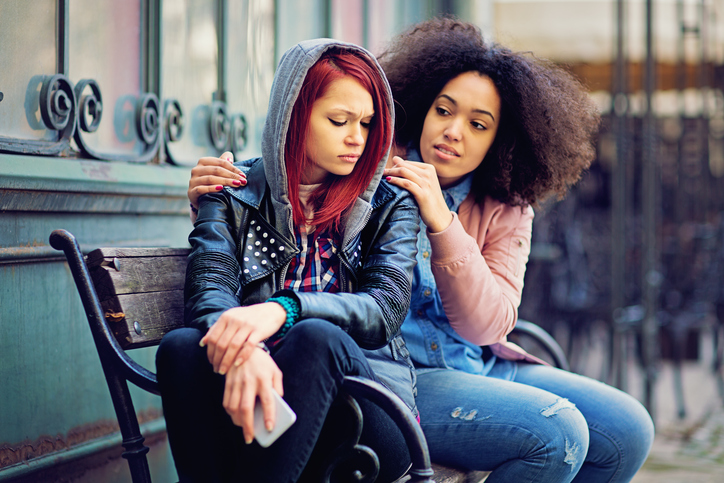
2. Practice positive mantras: Replace critical thoughts with encouraging statements
3. Journal your thoughts: Writing helps identify and challenge negative patterns
4. Focus on actions: Frame self-talk around what you want to do, not what you want to avoid
Building Self-Compassion
Self-compassion—treating yourself with the same kindness you'd show a good friend—is a powerful antidote to low self-esteem. Self-compassion-focused trainings were found to significantly improve depression and stress levels with a medium effect size, and anxiety levels with a small effect size.
The Three Components of Self-Compassion
1. Self-kindness: Being gentle with yourself during difficult times
2. Common humanity: Recognizing that everyone struggles and makes mistakes
3. Mindfulness: Observing thoughts and feelings without getting overwhelmed
Research Support
A major 2023 review by Dr. Kristin Neff found that MSC-T to transgender teens significantly increased self-compassion, mindfulness, resilience, and life satisfaction and decreased depression, anxiety, and feelings of rejection by others. The research shows meta-analyses have indicated that CBT is indeed quite successful in promoting self-esteem in clinical and non-clinical populations.
Recent studies demonstrate impressive outcomes: effectiveness of mindful self-compassion therapy on psychopathology symptoms, psychological distress and life expectancy in infertile women treated with in vitro fertilization: a two-arm double-blind parallel randomized controlled trial. BMC psychiatry, 24(1), 174.
Practical Self-Compassion Exercises
- Loving-kindness meditation: Loving-kindness and compassion meditation (LKCM) is receiving increasing attention. The integration of LKCM with MBIs is one of the essential features of so-called second-generation mindfulness-based interventions. Such programmes aim to develop not only an attitude of mindfulness towards our own emotional experiences (i.e., an attitude of open acceptance of them), but also to develop a benevolent attitude of continuous non-self-criticism towards ourselves, as well as an attitude of openness to suffering, as a consubstantial part of life that is common to all human beings. One such training is the Mindfulness Self-Compassion (MSC) programme
- Self-compassion break: Pause during difficult moments to acknowledge your struggle
- Write a compassionate letter: Address yourself with understanding and support
Goal Setting for Self-Esteem
Setting and achieving goals can significantly boost self-esteem through neurological reward pathways. Dopamine has long been known to be important for reinforcement and motivation of actions. DA transmission is crucial for creating a state of motivation to seek rewards and for establishing memories of cue-reward associations. DA release is not necessary for all forms of reward learning and may not always be 'liked' in the sense of causing pleasure, but it is critical for causing goals to become 'wanted' in the sense of motivating actions to achieve them.
The Neuroscience of Goal Achievement
Recent research reveals that dopamine optogenetic conditioning in mice was accounted for by an embodied network model in which attractors encode internal goals. Dopamine-dependent synaptic plasticity created "latent" attractors, to which dynamics converged, but only locally. Attractor basins were widened by dopamine-modulated synaptic excitability, rendering goals accessible globally, i.e. from distal positions.
When we set goals, setting a goal activates the mesolimbic dopamine system, which is responsible for the release of neurochemicals like dopamine. Dopamine, often referred to as the "feel-good" neurotransmitter, is associated with pleasure, reward, and motivation.
Effective Goal-Setting Strategies
1. Break large goals into micro-goals: The brain thrives on progress. A 12-month target is great, but a 12-day checkpoint is better. Each mini-achievement becomes a trigger for dopamine release
2. Use SMART criteria: Make goals Specific, Measurable, Achievable, Relevant, and Time-bound
3. Connect goals to values: Dopamine spikes higher when goals are tied to personal meaning. Ask yourself: "Why does this matter to me?" Connecting goals to values creates deeper motivation
4. Celebrate progress: Recognition matters more than we think. Neuroscience shows that acknowledging progress — even something as simple as checking a box or receiving a "well done" — can trigger dopamine
Evidence-Based Interventions
Cognitive Behavioral Therapy (CBT)
CBT remains the gold standard for self-esteem improvement. There is emerging evidence to suggest that Cognitive Behavioral Therapy for depression may have a secondary effect on self-esteem, but less is known about non-CBT based interventions. The results suggest that psychotherapy for depression may improve self-esteem to a moderate degree.
Recent meta-analyses confirm that CBTs have become the most common type of self-esteem intervention. Fennell (1998) suggested that low self-esteem is a result of a complex cognitive process: Negative self-beliefs, which are formed by negative life events, lead to the development of dysfunctional hypotheses that can engender maladaptive behaviors, resulting in a vicious circle in which these behaviors reinforce the negative self-beliefs and induce further maladaptive behaviors. In CBTs, the therapist explains these cognitive processes to patients (psychoeducation) and helps them modify the perceptual and interpretative biases underlying the vicious circle (cognitive therapy). By breaking the vicious circle, CBTs enable patients to become more self-accepting, revise negative self-beliefs, and establish more positive beliefs about the self. According to a recent meta-analysis, Fennell's CBT has a medium to large effect on enhancing self-esteem in adults.
Mindfulness-Based Interventions
NIMH-supported researchers have found an online mindfulness-based cognitive behavioral therapy—called Mindful Mood Balance—is effective at reducing residual depressive symptoms and at reducing suicidal ideation in those who experience these symptoms.
A 2024 study found that the recruitment of participants began in December 2022, and the intervention began in January 2023. As of September 2023, a total of 375 participants have been enrolled. The intervention and data collection were completed in late October 2023. This study will contribute to the development of effective self-care intervention content that will improve mental health, work performance, and related outcomes and promote mindful and self-compassionate attitudes when faced with distress.
Self-Affirmation Practices
Recent research on self-affirmation shows promising results. Self-affirmation positively impacted general well-being, with subjective and psychological well-being being the most commonly measured outcomes. This resilience could be attributed to reinforced awareness of their cherished self-aspects, supporting robust and enduring self-esteem. Based on the positive-activity model, self-affirmation is viewed as an intentional positive activity that can enhance well-being through increased positive emotions, thoughts, and behaviors. These findings support Howell's (2017) suggestion that self-affirmation functions as a positive psychological intervention.
Physical Activity and Self-Esteem
Exercise offers a powerful, accessible way to boost self-esteem. PA significantly improved self-esteem during and after cancer treatment (pooled SMD = 0.32, p < 0.01). The systematic review included 32 studies, with 15 studies (13 RCT and 2 quasi-experimental) and 3604 participants (66.7% female) included in the meta-analysis involving controlled trials using a control group and at least one PA intervention group. The effects of physical activity interventions on self-esteem during and after cancer treatment: a systematic review and meta-analysis. Sci Rep 14, 26849 (2024). https://doi.org/10.1038/s41598-024-74888-2.
The CDC emphasizes that regular physical activity is linked to improved mood and self-esteem. Engaging in yoga, dance, walking or group sports boosts endorphins and also instills a sense of accomplishment and self-worth.
When to Seek Professional Help
Consider professional support when:
- Negative self-talk significantly impacts daily functioning
- Low self-esteem contributes to depression or anxiety
- Self-criticism leads to self-harm thoughts
- Relationships suffer due to self-worth issues
- Previous self-help attempts haven't worked
Recent data shows 14% or 1 in 7 U.S. adults received counseling or therapy from a mental health professional in the last 12 months. The percentage was higher in 2024 than it was in 2023, indicating growing acceptance of mental health support.
Frequently Asked Questions
How long does it take to improve self-esteem?
Research shows that structured interventions typically produce noticeable improvements within 8-12 weeks. However, lasting change requires consistent practice and may take several months to solidify.
Can medication help with self-esteem issues?
While medication doesn't directly target self-esteem, treating underlying conditions like depression or anxiety can create a foundation for self-esteem work. These findings suggest that Ritalin and similar drugs may work by acting on motivation rather than directly boosting cognitive function. For those with lower dopamine levels, boosting dopamine can affect the mental cost-benefit analysis so that they focus more on reward than cost. That, in turn, increases their willingness to attempt harder tasks. But what this study shows is that they do so by increasing your cognitive motivation: Your perceived benefits of performing a demanding task are elevated, while the perceived costs are reduced. This effect is separate from any changes in actual ability. Dopamine promotes cognitive effort by biasing the benefits versus costs of cognitive work.
Is low self-esteem genetic?
Self-esteem has both genetic and environmental components. While temperament may influence self-perception, life experiences and learned patterns play the primary role in self-esteem development.
What's the difference between self-esteem and self-compassion?
Self-esteem is about evaluating your worth, while self-compassion focuses on treating yourself kindly regardless of perceived successes or failures. Research suggests self-compassion may be more stable and beneficial for mental health.
Can social media affect self-esteem?
Yes, extensive research links excessive social media use, especially comparison-focused browsing, with lower self-esteem. Setting boundaries and curating positive feeds can help protect self-worth.
How can parents help children develop healthy self-esteem?
Children who learn techniques to overcome shyness, combat social anxiety and stand up for themselves develop a positive self-image and resiliency. Focus on effort over outcomes, model self-compassion, and provide unconditional love while setting appropriate boundaries.
How Therapy Can Help
Professional therapy offers personalized strategies for improving self-esteem. Therapists can help identify root causes, challenge deeply held beliefs, and develop tailored interventions. Common therapeutic approaches include:
- Individual therapy: One-on-one work to explore personal patterns
- Group therapy: Learning from others facing similar challenges
- Family therapy: Addressing relational dynamics affecting self-worth
- Online therapy: Accessible options for busy schedules
CDC promotes a population health approach that addresses the drivers of well-being and mental distress. Individuals, organizations, and communities can adopt strategies to promote well-being and prevent mental health conditions before they develop or worsen.
If you're ready to build a healthier relationship with yourself, consider reaching out to a qualified therapist. Search our directory to find a therapist who specializes in self-esteem and can support your journey toward greater self-worth.
References:
- Alderson-Day, B., Weis, S., McCarthy-Jones, S., Moseley, P., Smailes, D., & Fernyhough, C. (2016). The brain's conversation with itself: Neural substrates of dialogic inner speech. Social Cognitive and Affective Neuroscience, 11(1), 110-120. https://doi.org/10.1093/scan/nsv094
- Bhattacharya, S., Kennedy, M., Miguel, C., Tröger, A., Hofmann, S. G., & Cuijpers, P. (2023). Effect of psychotherapy for adult depression on self-esteem: A systematic review and meta-analysis. Journal of Affective Disorders, 325, 572-581. https://doi.org/10.1016/j.jad.2023.01.047
- Bluth, K., Lathren, C., Park, J., Lynch, C., Curry, J., Harris-Britt, A., & Gaylord, S. (2024). Feasibility, acceptability, and depression outcomes of a randomized controlled trial of Mindful Self-Compassion for Teens (MSC-T) for adolescents with subsyndromal depression. Journal of Adolescence, 96(2), 322-336.
- Bromberg-Martin, E. S., Matsumoto, M., & Hikosaka, O. (2010). Dopamine in motivational control: Rewarding, aversive, and alerting. Neuron, 68(5), 815-834. https://doi.org/10.1016/j.neuron.2010.11.022
- Centers for Disease Control and Prevention. (2024). Mental health conditions & care. Retrieved from https://www.cdc.gov/mental-health/about-data/conditions-care.html
- Centers for Disease Control and Prevention. (2024). Youth Risk Behavior Survey data summary & trends report: 2013–2023. https://www.cdc.gov/yrbs/dstr/index.html
- Centers for Disease Control and Prevention. (2026). Life satisfaction & healthy days. Retrieved from https://www.cdc.gov/mental-health/about-data/life-satisfaction.html
- Cohen, C., Pignata, S., Bezak, E., Tie, M., & Childs, J. (2023). Workplace interventions to improve well-being and reduce burnout for nurses, physicians and allied healthcare professionals: A systematic review. BMJ Open, 13(6), e071203. https://doi.org/10.1136/bmjopen-2022-071203
- Ferrari, M., Hunt, C., Harrysunker, A., Abbott, M. J., Beath, A. P., & Einstein, D. A. (2019). Self-compassion interventions and psychosocial outcomes: A meta-analysis of RCTs. Mindfulness, 10(8), 1455-1473. https://doi.org/10.1007/s12671-019-01134-6
- Germer, C. K., & Neff, K. D. (2019). Teaching the mindful self-compassion program: A guide for professionals. Guilford Publications.
- Han, J., & Kim, K. (2023). Self-compassion-focused trainings and mental health: A systematic review and meta-analysis. Clinical Psychology Review, 98, 102234.
- Jiménez-Gómez, L., Yela, J. R., Crego, A., Melero-Ventola, A. R., & Gómez-Martínez, M. Á. (2022). Effectiveness of the mindful self-compassion programme: A systematic review. European Journal of Psychotraumatology, 13(1), 2080935.
- Kim, J., Kwon, J. H., Kim, J., Kim, E. J., Kim, H. E., Kyeong, S., & Kim, J. J. (2021). The effects of positive or negative self-talk on the alteration of brain functional connectivity by performing cognitive tasks. Scientific Reports, 11, 14873. https://doi.org/10.1038/s41598-021-94328-9
- Kurosawa, T., Adachi, K., & Takizawa, R. (2024). Mindful self-compassion smartphone intervention for worker mental health in Japan: Protocol for a randomized controlled trial. JMIR Research Protocols, 13, e53541. https://doi.org/10.2196/53541
- Latinjak, A. T., Morin, A., Brinthaupt, T. M., Hardy, J., Hatzigeorgiadis, A., Kendall, P. C.,... & Winsler, A. (2023). Self-talk: An interdisciplinary review and transdisciplinary model. Review of General Psychology, 27(4), 355-386. https://doi.org/10.1177/10892680231170263
- Lépine, M. A., Ouellet-Morin, I., Giguère, C. É., & Lupien, S. J. (2024). Dopamine builds and reveals reward-associated latent behavioral attractors. Nature Communications, 15, 9123. https://doi.org/10.1038/s41467-024-53976-x
- Lyon, T. R., & Galbraith, A. (2023). Mindful self-compassion as an antidote to burnout for mental health practitioners. Healthcare, 11(20), 2715. https://doi.org/10.3390/healthcare11202715
- McConville, J., McAleer, R., & Hahne, A. (2017). Mindfulness training for health profession students—The effect of mindfulness training on psychological well-being, learning and clinical performance of health professional students: A systematic review of randomized and non-randomized controlled trials. Explore, 13(1), 26-45. https://doi.org/10.1016/j.explore.2016.10.002
- Moeller, S. J., & Goldstein, R. Z. (2024). What role does striatal dopamine play in goal-directed action? Neuroscience, 543, 78-92. https://doi.org/10.1016/j.neuroscience.2024.03.020
- Morin, A., & Michaud, J. (2007). Self-awareness and the left inferior frontal gyrus: Inner speech use during self-related processing. Brain Research Bulletin, 74(6), 387-396.
- Muris, P., & Otgaar, H. (2023). Self-esteem and self-compassion: A narrative review and meta-analysis on their links to psychological problems and well-being. Applied Psychology: Health and Well-Being, 15(3), 1012-1034. https://doi.org/10.1111/aphw.12406
- National Institute of Mental Health. (2024). Depression. NIH Publication No. 24-MH-8079. Retrieved from https://www.nimh.nih.gov/health/publications/depression
- National Institute of Mental Health. (2025). Developing tools for measuring mental health outcomes. Retrieved from https://www.nimh.nih.gov/about/organization/dsir/news-and-multimedia-featuring-dsir
- Neff, K. D. (2023). Self-compassion: Theory, method, research, and intervention. Annual Review of Psychology, 74, 193-218.
- Niveau, N., New, B., & Beaudoin, M. (2021). Self-esteem interventions in adults – A systematic review and meta-analysis. Journal of Research in Personality, 94, 104131. https://doi.org/10.1016/j.jrp.2021.104131
- Preston, A. J., & Rew, L. (2022). Connectedness, self-esteem, and prosocial behaviors protect adolescent mental health following social isolation: A systematic review. Issues in Mental Health Nursing, 43(1), 32-41. https://doi.org/10.1080/01612840.2021.1948642
- Rodriguez-Solana, A., Gracia-Marco, L., Cadenas-Sanchez, C., et al. (2024). The effects of physical activity interventions on self-esteem during and after cancer treatment: A systematic review and meta-analysis. Scientific Reports, 14, 26849. https://doi.org/10.1038/s41598-024-74888-2
- Sahraian, K., Abdollahpour Ranjbar, H., Namavar Jahromi, B., Cheung, H. N., Ciarrochi, J., & Habibi Asgarabad, M. (2024). Effectiveness of mindful self-compassion therapy on psychopathology symptoms, psychological distress and life expectancy in infertile women treated with in vitro fertilization: A two-arm double-blind parallel randomized controlled trial. BMC Psychiatry, 24(1), 174.
- Substance Abuse and Mental Health Services Administration. (2023). Mental health and substance use disorders. Retrieved from https://www.samhsa.gov/find-help/disorders
- Terlizzi, E. P., & Zablotsky, B. (2024). Symptoms of anxiety and depression among adults: United States, 2019 and 2022. National Health Statistics Reports, no. 213. National Center for Health Statistics.
- Westbrook, A., van den Bosch, R., Määttä, J. I., Hofmans, L., Papadopetraki, D., Cools, R., & Frank, M. J. (2020). Dopamine promotes cognitive effort by biasing the benefits versus costs of cognitive work. Science, 367(6484), 1362-1366. https://doi.org/10.1126/science.aaz5891
- Willett, F., Kunz, E., Meschede-Krasa, B., et al. (2024). Inner speech decoding in paralyzed patients. Cell, 187(15), 4123-4138.
- Wilson, A. C., Mackintosh, K., Power, K., & Chan, S. W. Y. (2019). Effectiveness of self-compassion related therapies: A systematic review and meta-analysis. Mindfulness, 10(6), 979-995.
- Yan, Q., Zhang, L., Li, M., & Wang, J. (2024). The impact of self-affirmation interventions on well-being: A meta-analysis. American Psychologist, 79(4), 523-541.

