 About half of all Americans believe in ghosts, with 22% reporting a personal experience with ghostly phenomena, according to a 2009 CBS News poll. Science and religion have long competed to explain seemingly paranormal experiences, such as hearing the voice of a deceased loved one or seeing ghostly figures. While no one can say with certainty that ghosts aren’t a part of our world, psychological phenomena may explain many common experiences.
Suggestibility and Priming
People are highly social creatures, and this means they’re also highly suggestible. If you see another person behaving fearfully, for example, you’re more likely to feel fear, even if there’s no obvious threat.
Suggestibility can fuel myths about ghosts and haunted houses, particularly in an environment that seems creepy. If you stay at an ostensibly haunted house, you’re primed to see ghosts because you’ve been told you might. This means you might interpret a strange noise as a sign that a ghost is present, particularly if other people seem frightened by the noise. Old and abandoned houses and locations that have a scary story—such as a hotel where someone was killed, or a home where someone committed suicide—can further prime your mind to “see” ghosts, even when you might otherwise explain away unusual apparitions and sounds.
Hallucinations
It’s easy to think of hallucinations as the domain of people who are disconnected from reality, but hallucinations are fairly common. About 10% of people who don’t have psychiatric issues report experiencing a hallucination at least once. People are more likely to hallucinate after the death of a loved one, and a large portion of people who have lost close family members report “seeing” or “hearing” the family member shortly after his or her death.
If you have vision or hearing problems, your odds of hallucinating are greatly increased, as degenerative conditions that affect the senses can cause you to perceive things that aren’t really there.
Sleep Issues
Perhaps one of the most frightening and common human experiences is the “phantom face.” Sleep paralysis helps to keep you safe when you’re sleeping. It prevents you from jumping out of your bed when you dream you’re jumping on a trampoline and ensures that you don’t actually hit someone when you dream you’re in a fight. Sometimes, though, sleep paralysis lasts a few moments longer than sleep itself. This can cause you to wake up unable to move, and images from your dreams can make their way into your waking life, seeming very real.
About 40% of people report seeing an image, such as a phantom face, upon waking up. This phenomenon can be terrifying, but it’s not caused by ghosts. The technical term for this type of sleep-induced hallucination is a hypnagogic hallucination.
Connecting Unconnected Things
The human mind is incredibly adept at building connections. This is the reason we’re able to master complex math, build seemingly intelligent machines, and remember vast quantities of information. But this connection-building tendency can also cause people to believe things that aren’t true. Apophenia is the tendency to see connections between unconnected events. This tendency can cause you to interpret mundane experiences as supernatural. For example, if you dream about your grandmother and then hear her favorite song on the radio, you might conclude that she’s communicating with you.
Pareidolia, a related phenomenon, occurs when people “complete” incomplete images. There are mundane examples of this in everyday life. Anyone who has noted that the front of a car looks like a face is engaging in pareidolia. Pareidolia, however, can also cause people to see ghostly images. Your mind, for example, might perceive a cloud of dust as a face. Combined with high suggestibility, apophenia and pareidolia can cause you to see things that aren’t there. And while the two behaviors can be associated with some mental health conditions, they’re normal cognitive processing mechanisms that everyone engages in from time to time.
References:
- Alfano, S. (2009, February 11). Poll: Majority believe in ghosts. CBSNews. Retrieved from http://www.cbsnews.com/2100-500160_162-994766.html
- Pareidolia. (n.d.). The Skeptic’s Dictionary. Retrieved from http://skepdic.com/pareidol.html
- Poulsen, B. (2012, July 31). Being amused by apophenia. Psychology Today. Retrieved from http://www.psychologytoday.com/blog/reality-play/201207/being-amused-apophenia
- Sacks, O. W. (2012). Hallucinations. New York, NY: Alfred A. Knopf.
 In the classic television series The X-Files, FBI agents attempt to uncover a conspiracy between aliens from another world and the U.S. government. Ideas about aliens vary from culture to culture and can be heavily influenced by the media, but the phenomenon of so-called alien abductions is relatively new in human history.
In 1997, the year the Hale-Bopp comet blasted past Earth, belief in alien conspiracies was at an all-time high. Sixty-four percent of respondents to a CNN poll said they believed aliens had made contact with humans, with 50% claiming that aliens had abducted humans. The concept of alien abductions is well-established in American consciousness, but psychological research may be able to offer a more mundane explanation for widespread belief in so-called abductions.
Sleep Paralysis
When you sleep, your body freezes your limbs, decreasing the likelihood that you leap from the bed or injure yourself in your dreams. But sometimes sleep paralysis goes a little haywire and people wake up unable to move. This can trigger an assortment of bizarre, dream-like hallucinations. People who already believe in aliens may, in this semi-conscious state, interpret lights and sounds from outside as alien visitors. Upon returning to sleep, these memories can become even more lucid through further dreams about aliens. Because sleep paralysis can be so frightening, though, people who experience it and then dream about aliens may interpret their experiences as real.
Brain Disturbances
The brain can do all kinds of strange things that seem real in the moment. After all, it’s the source of dreams, false memories, and hallucinations. Researchers have found that electrical stimulation of the temporal lobe can produce images and experiences that some people may interpret as alien abductions. A seizure in the temporal lobe is sufficient to trigger abduction-like sensations, so it may be that some people’s memories of abductions are in fact memories of seizures.
Mental Health Issues
Many people who report alien abductions are healthy, high-functioning individuals. Some, however, have a mental health issue that clouds their ability to distinguish fantasy from reality. Delusional issues are particularly likely to result in alien abduction memories, but research has also shown a correlation between alien abduction reports and schizotypal personality. People with schizotypal personality are often perceived by others as eccentric, and typically have unusual beliefs. They sometimes engage in magical thinking, and may experience problems with perception. This may lead to interpreting an experience as an alien abduction.
Memory Difficulties
The memory can play a host of tricks on you. It doesn’t act as a recording device, carefully cataloging every life event. Instead, the memory is highly susceptible to suggestion, belief, and fantasy. In some cases, it’s possible people may misremember dreams as reality or interpret a strange experience, such as a house shaking due to an earthquake, as an alien abduction. Cognitive biases can further distort memory. Confirmation bias, for example, is the tendency to see evidence for something you already believe. If you believe aliens abduct people and then have a frightening nighttime experience with a bright light, you may be tempted to fit this experience into what you already know, seeing it as evidence of an alien abduction.
But What If It’s Real?
There are plenty of scientists who are convinced there is life on other planets. No one can say with certainty whether aliens have visited our planet. Some psychologists, such as John Mack, have studied abduction phenomena, taking the stories to be true at face value. This field of psychology, called parapsychology, has gained a cult following among devotees of aliens and the UFO culture. Parapsychologists are interested in the effects of apparent abductions and the ways the trauma of a memory of abduction affects the brain.
References:
- Cromie, W. J. (2005, September 22). Alien abduction claims explained. Harvard Gazette. Retrieved from http://www.news.harvard.edu/gazette/2005/09.22/11-alien.html
- Gurstelle, E. (2011, November 10). The psychology of alien abduction — an altered state of consciousness? The PsychMinder. Retrieved from http://psychminder.com/2011/11/10/alien-abduction/
- Poll: U.S. hiding knowledge of aliens. (1997, June 15). CNN. Retrieved from http://www.cnn.com/US/9706/15/ufo.poll/
- The psychology and neuroscience of alien abduction. (n.d.). Kuro5hin. Retrieved from http://www.kuro5hin.org/story/2002/9/1/14038/46155
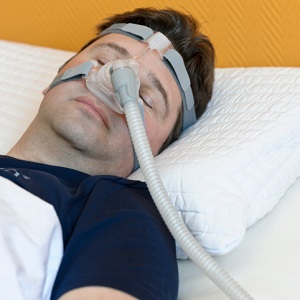 Sleep apnea is an issue that causes pauses in breathing throughout the sleep cycle. This issue can cause people to awaken frequently, snore loudly, and experience disturbances in their dreams. The condition is potentially life-threatening because it can interfere with the brain’s oxygen supply.
But people experiencing sleep apnea aren’t just stuck dealing with its physical effects. They may also experience mental health challenges.
Depression
A study by the Centers for Disease Control and Prevention found that people with sleep apnea were more likely to experience depression than people in the general population. Disturbances in sleep can affect mental health, and the stress of having a serious medical condition is sufficient to send some people into depression. But sleep apnea is particularly likely to interfere with mental health because of the reduced oxygen supply to the brain at night, which can alter brain functioning and thus increase a person’s likelihood of developing depression.
Anxiety
The fact sleep apnea affects people while they’re sleeping—a time when people are supposed to be at peace—can be particularly jarring. Some people have to wear special masks connected to continuous positive airway pressure (CPAP) machines to ensure that they breathe normally throughout the night, and the threat of breathing problems can cause severe anxiety. This anxiety, in turn, may make sleep problems worse, and sleep deprivation can contribute to both depression and anxiety, a vicious cycle for people with sleep apnea.
Relationship Problems
For many people, the first sign that they have sleep apnea is a spouse’s complaints about snoring. Even extremely supportive spouses might not want to listen to a person with sleep apnea snore all night, and some people with the condition end up sleeping in separate bedrooms. This can decrease opportunities for intimacy and increase relationship dissatisfaction, contributing to stress for both parties.
Changes in Dreams
Many mental health professionals believe dreams are an opportunity to process the events of the day and to encode memories. Dreams also provide a testing ground for anxiety-inducing scenarios, long-term goals, and everyday interactions. Because people with sleep apnea awaken frequently, they may be unable to enter the rapid eye movement (REM) sleep that is necessary for dreaming. Among people who do not enter or remain in REM sleep, there may be a number of mental health problems, ranging from anxiety to difficulty with memory.
Cognitive Impairment
If you can’t sleep, can’t dream, and are worried about a chronic medical condition, it’s not surprising that you might have difficulty concentrating. People with sleep apnea may be exhausted during the day and have trouble focusing on important tasks, including job-related activities. Sleep problems can alter mood, making people with sleep apnea jumpy or quick-tempered, and making it more difficult for them to navigate the challenges of everyday life.
Many of the problems associated with sleep apnea are interconnected, and stress during the day can make sleep apnea worse at night. There are effective treatments, though you might have to try several approaches before something works. If you have sleep problems, consult your doctor.
References:
- Lyon, L. (2009, August 24). 7 things that make sleep apnea worse. US News. Retrieved from http://health.usnews.com/health-news/family-health/articles/2009/08/24/7-things-that-make-sleep-apnea-worse
- Sleep and mental health. (n.d.). Harvard Health Publications. Retrieved from http://www.health.harvard.edu/newsletters/Harvard_Mental_Health_Letter/2009/July/Sleep-and-mental-health
- Sleep apnea can cause depression. (n.d.). New Technology Publishing, Inc. Retrieved from http://www.healthyresources.com/sleep/apnea/articles/depress.html
For combat veterans, posttraumatic stress disorder (PTSD) is an all too common psychiatric condition. The symptoms of PTSD include high anxiety, a heightened state of arousal, aggression, and sleep disturbances. Many with PTSD report feelings similar to combat situations, as if they never really left the battlefield. When it is accompanied by moderate or major depression, those with PTSD are notoriously unresponsive to traditional therapies and medications. Self-injurious and self-destructive behaviors, even psychotic behaviors, are not uncommon events for the most severely affected veterans. Finding new and better treatment protocols is therefore essential.
Recent research indicates that Abilify (aripiprazole), a relatively new antipsychotic medication, may represent a moderately more successful approach for treating PTSD and major depressive disorder in veterans. Study authors performed a retrospective review of veterans’ charts to determine what effect, if any, the introduction of Abilify had on these patients’ PTSD and depression scores. A total of 27 charts were analyzed. Many of these patients were also receiving traditional antidepressants, anti-anxiety medications, or psychotherapy. All consented to participate in research on the use of Abilify to manage their symptoms. Most had shown very little or no response to their prior courses of treatment.
The study consisted of a 12-week trial of Abilify, with regular monitoring for side effects or improvements in mood. The overall positive response rate, both in terms of PTSD and depression, were rather low. At the end of 12 weeks, about 20% of these veterans showed significant improvement in their depression. Likewise, 37% showed improvement in their PTSD symptoms. These are not excellent results, but historically this population has been very resistant to most clinical approaches. Any improvement over failed techniques is worthwhile, and even small improvements to quality of life are deemed worth pursuing. Furthermore, Abilify has no potential for abuse and relatively few side effects. It is much better tolerated than many of the traditional antidepressants and anti-anxiety medications.
PTSD makes readjustment to civilian life an uphill battle for many veterans. Too many find themselves in a cycle of fear, self-loathing, anger, depression, and substance abuse. Abilify, originally developed as a first-line treatment for schizophrenic patients, has shown the potential to ease the symptoms of PTSD in at least some of these veterans. More research is needed, but the outlook is promising.
References
Richardson, J.D., Fikretoglu, D., Liu, A., McIntosh, D. (2011). Aripiprazole augmentation in the treatment of military-related PTSD with major depression: a retrospective chart review. BMC Psychiatry, 11, 86.
 Everyone seems to be talking about the Bs lately. Specifically, B12 and folic acid (or folate) are making headlines for their roles in mental health and illness. Both of these vitamins play an essential role in a number of key bodily processes.
Symptoms of a Deficiency
A deficiency in B12 or folate may take months or years to become evident, and may lead to symptoms such as fatigue, muscle weakness, diarrhea, difficulty concentrating, forgetfulness, sleeplessness, irritability, and mood swings. In more severe cases, deficiency can result in seizures, dementia, or parathesia (burning, prickling, tingling, numbness, or a crawling sensation in the extremities or elsewhere in the body).
Low levels of B12 and folate are associated with having higher levels of homocysteine, an amino acid found in the blood; when levels are too high, the risk of cardiovascular disease and cognitive problems increase. What is particularly interesting about this relationship is that over the past several years, more research has emerged showing a link between depression, and to lesser extents, anxiety, hostility, and increased likelihood of cardiovascular problems. Additionally, people who have heart disease have higher rates of depression than what is seen in the general population. It is unclear if the sole or definitive link between heart disease and B-vitamins is homocysteine levels, but the relationship is intriguing.
Who is at Risk?
Risk factors for B12 or folate deficiencies include following a vegan diet ( B12 is only found in animal products), being elderly, having an inflammatory bowel disease, being malnourished, having liver problems, being pregnant, using proton pump inhibitors regularly (medications that reduce stomach acid), and alcoholism. In addition, certain medications may interfere with the absorption of B12 or folate.
What’s the Evidence?
Recent research has investigated whether supplementation with B12 or folate could yield observable improvements in cognitive functioning or mood. A 2012 study examined the effects of supplementation on cognitive functioning in 700 elderly adults who had symptoms of depression but did not meet full criteria for a depressive disorder. Improvements in some aspects of memory (immediate and delayed recall) were significant, if not modest, but were only seen after two years of daily use. Supplementation did result in significantly higher blood levels of B12 and folate, and significantly lower increases in levels of homocysteine over time, as compared to taking a placebo.
Other research has found that approximately one third of depressed patients have low levels of folate and elevated levels of homocysteine. Treatment with antidepressants may be less effective in those with low levels of B12. Adequate levels of folate and B12 are also important for those taking the supplement SAM-e (S-adenosyl-methionine). SAM-e is a popular over-the-counter supplement typically used to treat depressive symptoms or pain due to osteoarthritis or fibromyalgia. SAM-e is sometimes used in conjunction with conventional antidepressants to boost their effectiveness in those who don’t respond sufficiently to antidepressants alone.
Finally, a 2010 paper discussed two case reports in which depressed patients had failed to respond to three different trials of antidepressant therapies. In each case, the patient was a male vegetarian with low levels of B12. One of the men had sleep difficulties that progressed to complete insomnia, as well as cognitive symptoms (slowness in thinking, difficulty performing calculations, and forgetting names of objects and people). The other experienced problems with attention-concentration, learning new information, and immediate and visual recall of information. In both cases, supplementation resulted in an improved response to medication and reduction in depressive, sleep, and other cognitive symptoms.
Although recent headlines and some of the study findings suggest a link, it is important to note that more research needs to be done to definitively state whether B-vitamin supplementation can reduce, prevent, or reverse cognitive or mood problems in healthy or ill people.
Recommendations
- Strive for a healthy diet comprised of adequate amounts of high-quality food. This should include whole grains, vegetables and fruits, beans/legumes, as well as fish, dairy, and other lean proteins if you eat animal foods.
- B12 and folic acid supplements are water soluble and tend to be safe in moderate doses. If you do choose to take supplements, be aware that when taken without B12, folate can mask a B12 deficiency. Thus, it is typically recommended to add B12 if you are already taking a folic acid supplement.
- If you fall into one or more of the higher-risk categories mentioned above, it is worth consulting with your physician and/or a registered dietician regarding whether supplementation is warranted or to adjust your diet appropriately.
- If you have any of the cognitive, psychological, or physical symptoms mentioned above, consult a health care provider immediately.
- Learn more about dietary supplements at the National Institutes of Health’s Office of Dietary Supplement’s page
References:
- Kate, N, Grover, S, and Agarwal, M. (2010). Does B12 deficiency lead to lack of treatment response to conventional antidepressants? Psychiatry, 7(11), 42-44.
- Stanger O, Fowler B, Piertzik K, Huemer M, Haschke-Becher E, Semmler A, Lorenzl S, & Linnebank M (2009). Homocysteine, folate and vitamin B12 in neuropsychiatric diseases: review and treatment recommendations. Expert Rev Neurother, 9(9), 1393-412.
- Walker, JG, Batterham, PJ, Mackinnon, AJ, Jorm, AF, Hickie, I, Fenech, M, et al. (2012). Oral folic acid and vitamin B-12 supplementation to prevent cognitive decline in community-dwelling older adults with depressive symptoms—the Beyond Ageing Project: a randomized controlled trial. American Journal of Clinical Nutrition, 95(1), 194-203.
 Maybe you’ve been struggling with anxiety and panic and you’ve tried everything: medication, progressive relaxation, meditation, exercise, deep breathing, herbs, watching TV till your eyes glaze over in a stuporous fog—and still you’re feeling nervous, irritable, unable to focus, panicky, and tense.
What you’re missing might surprise you: you could be suffering from lack of sleep.
Studies show sleep deprivation to be one of the primary contributors to anxiety problems, depression, and other psychiatric disorders. Sleep appears to be very important for emotional regulation and processing.
[fat_widget_right]
At University of California Berkeley’s Sleep and Neuroimaging Laboratory, assistant professor Matthew Walker’s experiment with sleep deprivation in humans showed that without sleep, the brain reverts back to more primitive patterns of activity. People then become less able to put emotional events into context and respond appropriately.
The amygdala is the part of the brain that prepares the body to protect itself when it perceives danger. When it senses danger, it sends a message to the prefrontal cortex, which then interprets and assesses the situation and decides whether to activate the fight or flight response. Under normal circumstances, the amygdala and prefrontal cortex work together to respond appropriately to danger while also keeping people from overreacting to emotional experiences. Under conditions of sleep deprivation, subjects’ amygdales and prefrontal cortexes stopped working together. Emotional centers were 60% more active, resulting in slower reflexes, increased irritation, problems with focus and concentration, and higher feelings of anxiety.
Other studies suggest that lack of REM sleep causes or worsens psychological problems. REM sleep, also known as dreaming sleep, is very important for processing emotions and memories, clearing the mind of the stressful events of the day, and dreaming. During this stage of sleep, the areas of the brain used in learning and developing new skills are stimulated. About 70 to 90 minutes after falling asleep, the first REM cycle occurs; ideally, people will have three to five REM episodes per night. Getting more and better REM sleep has been shown to boost people’s moods during the day. Fortunately, improving the quantity and quality of REM sleep you get is relatively easy.
Many experts recommend getting seven to nine hours of sleep per night, although some say that the quality of sleep is more important than quantity. Getting six hours of high-quality, uninterrupted sleep is more beneficial than eight hours of restless, interrupted sleep. You can immediately improve the quality of your sleep by making two important changes: change what you put into your body and what you do with your body, both during the day and when getting ready for sleep.
Change What You Put into Your Body
- Eating, drinking, and medication habits may be disrupting your sleep more than you think. Too much food, especially rich, fatty food, can keep your stomach working overtime to digest, and spicy food can cause heartburn. Too much liquid can cause numerous trips to the bathroom at night. Your first step to better sleep is to limit your intake of rich, fatty, or spicy food, especially during your evening meal. Stop eating and drinking fluids several hours before you go to bed for the night.
- Alcohol and caffeine use can also be very disruptive to your sleep cycle. Although you may feel temporarily relaxed after using alcohol, it causes you to wake up later at night, interrupting deep sleep and REM sleep. Caffeine can disturb sleep for up to ten to twelve hours after ingestion, so cut out the caffeine after lunchtime. Nicotine is another stimulant which disrupts sleep, so cut down or eliminate smoking to improve your sleep—although if you’ve been a smoker for a while, nicotine withdrawal may temporarily make it harder for you to sleep.
Change What You Do with Your Body
- Regular exercise can help you fall asleep easier and achieve better rest. It doesn’t even have to be intense or rigorous: a brisk walk or bike ride is plenty. As little as twenty or thirty minutes per day of moderate exercise can be very helpful, and you can even break your activity up into ten- or fifteen-minute segments if you wish. You will want to schedule your exercise in the morning or early afternoon, because your body needs sufficient cool-down time to sleep well.
- Set up a consistent, relaxing routine before bed. This trains your brain to recognize that it is time to wind down, making it easier for you to fall asleep. For thirty minutes to an hour before bed, find peaceful, quiet things to do to relax your body and mind. You might try things such as reading a light, entertaining book or magazine, listening to soft music or audiobooks, enjoying a hobby such as knitting or doing puzzles, or making simple preparations for the next day. A cup of hot tea or a glass of warm milk can also be helpful.
- Although many people use watching TV as a way to relax or fall asleep, television actually stimulates your brain rather than relaxing it. Watching disturbing, violent material on the news or prime-time shows stimulates thinking as well as your physiology. Even if you do manage to fall asleep with the TV on, the continuous flickering of the screen can interfere with your body’s clock, which is sensitive to any light. You will get higher-quality sleep with the TV and computer off. If you have a hard time getting used to sleeping without the television, try turning on soft music, a sleep sound maker, or a fan.
- Avoid napping during the day, which interferes with your body’s clock. Set up your nightly relaxation routine and stick to a consistent sleep schedule, and your quality of sleep will improve.
Getting adequate, quality sleep is extremely important for emotional regulation and processing. Fortunately, it is relatively easy to make changes in this area. Start today, and the effects can be felt almost immediately.
Reference:
- Yoo, S., Gujar, N., Hu, P., Jolesz, F.A., Walker, M.P. (2007) The human emotional brain without sleep: A prefrontal amygdala disconnect. Current Biology 17: 877-878