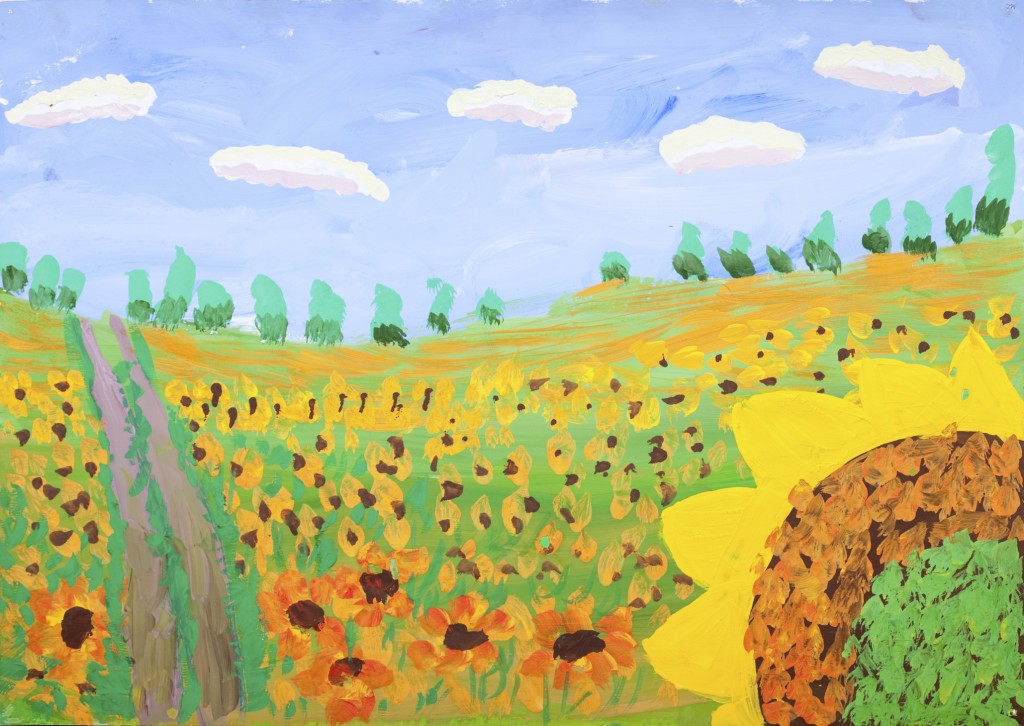
 “It is so difficult to put the complexities of the trauma recovery process into words—artwork does this much better!” – Joan Turkus, M.D.
Posttraumatic stress (PTSD) is a condition that is, unfortunately, quite common in modern society. Statistics show that 70% of adults in the United States have experienced some form of traumatic event at some time in their lives and that up to 20% of this population will go on to develop PTSD. If you have undergone trauma, you are not alone. While many forms of therapy continue to emerge to treat those who have experienced trauma, art therapy is one that has been proven by a number of studies to be effective in dealing with the aftereffects of trauma. Whether you are a survivor of abuse, war, natural disaster, or another traumatic event, art therapy will likely be able to help you heal.
[fat_widget_trauma_ptsd_right]
Breaking the Silence
A common occurrence after a person has experienced trauma is a hesitancy or inability to discuss the incident out loud or verbally, even with a professional therapist. Repressing all thoughts and feelings is one reason this can happen. In expressive arts therapy, words are not necessary; much can be achieved without them. Expressive arts therapy moves the client and therapist from the traditional talk therapy roles and into a process that may be less provocative. The medium serves as a bridge between you and the therapist, allowing exploration to occur at a comfortable pace.
Each medium is carefully selected by the therapist to support giving voice to your experience. You don’t have to strain to say the right thing; the medium can speak for you and act as a support for your experience. Some emotions may be better expressed through art than through verbal language anyway. While you may not be able to put what you feel into words, viewing your work in front of you is something else entirely—something that can lead to your healing.
Journey to the Unconscious
Repression, or the brain’s attempt to send difficult thoughts straight into the unconscious, supports clients in handling their trauma. This phenomenon is observed frequently in trauma victims, who claim to have no recollections of the disturbing events. Many experts view art therapy as a way to tap into these unconscious thoughts and memories and bring them to the surface, so that individuals can heal and reconcile them.
You’re probably familiar with the left-brain and right-brain theory, which has been common knowledge among the general public for quite some time now. The act of creative expression utilizes the right-brain hemisphere. What’s interesting is that the right brain is also where visual memories are stored. Many theorize that the two are therefore very closely linked and that this is one of the reasons that art therapy has been so successful at uncovering repressed, unconscious images.
Helping Children Heal
Although art therapy has been proven to be a successful treatment for people of all ages, research shows that it has been particularly effective in the treatment of children. Various developmental theories claim that children do not fully develop verbal skills until adolescence, and it is therefore no surprise that your child may better respond to a creative outlet for self-expression than a chat with a therapist.
Seeking the right treatment for you or your child following a trauma is often frustrating, particularly when you do not know where to turn. While it is important to read about all of your options, if you or your child has experienced any form of trauma, then art therapy may be helpful.
References:
- Art therapy. (2011). Retrieved July 15, 2012, from Trauma Recovery Center: http://www.traumarecoverycenter.com/art_therapy.html
- Art therapy. (n.d.). Retrieved July 15, 2012, from Casa Palmera: http://www.casapalmera.com/articles/art-therapy/
Art therapy what is it? (n.d.). Retrieved July 15, 2012, from CRC Health Group: http://www.crchealth.com/types-of-therapy/what-is-art-therapy/ - Clatch, M. (2012, January 1). Trauma recovery through art and play therapy. Retrieved July 15, 2012, from Courage to Connect Therapeutic Center: http://www.couragetoconnecttherapy.com/trauma-recovery-through-art-and-play-therapy
- Malchiodi, C. (2012, February 22). Art therapy shows promise in treatment of PTSD & trauma. Retrieved July 15, 2012, from Art Therapy: http://www.arttherapyblog.com/ptsd/ptsd-treatment-showing-promise/#more-26
- Malchiodi, C. (2012, March 6). Trauma-informed expressive arts therapy. Retrieved July 15, 2012, from Psychology Today: http://www.psychologytoday.com/blog/the-healing-arts/201203/trauma-informed-expressive-arts-therapy
- Rosenthal, M. (n.d.). PTSD statistics. Retrieved July 15, 2012, from Heal My PTSD: http://healmyptsd.com/education/post-traumatic-stress-disorder-statistics
 Binaural beat technology (BBT) was discovered in the early 1800s and first described in the popular literature in the early 1970s. In the last four decades, binaural beat audio programs have been touted as tools for reducing stress, improving sleep, enhancing concentration, and even fostering altered states of consciousness. In the ‘70s and ‘80s, BBT audiotapes were primarily found in more esoteric venues, such as New Age bookstores, health food emporia, and retreat centers dedicated to consciousness exploration. One such center, the Monroe Institute in Virginia, is well known for their use of Hemi-Sync recordings, which feature BBT.
Today, BBT has become more commonplace, as one can download MP3s and smartphone applications in a matter of moments. Although the prevalence and popularity of such products has waxed and waned, several studies examining the potential usefulness off BBT have been conducted with a variety of populations.
What is BBT?
The term “binaural beat” refers to the brain’s tendency to hear the difference between two similar tones that are played in opposite ears as one new tone. Our ears hear tones in terms of hertz (Hz), or cycles (the number of times a wave repeats itself) per second. Beats played at frequencies that are characteristic of brain wave frequencies are both audible and thought to facilitate alterations in our predominant brain-wave state.
Types of Brain Waves and Their Associated States
At any given time, our predominant brain wave may be in the frequency associated with deep sleep or deep trance (delta; 1-4 Hz), meditation (theta; 4-8 Hz), relaxed awareness or daydreaming, (alpha; 8-12 Hz), a state of relaxed focus (low-beta, or sensorimotor rhythm [SMR]; 12-15 Hz), alert mental activity/concentration (mid-beta; ~15-18 Hz), anxiety (high-beta; >18 Hz), or high-level information processing (gamma; >30 Hz). Gamma brain-wave states appear to be the least well researched. There is no “best” state to be in; however, at different times we will understandably want to be able to shift into one that is appropriate to the task at hand, whether sleeping, working on a project, or relaxing.
What Type of BBT for Which Conditions?
It has been hypothesized that a number of conditions, including chronic stress, chronic and postoperative pain, migraines and other headaches, problems with attention/concentration or learning, and insomnia, to name a few, reflect an imbalance or irregularity in brain-wave states. The deliberate use of BBT to change the predominant brain-wave state is referred to as brain-wave entrainment (BWE). BWE is not limited to BBT, but discussion of other methods is outside the scope of this article. However, a 2008 review of the BWE literature found that delta stimulation was associated with improvement in migraines and other headaches and reduction in short-term stress. A single session of alpha stimulation was associated with stress reduction in some settings, but not for those undergoing root canal. Alpha stimulation was also linked to pain relief. Beta improved attention, reduced short-term stress, alleviated headaches, reduced behavioral problems, and improved performance on measures of overall intelligence. An alpha-beta protocol improved verbal skills performance and attention, and a beta-gamma protocol showed improved arithmetic skills in children who had learning disabilities or attention-deficit hyperactivity. Most of these studies examined photic stimulation (presented via flashing lights) or combined photic and BBT entrainment rather than BBT alone. Thus, it is difficult to draw a definitive conclusion about the specific utility of BBT from this review.
BBT as a Potential Tool for Reducing Anxiety and Pain
The results of a small pilot study published in 2007 found that listening to an hour-long program emphasizing delta BBT for 60 days was associated with a decrease in self-reported trait anxiety and an increase in quality of life among eight healthy adults. The level of dopamine (an excitatory neurotransmitter) was also decreased significantly and may be related to the decrease in trait anxiety scores. Interestingly, the team assessed changes in the level of growth hormone because the BBT’s producer claimed that listening would increase these levels. Growth hormone decreases with age, and thus, an increase would be considered a potentially beneficial outcome; yet, listening to this BBT program was associated with a significant decrease in growth hormone. Both the reasons for this result and it’s implications are unclear.
Perhaps two of the more intriguing studies about BBT were the following trials with patients undergoing surgery. The first is a 2005 double-blind, randomized controlled trial in which 108 patients undergoing general anesthesia for elective surgeries received either a BBT plus music audio, the same music without BBT, or no intervention other than standard care for a 30-minute period prior to their operations. The BBT audio featured a progressively slowing beat that ended with 10 minutes of delta. No adverse events were noted, and although initial state anxiety scores were higher in the BBT group (prior to the intervention), the most significant decrease in anxiety was also in the BBT group—even after adjusting for the fact that participants in this group on average had higher initial anxiety. Listening to music alone was also associated with a significant decrease in anxiety, but this decrease was of a lesser magnitude than that of the BBT group. This study showed that an inexpensive, one-time intervention of short duration was beneficial despite the stress characteristic of undergoing surgery.
The other study was a randomized controlled trial of 60 patients about to have surgery with general anesthesia. Twenty patients were assigned to each of three conditions: a Hemi-Sync BBT program, listening to the music of their choosing, or listening to a blank audiocassette for 30 minutes prior to surgery. None of the participants was offered any sedative premedication. Stereo headsets from all groups of participants were removed before the patients entered the operating room but were replaced and the respective audio programs restarted after the induction of anesthesia. Headsets were discontinued at the conclusion of surgery. The researchers found that using the Hemi-Sync programs resulted in significantly less intraoperative use of fentanyl (a very potent, synthetic opiate pain medication), lower self-reported pain scores several hours after the surgery, and being discharged from the hospital sooner. Unfortunately, the specific frequency of BBT was not described in this article.
Anecdotally, several months ago I went for my first-ever root canal and noticed considerable anxiety at the thought of having a very sensitive tooth drilled (even with anesthetic). On the way to the endodontist’s office, I listened to both a guided imagery program designed specifically for medical procedures in which one must remain awake (available via HealthJourneys.com) and also to a free delta BBT program (Napuru) I’d downloaded for my iPhone. The delta tones were played against a backdrop of ocean waves. My subjective experience was that the BBT and imagery, combined with mindfulness practice before and during the root canal, reduced my anxiety significantly and enabled me to get through what seemed like an eternity of loud drilling. I cannot say what the most “active” ingredient in this integrative approach was; however, the point is that this nondrug, inexpensive, easy-to-use adjunct was effective for me.
BBT has been around for decades and is now readily and inexpensively available. There are some data to suggest that it may be helpful for relieving anxiety in general and in the context of a stressful event. There is also some evidence that BBT or other methods of brainwave entrainment may help with pain, concentration, headaches, and other issues, and serious risks or side effects have not been reported. The current research does not definitively answer the question of whether there would be a dose-response effect or a benefit from listening to BBT more regularly versus listening once; however, this seems plausible. More research needs to be done to better elucidate whether BBT could be used as an independent therapeutic tool, however. Additionally, assuming BBT is effective, one should not drive or perform tasks requiring sharp focus when listening to delta, theta, or alpha tones, as these may induce a very relaxed state.
For More Information:
- Dabu-Bondoc, S., Vadivelu, N., Benson, J., Perret, D., Kain, Z. N. (2010). Hemispheric Synchronized sounds and perioperative analgesic requirements. Anethesia & Analgesia, 110(1), 208-210.
- Huang, T. L., Charyton, C. (2008). A comprehensive review of the psychological effects of brainwave entrainment. Alternative Therapies in Health and Medicine, 14(5), 38-50.
- Padmanabhan, R., Hildreth, A. J., Laws, D. (2005). A prospective, randomised, controlled study examining binaural beat audio and pre-operative anxiety in patients undergoing general anesthesia for day case surgery. Anesthesia, 60, 874-877.
- Wahbeh, H., Calabrese, C., Zwickey, H. (2007). Binaural beat technology in humans: A pilot study to assess psychologic and physiologic effects. The Journal of Alternative and Complementary Medicine, 13(1), 25-32.
Related articles:
6 CAM Tools for Achieving Better Health, Emotional Balance, and Contentment
Biofeedback for Treatment of Migraines and Stress
10 Complementary Therapies That Can Help Children
 “Why are you out of bed?”
“I’m scared.”
“What are you afraid of?”
“There’s a monster under my bed!”
“There are no monsters. Go back to bed.”
“Nooooooo, I’m scared.”
Sound familiar? Almost every parent has done this. Holding a little hand, down on your hands and knees with a flashlight to prove there is nothing under the bed—unless you count the stray sock, a missing toy, and a few dust bunnies.
Your little one thinks you are a superhero. You faced the monster and saved the day, or in this case, the night. With imagination tamed, feeling safe and secure, your child falls asleep.
Imagination is an amazing thing. Children hone it to a fine art. With a towel on their shoulders and a leap from the couch, they fly!! They feed you imaginary sandwiches and wipe imaginary crumbs from your chin. They introduce you to friends only they can see. They scare themselves at bedtime. Years pass, towels are used for bathing, imaginary sandwiches and friends are forgotten. Monsters no longer hide under the bed. Reality replaces imagination.
Or does it? Many adults continue to exercise their imagination. They don’t have towels on their shoulders or imaginary friends, but they do believe in monsters created entirely with their imagination. Your child, no longer afraid of monsters, is a teenager now. You worry she doesn’t take school seriously, or her current boyfriend is a bad influence, or her college fund isn’t going to be enough. Get the picture?
Adults may not imagine monsters under the bed, but they do imagine a multitude of scenarios that would scare Freddy Krueger, and it’s socially acceptable. A vivid imagination is never questioned if the name is changed from imagination to worry. It is commonly accepted that everyone worries; it’s part of being a responsible adult. How else can you be prepared when the unthinkable happens? If you have played out the worst-case scenarios in your mind, you are ready to deal with them.
Worry is as useful for you as monsters under the bed were for your child. You make things up in your head, believe them, and scare yourself. Who will take you by the hand, shine the flashlight on your imaginary fears, and make them disappear?
Worry is using your thinking to predict the future or to continue to relive the past. Predictions rarely come true, and if they do, worry did not change the outcome. It only made you miserable before the outcome happened. How much have you changed the past by worrying about it? Unless you conquered time travel, it doesn’t work. The past is past. It doesn’t change and it doesn’t cause you pain unless you bring it into your present by thinking about it. So the monsters (worries) of the future and the past are simply you using your imagination to scare yourself. Seems a bit silly, doesn’t it?
Worry (scaring yourself with your imagination) raises your level of tension and lowers your mood. From that low state of mind you expect to find solutions to your problems. It won’t happen. High tension and low mood doesn’t make for good problem solving—ever. Recognizing that you are scaring yourself helps the worries go away. You shine the flashlight on your fears and recognize they are imaginary. From a calmer state of mind, you deal with problems as they occur rather than in the future or the past.
Related articles:
Don’t Worry – Be Happy!
Self-Soothe in Your Own Compassionate Hammock
Mindfulness Practice: Learning to Live in the Moment
 The world of psychiatry is full of unusual phobias. There’s symmetrophobia, the fear of symmetry, xerophobia, the fear of dryness, and ideophobia, the fear of ideas. But these phobias are exceedingly rare, and in the psychiatric interest on strange phobias, more mundane—and more dangerous—phobias are easily forgotten. Needle phobia is one such fear. There is significant evidence that fear of needles sparks physical changes in the body that can result in cardiac episodes and other health problems when a patient is exposed to needles. But needles are a part of life and are often necessary for medical treatment. Needle phobia, then, can cause a person to avoid life-saving care and, if a needle is forced upon a phobic patient, the results could be disastrous.
Needle Phobia and Cardiac Episodes
Most people dislike needles, but a true needle phobia feels overwhelming and uncontrollable to patients. People who have needle phobia may experience an extremely elevated heart rate and blood pressure immediately before a needle puncture. When the puncture occurs, the heart rate may drop precipitously. This exposes them to significant danger of heart arrhythmias and other cardiac episodes. Dr. James Hamilton, a pioneer in the treatment and study of needle phobia, reports that at least 23 deaths have been caused by a needle puncture that led to a cardiac episode.
Medical Issues
Doctors, nurses, and other people tasked with administering vaccinations and drawing blood are not typically properly educated about needle phobia. They’re accustomed to patients who dislike needles and may reassure them with promises that the puncture won’t hurt or will only take a minute. But with a true needle phobic, these reassurances don’t work. The person isn’t afraid of pain or injury: he or she is afraid of the needle itself. This poses serious obstacles to medical treatment. As many as 10% of people have some degree of needle phobia, and a significant portion of these individuals report that they would rather die than receive a needle puncture. These people tend to avoid medical care because of their fear, allowing their illnesses much more time to worsen than illnesses of nonphobic people.
Causes
Although traumatic experiences with needles such as painful blood draws or blood transfusions can cause needle phobia, people can’t typically trace the origin of the phobia. Needle phobia seems to run in families, but this does not mean the fear is genetic. Children may learn it from watching their parents show fear of needles. Restraining children during vaccinations and blood draws is strongly correlated with the later development of needle phobia. Consequently, parents should strive to ensure that their children’s early experiences with needles are positive and that children are not restrained unless the needle puncture is needed immediately to save the child’s life.
Treatment
Some people have good luck with hypnotherapy, but the most common treatment for needle phobia is counterconditioning. This process can take several years because the mere sight of a needle is sufficient to send many patients into a full-blown panic attack. Treatment providers typically start by asking the person to envision a needle, progress to showing the person a needle, and ultimately move toward getting the person to accept a needle puncture. For people who require needles for medical treatment, it may be necessary to administer general anesthesia to prevent life-threatening reactions. In less severe cases, anti-anxiety medications can lessen the symptoms of needle phobia.
Sources:
- Hamilton, J. G. (n.d.). Needle phobia: A neglected diagnosis. Needle Phobia. Retrieved from http://needlephobia.info/pages/Hamilton-Needlephobia.pdf.
- Emanuelson, J. (n.d.). The Needle Phobia Page – fear of needles and needle procedures. The Needle Phobia Page – Fear of Needles and Needle Procedures. Retrieved from http://www.needlephobia.com/
- The phobia list. (n.d.). The Phobia List. Retrieved from http://phobialist.com/
Related articles:
The Other Side of Normal: An Interview With Jordan Smoller
Three Steps for Dealing with Panic Attacks
Breathing Lessons
 As you may know, eye movement desensitization and reprocessing (EMDR) is a research- and evidence-based therapy created by Francine Shapiro, Ph.D., over 20 years ago. An integrative model, EMDR is comprehensive, including aspects of multiple psychotherapeutic approaches. With this in mind, equine experiential activities, such as those found in equine-assisted psychotherapy (EAP), support and help to facilitate EMDR’s eight-phased model, while also maintaining fidelity to standard protocol.
The EquiLateral™ protocol is brought with a deep respect and understanding of EMDR but also the power of equine-assisted therapy. I am constantly reminded that EMDR and equine-assisted therapy both have the ability to support and often deepen a client’s ability to access where those traumas are stored. In my 10 years of experience as an EMDR therapist, I am still constantly amazed and inspired by the depth of healing that can be reached through EMDR, let alone through horses, who are often our most powerful and forgiving teachers.
Current research emphasizes the importance of maintaining fidelity to EMDR’s eight-phased approach. Nevertheless, in doing so, EMDR “may be implemented in more than one way as long as the broad goals of each phase are achieved” (www.emdria.org).
EquiLateral™ is the first equine-assisted EMDR protocol. We are still doing EMDR but are incorporating equine-assisted experiences within the eight-phased, three-prong, standard EMDR protocol. For more information on this approach to healing trauma, please visit my website: www.dragonflyinternationaltherapy.com
Horses, Comfort, and PTSD
Horses are prey animals. What this means is that they are highly in tune with their environment, readily noticing changes in the world around them and being able to respond to what they notice and actively seek what horseman Buck Brannaman describes as their wanting to return to “peace.” When in this energetic state, their nervous systems are settled and calm. They can readily focus on just being in the world, in the moment, which for them means grazing, moving 20+ miles a day, and relating with herd members. In contrast, when sensing danger, their peace is threatened, and their nervous system becomes activated enabling them to react, primarily through flight, although sometimes through fight or freeze, for self-preservation.
If you are a trauma survivor or know someone who struggles with posttraumatic stress, perhaps you can relate. Our bodies have the capacity to do as horses do, react, respond, then calm down and return to “peace.” But, we humans often learned to “stuff,” “repress,” “deny” what happened when all the body really wants to do is release and move through those feelings and body sensations. Doing so actually helps the trauma memory settle in, to release the “charge” that the body stores about what happened. By nature, horses, like all animals, know how to do this.
But, when trauma is still locked in the body and blocked, our nervous systems don’t return to a baseline of calm and peace. Instead, the fight, flight, or freeze that was experienced at the time of the event continues to remain activated, leading one to feel on alert, hypersensitive, anxious, easily agitated, or constantly “on,” making it challenging and often nearly impossible to relax.
That said, horses know how to relax. But, they also instinctively know to be alert and flee when threatened. They are preyed upon in the wild and are really in tune to danger, of any kind, including that which threatens their physical and even emotional safety, and that sense of comfort and peace that is their baseline state of being. And if you are a trauma survivor, all you want is peace and comfort as well. And this is just the beginning of why the horse and the trauma survivor may just “get” each other.
In light of the powerful connection between horses and trauma survivors, I am consistently shown the power of horses to help heal humans, especially through the integration of EMDR and equine-assisted therapy via this protocol.
Keep an eye out for the Part 2 of this post coming soon!
Related articles:
EMDR: Symptoms and Phases
Common Therapy Approaches to Help You Heal from Trauma
How Trauma Impacts My Sense of “Me-Ness” – Part II
 I first met Albert Ellis, the founder of Rational Emotive Behavior Therapy (REBT), about 35 years ago. Soon after I became an Associate Fellow and a Supervisor with the Albert Ellis Institute in New York City, and was a died-in-the-wool devotee for decades.
Al was open to all of us adding or subtracting a variety of techniques, whether meditation, homeopathy, yoga philosophy, or anything else, as he had already incorporated disparate ideas from areas as diverse as Buddhism and behaviorism. He wanted each therapist to put his or her own stamp on their ways of working, although I believe he assumed we would all keep the REBT skeleton beneath whatever robes we draped it in.
Rigid, dogmatic thinking was not the coin of his realm. In fact, he loved to engage in lively discussions of all therapeutic techniques and was happy to incorporate anything he believed would help shift a client to becoming more unconditionally self-accepting.
Of course, like any parent, he was proud and delighted when his baby, REBT (the precursor of cognitive behavioral therapy [CBT]), would be “proven” to be effective in alleviating depression, anxiety, anger issues, or anything else, as it was with 40-plus years’ worth of studies.
This plethora of evidence-based practice studies that have lauded the effects of REBT and CBT is what led to the Swedish government’s decision to invest heavily in training clinicians to provide CBT to people with depression and anxiety and spend no money on training or treatment in other modalities. Naturally, the Swedish government was a bit shocked when a recent study showed that training therapists in and treating clients with CBT had little or no effect.
In response to these findings, Scott D. Miller, Ph.D. wrote: “The widespread adoption of the method has had no effect whatsoever on the outcome of people disabled by depression and anxiety. Moreover, a significant number of people who were not disabled at the time they were treated with CBT became disabled.”
Apparently, this has not deterred the American Psychological Association from resurrecting its plan to draft and promulgate a series of guidelines pushing specific treatments for different mental health issues.
Dr. Miller and his colleagues at the International Center for Clinical Excellence have analyzed many studies showing little difference between treatment approaches in terms of outcome. They argue that all approaches work almost as well, and efforts to target specific treatments for each psychiatric diagnosis are not an effective use of time and money.
Dr. Miller recently talked about what works in behavioral health and recommended shifting the focus to designing client-tailored services rather than spending so much energy on examining specific treatment models and techniques. Meanwhile, Sweden has decided to end the exclusive use of CBT for the treatment of anxiety and depression, realizing that people need to have therapy choices.
As a holistic psychotherapist for almost 40 years, I think it is obvious when treatment is working: people self-report feeling better. They engage in life more fully, sleep better, take better care of themselves, and have more satisfying relationships and more meaningful life experiences.
As much as it can be wonderfully useful to study psychological modalities, theories, and philosophies, at the end of the day it all boils down to whether the person has been helped or not. Using evidence-based practice studies as a Procrustean bed will only cause pain and prolong suffering, just as the original one tried to stretch or shrink people to fit its specifications.
Source:
Miller, S. D. (May 13, 2012). Revolution in Swedish mental health practice: The cognitive behavioral therapy monopoly gives way. Retrieved from http://www.scottdmiller.com/?q=node%2F160&goback=%2Egde_53475_member_125725759
Related articles:
What is CBT?
Deep Breathing and Guided Imagery
When Someone Really Listens, We Heal
Play is an important part of a child’s development. It enables them to engage creativity and learn necessary social skills. Children are often introduced to concepts like sharing, taking turns, and working together when they participate in group play. This critical time of development allows children to learn how to practice patience, empathy, and other necessary social skills. Although the research on play has demonstrated the many benefits, such as creativity and emotional maturity, few studies have looked at how creativity exhibited through play affects storytelling and divergent thinking, two aspects that further emotional regulation and enhance psychological development.
To address this, Jessica Hoffman and Sandra Russ of the Department of Psychology at Case Western Reserve University conducted a study involving 61 young girls in kindergarten through fourth grade. The team used the Affect in Play Scale to assess the girls’ mood processes and cognitive behaviors as they construed narratives. The researchers also relied on parent reports to measure emotional regulation and evaluated the girls for divergent thinking abilities throughout the task. They found the pretend play allowed the girls to express creativity that directly increased their divergent thinking abilities. The creative play enhanced storytelling skills of the participants and allowed them to express high levels of emotional regulation. The team also explored how executive functioning was affected by creative play but found no relationship.
Hoffman noted that the participants in this study were typically performing young girls and believes that additional research on clinical and nonclinical participants would further add to the limited literature on the many positive influences of pretend play. She said, “Overall, results of this study are promising with regards to the associations between pretend play and other important life skills for children.” With play therapy and other creative approaches receiving more attention in recent years, understanding the forces behind these often successful treatment methods is vital for clinicians interested in using these techniques.
Reference:
Hoffan, J., Russ, S. (2012). Pretend play, creativity, and emotion regulation in children. Psychology of Aesthetics, Creativity and the Arts 6.2, 175-184.
 In counseling, many of the ways to address anger can also be used as tools to address anxiety. Deep breathing is one such tool. Getting that full, deep breath of oxygen will indeed help both our mind and body. Sadly, we may not stop to focus on our breathing or take in enough of that good oxygen. Furthermore, in times of distress, rapid breathing is more likely and will not help the thinking process or our ability to calmly make decisions.
When I sit in session and show clients that taking that breath is a bit more than a second or two process, they seem confused. Yet nearly everyone reports feeling remarkably calmer after trying it. Personally, I like to close my eyes so I am not focused on what is around me. Imagine as you take in that full breath through your nose that you are soaking in positive energy. Hold it a second or two, and then slowly breathe it out through your mouth. This is not a race. In fact, try to expel it slowly. Slowing down your breathing will mean you are slowing down your mind and body.
[fat_widget_anxiety_right]
Now, in the process of this deep breathing, let’s add some guided imagery. For this, think of a calm place. I would like this to be somewhere you feel relaxed and positive. For me, it is the beach. I want you to see yourself there without having to focus on where else you may need to be or other things you may need to be doing.
Experience as many of the senses as possible. For example, sitting on the sand, I can feel it between my toes. I can feel the warmth of the sun on my arms. I can smell the cool beach air and the scent of suntan lotion, and I can hear the gentle crashing of the waves and even children playing off in the background. I can also see the beauty of the area, as I watch the birds in the distance over the water. The beach is a calming place for me, so as I take in my deep breaths, I imagine soaking in the warmth and wonder of it, even as I am in my car, home, or wherever I am practicing.
The more senses you can envision, the easier it is to remain focused in the moment. Some people choose amusement parks or other loud venues. That’s okay as long you can focus and keep to your steady breathing pattern. The goal here is to consciously and intentionally slow our minds down while adding these positive and relaxing components. When asked if you should practice this when anxiety is creeping up, I say to try and practice these tools at least a few times a day. I don’t want you to have to wait until the anxiety is noticeable. Rather, if we are practicing relaxation, we will not only be in a better position to deal with it in those moments, but hopefully even fend some of it off in the first place via a calmer, more relaxed you.
Your mind is indeed a powerful tool. We hear about sharpening it with memory exercises and such to enhance our cognitive skills, but what about teaching it to relax? We live in a fast-paced society where expectations can be massive and relaxation is not taught in school. Rather, we learn how to be better students and thus more successful human beings. You need to teach your mind and body to calm down and be okay with relaxing once in awhile.
 Depression can be challenging. If you have experienced it, then you know that the most basic tasks can become excruciating and leave you feeling apathetic and drained of your willpower. Simple tasks like getting out of bed, doing the laundry, and playing with your children may be daunting. While talk therapy and medications may be helpful, they are not the only solutions to relieving symptoms. This is where art therapy comes in. Art therapy has become an effective treatment in supporting, releasing, and integrating the symptoms of depression by supporting you in exploring depression via the senses. Although art might seem less conventional, it can be just as effective as talk therapy because it utilizes the whole body experience and not just the intellect.
[fat_widget_depression_right]
When Words Do Not Speak
It can be difficult to open up to a complete stranger about your deepest and darkest emotions. Sometimes, we are taught to suppress our emotions and put on a blank face, even when experiencing inner turmoil. In art therapy, words are not always necessary. A mere lump of clay or a blank canvas can be far less threatening than giving voice to painful feelings, words, or images. The simple act of a scribble on paper can likely bring light to darkness, ignite conversation, or be a release for a depressing thought. Because something cannot be heard by the human ear does not mean that nothing is being said or revealed. Art therapy supports our process when words are not enough.
The Capacity to Feel Again
In addition to creating a communication bridge between you and your therapist, art therapy can also help you come to terms with what you are actually feeling. Perhaps you have felt numb or distanced and “incapable” of feeling when depressed. Creating art is at the heart of expression and emotion, supporting your capacity to feel again. Once you have created and externalized a part of yourself as something concrete and tangible, it is easier to acknowledge that such an emotion existed in the first place. By creating, you give yourself permission and voice to that which is difficult to speak. You might feel a sense of relief or a movement of your depression once you have transferred it onto your canvas.
Creating One’s Own Happiness
Research shows that when we observe something that we believe to be beautiful, the neurotransmitter dopamine—located in one of our pleasure centers in the brain—is released. Interestingly, the brain activity observed when we look at art is actually comparable to the brain activity representing love! It’s nice to know that in addition to having created your own art, positive feelings increase.
Research proves art therapy is a beneficial method of treating depression across a wide spectrum of personalities. Many even discover a newfound passion for art and are surprised at the talent that emerges once their emotions are channeled into their artwork. Only in this unique field are therapists performing what is considered by traditional psychoanalysts to be the hardest of tasks: getting those with depression to proactively express, manage, and overcome their symptoms … with the end result being something truly beautiful.
References:
- Study shows art may help with depression. (2012, June 6). Retrieved from http://www.arttherapyblog.com/mental-health/study-shows-art-may-help-with-depression/#.T9dlRdUth30
- Bar-Sela, G. (2007, Nov. 16). Art therapy improved depression and influenced fatigue levels in cancer patients on chemotherapy. Retrieved from http://www.ncbi.nlm.nih.gov/pubmed/17351987
- Holm, M. (2011, Aug. 11). Art therapy for depression. Retrieved from http://www.naturaltherapypages.com.au/article/art_therapy_for_depression
- Riley, S. (2001, July). Art therapy with adolescents. Retrieved from http://www.ncbi.nlm.nih.gov/pmc/articles/PMC1071468
- Vann, M. (2012, April 4). 8 Unconventional ways to ease depression. Retrieved from http://www.everydayhealth.com/depression-pictures/unconventional-ways-to-ease-depression.aspx#/slide-3

While the terms “pedophile” and “child molester” are often used interchangeably, they do not mean the same thing. A pedophile is a person who is attracted to children, but not all people with pedophilia molest children. Many individuals who are attracted to children never act on their attraction, and some seek help in order to keep from harming children.
Pedophilia is considered by some to be one of the most difficult social problems to understand. The 5th edition of the Diagnostic and Statistical Manual classifies pedophilia as a paraphilia, distinguishing it from pedophilic disorder: It is diagnosable as a mental health condition when it causes distress to the affected individual or to someone who is unwilling or unable to consent. Thus, according to this classification, having an attraction to children and not acting on it does not indicate a mental condition.
New research shows that pedophilic disorder may be neurological in nature, lending further support to the position that an attraction to children is not a choice. Some may find this difficult to accept, as those who do act on their desires and molest children have the potential to cause serious and lasting harm to many children. They may repeat their crime over and over until stopped by the criminal justice system. Many people may believe that, once caught, people who molest children deserve to spend the rest of their lives in prison, but the reality is that many of these individuals will eventually be released.
Upon release from prison, offenders are often required to enter rehabilitation programs, which are meant to redirect pedophilic urges and help a person refrain from harming children. These programs are often viewed with skepticism, as many believe that a person who molests children cannot be rehabilitated and that pedophilic urges will always lead to the sexual abuse of a child. However, there are several perspectives on the issue.
The Difference Between Pedophilia and Child Molestation
Psychological perspectives on child molestation vary greatly, but experts agree that most people who molest children fall into one of four categories:
- Children or teenagers under the age of 16 who are sexually curious and may experiment with younger children.
- Adults who have a brain condition, intellectual disability, or other mental health issue.
- Individuals who have an antisocial personality and may use children sexually but have no particular sexual desire for children.
- Individuals who are older than 16 and experience ongoing sexual desire for children. Sexual desire for children, or pedophilia, can be identified and treated or controlled with therapy and medication.
Ninety-five percent of all known instances of child molestation are committed by people with pedophilia. Other individuals may molest children for the above reasons, out of sexual frustration, or in order to maintain power or exert control.
Though nearly all those who molest children have pedophilia, many people with pedophilia will never molest a child, and some work to eliminate their attraction to children through various forms of treatment and therapy.
[fat_widget_right]
Non-Offenders
Dan Savage, who frequently writes on the topic of human sexuality, has published several accounts of people who, despite their attraction to young children, avoid being alone around children and are able refrain from committing acts of molestation. It is generally acknowledged that it may take a significant amount of self-control to avoid offending and that pedophiliac inclinations typically mean a person with pedophilia will find it difficult to have a healthy sexual relationship.
In several European countries, Savage points out, people experiencing a sexual attraction to children are often able to seek treatment confidentially. In the United States, however, an individual who discloses pedophilic tendencies may be arrested, as therapists and physicians are required by law to report anyone who poses a threat to children. This law, in addition to the stigma surrounding pedophilia and the limited number of resources available to those seeking help in the U.S., is likely to discourage non-offenders from seeking professional help, help that may enable them to continue to keep from offending.
Free and confidential prevention and treatment programs–such as Germany’s Prevention Project Dunkelfeld–may help those who are attracted to children refrain from acting on their desires. Some European countries do have lower child molestation rates than the United States, and this fact may be connected to the availability of treatment.
Many people who are attracted to children are horrified and frightened by their preferences and attempt to do everything they can to keep from harming a child. They may wish to attend therapy, explore ways to curb their desires, or take medication. Making treatment available and accessible to individuals before they offend may reduce instances of child molestation.
Chemical Castration
Chemical castration is one method that may keep child molesters from reoffending. Many states in the U.S. offer voluntary chemical castration in exchange for earlier release. Some states, such as California, mandate castration for offenders with multiple convictions as a condition of release. The treatment has been shown to greatly reduce sexual desire in men who are attracted to children and to lower rates of recidivism.
Those who have not yet harmed a child and who are committed to avoiding doing so may find relief from their desires through chemical castration. In some cases, an antidepressant, which may have the effect of further limiting one’s sex drive, is also prescribed.
Sexual desire cannot be completely eliminated by castration, a fact that leads many individuals to question the efficacy of the treatment and the risk of releasing offenders who may still experience some sexual desire for children. Another objection stems from the fact that the person undergoing treatment must be relied on to take their medication regularly. However, chemical castration has been shown to be effective for many individuals and thus is likely to protect many children who would potentially be victims of sexual abuse.
Group Therapy
Many therapists use group therapy as a type of treatment for people with pedophilic tendencies. Groups can provide a safe environment to discuss inappropriate and harmful urges, and the support of a group of individuals facing similar challenges may give some people the strength to avoid offending or reoffending.
However, when someone is involuntarily enrolled into group therapy and has no particular desire to stop offending, a support group can become a different environment. Other members may, knowingly or unknowingly, support a high-risk offender’s further attempts at molestation. But because mandated group therapy may be of benefit to some convicted offenders or those who are at risk for offending, group leaders may not wish to withhold a potentially helpful treatment from anyone. They may, however, choose to carefully screen participants prior to program entry and during treatment.
Aversion Therapy
Aversion therapy pairs an unpleasant stimulus such as an electric shock, pinch, or flick along with a pleasant stimulus. Sex offenders may use aversion therapy to attempt to eliminate their attractions to children. While this therapy can be effective, it often poses ethical problems, as therapists cannot shock their patients. It can also be difficult to maintain consistency with this type of treatment. Further, when aversion therapy does work, it is unlikely to do more than eliminate the attraction to children. It likely will not help people develop an attraction to age-appropriate adults if they do not already experience such an attraction.
Fake Porn
Psychologists have still not reached an agreement about whether pedophilia is a sexual orientation or a mental illness. Those who believe it is a sexual orientation may advocate the use of fake porn, depicting animated or CGI children, as a way for those with pedophilic tendencies to achieve sexual release. Some therapists have reported that this method has been successfully used to reduce an individual’s desire to molest a child.
However, other therapists point to studies demonstrating the effect pornography can have on sexual desire and express concern that such pornography may actually create or increase a desire to sexually abuse children. Many also question the ethics of making such pornography, even when it does not involve actual children.
References:
- Early Diagnosis and Effective Treatment. (n.d.). Retrieved from http://www.childmolestationprevention.org/pages/focus_on_the_cause.html
- Goode, S. D. (2010). Understanding and addressing adult sexual attraction to children: A study
of paedophiles in contemporary society. New York, NY: Routledge. - Jenkins, P. (2004). Moral panic changing concepts of the child molester in modern
America. New Haven, CT: Yale Univ Press. - Kaplan, M. (2014, October 5). Pedophilia: A Disorder, Not a Crime. Retrieved from http://www.nytimes.com/2014/10/06/opinion/pedophilia-a-disorder-not-a-crime.html?_r=0
- Kincaid, J. R. (1998). Erotic innocence: The culture of child molesting. Durham, NC: Duke
University Press. - Nanos, J. (2014, March 1). Can Chemical Castration Help Pedophiles Tame the Beast Within? Retrieved from http://www.bostonmagazine.com/news/article/2014/02/25/chemical-castration
- Schwartz, C. (2011, December 7). What Science Reveals about Pedophilia. Retrieved from http://www.thedailybeast.com/articles/2011/12/06/what-science-reveals-about-pedophilia.html
- Seto, M. C. (2008). Pedophilia and sexual offending against children: Theory, assessment, and
intervention. Washington, DC: American Psychological Association.
 I am frequently asked what the best complementary or alternative therapies for kids are. This is a broad and potentially complex question, with appropriate courses of treatment depending on both on the child’s struggles and the balance of safety and efficacy of the therapy being considered. Eventually, many parents eventually find a complementary or alternative medicine (CAM) therapy that feels right for their child.
The most recent data from the National Center for Complementary and Alternative Medicine (NCCAM) found that 12% of the 9,000 children surveyed in 2007 had used some form of CAM during the previous year. CAM use typically ranges from providing remedies in lieu of medical treatments—such as using a homeopathic flu remedy instead of a prescription—to using CAM in conjunction with conventional remedies. The latter can be as simple as giving a child a zinc lozenge or tea with honey in addition to the antibiotics a doctor prescribes when a child has a sore throat or throat infection. Another example is when a child has been diagnosed with attention deficit hyperactivity disorder (ADHD), and his or her parents employ dietary changes even if the child is also receiving medication or psychotherapy. CAM therapies are often used to help children manage symptoms of chronic pain conditions or notable anxiety, ideally in combination with psychotherapy (and appropriate medical care, if this is indicated).
Remembering Developmental Differences
A point NCCAM emphasizes is that children are not merely smaller versions of adults. Similarly, more studies have been conducted regarding the effects of many CAM therapies on adults, although there is a growing body of research on CAM with children. Thus, what may be considered an appropriate CAM therapy or dose of therapy for an adult is not necessarily what we can recommend for a child.
That being said, there are a number of treatments that are considered generally safe for children, particularly when provided or informed by appropriately trained professionals. My favorites are listed here. I chose to emphasize non-oral intake therapies, although at times these may also be appropriate.
- Guided imagery or self-hypnosis can be helpful for managing mood symptoms, pain and itching, sleep difficulties, and nausea.
- Mindfulness or other types of meditation can aid in improving mood, pain, itching, sleep, nausea, and concentration.
- Aromatherapy can help reduce anxiety and enhance feelings of calm, especially when paired with other therapies, including cognitive behavioral therapy, meditation, imagery/hypnosis, or massage.
- Movement therapies, such as yoga, dance therapy, or tai chi can increase a child’s feelings of mastery, discharge excess physical tension, provide focus, and improve mood.
- Massage decreases muscle tension or soreness and increases relaxation.
- Energy therapies, such as Reiki or therapeutic touch, may help increase calmness and decrease stress. These may also help with some physical discomforts.
- Art therapy can help children cope with change, shed light on emotions and concerns that they may have trouble verbalizing, and reinforce healing images created during guided imagery and hypnosis.
- Homeopathy is gently calming and is reported to help with fears, anxiety, and tantrums. There is less data on this therapy, but it is generally considered to be safe.
- Diluted ginger tea can help with upset stomach/nausea.
- Dietary changes, which may include eliminating processed foods, caffeine, or sugar and emphasizing whole grains, fruits, vegetables, legumes, and healthy sources of protein, are health-supportive overall, and some parents report improved mood, sleep, and concentration when processed foods are limited or eliminated.
One common theme that runs through most of the therapies listed above is that they help children to feel calmer. Some of the approaches provide children with tools to help them directly impact how they feel via what they do (movement therapies, imagery/hypnosis, meditation, art), which enhances children’s feelings of mastery and control. All of these approaches require at least initial participation and monitoring from parents—a key ingredient in helping children to feel safe, loved, and supported.
As always, it is essential to keep healthcare providers in the loop when using CAM therapies with children, particularly with those who have a medical or psychological illness.
Modeling Emotional Intelligence
Finally, if I were to add a number 11 to the list, it would be to emphasize that children pick up on and are undoubtedly affected by their parents’ moods. It is essential for parents dealing with anxiety, depression, or other psychological challenges to obtain appropriate treatment. Doing so helps parents feel better, enhances their ability to cope with the many demands of parenting, and teaches children about the value of self-care. Furthermore, emotionally healthy parents tend to parent more effectively, which also reduces children’s feelings of anxiety and depression.
Resources:
- National Center for Complementary and Alternative Medicine: CAM Use and Children
- Columbia University’s Integrative Therapies Program for Children with Cancer: A leading program that emphasizes both research and clinical practice. Their website contains a wealth of information about a variety of therapies, as well as helpful links.
- This article details an integrative (CAM) treatment of pediatric pain and itch (pruritus) with a seven year-old girl:
- Stein, T. R., Sonty, N., and Saroyan, J. M. (2012). “Scratching” beneath the surface: An integrative psychosocial approach to pediatric pruritus and pain. Child Clinical Psychology and Psychiatry, 17(1), 33-47.
 In my first piece, I said “we want to move into the place where meanings can reconstellate…we sit quietly, eyes lowered, with attention inside.” But what precisely are we paying attention to?
We are paying attention to the forming or coalescing of an internal phenomenon Gendlin calls bodily felt sensing (BFS) or bodily felt experiencing. Since BFS is a central concept in Gendlin’s philosophy (and is best grasped when sensed directly), I want to be clear conceptually about what it is and what it is not.
Gendlin’s construct of BFS is a holistic unity that cannot be divided into the traditional divisions of mind and body. If you are reading Gendlin from a Cartesian separate mind/separate body, it may take you some time to grasp how BFS is different. I think of it as the smallest indivisible microunit of experiential process.
Each of the descriptions below emphasizes different aspects of this central concept (the italics are mine).
“A felt sense typically forms in the trunk area of the body, as an unclear but tangible sensation. If attended to directly where it forms in the body, a felt sense can respond with new meanings, confirmed with shifts in the bodily feeling.” (Barnett, L. & Madison, G.)
Sills describes BFS as a kind of “global perception of the whole of arising process in any one moment of emergent experience – a sense of “all of it.” All those sensations, emotional tones, mental constructs, symbols and images that compose our self-constellations are directly experienced as an embodied and coherent whole.”
“A felt sense is not (only) a mental experience but a physical one. Physical. A bodily awareness of a situation or person or event. An internal aura that encompasses everything you feel and know about the given subject at a given time-encompasses it and communicates it to you all at once rather than detail by detail. A felt sense doesn’t come to you in the form of thoughts or words or other separate units, but as a single (though often puzzling and very complex) feeling.”(Gendlin, G., 1981)
At any moment, one can refer directly to an inwardly felt datum. Experiencing, in the mode of being directly referred to in this way, I term the “direct referent. … At first it may seem that experiencing is simply the inward sense of our body, its tension, or its well being. Yet, upon further reflection, we can notice that only in this direct sensing do we have the meanings of what we say and think. For, without our “feel” of the meaning, verbal symbols are only noises (or sound images of noises)..” (Gendlin, E. T., 1964)
“Focusing is a way of paying attention to one’s being-in-the-world, one’s interaction as it is experienced through the individual (but not separate) body. A felt sense is a temporary wave from the sea of being – it is understood as on-going process, not ‘internal content.’” This initially unclear bodily feeling is referred to as the ‘felt sense.’ It is physically felt, more than clearly defined emotion, and incorporates a whole constellation of this and other situations, now and other times, self and others, elaborated by language. By staying with a felt sense, a shift in meaning may eventually occur that brings a physically felt relief in the way the body holds that issue. (Madison, G.)
Although the content may be vague at first, with practice, the focuser (and the listener) can identify the phenomenon of BFS distinctly. It is manifested in the quality and prosody of the focuser’s language. Also, BFS, carries within a potential to transform or to move, to “shift” as you come in contact with it. Further, it is accessed through the body, as an epiphenomenon of our experiencing self, yet cannot be localized in the physical body proper.
What BFS is NOT
It is not sheer emotion, yet includes emotions within it.
- It is not sheer emotion, yet includes emotions within it.
- It is not “pure” thought, yet includes thinking within it.
- It is not purely physical, yet includes physical sensations within it.
- It is not imagery, yet includes imagery within it.
- It is not memory, yet includes memories within it.
This “temporary wave, from the sea of being” is embedded in a worldview that has implications for our notions of relationality and communication, as I will explain in the next article.
References
- Barnett, L., Madison, G. (2012). Existential therapy (p.83). New York: Routledge,
p. 83. - Gendlin, G. (1981). Focusing (p. 33). New York: Bantam New Age Books.
- Gendlin, E. T. (1964). A theory of personality change. In P. Worchel & D. Byrne (eds.), Personality change (pp. 100-148). New York: John Wiley & Sons. Retrieved from http://www.focusing.org/gendlin/docs/gol_2145.html
- Madison, G. www.gregmadison.net.focusing_way_being.
- Sills, M. (2006). “In this body, a fathom long…” In J. Corrigall, H. Payne, H. Wilkinson (eds.), About a body, working with the embodied mind in psychotherapy (pp. 199-213). New York: Routledge.