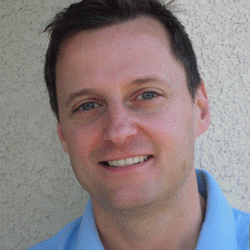
My Approach to Helping
I work extensively with patients coping with psychological issues like depression, anxiety, substance abuse, bipolar disorder, psychosis and trauma. I also specialize in a few areas. First, I help people gain insight and live better, fuller lives. In some cases, patients want to change certain life patterns. In other cases, people seek to focus on areas such as self-esteem, relationships, stress, grief, or concerns related to aging or sexuality. Left untreated, these issues may permeate or "take over" other areas of our lives and further reduce our ability to truly enjoy life.
Secondly, I help patients coping with health issues. For example, in addition to my clinical work, I currently volunteer with the Multiple Sclerosis Society. I also help people faced with career concerns. I became a psychologist after a successful career in business and technology. I pursued a more satisfying life and help others do so.
Lastly, I work extensively with patients coping with a range of psychological concerns such as anxiety, depression, bipolar disorder, trauma, psychosis and substance abuse. In addition to my private practice, I currently work at two local psychiatric hospitals treating patients and training doctoral students who provide treatment in these areas.
More Info About My Practice
I am a compassionate therapist who is dedicated to helping my clients achieve their goals. Many people entering therapy are anxious, so I seek to create a warm, relaxed and collaborative environment for our work together. Together, we will better understand the challenges you face and identify and build on your individual strengths to help you achieve your goals. Contact me for a free initial consultation. (Feel free to refer to me as "Dr. G." if you call.)
How Psychotherapy Can Help
Therapy is a process where the client collaborates with a mental health provider to reduce troublesome symptoms (e.g., depression, anxiety), change behaviors (e.g., substance abuse), better adapt to difficult situations (e.g., illness or the loss of a loved one), and improve their lives generally and in areas such as relationships and work. The path therapy follows varies depending on the therapist's style, the client's situation and the client's preferences.