The Past is Present: Understanding the Effects of Unprocessed Memories and Using EMDR Therapy In Treatment
Presented by Francine Shapiro, PhD on 03-02-2012 at 9 a.m. Pacific to 10:30 a.m. Pacific (1:30 p.m. Eastern)

Recent research has demonstrated that “life experiences” can cause even more symptoms of PTSD than the “Criterion A” events needed to make a diagnosis. Research over the past twenty years has also indicated that a wide range of clinical problems emerge from unprocessed memories of these diverse life experiences. When these unprocessed memories exist, they can push our clients into negative and destructive ways of seeing, acting, feeling, and believing. Basically, “the past is present”! Guided by the Adaptive Information Processing model, therapists can identify the source of problems and, through EMDR therapy, activate the person’s own physiologically based mechanism for healing. The person's old memory can then be transformed into a learning experience and a source of resilience.
A group exercise will help participants examine the implications of unprocessed memories in their own lives and the application to clinical practice. Issues of therapist self-care will also be explored. The presentation will review aspects of this integrative psychotherapy approach as it pertains to:
- The nature of the therapeutic relationship
- Preparation of the client
- Identification of the memories underlying various problems
- The results of direct processing
EMDR therapy has been empirically supported by more than two dozen randomized studies and is recognized as an effective treatment for PTSD by numerous organizations worldwide, including the American Psychiatric Association and the Department of Defense. However, unlike other forms of empirically supported trauma treatments, it is not necessary for the person in therapy to speak or write about the memory in detail or do homework in order to achieve positive effects. In addition, more than 20 randomized studies have indicated positive effects for the eye movement component, including a rapid decrease in negative emotions. This decrease in negative reactivity can make therapy more tolerable and efficient for complex and severe cases.
Over the past decade, the rapid treatment effects of EMDR have also provided neurophysiological and clinical researchers with a “window into the brain.” In addition to the neurobiological changes, the rapid shifts in cognition, affect, and somatic response reveal consistent patterns of internal associative memory processes. A short treatment session will demonstrate how the “past is present,” negatively influencing people’s perceptions of reality—and how the unprocessed memory connections can be rapidly transformed. The implications and recommendations for implementing robust treatment across the lifespan and the clinical spectrum will be discussed.
This introductory web conference is designed to help clinicians:
- Identify the impact of unprocessed memories underlying clinical complaints;
- List ways in which etiological events can be identified in clinical practice;
- Summarize various research findings and applications across the clinical spectrum;
- Explain EMDR as an integrative psychotherapy approach compatible with all orientations.
If you have any questions about this web conference or would like more information, please contact us here.
Continuing Education (CE) Information
1.5 CE credits will be provided by GoodTherapy.org for attending this web conference in its entirety.
GoodTherapy.org is also an Approved Education Provider by NAADAC, The Association for Addiction Professionals (provider #135463). Of the eight counselor skill groups ascribed to by NAADAC, this course is classified within counseling services.
GoodTherapy.org is an NBCC-Approved Continuing Education Provider (ACEPTM) and may offer NBCC-approved clock hours for events that meet NBCC requirements.
GoodTherapy.org is approved by the American Psychological Association to sponsor continuing education for psychologists. GoodTherapy.org maintains responsibility for this program and its content.
GoodTherapy.org, SW CPE is recognized by the New York State Education Department's State Board for Social Work as an approved provider of continuing education for licensed social workers #0395.
To receive CE credit hours for an archived event, you will need to complete a survey as well as a 12 or 15-question exam, verifying that you listened to or watched the event in its entirety. Archived CE events generally are considered "homestudy" by licensing boards.
Registration Information
Premium and Pro Membership with GoodTherapy includes access to this web conference at no additional cost, as well as other member benefits such as a profile listing in GoodTherapy's Therapist Directory. Not yet a member? Sign up for a Premium or Pro Membership, here.
Just want CE credits? Sign up for a monthly or annual CE Subscription with GoodTherapy to get unlimited access to our CE Program, including this event, other live CE web conferences, and hundreds of hours of homestudy courses.
Mental health professionals who are not members can access the homestudy recording for $15.50. Sign up here to purchase this CE course and earn a CE certificate.
If the event is canceled by GoodTherapy, registrants who purchased the event will be notified and the charge for the event will be refunded
If you have any questions or would like information regarding disability accommodations, please contact us.
Meet the Presenter
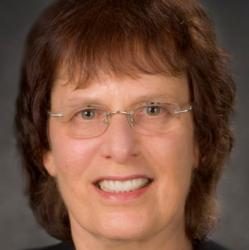
Francine Shapiro, PhD
Dr. Francine Shapiro is the developer and originator of Eye Movement Desensitization and Reprocessing (EMDR) therapy. A Senior Research Fellow at the Mental Research Institute in Palo Alto, CA, Dr. Shapiro is also the Director of the EMDR Institute and the founder of the non-profit EMDR Humanitarian Assistance Programs, which provides pro-bono training and treatment to underserved populations around the world. In addition, Dr. Shapiro is a recipient of the International Sigmund Freud Award for Psychotherapy of the City of Vienna given in conjunction with the World Council for Psychotherapy, the American Psychological Association Trauma Psychology Division Award for Outstanding Contributions to Practice in Trauma Psychology, and the Distinguished Scientific Achievement in Psychology Award, from the California Psychological Association.
Over the years Dr. Shapiro has served as advisor to a wide range of trauma treatment and outreach organizations. National EMDR Associations exist worldwide, cooperating to bring relief to victims of chronic ethno-political violence and natural or manmade disasters regardless of their location. During the past 20 years, clinicians trained in EMDR and dedicated to the alleviation of suffering have treated millions of people.
Dr. Shapiro has presented at psychology conferences and universities throughout the world, and she is the author of numerous books, articles, and chapters about EMDR therapy, including the primary text Eye Movement Desensitization and Reprocessing: Basic Principles, Protocols and Procedures. Her latest book, written for both clinicians and the general public, is called Getting Past Your Past: Take Control of Your Life with Self-Help Techniques from EMDR Therapy.
Continuing Education Provider Approvals
 GoodTherapy.org is Approved by the American Psychological Association to sponsor continuing education for psychologists. GoodTherapy.org maintains responsibility for this program and its content.
 GoodTherapy.org has been approved by NBCC as an Approved Continuing Education Provider, ACEP No. 6380. Programs that do not qualify for NBCC credit are clearly identified. GoodTherapy.org is solely responsible for all aspects of the programs.
 This course has been approved by GoodTherapy.org, as a NAADAC Approved Education Provider, for educational credits. NAADAC Provider #135463. GoodTherapy.org is responsible for all aspects of their programming.
- GoodTherapy.org, LLC is recognized by the New York State Education Department's State Board for Social Work as an approved provider of continuing education for licensed social workers #SW-0395.
- GoodTherapy.org, LLC is recognized by the New York State Education Department's State Board for Mental Health Practitioners as an approved provider of continuing education for licensed marriage and family therapists #MFT-0022 and for licensed mental health counselors #MHC-0031.
Earn CE Credit Hours
Live and homestudy continuing education courses are included withPremium and Pro Membership!
Sign Up Here