-
 How to Navigate Senior Years: Mental Health, Compassion, and Grace
Senior years mental health often brings a need for tender compassion. As life experiences resurface in our thoughts, we can feel overwhelmed with love. We can also return to difficult ... Read More
-
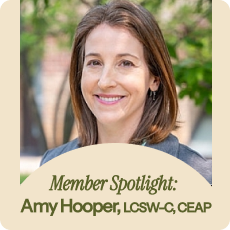 You Don’t Have to Be Falling Apart to Start Therapy: Amy Hooper on Coming to Understand Yourself
You may have thought about therapy more than once. Maybe you have even opened a directory, read a few profiles, and then quietly closed the tab. A familiar worry talks you out of it. Other ... Read More
-
 Therapist Burnout: Do You Need Rest, Support, or Redesign?
Most burnout advice treats every kind of exhaustion as a sleep problem. For therapists, it is usually one of three things, and the help that works depends on which one you are in. Therapist ... Read More
-
 Chronic Illness Mental Health: 5 Gentle Ways to Cope When Illness Doesn’t Go Away
Most conversations about chronic illness, including heart disease, autoimmune disorders, and some forms of cancer, focus on physical symptoms, treatments, and medical appointments. Yet ... Read More
-
 Your Mood Isn’t Random: How Your Menstrual Cycle Shapes Mental Health (and How to Work With It)
Many people who menstruate notice shifts in mood, energy, and emotional sensitivity throughout the month. These changes can feel confusing, especially when they seem to contradict how ... Read More
-
 Mixed Emotions: You Get to Feel How You Feel
Sometimes, when we experience a confusing situation in our lives, like a tricky misunderstanding, a missed flight, a difficult loss, or even positive news we weren’t expecting, ... Read More
-
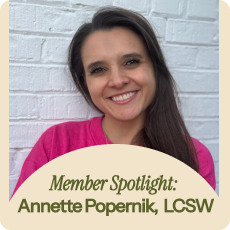 What Makes Therapy Feel Safe and Inclusive? Annette Popernik on Language, Identity, and Growth
Starting therapy can come with a lot of pressure. For some people, the pressure comes from not knowing what to expect in a first session. For others, it comes from the fear of being judged, ... Read More
-
 LGBTQ+ Affirming Therapy Is More Than Acceptance. Here’s Why
Pride Month is often described as a celebration. A celebration of identity, rights, LGBTQ+ pride, culture, and community. LGBTQ+ affirming therapyPride MonthMental health supportEmotional ... Read More
-
 Therapy Is Where Change Begins. Habits Are How It Lasts
Imagine walking out of a therapy session feeling lighter, as though a heavy weight has been lifted. ... Read More
-
 Workplace Grief After a Toxic Job: Why It Hurts and How to Heal
When you finally decide to leave a toxic workplace, you may expect instant relief. You might picture walking out for the last time feeling lighter, happier, and ready to take on the world. ... Read More
-
 Identifying Patterns and How They Impact You
Patterns are repetitive behaviours, thoughts, or emotional reactions that develop over time and are often connected to underlying beliefs. Whether we realize it or not, patterns shape ... Read More
-
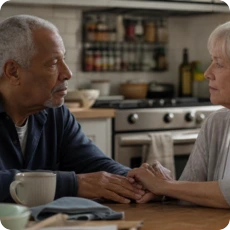 Couples Therapy After 70: Love, Growth, and Repair
Couples therapy after 70 is not “too late” work. In my experience, it can be some of the most meaningful work we do. I was surprised when a longtime colleague once told me ... Read More
Browse by Category
Browse by Category
Therapy News Headlines
-
Recovering from a Traumatic Birth
Dealing with the Trauma of Giving Birth For many new mothers, giving birth is one of the most exciting times in life. After all, you’re bringing ... Read More
-
Dr. Aaron T. Beck: The Father of Cognitive Behavioral Therapy
Dr. Aaron T. Beck: The Father of Cognitive Behavioral Therapy On Monday, Nov. 1, the world lost an incredible psychiatrist when Dr. Aaron T. Beck, ... Read More
-
5 Tips for Helping a Client When You’re Both Stuck
by Megan Paterson, Licensed Marriage and Family Therapist in Roseville, California 5 Tips for Helping a Client When You’re Both Stuck Ever had a client ... Read More
-
Business Formation for Therapy Practices
by Connor D. Jackson, JD Connor D. Jackson is a healthcare attorney based in Chicago who serves independent practices in several states. Visit his firm’s ... Read More
-
Putting Kids First: Choosing Marital Partnerships and Co-Parenting over Divorce
Putting Kids First: Choosing Martial Partnerships and Co-Parenting over Divorce As many couples find out the hard way, the spark that led to them falling ... Read More
Dear GoodTherapy.org
-
Help! My Therapist Ended Her Practice and I Don't Know What to Do
I had been seeing my therapist for 28 years. Around March, she was unwell. This was a rare occurrence in our time together. But her viral infection ... Read More
-
Help! I Have No One to Talk To
Ever since my dad died last year, I have had no one to talk to. And really, I had no one to talk to for the last three years of his life, ravaged ... Read More
-
I Don’t Want to See My Family Anymore
Dear GoodTherapy.org, I’m done with my family. With the exception of my brother-in-law, they ... Read More
-
How Do I Trust a Therapist If I Can't Trust Anyone?
Dear GoodTherapy.org, I grew up in a dysfunctional family. I know every family is a ... Read More
-
Help! I Want to Stop Competing with My Friend
My best friend and I have known each other since college. We started out as “enemies,” Read More