 If you have completed Codependency Workbook Exercise One, congratulations to you. Please take a moment to pat yourself on the back. You deserve it, because it must have taken a great deal of courage to write about your family history. Most people shed some tears in our therapy session when they share it with me. Then they feel very relieved.
Many people are not ready to share the letter with their family of origin right away. If you have a therapist available or a sponsor, discuss it with that person. If not, review it with a supportive, nonjudgmental friend. Before sharing this with your family, it is important that you be ready to deal with their reactions. Unless they are in recovery, most families will not be able to validate your experience. However, it is very therapeutic to put your family history on paper and share it with another person.
[fat_widget_right]
Now we are ready to begin the next workbook exercise, which concerns relationships. Please make a list of the most important people in your life. This may include friends, lovers, a spouse, family members, coworkers, or a boss. Spend a few minutes thinking about each relationship. How many people on your list do you believe are dysfunctional? How many are addicts, have untreated mental illness, refuse to work, even if they are able, or have other major issues? Are you taking care of some of the people on your list? Are some of the relationships lopsided, where you do most of the giving?
You may wonder why some of your relationships are lopsided. Dysfunctional people can sense that you are a caretaker and are drawn to you. It is almost as though they can smell you. You may find yourself drawn to them as well.
Last night, I saw a married couple where the wife was unsuccessfully trying to stop her alcoholic husband from drinking. She was anxious, frustrated, and very angry. Of course she would be frustrated. She was trying to control something that she had no control over. The facts are that we are powerless over other people, places, and things. Realizing this is helpful to codependents because they can learn to let go and relax. Trying to fix others is impossible, and just upsets the fixer. It also is not helpful to the dysfunctional person. Normally addicts only get help because of the consequences of their using. If the caretaker undoes the consequences, they caretaker unknowingly helps enable the dysfunctional person to remain sick.
Since caretaking may make you miserable and help your loved one stay sick, maybe we can work on not doing it. How? You can begin to learn to set boundaries. For example, you might tell the loved one that you will no longer bail him or her out if he is arrested. You may tell him that you will no longer call in sick if he is too hung over to work. You may tell her that you will only talk with her when she is sober.
I suggest that you put your list away for at least 24 hours. Then pick the relationship that causes you the most stress. Think about a boundary that you may set and write it down. Practice telling your loved one about the boundary. He or she will probably not like it, but in the long run it will be good for both of you. Be sure that you are prepared to maintain the boundary before you set it. The first time you do this, you are taking a major step in your recovery. Be sure to spend some time with someone who will support you setting a boundary.
Children who are enrolled in public schools in low-income communities are at a disadvantage both academically and psychologically. These children experience elevated rates of mental health problems due to their environments, family structures, and financial insecurity. At school, their opportunities are restricted as a result of a less than adequate learning environment, minimal resources, and external factors such as increased drug use and violence. All of these factors contribute to diminished behavioral regulation, loss of motivation, and poor academic achievement. Although there are many programs designed to address these issues in urban public schools, few have had substantial success. Obstacles such as feasibility, accessibility, funding, and implementation have prevented them from achieving success. Additionally, the majority of programs are aimed at meeting the needs of the students as a whole, and do not consider the needs of the teachers and children with disabilities.
BRIDGE, Bridging Mental Health and Education in Urban Schools, is a coaching and consultation program that was designed by a team of researchers and created to address all of these issues in urban elementary schools. To test its viability, one of the creators, Elise Cappella of the Department of Applied Psychology at New York University, led a study using 36 classrooms from five different elementary schools in urban communities. After a brief intervention, Cappella and her colleagues saw results.
BRIDGE was directly responsible for increasing emotional support in the classrooms, which gave the children a feeling of security and improved behavioral regulation. The students felt more confident and saw their teacher as an ally, which directly impacted their motivation for success. Overall, the students exceeded the academic, social, and emotional levels of their peers as a result of the teachers’ participation in BRIDGE. Cappella noted that one significant difference between BRIDGE and other programs is the fact that BRIDGE is delivered to teachers by a variety of mental health professionals. This factor makes BRIDGE a program that can be portable, flexible, and easily administered. Teachers are coached in such a way that they become empowered with valuable resources that help bridge the gap often found between students and teachers in disadvantaged school systems. Cappella added, “It is encouraging that a consultation and coaching component of mental health practice based on actual interactions in the elementary classroom and effective strategies to improve these interactions promotes children’s functioning across domains in urban schools.”
Reference:
Cappella, E., Hamre, B. K., Kim, H. Y., Henry, D. B., Frazier, S. L., Atkins, M. S., & Schoenwald, S. K. (2012). Teacher consultation and coaching within mental health practice: classroom and child effects in urban elementary schools. Journal of Consulting and Clinical Psychology. Advance online publication. doi: 10.1037/a0027725
Adderall (dextroamphetamine and amphetamine) is one of the preferred treatment options for adults with attention-deficit hyperactivity disorder (ADHD). The medication works by increasing an individual’s ability to pay attention and control impulsive behaviors. In people without ADHD, abuse of Adderall generates a euphoric sensation, included elevated feelings of confidence and power. When taken as prescribed, Adderall carries a risk of several unpleasant side effects. These include difficulty sleeping, nervousness, restlessness, and headache. Chest pain, rapid heartbeat, and shortness of breath are all signs of a potentially serious condition, warranting immediate medical attention.
Although the risk is small, there have been several documented cases of young people experiencing sudden heart attacks after taking Adderall without a prescription. The dosages were not especially high in many of these cases. In one such example, a young male suffered an acute heart attack after ingesting 30 mg of Adderall and drinking an unspecified amount of alcohol. He had no history of heart abnormalities. Still more troubling, cardiac events are possible even in the absence of abuse. A 15-year-old boy in otherwise good health experienced a heart attack in response to his usual dose of Adderall. He fully recovered, and terminating the prescription removed any signs of heart irregularities. Doctors are not certain what causes these effects in people. Currently, there’s no test to determine who will or will not develop cardiac side effects when taking Adderall. The best practice right now is to monitor an individual’s symptoms closely and intervene at the first sign of trouble. In addition, a history of heart issues may argue for a treatment plan that does not include a powerful stimulant like Adderall.
The extended-release formulation of Adderall was removed from the Canadian market for several years out of concerns about heart attacks and rampant abuse of the medication. It was eventually reintroduced with stricter guidelines for attending physicians. As always, those who abuse prescription medications like Adderall face far greater risks of dangerous, even lethal, side effects. Heart rhythm problems and heart attacks are the most troubling potential consequences of Adderall abuse. Even those who take the medication according to a doctor’s prescription face the small but real threat of cardiac problems. As research into ADHD and stimulant medications continues, safer drugs and drugs less prone to abuse will most likely be introduced.
References:
- Centers for Disease Control and Prevention. (n.d.) Facts about ADHD. Retrieved from http://www.cdc.gov/ncbddd/adhd/facts.html
- PubMed Health [Internet]. (n.d.). Bethesda (MD): National Library of Medicine. Dextroamphetamine. Retrieved from http://www.ncbi.nlm.nih.gov/pubmedhealth/PMH0000310/
- Jiao, X., Velez, S., Ringstad, J., Eyma, V., Miller, D., Bleiberg, M. (2009). Myocardial infarction associated with Adderall XR and alcohol use in a young man. Journal of the American Board of Family Medicine, 22(2), 197-201.
- Sylvester, A.L., Agarwala, B. (2012). Acute myocardial infarction in a teenager due to Adderall XR. Pediatric Cardiology, 33(1), 155-157.
Cannabis use issues (also known as Cannabis Use Disorder, or CUD) are on the rise among military veterans with posttraumatic stress (PTSD). “Indeed, rates of PTSD diagnoses among veterans increased 60% between 2002 and 2007, and rates of CUD diagnoses within the Veterans Affairs (VA) hospital system increased more than 50% between 2002 and 2009,” said Marcel O. Bonn-Miller of the National Center for PTSD and Center for Health Care Evaluation at the VA Palo Alto Health Care System in California. However, when these vets enter treatment and discontinue their cannabis use, their symptoms linger.
Anxiety increases when individuals stop using cannabis to cope with their symptoms, but until now, the cessation of cannabis in relation to PTSD symptoms had not been explored fully. To address this gap, Bonn-Miller and his colleagues conducted a study on veterans who entered treatment for PTSD with a CUD and theorized that they would have smaller treatment gains after abstaining from cannabis use than veterans without a CUD.
The researchers evaluated 260 male veterans that were receiving inpatient treatment for PTSD. They assessed the veterans at two different times over eight years, using the PTSD Checklist-Military Version. They found that the veterans who had CUD realized less change in symptom severity than those without. “Specifically, individuals with a CUD diagnosis who discontinued use, compared with those without a CUD diagnosis, had lower levels of change in total PTSD symptoms, PTSD avoidance/numbing symptoms, and PTSD hyperarousal symptoms,” said Bonn-Miller.
“In addition to these results being statistically significant, they are clinically meaningful.” In particular, those with CUD saw treatment gains similar to veterans who received no treatment at all. Additionally, with more states legalizing cannabis for medicinal purposes, veterans with PTSD who use cannabis may be unknowingly negatively impacting their recovery. This study also demonstrates the relationship between PTSD and cannabis use, underscoring the importance of further research in this area. Bonn-Miller added that clinicians should provide their clients with adaptive coping techniques before they recommend cannabis cessation for the purpose of treating PTSD.
Reference:
Bonn-Miller, M. O., Boden, M. T., Vujanovic, A. A., & Drescher, K. D. (2011, December 19). Prospective Investigation of the Impact of Cannabis Use Disorders on Posttraumatic Stress Disorder Symptoms Among Veterans in Residential Treatment. Psychological Trauma: Theory, Research, Practice, and Policy. Advance online publication. doi: 10.1037/a0026621
Amphetamine abuse and addiction is a serious and growing public health issue throughout the United States. Addiction inevitably leads to rising health costs, lost productivity, broken families, and progressively declining quality of life for drug users. Medical science has yet to formulate a satisfactory answer to this problem. Rehabilitating users is clearly one of the primary objectives, but there are numerous stumbling blocks along the way. Typical users deny the seriousness of their addiction unless and until dire consequences arise. Withdrawal effects from amphetamine are profound, and recovering addicts experience relapse at alarmingly high rates. The current best practices for addiction treatment include supportive individual therapy, group therapy, and profound lifestyle changes. In severe cases of withdrawal, anti-anxiety medications are often prescribed to ease feelings of fear and discomfort.
Ironically, amphetamines serve a therapeutic purpose in the treatment of both attention deficit hyperactivity disorder (ADHD) and narcolepsy. Dexedrine (dextroamphetamine), Adderall (dextroamphetamine and amphetamine), and Ritalin (methylphenidate) are the three primary stimulant drugs prescribed for these purposes. Recently, a nonstimulant medication, Strattera (atomoxetine) has received attention both as an alternative treatment for ADHD and as a possible therapy for recovering amphetamine addicts. Researchers in Connecticut discovered that Strattera, when taken over the course of several days, actually suppresses the effects of Dexedrine. Participants in a study group pretreated with Strattera reported fewer positive drug feelings when given a single dose of Dexedrine. Similarly, blood plasma levels showed fewer chemical markers of the heightened mood state typically associated with Dexedrine and other amphetamines.
The mechanics of amphetamine addiction are still something of a mystery. Researchers know that several chemicals in the brain are important to building and maintaining a state of dependence. Dopamine is one of these chemicals, and it plays a major role in the so-called “reward system.” Norepinephrine is thought to be responsible for the feelings of energy and euphoria experienced by users. Effective pharmaceutical interventions will need to disrupt some of the patterns that amphetamines establish within the brain. The most recent experiments have shown that norepinephrine is at least as important as dopamine in generating the stimulating physical and psychological effects of amphetamines. By altering the levels of norepinephrine with Strattera, the positive drug feelings of Dexedrine are greatly reduced.
References
- PubMed Health [Internet]. (n.d.). Bethesda (MD): National Library of Medicine. Atomoxetine. Retrieved April 18, 2012, from http://www.ncbi.nlm.nih.gov/pubmedhealth/PMH0000222/
- PubMed Health [Internet]. (n.d.). Bethesda (MD): National Library of Medicine. Dextroamphetamine. Retrieved April 18, 2012, from http://www.ncbi.nlm.nih.gov/pubmedhealth/PMH0000310/
- Sofuoglu, M., Hill, K., Kosten, T., Poling, J. (2009). Atomoxetine attenuates dextroamphetamine effects in humans. American Journal of Drug and Alcohol Abuse, 35(6), 412-416.
 I’m struck by the fact that people with addiction issues, when confronted with the destructive effects of their behaviors, often find it harder to stop. This is especially true, in my clinical experience, when it comes to compulsive sexual behavior, aka sex addiction. Why is that?
Therapy clients who struggle with drinking or substance abuse tend on the whole to accept – eventually, and with my ongoing support – that they do have a problem with drinking or using, and that these behaviors are an obstacle to happier living. Once “the cat is out of the bag”, they usually attempt to reduce or quit using, over time, or else quit therapy altogether.
Those struggling with compulsive sexual behaviors, however, may remain ambivalent for years, while remaining in therapy – aware of their dependence on these behaviors and the destructive effects of same, while wrestling with whether or not they want to stop. It’s a matter of two steps forward, two steps back, over and over again, with no change in sight.
Additionally, it is often reported to me that there appear to be more people in Alcoholics Anonymous with long-term sobriety compared to those in Sex Addicts Anonymous or Sex and Love Addicts Anonymous or other 12-step programs for healthier sexuality. Those with long-term sexual sobriety – or “abstinence” – tend to be fewer in number. Again – how come?
I know there is a lot of controversy in the mental health field about whether sexual compulsivity is truly an “addiction.” It is not my intent here to address that complex question. Suffice it to say that the suffering of those who can’t stop, in the face of heartbreaking damage and loss, is staggering to behold. If one of the key criteria for an addiction is an inability to stop in spite of negative consequences, then compulsive sexual behavior more than qualifies as an addiction.
So, if one assumes we are in fact dealing with two actual addictions, we are still left with the aforementioned disparity between drug/alcohol vs. sexual sobriety. Is it because one can live without drugs or alcohol, but cannot “remove” sexuality from one’s being? We are, organically speaking, sexual creatures, and the goal of treating sexual addiction is not to remove one’s sexuality but to create healthier, more intimate and less self-destructive behaviors.
I suspect that, because we are dealing with sex after all, the issue goes even deeper. Sexual desires and fantasies often emanate from the very core and are difficult to interpret. Heterosexual men with compulsive sexual issues, for instance, may desire sex with other men while staying married to a woman; some pursue sex with transvestite prostitutes, in ways that put themselves at legal and medical risk. I know of high-functioning women who are compelled to conduct serial affairs, virtual or real, with men whose only apparent goal is to sexually “use” them in sadistic or degrading ways. These are people who have little to gain, it would seem, and everything to lose.
Another complication is that sexuality is a relational activity. It always implies another person, either real or fantasized. One can use heroin or drink alone, as many do. But it always “takes two to tango”, even if one of those people is a fantasy or “virtual” person. Even when one uses online pornography, for instance, another person is “present”, at least onscreen.
Close readings of sexual fantasies and compulsive behaviors can be revealing of one’s buried self-concepts and unexpressed needs; an S&M fantasy may represent a way of coping with an overbearing or shame-inducing caregiver, by sexualizing the pain and staying in control of the fantasy/scenario (even if one is the “M”). Those struggling with scenarios of dominance over others may be trying to compensate for intolerably low self-worth, an attempt to control chaotic emotions leftover from a traumatic upbringing.
My experience with straight men who compulsively watch porn often reveals a desire for a woman who can offer everything but demand nothing, and disappear when the encounter is over, before she decides he’s “too much” for her, or “gross,” or perverted, etc. It’s a sort of mini-relationship, easily controlled by someone who usually has a desire for and deep fear of intimacy, who gets his needs met quickly and then signs off.
It’s almost as if these fantasies provide a window into the psyche, revealing unmet needs. Like the need to feel in control, to express repressed desires, to sexualize (i.e. numb or self-medicate) hurtful or shameful feelings or other emotions that are unconscious or too difficult to articulate.
These are feelings and needs that cannot be expressed in their actual relationships – usually because they are perceived as “disgusting” or “too much” for their partner. Of course, their partner very often has her own “stuff” and tends to be closed off, angry, controlling, etc. It’s an extremely painful dynamic that I see with many of my male clients – straight and gay – who struggle with sexual compulsivity.
Why would a man, or anyone really, seek an “emotionally unavailable” partner? Because we tend to gravitate toward the familiar, even if what is familiar is dissatisfying or even abusive.
Very often the person chooses an emotionally closed off, or overly aggressive (or withdrawn) partner because, in reality, the alternative is too scary. It may sound strange, but what’s even scarier than not finding love – especially in cases of a traumatized upbringing, which includes just about everyone I work with – is actually finding it! Why is that? Because love can be lost or taken away, leaving the person abandoned and traumatized (again) – even more painful than being mistreated or ignored. In the latter case, at least you know someone is there.
Thus the person suffering from core interpersonal trauma – the result of a faulty caregiver, another human being – who ends up sexualizing their needs via the behaviors described above, hovers between a desperate yearning for and deep aversion to intimate connection. The sort of “mini-relationship” described above is often a substitute. It satisfies…for a while. One connects, finds relief via sex and affection (what’s actually virtual feels real at the moment) – then detaches before becoming too invested or emotionally “at risk” for abandonment.
That emotional risk, believe it or not, is usually more frightening than the prospect of the legal or health risks that accompany these behaviors. Abuse and emotional distance is familiar, even if painful, while the possibility of genuine love is new and terrifying.
Thus the compulsive behaviors are a temporary solution to the very real and shameful problem of a confusing inability to connect with others. I say “shameful” because very often the feeling is something like, “I’m an idiot because I don’t know how to stop. Why do I do such disgusting things. What a piece of garbage I truly am.” (Even if the person is outwardly successful, wealthy, etc. As they say in recovery, it’s always an inside job.)
One of my clients once said in my office, with a smile on his face, “I have no love in my life. I’d only ruin it if I did”. This was a successful, married attorney with a compulsion to see prostitutes.
It took me a few moments to realize the smile was an awkward attempt to conceal shame, not any sort of bemusement. That smile was one of the saddest things I’ve ever seen.
What I want to stress here is the pain that needs soothing is, in part, not the result of an unrequited hunger for love, nor a fear of finding it, but rather an impossible non-reconciliation between the two.
Here are two opposing, powerful forces at work, with radically different agendas – one to connect, the other to protect. Without help, this internal conflict results in unmanageable emotional turmoil and frustration. The cycle never ends, until the person says “enough,” and seeks help.
I’ll talk next time about how therapy can, when effective, provide a slow but steady path towards healthier intimacy and a chance to escape the suffocating shame and loneliness that so many of my clients describe as a slow-moving poison — leading them to behaviors they so desperately want to stop, but can’t.
Related Articles:
Super-sizing Sex
The Good and Bad Sides of Porn
Three Ways to Avoid Sex Addiction Relapse
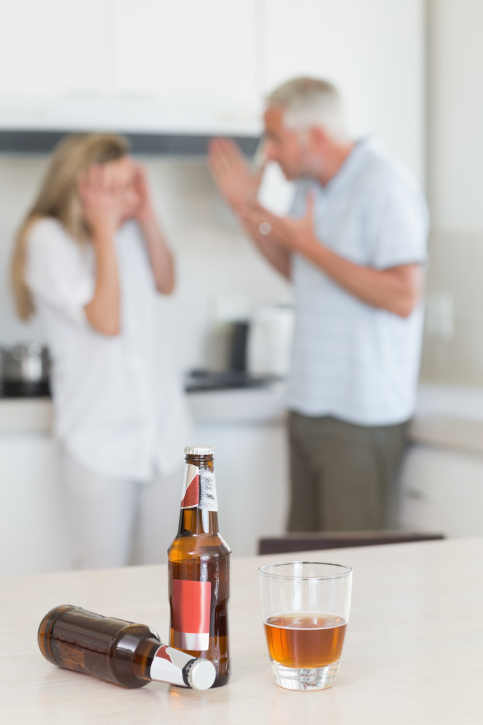 The most common question I get in my work and sometimes from my friends is “Am I an alcoholic?” This is usually followed by “Does this mean I have to go into rehab?” or “Will I ever be able to have a drink again?”
I believe that treatment for addiction should be individualized to take into effect each person’s individual needs, complexity, and readiness to change. Every case is different. Sometimes the answer is undeniably complicated. I was trained to apply systematic screening and assessment in order to determine if alcohol abuse vs. dependence is present based on Diagnostic and Statistical Manual of Mental Disorders criteria and make treatment recommendations based on the American Society of Addiction Medicine placement criteria.
But sometimes I encounter cases of addiction that do not fit anywhere. After the tragic death of Amy Winehouse, there was a lot of speculation online—even by professionals in the addiction field—as to who was to blame. There was actually one article I read that seemed to imply that if she had been able to drink in moderation maybe she would still be alive. I honestly cannot comment on that either way.
Understanding the Harm-Reduction Model
I will say the harm-reduction model of treating addictions is not popular among people who advocate for abstinence as the only acceptable treatment outcome and people who support the 12-step program approach. Having worked at a methadone clinic for years and witnessed powerful positive change, I am not a big fan of one-size-fits-all treatment approaches, nor am I into labeling.
I have found one view on addictions very helpful for people who do not seem to fit the traditional medical model of addiction: the Stanton Peele approach. Here’s a summary of his view on addiction:
“Addiction is not unusual, although it can grow to overwhelming and life-defeating dimensions. It is not essentially a medical problem, but a problem of life. It occurs for people who learn drug use or other destructive patterns as a way of gaining satisfaction in the absence of more functional ways of dealing with the world. Therefore, maturity, improved coping skills, and better self-management and self-regard all contribute to overcoming and preventing addiction. Addiction is a way of coping with life, of artificially attaining feelings and rewards people feel they cannot achieve in any other way.” —Stanton Peele
[fat_widget_addiction_right]Of course, I think harm-reduction does not work for everyone. In fact, it can be detrimental to one’s recovery. But that’s a subject for another article. One area I find Peele’s theory to be applicable is in explaining how addiction and intimate relationships are so closely interconnected.
Jim always ends at the bar drinking after a fight with his wife. Anna’s drinking always gets out of control after a break up. John had experimented with pain pills on and off in college but did not get addicted to them until after the devastating loss of his long-time lover and best friend. Travis’s sex addiction gets worse after feeling rejected by a love interest.
In the words of one of the people in my therapy sessions, “I was lost before I found love. I was on a path of self-destruction with drugs, alcohol, and women; but with my wife I have found what I was always missing. I have been clean and sober since. Now I’m high on life.”
Addiction As a Way to Respond to Unsafe Relationships
By unsafe, I don’t mean physically violent—although that is the most obvious case. Unsafe means threatening to the ego as much as threatening to the body. What I’m talking about here is emotional safety. When we feel loved, accepted, nourished, protected, and part of someone else, we feel safe. That safety is often threatened when we feel unloved, not cared for, betrayed, lied to, yelled at, abandoned, neglected, rejected, and violated.
To understand where we are going, we have to understand where we came from.
Safety and the Primitive Brain
Let’s start with the evolution of the brain. In the base of our brain, we have the reptilian brain. We share this part of the brain with animals including alligators and lizards. The reptilian brain takes care of those things we don’t usually think about: heartbeat, digestion, and breathing. It also is concerned with survival, and if it’s dangerous, it will help us respond in one of five basic ways: fight, flight, freeze/play dead, submit, or hide. I also view these as the five basic survival skills of couples. Couples may fight, flee (leave), play dead (stare right through their partner), submit (OK, whatever you want, just stop the nagging!), or hide (go to another room).
On the other hand, if the reptilian brain is safe, we will do one of five things: play, nurture, mate, work, and be creative. Remember when you first met your partner? How you played, nurtured each other, and had more sex? Do you remember being more creative and productive at work? As animals evolved, a second part of the brain developed called the mammalian brain. This brain developed when animals began to live in groups and take care of their young. This is the part of the brain where feelings are stored. That’s why most animals experience some feelings and live in groups.
Several million years ago, a third part of the brain developed: the cerebral cortex. In humans, this part of the brain is five times bigger than the other two parts combined and is where all logical processes happen: speech, writing, logic thinking, math, etc. The three parts of the brain work together simultaneously. If a tiger is coming at you, your logical brain says, “That’s a tiger,” your mammalian brain says “I feel scared,” and your reptilian brain says “Run!” or “Freeze!”
But in relationships, it is often hard to articulate or identify who or what the “tiger” actually is. We know something is not right, and we are left analyzing the behaviors we can clearly see but can rarely understand. How is it, for instance, that when Jim and Linda fight, he ends up getting drunk at the bar even though he knows that is not going to help the situation at home but only confirm Linda’s insults?
Sometimes fighting, fleeing, or hiding involves addictive behaviors—particularly sexual behaviors, but also gaming, internet addiction, and alcoholism. Often past experiences with these behaviors make a person more susceptible to restarting (if they have stopped) or increasing the frequency of these behaviors. This explains why people engage in addictive behaviors even against their logical thinking. It appears that the primitive reptile brain has taken over the cerebral cortex. This is why people logically know it doesn’t make sense to engage in behaviors that often make the already troubled relationship even worse. They are “thinking” with their primitive reptile brain, which often means they are not actually thinking at all.
Sometimes we are not simply chasing a drink or a drug. Sometimes using is a maladaptive way of coping with unsafe relationships. In this case, treatment should focus on the relationship and reestablishing safety more than on changing addictive behaviors themselves. I have found that establishing safety and learning to evoke mental images of safe places/mental states is crucial in learning to calm oneself and coping with highly stressful situations, which in return helps the addictive behavior dissipate.
In my opinion, this should also be the main focus of relapse prevention in more traditional addiction treatment.
References:
- Clifford, R. (n.d.). From Reptiles to Humans: A Three Brain Odyssey. Retrieved from http://www.starchiefpress.com/articles/article42.html
- Luquet, W. (2007). Short-term couples therapy the Imago model in action (2nd ed.). New York: Routledge.
- Peele, S. (1990, March 14). Cures depend on attitudes, not programs. Retrieved from http://lifeprocessprogram.com/lp-blog/library/cures-depend-on-attitudes-not-programs/
I was very young when I knew I wanted to be a therapist. I became particularly interested in depression and how people deal with traumatic events. Never in a million years did I think I would be an addiction expert. After my graduate studies I took an internship at a substance abuse outpatient center. This was purely by chance and because they had a good reputation for offering really good supervision. During my internship it quickly became clear to me that my graduate program in mental health had left me ill prepared to work with substance abuse issues. I kept screening for mental health symptoms because that’s what I knew and we tend to go where we feel comfortable.
Substance abuse counselors on the other hand are often undertrained in mental illness and tend to ignore or dismiss signs of it, thinking once the drugs are out of someone’s life they will get back to normal functioning. And when they don’t they blame the clients “for resisting happiness†or being “chronic complainersâ€.  We fail to recognize that sometimes, even after drugs and alcohol are long gone, people struggle with what could have been there all along: mental illness. (more…)
Many people curb their nervousness with a nice glass of wine or other alcohol beverage. Whether you’re gathering the courage to socialize with people you barely know, fly on an airplane, or even if you’re just feeling worried about the future, alcohol can help loosen inhibitions and dampen self doubt and fears. While you may feel more relaxed temporarily, using alcohol to tame your anxiety can backfire in the long run.
Immediate Effects
Even though you may be feeling calmer after the first one or two drinks, your body is processing the alcohol and the physiological effects can actually trigger feelings of anxiety. Alcohol can negatively impact blood sugar levels each time that it is consumed. Research has shown that the body responds to alcohol by increasing insulin secretion, causing low blood sugar and also impairs the body’s hormonal response that would normally be able to normalize blood sugar levels. Drinking as little as two ounces of alcohol on an empty stomach can lead to very low blood sugar levels. Low blood sugar levels can cause dizziness, confusion, weakness, nervousness, shaking and numbness, all of which can mimic the symptoms of anxiety, or even trigger an episode of anxiety.
Alcohol consumption can also cause dehydration. Alcohol is a fairly strong diuretic, meaning that the body loses water by producing an increased amount of urine. Symptoms of dehydration include dizziness, muscle weakness, lightheadedness and nausea, again, all of which can mimic symptoms of anxiety, or induce anxious reactions related to the fear of being ill.
Alcohol consumption has a sedative effect on the body. It is a drug that depresses the central nervous system. Immediate effects are a sense of euphoria, decreased inhibitions, and lessened anxiety. However, over time the chronic use of alcohol could result in tolerance, dependency, and damage to many organs of the body including the brain, liver, and heart.
Longer Term Effects
People with anxiety are up to three times more likely to have an alcohol problem or other substance abuse than those without anxiety. It takes increasingly larger amounts of alcohol to achieve the same effects, leading to alcohol dependence. Long-term alcohol use can have multiple negative effects on the body and aggravate existing anxiety.
Recent studies have shown that heavy drinking or long term drinking stresses the body and causes it to have higher levels of the stress hormone, cortisol. Cortisol is necessary in short term stress situations because it helps focus alertness and attention, but cortisol also suppresses bodily functions such as wound repair, bone growth, digestion, and reproduction. Chronically high cortisol levels therefore interfere with these important processes in the body. Alcohol use also depletes the body of vitamin B6 and folic acid, which the body needs to help cope with stress. Long-term exposure to alcohol reduces the levels of the GABA-benzodiazepine receptor in the central nervous system and reduces the brain’s ability to calm the mind and the body and cope with anxiety in the long run.
Serotonin is a chemical in the body which is needed for memory, learning, and especially for feelings of ‘wellbeing”. Drinking alcohol can temporarily boost serotonin levels, therefore making you feel happier, but in the long term, excess alcohol can actually lower serotonin levels, and therefore either causing or exacerbating depression.
In another recent study, researchers found that high anxiety levels in humans are related to a deficiency in an important protein called CREB, which is needed by the amygdala, the area of the brain where emotions are processed. The amygdala is important in calming anxious thoughts. The study results showed that drinking alcohol boosts the CREB levels in the brain and therefore lessens anxiety, which helps to explain why so many anxious people us alcohol to self-medicate. The good news is that there are other, healthier ways to naturally raise CREB levels, such as getting regular exercise and listening to music. Some antidepressants can also help raise CREB levels also.
So, even though using alcohol is an easy, short term fix for anxious feelings, you’re not doing your body or your mind any favors by self-medicating with alcohol. Learning to manage anxiety (and naturally boost your CREB levels) in healthy ways such as through exercise, music, and expressing creativity is possible. Psychotherapy can also be very helpful. In fact, research shows that psychotherapy is usually the most effective long-term treatment for anxiety disorders. Therapy treats more than just the symptoms of anxiety. It helps you discover the underlying causes of your worries and fears. In therapy, you’ll learn to relax, perceive and interpret situations in new, less frightening ways, and learn better coping and problem-solving skills. Through therapy, you learn the tools to overcome anxiety and how to use them effectively.
Many of the partners or loved ones (POLOs) of those struggling with addiction often seem reluctant to get help for themselves. I’m not sure why that is, but I’m hoping this article provides some answers.
These beleaguered folks are often fixated on the behavior of the loved one who struggles with drugs or alcohol (or other compulsions). Of course, it’s hard not to fixate on rampantly destructive behaviors. It often seems as though families where addiction is present are always struggling to either avoid or deal with addiction’s collateral damage (financial, emotional, professional, etc). I’m coming to the conclusion that because the behaviors surrounding addiction are so darkly magnetic, a constant pull on the family’s attention, it may be hard to understand why focusing on oneself is important. (more…)
A new article reveals that most teens that struggle with depression do not receive treatment. Each year, almost 2 million teens report having experienced an episode of major depression. However, only 30 percent of them receive treatment for the symptoms of anxiety, sadness, guilt and irritability. The findings were revealed by the Substance Abuse and Mental Health Services Administration, in an effort to raise awareness at the severity of mental health issues in children. The study indicated that nearly 15% of teens had considered suicide in the previous twelve months, and the findings hope to help discover which children are at greater risk in order to implement the proper interventions and therapies to prevent injuries and death.
The Centers for Disease Control and Prevention report that 4,400 American adolescents and young adults commit suicide annually, and another 150,000 receive treatment for self-injuries. The Center confirms that the majority of children who take their own lives had a diagnosable and treatable mental health condition and often exhibited symptoms in the months leading up to their suicide. The study also revealed that children who reported symptoms of depression were more likely to engage in addictive and abusive behaviors involving drugs, cigarettes and alcohol. The report targets these children specifically in order so that professionals “can turn a life around and reduce the impact of mental illness and substance abuse on America’s communities,” said Pamela S. Hyde, an administrator for the agency. (more…)
 Alcoholism, known more clinically as “alcohol dependence syndrome,” is characterized by craving, loss of control, and physical dependence. People with alcohol addiction can have negative impacts on those with whom they associate. Research has shown that children of people with alcohol addiction can develop some personality traits that may impact their lives as adults.
Here are 12 common characteristics of adult children of people with alcohol addiction as described by Woititz (1988):
- They guess what normal behavior is.
- They have difficulty following a project through from beginning to end.
- They lie when it would be just as easy to tell the truth.
- They judge themselves without mercy.
- They have difficulty having fun.
- They have difficulty with intimate relationships.
- They overreact to changes over which they have no control.
- They constantly seek approval and affirmation.
- They usually feel that they are different from other people.
- They are super responsible or super irresponsible.
- They are extremely loyal, even when loyalty is undeserved.
- They are impulsive.
Research shows that adult children of people with alcohol addiction are at risk of having their own alcohol addiction, abusing drugs, and attempting or committing suicide. Also, they may develop patterns of compulsive behavior such as overeating and other eating issues. And adult children of people with alcohol addiction often marry people with the same addiction.
If you are an adult child of a parent who is addicted to alcohol, remember that you are not alone. Millions of people have grown up in families with alcohol-related problems. Because of the environment they grew up in, they had to develop certain skills in order to survive:
- Resilience
- Ability to take charge
- Problem solving
- Loyalty
- Hard worker
- Ability to respond well in crisis
Remember: You are not responsible for the alcohol abuse or violence in your family. If you are feeling overwhelmed, have strong feelings of depression and anxiety, or if you are consuming excessive amounts of alcohol or other drugs, get help. Seek support of family and friends, find a recovery group, or speak to a mental health professional.