Many people believe that if you meet the right person and fall in love, you are meant to be with this person. That there won’t be anything you will ever want to change about them. That it should just work out.
There may be couples who do not struggle, but marriage counselors recognize that most relationships face challenges. If only it were easy, we would not have so many divorces or so many conflicts driving couples to counseling. Most people would agree that marriages and long-term relationships are hard work. There are many who resign themselves to sticking it out, thinking they can learn to live with, accept, and endure whatever arises, even though they may be miserable. That is not what most of us want. If we understood that there are stages to relationships and things we can do to make them better, more might work harder to make them last.
This article presents one clinical framework for understanding relationship development, drawing on Imago relationship therapy and longitudinal research, but other models exist, and couples may experience relationships differently.
Stage 1: Romantic Love
The theory of Imago relationship therapy explains that we tend to attract and be attracted to people who feel familiar. Romance happens unconsciously. At the time, we may not be consciously aware of how a person is like our childhood caretakers. We just experience the attraction and feel the chemistry. We discover all the things we have in common and minimize, if we even notice, the differences we have. We can’t take our hands off each other. We finish each other’s sentences. We merge with each other. It all seems amazing. We feel that this is the one person who will meet the unmet needs of childhood, but we are not consciously aware of feeling this. This stage is also referred to as the unconscious partnership.

Powerful neurochemicals fuel this early stage, with oxytocin playing a central role. Recent research shows that oxytocin levels are significantly higher in new lovers compared to singles, suggesting increased activity of the oxytocinergic system during the early stages of romantic attachment. These neurochemicals produce feelings of attachment and connection, a sense of well-being and belonging, with oxytocin particularly active during intimacy and caregiving moments. This phase can last anywhere from three months to two years, though recent research on college students shows this initial “flirtationship” stage involves the first sparks of attraction and exploration of common interests.
The purpose of this stage is to form a bond that provides a secure foundation for the journey forward.
Find a Therapist for Relationships
Stage 2: Power Struggle
At the beginning of a relationship, we generally do not see the things that will annoy us as the relationship progresses into the second stage. In the second stage, you start noticing each other’s differences. He likes to spend all Sunday afternoon in the fall watching football; you don’t. You have emotional needs; your partner has different wants and needs. You like to cuddle; your partner doesn’t want physical closeness.

You may find you feel frustrated in a similar way to your disappointments in childhood. Some of us are wounded and abused to the point of trauma, whereas others have minor hurts and disappointments.
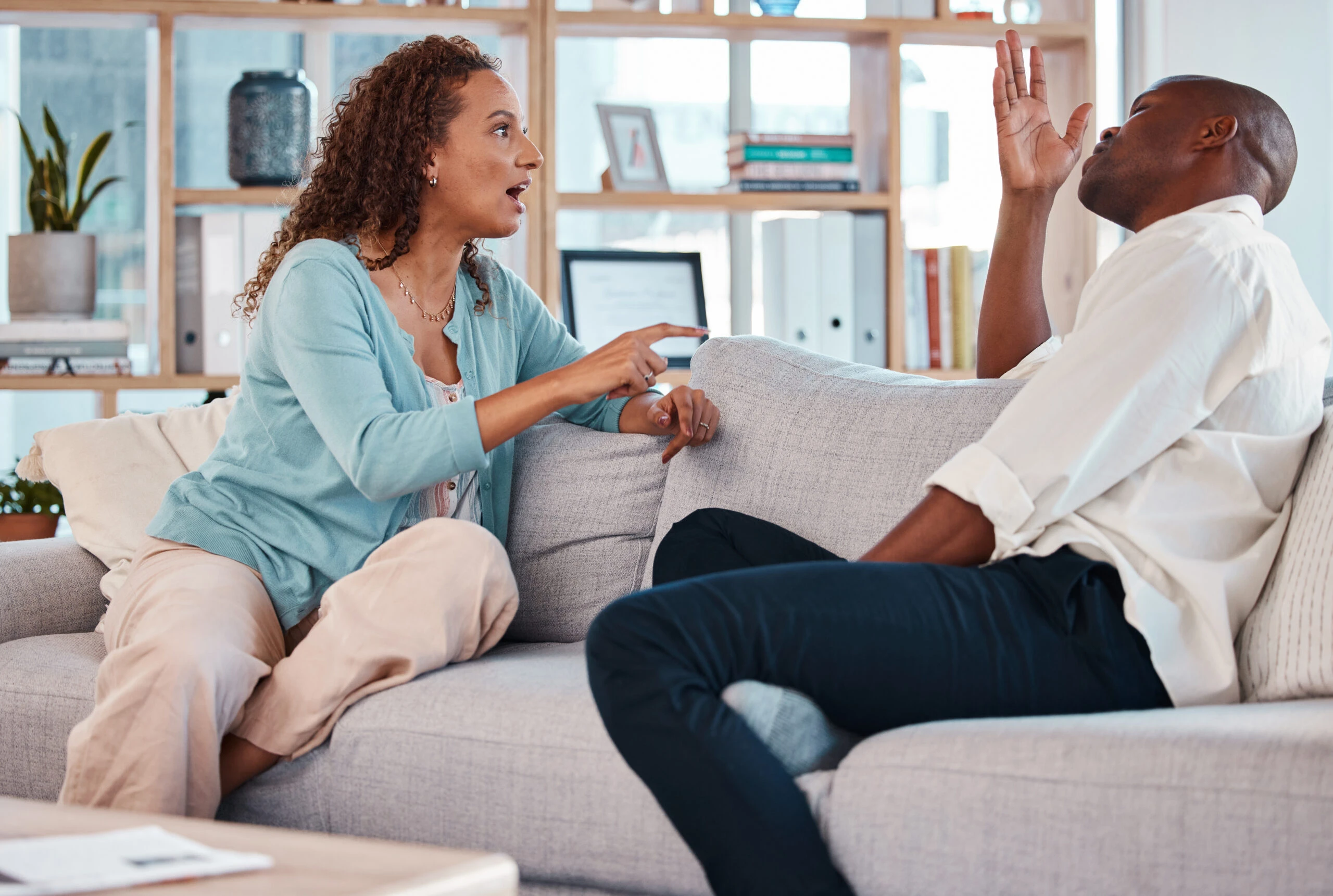
In this stage, you may try to deny these differences in order to preserve the bliss of the first stage, or you may begin squabbling, trying to get back to the oneness that you previously experienced. The relationship may feel like a lose-win or win-lose. It may be experienced as competitive as to who is going to get his or her way.
Research shows that markers of the power struggle phase often include disillusionment, conflict, mutual blame, tension, anxiety, and doubt, with emotions running high and unresolved issues feeling overwhelming. Recent studies demonstrate that power struggles can be reduced through interventions that facilitate psychological distancing from reactive self-focus and redirect attention toward understanding the partner’s emotions, needs, and motivations, which interrupts the defensive cycles that fuel power dynamics.
Many couples can navigate disagreements with empathy and understanding, but if conflicts involve ongoing contempt, abuse, or safety concerns, seeking support from a qualified mental health professional can help keep everyone safe and supported.
When couples reach a power struggle stage, they often say it doesn’t feel like love. But if we care about a partner and the relationship, we become aware that love is more than a feeling—it is a behavior, a commitment to stay with your partner and do the work. As long as both are committed to the relationship and doing the work, a relationship can grow.

Most couples who go to marriage counseling have entered this stage. Research indicates there are five phases in romantic relationships—honeymoon, power struggle, stability, commitment, and co-creation—with the power struggle phase commonly showing up somewhere between two months and two years into a relationship. They feel stuck and don’t know what to do. There are also many who, at this stage, give up and separate or divorce.
The purpose of this stage is to learn the skills and tools to resolve differences without losing yourself. Once couples have worked through the power struggles and practiced healthy communication, they’re ready to enjoy the deeper closeness and stability of mature love.
Stage 3: Mature Love
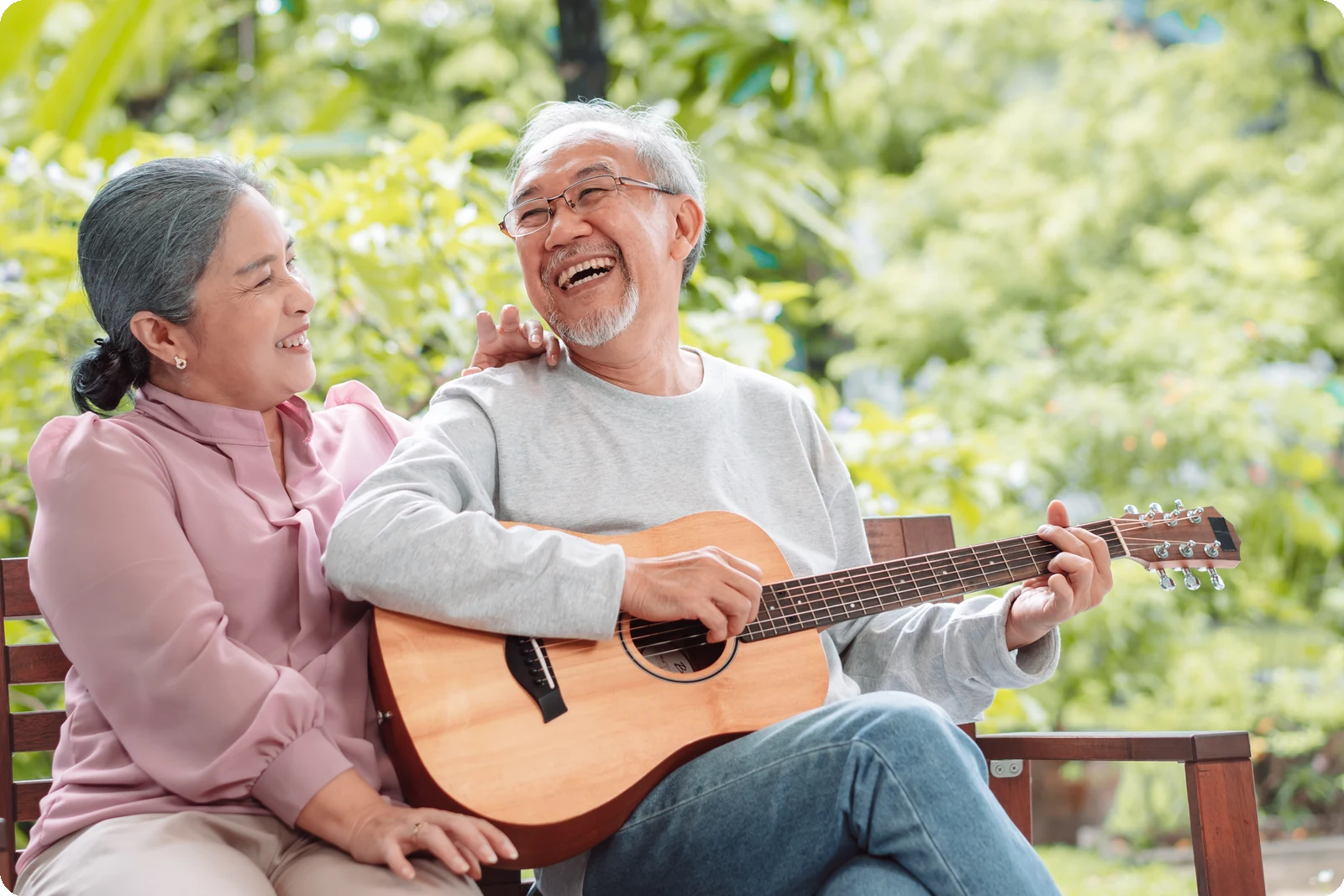
Assuming that both parties are committed to growth and value the relationship, this stage reflects long-term, conscious love built on growth and mutual understanding. We are now aware that, together, we can heal our childhood wounds. We have learned the skills and tools of dialogue so that we can listen and hear each other. We understand that we have differences and how those differences make sense. We have compassion for our partner. We are less reactive and more intentional. We communicate our wants and needs more clearly. We allow ourselves to be influenced by our partner without losing ourselves because we care about his or her happiness. We recognize that to have a healthy, happy relationship, we both need to experience a sense of well-being. It becomes a win-win.
Research on mature love shows it thrives on transparency, with partners feeling safe sharing their innermost thoughts, fears, and desires, knowing they will be heard and respected. This level of communication builds a foundation of trust and deepens the connection between partners. Recent findings indicate that enduring connection in marriage results more from the intentional efforts of spouses than from spontaneous love and emotional spark, with high-connection marriages showing three times higher scores on proactive behaviors like spending meaningful time together, doing acts of kindness, and forgiving offenses.
Long-term research with couples married 40+ years identifies primary coping mechanisms that strengthen relationships: effective communication, drawing closer together, persevering together, prioritizing the relationship, and mutual sacrifice. Studies show 83% of successful coping mechanisms involve “together coping” that strengthens the attachment bond.
The purpose of this stage is to enjoy each other and feel the intimacy of connection with someone who gets you. We do this by using the skills and tools learned in the second stage when challenges arise.
References:
- Bühler, J. L., & Orth, U. (2025). Terminal decline of satisfaction in romantic relationships: Evidence from four longitudinal studies. Journal of Personality and Social Psychology. Advance online publication. https://dx.doi.org/10.1037/pspp0000551
- Dupuis, H. E., Girme, Y. U., Overall, N. C., Cross, E. J., & Sibley, C. G. (2025). Changes in well-being and relationship satisfaction in the years before and after marriage in a sample of New Zealand adults. Journal of Social and Personal Relationships, 42(2), 315-199. https://doi.org/10.1177/02654075251315199
- Galovan, A. M., Carroll, J. S., & Schramm, D. G. (2024). Flourishing marriages are made, not found. Institute for Family Studies. https://ifstudies.org/blog/number-5-in-2024-flourishing-marriages-are-made-not-found
- Grob, A., Weidmann, R., Wünsche, J., Burriss, R. P., Bühler, J. L., Traut, A. C., Uhlich, M., Arnold, K., & Gander, F. (2025). Personality change in the light of relationship transitions in partnered and single individuals: Study protocol of a prospective measurement burst design. Swiss Psychology Open, 5(1), 1-15. https://doi.org/10.5334/spo.90
- Hoan, E., & MacDonald, G. (2025). Personality and well-being across and within relationship status. Journal of Personality and Social Psychology, 128(3), 430-450. https://doi.org/10.1177/01461672231225571
- Muñoz, N., Abalorio, B., & Yang, Y. (2025). The role of perspective-taking training on reducing power struggles and increasing relational empathy. Research and Practice in Couple Therapy, 3(1), 1-11.
- Ogolsky, B. G., Dobson, K., Rivas-Koehl, M., Kawas, G., & Hardesty, J. L. (2025). The progression of college student romantic relationship development: Stability and change over 10 years. Personal Relationships, 32(1). https://doi.org/10.1111/pere.12590
- Schneiderman, I., Zagoory-Sharon, O., Leckman, J. F., & Feldman, R. (2012). Oxytocin during the initial stages of romantic attachment: Relations to couples’ interactive reciprocity. Psychoneuroendocrinology, 37(8), 1277-1285. https://doi.org/10.1016/j.psyneuen.2011.12.021
- Snowdon-Farrell, A., Attal, C., Nikkheslat, N., Pariante, C., Young, A. H., & Zahn, R. (2025). How does neurochemistry affect attachment styles in humans? The role of oxytocin and the endogenous opioid system in sociotropy and autonomy – A systematic review. Neuroscience & Biobehavioral Reviews, 169, 105994. https://doi.org/10.1016/j.neubiorev.2024.105994