My Approach to Helping
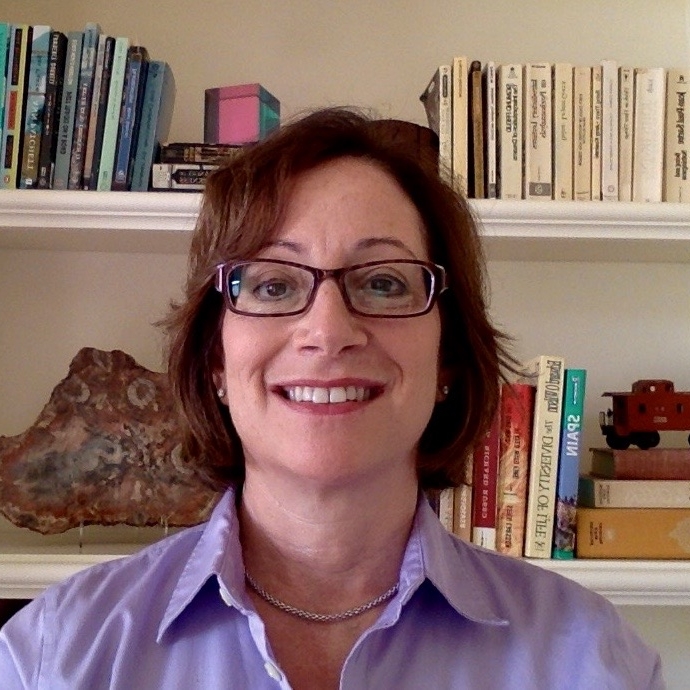
Welcome to my practice. I am a licensed Clinical Psychologist (License# PSY16844) who works with individuals and couples wanting to improve certain aspects of their lives. I have over 16 years of clinical experience. Whether you struggle with depression or anxiety, chronic or acute medical conditions, the effects of traumatic experiences, or difficulties in your intimate relationships, I can help you facilitate the changes you wish to make in order to have a more fulfilling life. I work regularly with adults, couples, families, health care providers and the LGBT community. I am a member of Division 42 of the American Psychological Association, the California Psychological Association, the American Academy of Experts in Traumatic Stress, the National Center For Crisis Management,the Anxiety and Depression Association of America, and Give an Hour. Since the "right fit" is a very important part of the therapy experience, I would encourage you to contact me by phone so that we can determine if I might be the right therapist for you.
More Info About My Practice
My specialties include:
Relationship Issues
Forming and maintaining a healthy relationship with an intimate partner or family member can be a tremendous challenge. Learning how to listen, negotiate conflicts, build trust, experience intimacy and avoid the pile-up effect can often feel daunting to even the most committed and motivated couples and/or family members. In my practice, I work with couples and families who wish to:
1. improve communication skills
2. increase emotional connection and closeness
3. improve and/or rebuild issues of trust
4. resolve conflicts in a productive way
5. learn about healthy limits and boundaries
6. (for couples) increase sexual intimacy
Health Issues
Dealing with a new or chronic medical condition can be extremely stressful. Whether it be cancer, A.L.S., chronic pain or a recurring mood disorder, your life can be impacted in many different ways. While the illness may affect you, it does not have to define you or stop you from having rich and fulfilling experiences. In my practice, I help individuals and couples as they:
1. adjust to a new medical condition
2. adapt to physical changes and/or limitations
3. develop and/or strengthen coping strategies
4. reduce stress
5. let go of what was and accept what is.
6. re-evaluate priorities and set new goals
Trauma
Experiencing a traumatic event, can have far-reaching effects in many areas of your life. Whether you have survived sexual and/or physical abuse, a terrible accident or the sudden and unexpected death of a loved one, discussing the event can be an important step toward healing. In my practice, I help survivors of trauma to:
1. understand the emotional and physical symptoms which can be associated with trauma.
2. develop healthy coping strategies
3. address associated issues, such as shame, guilt, isolation, fear, or anxiety.
4. re-establish a feeling of safety.
To schedule an initial appointment, you may contact me at: (415) 221-7833. While I do not accept insurance in my practice, some insurance companies may reimburse you directly for seeing an out of network provider. I also offer some sliding scale slots to assist people with financial issues.
How Psychotherapy Can Help
The answer to this question is best illustrated with a metaphor. When you learn to drive, you are given some basic rules of the road. You are also taught some advanced concepts that seem counter-intuitive. One such concept involves what to do when you are driving on a patch of ice and your car begins to skid. The rule we all learn is that we must turn into the skid in order to pull out of the skid. The reason it is counter-intuitive is that every instinct we have tells us to turn the other way. If our car is skidding to the right, our instinct tells us to turn to the left. If we are skidding to the left, our instinct tells us to turn to the right. If we follow our instincts, we will worsen the skid and likely end up crashing the car or sitting in a ditch. We must, in fact, go against that which feels natural in order to re-gain traction.
Our emotional lives are much the same as a skidding car. When we feel any kind of emotional pain, our natural instinct is to stop the pain by turning away from the pain. There’s one problem. Just like a skidding car, turning away from emotional pain only causes it to worsen. In other words, turning away worsens the emotional skid. Enough turning away and we find ourselves unhappy, unsatisfied and spinning, often out of control. Before we know it, we are in an emotional ditch.
That is how psychotherapy can help. It can teach you new ways of resolving issues and lead you to a more satisfying life.
Important Factors for Choosing a Therapist
There are two very important questions you should ask yourself when choosing a therapist. First, do you feel comfortable talking with this person? Does it feel like the right fit for you? You may have a sense of that on the phone or you may need to meet with a therapist in person to really know if the fit is right. Secondly, does the therapist have the experience and expertise working with your particular issue or issues? While most therapists can work with many different presenting problems, some therapists have sub-specialties that may make them a good place to start.
Most importantly, trust your instincts.