Three Types of Depression

November 8th, 2011
By Cynthia W. Lubow, MS, MFT, Depression Topic Expert Contributor


I want to mention three more types of depression experiences in this series describing the variety of ways people can experience depression. They are:

  • The low joy, low satisfaction type
  • The self-medicating type
  • The purely brain-chemistry type

Low joy, low satisfaction type—People say things like, “stop and smell the roses,” and, “it’s the small joys that make life wonderful.” These are people who are blessed with an abundant capacity to feel joy. However, there are other people who just don’t have (I believe the brain chemistry, or perhaps the permission for) this. People who don’t have the capacity for much joy have to plan the ultimate Saturday night, or vacation, or weekend—filled with guaranteed pleasure after pleasure. This is what it takes for them to feel some joy or sense of satisfaction that others feel with simple events such as when their stomachs are full, or they’re looking at a sunset. Those without much capacity for joy know that one movie won’t do it. Two movies, an amazing dinner out, some chocolate and sex might. To people around them, this is a great deal of pressure and demand. When people with low joy don’t get what they need to feel some pleasure or satisfaction, they are disappointed and depressed, and others can feel like they failed, or feel guilty for feeling good.

Sometimes people with low joy are seen as negative or critical, because of their inability to be satisfied. Without adequate brain chemistry, people can actually physiologically lack the ability to feel the emotion of satisfaction. So imagine, if you cannot feel satisfied, how would that affect your life? You might not feel satisfied no matter what you eat, so you are driven to eat more and more—trying to get that feeling of satisfaction we all expect from eating. You might not feel satisfied sexually, no matter how hard your partner tries to satisfy you, so you might need sex to last much longer and happen much more often than your partner needs. You might turn to addictive chemicals or activities to try to feel some pleasure and satisfaction you can’t find any other way. And when people asked you if you enjoyed a movie or a meal or an adventure, your response might honestly be “not really.” If you didn’t know what was going on, your mind might turn to ways it could have been better, so that you could have said “yes.”  But then all you would have to say is criticism, and that’s not usually what people want to hear when they’ve enjoyed something and ask their companion if they’ve also enjoyed it. So the lack of ability to feel much joy and satisfaction can have very destructive, and far-reaching effects for a person suffering this way.

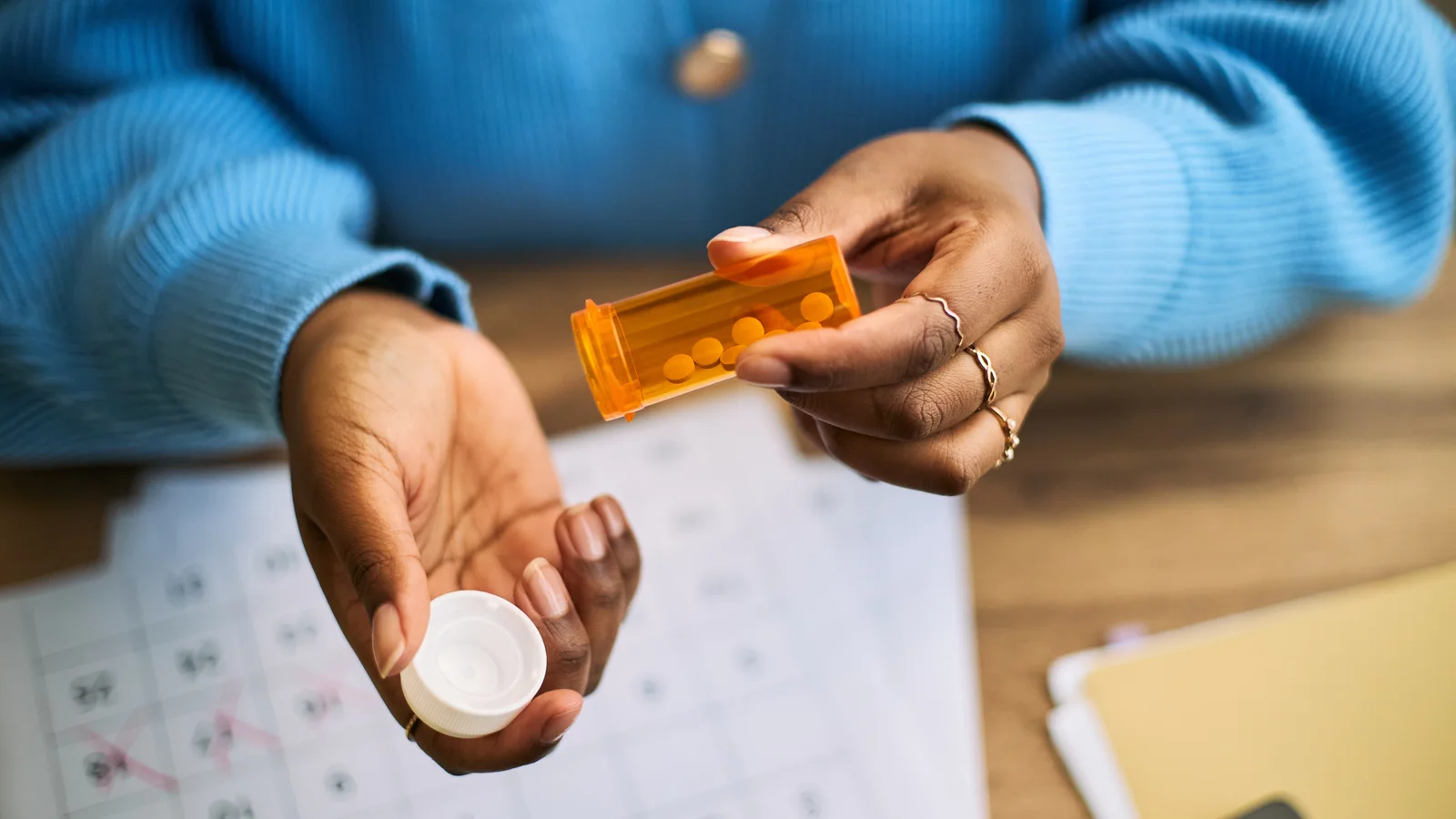
Self-medicating type This includes anyone who uses a substance or activity to boost their low mood, low pleasure, low motivation, etc. Sometimes self-medicating becomes addiction, and then the benefit is outweighed by the negative consequences. People can use anything that positively boosts the availability of the “pleasure chemicals” in the brain, such as serotonin, dopamine, beta-endorphins, nor-epinephrine, etc. Of course, anti-depressant medications do this without causing addiction, but people often try their own methods, using food/sugar/chocolate, alcohol, street drugs, prescription opiates, gambling, shopping, sex, falling in love, video games, Facebook, other internet activities, and many others. Usually self-medicating works in the beginning and it may even obscure that fact that depression exists. Usually, though, self-medicating causes highs and lows. The lows stimulate the need to do more self-medicating, and more and more is needed over time to create the same effect. As people self-medicate more and more, negative consequences pile up. They get into debt; they gain a great deal of weight, or lose health; they have affairs and lose their primary relationship; they disengage with the world to lose themselves in video games or internet activities; they have to steal to maintain drug supply, or lose jobs to being drunk.

The point is that self-medicating experiences of depression may look and feel like addiction—and indeed be addiction, but may have started as unrecognized depression that is undoubtedly still lurking underneath the self-medicating methods or addictions.

Underneath the self-medicating type is often low joy, or excessive pain types –or probably any of the other types, but it can be impossible to tell what’s going on under the addiction, until it’s not active—then another type or types may emerge.

Purely brain-chemistry

There are people who get depressed despite having had loving, responsive parents, and/or have healed their emotional wounds. Most of the time they can feel powerful, joyful, self-accepting, energetic, and hopeful, but periodically episodes of depression strike for no reason from events in their lives, or internal emotional conflicts. It just hits like the flu hits. This is probably a relatively small group, but it does seem to exist. People with this kind of depression can often be helped with medication or ECT treatment, but psychotherapy has minimal effectiveness, because it’s not the person’s problems, or childhood, or traumas or self that needs to be healed—it’s simply their brain. Well, we don’t understand much about all of this, so it’s probably not “simple,” but it’s not complicated so much by life, as other experiences of depression are. That is, until the depression itself affects the person’s life by disabling them, and creating problems in their lives.

So in the past eight blog entries, I’ve covered most of the experiences people have of depression. When people have several of these at the same time, they can be diagnosed with depression. When they only have one of these experiences, they may not meet the medical criteria for depression, but they may still be suffering tremendously. If you recognize yourself in any of these experiences, find a good therapist to help you figure out where the suffering is coming from, and what you need to get relief. Most depression is treatable.

Related Articles:
The Irritable or Angry Experience of Depression
The Hopeless Experience of Depression
The Anxious or Agitated Experience of Depression

©Copyright 2011 by Cynthia W. Lubow, MS, MFT, therapist in El Cerrito, CA. All Rights Reserved.

Print This Post Print This Post

  • Find the Right Therapist

  • Join GoodTherapy.org - Therapist Only
   

Comments

  • benita November 8th, 2011 at 5:16 PM #1

    I read the description of the self medicater and I realize that this is me. I have been through food and credit cards, alcohol and even some drugs, always looking for those things that I think will make me feel better. It is not a pretty life and at various times in life I have had it all and lost it all.

  • AJ November 8th, 2011 at 11:39 PM #2

    I think there are combination types as well. I have constant low-level depression which I’m pretty sure is linked to low self-esteem, I used to self-medicate with alcohol (now I let meds do the work), and I still get occasional periods of intense depression that don’t seem to have a cause other than brain chemistry. I’m not sure I can tick only one box…

  • kendrick November 9th, 2011 at 1:03 PM #3

    the first type describes me pretty well and I dont really think it is a problem.maybe I have a milder form of it but I never see it as a problem.if it requires more of things to impress me or make me happy thats just my taste and not necessarily a prob.

  • Larson Grogan November 9th, 2011 at 2:44 PM #4

    This was a real eye opener for me because I thought that depression was just depression, you know? That there were no variations other I can get up out of bed or I can’t. Thanks for always providing such valuable information that helps someone like me who always wants to see things as either black or white come to the awareness that there can be shades of gray in life as well.

  • Jennifer September 20th, 2012 at 7:22 PM #5

    I have the a mixture of all of these types of depression, but really, for me it is the third one. I do have a personality disorder plus PTSD, but therapy has not helped me. My self-esteem is low. I heard voices and suffer from Schizoaffective disorder. I was diagnosed with Major Depression, severe. I recently OD’ed and almost died. I had ECT before the OD but it did not kick in immediately. I think it takes awhile. Now, I no longer have the weepy, crippling depression or the constant suicidal ideation. My meds are finally balanced and things look pretty good for once.

  • Cynthia Lubow, MFT September 20th, 2012 at 9:27 PM #6

    Jennifer–I’m so glad ECT and meds are working for you finally! Kendrick–I’m glad low joy doesn’t seem like a problem to you, because some people suffer from this tremendously. AJ–no reason to tick just one box–you can have any or every form of depression I describe. Benita–yes, I know what you mean. Addictions are an attempt to feel better, and they work to some extent, but over time they are like mafia–extracting super high interest rates for the pleasure they provide. Larson–you’re welcome–this is information I’ve collected from 30 years of working with depressed people, plus my own experiences with depression, plus what I’ve read. I’m glad you find it helpful!

Leave a Reply

By commenting you acknowledge acceptance of GoodTherapy.org's Terms and Conditions of Use.


*


* = Required fields


Search Our Blog:

Content Author Title


Blog Categories


Find the Right Therapist

Advanced Search | Browse Locations

        therapist Topic Expert  

Recent Comments

  • Diana: My feelings of failing were similar with my divorce. That was decades ago now and I’ve learned a lot since then. I think I was raised...
  • Shana: I have to agree with the bed thing to an extent. In recent years I have made sure not to be in bed and keep myself busy with something....
  • Mason Young: Why does the use of technology always have to be viewed as a problem? It is what our workd today revolves around, we all have to have...
  • Carter: Not sure that I get why diabetes and depression would cause more heightened fear than cancer or schizophrnia- diabetes and depression seem...
  • Nellie: See the pros and cons of this kind of arrangement. But mainly if I was the therapist I am not sure how safe I would feel going into...