Grief: Helping Loved Ones
April 15th, 2011
By Melissa Wright, MA, LPC, RPT, NCC Adjusting to Change/Life Transitions Topic Expert Contributor
Click here to contact Melissa and/or see her GoodTherapy.org Profile
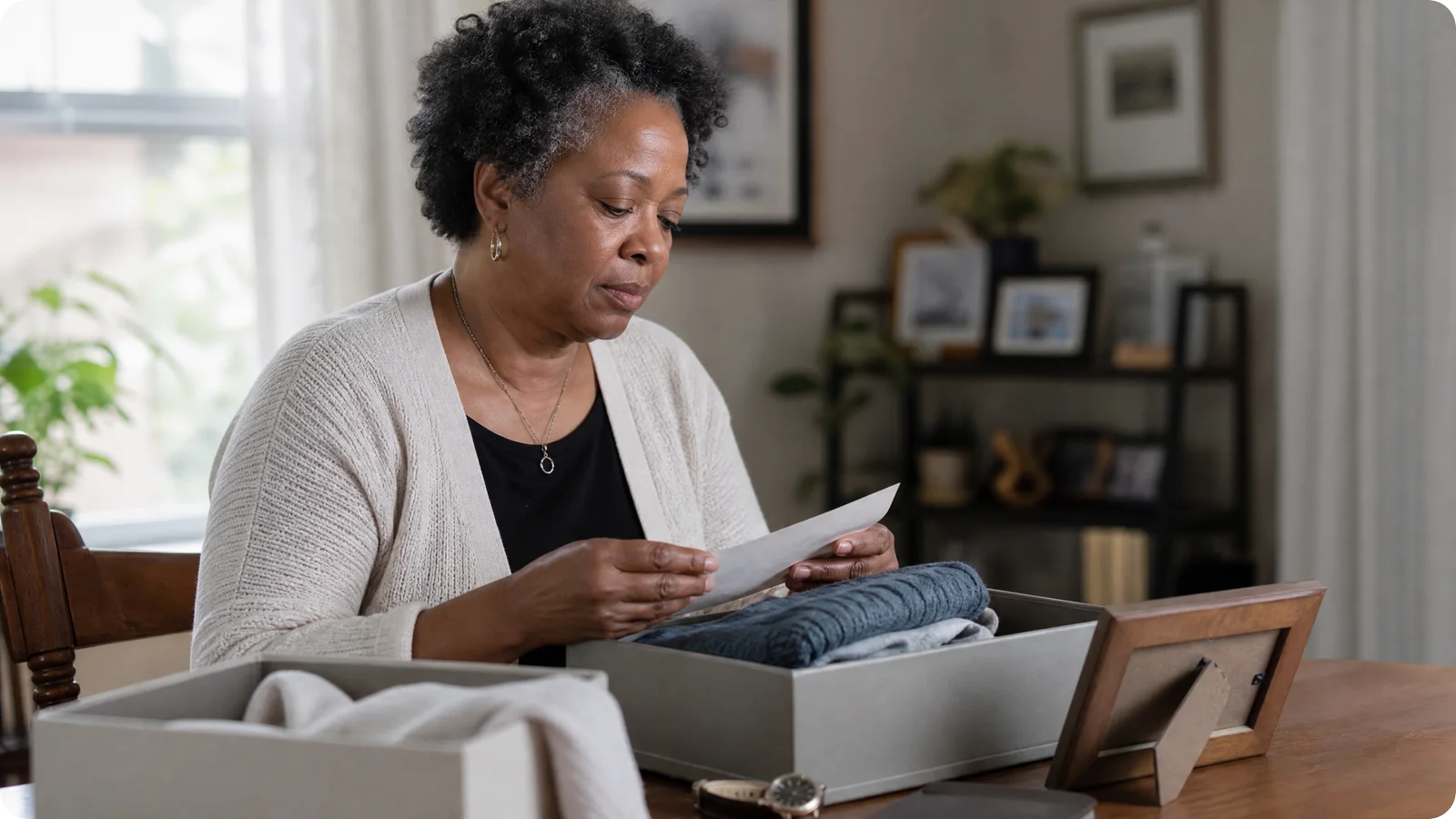
Grief and loss – It’s something we will all at some point experience in our lives. A range of strong emotions accompany grief and loss and it’s hard to know what to say or do to help those that have lost someone. We often feel helpless on how to interact with those faced with loss. If we learn a little more about the process, we can build confidence in supporting those that we care for. This support is key in helping others work through grief.
I saw Dr. Alan Wolfelt speak a couple of years ago, a dynamic speaker who has authored several books on bereavement. He had some insight on what we can do to help those who have recently lost someone and need help moving through their grief.
Wolfelt reported on how not everyone who tries to offer support has the same effect.
-1/3 of people help through the grieving process.
-1/3 of people have a neutral effect – no better, no worse.
-1/3 of people not only do not help, they actually make someone feel worse!
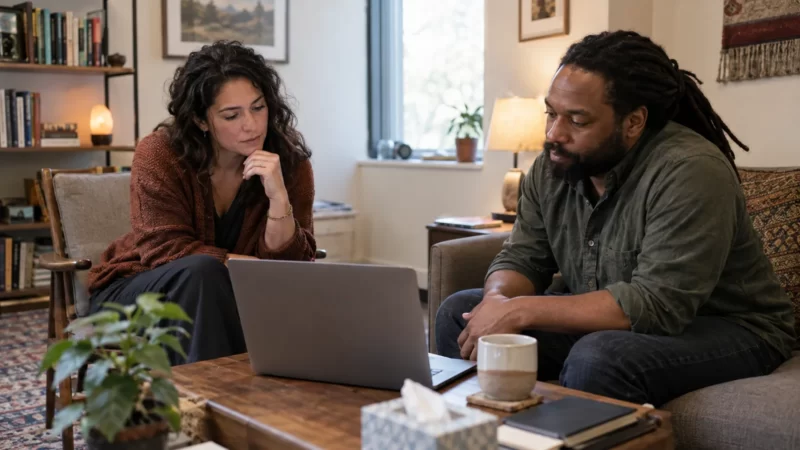
In my experience as a therapist, I have seen cases where family or friends have unintentionally made someone feel worse. This is often due to expectations to “get over it” too soon and being insensitive to the grieving process. It is usually best to simply listen and “be there” rather than give advice or answers. Listening is only the beginning. To make more of a difference, “companioning” can be used to help your loved one navigate this difficult time.
So what is companioning? Companioning is about being present to another person’s pain. It’s not about taking the pain away. This is a tough distinction for most people, as we don’t want our loved ones hurting. Moving through this pain is how people come to terms with their loss.
When friends or loved ones are grieving, they are less in tune to their own personal needs. By ensuring that these needs are met, you are putting them on a better path to recovery. Here are some basic human needs to monitor:
- Physical – Stress can lead to physical discomfort even to the point where one’s immune system can break down. It’s important to make sure that they continue to take care of themselves.
- Emotional – Emotions can be like a roller coaster: from intense to withdrawn.
- Cognitive – Grief can cause one to lose short-term memory and have a hard time staying on task.
- Social – You might find that they don’t want to be around others or know how to act.
- Spiritual – Grief and loss can cause a great deal of spiritual discomfort. One wonders: “Why did this happen?”
So I need to be there for them, what else can I do to feel like I’m helping?
- Listen with compassion – this can include sitting in silence, hearing the story surrounding their loss, and hearing them out as they express their feelings and memories. Acknowledge what happened, express your concern, be genuine and don’t give advice or try to fix.
- Assist with activities of daily living – this can include meals, errands, housework, bills, or helping with kids.
- Monitor self care – Make sure basic needs are being met, encourage short naps, and give reminders to eat/drink if needed
- Provide ongoing support – check in and take note of special days like anniversaries/birthdays/holidays. Note there is no timetable for grief. No matter how well someone appears to be doing, there will still be periods of difficult times ahead.
One final thought by Dr. Wolfelt:
“When death of someone precious calls out for it is not to be resolved or explained but expressed, stored, experienced and gently over time in small doses, finds its way to meaning”.
© Copyright 2011. All Rights Reserved. Permission to publish granted to GoodTherapy.org. The preceding article was solely written and edited by the author named above. The views and opinions expressed are not necessarily shared by GoodTherapy.org. Questions or concerns about the preceding article can be directed to the author or posted as a comment below.
15 Comments | Click here to leave a comment.


Comments
I find it surprising that some people can be mean enough to be insensitive about somebody’s feelings. If you cannot make them feel better at least leave them alone and do not make them feel worse!
As for myself I just cannot see anyone feeling sad and I try my best to hear them out and console them. This may not fix their problem but will at least make them feel better and it is the least we can do for a fellow human being.
Grief is such a personal journey. It is something that while we need support while we are experiencing it, we cannot be told how we should grieve and for how long. Everyone feels differently in different situations and all we can do is offer support and be there for someone when they need to talk.
was just honking about grief and grieving after reading this article and a thought just came to my mind-if a tragedy occurs in a family or household it is most probable that every one in the family is affects by it.so how does the grieving and support work in such a scenario.have never experienced any such tragedy and so I’m curious as to how people,or rather families,are able to cope with it.
You have to get past thinking about yourself in order to be the most help for others. Letting your own feelings go for a while is critical in helping someone else. This is not the time to be selfish. This is the time to open your heart and to think about what someone else may be feeling and the many ways that you could help someone get through a tough time in their lives.
I have someone in my life who very much seems to be in the grieving process but really does not want any help at all with going through it. It is like she wants to be alone and I am not sure how to handle that. I want her to know that I am here for her but without being too invasive. Any thoughts?
@luis Some people just want to watch the world burn. If you like to make others miserable, that’s okay. When you actually do it however, it’s not on at all.
@luis–I don’t think they make them feel worse intentionally. They simply say the wrong thing like “it’s for the best” if the person’s been chronically ill. For all they know the bereaved person doesn’t feel losing their beloved is for the best under any circumstances. I think it’s more thoughtlessness than maliciousness that’s the issue there.
@albie Each of us experience and deal with loss in our own way. You can be a wonderful support to each other when you’re all grieving as a family. Even just a hug or a squeeze of a hand can make all the difference. In my family I find we talk a lot about the deceased and share memories. That helps. Others may not be ready to do that. You know your family best.
@albie It starts with accepting that tragedy can happen at any time to any one, and once it happens, it’s happened. In that case, everyone should just get their grief out, support each other, and take care of everything as needed.
@Johnna That can be extremely difficult to express adequately though to the family. The best thing to do when they are grieving is to just tell them “Here’s my phone number, you can reach me at any time you want to talk.” And most of all, mean it! Day or night.
@Constantine–I’m with you on that. People that are grieving need space. Not support. Space. They need to get through what happened themselves. If they need help, they will ask for it if they know it’s there.
vivian: I think the “they need space” argument is for chickens that can’t be there when you need them. If the bereaved person wants space, they will tell you. Give them the opportunity to say yes or no. You’re wrong: they don’t know help is there if you don’t offer. It’s a cop-out to say “…but I thought you would have called!” later. They are handling a death and shouldn’t have to be the one to initiate that–you should.
I disagree too. Some do need space and some don’t. There’s nothing more hurtful than seeing a friend cross the street to avoid you because they know you’ve just had a death in the family and don’t know what to say. A simple “I’m sorry for your loss” is just fine.
Trying to force help on someone will make it worse. It can be hard also to tell how that person actually feels about the deceased. I know a couple of guys that I hate so much I would say goodbye and good riddance if I heard they died. I think most people are the same.
I agree with timothy, if someone ‘needs their space’ they are more likely to tell you, than they are to seek someone out to just be with them, listen to them, cry with them, or help out in even the smallest of ways. When you are hurting so bad you can hardly breathe because someone has been taken too soon, you are not going to ask someone to just understand. And the timetable is soooo different from person to person.
Leave a Reply
By commenting you acknowledge acceptance of GoodTherapy.org's Terms and Conditions of Use.