Quai Nystrom, LCSW
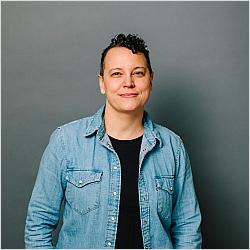
Quai Nystrom, LCSW
Verified
Professions: Psychotherapist
License Status: I'm a licensed professional.
Primary Credential: Licensed Clinical Social Worker - 082118
Telephone: 516-518-9209
Billing and Insurance:
I don't currently accept insurance, but I can provide documentation if clients wish to submit to an insurance company for "out of network" benefit coverage
Sliding Scale Available
What's My Approach to Therapy?
You may be seeking therapy because relationships feel hard, your life feels unsettled, or you simply want to understand yourself more deeply. My style is interactive, kind, and direct. I’ve spent over 15 years supporting people in exploring the layers of who they are, with care, honesty, and deep listening.
I work with people who are ready to reflect on their patterns and better understand the roots of anxiety, shame, and emotional discomfort. My approach is collaborative and grounded in the belief that therapy should move at your pace, gently stretching, never pushing.
I use metaphor, humor, and thought-provoking questions to help bring clarity to what feels confusing or stuck. Our work together can help you feel more grounded, navigate relationships with greater ease, and tend to the parts of life that feel less than ideal.
You'll be invited to bring your full self. Your curiosity, confusion, strengths, and fears are all invited into a space where your full self can be seen and held. Over time, therapy can help you move through fear, worry, overwhelm, and dissatisfaction by better understanding yourself and your patterns.
My guiding principles as a therapist:
• You choose the pace and focus—therapy works best when you're in the driver’s seat.
• Both the inner and outer world shape emotional wellness.
• You are primed to heal; therapy helps uncover what’s in the way.
My Practice & Services
Starting therapy can feel vulnerable, especially when you're already overwhelmed. I offer a warm, no-pressure 20-minute phone consultation to help us both get a sense of whether we’d be a good fit. If not, I’ll offer guidance on what to look for next.
My approach is holistic and collaborative. I support emotional healing with attention to the physical and relational impacts of stress, like sleep disruption, grief, and nervous system imbalance. I may also suggest tools such as aromatherapy, plant-based care, or reflection prompts from books, podcasts, and other resonant sources to deepen your insight between sessions.
Some of the concerns I often work with include:
• Ongoing worry, fear, or internal pressure
• Feeling disconnected from how you want to live vs. how you do live
• Complex family, friendship, or romantic relationship dynamics
• Breakups or dating challenges
• Queer identity, gender exploration, and LGBTQIA+ support
• Soothing patterns (like food, internet use, or substances) that sometimes go too far
• Harm reduction or sobriety support
• People-pleasing that leaves your needs unmet
• Power struggles or emotional overwhelm in relationships
• A desire for more closeness, security, or clarity in how you relate to yourself and others
• Complex PTSD or unresolved childhood trauma
If you’re seeking a space to feel understood, explore what holds you back, and find new ways forward, I’d be honored to connect.
Specific Issue(s) I'm Skilled at Helping With
I offer specialized support for a variety of challenges, helping you navigate complex emotions and relationships with compassion and clarity. Here are some specific areas where I have experience and training:
- Navigating the emotional challenges of breakups and relationship transitions
- Addressing the tendency to prioritize others? needs over your own, and learning to set healthy boundaries
- Supporting those maintaining sobriety or exploring harm reduction strategies
- Affirming therapy within LGBTQAI+ communities
- Healing from family estrangement and thoughtfully navigating boundaries or changes in family contact
- Navigating and managing challenges in adult relationships with your parents
How Psychotherapy Can Help
Therapy is a cumulative process, one in which we gradually uncover and get to know different aspects or 'parts' of you that may have been overlooked, misunderstood, or pushed aside. Through Internal Family Systems (IFS), we can compassionately explore these parts and understand the roles they've been playing in your life, often for the sake of protection or survival. This kind of inner work tends to deepen clarity, self-trust, and compassion.
Our work together may also draw from somatic therapy, which means we'll pay attention to how emotions and experiences live in your body. Understanding how your nervous system responds in challenging or overwhelming moments can shift how you view past reactions, especially those that may have brought up shame or regret. As you learn what helps your system feel more grounded and safe, you'll be better equipped to respond to life in a way that feels aligned and steady.
And importantly, healing doesn't happen in isolation. A big part of the process is the relationship we build together. Being seen in a full, nonjudgmental way can shift how you relate to yourself and open up new ways of connecting with others. When therapy offers a secure and attuned space, it makes room for real change.
What I Love about Being a Psychotherapist
After more than 15 years in this field, I still find deep fulfillment and meaning in the work. Supporting people as they move from painful, stuck places into more ease and clarity never gets old. I genuinely believe holding space is what I?m meant to do. It aligns with my strengths as a warm, curious, and honest listener.
I especially love helping sensitive, thoughtful people untangle the impact of family dysfunction and explore how things could be different. Therapy offers a space to make sense of the past, not just to understand what went wrong, but to cultivate new ways of being. I'm drawn to the creative, collaborative process of helping someone shift how they relate to their story.
When someone shares their struggles with me, I meet them with focused attention and care. When the process fosters self-understanding, reduces shame, andor increases self-compassion, something evolves that's both tangible and intangible at once. That's fascinating to me, and it's an incredible privilege to be trusted with that process and to witness people come into deeper connection with themselves.
Had a Negative Therapy Experience?
That's hard, and unfortunately, too common. Whether your past therapist lacked nuance, missed something important, or left you feeling unseen, I understand how disappointing that can be. It makes sense to feel hesitant about trying again.
Many people I work with have had prior therapy that didn't feel quite right. They've described uncomfortable power dynamics, feeling misunderstood, or not feeling heard. In contrast, I strive to create a space that feels collaborative, honest, and attuned to your pace and priorities.
Too often, therapy asks people to leave parts of themselves at the door. I work from an intersectional lens that respects the full complexity of who you are, including your identities, experiences, and the larger systems you navigate. My approach is grounded in trauma-informed care, and I've completed advanced training to support people who've experienced trauma with sensitivity and skill.
If you're open to giving therapy another try, I'd be honored to offer a space that helps you feel safe, understood, and empowered.
Video Message
Therapy Services & Specialties
- Clinical Supervision
- Consultation
- Individual Therapy & Counseling
Client Age Groups I Work With
- Adults
Languages
- English
Groups I Work With
- I work with thoughtful, curious people who want to better understand themselves in order to improve their relationships, ease anxiety, and feel more grounded. My therapy style is warm, collaborative, and direct. I follow your lead, centering your pace, your priorities, and the topics that matter most to you. My practice is intentionally inclusive and welcoming of people across race, class, gender, sexuality, culture, and immigration backgrounds. Many of my clients are navigating life without steady family support, including those who are low or no contact with family, or are questioning what kind of contact feels right. I also support adults who are working to reshape or deepen their relationships with parents or caregivers. The connection I build with each person is unique. Together, we make space for the many dimensions of who you are, from your inner world to your passions, work, creativity, roles, and values. Many people I work with find comfort in metaphor, appreciate a little humor, and tend to enjoy things like gardening, climbing, reading, creative writing, hiking, cooking, or caring for animals.
Industries & Communities Served
- BIPOC
- LGBTQ+
Client Challenges & Concerns I Address
- Abuse / Abuse Survivor Issues
- Addictions and Compulsions
- Anxiety
- Attachment Issues
- Breakup
- Codependency / Dependency
- Drug and Alcohol Addiction
- Emotional Overwhelm
- Family of Origin Issues
- Grief, Loss, and Bereavement
- Identity Issues
- Incest
- LGBTQ+ (Lesbian, Gay, Bisexual, and Transgender) Issues
- Racism
- Self-Care
Therapeutic Approaches & Evidence-Based Methods
- Body Psychotherapy
- Collaborative Therapy
- Dreamwork
- Integration of different therapy models
- Internal Family Systems (IFS)
- Mindfulness-Based Interventions
- Psychodynamic
- Relational Psychotherapy
- Somatic Psychotherapy
See other therapists in Brooklyn, NY.