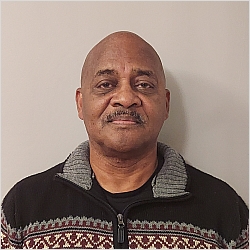
Calm honest communication. Looking to listen because you drive the plan in our working together.
Find a Therapist in Baltimore, MD
284 results
25 miles
Accepting new clients
More results
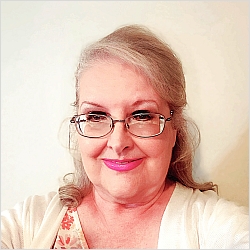
My communication style is calm, caring, and supportive. I feel my role is to support not judge my clients. I am aware that each person is unique and has different needs. My goal is to make each person feel comfortable and validated.

David Jun Selleh, MA, NCC, LCPC, LPC, is an integrative psychotherapist specializing in treatment-resistant depression, complex trauma, anxiety, and relationship issues. Trained in Accelerated Experiential Dynamic Psychotherapy (AEDP), Internal Family Systems (IFS), and trauma-focused Gestalt Therapy, David is curious, direct, and relational. He strategically facilitates parts-work, somatic processing, mindfulness, dream-work, and other interventions. He incorporates Acceptance and Commitment Therapy (ACT), Flash (FT), Polyvagal Theory, Ketamine-Assisted Therapy (KAP), Psychedelic Integration (PHRI), and more. David is a Licensed Clinical Professional Counselor (LCPC) in Maryland, and a Licensed Professional Counselor (LPC) in Washington D.C., holding a Master of Arts degree in Clinical Mental Health Counseling from Indiana University of Pennsylvania. David completed two-year training in Gestalt Therapy with the Gestalt Institute of Pittsburgh, and focused on working with trauma with the Gestalt Centre of UK. He earned a Ketamine-Assisted Psychotherapy Advanced Certificate with Fluence, and completed the Accelerated Experiential Dynamic Psychotherapy Immersion with the AEDP Institute. He is also continually advancing his skills through ongoing education, consultation, and his own personal work. David helps people connect with their inner healing wisdom and return to wholeness, naturally discovering new and meaningful choices in the process. Clients often report improvements to emotional regulation, and feeling more “complete” early on. Growth continues insights are translated into new habits and daily behavior change. David has helped many improve depression, attachment trauma, anxiety, relationships, climate and political distress, family-of-origin issues, addiction, shame, anger, self-esteem, transitional challenges, and other concerns. Please call or email to schedule a consultation.
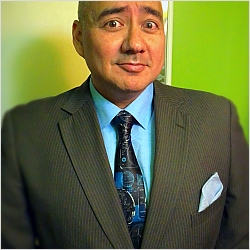
Searching for a therapist to guide you on your journey towards healing, change, and empowerment can be time-consuming and daunting. Everyone has the right to quality and affirming care, and that starts from the first moment you reach out to me. I will strive to always provide a safe, open, and non-judgmental atmosphere that will foster the positive therapeutic alliance needed to help you achieve your goals. My approach is not one-size-fits-all, and I only see a limited number of clients, which allows us the opportunity to set a focus and the pace you require along your path.

Compassionate and dedicated Psychiatric and Family Nurse Practitioner with experience providing comprehensive primary care across the lifespan. I’m skilled in conducting health assessments, diagnosing and treating acute and chronic conditions, ordering and interpreting diagnostic tests, prescribing medications, and developing individualized treatment plans. I’m committed to delivering evidence-based, patient-centered care, with an emphasis on disease prevention, health promotion, and patient education. I also have experience collaborating with multidisciplinary healthcare teams to improve patient outcomes and support high-quality, efficient care. I bring strong communication, clinical decision-making, and relationship-building skills, with a focus on compassionate, culturally competent care.

I like to describe my therapeutic style as eclectic. I pull from many different modalities to find what works best for each individual client. I believe that nothing in life is one size fits all and therapy is no different. Each individual needs something different when they engage in therapy and I strive to help my clients based on their individual needs. I like to take time to get to know my patients at to work collaboratively with them to create goals that make sense for their lives and needs. I primarily work with adolescents, teens, and young adults. I love working with these age groups because there is so much change happening during this time in someone's life. I am a fairly casual person and (when appropriate) like to use humor to connect and engage. I also am a bit of a nerd and have at least a basic to moderate understanding of many of the things that the younger generations enjoy (video games, TikTok, memes, movies, tv, etc.). I love to use this to connect with my clients and to allow them to feel seen.

I take a holistic approach that incorporates mind, body, and spirit. I believe it's important to integrate life meaning into counseling. I respect all faith backgrounds (including none), work within personal belief frameworks, and have appreciation for alternative paths as well as mainstream religions. I'll work with you to set goals and the proper pacing of therapy. Therapy is a collaboration, as ultimately the power to change rests within you. I emphasize unconditional positive regard, respect, a safe and caring therapeutic relationship, individual strengths, and taking control over choices.

I believe that the innate nature of human beings is to survive and be well, and that varying degrees of life experience and trauma create psychic structures that inhibit that natural process from occurring. My job is to help client's develop compassionate awareness for these structures that are no longer functional in their lives and help them to build tolerance for the underlying feelings being protected by these structures. And ultimately to help client's choose and develop healthier more functional thoughts, feelings and behaviors to expand their well being, life satisfaction and treat themselves with loving kindness.
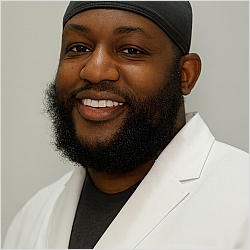
A strong approach to helping people with mental health challenges is patient-centered, collaborative, and holistic. The core idea is to treat the whole person, build trust, and match care to the person’s needs, goals, and preferences, rather than using a one-size-fits-all plan. Core principles Start with respect, empathy, and nonjudgmental listening. People with mental health conditions often do better when they feel heard and not stigmatized. Use a whole-person view that considers emotional, physical, social, and environmental factors, not just symptoms. Explain that there are multiple treatment options, and that a first-line approach may need adjustment over time. Involve the person in shared decision-making so the care plan reflects their values, goals, and comfort level. Practical care approach Assess symptoms, safety, functioning, and supports. Build rapport and ask open-ended questions. Provide education about the condition and treatment options. Collaborate on a realistic care plan. Encourage coping skills, self-management, and follow-up. Reassess regularly and adjust treatment when needed. Helpful support strategies Offer emotional support and practical help. Encourage healthy routines, coping skills, and treatment adherence. Normalize that recovery can take time, and that progress may be uneven. Connect people to community-based services, therapy, peer support, and other resources when appropriate.
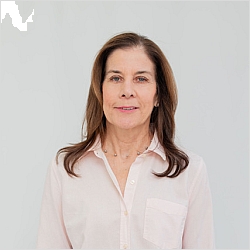
Are you stuck in a painful relationship? Are you suffering from anxiety? Or do you feel your life isn't going the way you want it to? With cognitive behavorial therapy you can learn to have more meaningful relationships, manage anxiety and enjoy a more fullfillng life. I use a psychoeducational format in which I teach you skills to become your own best emotional coach. I will help you learn to understand and feel better about yourself, better about your life. With this self-awareness and skills developed in therapy you will be able to implement healthier behaviors and realize more positive ways of living.
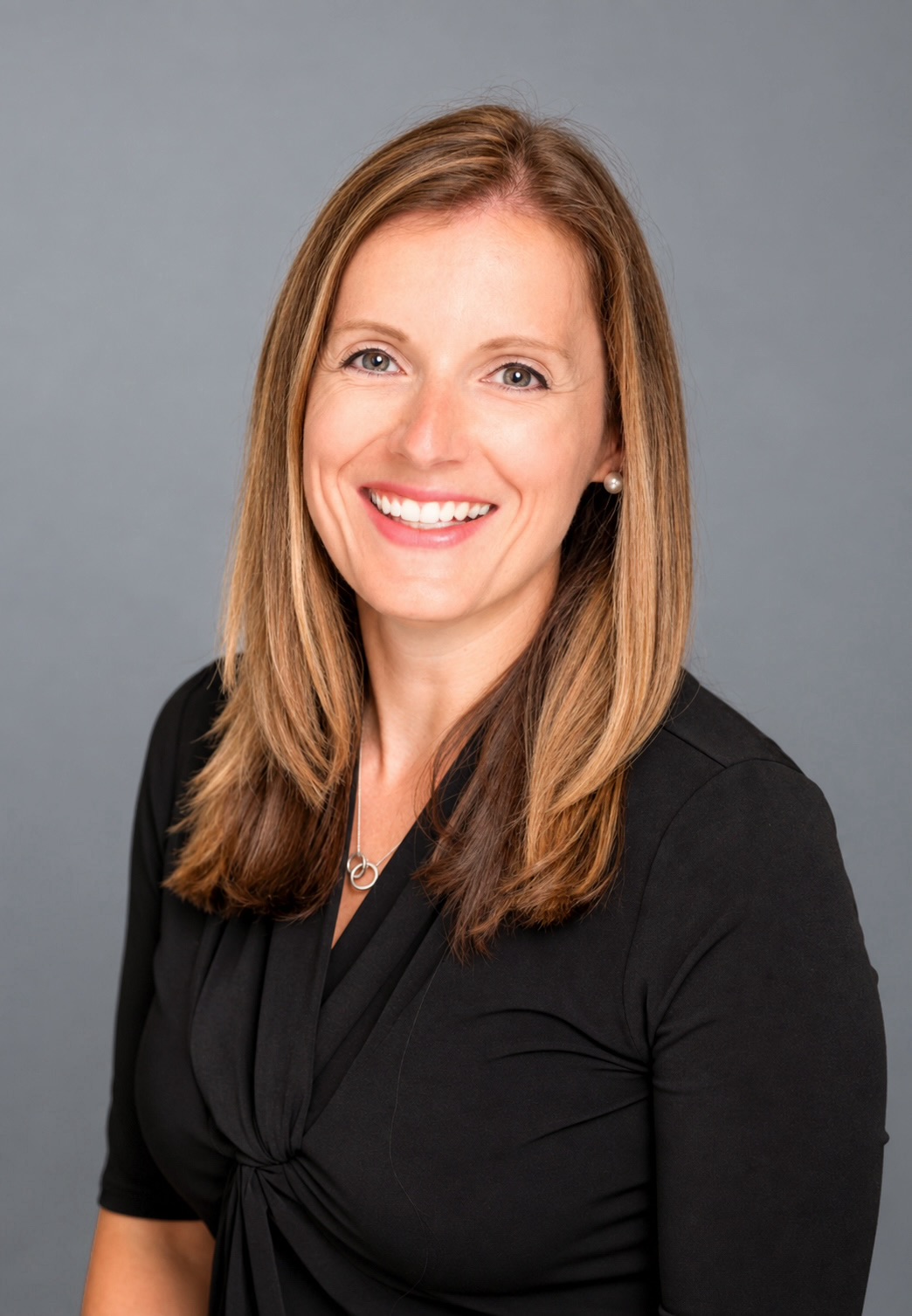
I focus my work with individuals and couples to improve connection and secure functioning within relationships. I also work individuals dealing with affair recovery and betrayal trauma. Additionally, a large part of my practice focuses on healing from past traumas. During big life events we all need support, compassion, understanding, and sometimes guidance to return to feeling whole, connected, and allow joy back into our lives. Learning to care for yourself and using evidence based tools to improve your life will be our focus. My hope is to help you heal so you manage life's stressors and feel confident to face the world.

Accepting new clients remotely and in person. I've practiced psychotherapy for over 40 years, and during most of that time also taught psychiatric residents at Johns Hopkins Medical School. My areas of specialization are bipolar type 2 and borderline personality condition. I've also worked with many entrepreneurs since the publication of my book, The Hypomanic Edge: The Link Between (a Little) Craziness and (a Lot of) Success in America. What's different about me is that after receiving traditional training, I've integrated it with meditation. Mindfulness, especially when combined with therapy, provides calm, objective self-awareness that leads to self-control, which may lessen the need for medication. More meditation can mean less medication. More recently, I'm working with research subjects who have undergone psilocybin therapy for a book, "The Cosmic Consciousness Cure." Affecting the same brain areas as meditation, psilocybin therapy produces a quantum leap in mindfulness. I'd be happy to speak with anyone seeking legal psilocybin treatment. I can't provide it, but it is now legally available in Oregon, and I would be happy to work with clients on integrating that experience.
The therapists listed are members of GoodTherapy and pay us a membership fee which helps support our services. By using this site you signify your assent and agreement to our terms of service.
Not finding the right therapist? Search for therapists in Parkville, Towson, or Pikesville to expand your search.
Find a Therapist in Baltimore, MD
Living in Baltimore offers rich cultural experiences, from the historic Inner Harbor to vibrant neighborhoods like Federal Hill and Canton. However, navigating city life's demands—whether it's commuting through downtown traffic, managing work-life balance, or dealing with the pressures of urban living—can impact your mental health and relationships.
Baltimore residents often seek support for anxiety, depression, relationship challenges, work-related stress, and trauma recovery. The city's humid summers and cold winters can also affect mood and energy levels, making professional support particularly valuable during seasonal transitions.
Since 2007, GoodTherapy has been dedicated to connecting people with ethical, compassionate therapists who understand that all individuals are capable of change and deserve dignity and respect. Our mission is to break down barriers and build bridges to accessible mental healthcare.
Mental Health Support in Baltimore
Baltimore residents commonly seek therapy for anxiety, depression, relationship issues, work-life balance challenges, and trauma recovery. The fast-paced urban environment, combined with economic pressures and social stressors, can contribute to mental health concerns that benefit from professional support.
Local factors like seasonal weather changes, commute stress, and the demands of city living can impact mental wellness. Many Baltimore residents find that therapy provides essential tools for managing these challenges while building resilience and improving overall quality of life.
Therapy Approaches Available in Baltimore
Baltimore therapists utilize several evidence-based approaches tailored to individual needs and preferences. Different types of therapy offer various pathways to healing and growth.
Cognitive Behavioral Therapy (CBT) helps identify and change negative thought patterns that contribute to anxiety and depression. This approach is particularly effective for professionals dealing with work-related stress and perfectionism common in Baltimore's competitive job market.
Solution-Focused therapy emphasizes building on existing strengths and resources to create positive change quickly. This approach resonates with many Baltimore residents who value practical, goal-oriented solutions.
Psychodynamic therapy explores unconscious patterns and past experiences that influence current relationships and behaviors. This deeper approach can be especially helpful for addressing long-standing patterns or complex trauma.
Dialectical Behavior Therapy (DBT) teaches emotional regulation skills and distress tolerance techniques, while Interpersonal therapy focuses on improving relationship patterns and communication skills.
Specialized Services
Many Baltimore therapists offer specialized services including couples counseling, family therapy, child psychology, and group therapy sessions. Some practitioners also provide culturally sensitive care for Baltimore's diverse population, including Spanish-speaking therapists and those experienced with various cultural backgrounds.
Finding Your Right Therapeutic Match
Our directory approach helps you find therapists based on your specific needs, location preferences, and therapeutic goals. Whether you're in downtown Baltimore, the suburbs, or surrounding neighborhoods, you can locate qualified professionals nearby.
What to Consider in Your Search
Consider factors like therapeutic approach, specializations, location convenience, and therapy delivery methods including in-person and online options. Many Baltimore therapists offer flexible scheduling to accommodate busy work schedules and family commitments.
Getting started involves browsing therapist profiles, reading about their approaches and specialties, then reaching out to those who seem like a good fit. Most therapists offer brief consultations to help determine if their services align with your needs.
Making Therapy Affordable
Cost concerns shouldn't prevent you from accessing mental health support. Many Baltimore therapists accept insurance, offer sliding-scale fees based on income, or provide payment plans to make therapy more accessible. Free and affordable therapy options are available throughout the Baltimore area.
Community mental health centers, university training clinics, and nonprofit organizations also provide cost-effective therapy options. Some employers offer Employee Assistance Programs (EAPs) that include free counseling sessions for workers and their families.
Expanding Your Search
If you're having difficulty finding the right therapist in Baltimore, consider expanding your search to nearby communities. The greater Baltimore area offers additional qualified professionals who may be easily accessible by car or public transportation.
Taking the First Step
Seeking therapy demonstrates strength and self-awareness. Whether you're dealing with immediate concerns or working toward long-term personal growth, professional support can provide valuable tools and insights for navigating life's challenges.
Find help connecting with the right therapeutic support today. Browse our directory of qualified Baltimore therapists and take the first step toward improved mental health and wellbeing.
Related Resources
- Different types of therapy
- Our directory approach
- Therapy delivery methods
- Free and affordable therapy options
- Find help
Find Therapists in Nearby Cities
- Find a therapist in Lutherville Timonium
- Find a therapist in Severna Park
- Find a therapist in Annapolis
Frequently Asked Questions
How do I find a therapist near me in Baltimore, MD?
Use our therapist directory to search for licensed professionals in Baltimore by specialty, location, insurance accepted, and therapeutic approach. You can filter results to find therapists in specific neighborhoods or those offering online sessions.
What types of therapy are offered in Baltimore?
Baltimore therapists offer various evidence-based approaches including Cognitive Behavioral Therapy (CBT), Solution-Focused therapy, Dialectical Behavior Therapy (DBT), Psychodynamic therapy, and Interpersonal therapy. Many also provide specialized services like couples counseling, family therapy, and trauma treatment.
How much does therapy cost in Baltimore?
Therapy costs in Baltimore vary depending on the therapist's experience, specialization, and session length. Many therapists accept insurance, offer sliding-scale fees, or provide payment plans. Community mental health centers and university clinics often provide more affordable options.
Can I find therapists who accept insurance in Baltimore?
Yes, many Baltimore therapists accept various insurance plans including major providers. When browsing therapist profiles, you can filter by insurance accepted or contact therapists directly to verify coverage and understand your benefits.
What mental health issues do therapists in Baltimore commonly treat?
Baltimore therapists commonly treat anxiety, depression, relationship issues, work-related stress, trauma recovery, grief and loss, family conflicts, and substance use concerns. Many specialize in specific areas like couples counseling, child psychology, or treating particular conditions.