
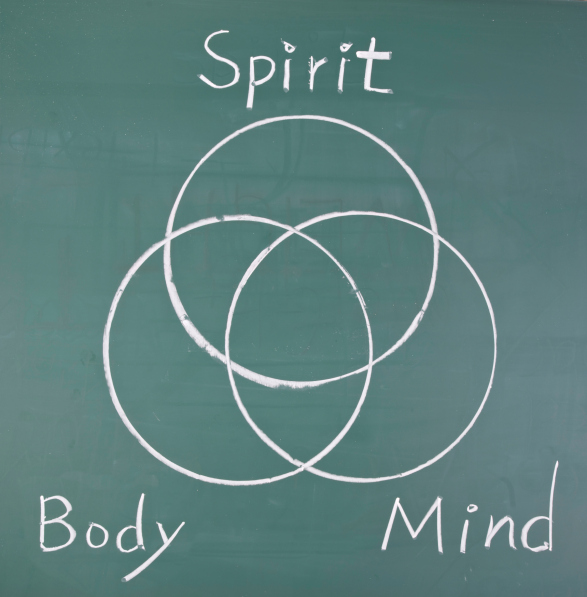
Body-Mind Psychotherapy (BMP) is an integrative therapeutic approach that combines somatic awareness with cognitive processing to facilitate healing and personal growth. This evidence-based modality recognizes the interconnection between physical sensations, movement patterns, emotional experiences, and psychological well-being. Through mindful attention to bodily experiences and developmental movement patterns, BMP helps individuals develop greater self-awareness, emotional regulation, and resilience.
Body-Mind Psychotherapy draws from multiple disciplines including neuroscience, developmental psychology, somatic therapy, and movement science to create a comprehensive treatment approach. The therapy can be effectively applied in individual, couples, family, and group settings to address a wide range of mental health concerns and promote overall wellness.
Table of Contents
- What Is Body-Mind Psychotherapy?
- History and Development
- Core Principles and Theoretical Foundation
- How Body-Mind Psychotherapy Works
- Key Techniques and Methods
- The Therapeutic Process
- Conditions Commonly Treated
- Scientific Evidence and Research
- Training and Certification
- Considerations and Limitations
- Frequently Asked Questions
- How Therapy Can Help
- References
What Is Body-Mind Psychotherapy?
Body-Mind Psychotherapy is a somatic-cognitive approach that integrates physical awareness, movement, and psychological processing to promote healing and personal growth. Unlike traditional talk therapies that focus primarily on verbal communication, BMP recognizes that our bodies hold valuable information about our emotional states, trauma histories, and patterns of relating to ourselves and others.
This therapeutic approach is grounded in the understanding that psychological experiences are not just "in our heads" but are fundamentally embodied experiences that involve our entire nervous system. BMP treats post-traumatic symptoms by changing the interoceptive and proprioceptive sensations associated with traumatic experiences, focusing on the integration and modification of trauma-related somatic reactions.
The therapy combines elements from several established approaches:
- Somatic therapy techniques for body awareness and nervous system regulation
- Developmental movement patterns to address early attachment and developmental disruptions
- Mindfulness practices for present-moment awareness
- Cognitive processing to integrate insights and create meaning
- Experiential anatomy to understand how emotions manifest physically
History and Development
Body-Mind Psychotherapy was developed by Susan Aposhyan during the 1980s and 1990s, emerging from her extensive interdisciplinary background. Aposhyan's journey toward creating BMP began in the 1970s when she studied yoga, meditation, and dance while pursuing graduate work in psychology, biomechanics, and dance therapy at prestigious institutions including the University of Virginia, Boston University, and New York University.
The pivotal influence in BMP's development came from Aposhyan's training in Body-Mind Centering® with founder Bonnie Bainbridge Cohen, which she completed in 1982. Body-Mind Centering® is an experiential study based on the embodiment and application of anatomical, physiological, psychophysical, and developmental principles that utilizes movement, touch, voice, and mindful awareness.
After completing her Body-Mind Centering® training, Aposhyan began applying these principles in clinical settings with individuals experiencing various mental health challenges. Through this clinical application, she developed Body-Mind Psychotherapy as a distinct therapeutic modality that bridges somatic experiencing with psychological healing.
The scientific findings in cognitive and affective neurosciences and cognitive psychology in the past twenty-five years have established beyond doubt that cognition, emotion, and behavior are dependent not only on the brain but also on the body and the environment, and that any therapeutic modality that does not include the body in some way risks falling behind other modalities that are becoming more effective from greater embodiment of their approaches.
Core Principles and Theoretical Foundation
Body-Mind Psychotherapy is built on several foundational principles that distinguish it from other therapeutic approaches:
1. Embodiment as Central to Healing
BMP recognizes that true healing requires reconnecting with and inhabiting one's body fully. Embodied and enactive therapeutic practices offer a fresh and promising perspective on psychotherapy, employing an array of cognitive and body-based methodologies. Rather than viewing the body as separate from the mind, BMP sees embodiment as the foundation for psychological health and well-being.
2. Integration of Multiple Systems
The therapy works with the understanding that humans are complex systems involving:
- Neurobiological processes: How the nervous system responds to stress and trauma
- Developmental patterns: Early movement and attachment experiences that shape our ways of being
- Cognitive-emotional patterns: The interplay between thoughts, emotions, and bodily sensations
- Relational dynamics: How we connect with others through both verbal and non-verbal communication
3. Present-Moment Awareness
BMP emphasizes developing awareness of current bodily sensations, movement impulses, and emotional states. This mindful attention helps individuals recognize patterns and make new choices rather than operating from unconscious habits.
4. Developmental Perspective
The therapy recognizes that many psychological challenges have roots in early developmental experiences. By working with fundamental movement patterns and developmental stages, BMP helps individuals complete interrupted developmental processes and build new capacities.
5. Resource-Oriented Approach
Practitioners and clients identified resource-orientation and use of touch as method-specific key factors. Rather than focusing solely on pathology, BMP emphasizes building resources, strengths, and capacities that support resilience and well-being.
How Body-Mind Psychotherapy Works
Body-Mind Psychotherapy operates on the principle that psychological and emotional experiences are fundamentally embodied. The Community Resiliency Model (CRM) is informed by neuroscience, somatic psychology, and public health, highlighting the role of the autonomic nervous system in shaping how individuals respond to stress and safety, emphasizing the vagus nerve's role in regulating emotional and physiological states and supporting returning to a "Resilient Zone" where optimal functioning occurs.
The therapy works through several interconnected mechanisms:
Nervous System Regulation
BMP helps individuals understand and work with their autonomic nervous system responses. Somatic therapy helps clients recognize and regulate their autonomic responses, teaching the body to return to a regulated state where one feels both calm and appropriately alert. This includes:
- Recognizing signs of sympathetic activation (fight/flight)
- Identifying parasympathetic states (rest/digest or shutdown)
- Learning to find and maintain a "window of tolerance" where healing can occur
Somatic Awareness
By developing awareness of bodily sensations, individuals can:
- Access information about emotional states that may not be available through thinking alone
- Identify early warning signs of stress or triggering
- Build capacity for self-regulation
- Reconnect with bodily wisdom and intuition
Movement and Expression
BMP uses movement as both an assessment tool and intervention. Movement is often viewed as the first form of communication. Utilizing movement in a therapeutic approach allows clients to make sense of their bodies and develop healthy coping skills with a greater understanding of their mind, body, and spirit connection.
Integration Process
The therapy facilitates integration between:
- Body sensations and emotional awareness
- Past experiences and present-moment reality
- Unconscious patterns and conscious understanding
- Individual experience and relational connection
Key Techniques and Methods
Body-Mind Psychotherapy employs a rich array of techniques and methods drawn from its integrative framework:
1. Developmental Edge Work
This technique focuses on the boundary between current abilities and emerging potential. Practitioners help clients identify and work with their "developmental edge" - the place where growth and transformation occur. This involves:
- Recognizing current capacities and limitations
- Supporting safe exploration of new possibilities
- Building skills incrementally
- Celebrating small steps of progress
2. Embodiment Practices
Central to BMP, embodiment practices help individuals:
- Develop interoceptive awareness (sensing internal bodily signals)
- Increase proprioceptive awareness (body position and movement)
- Connect with breath and its relationship to emotional states
- Notice and express emotions through the body
- Build tolerance for previously overwhelming sensations
3. Experiential Anatomy
Drawn from Body-Mind Centering®, this approach involves:
- Exploring how different body systems (skeletal, muscular, organ, etc.) relate to psychological states
- Using imagery and movement to connect with specific anatomical structures
- Understanding how emotions and experiences are held in different body tissues
- Developing a felt sense of internal body geography
4. Energetic Mapping
This technique tracks the flow of energy through the body:
- Identifying areas of energetic congestion or depletion
- Noticing patterns of energy movement
- Working with breath and movement to restore healthy energy flow
- Recognizing how emotional states affect energetic patterns
5. The Interaction Cycle
A four-step process that guides therapeutic progress:
1. Embodiment: Coming into awareness of bodily experience
2. Desire Identification: Recognizing wants and needs arising from embodied awareness
3. Response Awareness: Noticing internal responses to identified desires
4. Sequencing to Completion: Allowing responses to move through their natural cycle
6. Movement Exploration
BMP uses various movement modalities:
- Developmental movement patterns (crawling, reaching, pushing, etc.)
- Authentic movement (moving from internal impulse)
- Structured movement exercises
- Dance and creative movement
- Stillness and meditation in movement
7. Touch and Hands-On Work
When appropriate and with clear consent, BMP may include:
- Supportive touch to increase body awareness
- Gentle mobilization to release held patterns
- Contact that helps establish boundaries
- Touch that supports nervous system regulation
The Therapeutic Process
What Happens in a Body-Mind Psychotherapy Session?
According to founder Susan Aposhyan, "Every BMP session is different. A BMP session begins by finding out what the person in therapy is wanting in their life that led them to pursue therapy. Based on that, we discover together how that desire is moving through the body in its unique developmental path."
A typical session might include:
1. Initial Check-In
- Verbal sharing about current state and concerns
- Body scan to notice present sensations
- Setting intentions for the session
2. Somatic Exploration
- Guided awareness exercises
- Movement exploration based on what emerges
- Tracking sensations and emotions as they arise
3. Processing and Integration
- Making connections between body experience and life patterns
- Exploring insights that emerge
- Identifying practical applications
4. Closing and Grounding
- Integration practices
- Homework or practices for between sessions
- Ensuring the client feels resourced before leaving
The therapy varies greatly based on individual needs. Aposhyan notes: "This phase varies tremendously, with some people able to think and talk their way to the next developmental stage, though most breathe and use body awareness to go further, and finally some people utilize movement and voice."
The Therapeutic Relationship in BMP
The relationship between therapist and client in BMP is characterized by:
- Collaborative exploration rather than expert-patient dynamics
- Somatic attunement where the therapist tracks their own bodily responses
- Co-regulation of nervous systems
- Respect for the client's pace and readiness
- Cultural sensitivity regarding touch, movement, and expression
Conditions Commonly Treated
Initial evidence suggests that SE has a positive impact on affective and somatic symptoms and measures of well-being in both traumatized and non-traumatized samples. Body-Mind Psychotherapy has shown effectiveness for a wide range of conditions:
Trauma and PTSD
BMP is particularly effective for trauma-related conditions because it addresses how trauma is held in the body. In the first randomized controlled study of SE for PTSD, SE was found to be an effective treatment for PTSD with a large effect size (Cohen's d > 0.8) both on PTSD symptoms and depression symptoms.
Anxiety Disorders
The therapy helps individuals:
- Recognize bodily signs of anxiety
- Develop tools for nervous system regulation
- Build tolerance for anxious sensations
- Create new patterns of response
Depression
Psychotherapy significantly reduced the severity of depression at post-treatment across all categories of somatic disorders (Hedges' g = 0.65; 95% CI 0.52–0.79), with sustained effects at 6–11 months (g = 0.38; 95% CI 0.22–0.53).
Addiction and Substance Use
BMP addresses:
- Underlying trauma often associated with addiction
- Building capacity for self-regulation without substances
- Developing healthy coping strategies
- Reconnecting with bodily wisdom
Eating Disorders
The therapy supports:
- Rebuilding healthy relationship with the body
- Addressing body image distortions
- Working with underlying emotional patterns
- Developing mindful eating practices
Chronic Pain and Somatic Symptoms
Short-term Psychodynamic Psychotherapy (STPP) demonstrated moderate to large, significant and sustained benefits for functional somatic disorders and has a growing evidence base for a diverse range of FSD presentations.
Relationship and Attachment Issues
BMP helps with:
- Understanding attachment patterns through movement
- Building capacity for healthy connection
- Working with boundaries
- Developing secure attachment capabilities
Autism Spectrum and Neurodiversity
There is considerable evidence for the efficacy of cognitive-behavioral therapy (CBT) to treat co-occurring problems with anxiety in autism spectrum disorder, and emerging support for alternative treatment approaches, such as mindfulness-based interventions.
Scientific Evidence and Research
The evidence base for body-oriented and somatic therapies has grown substantially in recent years:
Meta-Analyses and Systematic Reviews
Body Psychotherapy fulfills the standards of a verbal psychotherapy with a predefined and planned interactional process based on a theoretical foundation, verbal and non-verbal psychological means, and a stable emotional relationship between client and therapist, with mechanisms of change presumed to include reduction of arousal and amelioration of interoception for bodily signals resulting in enhanced self-awareness and self-efficacy.
A bibliometric analysis of mind-body therapies found 29,710 relevant articles, with the United States leading in publications, followed by China and the United Kingdom, with common keywords including quality of life, depression, and pain.
Neuroscience Support
Recent neuroscience research provides strong support for body-oriented approaches. Research has highlighted the potential of combining AI with breathwork and mindfulness, demonstrating how technology can enhance the efficacy of somatic-based interventions.
Authors have harnessed findings from neuroscience and psychotherapy research to integrate the subjective body, stressing the importance of subjective bodily experiences for reorganizing emotional relating towards others through exploration of states within oneself and others in a hierarchy of ever more complex emotional experiences, where bodily sensations form the foundation for more nuanced experiences.
Effectiveness for Specific Populations
Research shows particular promise for:
- Veterans and Military Populations: Post-traumatic stress disorder (PTSD) treatments for veterans demonstrate poor levels of remission, around a third, and the most effective, gold-standard treatments, such as Prolonged Exposure (PE) have high rates of attrition (55% in a recent study), with an increase in new treatments for PTSD involving somatic approaches which offer a new approach to PTSD treatment though still have a limited evidence base.
- Indigenous Communities: Studies show positive outcomes when somatic approaches are culturally adapted
- Youth and Adolescents: Mind-body interventions for youth receive significantly less research inquiry and funding compared to psychotherapy and pharmacotherapy, with an NIH Reporter search yielding merely 27 studies focused on mind-body interventions for youth and/or parents.
Comparative Effectiveness
EDTs found no significant differences with other active treatments at post-treatment, but significantly outperformed manualized supportive therapies at follow-up, with subgroup analyses suggesting EDTs may be most effective when delivered in individual format and in depressive conditions.
Training and Certification
Professional training in Body-Mind Psychotherapy follows a structured progression designed to develop both personal embodiment and clinical skills:
Training Levels
1. Fundamental Level
- Focus on personal embodiment and self-awareness
- Learning to track one's own somatic experience
- Developing presence and grounding
- Understanding basic BMP principles
2. Second Level
- Developing observation skills
- Learning to track others' embodied experience
- Practicing empathic attunement
- Understanding the embodiment process in others
3. Final Level (Certification)
- Advanced facilitation skills
- Working with complex presentations
- Integrating BMP with other modalities
- Supervision and mentorship
Who Can Train in BMP?
BMP training is available to various professionals including:
- Licensed mental health professionals (psychologists, counselors, social workers)
- Psychiatrists and psychiatric nurses
- Body workers and massage therapists
- Movement therapists and dance therapists
- Healthcare providers seeking integrative approaches
- Yoga teachers and mindfulness instructors
Training Requirements
Certification typically involves:
- Completion of all three training levels
- Supervised clinical practice hours
- Personal therapy in the BMP approach
- Case presentations and evaluations
- Ongoing professional development
Ethical Considerations in Training
BMP training emphasizes:
- Clear boundaries around touch and physical contact
- Cultural competence and sensitivity
- Trauma-informed practices
- Ethical use of somatic interventions
- Scope of practice considerations
Considerations and Limitations
While Body-Mind Psychotherapy offers many benefits, there are important considerations:
Limited Research Base
Despite growing evidence for somatic approaches generally, an overall studies quality assessment as well as a Cochrane analysis of risk of bias indicate that the overall study quality is mixed, requiring more support from unbiased RCT-research. More research specifically on BMP is needed.
Individual Readiness
As Aposhyan notes, people who are uninterested in truly feeling their bodies may not benefit from Body-Mind Psychotherapy. The approach requires:
- Willingness to explore bodily sensations
- Openness to movement and physical expression
- Readiness to work with emotions somatically
Cultural Considerations
Different cultures have varying relationships with:
- Body awareness and expression
- Touch and physical contact
- Movement and dance
- Emotional expression
Practitioners must be sensitive to these differences and adapt their approach accordingly.
Trauma Considerations
Trauma-informed movement means pacing, not pushing - "Less is More" - reducing intensity, time, and repetitions, slowly building up once safety in movement is found, which can lead to less pain and fewer flare-ups, helping the nervous system learn to shift out of fight, flight, or freeze states.
Integration with Other Treatments
BMP works well alongside:
- Traditional psychotherapy
- Psychiatric medication when needed
- Other complementary approaches
- Medical treatment for physical conditions
Frequently Asked Questions
What is the difference between Body-Mind Psychotherapy and other body-oriented therapies?
While BMP shares similarities with other somatic approaches, it is distinguished by its specific integration of Body-Mind Centering® principles, its emphasis on developmental movement patterns, and its systematic approach to working with the interaction between somatic experience and psychological processing.
How long does Body-Mind Psychotherapy treatment typically last?
Treatment length varies greatly depending on individual needs and goals. Some people experience significant benefits in 10-15 sessions, while others engage in longer-term work to address complex or developmental trauma. The therapy can be used for both brief interventions and extended treatment.
Is physical touch always involved in Body-Mind Psychotherapy?
No, touch is not always used and is never required. A key challenge in somatic therapies is lack of consensus on distinguishing features, with some approaches explicitly describing procedures that distinguish them from cognitive and exposure-based approaches, while mindfulness-based approaches and trauma-informed treatments may have points of overlap. When touch is used, it is always with explicit consent and clear therapeutic purpose.
Can Body-Mind Psychotherapy be done online?
While BMP traditionally involves in-person work, practitioners have adapted techniques for online delivery, particularly since 2020. Online sessions may focus more on verbal processing, guided movement, and somatic awareness exercises that clients can do in their own space.
Who might not be suitable for Body-Mind Psychotherapy?
Individuals who may need additional support or modified approaches include those with:
- Acute psychosis or severe dissociation
- Active substance use that impairs awareness
- Medical conditions that limit movement significantly
- Strong cultural or personal aversion to body-based work
How do I know if my therapist is properly trained in Body-Mind Psychotherapy?
Look for therapists who have:
- Completed certified BMP training programs
- Ongoing supervision or consultation in the approach
- Clear understanding of somatic and developmental principles
- Appropriate licensure in their primary discipline
- Commitment to trauma-informed practice
How Therapy Can Help
Body-Mind Psychotherapy offers a unique pathway to healing that honors the wisdom of the body while integrating psychological understanding. By working with the interconnection of physical sensations, movement, emotions, and thoughts, BMP can help you:
- Develop greater self-awareness and connection to your authentic self
- Build resilience and capacity to navigate life's challenges
- Heal from trauma in a gentle, body-honoring way
- Improve relationships through better understanding of your patterns
- Find more joy and vitality in daily life
Embodied therapeutic practices offer a fresh perspective on psychotherapy, providing insights into body-based applications that enrich awareness of mind-body-environment connections, benefiting from the transformative process when individuals gain insights, skills, and self-awareness through embodied experiences that involve deeper understanding of the connection between body, thoughts, emotions, behaviors, and their interconnectedness within the environment.
Find a Body-Mind Psychotherapy Practitioner
If you're interested in exploring Body-Mind Psychotherapy, consider reaching out to qualified practitioners in your area. The GoodTherapy directory can help you find therapists trained in somatic and body-oriented approaches. Look for practitioners who mention:
- Body-Mind Psychotherapy or BMP
- Somatic therapy or somatic experiencing
- Body-oriented psychotherapy
- Movement-based therapy
- Integrative body-mind approaches
Remember, finding the right therapist is a personal process. Many practitioners offer brief consultations to help you determine if their approach aligns with your needs and goals.
References:
- American Psychological Association. (2025). APA clinical practice guideline for the treatment of posttraumatic stress disorder (PTSD) in adults. American Psychological Association. https://www.apa.org/ptsd-guideline/
- Aposhyan, S. M. (2004). Body-mind psychotherapy: Principles, techniques, and practical applications. New York, NY: W. W. Norton and Company.
- Brom, D., Stokar, Y., Lawi, C., Nuriel-Porat, V., Ziv, Y., Lerner, K., & Ross, G. (2024). Somatic experiencing for posttraumatic stress disorder: A randomized controlled outcome study. Journal of Traumatic Stress, 37(2), 288-301. https://doi.org/10.1002/jts.22899
- Centers for Disease Control and Prevention (CDC). (2024). Treatment and intervention for autism spectrum disorder. U.S. Department of Health & Human Services. https://www.cdc.gov/autism/treatment/
- Chang, Q., Liu, J., Cheng, C., & Ma, K. (2025). Movement in trauma: A body- and movement-oriented intervention for adults with post-traumatic stress disorder. Body, Movement and Dance in Psychotherapy, 20(1), 45-62. https://doi.org/10.1080/17432979.2025.2502370
- Church, D., & House, D. (2024). Borrowing benefits: Clinical EFT (Emotional Freedom Technique) as a cost-effective single session therapy. Advances in Mind-Body Medicine, 38(1), 12-20.
- De Witte, M., Scheffers, M., & Van Hooren, S. (2023). Body- and movement-oriented interventions for posttraumatic stress disorder: A systematic review and meta-analysis update. Journal of Traumatic Stress, 36(5), 967-976. https://doi.org/10.1002/jts.22945
- Dietrich, K. M., Baumann, A., & Nguyen-Feng, V. (2024). Ways of knowing and being: Qualitative study of Indigenous perspectives on trauma-sensitive yoga. THE MIND Bulletin on Mind-Body Medicine Research, 3, 11-12. https://doi.org/10.61936/themind/202412125
- Frisch, S. M., & Gündel, H. (2023). Somatic symptom disorders and related conditions: A critical review of contemporary psychodynamic interventions. Psychosomatics, 64(5), 412-425. https://doi.org/10.1016/j.psym.2023.05.008
- Goldstein, E., Chokshi, B., Melendez-Torres, G. J., Rios, A., Jelley, M., & Lewis-O'Connor, A. (2024). Effectiveness of trauma-informed care implementation in health care settings: Systematic review of reviews and realist synthesis. The Permanente Journal, 28(1), 135-150. https://doi.org/10.7812/TPP/23.127
- Grasser, L. R., & Marusak, H. (2023). Strong mind, strong body: The promise of mind-body interventions to address growing mental health needs among youth. Mental Health Science, 1(2), 58-66. https://doi.org/10.1002/mhs2.16
- Halverson, C. M. E., & Colleagues. (2023). Clinician-associated traumatization from difficult medical encounters: Results from a qualitative interview study on the Ehlers-Danlos Syndromes. SSM - Qualitative Research in Health, 3, 100251. https://doi.org/10.1016/j.ssmqr.2023.100251
- Harwood-Gross, A., Lambez, B., Feldman, R., & Rassovsky, Y. (2025). Veterans' experiences of somatic experiencing and prolonged exposure therapies for post-traumatic stress disorder: A qualitative analysis. Psychology and Psychotherapy: Theory, Research and Practice, 98(1), e12570. https://doi.org/10.1111/papt.12570
- Hauke, M., Angerer, P., Strack, M., & Lahmann, C. (2025). Psychodynamic treatments taking an embodied perspective and their effect on depressive symptomatology: A systematic review and meta-analysis of randomized controlled trials. Frontiers in Psychology, 16, 1727473. https://doi.org/10.3389/fpsyg.2026.1727473
- Jiménez, Ó., Ramos, N. S., González-Moraleda, Á., & Resurrección, D. M. (2024). Therapeutic potential of embodied cognition for clinical psychotherapies: From theory to practice. Cognitive Therapy and Research, 48(3), 385-402. https://doi.org/10.1007/s10608-024-10468-y
- Kuhfuß, M., Maldei, T., Hetmanek, A., & Baumann, N. (2024). Somatic experiencing – effectiveness and key factors of a body-oriented trauma therapy: A scoping literature review. European Journal of Psychotraumatology, 15(1), 1929023. https://doi.org/10.1080/20008198.2024.1929023
- Lilliengren, P., Johansson, R., & Town, J. M. (2025). The efficacy of experiential dynamic therapies: A 10-year systematic review and meta-analysis update. Clinical Psychology & Psychotherapy, 32(1), e70086. https://doi.org/10.1002/cpp.70086
- Mason, D., Russell, A., Underwood, J., & Parr, J. (2023). Effectiveness of primary care psychological therapy services for treating depression and anxiety in autistic adults: A retrospective cohort study. The Lancet Psychiatry, 10(12), 915-926. https://doi.org/10.1016/S2215-0366(23)00291-2
- Miguel, C., Karyotaki, E., Cuijpers, P., & Cristea, I. A. (2023). Psychotherapy for comorbid depression and somatic disorders: A systematic review and meta-analysis. Psychological Medicine, 53(8), 3456-3470. https://doi.org/10.1017/S0033291721005419
- Miller-Karas, E., & Leitch, L. (2024). The Community Resiliency Model (CRM): A somatic self-care intervention to support well-being and promote healing. International Journal of Environmental Research and Public Health, 21(5), 529. https://doi.org/10.3390/ijerph21050529
- Mitsea, E., Drigas, A., & Skianis, C. (2024). Artificial intelligence, immersive technologies, and neurotechnologies in breathing interventions for mental and emotional health: A systematic review. Electronics, 13(12), 2253. https://doi.org/10.3390/electronics13122253
- National Institute of Mental Health (NIMH). (2024). Fiscal Year 2024 funding strategy for research grants. U.S. Department of Health & Human Services. https://www.nimh.nih.gov/funding/funding-strategy
- Niles, B. L., Polizzi, C. P., Voelkel, E., Weinstein, E. S., Smidt, K., & Fisher, L. M. (2023). Comparing mindfulness and psychoeducation treatments for combat-related PTSD using a telehealth approach. Psychological Trauma, 15(5), 794-802. https://doi.org/10.1037/tra0001221
- Ogden, P., Pain, C., & Fisher, J. (2023). A sensorimotor approach to the treatment of trauma and dissociation. Psychiatric Clinics of North America, 46(1), 263-279. https://doi.org/10.1016/j.psc.2022.10.012
- Papadopoulos, T., van den Heuvel, L., & de Witte, M. (2024). The acceptability of somatic therapy for PTSD among patients at an urban safety net primary care clinic. Journal of Trauma & Dissociation, 25(3), 234-248. https://doi.org/10.1080/15299732.2024.2334822
- Radanliev, P. (2025). Virtual dance movement therapy for reducing anxiety and artificial intelligence for monitoring the body and mind during treatment. European Journal of Psychotherapy & Counselling, 27(2), 135-152. https://doi.org/10.1080/13642537.2025.2385421
- Röhricht, F., Papadopoulos, N., & Priebe, S. (2023). Effectiveness of body psychotherapy: A systematic review and meta-analysis update. Frontiers in Psychiatry, 14, 1156024. https://doi.org/10.3389/fpsyt.2023.1156024
- Salvam, R., & Tronick, E. (2024). The scientific basis of bodynamic analysis: Embodiment in psychotherapy. Presented at the Bodynamic Conference - Psychology of Embodiment, October 2024.
- Schweizer, C., Endres, D., Dziobek, I., & Tebartz van Elst, L. (2024). Psychosocial therapeutic approaches for high-functioning autistic adults. Frontiers in Psychiatry, 14, 1265066. https://doi.org/10.3389/fpsyt.2023.1265066
- Stefano, G. B. (2025). Mind-body medicine: AI, quantum computing, and the new frontier of personalized healing. THE MIND Bulletin on Mind-Body Medicine Research, 3(1), 5-12. https://doi.org/10.61936/themind/2025010501
- Su, Y., Pan, X., Li, H., & Zhang, Y. (2024). Effects of mind-body therapies on schizophrenia: A systematic review and network meta-analysis. Schizophrenia Research, 264, 236-247. https://doi.org/10.1016/j.schres.2024.01.025
- Substance Abuse and Mental Health Services Administration (SAMHSA). (2024). SAMHSA's concept of trauma and guidance for a trauma-informed approach (HHS Publication No. SMA 24-4884). U.S. Department of Health & Human Services.
- Tao, S., & Li, Z. (2023). Effects of qigong exercise on cardiovascular risk factors in patients with metabolic syndrome: A systematic review and meta-analysis. Frontiers in Physiology, 14, 1092480. https://doi.org/10.3389/fphys.2023.1092480
- Turner, S. (2023). Healing trauma through dance/movement therapy: Literature review. Expressive Therapies Capstone Theses, 720. https://digitalcommons.lesley.edu/expressive_theses/720
- van der Kolk, B. A. (2024). Somatic approaches to trauma treatment: Recent advances. Presentation at the Integrative Somatic Trauma Therapy Certificate Program, The Embody Lab.
- Vriend, R., Laukkanen, S., & Johnson, R. (2024). Body-and movement-oriented interventions for traumatized adolescents: A systematic review. Child and Adolescent Mental Health, 29(2), 156-168. https://doi.org/10.1111/camh.12652
- Williams, L. L., & Harvey, A. R. (2025). Global research trends in mind body therapies: A bibliometric analysis. Journal of Translational Medicine, 23(1), 184. https://doi.org/10.1186/s12967-025-06389-3
- Wilson, A. C., & Gullon-Scott, F. (2024). Social anxiety in autistic people: Does the Clark and Wells model fit? Journal of Autism and Developmental Disorders, 54, 3908-3920. https://doi.org/10.1007/s10803-023-06108-1
- Yeh, G., Wayne, P., & Mehta, D. (2024). High tech and soft touch: Mind-body medicine and technology can be co-evolutionary forces. JAMA Integrative Health, 1(2), e240012. https://doi.org/10.1001/jamaintegrhealth.2024.0012
