
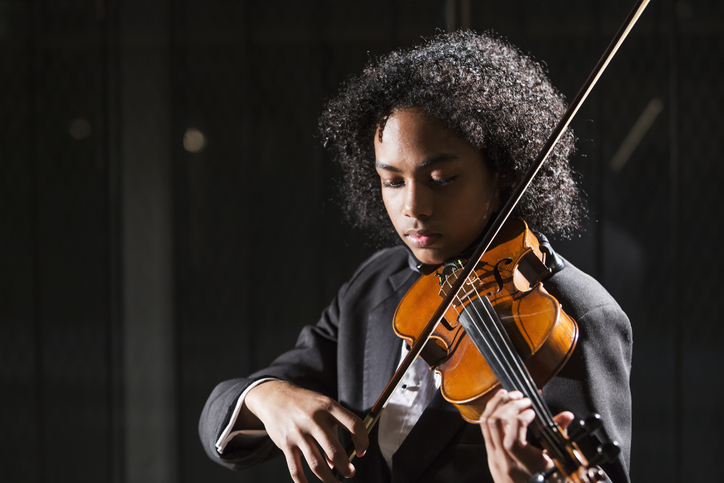
Giftedness refers to individuals who demonstrate exceptional abilities, talent, or potential that significantly exceeds that of their peers in one or more areas. These areas may include intellectual, creative, artistic, leadership, or specific academic domains. While giftedness can create opportunities for remarkable achievement, it also presents unique challenges that affect both children and their families. Understanding giftedness—including its identification, characteristics, and support needs—is essential for parents, educators, and mental health professionals.
Research indicates that approximately 6.5% of students demonstrate characteristics of giftedness, though identification practices and cultural factors significantly influence who receives services. Even when properly identified and supported, gifted individuals face distinct social-emotional challenges that may benefit from therapeutic intervention.
Table of Contents
- What Is Giftedness?
- Identifying Giftedness
- Myths and Misconceptions
- Discrimination in Gifted Programs
- Twice-Exceptional Children
- The Challenges of Giftedness
- How Therapy Can Help
- Frequently Asked Questions
- Find a Therapist
- References
What Is Giftedness?
There is no single, universally accepted definition of giftedness. Educational institutions, researchers, and professional organizations each approach the concept differently. The United States' National Association for Gifted Children Definition Task Force (2018) defines giftedness as occurring when "students with gifts and talents perform—or have the capability to perform—at higher levels compared to others of the same age, experience, and environment in one or more domains."
Common frameworks for understanding giftedness include:
- Domain-specific abilities: Excellence in particular areas such as mathematics, language arts, music, visual arts, or leadership
- Intellectual giftedness: Significantly above-average cognitive abilities, often measured through IQ testing (typically 130+ on standardized tests)
- Creative giftedness: Exceptional ability to generate novel ideas, think divergently, and produce original work
- The tripartite model: A combination of high intellectual ability, exceptional achievement, and potential for excellence
Research demonstrates that ongoing debate surrounding the lack of a unified understanding of giftedness and gaps in identification processes continues to affect how these students are served. Modern approaches increasingly recognize that giftedness:
- Exists across all demographic groups and cultures
- May manifest differently depending on environmental and cultural contexts
- Can coexist with learning disabilities or other challenges
- Requires appropriate support to develop into realized talent
Identifying Giftedness
Identifying gifted children requires a comprehensive approach that goes beyond single test scores. The most effective way to identify underrepresented or twice-exceptional gifted students is through the use of multiple diagnostic tools.
Effective identification includes:
Multiple Assessment Tools
- Cognitive assessments: Commonly used intelligence tests for giftedness identification include the Wechsler scales (WISC-V, WAIS), Cognitive Abilities Test (CogAT), and Raven's Progressive Matrices
- Achievement testing: Standardized assessments that measure academic performance relative to age or grade-level expectations
- Creativity assessments: Tools that evaluate divergent thinking, originality, and creative problem-solving abilities
- Performance-based assessments: Portfolios, projects, and demonstrations of exceptional ability in specific domains
Holistic Evaluation Components
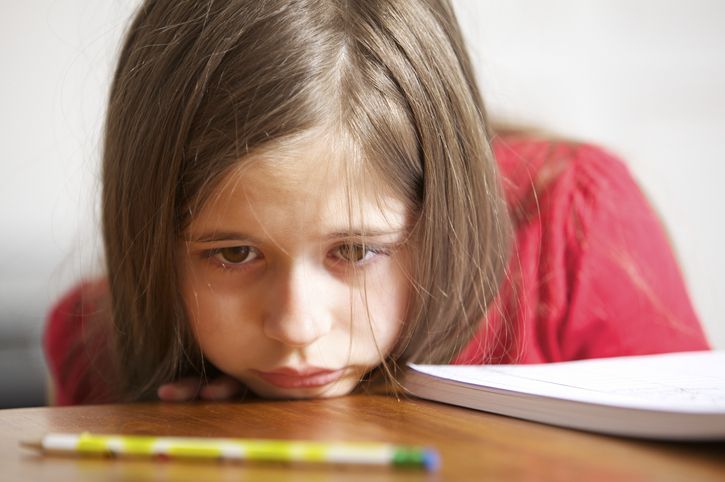
- Teacher observations and nominations: Teachers require adequate training on the characteristics of giftedness to become proactive social agents in its identification
- Parent input: Family involvement is a key component in the accurate identification of giftedness, as it contributes to a more holistic understanding of the student
- Developmental history: The selection of identification protocols should consider not only students' cognitive patterns but also their developmental history, with an emphasis on reasoning rather than processing skills
- Cultural considerations: Use of culturally responsive assessment tools and practices
Warning Signs Often Missed
Research indicates several populations are frequently underidentified:
- Students from culturally and linguistically diverse backgrounds
- Economically disadvantaged students
- Students with disabilities (twice-exceptional)
- Students whose gifts manifest in non-academic domains
Myths and Misconceptions
Despite decades of research, numerous myths about giftedness persist, affecting both identification and support. The prevalence of myths and prejudices surrounding giftedness limits both its identification and the implementation of effective and inclusive educational interventions for these students.
Common Myths vs. Research-Based Facts:
Myth: Gifted children excel at everything they attempt. Reality: Giftedness often manifests in specific domains. A student may demonstrate exceptional mathematical reasoning while struggling with writing or social skills. This uneven development, called asynchrony, is a hallmark of giftedness.
Myth: Gifted children don't need help—they'll succeed on their own. Reality: Giftedness is one such variation that introduces distinct stressors and coping needs, as gifted students are a unique subset with specialized educational needs that may or may not be supported by their surrounding culture. Without appropriate challenge and support, gifted students may underachieve, develop poor study habits, or experience social-emotional difficulties.
Myth: Gifted children are always high achievers in school. Reality: The underachievement of gifted students is a well-documented phenomenon. Factors including boredom, perfectionism, lack of challenge, or learning disabilities can lead to academic underperformance despite high ability.
Myth: Giftedness equals social maladjustment. Reality: Despite intelligence being generally related to better mental health, individuals with extremely high levels of intelligence (also often referred to as gifted) are frequently viewed to be socially maladjusted, emotionally unstable, and eccentric. However, a meta-analysis by Martin et al. (2010) showed no differences between gifted children and non-gifted children in terms of depression and suicidal ideation, and that gifted children showed lower levels of anxiety. Congruently, another meta-analysis reported no differences in happiness between the two groups.
Discrimination in Gifted Programs
Significant disparities exist in who is identified for and receives gifted education services. These inequities reflect broader systemic issues in education and society.
Current Disparities
Research reveals concerning patterns in gifted program demographics:
- White, middle class educator views dominate concepts of giftedness in schools, and they are often untrained in gifted education
- There are barriers to selection into gifted programs for students who are diverse, poor or have other conditions masking their education needs.... The cultural implications of teachers' deficit views and unconscious racial bias have resulted in gifted minority students avoiding success in gifted programs
Addressing Inequity
Recent research points to effective strategies for improving equity:
- Universal screening: When all students are tested rather than relying on teacher nominations, identification of gifted students from underrepresented groups increases dramatically
- Multiple criteria: Using various measures beyond standardized tests helps identify diverse forms of giftedness
- Professional development: Training educators to recognize giftedness across cultural contexts
- Culturally responsive assessments: Tools designed to identify strengths that may manifest differently across cultures
The pressing need to explore innovative approaches to selection processes and practices that uphold diversity, equity, accessibility, and inclusion principles to allow graduate institutions to benefit from the nation's full range of talent and foster creativity and innovation extends to K-12 gifted education as well.
Twice-Exceptional Children
The term "twice-exceptional," also referred to as "2e," is used to describe gifted children who have the characteristics of gifted students with the potential for high achievement and give evidence of one or more disabilities as defined by federal or state eligibility criteria. This unique population faces distinct challenges that require specialized understanding and support.
Understanding Twice-Exceptionality
These disabilities may include specific learning disabilities (SpLD), speech and language disorders, emotional/behavioral disorders, physical disabilities, autism spectrum, or other impairments such as attention deficit hyperactivity disorder (ADHD).
Key Characteristics:
- Significant intra-individual discrepancies, as well as inter-group differences in abilities
- The twice-exceptional student's strengths help to compensate for deficits; the deficits, on the other hand, make the child's strengths less apparent.... The interplay of exceptional strengths and weaknesses in a single individual results in inconsistent performance.... These disabilities and high abilities combine to produce a unique population of students who may fail to demonstrate either high academic performance or specific disabilities. Their gifts may mask their disabilities, and their disabilities may mask their gifts
- Outstanding critical thinking and problem-solving skills · Above average sensitivity, causing them to react more intensely to sounds, tastes, smells, etc.
Identification Challenges
Twice-exceptional students (also known as 2e children or students) are among the most under-identified and underserved population in schools.... Additionally, twice-exceptional students, whose gifts and disabilities often mask one another, are difficult to identify.
Research shows that approximately 17% to 18% more students with disabilities should have been identified for a gifted education program as having statistically similar achievement scores to those students without disabilities in gifted education programs. Alternatively stated, students with disabilities should make up 10.8% of gifted programs, or about 1 in 9 students in gifted programs should be twice-exceptional.
Supporting Twice-Exceptional Students
Effective support requires addressing both the giftedness and the disability:
Educational Approaches:
- Engagement in enrichment activities grounded in students' interests fosters both academic development and social confidence
- Integrated Co-Teaching (ICT) classes for 2e kids. In these classes, one general-education teacher and one special-needs teacher teach the material
- Strength-based interventions that leverage abilities while supporting areas of challenge
- The 6 Pillars of 2e serve as a guide to help families, educators, and students create a learning experience that celebrates strengths while providing necessary support
Therapeutic Considerations:
- Such gains can be compromised by the social-emotional challenges commonly associated with ASD. Tailored interventions from educators, psychologists, and therapists are critical to promote holistic development
- Addressing perfectionism and anxiety that often accompany the 2e profile
- Building self-advocacy skills
- Supporting identity development that integrates both strengths and challenges
The Challenges of Giftedness
While giftedness can be a tremendous asset, it also presents unique challenges that affect children, families, and educators. Several authors have suggested that the effect of intellectual giftedness on well-being may vary according to the presence or absence of multiple determinants (or moderators), which could modulate the individual's ability to be in harmony with oneself or one's surroundings.
For Children
Academic Challenges:
- Boredom and disengagement: When curriculum fails to provide appropriate challenge, gifted students may become disengaged or develop negative attitudes toward school
- Perfectionism: Gifted children score higher on tests measuring intrinsic motivation, self-efficacy, and openness to experience, but may also struggle with unrealistic self-expectations
- Underachievement: Internal factors encompassing motivational, emotional-social, and demographic influences, and external factors including environment can contribute to gifted students performing below their potential
Social-Emotional Challenges:
- Asynchronous development: Like those who are gifted, twice-exceptional children often show greater asynchrony than average children (that is, a larger gap between their mental age and physical age)
- Heightened sensitivity: Intensity and high sensitivity to their emotional and physical environments
- Social isolation: Difficulty finding intellectual peers or feeling understood by age-mates
- Existential concerns: Early awareness of complex philosophical or social issues
For Families
Parenting Challenges:
- Recognition and advocacy: Gifted young people from disadvantaged backgrounds are often overlooked for gifted programs due to their relatively lower financial, social and cultural capital
- Meeting diverse needs: Balancing the needs of gifted children with those of other family members
- Educational decisions: Navigating school systems that may not adequately serve gifted learners
- Safety concerns: Managing risk-taking behaviors driven by intellectual curiosity
Family Dynamics:
- Sibling relationships when abilities differ significantly
- Financial pressures from enrichment activities or specialized programs
- Time demands of supporting intense interests and activities
- Emotional toll of advocating within educational systems
Educational Considerations
A persistent challenge, however, is the limited awareness and insufficient training among teachers in recognizing and addressing the needs of 2e learners. This extends to gifted learners generally:
- Need for differentiated instruction and curriculum
- Importance of acceleration and enrichment options
- Value of mentorship and intellectual peer connections
- Critical role of trained educators who understand giftedness
How Therapy Can Help
Mental health professionals play a vital role in supporting gifted individuals and their families. While giftedness itself is not a mental health condition, the unique characteristics and challenges associated with it can benefit from therapeutic intervention.
Therapeutic Approaches for Gifted Individuals
Cognitive-Behavioral Approaches:
- Addressing perfectionism and fear of failure
- Developing realistic self-expectations
- Managing anxiety related to performance
- Building coping strategies for intensity and sensitivity
Social-Emotional Support:
- Processing feelings of difference or isolation
- Developing social skills while honoring authentic self
- Navigating identity development
- Addressing existential concerns
Strength-Based Interventions:
- Learners frequently report low self-confidence, diminished self-esteem, and feelings of hopelessness, arising both from academic struggles and from difficulties in social interaction - therapy can help rebuild confidence through strength recognition
- Leveraging cognitive abilities in therapeutic process
- Building on interests and passions
- Developing self-advocacy skills
Family Therapy and Parent Support
Families of gifted children often benefit from:
- Education about giftedness: Understanding asynchronous development, intensity, and other characteristics
- Advocacy training: Learning to navigate educational systems effectively
- Stress management: Coping with the demands of raising gifted children
- Family dynamics: Addressing sibling relationships and family balance
- Support networks: Connecting with other families facing similar challenges
When to Seek Help
Consider therapy when:
- A child shows signs of anxiety, depression, or social withdrawal
- Perfectionism interferes with functioning or well-being
- Underachievement becomes a persistent pattern
- Family stress around giftedness affects relationships
- Social challenges impact quality of life
- Twice-exceptional needs require coordinated support
Frequently Asked Questions
How do I know if my child is gifted?
Giftedness can manifest in many ways beyond high test scores. Look for signs such as: advanced vocabulary for age, intense curiosity and deep questions, rapid learning in areas of interest, strong memory, preference for complexity, heightened sensitivity, and asynchronous development (advanced in some areas while age-appropriate or behind in others). If you suspect giftedness, consider requesting a comprehensive evaluation through your school district or a qualified psychologist.
Can a child be both gifted and have ADHD or autism?
Yes, absolutely. These are twice-exceptional (2e) children, and research shows they are more common than previously thought. Students with disabilities should make up 10.8% of gifted programs, or about 1 in 9 students in gifted programs should be twice-exceptional. The key is finding professionals who understand both giftedness and the co-occurring condition to ensure neither is overlooked.
Why is my gifted child struggling in school?
Several factors can contribute to academic struggles in gifted children: lack of appropriate challenge leading to poor study habits, perfectionism causing avoidance of challenging tasks, learning disabilities that mask giftedness, social-emotional issues affecting motivation, or mismatch between learning style and teaching methods. A comprehensive evaluation can help identify specific factors and guide intervention.
Do gifted children need therapy even if they seem fine?
Not all gifted children need therapy, but many benefit from having a safe space to process their experiences. Understanding the specific stressors and supports that affect gifted students, as well as the coping responses that influence their academic and social outcomes can help determine if therapy would be beneficial. Preventive support can help children develop healthy coping strategies before problems arise.
How can I find appropriate educational services for my gifted child?
Start by understanding your state's policies on gifted education, as these vary widely. Request evaluation through your school district, and learn about available options such as acceleration, enrichment programs, or specialized schools. Consider joining advocacy organizations like the National Association for Gifted Children for resources and support. Document your child's needs and be prepared to advocate persistently.
What's the difference between being smart and being gifted?
While all gifted individuals demonstrate high ability, giftedness encompasses more than intelligence alone. It includes factors like creativity, task commitment, leadership ability, and domain-specific talents. Giftedness often involves qualitative differences in how individuals process information, not just quantitative differences in how much they know. The intensity, sensitivity, and asynchronous development common in gifted individuals distinguish them from simply bright students.
Find a Therapist
If you or your child could benefit from support related to giftedness, consider seeking a mental health professional who understands the unique needs of gifted individuals. Look for therapists who:
- Have training or experience in giftedness and twice-exceptionality
- Understand asynchronous development and intensity
- Use strength-based approaches
- Can collaborate with educational professionals
- Support the whole family system
Search our directory to find therapists in your area who specialize in working with gifted individuals and their families.
References:
- Al-Zoubi, S. M., & Al-Smadi, M. (2024). Unpacking the underachievement of gifted students: A systematic review of internal and external factors. Heliyon, 10(17), e36725. https://doi.org/10.1016/j.heliyon.2024.e36725
- Bildiren, A., Gür, G., Katmer, A. N., & Korkut, P. (2025). Academic and socio-emotional experiences of a twice-exceptional student. Education Sciences, 15(10), 1234. https://doi.org/10.3390/educsci15101234
- Cheek, C. L., Garcia, J. L., Mehta, P. D., Francis, D. J., & Grigorenko, E. L. (2023). The exceptionality of twice-exceptionality: Examining combined prevalence of giftedness and disability using multivariate statistical simulation. Exceptional Children, 90(1), 43-56. https://doi.org/10.1177/00144029231156789
- Cristina, C., Martínez, J., & López, A. (2025). Trends and topics evolution in research on giftedness in education: A bibliometric analysis. Psychology in the Schools, 62(5), 1234-1256. https://doi.org/10.1002/pits.23549
- Davidson Institute for Talent Development. (2025). Twice exceptional: Definition, characteristics & identification. Retrieved from https://www.davidsongifted.org/gifted-blog/twice-exceptional-definition-characteristics-identification/
- Duplenne, S., Brault-Labbé, A., Valois, P., Vachon, M., & Vallerand, R. J. (2025). Living with the gift of giftedness: An exploratory study on the well-being of intellectually gifted adults. SAGE Open, 15(1). https://doi.org/10.1177/21582440251234567
- Gordon, J. A., & Hill, L. D. (2022). The role of NIMH in promoting diversity in the psychiatric research workforce. Psychiatric Clinics of North America, 45(2), 303-312. https://doi.org/10.1016/j.psc.2022.03.001
- Kuznetsova, E., Liashenko, A., Zhozhikashvili, N., & Arsalidou, M. (2024). Giftedness identification and cognitive, physiological and psychological characteristics of gifted children: A systematic review. Frontiers in Psychology, 15, 1411981. https://doi.org/10.3389/fpsyg.2024.1411981
- Marsili, F., Dell'Anna, S., & Pellegrini, M. (2023). Giftedness in inclusive education: A systematic review of research. International Journal of Inclusive Education, 29(4), 456-478. https://doi.org/10.1080/13603116.2023.2190330
- Martini, D., Russo, V., & Galimberti, E. (2025). Twice-exceptional students: A systematic review to outline the distinctive characteristics through a multidimensional lens. Frontiers in Education, 10, 1696805. https://doi.org/10.3389/feduc.2025.1696805
- Medina-Castro, A., García-García, L., & Rivera-Morales, S. (2025). The identification of giftedness in children: A systematic review. Education, 15(8), 1012. https://doi.org/10.3390/educsci15081012
- National Association for Gifted Children & Council of State Directors of Programs for the Gifted. (2022). 2020-2021 State of the states in gifted education. Retrieved from https://cdn.ymaws.com/nagc.org/resource/resmgr/2020-21_state_of_the_states_.pdf
- National Institute of Mental Health. (2024). Office for Disparities Research and Workforce Diversity: Mission-driven & equity-minded approaches to graduate admissions. Retrieved from https://www.nimh.nih.gov/news/events/2024/mission-driven-equity-centered-approach-to-graduate-admissions
- National Institute of Mental Health. (2024). Office for Disparities Research and Workforce Diversity strategic framework. Retrieved from https://www.nimh.nih.gov/about/organization/od/odwd
- New Mexico Public Education Department. (2023). Gifted education technical assistance manual 2023. Retrieved from https://web.ped.nm.gov/wp-content/uploads/2024/12/Gifted-TAM-2023.pdf
- Özkan, Ü., & Kettler, T. (2024). Exploring the nexus of STEM and giftedness: Insights, emerging questions, and future directions. International Journal of Science and Mathematics Education, 23(1), 45-67. https://doi.org/10.1007/s10763-025-10620-4
- Prince George's County Public Schools. (2024). Twice exceptional (2E) learners: The 6 pillars of 2E. Retrieved from https://www.pgcps.org/offices/talented-and-gifted/twice-exceptional-2e
- Reynen-Woodward, K., Round, P., & Subban, P. (2023). Gifted, disadvantaged, unseen: A scoping study of giftedness, disadvantage and cultural difference in young adult learners. Social Sciences & Humanities Open, 7(1), 100425. https://doi.org/10.1016/j.ssaho.2023.100425
- Rinn, A. N. (2024). A critique on the current state of research on the social and emotional experiences of gifted individuals and a framework for moving the field forward. Gifted Child Quarterly, 68(1), 34-48. https://doi.org/10.1177/00169862231197780
- Żebrowska, A., Siemionow, J., & Radzimińska, A. (2025). Mental health of intellectually gifted individuals: Investigating the nonlinearity of the relationship between intelligence and general mental health. Current Psychology, 44(3), 1456-1472. https://doi.org/10.1007/s12144-024-05678-2
