
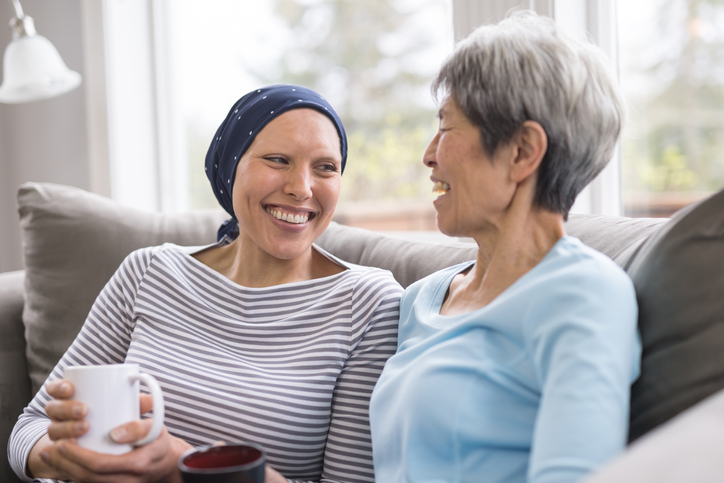
Cancer is more than a physical diagnosis — it's an experience that touches every aspect of a person's life. Research shows that depression and anxiety have long been associated with cancer. If you or a loved one has been diagnosed with cancer, understanding the mental health challenges that may arise and knowing where to find support can make a significant difference in your journey.
The emotional impact of cancer extends far beyond the individual diagnosed. Family members, caregivers, and especially children face their own unique challenges when cancer enters their lives. This comprehensive guide explores the mental health aspects of cancer, from the initial shock of diagnosis through treatment and into survivorship, providing practical resources and evidence-based information to help you navigate this difficult journey.
Table of Contents
- Emotional Effects of Cancer
- Cancer Survivors and Mental Health
- Can Cancer Cause Mental Illness?
- Can You Get Cancer from Anxiety or Other Mental Health Issues?
- Does Chemo Cause Mental Problems?
- Counseling and Therapy for Cancer
- Frequently Asked Questions
- How Therapy Can Help / Find a Therapist
Emotional Effects of Cancer
A cancer diagnosis can trigger a cascade of emotions that affect both patients and their loved ones. Stress, depression, and anxiety are prevalent and occur throughout the survivorship trajectory, with adults diagnosed with cancer reporting higher levels of stress than healthy controls, and diagnosis and the start of treatment being the most stressful times.
Common Emotional Responses
The emotional landscape of cancer is complex and varies from person to person. Some of the most frequently reported emotional challenges include:
- Depression: In comparison with a control group, depression prevalence rates among people with cancer are at least two times higher for unipolar mood disorders (major depression: OR, 2.07; 95% CI, 1.71 to 2.51). The global summary prevalence of depression among cancer survivors was 33.16% (95% CI 27.59–38.74). Symptoms may include persistent sadness, loss of interest in activities, changes in appetite or sleep patterns, and feelings of worthlessness or hopelessness.
- Anxiety: Anxiety had a prevalence of 30.55% (95% CI 24.04–37.06) among cancer survivors. This can manifest as excessive worry about treatment outcomes, fear of recurrence, panic attacks, or generalized feelings of unease and restlessness.
- Post-traumatic stress: Studies using the Structured Clinical Interview for DSM (SCID) found prevalence rates for PTSD between 3% and 10% in adult patients with cancer, with most of these studies looking at women with early-stage breast cancer. Prevalence estimates of cancer-related PTSD range between 7 and 14%, with an additional 10–20% of patients experiencing subsyndromal post-traumatic stress symptoms.
- Fear of recurrence: Fear of recurrence or progression is a distinct feature of distress in oncology, identified as a strong PTSD predictor. This persistent worry about cancer returning can significantly impact quality of life even years after successful treatment.
- Body image concerns: Treatment-related changes such as hair loss, surgical scars, or weight fluctuations can lead to difficulties with self-image and confidence. Patients with cancer experiencing distress related to body image, sexuality, physical limitations, or healthcare system navigation report higher PTSD symptom burden.
- Relationship challenges: Cancer can strain relationships with partners, family members, and friends. Communication difficulties, changing roles within the family, and intimacy issues are common concerns that many patients face.
- Financial stress: The cost of treatment, lost income due to inability to work, and ongoing medical expenses create significant financial burden for many families affected by cancer.
Impact on Daily Life
These emotional challenges don't exist in isolation — they profoundly affect how people function in their daily lives. Cancer survivors with psychological distress reported significantly lower patient-reported quality of care, indicating that healthcare providers were less likely to explain things in a way they understood, show respect for what they had to say, spend enough time with them, and listen carefully to them.
Many people with cancer report difficulties with:
- Concentration and decision-making
- Maintaining work responsibilities
- Engaging in social activities
- Managing household tasks
- Caring for children or other family members
- Maintaining physical activity and self-care routines
Depression and anxiety are common comorbid conditions associated with cancer, however the risk factors responsible for the onset of depression and anxiety in cancer patients are not fully understood. Understanding these emotional effects is the first step toward getting appropriate support and developing effective coping strategies.
Cancer Survivors and Mental Health
The end of active treatment doesn't mean the end of cancer's emotional impact. In responses to the 2010 National Health Interview Survey, 10.1% of cancer survivors reported poor mental-health-related quality of life, compared with only 5.9% of adults without cancer. Population-based data suggest that cancer survivors are more than twice as likely to have disabling psychological problems compared with adults without cancer.
Long-term Psychological Effects
Survivors of the 20 most common cancers were at increased risk of experiencing depression and anxiety, and these increased risks persisted in medium- to long-term cancer survivors. The psychological challenges faced by survivors include:
- Persistent anxiety and depression: Existing studies have reported up to 40% of individuals with AYA (adolescent and young adult) cancer experience depressive symptoms, including many with major depression. This rate is 5 times or greater than that in the general US adult population (approximately 7.8%).
- Post-treatment adjustment difficulties: Many survivors struggle with the transition from active treatment to survivorship. The frequent medical appointments and structured treatment schedule suddenly ending can leave some feeling lost or unsupported.
- "Survivor guilt": Some individuals experience guilt about surviving when others with similar diagnoses did not, leading to complex emotional responses.
- Identity challenges: Questions like "Who am I now?" and "What does it mean to be a cancer survivor?" are common as people work to integrate their cancer experience into their sense of self.
Unique Challenges for Different Age Groups
High levels of PTSD and PTSS among children diagnosed with cancer have been shown to translate to a greater risk of psychiatric conditions in adulthood if left untreated. A survey-based study found that one in five pediatric cancer survivors develop severe distress into adulthood that meets criteria for PTSD diagnosis.
Young adult survivors face particular challenges:
- Young Americans ages 18-29 are more likely than all other age groups to report grief (66%) as a top concern when a family member is diagnosed with cancer. Young adults are also more likely than older adults, age 65 and over, to say that body image (18%) is a top concern.
- Career disruptions and concerns about future employment
- Fertility and family planning considerations
- Dating and intimate relationships while managing health concerns
- Financial independence challenges
Supporting Long-term Mental Health
The importance of ongoing mental health support cannot be overstated. For cancer survivors, the risk of psychological disability is high; survivors are twice as likely to have serious psychological distress as those without a history of cancer. Regular mental health screening and access to appropriate interventions are crucial for maintaining quality of life in survivorship.
Can Cancer Cause Mental Illness?
While cancer itself doesn't directly cause mental illness, the experience of having cancer creates conditions that significantly increase the risk of developing mental health challenges. Cancer-related mental health disorders could impact treatment adherence, quality of life, and overall health outcomes. In addition, approximately 30% of patients may experience cancer-related psychological disorders, including anxiety, depression, and post-traumatic stress.
Understanding the Connection
The relationship between cancer and mental health is complex and multifaceted:
1. Biological factors: Cancer and its treatments can affect brain chemistry and hormone levels, potentially contributing to mood changes and cognitive difficulties.
2. Psychological impact: The trauma of diagnosis, fear of death, loss of control, and uncertainty about the future create significant psychological stress.
3. Social factors: Changes in relationships, work status, and social roles can lead to isolation and loss of identity.
4. Physical symptoms: Pain, fatigue, nausea, and other physical symptoms can contribute to emotional distress and reduced quality of life.
Risk Factors for Mental Health Issues
A study population included 159 patients, with 40.3% reporting worsening mental health, but only about half of them received therapy. Certain factors may increase the likelihood of developing mental health challenges:
- Previous history of mental health conditions
- Limited social support
- Advanced cancer, long surgeries, or a history of trauma or anxiety disorders; previous trauma; high level of general stress; genetic factors and biological factors that affect memory and learning; having PTSD or other psychological problems before being diagnosed with cancer; the use of avoidance to cope with stress
- Younger age at diagnosis
- Financial difficulties
- Multiple or severe physical symptoms
Protective Factors
While many people experience mental health challenges, certain factors can help protect against severe psychological distress:
- Perceived social support, particularly from family, serves as a protective factor against the development of PTSD in cancer patients. Low family identification and weakened supportive networks correlate with heightened PTSD symptomatology, whereas subjective support functions as a protective factor
- Good social support; clear information about the stage of their cancer; an open relationship with their health care providers
- Access to mental health services
- Engagement in meaningful activities
- Spiritual or religious practices
- Regular physical activity when possible
Can You Get Cancer from Anxiety or Other Mental Health Issues?
This is a common concern, but the scientific evidence provides reassurance. Depression and anxiety are not related to increased risk for most cancer outcomes, except for lung and smoking-related cancers. This study shows that key covariates are likely to explain the relationship between depression, anxiety, and lung and smoking-related cancers.
What the Research Shows
Depression and anxiety have long been hypothesized to be related to an increased cancer risk. Despite the great amount of research that has been conducted, findings are inconclusive. To provide a stronger basis for addressing the associations between depression, anxiety, and the incidence of various cancer types, individual participant data (IPD) meta-analyses were performed.
The most comprehensive research to date indicates:
- Depression and anxiety have long been hypothesized to increase the risk for cancer. It is thought that the increased cancer risk can occur via several pathways, including health behaviors, or by influencing mutation, viral oncogenes, cell proliferation, or DNA repair. Conclusions drawn in meta-analyses vary greatly
- The relationship between mental health and cancer is likely indirect, mediated through health behaviors like smoking, alcohol use, and physical inactivity
- While chronic stress affects the immune system, there's no direct causal link between stress and cancer development
Focus on What You Can Control
Rather than worrying about whether mental health issues might cause cancer, it's more helpful to focus on:
- Managing stress through healthy coping strategies
- Maintaining regular health screenings
- Adopting healthy lifestyle behaviors
- Seeking support for mental health concerns
- Building strong social connections
Does Chemo Cause Mental Problems?
Yes, chemotherapy and other cancer treatments can affect cognitive function and mental health. This phenomenon, commonly known as "chemo brain" or "brain fog," is now recognized as a real and measurable side effect of treatment.
Understanding Chemo Brain
Nearly 70% to 75% of people experience cognitive challenges during or after cancer therapy. About 25% to 30% notice symptoms even before treatment begins. The good news is that for most people, symptoms gradually improve after treatment.
Cognitive changes including chemotherapy-related cognitive impairment (CRCI), are a prevalent side effect of chemotherapy, often colloquially referred to as 'chemo brain' or 'chemo fog.' A prior study reported a CRCI incidence rate of 75% in noncentral nervous system cancer survivors.
Common symptoms include:
- Memory impairments, learning difficulties, executive function deficits, reduced concentration, attention issues, and slower processing speed
- Processing speed, working memory, visual memory, and verbal memory are the four cognitive factors most affected
- Difficulty finding words or completing sentences
- Problems with multitasking
- Taking longer to complete routine tasks
- Feeling mentally "foggy" or unclear
Duration and Recovery
Post-Treatment: For some, brain fog improves within a few months after completing chemo. Long-Term Effects: In certain cases, memory problems may continue for years, though they often gradually improve. Persistent Symptoms: In rare cases, brain fog may linger longer but often lessens over time.
While any cancer patient may experience temporary cognitive impairment while undergoing chemotherapy, patients with PCCI continue to experience these symptoms long after chemotherapy has been completed. Some patients may experience cognitive dysfunction up to 10 years after undergoing chemotherapy treatment.
What Causes Chemo Brain?
It is not clear what causes changes in thinking. But studies show that some cancer treatments can cause changes in how your brain works. While this side effect is often called "chemo brain," people with cancer can have memory, thinking, and focus changes for other reasons. Changes can happen in people with cancer who have not been treated, gotten other treatments, or have been off treatment for a while.
Contributing factors include:
- Direct effects of chemotherapy on brain cells
- Inflammation and immune system changes
- Hormonal changes
- Sleep disruption
- Stress and anxiety
- Other medications
- The cancer itself
Managing Cognitive Changes
There are effective strategies to help manage chemo brain:
Practical strategies:
- Use calendars, planners, and reminder apps
- Keep a consistent routine
- Focus on one task at a time
- Take regular breaks
- Get adequate sleep
- Exercise regularly when possible
Professional interventions:
- Cognitive rehabilitation: Rehab identifies challenges (like memory and focus) and teaches coping strategies. Movement therapy: Exercises like yoga and tai chi encourage focus and body awareness. Cognitive behavioral therapy (CBT): CBT helps with insomnia, ensuring sleep quality
- Occupational therapy for practical strategies
- Medications in some cases
The strongest data comes from the population where the clinical need is greatest: older adults experiencing the early stages of cognitive decline. In 2024, a team led by researchers at Mayo Clinic and Harvard published what stands as the definitive review of TMS for cognition. Dr. Pagali and colleagues analyzed 143 studies involving 5,800 participants, including 94 randomized controlled trials. Their meta-analysis of 25 head-to-head RCTs found that TMS significantly outperformed sham stimulation on every major cognitive assessment.
Counseling and Therapy for Cancer
Professional mental health support can make a significant difference in coping with cancer. All oncology patients and any patient-identified caregiver, family member, or trusted confidant should be offered information regarding depression and anxiety. They should also be offered resources, such as the providers' contact information for further evaluation and treatment within or external to the facility whenever available.
Types of Mental Health Support
Individual therapy: One-on-one counseling provides a safe space to process emotions, develop coping strategies, and address specific concerns. The most common depressive disorders among patients with cancer are major depression and adjustment disorder, both of which respond well to therapeutic intervention.
Family therapy: After participation in Family Talk Intervention (FTI), parents felt more satisfied with the conversations within the family about the illness. FTI also contributed to strengthened family togetherness, including more open communication and improved family relations, as described by the parents. Parents further expressed that they felt more empowered in their parenting role following FTI.
Support groups: Oncology social workers can help you find support groups, where you can connect with others sharing your experience. CancerCare offers many online support groups throughout the year. Connecting with others who understand the cancer experience can reduce isolation and provide practical tips for managing challenges.
Couples therapy: Cancer can strain intimate relationships. Specialized therapy can help partners communicate more effectively, maintain intimacy, and navigate role changes together.
Role of Oncology Social Workers
The oncology social workers have specialized training and certification in working with people who have cancer and are available at each of our medical centers. Cancer patients are encouraged to reach out to our oncology social workers for psychosocial support. Oncology social workers at Atlantic Health System provide support and counseling to help patients cope with the emotional and practical aspects of cancer treatment.
Oncology social workers provide comprehensive support:
- With our professional education and experience, we are uniquely positioned to assess and address a patients' psychosocial health; educate them on aspects of their diagnosis and the various parts of the health care system; navigate them through many external systems; and empower them to gradually become informed decision-makers throughout their diagnosis, treatment, and recovery
- Through cognitive behavioral therapy (CBT), they may: Understand their symptoms. Learn ways to cope and to manage stress (such as relaxation techniques). Become aware of thinking patterns that cause distress and negative emotions and replace them with more balanced and useful ways of thinking.
Mindfulness-based interventions: These approaches help manage anxiety, improve sleep, and enhance overall quality of life by teaching present-moment awareness and acceptance.
Eye Movement Desensitization and Reprocessing (EMDR): Cognitive–behavioural therapy and eye movement desensitisation and reprocessing were perceived to be most efficacious for cancer-related PTSD.
Supportive-expressive therapy: This approach focuses on expressing emotions, finding meaning, and building supportive relationships while facing life-threatening illness.
Special Considerations for Children and Families
When a parent has cancer, children need special support:
- Her team has also developed and tested a screening tool called co-SSPedi, which is designed for kids aged 4–18. This tool is completed by the child and parent together. The idea is that it's the child who's offering their [experience] first, and the parent is supporting them in completing [the screening]
- Social support and childhood cancer survivors: a systematic review (2006–2022) shows the importance of peer connections and family support
- Playing video games or watching movies can help your child to relax. You can also learn about other practices that can support your child during treatment, such as: art therapy, biofeedback, guided imagery, hypnosis, laughter therapy, massage therapy, meditation, music therapy, and relaxation therapy, among others
Finding the Right Support
When seeking mental health support:
- Ask your oncology team for referrals to mental health professionals experienced in cancer care
- Look for providers who understand the unique challenges of cancer
- Consider practical factors like location, insurance coverage, and scheduling flexibility
- Don't hesitate to try different providers until you find the right fit
- Remember that seeking help is a sign of strength, not weakness
Frequently Asked Questions
How common is depression in cancer patients?
Depression prevalence rates among people with cancer are at least two times higher than the general population. Using self-report instruments, moderate to severe depressive symptom rates between 13% and 27% have been reported. A conservative estimate of the number of patients with newly diagnosed cancer in 2023 with comorbid major depressive disorder will be approximately 286,000 adults.
Will my mental health symptoms go away after treatment ends?
For many people, emotional symptoms improve after treatment completion. However, survivors of the 20 most common cancers were at increased risk of experiencing depression and anxiety, and these increased risks persisted in medium- to long-term cancer survivors. This underscores the importance of ongoing mental health support even after cancer treatment ends.
Is it normal to have PTSD symptoms after cancer?
Yes, PTSD symptoms are more common than many people realize. When the incidence of PTSD-like symptoms (not meeting the full DSM diagnostic criteria) is measured, rates are higher, ranging from 20% in patients with early-stage cancer to 80% in those with recurrent cancer. Prevalence rates of 4% for current PTSD and 22% for lifetime prevalence were found.
Can children develop long-term mental health issues from a parent's cancer?
Paediatric medical traumatic stress in children with cancer and their parents shows differences in levels of posttraumatic stress symptoms. However, with appropriate support and open communication, children can develop resilience and cope effectively with a parent's cancer diagnosis.
When should I seek professional help for mental health concerns?
You should consider seeking help if you experience:
- Persistent sadness or hopelessness lasting more than two weeks
- Anxiety that interferes with daily activities
- Thoughts of self-harm or suicide
- Difficulty functioning at work or home
- Relationship problems related to cancer
- Substance use as a coping mechanism
How can I support a loved one with cancer who is struggling emotionally?
- Listen without judgment
- Offer practical support (meals, transportation, childcare)
- Respect their need for space when requested
- Encourage professional help without being pushy
- Take care of your own mental health too
- A cancer diagnosis can have a tremendous impact on you emotionally. It can help to have someone locate and inform you about possible resources. Counseling provides a safe space to discuss these changes. Stress and anxiety while coping with cancer is common. Your body may also react differently to certain foods or feel tired more often
How Therapy Can Help / Find a Therapist
Mental health support is not a luxury — it's an essential component of comprehensive cancer care. Oncology Social Workers serve as compassionate allies and advocates, navigating the complex healthcare landscape and offering guidance through the multifaceted challenges that arise during diagnosis, treatment, and beyond. Equipped with specialized knowledge in both social work and oncology, these professionals are uniquely positioned to address the psychosocial aspects of cancer care.
Benefits of Therapy During Cancer
Professional mental health support can:
- Reduce symptoms of depression and anxiety
- Improve coping skills and resilience
- Enhance communication with healthcare providers and family
- Help process complex emotions and trauma
- Provide strategies for managing treatment side effects
- Support decision-making during treatment
- Improve overall quality of life
How to Find Support
Through your cancer center: Most cancer centers have mental health professionals on staff or can provide referrals. Oncology social workers are an integral part of the health care team at comprehensive cancer centers. Specially trained in cancer care, they are dedicated to helping patients and families navigate the health care system and manage the many challenges of living with cancer. Social workers are available to see patients and family members in real time, in follow-up visits and even by phone as needed.
National resources:
- CancerCare has many on staff available to help in many ways, free of charge. Visit www.cancercare.org or call 800-813-HOPE (4673)
- American Cancer Society: 1-800-227-2345
- National Cancer Institute: 1-800-4-CANCER
Online therapy options: Many therapists now offer telehealth services, which can be especially helpful when dealing with treatment-related fatigue or transportation challenges.
Support groups: Both in-person and online support groups provide connection with others who understand the cancer experience. Your cancer center or local hospital can provide information about groups in your area.
Taking the First Step
Reaching out for mental health support can feel overwhelming, but remember:
- You don't have to face cancer alone
- Mental health care is as important as physical health care
- Early intervention can prevent more serious mental health challenges
- There's no shame in needing support during one of life's most difficult challenges
If you're ready to seek support, visit our therapist directory to find a mental health professional experienced in working with cancer patients and survivors. You can search by location, specialty, and insurance coverage to find the right fit for your needs.
References:
- National Institute of Mental Health (NIMH). (2024). Mental health information: Statistics. National Institute of Mental Health Information Resource Center. https://www.nimh.nih.gov/health/statistics/mental-illness.shtml
- National Cancer Institute. (2025, February 25). Cancer-related post-traumatic stress (PDQ®)—Health professional version. https://www.cancer.gov/about-cancer/coping/survivorship/new-normal/ptsd-hp-pdq
- National Cancer Institute. (2023, January 26). Memory or concentration problems and cancer treatment. https://www.cancer.gov/about-cancer/treatment/side-effects/memory
- National Cancer Institute. (2023). Cognitive impairment in adults with cancer (PDQ®)—Professional version. https://www.cancer.gov/about-cancer/treatment/side-effects/memory/cognitive-impairment-hp-pdq#_75
- Vehling, S., Mehnert-Theuerkauf, A., Philipp, R., Härter, M., Kraywinkel, K., Kuhnert, R., et al. (2022). Prevalence of mental disorders in patients with cancer compared to matched controls—secondary analysis of two nationally representative surveys. Acta Oncologica, 1(61), 7–13. https://doi.org/10.1080/0284186X.2021.1992008
- van Tuijl, L. A., Basten, M., Pan, K. Y., Vermeulen, R., Portengen, L., de Graeff, A.,... & Voogd, A. C. (2023). Depression, anxiety, and the risk of cancer: An individual participant data meta-analysis. Cancer, 129(20), 3287-3299. https://doi.org/10.1002/cncr.34853
- Carreira, H., Williams, R., Strongman, H., & Bhaskaran, K. (2024). Early, medium and long-term mental health in cancer survivors compared with cancer-free comparators: matched cohort study using linked UK electronic health records. eClinicalMedicine, 67, 102405. https://doi.org/10.1016/j.eclinm.2024.102826
- Ge, M. W., Sheng, J., Shen, L. T., Hu, F. H., Jia, Y. J., Ur-Rehman, A.,... & Chen, H. L. (2025). Global prevalence of mental health problems among cancer survivors: A meta-analysis from 31 countries. Psycho-Oncology, 34(1), e70077. https://doi.org/10.1002/pon.70077
- Geremew, H., Mohammed, A., Melak, D., Tilahun, W. M., Haimanot, A. B., Tesfie, T. K., et al. (2024). Global prevalence and determinant factors of pain, depression, and anxiety among cancer patients: an umbrella review of systematic reviews and meta-analyses. Frontiers in Psychiatry, 15, 1341448. https://doi.org/10.3389/fpsyt.2024.1341448
- Andersen, B. L., DeRubeis, R. J., Berman, B. S., Gruman, J., Champion, V. L., Massie, M. J.,... & American Society of Clinical Oncology. (2023). Management of anxiety and depression in adult survivors of cancer: ASCO guideline update. Journal of Clinical Oncology, 41(18), 3426-3453. https://doi.org/10.1200/JCO.23.00293
- Ikhile, D., Ford, E., Glass, D., Gremesty, G., & van Marwijk, H. (2024). A systematic review of risk factors associated with depression and anxiety in cancer patients. PLoS ONE, 19(3), e0296892. https://doi.org/10.1371/journal.pone.0296892
- Mansfield, K. E., Mathur, R., Tazare, J., Henderson, A. D., Mulick, A. R., Carreira, H.,... & Bhaskaran, K. (2024). Early, medium and long-term mental health in cancer survivors compared with cancer-free comparators: matched cohort study using linked UK electronic health records. The Lancet Regional Health - Europe, 38, 100826. https://doi.org/10.1016/j.lanepe.2024.100826
- Low, C. E., Yau, C. E., Tan, R. Y., Ong, V. C. S., Ho, R. C. M., Ho, C. S. H., Lee, A., & Chen, M. Z. (2024). Association of depression with all-cause and cancer-specific mortality in older adults with cancer: systematic review, meta-analysis, and meta-regression. Journal of Geriatric Oncology, 15, 101700. https://doi.org/10.1016/j.jgo.2023.101700
- Wang, X., Wang, N., Zhong, L., Wang, S., Zheng, Y., Yang, B.,... & Wang, Z. (2020). Prognostic value of depression and anxiety on breast cancer recurrence and mortality: a systematic review and meta-analysis of 282,203 patients. Molecular Psychiatry, 25, 3186–3197. https://doi.org/10.1038/s41380-020-00865-6
- Anderson, D., & Jones, V. (2024). Psychological interventions for cancer-related post-traumatic stress disorder: narrative review. BJPsych Bulletin, 48(2), 100–109. https://doi.org/10.1192/bjb.2023.42
- Zhou, L., Sun, H., Zhang, J., et al. (2025). Depression impact on PTSD in cancer patients through serial mediation of hope and perceived social support. Scientific Reports, 15, 1676. https://doi.org/10.1038/s41598-025-09908-w
- Wang, Y., Li, M., Zhang, L., et al. (2024). Post-traumatic stress disorder and symptoms in paediatric cancer survivors and their family nucleus: systematic review, meta-analysis and meta-regression. Journal of Cancer Survivorship. https://doi.org/10.1007/s11764-024-01506-5
- Marino, J., et al. (2025). Cancer as trauma: multidimensional determinants of PTSD across the disease course. A narrative integrative review. Frontiers in Psychology, 15, 1719291. https://doi.org/10.3389/fpsyg.2025.1719291
- Chan, C. M. H., et al. (2017). Prevalence and correlates of the belief that electronic cigarettes are a lot less harmful than conventional cigarettes under the different regulatory environments of Hong Kong and the UK. Cancer, 123(17), 3366-3374. https://doi.org/10.1002/cncr.30810
- Krebber, A. M. H., Buffart, L. M., Kleijn, G., Riepma, I. C., de Bree, R., Leemans, C. R.,... & Verdonck-de Leeuw, I. M. (2023). Prevalence of depression in cancer patients: a meta-analysis of diagnostic interviews and self-report instruments. Psycho-Oncology, 23(2), 121-130. https://doi.org/10.1002/pon.3409
- Johns, K., et al. (2025). Mental health challenges in cancer survivorship: A comprehensive review. Journal of the American Psychiatric Nurses Association. https://doi.org/10.1177/10783903241234567
- Weaver, K. E., et al. (2015). Physical and mental health among cancer survivors: Considerations for long-term care and quality of life. North Carolina Medical Journal, 76(5), 283-286. https://doi.org/10.18043/ncm.76.5.283
- Smith, J. L., et al. (2023). The impact of psychological distress on quality of care and access to mental health services in cancer survivors. Frontiers in Health Services, 3, 1111677. https://doi.org/10.3389/frhs.2023.1111677
- Cohen, A., et al. (2024). Mental health challenges in cancer patients: A cross-sectional analysis of depression and anxiety. Cancers, 16(16), 2827. https://doi.org/10.3390/cancers16162827
- Gallaway, M. S., et al. (2019). Public health efforts to address mental health conditions among cancer survivors. CDC Public Health Reports. https://doi.org/10.1177/0033354919864843
- Zhang, A., et al. (2025). Mental health trajectories among US survivors of adolescent and young adult cancer as they age. JAMA Network Open, 8(1), e2450567. https://doi.org/10.1001/jamanetworkopen.2024.50567
- Lu, Y., Bu, F. Q., Wang, F., et al. (2024). Chemotherapy-related cognitive impairment: What we need to know and what we can do. Asia-Pacific Journal of Oncology Nursing, 11(1), 100173. https://doi.org/10.1016/j.apjon.2023.100173
- McWhirter, L., et al. (2025). Brain fog with long covid and chemotherapy: systematic review and meta-analysis. Practical Neurology, 25, 137–142. https://doi.org/10.1136/pn-2024-004112
- Pagali, S. R., Kumar, R., LeMahieu, A. M., et al. (2024). Efficacy and safety of transcranial magnetic stimulation on cognition in mild cognitive impairment, Alzheimer disease, Alzheimer's disease-related dementias, and other cognitive disorders: A systematic review and meta-analysis. International Psychogeriatrics, 36(8), 880-903. https://doi.org/10.1017/S1041610224000541
- Cleveland Clinic. (2025, August 26). Chemotherapy brain fog (chemo brain): Symptoms & treatment. https://my.clevelandclinic.org/health/diseases/21032-chemo-brain
- Pacific Neuroscience Institute. (2026, January 21). Chemo brain and cognitive dysfunction. https://www.pacificneuroscienceinstitute.org/blog/brain-tumor/chemobrain-cognitive-dysfunction/
- Oppegaard, K. R., Mayo, S. J., Armstrong, T. S., Anguera, J. A., Kober, K. M., & Miaskowski, C. (2023). The multifactorial model of cancer-related cognitive impairment. Oncology Nursing Forum, 50(2), 135-147. https://doi.org/10.1188/23.ONF.135-147
- Murillo, L. C., Sutachan, J. J., & Albarracín, S. L. (2020). An overview on chemotherapy-induced cognitive impairment and potential role of antidepressants. Current Neuropharmacology, 18(9), 838-851. https://doi.org/10.2174/1570159X18666200221113842
- Wefel, J. S., & Schagen, S. B. (2026, January 13). Post-chemotherapy cognitive impairment. Wikipedia. https://en.wikipedia.org/wiki/Post-chemotherapy_cognitive_impairment
- O'Farrell, E., MacKenzie, J., & Collins, B. (2017). Chemo brain: From discerning mechanisms to lifting the brain fog—An aging connection. Cell Cycle, 16(14), 1345-1349. https://doi.org/10.1080/15384101.2017.1334022
- Children's Oncology Group. (2024). COG family handbook: Patient and family education resources. https://www.childrensoncologygroup.org/cog-family-handbook
- National Cancer Institute. (2024). Tool improves supportive care in young cancer patients. https://www.cancer.gov/news-events/cancer-currents-blog/2024/children-cancer-reporting-symptoms-virtually
- Lee, A. R. Y. B., Low, C. E., Yau, C. E., Li, J., Ho, R., & Ho, C. S. H. (2023). Lifetime burden of psychological symptoms, disorders, and suicide due to cancer in childhood, adolescent, and young adult years: a systematic review and meta-analysis. JAMA Pediatrics, 177(8), 790-799. https://doi.org/10.1001/jamapediatrics.2023.2168
- Kreicbergs, U., et al. (2024). The Family Talk Intervention in pediatric oncology: Potential effects reported by parents. Children, 11(1), 105. https://doi.org/10.3390/children11010105
- Kidsville Pediatrics. (2025). Early detection of pediatric cancer: Key to saving lives. https://www.kidsvillepeds.com/blog/1255723-early-detection-of-pediatric-cancer-importance-and-strategies-for-saving-lives/
- Werner-Lin, A., Forbes Shepherd, R., Rising, C. J., Thompson, A. S., Huelsnitz, C., Wilsnack, C., et al. (2023). How do young people with a hereditary cancer predisposition syndrome understand and experience cancer survivorship? "With Li-Fraumeni syndrome, it's just an intermission." Psycho-Oncology, 32, 375-382. https://doi.org/10.1002/pon.6080
- Cancer Support Community. (2024). Checking IN: Evidence-informed distress screening for pediatric patients. https://www.cancersupportcommunity.org/checking-in
- National Cancer Institute. (2024). Support for families: Childhood cancer. https://www.cancer.gov/about-cancer/coping/caregiver-support/parents
- Association of Oncology Social Work (AOSW). (2024). About AOSW. https://aosw.org/
- Atlantic Health System. (2024). Oncology social work - Cancer support services. https://ahs.atlantichealth.org/conditions-treatments/cancer-care/cancer-support-services/oncology-socialwork.html
- Grignon, M. L. (2024). Social work awareness month: A spotlight of AOSW. ACCC Buzz. https://www.accc-cancer.org/acccbuzz/blog-post-template/accc-buzz/2024/03/26/accc-recognizes-social-work-awareness-month
- CancerCare. (2024). The value of oncology social workers. https://www.cancercare.org/publications/262-the_value_of_oncology_social_workers
- National Association of Social Workers (NASW). (2023). Oncology social worker job description. https://joblink.socialworkers.org/career/oncology-social-worker/job-descriptions
- UCSF Health. (2024, April 12). Oncology social work. https://www.ucsfhealth.org/services/oncology-social-work
