
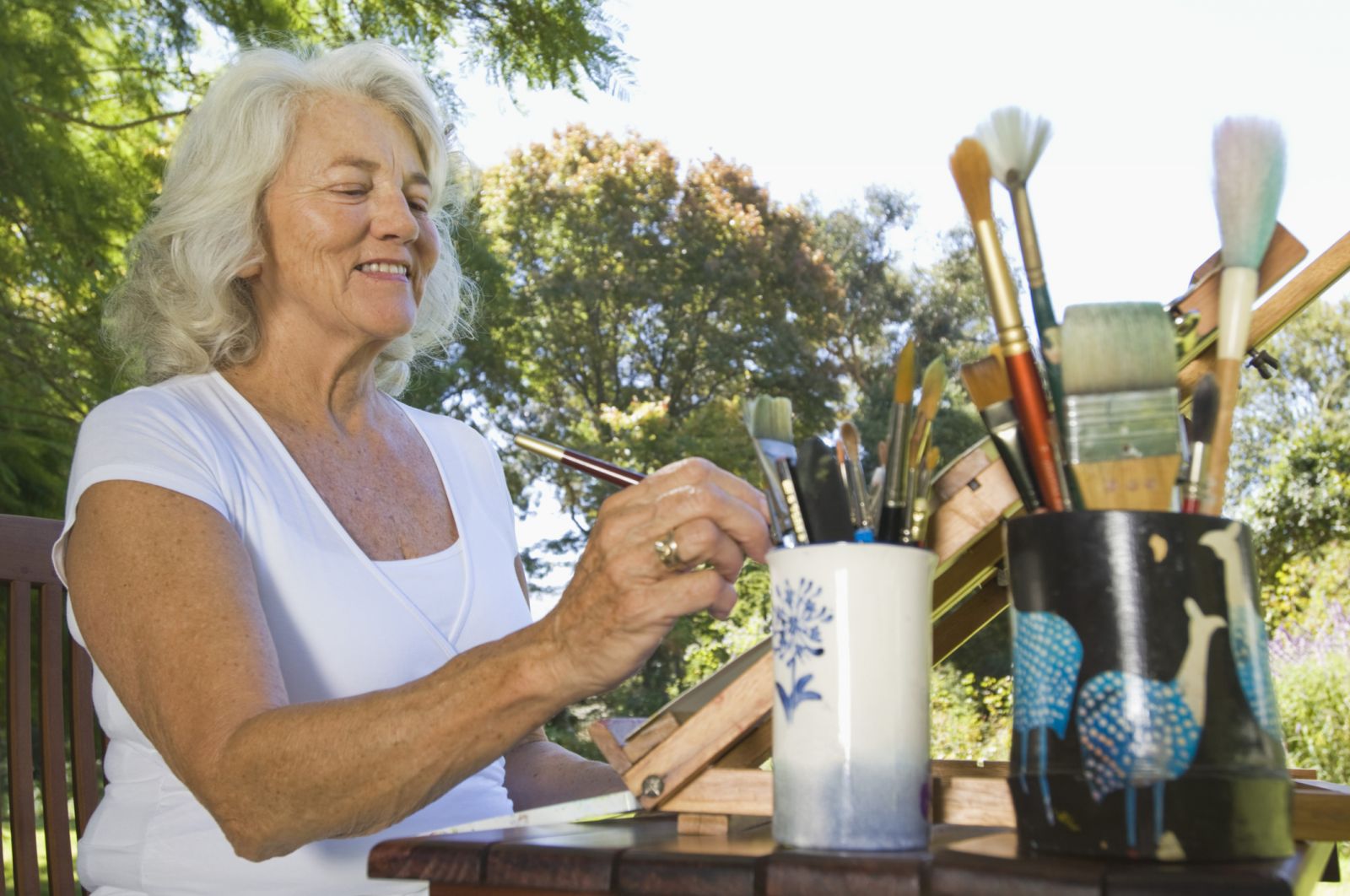
Expressive arts therapy is a multimodal, integrative approach to psychotherapy that combines psychology with creative processes to promote emotional growth, healing, and transformation. This evidence-based therapeutic modality incorporates multiple art forms—including visual arts, music, drama, dance/movement, and creative writing—to help individuals explore their emotions, develop self-awareness, and enhance overall well-being through creative expression.
Unlike single-modality approaches, expressive arts therapy emphasizes the fluid integration of various creative mediums, allowing clients to move naturally between different forms of expression based on their therapeutic needs and preferences. This versatility makes it particularly effective for individuals who may struggle with traditional talk therapy or have difficulty articulating their emotions verbally.
Table of Contents
- History and Development
- The Therapeutic Process
- Clinical Applications and Conditions Treated
- Evidence-Based Techniques and Interventions
- Research and Clinical Effectiveness
- How Expressive Arts Therapy Differs from Other Approaches
- Training and Professional Standards
- Considerations and Limitations
- Frequently Asked Questions
- How Therapy Can Help
History and Development
Expressive arts therapy emerged as a distinct therapeutic discipline around 1970 at the Leslie College Graduate School (now Lesley University) in Cambridge, Massachusetts. Paolo Knill, a pioneering figure in the field, established the International Network of Expressive Arts Therapy Training Centers and founded the ISIS European Training Institutes in 1984, helping to formalize the practice internationally.
The approach developed from the convergence of multiple creative arts therapy modalities, recognizing that integrating various art forms could enhance therapeutic outcomes beyond what single-modality approaches could achieve. This multimodal framework acknowledges that different individuals respond to different creative outlets, and that flexibility in expression can deepen the therapeutic process.
The Therapeutic Process
The expressive arts therapy process is characterized by its low-skill, high-sensitivity approach, emphasizing the creative journey rather than artistic outcomes. ExAT allows partners to symbolically externalize their emotions, explore each other's inner landscapes, and engage in shared artistic experiences that foster mutual understanding.
Core Principles

At the heart of expressive arts therapy is the concept of poiesis—the Greek root word for poetry—which refers to the natural human capacity to move from everyday consciousness into creative imagination. This process facilitates deep emotional exploration and self-discovery without requiring artistic expertise or prior experience.
Expressive arts therapy is similar to other creative arts therapies (e.g., art therapy, music therapy, dance/movement therapy) in that it offers opportunities for sensory-based expression, uses the "language" of aesthetics to communicate experience, and engages clients in the creative process to facilitate healing.
Session Structure
A typical expressive arts therapy session may include:
- Check-in: Using verbal or artistic expression to establish current emotional state
- Exploration: Engaging with chosen creative mediums based on therapeutic goals
- Processing: Reflecting on the creative experience and insights gained
- Integration: Connecting discoveries to daily life and therapeutic objectives
The therapist carefully selects and introduces different modalities based on the client's readiness, therapeutic relationship strength, and specific treatment goals. The ETC can serve as a guiding and safer framework for exploring complex trauma that allows immigrants, asylum claimants, and refugees to rewrite and reappropriate events in their lives in a community setting.
Clinical Applications and Conditions Treated
Research demonstrates that expressive arts therapy effectively addresses a wide range of mental health conditions and psychosocial challenges:
Mental Health Conditions
- Anxiety disorders: The findings demonstrated a significant decrease in anxiety symptoms through art therapy interventions, with a Standardized Mean Difference (SMD) of -1.42, 95% Confidence Interval (-2.33, -0.51), p < 0.002
- Depression: Group arts interventions were associated with a moderate reduction in depression (Cohen's d = 0.70, 95% confidence interval (CI) = 0.54–0.87, P < 0.001) and a moderate reduction in anxiety
- Post-traumatic stress disorder (PTSD): Compared with the untreated control group, the visual art therapy group showed marked differences in changes for both PTSD and separation anxiety symptoms (p = 0.05), with large effect sizes (PTSD: Cohen's d = 0.83; Separation anxiety: Cohen's d = 0.84)
- Attention-deficit/hyperactivity disorder (ADHD): Virtual environments such as metaverses can help alleviate attention and impulse control problems experienced by children with ADHD
Neurodevelopmental Conditions
- Autism spectrum disorder: 12 articles were selected, which were published between 2017 and 2024 and encompassed a total of 899 participants aged 5 to 11 years diagnosed with ASD
- Developmental disabilities
- Learning differences
Medical and Chronic Conditions
- Cancer and oncological diseases: Artmaking may positively affect anxiety, depression, and QoL in adults with cancer. Most of the 654 patients included in a study by Bosman considered an experience of art therapy beneficial to their wellbeing
- Chronic pain and medical illnesses
- Traumatic brain injury
- Neurological conditions
Life Challenges
- Grief and loss
- Relationship difficulties
- Caregiver stress: Caregivers are essential to the care of people with medically complex and life-limiting conditions. EAIs hold the potential to improve psychosocial outcomes for caregivers, are used globally, and can be culturally tailored
- Social isolation
- Life transitions
Evidence-Based Techniques and Interventions
The Expressive Therapies Continuum (ETC)
The Expressive Therapies Continuum provides a theoretical framework for understanding how different creative experiences activate various levels of brain functioning and information processing. The framework of the Expressive Therapies Continuum (ETC) explicitly incorporates this perspective for art therapy assessment and treatment.
The ETC consists of three hierarchical levels:
- Kinesthetic/Sensory: Movement and sensory engagement
- Perceptual/Affective: Emotional awareness and visual processing
- Cognitive/Symbolic: Meaning-making and abstract thinking
Existing research helps us understand how the ETC can reduce psychophysiological stress (Nan et al., 2023) and negative emotional symptoms in different populations (Nan & Ho, 2017; Nan & Wong, 2021), increase psychological flexibility (Riccardi, 2013), and offer trauma care (George et al., 2025; Hébert, 2025).
Multimodal Interventions
Expressive arts therapy utilizes various creative modalities, often in combination:
Visual Arts
- Painting and drawing
- Collage and mixed media
- Sculpture and three-dimensional work
- Digital art creation
- Mask-making
- Mandala creation
Movement and Dance
- Authentic movement
- Mirroring exercises
- Body mapping
- Rhythmic expression
Music and Sound
- Improvisation
- Songwriting
- Rhythmic activities
- Sound exploration
Drama and Performance
- Role-play
- Storytelling
- Psychodrama techniques
- Puppetry
Literary Arts
- Poetry writing
- Journaling
- Narrative therapy techniques
- Bibliotherapy
Innovative Approaches
Recent technological advances have expanded expressive arts therapy applications:
- Digital platforms: By utilizing the metaverse platform as a space and tool for digital art therapy, this study's findings support that factors such as gamification, presence, interactivity, scalability, and multisensory stimulation provided participants with an enhanced therapeutic experience. These findings reveal the potential of the metaverse as an art therapy environment and medium suitable for the digital age
- Telehealth delivery: Zoom was the primary platform used to implement telehealth in the included studies
- Virtual reality applications
- Interactive digital media
Research and Clinical Effectiveness
Neurobiological Mechanisms
Contemporary neuroscience research reveals how expressive arts therapy engages multiple brain networks to facilitate healing:
Art-making directly engages visual and tactile sensory inputs that are integrated with emotion, memory, and cognition, that in turn affect voluntary and involuntary motor outputs. This multi-sensory engagement activates neuroplastic processes that support emotional regulation and cognitive flexibility.
Early work suggests that pairing visual arts with mindfulness or cognitive-behavioral strategies can amplify effects by combining expressive processing with structured reflection.
Clinical Outcomes Research
Multiple systematic reviews and meta-analyses demonstrate the effectiveness of expressive arts interventions:
Depression and Anxiety
- Two studies identified significant reductions in depressive symptoms for young people engaging in art therapy
- Visual Art Therapy (VAT) is an increasingly recognised non-pharmacological intervention aimed at improving mental health through creative activities such as painting and sculpture
Trauma and PTSD
- Drawing on clinical experience and neurobiological research, the author proposes a foundation as a crucial first step in complex PTSD treatment and examines how engaging in expressive arts therapy can foster self-regulation and create new, positive experiences for these clients
Addiction Recovery
- Art therapy's engagement of brain networks for enduring recovery from addiction
Oncology Support
- Approaching emotions through time-limited art therapy treatment seems to have a long-lasting effect on the attachment behavioral system shown in the Structural Analysis of Social Behavior model post intervention, and this effect remained 5 years later
Population-Specific Benefits
Children and Adolescents
- Henley (1998, 1999) is committed to utilizing expressive therapies to assist children with attention deficit hyperactivity disorder (ADHD) during socialization... art therapy is helpful for children, especially art therapy with children who are dealing with traumatic events of the past and with children who have special educational needs or disabilities
- Acceptability of art therapy interventions was consistently demonstrated, with high rates of attendance to art therapy sessions (Blomdahl and Goulias, 2024; Versitano et al., 2024a), and minimal attrition reported (e.g., Pretorius and Pfeifer, 2010; Yi et al., 2024)
Older Adults
- In this systematic review and meta-analysis, we assessed the efficacy of group arts interventions, where individuals engage together in a shared artistic experience (for example, dance or painting), for reducing depression and anxiety among older adults (> 55 yr without dementia)
Caregivers
- Twenty-seven studies were included (1359 participants). There was a diverse global representation of countries (n = 14). Twelve studies were randomized controlled trials. The majority (n = 11) were conducted with dementia/Alzheimer's caregivers and 41% (n = 11) were delivered to the caregiver/receiver dyad
How Expressive Arts Therapy Differs from Other Approaches
Multimodal Integration
While related creative arts therapies typically focus on a single modality, expressive arts therapy intentionally integrates multiple art forms within treatment. Expressive Arts Therapies refer to a specific approach that is based on the multimodal use of various art forms—including visual art, music, dance, drama, writing, or poetry—and emphasizes the integration of these modalities within the therapeutic process. The aim is to provide participants with an environment where they can process their emotions, cope with challenging life situations, and build psychological resilience through artistic expression.
Theoretical Framework
Expressive arts therapy operates from several key theoretical perspectives:
- Intermodal theory: Movement between art forms enhances therapeutic insight
- Phenomenological approach: Focus on lived experience and meaning-making
- Person-centered principles: Client autonomy and self-directed exploration
- Trauma-informed practice: Safety, choice, and empowerment
Clinical Flexibility
Practitioners adapt their approach based on:
- Client preferences and comfort levels
- Cultural backgrounds and expressions
- Developmental considerations
- Treatment setting requirements
- Therapeutic goals and objectives
Training and Professional Standards
Educational Requirements
Becoming a qualified expressive arts therapist requires comprehensive training:
1. Master's Degree: Minimum requirement in expressive arts therapy, counseling, psychology, or related field
2. Specialized Training: The applicant must fulfill 3 of the 4 following categories with a minimum of 25 hours of coursework/instruction per category: Individual Expressive Arts Therapy Process—coursework
3. Supervised Practice: Clinical experience under qualified supervision
4. Continuing Education: Continuing Education Requirement (Effective September 1, 2024): REAT Expressive Arts Therapy Continuing Education (EXA CE) includes activities that enhance the professional REAT's knowledge and competence
Professional Credentials
The International Expressive Arts Therapy Association (IEATA) offers the Registered Expressive Arts Therapist (REAT) credential, which requires:
- Completion of approved educational programs
- Documented clinical hours
- Supervision by qualified professionals
- Demonstration of artistic competencies
- Ethical practice standards
- Ongoing professional development
Core Competencies
Qualified practitioners must demonstrate:
- Artistic proficiency: Personal engagement with multiple art forms
- Clinical skills: Assessment, intervention, and treatment planning
- Cultural competence: Sensitivity to diverse populations and expressions
- Ethical practice: Professional boundaries and client safety
- Theoretical knowledge: Understanding of psychological and creative processes
Considerations and Limitations
Research Considerations
While the evidence base for expressive arts therapy continues to grow, some limitations exist:
- Most sample sizes were relatively small for the statistical tests that were used, therefore limiting generalizability of the results
- Need for more randomized controlled trials
- Challenges in standardizing creative interventions
- Difficulty isolating specific therapeutic mechanisms
Clinical Considerations
Important factors for effective practice include:
- Safety and containment: Ensuring emotional safety during creative expression
- Material selection: Choosing appropriate media for client needs
- Pacing: Balancing exploration with integration
- Boundaries: Maintaining therapeutic frame while encouraging creativity
- Documentation: Recording process and outcomes appropriately
Access and Availability
Considerations for service delivery:
- Geographic availability of trained practitioners
- Insurance coverage variations
- Cultural acceptance and understanding
- Setting-specific adaptations
- Technology requirements for digital applications
Frequently Asked Questions
What happens in a typical expressive arts therapy session?
Sessions typically begin with a check-in to assess your current emotional state. The therapist then guides you in exploring various creative materials or activities based on your therapeutic goals. You might paint, move to music, write poetry, or engage in drama exercises. The focus is on the creative process rather than artistic skill, and sessions conclude with reflection on insights gained through the creative experience.
Do I need artistic talent or experience?
No artistic ability is required for expressive arts therapy. The approach emphasizes creative expression and exploration rather than artistic outcomes. The therapeutic value comes from the process of creating and the insights gained, not from producing professionally skilled artwork. Many clients find that removing pressure to create "good" art actually enhances their therapeutic experience.
How is expressive arts therapy different from art therapy?
While art therapy typically focuses on visual arts (painting, drawing, sculpture), expressive arts therapy integrates multiple creative modalities including music, movement, drama, and writing. This multimodal approach allows clients to shift between different forms of expression based on what feels most helpful in the moment, providing greater flexibility in therapeutic exploration.
Is expressive arts therapy evidence-based?
Yes, substantial research supports the effectiveness of expressive arts therapy. Recent meta-analyses show significant benefits for conditions including anxiety, depression, PTSD, and various medical conditions. Neuroscience research also demonstrates how creative expression engages brain networks involved in emotional regulation, memory processing, and cognitive flexibility.
How long does expressive arts therapy typically last?
Treatment duration varies based on individual needs and goals. Some clients benefit from short-term interventions (6-12 sessions) for specific issues, while others engage in longer-term therapy for complex concerns. Your therapist will work with you to determine an appropriate treatment plan based on your unique situation and therapeutic objectives.
Can expressive arts therapy be done online?
Yes, many expressive arts therapists now offer telehealth services. While some adaptations are necessary, research shows that online delivery can be effective. Therapists use video platforms to guide clients through creative activities using materials available at home, maintaining the therapeutic benefits while increasing accessibility.
How Therapy Can Help
Expressive arts therapy offers a unique pathway to healing by engaging your natural creative capacities. Through multimodal artistic expression, you can:
- Access and process emotions that may be difficult to verbalize
- Develop new coping strategies and self-regulation skills
- Enhance self-awareness and personal insight
- Improve communication and relationship skills
- Reduce symptoms of anxiety, depression, and trauma
- Increase overall well-being and quality of life
If you're interested in exploring expressive arts therapy, consider reaching out to a qualified practitioner who can help you determine if this approach aligns with your therapeutic needs and goals.
Find an Expressive Arts Therapist through GoodTherapy's comprehensive directory of mental health professionals.
References:
- American Art Therapy Association. (2023). About art therapy. https://arttherapy.org/about-art-therapy/
- Australian, New Zealand and Asian Creative Arts Therapies Association. (2024). Standards of practice for creative arts therapies. https://www.anzacata.org/standards
- Centers for Disease Control and Prevention. (2024). Mental health conditions: Depression and anxiety. U.S. Department of Health and Human Services. https://www.cdc.gov/mentalhealth/conditions
- Devlin, K., Quigley, L., & MacDonald, R. (2024). Telehealth in arts therapies for neurodevelopmental and neurological disorders: A scoping review. Frontiers in Psychology, 15, Article 1484726. https://doi.org/10.3389/fpsyg.2024.1484726
- Estrella, K. (2023). The integrative process of expressive arts therapy. In C. A. Malchiodi (Ed.), Handbook of expressive arts therapy (pp. 81-97). The Guilford Press.
- Fish, J. L., & Contributors. (2025). The Expressive Therapies Continuum as a migratory journey: A classroom experience through the lenses of a teacher, a special educator, and co-art therapists. Frontiers in Psychology, 16, Article 2938312. https://doi.org/10.3389/fpsyg.2025.2938312
- Huang, W., Luan, T., & Contributors. (2025). The effects of visual art therapy on improving anxiety symptoms in adults: A systematic review and meta-analysis. Journal of Psychiatric and Mental Health Nursing, 32(1), 45-62. https://doi.org/10.1111/jpm.70003
- International Expressive Arts Therapy Association. (2024). REAT standards and requirements. https://www.ieata.org/reat-standards-requirements/
- Kim, S., & Chung, C. Y. (2024). A single case study of digital art therapy for a child with ADHD using the metaverse platform. The Arts in Psychotherapy, 87, Article 102156. https://doi.org/10.1016/j.aip.2024.102156
- King, J. L., & Strang, J. F. (2024). A scoping review of integrated arts therapies and neuroscience research. Frontiers in Human Neuroscience, 18, Article 1484481. https://doi.org/10.3389/fnhum.2024.1484481
- National Center for Complementary and Integrative Health. (2024). Creative art therapies: What you need to know. National Institutes of Health. https://www.nccih.nih.gov/health/creative-art-therapies
- National Coalition of Creative Arts Therapies Associations (NCCATA). (2024). Creative arts therapies standards of practice. https://www.nccata.org/standards
- National Institute of Mental Health. (2025). Autism spectrum disorder. U.S. Department of Health and Human Services. https://www.nimh.nih.gov/health/publications/autism-spectrum-disorder
- National Institute on Aging. (2023). Depression and older adults. National Institutes of Health. https://www.nia.nih.gov/health/depression-and-older-adults
- Phillips, C. S., Hebdon, M., Cleary, C., Ravandi, D., Pottepalli, V., Siddiqi, Z., Rodriguez, E., & Jones, B. L. (2024). Expressive arts interventions to improve psychosocial well-being in caregivers: A systematic review. Journal of Pain and Symptom Management, 67(3), e229-e249. https://doi.org/10.1016/j.jpainsymman.2023.11.026
- Quenton, E. A., Macleod, E., & Jetten, J. (2025). Group arts interventions for depression and anxiety among older adults: A systematic review and meta-analysis. Nature Mental Health, 3(1), 15-28. https://doi.org/10.1038/s44220-024-00368-1
- Quinn, P. (2025). Art therapy's engagement of brain networks for enduring recovery from addiction. Frontiers in Psychiatry, 15, Article 1458063. https://www.frontiersin.org/journals/psychiatry/articles/10.3389/fpsyt.2024.1458063/full
- Strang, J. F. (2024). Art therapy and neuroscience: Evidence, limits, and myths. Frontiers in Psychology, 15, Article 1484481. https://doi.org/10.3389/fpsyg.2024.1484481
- Substance Abuse and Mental Health Services Administration. (2023). Evidence-based practices resource center: Creative therapies. U.S. Department of Health and Human Services. https://www.samhsa.gov/ebp-resource-center
- Svozilová, L., Kantor, J., Svobodová, Z., Smrčková, K., & Klugar, M. (2025). Effectiveness of creative arts therapies/expressive arts therapy for psychosocial outcomes in adults with oncological disease: An umbrella review protocol. Frontiers in Psychology, 16, Article 1570798. https://doi.org/10.3389/fpsyg.2025.1570798
- The British Association of Art Therapists. (2023). The state of art therapy in the UK. https://www.baat.org
- VanMeter, M. L., & Hinz, L. D. (2024). A deeper dive into the Expressive Therapies Continuum: Structure, function, and the creative dimension. Art Therapy: Journal of the American Art Therapy Association, 41(2), 107-110. https://doi.org/10.1080/07421656.2023.2240682
- Versitano, S., Tesson, S., Lee, C.-W., Linnell, S., & Perkes, I. (2025). Art therapy with children and adolescents experiencing acute or severe mental health conditions: A systematic review. Australian & New Zealand Journal of Psychiatry, 59(9), 863-887. https://doi.org/10.1177/00048674251361731
- Vogel, S. W., Mullins, K. L., & Kumar, S. (2025). Art therapy for children and adolescents with autism: A systematic review. International Journal of Art Therapy, 30(2), 113-122. https://doi.org/10.1080/17454832.2024.2343373
- Zhang, B., Yang, L., Sun, W., Xu, P., Ma, H., & Abdullah, A. B. (2024). The effect of the art therapy interventions to alleviate depression symptoms in children and adolescents: A meta-analysis. Clinics, 79, 100404. https://doi.org/10.1016/j.clinsp.2024.100404
