 Addiction is an attachment disorder. Human beings, addicts or not, only know and repeat what was modeled for them during childhood. I like to call ages 0-10 healthy narcissism given that the world, as it should, revolves around the child. If the child is not fed, he/she will be hungry; if the child is not given shelter, he/she goes without shelter; and if the child’s diaper is not changed, he/she will be wet. Moreover, if, for example, the child’s parents divorce, who is at fault in the child’s mind? Obviously, given that the world revolves around the child, the child believes he or she is to blame. ‘If I just would have cleaned my plate’, ‘If I would have been a better boy…’, ‘If I just would have kept my room clean.’ These types of messages form the messages or models for future behavior of the child.   Â
 Part I of this article provided a definition and basic framework for Attachment Theory. Attachment theory provides that most individuals did not grow up with a model for secure attachment; thus, treatment for addiction requires providing a model of secure attachment so that individuals can practice healthy behavior in response to pain and discomfort other than acting out in addictive behavior.  Â
Theoretically, Mary Ainsworth PhD (1969) defined secure attachment as developing when a caretaker shows awareness of a child’s emotions and quickly attends to the child when distressed. The child’s perception is that the caretaker is consistent in presence and provision; thus, the child feels safe in exploring their world because of their sense of certainty that their caretakers will be there for them in a nurturing manner if needed. Overall, attachment theory assumes that the experiences of childhood relationships shape adult attachment style; thus, for example, the reason why adults who were physically abused as children have a high propensity for abusing their children. This is the behavior that was modeled and typically the only mode that the adult has for responding to anger.Â
The Scientific Link Between Attachment and Addiction:Â
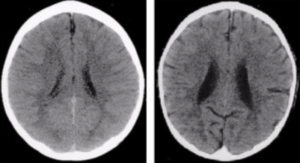
Attachment theory posits that an infant learns necessary skills for survival and the development of an Internal Working Model (IWM) whereby the definition of how the person views the world, themselves, and others is defined. “Attachment representations show predictive associations with a wide range of pathological behavior including personality disorder(s), mood disturbance, [substance dependence] and psychopathology†(Caspers, Yucuis, Troutman, & Spinks, 2006). Therefore, the authors conclude that childhood attachment styles (secure or insecure) have a direct impact on the prevalence of Substance Abuse Disorders.  Â
Researchers Kendler and Prescott (2006) reviewed the findings of the Virginia Twin Study of Adolescent Behavioral Development (VTS) for the purpose of exploring the depth of influence between genetics and environment as it relates to addictiveness and mental health disorders. VTS had a sample size of 2,762 white twins between the age of 8-16 years old and their families. Kendler and Prescott concluded that there are no genes specifically responsible for Substance Use Disorder, but rather, there are genes that an individual can inherit that predispose them to patterns of behavior closely associated with Substance Use Disorder. Additionally, the authors concluded that if children are brought up in “protective environmentsâ€, even though genetically they are predisposed to patterns associated with Substance Abuse Disorder, the environment has a likely potential to be a protective factor against Substance Abuse Disorder. Â
The Brain:Â
Finally, researchers have directly correlated neurobiology of the human brain and the importance of caregiver attachment relationships during childhood to mental health in adulthood (Miehls, 2011, p. 82). Additionally, the research has indicated that insecure attachments during childhood affects, negatively, the development of certain areas of the brain. Moreover, Miehls states “relationships have the capacity to rebuild certain parts of the brain that influence our social and emotional lives,â€) (Miehls, p. 81). Â
 The benefit of the connection between neurobiology and attachment is that brain neuroplasticity (the ability of the brain to be re-formed) allows for a corrective experience or secure attachment model during adulthood leading to positive changes in the patient; thus, lessening the need to utilize addictive behavior to deal with abandonment, trauma, abuse, and emotional pain etc. Moreover, the implication for treating substance dependence indicates the importance of a secure attachment relationship between the clinician and the patient to provide a baseline model or definition. Â
Addiction as an Attachment DisorderÂ
The attachment system of a person is developed as a child in proportion to the relationship between the child and the caregiver; thus, if the attachment process is deficient, the child will have issues related to emotional regulation. Therefore, as an adult, the person is likely to utilize drugs and other substances to regulate emotions as a means of adapting to an inability to regulate emotions learned as a child (Kohut 1977).  Â
Drugs create an ability for a person to have the illusion of self-esteem, self-confidence, worthiness and “increase feelings of being alive†(Kohut 1977). An addict attempts to define comfort and security (missing in their vocabulary) through the use of addictive substances or behavior; however, outside sources other than secure modeling will lead to continued dysfunctional definitions and continued addictiveness. Â
Treating Addictiveness and Substance Dependence through Attachment Theory:Â Â
Recent studies have positively confirmed that a direct link exists between insecure attachment and substance dependence (Schindler, Thomasius, Sack, Gemeinhardt, 2007; Schindler, Thomasius, Sack, Gemeinhardt & Eckeert, 2005).   Â
“Attachment Oriented Therapy†(AOT) has been described as “a way of eliciting, integrating and modifying styles represented within a person’s internal working model†Flores (2004) p. 214). Flores (2001, 2004) goes on to explain that the IWM must be changed or addiction will continue or substitution of one addiction for another will persist. The key point is that when an individual begins to learn (which requires a model) how to self-soothe, thus, learning how to regulate emotions and feelings, they will avoid seeking outside sources as a means of managing these emotions (Blaine & Julius, 1977; Flores, 2001; Flores, 2004). Â
The vast majority of individuals in treatment today have been exposed, multiple times, to the treatment experience; Therefore, what is missing? Why the extreme difficulty in remaining sober? Haven’t they been taught well? Has the education system (the treatment industry) failed them? The answer is not black and white, but rather, exists within the statement: We must begin to treat patient’s differently. The idea that we are able to teach patient’s how to stay sober doesn’t equate to their ability to apply what they have learned or feel safe enough to explore the deeper problem of why they continue to utilize addictive behavior to escape emotional pain.Â
AOT is rooted in providing a “secure base†for an individual so that they may begin to explore themselves from the inside out. Attachment theory correctly posits that by providing a model in treatment of a safe, secure base, the patient will have the ability to cease seeking answers outside themselves (drugs, alcohol, sex, food etc.) and begin to heal from the inside out. Moreover, by providing this safety, patient’s have the ability to express and feel emotions in a vulnerable and authentic capacity; thus, the willingness to address the problem, rather than the solution (the addictive behavior).   Â
“A Different Way to Treat People†Â
ConclusionÂ
Overall, what is missing in treatment today is the understanding and compassion of being relational with patients. The irony in this statement is that AA promotes compassion and being relational with individuals; however, this is the part that most traditional treatment misses. Alternatively, traditional treatment provides an education as opposed to modeling behavior that provides the ability to develop secure attachment needed for change.  Â
Unfortunately, most addicts (probably most human beings in general) have not had a model for secure attachments, thus, leading to substance abuse and addictive behavior as a means of avoiding emotional pain. For treatment and thereafter, AA and therapy to be effective, the following suggestions are necessary:Â
- Treatment must be focused on modeling secure attachment. This requires risk on the part of the treatment provider and a demonstration of self-disclosure and identification from the treatment team as opposed to a one-up position of authority;Â
- Development of trust and alliance with the patient is critical if the patient is going to address and change learned abusive and dysfunctional patterns during childhood; thus, leading to the need to utilize addictive behavior as a means of avoiding emotional pain;Â
- Continuation of care is critical. Thirty days in treatment merely scratches the surface. Without a long-term aftercare plan, i.e., Partial Hospitalization, Intensive Outpatient and therapy, that focuses on abuse, attachment, and secure attachments, we can expect relapse rates after inpatient treatment to remain near 5-7% within one year of inpatient treatment; andÂ
- “A different way to treat people†must become the norm as opposed to the exception in treatment.Â
Â

by St. John’s Recovery Place
How Does Addiction Affect Relationships?
Okay, let us be blatantly honest about this: addiction to drugs or other substances has never positively impacted a relationship. There are many costs associated with substance misuse and addiction: one of the greatest costs is relationships with friends and family. There are no healthy, functioning relationships maneuvering successfully through the realms of addiction and abuse.
Addiction Affects All Kinds of Relationships
Every relationship that comes face to face with substance abuse and addiction is bound to suffer tremendously. Romantic relationships where at least one partner is dealing with addiction likely include a great deal more conflict than most. Trust issues, hurt feelings, and anxiety can be side effects of substance abuse in a relationship — for either partner or for both. These issues slowly wear away at relationships, gradually leading to the dissipation of happiness that eventually leads to relational failures, and not just the romantic kind.
Addiction does not just hurt the person who’s battling it; it affects all aspects of their life, including family, friends, and lovers. Relationships will suffer because of substance abuse and addiction. Siblings grow angry with each other, mothers cry, fathers wrestle with helplessness, friends grapple with anxiety and confusion — all of them wishing they knew how to make it better. However, these relationships and personal hurts, can be healed with time, therapy, and the proper treatment.
Family therapy is an integral part of many drug and alcohol rehabilitation programs. Often, it is friends and family working together who convince their loved one it is time to get help. The trick is knowing how to guide someone to rehab without force.
How Do I Support Someone with Addiction?
It is painful to watch someone you love and deeply care about slowly pulled deeper and deeper into addiction. Substance abuse is painful not only for the person going through addiction but also for the people around them. We see our loved ones hurting, and we wish desperately to help them, without the slightest idea on how best to provide aid.
Our first instinct is often to intervene and lecture our loved ones out of anger and/or the desire to protect them from endangering themselves and others. But in the case of substance abuse, it is often best to take a step back and look at the whole picture before trying to help.
Pause Before You Take Action
If your love for this person is making you feel urgent, take a deep breath and let it also make you thoughtful. Before you jump the gun and decide to confront your loved one, you must understand that addiction is a delicate and complex issue. No one wants to be an addict, and, certainly, no one plans to fall into addiction. But many do become addicted, and sadly, some of them have a tough time coming to terms with that fact.
Before you talk to anyone about what is going on, you should take a little time to think about the situation and circumstances you are facing. This does not mean don’t confide in a close, trusted friend, but be careful about whom you choose to share your concerns with. Struggling with an addiction can be embarrassing for your loved one to admit; fewer people knowing the intimate details about their personal life may make it easier for them to transition into recovery. If it’s something everyone knows about, they may feel like all eyes are on them, just waiting for them to screw up. You’ll also want to be careful about whom you speak with because, although most people mean well, they can give damaging and detrimental advice that can harm your chances of successfully encouraging your loved one to try rehab.
Thinking Through the Situation
It can be a lonely and complicated road to intervention, but you can do it. And if you really feel as though you need to speak to someone about what is going on but want to ensure your conversation is confidential, you can always reach out to a therapist to ease some of the weight on your shoulders. They may even be able to provide you with some solid advice and resources.
The GoodTherapy registry might be helpful to you here: we have thousands of therapists listed with us who would love to walk with you on this journey. Find the support you need today!
Before you take the plunge into planning your intervention, take some time to consider these questions:
- When did you begin to recognize the signs of substance abuse?
- Have there been warning signs and significant stressors in your loved one’s life?
It may sound silly, but substance abuse shares many of the same side effects of stress and of other illnesses. It is essential to understand what is happening in your loved one’s life as best you can before you decide to take definitive action. This condition likely took time to develop; you’ll want to be sure you prepare yourself to speak with your family member or friend. You should not go into such a delicate conversation about change, addiction, and recovery like a bull in a china shop. Every person responds to criticism and concern differently, so you will want to keep that in mind as well before you stage an intervention.
Of course, there are many ways to do this. Since some of them may work well for you and your loved one (and others may not), be thoughtful and wise as you consider the possible ways to approach an intervention.
Planning an Intervention
First things first: know your audience! Yes, it is true that if your loved one is suffering from substance abuse and addiction, they are bound to be different from the person that you used to know. Thus, you will need to move forward with a working knowledge of who your loved one is now, as well as who they were before substance use took over their life. Once you are certain you are witnessing an addiction issue that must be addressed, reach out to other close friends and family of your loved one to see if they have noticed similar patterns and behaviors.
Get Support with Intervention Planning
Talking to a doctor or mental health provider about the issues you are seeing in your loved one and ask for their advice on your next steps. Begin to do some research on drug and alcohol rehabs in your area or further out. You want to be ready to recommend action steps.
Recovery treatment centers (RTCs) like St. John’s Recovery Place provide drug and alcohol rehab. Use our RTC directory to start looking at the options today!
How to Approach the Intervention
In the meantime, note specific moments when you notice your loved one is struggling with something or neglecting things they used to love. You can use this information to encourage them to seek something better, rather than to shame them. More often than not, people who are confronted in interventions are defensive. You don’t want to make them feel humiliated or accused or to give them the impression you are trying to coerce them into doing a specific thing.
You want to go into an intervention with as much knowledge as you can about substance abuse and rehab. You may not know exactly you’re your family member or friend is using, but you can become familiar with the basic structures of all addictions and substance use disorders to give your “arguments†sound foundational settings.
Planning an intervention can be overwhelming. There is a lot to consider, and you’ll need to talk to a lot of trustworthy advisors. Ensure you know as much about your loved one’s situation as you can. Have examples ready for them for you to bring up and look back on if they express interest, and most of all, move slow.
But What If It’s Urgent?
It’s true that in many substance abuse cases, time is of the essence. But you want your relationship with your loved one to be a pillar of support, something they can lean into as they begin to work through the process of accepting that they need help and eventually getting it in rehab. You do not want your loved one to shun your relationship because you spoke too harshly, made accusations and demands of them, or even issued ultimatums. Even though it is possible that tough love will be effective (which probably only is true in a small subset of the population) for getting them into rehab, what you want to be supportive, persistent, and loving, and seen as a reliable, listening ear. They will need you in their path forward.
This Isn’t a TV Intervention
You may need to hold a few intervention meetings with the same people where you all gently bring up the topic of substance abuse and recovery in the proximity of your friend. Be honest and upfront, but supportive and unforceful. Let them know you see them, that you want to help them, and that you are willing to work with them through the process no matter how long it takes. Slow and steady wins the race; a steady intervention system could be the key to getting your loved one into rehab on good, hopeful terms, rather than damaging or even losing your relationship in the fight about their need for recovery.
Be prepared to meet resistance and to highlight some of your causes for concern. You may not win them over in one session, but you can open the door for them to start becoming interested in recovery and considering what their lives may look like after they have beaten addiction.
It will not be easy. But it will be worth it.
How to Support a Loved One in Rehab
Good work! You did the research and took your time convincing your loved one they may need to try addiction rehab. You didn’t watch television shows on how to do it all, but offered your case with thorough thought, compassionate understanding, gentle concern, and strong, “I’m on your side†support. That is the way it should be done.
But your job is not over yet!
Now What?
Now that your loved one has enrolled in rehab, it is time for you to work even harder at this relationship. So, what can you do to support your loved one while they are in rehab? That can be a little tricky, but there are several ways in which you can show your support.
When it comes to inpatient rehabilitation, programs often severely limit the amount of outside exposure your loved one receives. Do not panic: This is a common practice aimed at helping addicts cull their desire to contact someone who can get them drugs or alcohol and encouraging them to build a new lifestyle for themselves. Even so, you may be able to show support to your loved one in recovery and continue working on healing your relationship by doing any or all of the following:
- Calling your loved one frequently while they are in rehab
- Engaging in family therapy sessions if you can
- Writing letters to your loved one
- Attending any in-person visit that you can at the rehab center
- Sending a small care package
Be sure you’re following the guidelines of the rehab center caring for your loved one — the last thing you want is to throw off the progress they’re making. If you have other ideas of how you can encourage and support your loved one, run them by the rehab. Keep in mind that during the inpatient healing process, your loved one must remain on campus grounds as much as possible in order to help them separate themselves from their old abuse habits. Addiction is scary and overwhelming, affecting everyone in its path. But recovery can also be challenging for the individual and their loved ones alike.
This Is a Temporary but Necessary Step
The recovery process may not be easy for either of you, but keep reminding yourself of how far you have already come! The effort you are putting into helping your loved one heal and working on repairing your relationships is well worth the rewards. And planning for inpatient and aftercare rehab for your loved one may keep you sane through the whole process.
After Rehab
If you’ll be continually supporting your loved one post-treatment, consider brainstorming a list of sober activities and fun ways to release stress that will help make life feel “normal again†in anticipation of discharge from rehab. Prepare for the best but have a contingency plan in place for the worst. There will be good days as well as bad days on the path to healing.
It is essential that you be ready to face whatever challenges may appear. Have a support network for yourself — to celebrate the triumphs, give you new ideas, and help you cope with the hard days. You’ll naturally want to have a long list of things you can do to help your loved one to readjust, but the best way to provide support post-rehab is simply to be there for your loved one. Listen. Show up for this relationship. Be their adventure buddy, even if your excursions are only to Walmart or a coffee shop. And always show understanding and kindness.
Rehab centers like St. John’s Recovery Place are tremendous allies in the fight to beat addiction. Be sure to reach out to therapists who specialize in addiction who can help you help your loved one and may be able to support them post-rehab.
 Gambling addiction is one of the most prevalent behavioral addictions. Between 1-5% of Americans engage in compulsive gambling. Among young people and ethnic minorities, the rate is even higher. A 2010 study found that 6-9% of adolescents and young adults have a gambling addiction.
Gambling addiction can lead to other problems, including debt and relationship woes. It also commonly co-occurs with other addictions, especially to alcohol. It’s easy to feel hopeless and overwhelmed while in the grips of an addiction to gambling. The right treatment can help those with a gambling problem regain control over their lives.
When Does Gambling Become an Addiction?
A 2016 Gallup poll found that gambling is a common diversion, with 64% of a representative sample of Americans saying they gambled at least once during the last year. Gambling is everywhere, from state lotteries to school raffles. This can make it difficult to distinguish problem gambling from typical gambling. For people in recovery, the omnipresent nature of gambling opportunities can make gambling sobriety challenging.
Typical gambling is a fun activity that a person can easily leave behind. They don’t feel the need to lie about their gambling or gamble in secret, and they are unlikely to feel guilty about gambling. Gambling addiction is often secretive, leading to feelings of shame and guilt. People with gambling addiction may experience a range of other problems related to their compulsive gambling.
The DSM-5 lists the following symptoms of compulsive gambling. To be diagnosed with a gambling addiction, a person must exhibit at least four of these symptoms in a year:
- Needing to gamble larger sums of money to get the same level of excitement.
- Feeling restless or anxious when attempting to quit gambling.
- Repeated efforts to stop or reduce gambling.
- Persistent thoughts of gambling.
- Gambling as a way to cope with emotional distress.
- Returning to gambling even after losing money and often as a way to recoup gambling losses.
- Lying to others about gambling.
- Jeopardizing or losing something important, such as a job or relationship, because of gambling.
- Experiencing financial distress due to gambling. Many gambling addicts rely on others to help with financial problems related to gambling.
A 2004 study that compared typical gambling to gambling addiction points to the following hallmarks of gambling addiction:
- Using gambling to manage unpleasant feelings such as depression and anxiety.
- Physiological arousal and excitement associated with gambling.
- Feeling a sense of achievement related to gambling winnings.
To those unfamiliar with behavioral addictions, it might seem strange to compare gambling addiction to chemical addictions. Yet gambling addiction can, over time, change the brain in ways similar to alcohol and drugs.
What Makes Treatment for Gambling Addiction Difficult?
Unlike drugs such as alcohol and tobacco, gambling doesn’t directly change the brain. To those unfamiliar with behavioral addictions, it might seem strange to compare gambling addiction to chemical addictions. Yet gambling addiction can, over time, change the brain in ways similar to alcohol and drugs.
Gambling offers a powerful sense of reward and achievement. This can strongly motivate people to keep gambling. Research on gambling addicts suggests that gambling can release dopamine, a neurotransmitter that is also linked to chemical addictions. This release of dopamine can make a gambler feel elated, and even “high.â€
As a gambling addiction progresses, problem gamblers can face a range of hardships. Those include:
- Debt
- Difficulty paying bills
- Losing family resources
- Marriage and relationship problems
- Threats from bookies, especially related to illegal gambling ventures
This stress may actually trigger more gambling, since people with gambling addiction may use the behavior to manage stress. This initiates a vicious cycle, in which gambling undermines a person’s quality of life, and they then use it to cope. Life gets steadily worse, leading to progressively more gambling.
Gambling often occurs alongside other addictions, especially alcoholism. One study found that about 23% of people seeking treatment for gambling addiction were also addicted to alcohol. The interplay between two more addictions can complicate treatment, making recovery more challenging.
Most people with a gambling problem find that they have to totally abstain from gambling to avoid relapsing. This can prove difficult. Many forms of gambling are legal, so opportunities abound, making it difficult to avoid. Because gambling is a popular social activity that’s readily available everywhere from church fundraisers to sports events, avoiding temptation can feel like a full-time job.
How People Overcome Their Gambling Problem
Gambling addiction is a treatable issue. The key to effective treatment is addressing the underlying emotions that lead to the addiction, since most problem gamblers use gambling to deal with psychological pain. To be effective, treatment must also respect a treatment-seekers values, cultural needs, and spiritual beliefs. Some options that may help include:
- Treating underlying mental health issues, such as depression or anxiety.
- Psychotherapy to address the emotions linked to gambling and offer constructive feedback that helps gamblers quit.
- Inpatient gambling addiction rehab.
- Outpatient programs such as intensive addiction outpatient or addiction day treatment programs.
- Support groups. One of the most popular options is Gamblers Anonymous, a loosely spiritual 12-step program. Some people instead choose secular programs, such as SMART Recovery.
Some people find they have to try several treatments before one works. Others pursue two or more treatment options at the same time. About 90% of people with a gambling addiction relapse the first time, leading many addiction experts to view relapse as a part of the recovery journey. Each relapse affords the chance to learn more about what works and what doesn’t in recovery and to get closer to permanent gambling sobriety.
If You or Your Loved One Has a Gambling Problem
Addiction thrives on shame and so often operates in secrecy. For many people, simply admitting that they have a problem, or contemplating that a loved one might have a problem, is a powerful first step toward recovery. This admission helps remove justifications and excuses and shifts the focus toward finding appropriate treatment.
How to Help Someone with a Gambling Addiction
If someone you love appears to have a gambling addiction, it’s important to treat their compulsive behavior not as a moral or personal failing, but as a health problem no different from diabetes or heart failure. No one willingly chooses to become an addict. Your loved one would stop on their own if they could.
Try talking to them without judgment. Express concern and support, and offer to help them find treatment—or even to go with them to treatment. If someone to whom you are close has an addiction that is affecting your life, it’s important to draw and verbalize clear boundaries. For instance, parents might clarify they will no longer give children money that will be used on gambling, while a partner might open a solo bank account to protect the family’s finances.
How to Stop Gambling Addiction
Some people struggling with gambling hope they can stop on their own without getting help or telling anyone. This goal is often motivated by shame and denial. Most addicts will need treatment and support to get and stay sober.
A compassionate therapist who specializes in addictive behaviors can help you decide if you have an addiction and explore next steps. The right therapist can also help you talk to loved ones, repair broken relationships, and devise a plan for getting your life back.
References:
- Auter, Z. (2016, July 22). About half of Americans play state lotteries. Retrieved from https://news.gallup.com/poll/193874/half-americans-play-state-lotteries.aspx?g_source=Social%2BIssues&g_medium=newsfeed&g_campaign=tiles
- Calado, F. & Griffiths, M. D. (2016). Problem gambling worldwide: An update and systematic review of empirical research (2000–2015). Journal of Behavioral Addictions, 5(4), 592-613. doi: 10.1556/2006.5.2016.073
- DSM-5 diagnostic criteria: Gambling disorder [PDF]. (n.d.). Retrieved from http://www.ncpgambling.org/wp-content/uploads/2014/08/DSM-5-Diagnostic-Criteria-Gambling-Disorder.pdf
- Gambling disorders [PDF]. (n.d.). National Center for Responsible Gambling. Retrieved from http://www.ncrg.org/sites/default/files/oec/pdfs/ncrg_fact_sheet_gambling_disorders.pdf
- Grant, J. E., Kushner, M. G., & Kim, S. W. (2002). Pathological gambling and alcohol use disorder. Retrieved from https://pubs.niaaa.nih.gov/publications/arh26-2/143-150.htm
- Ricketts, T. & Macaskill, A. (2004). Differentiating normal and problem gambling: A grounded theory approach. Addiction Research & Theory, 12(1), 77-87. Retrieved from https://www.tandfonline.com/doi/abs/10.1080/1606635031000112546?journalCode=iart20
 Recovery from substance abuse is a long and complicated process. While much of the literature focuses on early recovery—a fragile and critical time—there are thousands of folks in long-term remission from substance use. The issues we face in long-term recovery are just as critical to our progress, relapse prevention, and ongoing health.
A person is considered in long-term recovery or remission when they have stopped or moderated their substance use and improved their quality of life for at least five years. The early stages of crisis stabilization are past, the damage drug use has inflicted is undergoing repair, and a “normal†life is being built. The critical issues of early recovery—staying clean, finding safe housing and employment, confronting legal consequences, and making new, sober friends—often feel more manageable by the time we enter long-term recovery.
At this point, a lot of us think we’re in the clear. We can breathe a little easier and begin to trust ourselves again. But we can’t make the mistake of thinking we’re done with recovery. With this false sense of complacency, we’re increasing our risk of relapse.
The truth is, long-term recovery has its own set of obstacles to overcome. It’s critical that we stay vigilant about our personal growth to increase our long-term chances of success. This can be done through self-study or by working with a counselor. Below are four tips to ensure success in long-term recovery.
4 Keys to Success in Long-Term Recovery
1. Healthy Relationship Skills
Many folks who struggle with substance use also struggle with finding and maintaining healthy relationships. Interpersonal struggles can wreak havoc on all areas of our lives, so it’s critical that we learn the skills to keep our relationships healthy. Whether our struggles are due to developmental trauma, unhealthy family relationships, or past hurt or abuse, developing healthy interpersonal skills is essential to continued success in recovery, stress management, and overall health.
Early recovery is often fraught with interpersonal difficulties that should stabilize as our lives and emotions do. However, intimate relationships can remain difficult at best. If this is the case, it’s important to engage in the work of building values, beliefs, and habits that support healthy, harmonious relationships.
Many of us with past substance use issues also struggle with a dichotomous personality. We feel there are two people living inside us: the person we were when we were using, and the person we are now.
2. Identity Integration
Many of us with past substance use issues also struggle with a dichotomous personality. We feel there are two people living inside us: the person we were when we were using, and the person we are now. The devil and angel sitting on each of our shoulders, both personalities try to pull us to their side.
It’s normal to want to push down our dark side in early recovery. We are scared of this other person living inside us and the damage they are capable of inflicting. Eventually we must integrate these two opposites and invite that dark side in. We must make peace with the person we were when we were using and become one whole human being.
3. Confronting the Wreckage of the Past
Bad decisions are one of the elements of substance use. These decisions can range from embarrassing to criminal. It’s normal to begin cleaning up that damage in early recovery, whether it’s completing jail sentences and probation, apologizing to loved ones, or living down a bad reputation.
But the impact of our past can last years into recovery, especially if our drug problems involved the legal system. This can be a source of great shame, stress, and embarrassment and can derail an otherwise strong recovery program if not managed appropriately.
4. A Balanced, Healthy Life
As many people in recovery know, stopping problematic substance use does not equal a healthy, happy life. In fact, early on we can be more miserable than ever as we learn to deal with stress while sober. Often, we are unhealthy people in general, not just in our relationship with drugs or alcohol, and we need to work on our physical, emotional, spiritual, and social health.
Developing and maintaining a balanced and healthy life is a critical piece of long-term recovery. This can include things such as exercise, mindfulness meditation, new relationships, eating healthier, or changing thought patterns.
Long-term substance use remission is a great achievement, but it is not a panacea for all our issues. In fact, this stage of the journey involves transitioning to different issues that must be addressed, including developing healthy relationships, integrating our dual identities, dealing with our troubled past, and establishing balanced lives.
Long-term recovery is a great time to review progress and set new goals for personal and professional development. As someone once told me, recovery is like going up a down escalator. You’re either moving forward or moving backward. The key is to keep going!
I would love to hear from those of you with five or more years of recovery. What are you dealing with? What should other folks entering this stage look out for?
 As a couples therapist, I receive a lot of calls from couples in which one partner is either in or recently completed a recovery program. I wish there was a manual to help couples navigate this transition. Whether it’s completing inpatient treatment, starting therapy, or a beginning a 12-step program, navigating recovery in a relationship can be unfamiliar, uncertain, and tricky.
Through my years working with couples and drug and alcohol addiction, I have observed some helpful and not-so-helpful strategies. Here are 10 tips for couples navigating recovery:
1. Share your stories.
If one partner left for an extended period for inpatient treatment, the other may feel left out of the process. Additionally, the partner at home must manage the household alone and perhaps take care of the family as a single parent. Both partners have gone through significant ups and downs but have done so separately.
I encourage partners to debrief with each other and share their stories of time apart. What were the hardest parts? What were the biggest victories? How did they feel supported? When did they feel alone?
[fat_widget_right]
2. Find healthy ways to include your partner in recovery.
At times, I see couples do their recovery completely separately. They attend meetings, share with sponsors, work their steps, and go through significant therapy. They create deep and meaningful relationships with others, but not with their partner.
While you do not want your partner to be your sponsor or the overseer of your program, it is important to include them in healthy ways. Whether you have attended Alcoholics Anonymous or Al-Anon or participated in a group therapy session, share how it impacted you. Share how it elicited compassion for the struggles of your partner, or how it made you think differently about something in your own recovery.
3. Share your process and your struggles.
While it may not be helpful or advisable to tell your partner about every urge and triggering thought, a daily or nightly check-in could help. Questions you could ask each other: What were your highs and lows from the day? What was a success? What was a struggle? What are some ways I can be there for you?
These are not fix-it sessions or opportunities to give advice. You are just listening—without judgment—to your partner about where they are.
4. Find ways to encourage each other’s recovery.
If you feel your partner isn’t taking their recovery seriously, it can be tempting to criticize or put down their efforts. Instead, try encouraging their recovery. Try phrases such as: “I know it can be hard to stay the course. I believe in you.†“It brings me a lot of relief and reassurance when I see you commit to your program.†“I have a lot of hope for us when I see you prioritize your recovery.â€
Criticism can be deflating, but hope can be motivating.
5. Practice compassion and empathy.
Put yourself in your partner’s shoes. How hard is it to fight the daily battle of addiction? What kinds of feelings and emotions do they experience due to their addictive behaviors? What is the hardest part of their recovery?
Alternatively, how hard is it to watch a loved one struggle with addictive behaviors? What kinds of feelings and emotions do they experience as a result of their partner’s addictive behaviors?
6. Find healthy ways to lean on each other emotionally.
Couples in recovery often struggle to connect with each other in a way that isn’t “codependent.” I view codependency as the unhealthy behaviors we use to try to connect or protect the relationship.
However, there are healthy ways to connect. There is this amazing tool in your recovery tool belt called your relationship. Not learning to use the power of your relationship for emotional comfort and support is like not using a top-of-the-line tool in your toolbox. It’s true your partner cannot be your sponsor or CEO of your recovery. People in recovery tend to lean on others in their recovery community when they struggle. While these relationships are crucial to success, your partner is an important person to talk to, confide in, and draw support from.
7. Praise each other!
Has your partner completed a milestone in their sobriety? Have they taken a risk and tried something new? Tell them what a great job they’re doing. Share your successes with each other and use praise liberally. Make sure your partner knows you see their efforts.
8. Learn.
Pick up a book, read a blog, talk to people on the other side of the fence. If you are struggling with addiction, read about what loved ones go through. Or talk to a partner of someone dealing with addiction.
If your partner has addictive behaviors, read about the grip of addiction and how hard it is to break. Talk to someone who is also in recovery.
9. Work through the hurts.
This may require the help of a couples therapist. Addictive behaviors can create a lot of hurt in a couple and family. Seek the help of an experienced therapist who can guide you both toward healing. Ultimately, you want to create a safe space for each other to share any painful emotions that develop.
10. Share your fears.
It is normal to have fears about the recovery process. Will my partner stay committed? Will they relapse? Will I have to go through this again? Will my partner be there for me? Will they ever forgive me?
You may cover up fears with questions or by criticizing your partner’s recovery. Did you go to your meeting today? Have you been to therapy lately? Which leads to the next fear: Is this relationship going to survive?
Instead of criticizing or questioning your partner’s efforts, share your fears and your need for reassurance.