
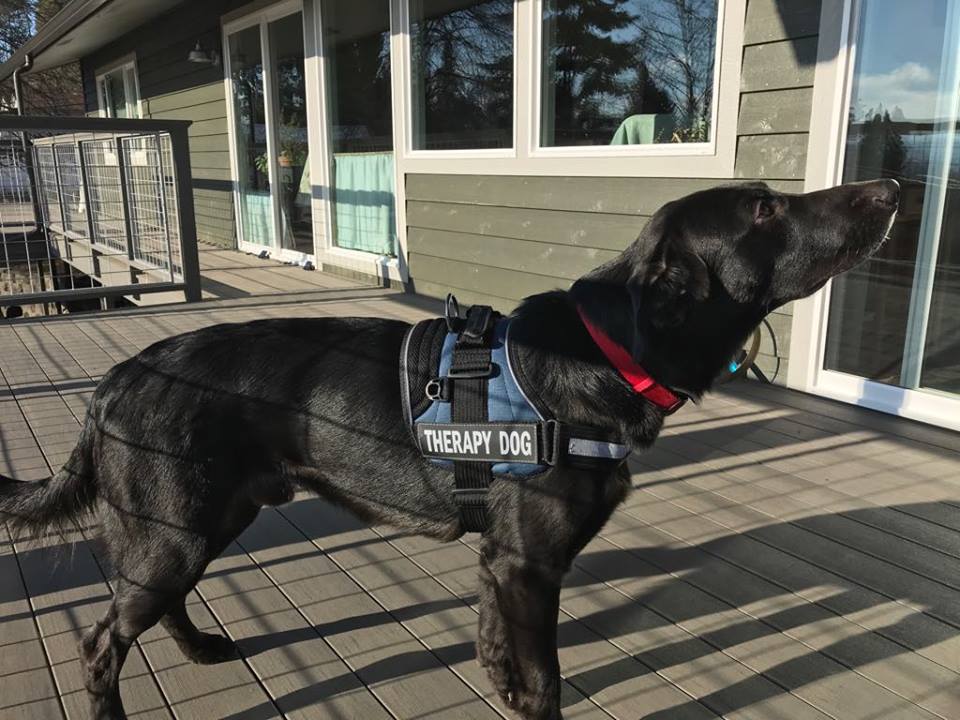
Animal-assisted therapy (AAT) is a goal-directed intervention that incorporates specially trained animals into the treatment process to help individuals improve their physical, emotional, social, and cognitive functioning. This evidence-based approach harnesses the unique bond between humans and animals to facilitate healing and enhance overall well-being across diverse populations and mental health conditions.
Recent research demonstrates that AAT can significantly reduce symptoms of anxiety, depression, and post-traumatic stress disorder while improving social engagement, emotional regulation, and quality of life. As mental health professionals increasingly recognize the therapeutic potential of human-animal interactions, AAT has emerged as a valuable complementary treatment option supported by a growing body of scientific evidence.
Table of Contents
- What Is Animal-Assisted Therapy?
- Evidence-Based Benefits of AAT
- Types of Animal-Assisted Interventions
- AAT for Different Age Groups
- Specific Mental Health Applications
- Safety Considerations and Guidelines
- Frequently Asked Questions
- How Therapy Can Help
- References
What Is Animal-Assisted Therapy?
Animal-assisted therapy represents a structured therapeutic intervention that involves animals as an integral part of the treatment process. Unlike emotional support animals or service animals, therapy animals work with trained mental health professionals in goal-directed sessions designed to address specific treatment objectives.
Animal-assisted therapy, also known as pet therapy, is a therapeutic intervention that involves animals to enhance the well-being of individuals across various populations and settings. The practice involves carefully selected and trained animals working alongside qualified therapists to help clients achieve measurable improvements in their mental, physical, and emotional health.
The therapeutic relationship formed between clients and animals creates a unique environment for healing. Animals offer non-judgmental acceptance and unconditional positive regard, which can be particularly beneficial for individuals who have difficulty forming trusting relationships with other humans. This special bond serves as a foundation for therapeutic progress and emotional growth.
Evidence-Based Benefits of AAT
Mental Health Improvements
Recent systematic reviews and meta-analyses provide strong evidence for AAT's effectiveness across various mental health conditions. All studies showed positive outcomes for depression and neurological disorders. The overall assessment of animal-assisted therapy shows promise as an effective intervention in promoting well-being among diverse populations.
A comprehensive 2024 meta-analysis examining AAT's impact revealed several key benefits:
- Depression and Anxiety: AAT (g= −0.72; 95% CI −1.13 to −0.31; p = 0.001) has a moderate and statistically significant effect as an intervention to reduce depressive symptoms in older adults.
- Stress Reduction: Regarding stress and anxiety, 3 studies indicated supportive mediation, while 2 studies showed activating mediation.
- Social Functioning: Studies consistently show improvements in social interaction, communication skills, and relationship building.
- Emotional Regulation: AAT helps individuals develop better emotional awareness and coping strategies.
Physiological Benefits
The human-animal bond triggers measurable physiological changes that support mental health:
- Hormonal Changes: Interaction with therapy animals reduced cortisol levels, increased oxytocin, lowered blood pressure, and increased social engagement and emotional regulation.
- Cardiovascular Benefits: Reduced heart rate and blood pressure
- Immune Function: Enhanced immune response through stress reduction
- Pain Management: Decreased perception of pain and reduced need for pain medication
Cognitive and Behavioral Improvements
AAT demonstrates effectiveness in enhancing various cognitive and behavioral outcomes:
- Improved attention and focus
- Enhanced memory and executive functioning
- Reduced aggressive and disruptive behaviors
- Increased motivation for treatment participation
- Better treatment adherence and retention
Types of Animal-Assisted Interventions
Canine-Assisted Therapy
Dogs remain the most commonly utilized animals in therapeutic settings due to their social nature, trainability, and ability to read human emotional cues. Of these, 84% suggest that DAT has a positive impact on communication and social interaction during the development of children and adolescents diagnosed with ASD.
Canine-assisted interventions are particularly effective for:
- Childhood trauma and PTSD
- Autism spectrum disorders
- Depression and anxiety
- Social anxiety and phobias
Equine-Assisted Therapy
Horse-assisted interventions leverage the unique characteristics of equine movement and behavior to facilitate therapeutic change. Equine-assisted intervention therapy has a nearly 60-year history and has been shown to have a significant positive impact on various types of psychotherapy patients.
Benefits of equine therapy include:
- Improved emotional regulation and self-efficacy
- Enhanced body awareness and sensory integration
- Development of trust and communication skills
- Physical benefits through therapeutic riding
Other Animal-Assisted Modalities
While dogs and horses are most common, various animals serve therapeutic roles:
- Cats: Provide comfort and companionship, particularly beneficial for elderly populations
- Small Animals (rabbits, guinea pigs): Suitable for individuals with limited space or animal fears
- Farm Animals: Offer unique opportunities for responsibility and nurturing behaviors
- Aquatic Animals: Fish tanks and aquariums can reduce anxiety in healthcare settings
AAT for Different Age Groups
Children and Adolescents
AAT shows particularly strong evidence for pediatric populations. Given the rising interest in complementary therapeutic strategies for autism spectrum disorder (ASD), this research aims to provide a comprehensive analysis of the impact of animal-assisted activities and therapies (AAAT) on various ASD symptoms.
Key benefits for young clients include:
- Enhanced social skills and peer interactions
- Improved emotional expression and regulation
- Reduced anxiety in clinical settings
- Better engagement in therapy sessions
- Development of empathy and nurturing behaviors
Adults
For adult populations, AAT addresses various mental health challenges:
- PTSD and trauma recovery
- Substance use disorders
- Mood disorders
- Personality disorders
- Chronic mental illness
Older Adults
Elderly populations experience unique benefits from AAT:
- Reduced loneliness and social isolation
- Improved cognitive stimulation
- Enhanced physical activity and mobility
- Better mood and life satisfaction
- Decreased need for psychotropic medications
Specific Mental Health Applications
Post-Traumatic Stress Disorder (PTSD)
Recent research demonstrates AAT's effectiveness for PTSD, particularly among veterans and first responders. Shelef et al. reported that equine-assisted therapy for patients with post-traumatic stress disorder showed significant improvements.
AAT for PTSD typically involves:
- Building trust and safety through animal interactions
- Processing traumatic experiences in a supportive environment
- Developing emotional regulation skills
- Reducing hypervigilance and anxiety symptoms
Autism Spectrum Disorder
Evidence for animal-assisted therapy in autism spectrum disorder shows positive outcomes. A 2024 meta-analysis by Xiao of 45 studies encompassing 1,212 participants found significant improvements in social communication, irritability, and hyperactivity in individuals with autism spectrum disorder.
Benefits include:
- Improved social communication
- Reduced repetitive behaviors
- Enhanced emotional reciprocity
- Better sensory integration
Depression and Anxiety Disorders
AAT provides unique advantages for mood and anxiety disorders:
- Non-pharmacological symptom relief
- Increased motivation and behavioral activation
- Enhanced therapeutic alliance
- Reduced treatment resistance
Substance Use Disorders
Equine-assisted therapy effectiveness in improving emotion regulation, self-efficacy, and perceived self-esteem of patients suffering from substance use disorders has been demonstrated. In conclusion, equine-assisted therapy as a complementary treatment in patients suffering from SUD is effective in improving their emotion regulation, self-efficacy, and perceived self-esteem.
Safety Considerations and Guidelines
Professional Standards
The implementation of AAT requires adherence to established guidelines and best practices:
- Animals must undergo health and behavioral assessments
- Handlers need specialized training and certification
- Clear protocols for infection control and safety
- Regular veterinary care and monitoring
- Insurance and liability considerations
Client Screening
Not all individuals are suitable candidates for AAT. Exclusion criteria include:
- Severe animal allergies or phobias
- Immunocompromised status
- History of animal abuse
- Severe aggression or unpredictable behavior
- Cultural or religious prohibitions
Ethical Considerations
AAT programs must prioritize welfare for both humans and animals:
- Ensuring animal well-being and preventing burnout
- Respecting client preferences and boundaries
- Maintaining professional therapeutic relationships
- Following evidence-based treatment protocols
- Regular program evaluation and quality improvement
Frequently Asked Questions
What conditions can animal-assisted therapy help treat?
AAT has shown effectiveness for various mental health conditions including depression, anxiety disorders, PTSD, autism spectrum disorder, ADHD, substance use disorders, and dementia. Research indicates it can also help with physical rehabilitation, chronic pain management, and improving quality of life for individuals with chronic illnesses.
How does AAT differ from having a pet?
While pet ownership can provide companionship and emotional support, AAT involves structured therapeutic interventions with specific treatment goals. Therapy animals are specially trained and work with qualified professionals in planned sessions. The interventions are documented, evaluated for effectiveness, and integrated into comprehensive treatment plans.
Is animal-assisted therapy covered by insurance?
Insurance coverage for AAT varies significantly. While standard health insurance plans typically do not cover AAT as a standalone treatment, some insurers are beginning to recognize it as a complementary intervention when provided by licensed mental health professionals. Check with your specific insurance provider about coverage options.
What training do therapy animals receive?
Therapy animals undergo extensive evaluation and training including basic obedience, socialization, desensitization to medical equipment and environments, and specific skills related to their therapeutic role. They must pass behavioral assessments, maintain current health certifications, and demonstrate consistent temperament suitable for therapeutic work.
Are there any risks associated with AAT?
While AAT is generally safe, potential risks include allergic reactions, fear responses, scratches or bites (though extremely rare with properly trained animals), and infection transmission. These risks are minimized through proper screening, trained handlers, hygiene protocols, and selecting appropriate animals for each client's needs.
How can I find animal-assisted therapy near me?
To locate AAT services, consult with your mental health provider, contact local hospitals or rehabilitation centers, search for certified therapy animal organizations in your area, or check with professional associations like Pet Partners or the International Association of Human-Animal Interaction Organizations (IAHAIO).
How Therapy Can Help
Animal-assisted therapy offers a unique and evidence-based approach to mental health treatment that complements traditional therapeutic interventions. By incorporating the healing power of the human-animal bond, AAT can help individuals overcome emotional barriers, develop new coping skills, and achieve meaningful improvements in their overall well-being.
If you're interested in exploring how animal-assisted therapy might benefit you or a loved one, consider reaching out to a qualified mental health professional who incorporates AAT into their practice. The GoodTherapy directory can help you find therapists in your area who offer animal-assisted interventions as part of comprehensive mental health treatment.
Remember that healing takes many forms, and the presence of a gentle, non-judgmental animal companion in therapy can provide the safety and support needed to begin or continue your journey toward mental wellness.
References:
- Arsovski, N. (2024). The role of animal assisted therapy in the rehabilitation of mental health disorders: A systematic literature review. Perspectives in Integrative Medicine, 3(3), 55. https://doi.org/10.56986/pim.2024.10.003
- American Veterinary Medical Association (AVMA). (2024). Animal-assisted interventions: Guidelines for wellness of animals involved. Retrieved from https://www.avma.org/
- Centers for Disease Control and Prevention (CDC). (2015). Pet dogs and children's health: Opportunities for chronic disease prevention? Preventing Chronic Disease, 12, E205. https://doi.org/10.5888/pcd12.150204
- Costi, E., & Wintermantel, J. (2025). Effectiveness of animal-assisted services for school-aged children: A systematic review. European Child & Adolescent Psychiatry. https://doi.org/10.1007/s00787-025-02740-7
- Dollion, N., Toutain, M., François, N., Champagne, N., Plusquellec, P., & Grandgeorge, M. (2024). The impact of dog-assisted therapy among children and adolescents with autism spectrum disorder: A systematic review. Children, 11(12), 1499. https://doi.org/10.3390/children11121499
- Fisher, P. W., Lazarov, A., Lowell, A., Arnon, S., Turner, J. B., Bergman, M., & Foa, E. B. (2021). Equine-assisted therapy for posttraumatic stress disorder among military veterans: An open trial. Journal of Clinical Psychiatry, 82(5), 21m14005. https://doi.org/10.4088/JCP.21m14005
- International Association of Human-Animal Interaction Organizations (IAHAIO). (2024). Recommendations for uniform terminology in animal-assisted services (AAS). Human-Animal Interactions, 12. https://doi.org/10.1079/hai.2024.0003
- Liu, J., & Sun, R. (2023). Equine-assisted interventions for veterans with posttraumatic stress disorder: A systematic review. Frontiers in Psychiatry, 14, 1277338. https://doi.org/10.3389/fpsyt.2023.1277338
- Marchand, W. R., Lackner, R., Hartquist, A., Finnell, L., & Nazarenko, E. (2023). Evaluation of a mindfulness and self-compassion-based psychotherapy incorporating horses for veterans who have experienced trauma. Complementary Therapies in Medicine, 72, 102914. https://doi.org/10.1016/j.ctim.2023.102914
- McCrea, M., Tibbets, M., Smith, A., & Campbell, J. (2025). At-risk youth receive similar benefits from equine-assisted psychotherapy and traditional psychotherapy: An applied analysis. Frontiers in Psychology, 16, 1234567. https://doi.org/10.3389/fpsyg.2025.1234567
- National Institute of Mental Health (NIMH). (2024). Research priorities and strategic initiatives. Retrieved from https://www.nimh.nih.gov/
- Pandey, R. P., Himanshu, Gunjan, Mukherjee, R., & Chang, C. M. (2024). The role of animal-assisted therapy in enhancing patients' well-being: Systematic study of the qualitative and quantitative evidence. JMIRx Med, 5, e51787. https://doi.org/10.2196/51787
- Pet Partners. (2023). Standards of practice in animal-assisted interventions. Retrieved from https://petpartners.org/publications/glossary/
- Rodrigo-Claverol, M., Manuel-Canals, M., Lobato-Rincón, L. L., Rodriguez-Criado, N., Roman-Casenave, M., Musull-Dulcet, E., Rodrigo-Claverol, E., Pifarré, J., & Miró-Bernaus, Y. (2023). Human–animal bond generated in a brief animal-assisted therapy intervention in adolescents with mental health disorders. Animals, 13(3), 358. https://doi.org/10.3390/ani13030358
- Rodriguez, K. E., Rispoli, M., Kelleher, M. M., MacLean, E. L., & O'Haire, M. E. (2024). The effects of service dogs for children with autism spectrum disorder and their caregivers: A cross-sectional study. Frontiers in Psychiatry, 15, 1371124. https://doi.org/10.3389/fpsyt.2024.1371124
- Souilm, N. (2023). Equine-assisted therapy effectiveness in improving emotion regulation, self-efficacy, and perceived self-esteem of patients suffering from substance use disorders. BMC Complementary Medicine and Therapies, 23, 363. https://doi.org/10.1186/s12906-023-04191-6
- Substance Abuse and Mental Health Services Administration (SAMHSA). (2024). National directory of mental health treatment facilities. Retrieved from https://www.samhsa.gov/data/report/2024-national-directory-mental-health-treatment-facilities
- Veterans Affairs (VA). (2024). Animal-assisted therapies - Whole Health Library. Retrieved from https://www.va.gov/WHOLEHEALTHLIBRARY/tools/animal-assisted-therapies.asp
- Villarreal-Zegarra, D., Copez-Lonzoy, A., Bernabé-Ortiz, A., & Huarcaya-Victoria, J. (2024). Effectiveness of animal-assisted therapy and pet-robot interventions in reducing depressive symptoms among older adults: A systematic review and meta-analysis. Complementary Therapies in Medicine, 71, 102916. https://doi.org/10.1016/j.ctim.2024.102916
- Xiao, N., Huang, X., Zang, W., Kiselev, S., Bolkov, M. A., Tuzankina, I. A., & Chereshnev, V. A. (2024). Effectiveness of animal-assisted activities and therapies for autism spectrum disorder: A systematic review and meta-analysis. Frontiers in Veterinary Science, 11, 1403527. https://doi.org/10.3389/fvets.2024.1403527
