
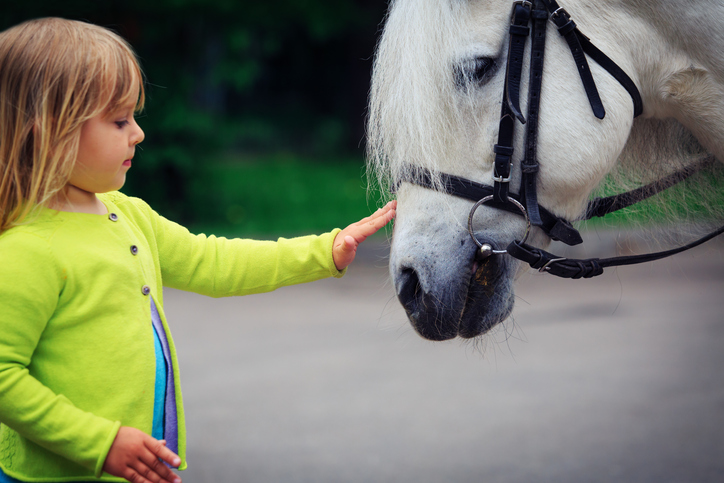
Equine-assisted therapy is a transformative mental health intervention that incorporates horses into the therapeutic process to help individuals of all ages overcome psychological challenges and improve their quality of life. This evidence-based approach has demonstrated significant benefits for treating conditions ranging from trauma and anxiety to developmental disorders and substance abuse.
Recent research has established equine-assisted therapy as a valuable complementary treatment option that addresses both psychological and physical health concerns. By partnering with specially trained horses and certified professionals, individuals engage in structured activities that promote emotional healing, self-awareness, and personal growth in a unique therapeutic environment.
Table of Contents
- What Is Equine-Assisted Therapy?
- History and Development
- Types of Equine-Assisted Interventions
- Conditions Treated
- Benefits and Research Outcomes
- How Does Equine-Assisted Therapy Work?
- What to Expect in Sessions
- Finding a Qualified Provider
- Safety Considerations
- Frequently Asked Questions
- How Therapy Can Help
What Is Equine-Assisted Therapy?
Equine-assisted therapy encompasses various therapeutic interventions that incorporate horses to achieve specific treatment goals for individuals experiencing mental health, behavioral, or developmental challenges. These services vary widely in both theoretical and practical applications but share the common element of utilizing the human-horse relationship as a catalyst for healing.
Unlike traditional therapy settings, equine-assisted interventions take place in natural outdoor environments where clients interact with horses through activities that facilitate increases in self-awareness and self-regulation. These programs are facilitated by licensed mental health professionals who work alongside certified equine specialists to ensure both client safety and therapeutic effectiveness.
Key Components
Equine-assisted therapy programs typically include:
- Ground-based activities: Grooming, feeding, and leading horses
- Mounted activities: Therapeutic riding when appropriate
- Observational exercises: Learning from horse behavior and herd dynamics
- Mindfulness practices: Being present with horses in their environment
- Skill-building exercises: Developing communication and emotional regulation
History and Development
The therapeutic use of horses dates back to ancient Greece, where physicians recognized the physical and mental health benefits of horseback riding. The Greek term "hippotherapy" (from hippos, meaning horse) reflects this early understanding of equine-assisted healing.
Modern equine-assisted psychotherapy emerged in the mid-20th century as mental health professionals began adapting therapeutic riding techniques originally developed for physical rehabilitation. The field expanded significantly with the establishment of professional organizations and standardized practices.
Evolution of Practice
Equine-assisted intervention therapy has a nearly 60-year history and has been shown to have a significant positive impact on various types of psychotherapy patients. Key milestones include:
- 1969: Formal recognition of equine therapy for physical disabilities
- 1990: Establishment of equine-assisted psychotherapy (EAP) as a distinct modality
- 2023: Development of standardized terminology and research guidelines by international organizations
Types of Equine-Assisted Interventions
Modern equine-assisted services encompass several distinct approaches, each with specific goals and methodologies:
1. Equine-Assisted Psychotherapy (EAP)
Professional therapists licensed in counseling or psychotherapy deliver services within their scope of practice in partnership with horses. EAP focuses on mental health treatment goals through experiential activities.
2. Hippotherapy
Conducted by licensed physical, occupational, or speech therapists, hippotherapy uses horse movement as a treatment tool to address physical and neurological conditions while also providing mental health benefits.
3. Therapeutic Riding (TR)
Evidence exists for the effectiveness of therapeutic riding in improving body functions and structures in domains of mental and neuromusculoskeletal functions.
4. Equine-Assisted Learning (EAL)
Educational programs that use horses to teach life skills, emotional intelligence, and personal development concepts.
5. Adaptive Riding
Modified riding instruction for individuals with disabilities, focusing on skill development and recreational participation.
Conditions Treated
Research demonstrates that equine-assisted therapy effectively addresses a wide range of mental health and developmental conditions:
Post-Traumatic Stress Disorder (PTSD)
A random effects model showed significant results in the reduction of PTSD symptoms. Veterans and first responders have shown particular benefit, with extensive studies underscoring the efficacy in mitigating depression, anxiety, and PTSD symptoms among veterans.
Attention-Deficit/Hyperactivity Disorder (ADHD)
Twelve weeks of hippotherapy improved attention, impulsivity/hyperactivity, and quality of life. The recently developed ASTride protocol specifically addresses ADHD in children aged 6-12 through structured equine-assisted occupational therapy.
Autism Spectrum Disorder (ASD)
Many recent studies have demonstrated that equine-assisted activities and therapies can substantially improve the social and behavioral skills of children with ASD.
Anxiety and Depression
Clinically meaningful reductions in depression and anxiety have been observed following EAP. Participants reported significantly reduced generalized anxiety and fewer symptoms of depression.
Substance Use Disorders
Equine-assisted therapy as a complementary treatment in patients suffering from SUD is effective in improving emotion regulation, self-efficacy, and perceived self-esteem.
Other Conditions
- Eating disorders
- Cerebral palsy
- Learning difficulties
- Grief and loss
- Behavioral disorders
- Emotional trauma
Benefits and Research Outcomes
Recent systematic reviews and meta-analyses have documented significant therapeutic benefits:
Psychological Benefits
- Reduced PTSD symptoms: Several types of equine-assisted interventions were shown to have a beneficial psychological impact on veterans
- Improved emotional regulation: Development of emotional regulation through interactions that allowed for investment without fear of perceived social judgment
- Enhanced self-esteem: Multiple studies report increased confidence and self-worth
- Decreased anxiety and depression: Consistent improvements across diverse populations
- Better stress management: Significant decrease in symptoms of anxiety and depression along with other symptoms of psychological distress
Social and Behavioral Improvements
- Enhanced communication skills
- Improved social functioning
- Reduced aggressive behaviors
- Better relationship patterns
- Increased empathy and trust
Physical and Cognitive Benefits-
Statistically significant improvements in walking, running, jumping, and mobility
- Enhanced motor function and balance
- Improved attention and focus
- Better body awareness and coordination
- Increased mindfulness and present-moment awareness
Quality of Life Outcomes
Youth with psychosocial challenges receive similar benefits from equine-assisted therapy as from traditional psychotherapy, with improvements in:
- Overall life satisfaction
- Daily functioning
- Family relationships
- Academic or occupational performance
How Does Equine-Assisted Therapy Work?
The therapeutic effectiveness of equine-assisted interventions stems from multiple interconnected mechanisms:
The Human-Horse Connection
Horses possess unique qualities that facilitate therapeutic relationships:
- Nonjudgmental presence: Horses respond authentically without social expectations
- Immediate feedback: Horses are sensitive to nonverbal behavior and provide immediate feedback to handlers
- Mirror emotions: Horses reflect human emotional states, increasing self-awareness
- Prey animal sensitivity: Their heightened awareness helps clients recognize their own emotional states
Neurobiological Mechanisms
Working directly with equines may produce calming autonomic system responses; the release of oxytocin and inhibition of cortisol have been observed after equine interactions.
Therapeutic Factors
1. Experiential learning: Active engagement versus passive discussion
2. Metaphorical experiences: Horse interactions parallel life challenges
3. Mindfulness cultivation: Horses require present-moment awareness
4. Empowerment: Successfully working with large animals builds confidence
5. Natural environment: Increased sense of well-being as a result of being in nature
Evidence-Based Mechanisms
Altered spontaneous activity and connectivity within the default mode network have been reported in ADHD studies, with suggested mechanisms for symptom improvement after EAT related to functional change of the DMN.
What to Expect in Sessions
Equine-assisted therapy sessions vary based on individual needs and treatment goals, but typically follow a structured format:
Initial Assessment
- Evaluation of mental health concerns and treatment goals
- Assessment of horse experience and comfort level
- Safety orientation and ground rules
- Introduction to therapy horses and team
Typical Session Structure
1. Check-in (10-15 minutes): Discussion of current state and session goals
2. Horse interaction (30-45 minutes): Structured activities based on treatment plan
3. Processing (15-20 minutes): Reflection on experiences and insights
4. Integration (5-10 minutes): Connecting learning to daily life
Common Activities
- Grooming and care: Building trust through nurturing activities
- Leading exercises: Practicing assertiveness and clear communication
- Obstacle courses: Problem-solving and confidence building
- Liberty work: Understanding boundaries and relationships
- Mounted activities: When appropriate for treatment goals
Session Frequency and Duration
ASTride, a structured protocol, includes 12 weekly therapeutic sessions, each lasting 45 minutes. However, treatment length varies based on individual needs, with programs ranging from 6-week intensive courses to ongoing weekly sessions.
Finding a Qualified Provider
Selecting an appropriate equine-assisted therapy program requires careful consideration:
Professional Credentials
Look for programs with:
- Licensed mental health professionals (psychologists, counselors, social workers)
- Certified equine specialists through recognized organizations
- Proper insurance and safety protocols
- Accreditation from professional associations
Key Organizations
- PATH International (Professional Association of Therapeutic Horsemanship)
- EAGALA (Equine Assisted Growth and Learning Association)
- HETI (Horses in Education and Therapy International)
Questions to Ask Providers
1. What are the therapist's mental health credentials?
2. What equine-specific training and certifications do staff hold?
3. How are horses selected and trained for therapy work?
4. What safety protocols are in place?
5. Is the program covered by insurance?
6. What is the typical treatment duration and frequency?
7. How is progress measured and documented?
Cost Considerations
Equine-assisted therapy costs vary widely based on location, program type, and session length. Some insurance plans may cover services when provided by licensed mental health professionals. Many programs offer sliding scale fees or scholarships.
Safety Considerations
While equine-assisted therapy has an excellent safety record when properly conducted, certain precautions are essential:
Physical Safety
- All participants should wear appropriate footwear and safety equipment
- Programs should maintain comprehensive liability insurance
- Horses must be carefully selected and regularly evaluated for temperament
- Clear safety protocols for emergency situations
Medical Considerations
Consult with healthcare providers before beginning equine therapy if you have:
- Spinal conditions or back problems
- Severe allergies to horses or barn environments
- Compromised immune systems
- Seizure disorders
- Mobility limitations
Emotional Safety
- Programs should screen for severe mental health crises
- Therapists must be prepared to handle emotional responses
- Clear boundaries between therapeutic and recreational riding
- Appropriate supervision ratios
Frequently Asked Questions
Do I need horse experience to participate in equine-assisted therapy?
No prior horse experience is necessary. Most participants begin with no equine background. Therapists and equine specialists provide all necessary instruction and support to ensure safety and comfort.
Will I ride horses during equine-assisted therapy?
Not necessarily. Many equine-assisted therapy programs focus primarily on ground-based activities. Riding may be incorporated based on treatment goals, physical ability, and comfort level, but it is not required for therapeutic benefit.
How is equine-assisted therapy different from regular horseback riding lessons?
Equine-assisted therapy is conducted by licensed mental health professionals with specific treatment goals. While riding skills may develop, the primary focus is on emotional healing and psychological growth rather than horsemanship.
Is equine-assisted therapy covered by insurance?
Coverage varies by insurance plan and provider credentials. Services provided by licensed mental health professionals may be covered under behavioral health benefits. Contact your insurance company to verify coverage for specific providers.
How long does equine-assisted therapy take to show results?
Youth who received structured equine interventions showed significant improvements in anxiety and self-efficacy, often within 6-12 sessions. However, individual progress varies based on presenting concerns and engagement level.
Can equine-assisted therapy replace traditional mental health treatment?
Equine-assisted therapy works best as part of a comprehensive treatment plan. It has emerged as one possible adjunct to psychological treatment, allowing participants to practice mindfulness, emotional regulation, and self-esteem building skills.
How Therapy Can Help
Equine-assisted therapy offers a unique pathway to healing that complements traditional mental health services. The combination of animal partnership, outdoor settings, and experiential learning creates opportunities for breakthrough moments that may not occur in conventional therapy settings.
Whether you're dealing with trauma, anxiety, depression, or other mental health challenges, equine-assisted therapy provides a supportive environment for growth and healing. The nonjudgmental presence of horses, combined with skilled therapeutic guidance, can help you develop new coping strategies, improve relationships, and enhance overall well-being.
Ready to explore how equine-assisted therapy might help you or a loved one? Find a therapist who specializes in equine-assisted interventions through our comprehensive directory. Our verified professionals combine expertise in mental health with specialized training in equine-assisted methods to support your journey toward healing and growth.
References:
- Acri, M., Hoagwood, K., Morrissey, M., & Zhang, S. (2022). Reducing anxiety and stress among youth in a CBT-based equine-assisted adaptive riding program. Human-Animal Interaction Bulletin, 10(2), 12-29. https://doi.org/10.1079/hai.2022.0010
- Badin, L., & Bailly, N. (2025). Equine-assisted intervention and Alzheimer's disease: A non-randomized, controlled, multicenter study. Journal of Applied Gerontology, 44(6), 789-806. https://doi.org/10.1177/07334648251351697
- Fuller-Lovins, S., Kanamori, Y., Myers, C. E., & Cornelius-White, J. H. (2023). The effectiveness of equine-assisted mental health interventions for youth: A meta-analysis of controlled studies. Adolescent Research Review, 8, 495–506. https://doi.org/10.1007/s40894-023-00209-9
- Helmer, A., Delore, E., & Bart, O. (2024). Equine assisted occupational therapy for children with ADHD (ASTride): Protocol development and preliminary study. Clinical Neuropsychiatry, 21(1), 88-98. https://doi.org/10.36131/cnfioritieditore20240106
- Helmer, A., Delore, E., & Bart, O. (2025). Horses and ADHD: The ASTride intervention for cognitive and emotional growth. Child and Adolescent Psychiatry and Mental Health, 19, 131. https://doi.org/10.1186/s13034-025-00990-6
- Lepy, C., Letranchant, A., & Aniorte, J. L. (2025). Equine therapy in the management of teenagers with anorexia nervosa: A qualitative study. Eating and Weight Disorders, 30, 66. https://doi.org/10.1007/s40519-025-01724-5
- Li, J., & Sánchez-García, R. (2023). Equine-assisted interventions for veterans with posttraumatic stress disorder: A systematic review. Frontiers in Psychiatry, 14, 1277338. https://doi.org/10.3389/fpsyt.2023.1277338
- Marchand, W. R. (2023). Potential mechanisms of action and outcomes of equine-assisted services for veterans with a history of trauma: A narrative review of the literature. International Journal of Environmental Research and Public Health, 20(14), 6377. https://doi.org/10.3390/ijerph20146377
- Marchand, W. R., Lackner, R., Hartquist, A., Finnell, L., & Nazarenko, E. (2023). Evaluation of a mindfulness and self-compassion-based psychotherapy incorporating horses for veterans who have experienced trauma. Complementary Therapies in Medicine, 72, 102914. https://doi.org/10.1016/j.ctim.2023.102914
- Mattila-Rautiainen, S., Brennan, R., Emond, N., Horne, V., Volpe, G., Arrieta, K., & Stergiou, A. (2023). A prospective international study of terminology in human-equine interactions—Preliminary results. HETI Journal of International Research and Practice, 22, 28–42. https://doi.org/10.58862/NJBV1737
- McCrea, C., Tibbets, J., Smith, J., & Campbell, K. (2025). At-risk youth receive similar benefits from equine-assisted psychotherapy and traditional psychotherapy: An applied analysis. Frontiers in Psychiatry, 16, 1518783. https://doi.org/10.3389/fpsyt.2025.1518783
- Nelson, C., Dossett, K., & Walker, D. L. (2024). Equine-assisted therapy for posttraumatic stress disorder among first responders. Psychological Reports, 127(5), 2478-2502. https://doi.org/10.1177/00332941221146707
- Palomar-Ciria, N., & Bello, H. J. (2023). Equine-assisted therapy in post-traumatic-stress disorder: A systematic review and meta-analysis. Journal of Equine Veterinary Science, 128, 104871. https://doi.org/10.1016/j.jevs.2023.104871
- Professional Association of Therapeutic Horsemanship International (PATH Intl.). (2023). PATH Intl. definitions guide for researchers. https://pathintl.org/wp-content/uploads/2023/07/PATH-Intl-Definitions-Guide-for-Researchers.pdf
- Provan, M., Ahmed, Z., Stevens, A. R., & Sardeli, A. V. (2024). Are equine-assisted services beneficial for military veterans with post-traumatic stress disorder? A systematic review and meta-analysis. BMC Psychiatry, 24, 544. https://doi.org/10.1186/s12888-024-05984-w
- Seery, R., Murphy, J., & Woods, J. (2024). An exploratory study into the backgrounds and perspectives of equine-assisted service practitioners. Animals (Basel), 14(2), 347. https://doi.org/10.3390/ani14020347
- Souilm, N. (2023). Equine-assisted therapy effectiveness in improving emotion regulation, self-efficacy, and perceived self-esteem of patients suffering from substance use disorders. BMC Complementary Medicine and Therapies, 23, 363. https://doi.org/10.1186/s12906-023-04191-6
- Stergiou, A. N., Ploumis, A., Kamtsios, S., Markozannes, G., Christodoulou, P., & Varvarousis, D. N. (2025). Effects of equine-assisted therapy: A systematic review and meta-analysis. Journal of Clinical Medicine, 14(11), 3731. https://doi.org/10.3390/jcm14113731
- Young, C., & Horton, J. (2019). Canine and equine therapy for mental health: A review of clinical effectiveness. Canadian Agency for Drugs and Technologies in Health. https://www.ncbi.nlm.nih.gov/books/NBK549209/
- Zhao, Y., Wang, Y., Pan, X., Yue, C., Li, L., Yang, Y., Li, Y., Wang, D., Hou, X., Wu, R., He, L., He, J., & Wang, H. (2023). Effects of equine-assisted activities and therapies for individuals with autism spectrum disorder: Systematic review and meta-analysis. International Journal of Environmental Research and Public Health, 20(3), 2630. https://doi.org/10.3390/ijerph20032630
