
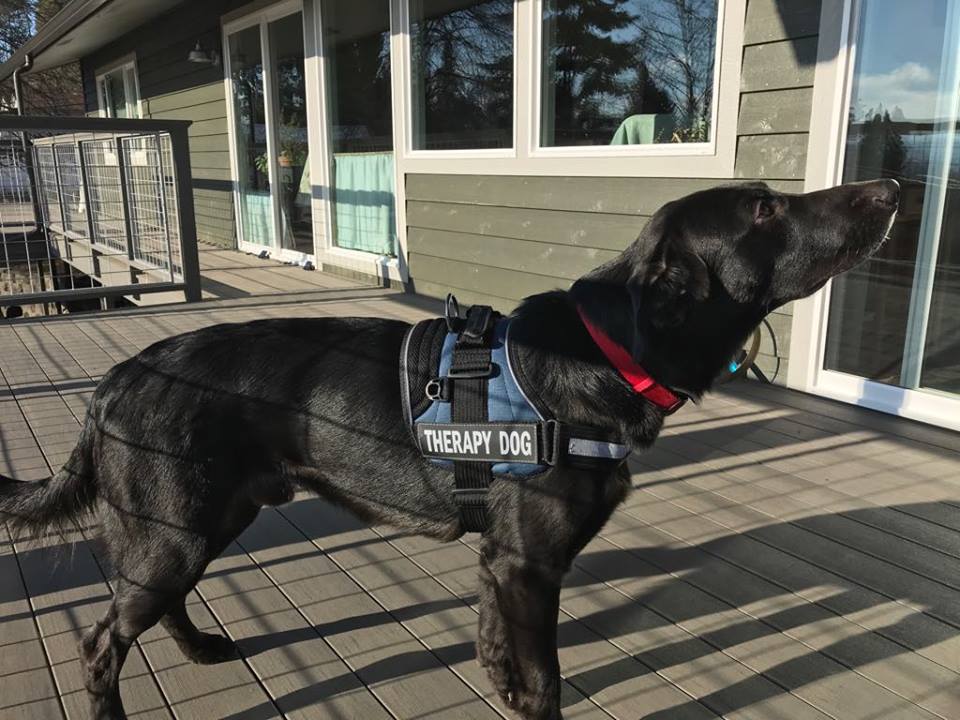
 Animal-assisted therapies (AAT) are approaches to mental health care that incorporate animals into the psychotherapy process, emphasizing the bond created during human-animal interactions. Emotional recovery and positive psychological transformation often occurs when the relationship between an individual and the therapy animal grows.
Professionals often advocate for using animals in psychotherapy treatment because animals can bring forth a vivid array of nurturing emotions, and many people seeking help respond positively to the idea of caring for another being.
- How Can Animal-Assisted Therapies Help?
- Types of Animal-Assisted Psychotherapy
- Animal-Assisted Therapy for All Ages
- Concerns and Limitations
How Can Animal-Assisted Therapies Help?
Animal-assisted psychotherapy can provide numerous psychological and physiological benefits. People who interact with animals for the purpose of therapy may experience improvements in health, including:
- Decreased stress levels
- Reduced anger and aggression
- Decreased hostility toward the self and others
- Improved social interactions
- Decreased heart rate and blood pressure
- Rise in release of beta-endorphins
- Improvement in self-esteem, patience, and trust
- Sense of empowerment
Improved mood and reduced anxiety tend to be consistent results with AAT. Individuals who perceive hostility or disregard from other humans may come to accept the nonjudgmental and unconditional affection and attention from an animal, instead. Studies of AAT demonstrate these results in nearly all participants, regardless of age, the duration of the session, or the severity of symptoms.
Animal-assisted therapy has been proven to be beneficial not only for the human individuals involved, but also the animals. Each being experiences positive results from the attention received from the other, according to studies between horses and humans and between humans and dogs.
Types of Animal-Assisted Psychotherapy
Professionals administering or overseeing AAT might work with any type of animal, depending on the preferences and personal needs of a person in therapy.
Animals that might serve in a therapy capacity include, but are not limited to horses, dogs, dolphins, fish, birds, and small pet rodents such as rats or hamsters.
Some therapies, such as dolphin-assisted therapy, have mixed results. While unlikely to be harmful, they may or may not produce desired therapeutic benefits and should be further researched to determine their long-term effects. Others, such as equine therapy, have a wealth of research supporting their positive impact on recipients’ mental health.
Organizations offering AAT might give participants a variety of animals to choose from by operating on a large farm or creating a type of petting zoo filled with AAT-approved animals. As long as a mental health professional is involved in the psychotherapy process and the animal participant(s) is trained or approved for use as a therapy animal, the specifics of AAT can be determined by the therapist and person receiving therapy.
Some residential treatment centers are organized around long-term AAT, offering a camp-like environment, programs for nature immersion, animal training sessions, and other opportunities. Some are focused on a particular aspect of mental health. Grief camps, for example, offer children who have experienced personal loss the opportunity to work through emotional experiences with horses or dogs.
Owning a therapy or companion animal, such as a dog trained to sense and alleviate anxiety, is only loosely considered a type of animal-assisted psychotherapy. AAT, by definition, involves the active participation of a mental health professional. Studies that evaluate the benefits of AAT generally do not include evidence gathered from this particular population.
Animal-Assisted Therapy for All Ages
People of any age can see benefits from interacting with animals in a psychotherapy setting. Young children often see dramatic improvements in interpersonal relationships with equine-assisted therapy. For example, young children who are unable to express physical and emotional comfort and closeness with others, or find it difficult to do so, may more readily form that type of bond with a horse or other animal.
This unique bond can help the child develop traits like patience, respect, empathy, acceptance, confidence, assertiveness, and responsibility. The unspoken communication between child and animal can foster verbal and nonverbal communication skills in the child. All of these attributes help children maintain secure and mutually respectful relationships during difficult times throughout their lives.
Studies have shown animal-assisted psychotherapy also has a positive impact on aging individuals and the elderly. AAT can be especially effective for people who used to have dogs or other animals but are no longer able to care for their own animal. Being in the presence of pets again can help remind people of the love they had for previous animals, stirring memories and reducing loneliness.
Concerns and Limitations
A wide variety of animals can assist individuals in psychotherapy, and some may need to exercise caution around some animals. For example, horses can pose significant dangers due to their weight and size, especially for children. Some people may experience allergies to some animals or their environments, such as dogs, horses, and hay.
Consult a physician if you have any health conditions that might affect or complicate an experience with animal-assisted psychotherapy. As always, collaborate with your mental health professional to select an animal-assisted modality that will provide the most benefit and lead to positive emotional progress.
References:
- Banks, M. R., & Banks, W. A. (2002). The effects of animal-assisted therapy on loneliness in an elderly population in long-term care facilities. The Journals of Gerontology Series A: Biological Sciences and Medical Sciences, 57(7), M428-M432. Retrieved from https://academic.oup.com/biomedgerontology/article/57/7/M428/553460
- Barker, S. B. (1999). Therapeutic aspects of the human-companion animal interaction. Psychiatric Times, 16(2), 45-46. Retrieved from http://citeseerx.ist.psu.edu/viewdoc/download?doi=10.1.1.730.8607&rep=rep1&type=pdf
- Barker, S. B., & Dawson, K. S. (1998). The effects of animal-assisted therapy on anxiety ratings of hospitalized psychiatric patients. Psychiatric Services, 49(6), 797-801. Retrieved from http://ps.psychiatryonline.org/doi/abs/10.1176/ps.49.6.797
- Hallberg, L. (2008). Walking the way of the horse: Exploring the power of the horse-human relationship. Bloomington, IN: iUniverse.
- Humphries, T. L. (2003). Effectiveness of dolphin-assisted therapy as a behavioral intervention for young children with disabilities. Bridges, 1(6), 1-9. Retrieved from http://www.waterplanetusa.com/images/Effectiveness_of_Dolphin_Assisted_Therapy.pdf
- Marino, L., & Lilienfeld, S. O. (2007). Dolphin-assisted therapy: More flawed data and more flawed conclusions. Anthrozoös, 20(3), 239-249. Retrieved from http://www.tandfonline.com/doi/abs/10.2752/089279307X224782
- Martin, F., & Farnum, J. (2002). Animal-assisted therapy for children with pervasive developmental disorders. Western Journal of Nursing Research, 24(6), 657-670. Retrieved from http://journals.sagepub.com/doi/abs/10.1177/019394502320555403
- Nimer, J., & Lundahl, B. (2007). Animal-assisted therapy: A meta-analysis. Anthrozoös, 20(3), 225-238. Retrieved from http://www.tandfonline.com/doi/abs/10.2752/089279307X224773
- Odendaal, J. S. (2000). Animal-assisted therapy—magic or medicine? Journal of Psychosomatic Research, 49(4), 275-280. Retrieved from http://www.sciencedirect.com/science/article/pii/S0022399900001835
